
Should Flock-style license-plate surveillance networks exist?
Networked automated license-plate cameras can assemble searchable records of vehicle movements. Candidates and officials disagree over whether to ban the systems, keep them with limits, or defend them as investigative tools. This tracker separates outright bans from narrower restrictions.
Case period:
Published by The Dispute Index editorial teamPublished Updated
Overview
The dispute sharpened during the 2026 midterm campaigns as candidates answered questions about Flock Safety's camera network. Associated Press reporting (opens in a new tab) records calls for state bans alongside proposals for warrants, shorter retention, funding pauses, and oversight. Flock Safety and law-enforcement groups argue the systems help investigate crimes and locate missing people, while critics argue routine collection of drivers' movements creates an unacceptable surveillance network.
This tracker concerns fixed or networked automated license-plate readers that create searchable records of vehicle movements. It does not treat an officer's use of a mobile reader, a toll camera, or a proposal to restrict federal grants as equivalent to a ban on the network. A candidate's criticism of misuse is not, by itself, a call to eliminate the systems. A lack of a verified position is not support for either side.
People in this case
 Angie NixonCommented
 Doug JonesCommented
 Greg SteubeCommented
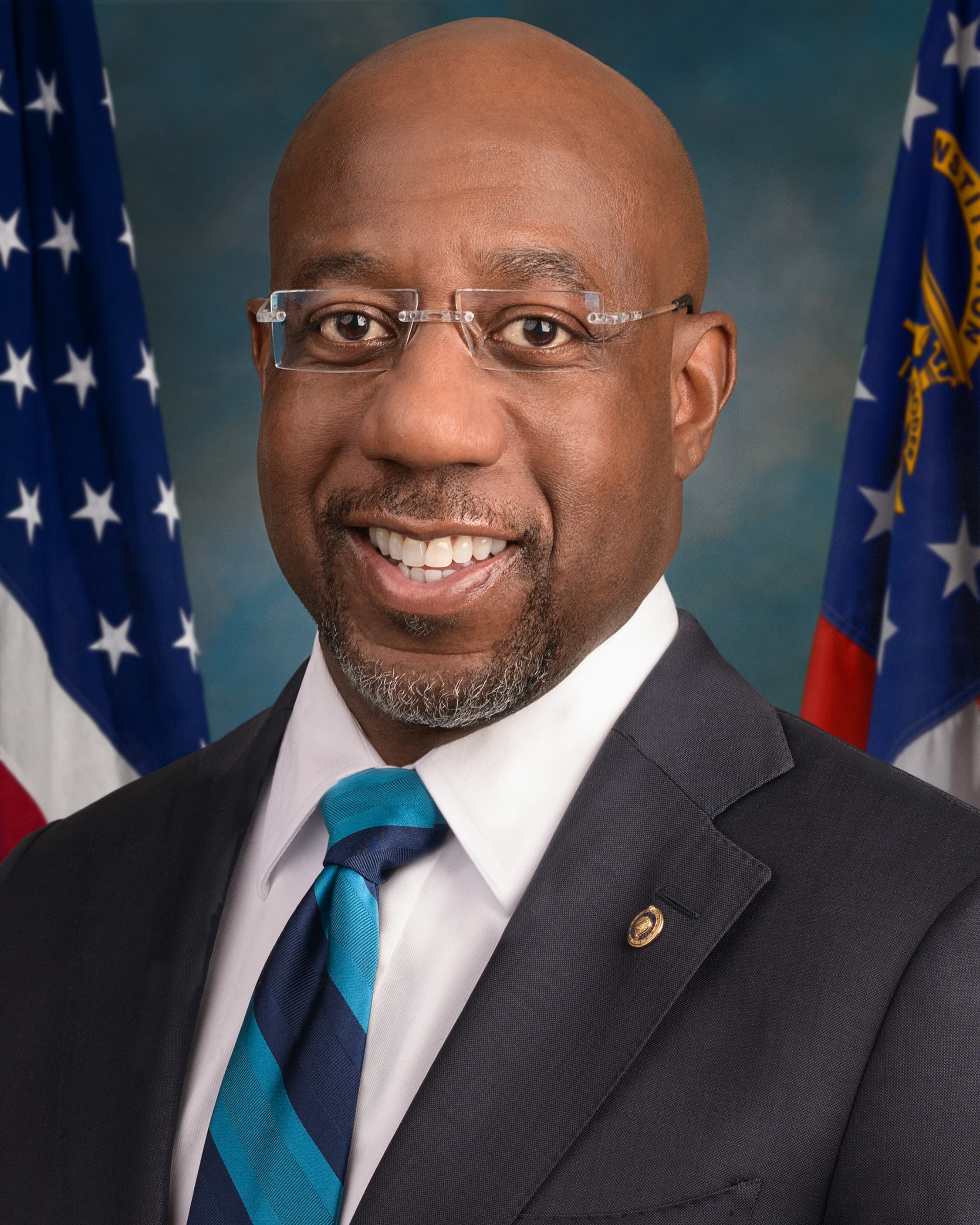 Raphael WarnockCommented
Response record
Responses
Latest recorded positions: 269. Dates: February 10, 2026 to September 28, 2026
Choose one response filter, or select All responses to see the full record.
165 responses on this page
Don Kissick "Ohioans should not have their movements routinely tracked, photographed, and stored simply for driving on public roads."
Read the official statement (opens in a new tab)Don Kissick campaign platform on Flock camerasFlock Cameras sectionMixed or conditionalCase context: Should Flock-style license-plate surveillance networks exist?
Read more
Kissick's campaign says Ohio should not routinely track drivers through license-plate cameras. It pledges to seek restrictions or a prohibition on government use and to prevent state funding for mass-surveillance networks.
Role at the time: Libertarian nominee for Ohio governor
Before the statement
The campaign published a platform section addressing Flock cameras and routine tracking of drivers on public roads.
After the statement
Kissick pledges to seek legislation restricting or prohibiting government use, limit vehicle-location data and block state funding for mass-surveillance networks.
Don Kissick campaign platform on Flock camerasFlock Cameras sectionWhy this label?
The platform rejects routine driver tracking and government-funded mass-surveillance networks. It leaves open whether the legislative result would restrict or prohibit all government ALPR use.
This label describes the statement's response within the context above.
Lauren Pinkston "Tennesseans should be free from a surveillance state."
Read the official statement (opens in a new tab)Lauren Pinkston for Tennessee, issues platformPublic Safety & Justice: Automatic License Plate Readers (ALPRs / Flock Cameras)Mixed or conditionalCase context: Should Flock-style license-plate surveillance networks exist?
Read more
Pinkston supports limited ALPR use for investigations with short retention, verified matches, case-linked searches, and controlled interagency sharing.
Role at the time: Independent candidate for Tennessee governor
Before the statement
Pinkston's undated campaign issue page discusses Flock-style readers as an aid to investigations.
After the statement
It calls for deletion after seven days, human confirmation of matches, a case ID for searches, and formal requests from outside agencies.
Lauren Pinkston for Tennessee, issues platformPublic Safety & Justice: Automatic License Plate Readers (ALPRs / Flock Cameras)Why this label?
Pinkston would permit investigative use under conditions, rather than eliminate the systems.
This label describes the statement's response within the context above.
Justin Wagner "We need to restore real limits, real oversight, and real due process."
Read the official statement (opens in a new tab)Justin Wagner campaign platform on Flock surveillancePrivacy rights, Get The Flock Out of HereMixed or conditionalCase context: Should Flock-style license-plate surveillance networks exist?
Read more
Wagner's campaign platform calls for stronger rules on warrantless surveillance and corporate tracking of people's movements under a section about Flock.
Role at the time: Pennsylvania congressional candidate
Before the statement
Wagner's platform places the statement in a section titled Get The Flock Out of Here.
After the statement
The platform promises legislation to limit corporate data harvesting and calls for due process.
Justin Wagner campaign platform on Flock surveillancePrivacy rights, Get The Flock Out of HereWhy this label?
The platform calls for limits and oversight, without an explicit ban on all ALPR systems.
This label describes the statement's response within the context above.
 Angie Nixon
"I will fight for federal standards requiring a warrant before ALPR or similar location data can be accessed in most circumstances."
Read the official statement (opens in a new tab)Angie Nixon for U.S. Senate priorities on privacy and surveillanceProtect privacy and end surveillance sectionMixed or conditionalCase context: Should Flock-style license-plate surveillance networks exist?
Read more
Angie Nixon's campaign platform proposed warrants, deletion limits, restrictions on immigration data sharing, and community consent for ALPR systems.
Role at the time: 2026 Democratic candidate for U.S. Senate in Florida
Before the statement
Nixon's undated campaign platform, available on September 26, addresses ALPR systems including Flock under privacy and surveillance.
After the statement
The platform permits some use under restrictions; it does not call for an outright ban.
Angie Nixon for U.S. Senate priorities on privacy and surveillanceProtect privacy and end surveillance sectionWhy this label?
The reference point is whether networked license-plate reader systems such as Flock should exist and be used. Nixon's platform called for a federal warrant requirement before license-plate reader data can be accessed in most circumstances, along with deletion limits and community consent. Permitting use under restrictions fits Mixed or conditional.
This label describes the statement's response within the context above.
John Loughlin "but if Flock cameras are going to exist, they need to have Fourth Amendment protections."
Open source (opens in a new tab)Candidates in tight LG's race debate energy costs, ICE, Flock and moreSection 'Flock cameras'Mixed or conditionalCase context: Should Flock-style license-plate surveillance networks exist?
Read more
John Loughlin said at a lieutenant governor debate that if Flock cameras are going to exist, they need Fourth Amendment protections, while supporting communities that choose to remove them.
Role at the time: Republican nominee for lieutenant governor of Rhode Island and former state representative
Before the statement
At a Sept. 25, 2026 WPRI debate with Lt. Gov. Sabina Matos, Loughlin said license-plate reader data is 'available to anyone with a password and a grudge' and said he supports communities that are choosing to remove the cameras.
After the statement
The Providence Journal reported that Loughlin said officers should need a search warrant and probable cause to access the footage, and that while the cameras helped solve crimes, 'it doesn't justify round-the-clock, 24/7 surveillance on Rhode Islanders.'
Candidates in tight LG's race debate energy costs, ICE, Flock and moreSection 'Flock cameras'Why this label?
The reference point is whether Flock-style license-plate camera networks should exist and be used. Loughlin supports communities removing the cameras but says that if they are going to exist they need Fourth Amendment protections, which The Providence Journal reports as a warrant and probable-cause requirement. Allowing them only with those protections is Mixed or conditional.
This label describes the statement's response within the context above.
Carrie Rheingans "I think we need to go further than this bill, And make sure that a warrant is always necessary to search this data. But, this is the bill that’s available today."
Open source (opens in a new tab)Michigan lawmaker seeks limits on license plate reader dataSection headed "Proposed restrictions"Mixed or conditionalCase context: Should Flock-style license-plate surveillance networks exist?
Read more
Michigan Rep. Carrie Rheingans said a House bill limiting the sharing of license plate reader data should go further and that a warrant should always be required to search the data.
Role at the time: Michigan state representative (D) running for reelection in District 47
Before the statement
Rheingans is among the lawmakers behind a Michigan House bill that, WNEM reported, would require a court order before captured plate data is sent to law enforcement outside Michigan.
After the statement
She also called license plate readers "one part of the whole puzzle of artificial intelligence and a surveillance state" and tied that to what she called the "Trump regime." WNEM reported that the bill was headed to the House Judiciary Committee.
Michigan lawmaker seeks limits on license plate reader dataSection headed "Proposed restrictions"Why this label?
The reference point is whether networked license-plate reader systems such as Flock should exist and be used. Rheingans backs a bill limiting how plate data is shared and says the law should go further by always requiring a warrant to search the data. She seeks legal limits on the systems, not their removal, so Mixed or conditional fits.
This label describes the statement's response within the context above.
Show fewer responses
Anthony Parisi "We agreed that the appropriate response is to listen to our community and change course."
Open source (opens in a new tab)Dutchess to End Flock Camera UseSeptember 25 statements by Sue Serino, Anthony Parisi and Kirk ImperatiMixed or conditionalCase context: Should Flock-style license-plate surveillance networks exist?
Read more
Parisi withdrew support for Dutchess County's Flock network after public objections, following earlier demands for major changes to any renewed contract.
Role at the time: Dutchess County district attorney
Before the statement
At a September 23 public forum, Parisi said he wanted substantial changes to the next Flock contract or he would oppose it.
After the statement
In a joint statement with Sheriff Imperati two days later, Parisi said county officials would take steps to discontinue Flock use.
Dutchess to End Flock Camera UseSeptember 25 statements by Sue Serino, Anthony Parisi and Kirk ImperatiWhy this label?
He reverses support for the local network after residents' objections, but does not reject all regulated license-plate reader technology.
This label describes the statement's response within the context above.
Kirk Imperati "believing a technology can be useful does not mean government should continue using it when the people it serves have raised serious concerns."
Open source (opens in a new tab)Dutchess to End Flock Camera UseSeptember 25 statements by Sue Serino, Anthony Parisi and Kirk ImperatiMixed or conditionalCase context: Should Flock-style license-plate surveillance networks exist?
Read more
Imperati agreed to discontinue Dutchess County's Flock network after residents objected, while maintaining that regulated license-plate readers can help investigations.
Role at the time: Dutchess County sheriff
Before the statement
Imperati had supported the county's Flock network for criminal investigations and public safety before a forum where residents opposed it.
After the statement
He and District Attorney Parisi said they would work with county officials to discontinue Flock use while addressing contract and operational obligations.
Dutchess to End Flock Camera UseSeptember 25 statements by Sue Serino, Anthony Parisi and Kirk ImperatiWhy this label?
He supports ending the county network while expressly retaining a favorable view of regulated license-plate reader technology.
This label describes the statement's response within the context above.
Sue Serino "If the district attorney and the sheriff no longer believe that Flock Safety technology is a tool that they need, I stand by them in that decision"
Open source (opens in a new tab)Dutchess to End Flock Camera UseSeptember 25 statements by Sue Serino, Anthony Parisi and Kirk ImperatiMixed or conditionalCase context: Should Flock-style license-plate surveillance networks exist?
Read more
Serino said Dutchess County would not renew its Flock contract after the district attorney and sheriff withdrew support, and she proposed moving the budgeted money to other services.
Role at the time: Dutchess County executive
Before the statement
Dutchess residents had opposed the county's Flock network at a public forum. The district attorney and sheriff then announced a change in position.
After the statement
Serino said she would not renew the contract and would recommend reallocating the money planned for license-plate readers.
Dutchess to End Flock Camera UseSeptember 25 statements by Sue Serino, Anthony Parisi and Kirk ImperatiWhy this label?
She endorses ending this county network based on the law-enforcement leaders' changed assessment, without stating that all such networks should be banned.
This label describes the statement's response within the context above.
Jessica Heger "At this time, I would not pursue automated license plate readers. Public safety benefits must be weighed against the cost, privacy concerns, data retention, and appropriate oversight. I am not opposed to technology, and remain open to considering it as technology evolves and privacy protections and accountability improve. Any future consideration will include community input and show a public safety benefit, defined policies for data access and retention, responsible use of taxpayer dollars and appropriate oversight. Public safety and public trust are equally important."
Open the original interview (opens in a new tab)Meet the Candidates: Carver County SheriffAnswers to Question 3, on Flock cameras and other automated license plate reader technologyMixed or conditionalCase context: Should Flock-style license-plate surveillance networks exist?
Read more
Jessica Heger said she would not pursue automated license plate readers at this time but remains open to them as privacy protections and accountability improve. She said any future use would need community input, a shown public safety benefit and defined data policies.
Role at the time: Candidate for Carver County, Minnesota, sheriff
Before the statement
The Sun Patriot asked both Carver County sheriff candidates what approach the office should take toward Flock cameras and other license plate readers and published their unedited written answers, limited to 100 words each. Her opponent, Chief Deputy Patrick Barry, answered first that he does not support deploying Flock cameras as designed without stronger safeguards and community input.
After the statement
In a later answer in the same questionnaire, Heger wrote that she has worked patrol, investigations, crime scene team and as a 911 dispatcher, and that she now works for the state's top law enforcement investigative agency.
Meet the Candidates: Carver County SheriffAnswers to Question 3, on Flock cameras and other automated license plate reader technologyWhy this label?
The reference point is whether networked license-plate reader systems such as Flock should exist and be used. Heger said she would not pursue license plate readers at this time but remains open to them as privacy protections and accountability improve, and she listed conditions for any future use. That is present opposition tied to conditions, which fits Mixed or conditional rather than Condemned.
This label describes the statement's response within the context above.
Patrick Barry "Automated license plate readers can help solve crimes, but public safety cannot come at the expense of privacy and public trust. I do not support deploying Flock cameras as designed without stronger safeguards and community input. Any future consideration should include a clear public-safety need, cost-benefit analysis, strict limits on data retention and access, prohibitions on improper sharing or tracking, regular audits, and transparent public reporting. Because many communities contract with the Sheriff’s Office for law enforcement services, local elected officials and residents should also have a voice. Technology should serve the community while protecting constitutional rights and individual privacy."
Open the original interview (opens in a new tab)Meet the Candidates: Carver County SheriffAnswers to Question 3, on Flock cameras and other automated license plate reader technologyMixed or conditionalCase context: Should Flock-style license-plate surveillance networks exist?
Read more
Patrick Barry said license plate readers can help solve crimes but that he does not support deploying Flock cameras as designed without stronger safeguards and community input. He listed conditions for any future use, including data limits, audits and public reporting.
Role at the time: Carver County, Minnesota, chief deputy sheriff and candidate for sheriff
Before the statement
The Sun Patriot asked both Carver County sheriff candidates what approach the office should take toward Flock cameras and other license plate readers and published their unedited written answers, limited to 100 words each.
After the statement
His opponent, Jessica Heger, answered that she would not pursue license plate readers at this time. In the same questionnaire, Barry said he has served nearly eight years as the office's chief deputy.
Meet the Candidates: Carver County SheriffAnswers to Question 3, on Flock cameras and other automated license plate reader technologyWhy this label?
The reference point is whether networked license-plate reader systems such as Flock should exist and be used. Barry says the readers can help solve crimes but that he does not support deploying Flock cameras as designed without stronger safeguards and community input. He lists conditions for any future use, so Mixed or conditional fits rather than Condemned.
This label describes the statement's response within the context above.
Aaron Ley "Our council did pass this. I voted against it, but our council did pass the most stringent ordinance in Rhode Island. Warwick did have an ordinance in place before us, so they were there first. The problem is that the Flock cameras we installed here are not Flock cameras owned by us. The state owns the Flock cameras installed here, and the state manages the database. We have no control over how they’re using that database. That was what concerned me most: Whatever is happening over there, we have absolutely no oversight over what they can do with it. So one way to address that is state legislation. If state legislation can address that, then we might be in a better spot with a regulatory framework to ensure that type of system isn’t misused."
Read the original text (opens in a new tab)The 2026 Bristol Town Council candidate forumTranscript of the Bristol Town Council candidate forum, answers on Flock cameras and on first prioritiesMixed or conditionalCase context: Should Flock-style license-plate surveillance networks exist?
Read more
Bristol Town Councilor Aaron Ley said he voted against the Flock camera because the state owns it and manages its database without local oversight, and that state legislation could create a framework against misuse.
Role at the time: Bristol town councilor (D) running for reelection
Before the statement
At a Bristol Town Council candidate forum on Sept. 24, 2026, sponsored by the League of Women Voters of Rhode Island and the East Bay Media Group, candidates answered questions about the council's approval of one Rhode Island State Police Flock camera. Remarks are as transcribed, and edited for clarity, by Steve Ahlquist. Earlier in his answer, Ley said Flock could be the proverbial camel's nose under the tent if the town does not draw a line on surveillance.
After the statement
Councilor Timothy Sweeney then said the council required audits, allowed only one camera and must approve any more, and that state legislation must happen as soon as possible.
The 2026 Bristol Town Council candidate forumTranscript of the Bristol Town Council candidate forum, answers on Flock cameras and on first prioritiesWhy this label?
The reference point is whether networked license-plate reader systems such as Flock should exist and be used. Ley voted against the state police camera because Bristol has no oversight of the state's database, but says state legislation that sets a regulatory framework could address that concern. Opposition tied to missing oversight, with an opening for regulated use, is Mixed or conditional.
This label describes the statement's response within the context above.
 Doug Jones
"I noticed Governor DeSantis in Florida has already started to eliminate Flock cameras on state highways and the things that the state can control I think that’s a pretty good idea right now until the appropriate guardrails get in place."
Open source (opens in a new tab)Concerns about misuse of Flock cameras cross Alabama's political aisleQuotations attributed to Jones in the second half of the articleMixed or conditionalCase context: Should Flock-style license-plate surveillance networks exist?
Read more
Jones said Flock cameras have done some good in law enforcement but were adopted too quickly, and that removing them from state highways until guardrails are in place, as Florida has begun doing, is a good idea.
Role at the time: Former U.S. senator and Democratic nominee for Alabama governor
Before the statement
WSFA reported that U.S. Sens. Katie Britt and Raphael Warnock had asked the Justice Department for guidance on preventing misuse of Flock cameras. Jones told WSFA that the cameras had "done some good in law enforcement" but that "we moved too fast without considering the possible consequences." WSFA reported that he said, at minimum, Flock cameras need restrictions and higher penalties for misuse.
After the statement
WSFA reported that it left requests for comment with Sen. Tommy Tuberville, the Republican candidate for governor, and did not hear back.
Concerns about misuse of Flock cameras cross Alabama's political aisleQuotations attributed to Jones in the second half of the articleWhy this label?
The reference point is whether networked license-plate reader systems such as Flock should exist and be used. Jones says the cameras have done some good in law enforcement but were adopted too fast, and he calls removing them from state highways a good idea until guardrails are in place. Support for a pause tied to safeguards is conditional, so Mixed or conditional fits.
This label describes the statement's response within the context above.
Rue Landau "It's here, and Harrisburg needs to step up to the plate to control it."
Open source (opens in a new tab)City Council calls on the state to control Flock camerasRue Landau quotation following council resolutionMixed or conditionalCase context: Should Flock-style license-plate surveillance networks exist?
Read more
Landau called unregulated license-plate camera networks a civil-liberties risk and urged Pennsylvania lawmakers to ban or more tightly regulate them.
Role at the time: At-large Philadelphia City Council member
Before the statement
Landau introduced a Philadelphia City Council resolution asking Pennsylvania lawmakers to ban or strengthen rules for automatic license-plate readers.
After the statement
She described emerging surveillance technology as a risk when left unchecked and said Flock was one of several companies in the field.
City Council calls on the state to control Flock camerasRue Landau quotation following council resolutionWhy this label?
She criticizes unchecked deployment but leaves both regulation and a ban open rather than demanding that all networks disappear.
This label describes the statement's response within the context above.
 Greg Steube
"Americans should not be tracked everywhere they drive without a warrant."
Read the official statement (opens in a new tab)Rep. Steube introduces FLAFO Act to rein in warrantless Flock surveillanceAnnouncement and Steube quotationMixed or conditionalCase context: Should Flock-style license-plate surveillance networks exist?
Read more
Steube introduced a bill requiring judicial warrants for federal access to networked license-plate-reader systems.
Role at the time: U.S. representative
Before the statement
Steube introduced the FLAFO Act in the U.S. House.
After the statement
His proposal also ties some federal grants to similar state and local safeguards.
Rep. Steube introduces FLAFO Act to rein in warrantless Flock surveillanceAnnouncement and Steube quotationWhy this label?
A warrant requirement permits narrower use rather than banning the networks outright.
This label describes the statement's response within the context above.
Dennis Breen "There should be regular independent audits of all agencies using Flock to ensure searches are not being used illegally."
Read the original text (opens in a new tab)Dennis Breen 2026 candidate questionnaireMixed or conditionalCase context: Should Flock-style license-plate surveillance networks exist?
Read more
North Carolina House candidate Dennis Breen supports a seven-day limit on license-plate reader data retention, independent agency audits and responsiveness to public-records requests.
Role at the time: Democratic candidate for North Carolina House District 17
Before the statement
Port City Daily asked Breen whether he would make reducing North Carolina's 90-day retention period for Flock camera data to seven days a legislative priority.
After the statement
Breen answered yes, supported independent audits and raised concerns about warrantless searches and the surveillance of drivers not suspected of crimes.
Why this label?
Breen calls for tighter limits and oversight of the cameras, not their removal. He also voices concern about warrantless searches and mass surveillance.
This label describes the statement's response within the context above.
Jim Harris "which other organizations or agencies have legal access to that data, regardless of timeframe."
Read the original text (opens in a new tab)Jim Harris 2026 candidate questionnaireMixed or conditionalCase context: Should Flock-style license-plate surveillance networks exist?
Read more
North Carolina House candidate Jim Harris supports shortening license-plate reader data retention and limiting which organizations or agencies may access the data.
Role at the time: Democratic candidate for North Carolina House District 16
Before the statement
Port City Daily asked Harris whether he would prioritize reducing the state retention period for Flock camera data from 90 days to seven days.
After the statement
Harris answered yes and added that access should be limited to a defined set of organizations or agencies.
Why this label?
Harris accepts continued use under shorter retention and narrower access. His answer does not call for eliminating the cameras.
This label describes the statement's response within the context above.
Rick Combes "I support law enforcement having the tools they need to solve crimes"
Read the original text (opens in a new tab)Rick Combes 2026 candidate questionnaireMixed or conditionalCase context: Should Flock-style license-plate surveillance networks exist?
Read more
North Carolina Senate candidate Rick Combes supports police access to license-plate readers but wants a seven-day data-retention limit, strict access controls and public reporting on their use.
Role at the time: Democratic candidate for North Carolina Senate District 8
Before the statement
Port City Daily asked Combes whether North Carolina should reduce the retention period for Flock camera data from 90 days to seven days.
After the statement
Combes said he would introduce legislation to shorten retention, restrict access and require reporting on how the data is used.
Why this label?
Combes supports the investigative tool while seeking limits on how long data is kept and who may access it. He does not propose a ban.
This label describes the statement's response within the context above.
Jessica Bichler "I would support a seven-day limit, and I would be open to going shorter."
Read the original text (opens in a new tab)Jessica Bichler 2026 candidate questionnaireMixed or conditionalCase context: Should Flock-style license-plate surveillance networks exist?
Read more
North Carolina Senate candidate Jessica Bichler supports cutting the license-plate reader data-retention limit from 90 days to seven days or less, while proposing case numbers for searches, public search logs and penalties for misuse.
Role at the time: Democratic candidate for North Carolina Senate District 7
Before the statement
Port City Daily asked Bichler whether she would prioritize changing North Carolina law to reduce the retention period for Flock camera data from 90 days to seven days.
After the statement
She proposed written case numbers for searches, public records of who searched and penalties for misuse.
Why this label?
Bichler does not call for ending the camera network. She favors a shorter retention period and conditions continued use on stronger controls.
This label describes the statement's response within the context above.
 Raphael Warnock
"We are deeply concerned about the misuse of ALPR systems and believe that appropriate safeguards are necessary to protect against unauthorized access and abuse"
Read the official statement (opens in a new tab)Senators Britt and Warnock urge DOJ guidance on Flock camerasJoint letter and Sen. Britt quotationMixed or conditionalCase context: Should Flock-style license-plate surveillance networks exist?
Read more
Warnock joined a letter seeking safeguards and oversight for license-plate reader funding, without calling for abolition.
Role at the time: U.S. senator from Georgia, coauthor of a letter with Katie Britt
Before the statement
Warnock and Britt jointly wrote the Justice Department about ALPR misuse.
After the statement
The letter addressed unauthorized access and oversight, not the existence of camera networks.
Senators Britt and Warnock urge DOJ guidance on Flock camerasJoint letter and Sen. Britt quotationWhy this label?
The reference point is whether networked license-plate reader systems such as Flock should exist and be used. Warnock joined a letter saying appropriate safeguards are necessary against unauthorized access and abuse of license-plate readers. The letter sought oversight, not an end to the systems, so Mixed or conditional fits.
This label describes the statement's response within the context above.
 Katie Britt
"Flock cameras have proven to be a valuable tool for law enforcement in keeping our communities safe."
Read the official statement (opens in a new tab)Senators Britt and Warnock urge DOJ guidance on Flock camerasJoint letter and Sen. Britt quotationMixed or conditionalCase context: Should Flock-style license-plate surveillance networks exist?
Read more
Britt supported the technology's public-safety purpose while urging federal guidance to prevent misuse.
Role at the time: U.S. senator from Alabama
Before the statement
Britt and Raphael Warnock sent the Justice Department a letter on automated license-plate readers.
After the statement
She explicitly supported the technology's aim and called for safeguards rather than a ban.
Senators Britt and Warnock urge DOJ guidance on Flock camerasJoint letter and Sen. Britt quotationWhy this label?
The reference point is whether networked license-plate reader systems such as Flock should exist and be used. Britt said Flock cameras have proven valuable for law enforcement and urged federal guidance to prevent misuse. Supporting the cameras with safeguards fits Mixed or conditional.
This label describes the statement's response within the context above.
Shannon Taylor "As a prosecutor, my top priority has been to keep my community safe. I have seen firsthand how this type of technology has helped detectives and other members of law enforcement solve the most heinous crimes and deliver justice. However, there must be guardrails put on the use of surveillance technology. Whether it is independent audits or usage regulation, there are ways to maintain the public safety benefits of Flock cameras while ensuring that privacy is protected."
Open the original interview (opens in a new tab)1st District Q&A: Shannon Taylor, Rob WittmanMixed or conditionalCase context: Should Flock-style license-plate surveillance networks exist?
Read more
Shannon Taylor said license plate reader technology has helped detectives solve serious crimes but that guardrails such as independent audits or usage regulation are needed so Flock cameras can be kept while protecting privacy.
Role at the time: Henrico County Commonwealth's Attorney and Democratic candidate for U.S. House in Virginia's 1st District
Before the statement
Virginia public media stations asked congressional candidates for their stance on Flock and other automatic license plate readers in their districts. The answers were lightly edited for style and clarity.
After the statement
VPM noted that her opponent, Rep. Rob Wittman, did not respond to the questionnaire and had not publicly stated a stance on Flock.
Why this label?
The reference point is whether networked license-plate reader systems such as Flock should exist and be used. Taylor says the technology has helped solve serious crimes but that guardrails such as independent audits or usage rules are needed to protect privacy. She supports keeping the cameras with limits, which fits Mixed or conditional rather than Defended or excused.
This label describes the statement's response within the context above.
Nicolle Grasse "There is great benefit that can come from these. But with that benefit comes great responsibility and risk. That brings in the responsibility part, especially for those who are entrusted with public safety"
Open source (opens in a new tab)Illinois may have troubling legal gap on how to hold officers who misuse Flock cameras accountable, ABC7 Chicago I-Team learnsSection on state-level action, quote from Rep. Nicolle GrasseMixed or conditionalCase context: Should Flock-style license-plate surveillance networks exist?
Read more
Illinois state Rep. Nicolle Grasse said license plate readers can bring great benefit but also great responsibility and risk, especially for those entrusted with public safety.
Role at the time: Illinois state representative (D) running for reelection in District 53
Before the statement
ABC7 Chicago reported on a Naperville officer who admitted to investigators that he searched a man on Flock cameras at least 150 times, and on a possible gap in Illinois law for prosecuting such misuse. ABC7 reported that Grasse introduced legislation earlier in 2026 to make sure Illinois municipalities have safeguards around the technology.
After the statement
ABC7 reported that the bill is in the rules committee and that it is unclear if or when the full legislature may consider it.
Illinois may have troubling legal gap on how to hold officers who misuse Flock cameras accountable, ABC7 Chicago I-Team learnsSection on state-level action, quote from Rep. Nicolle GrasseWhy this label?
The reference point is whether networked license-plate reader systems such as Flock should exist and be used. Grasse said the readers bring great benefit but also great responsibility and risk, and ABC7 reports she introduced a bill to require municipal safeguards. Keeping the systems with required safeguards is a conditional position.
This label describes the statement's response within the context above.
David Dillie "Hopefully we can get control of these Flock cameras. I understand privacy concerns When I leave my neighborhood they are following me. There has got to be a line between safety and now violating people’s rights."
Open source (opens in a new tab)Flock cameras, data centers take center stage at Savannah candidate town hallDillie's remarks in the middle of the articleMixed or conditionalCase context: Should Flock-style license-plate surveillance networks exist?
Read more
David Dillie said he hopes to get control of Flock cameras, saying they follow him when he leaves his neighborhood and that there must be a line between safety and violating people's rights.
Role at the time: Democratic candidate for Georgia House District 161
Before the statement
Dillie spoke at the Focus on the Future forum hosted by Savannah Indivisible, where candidates and state leaders took questions on data centers, Flock cameras and other issues.
After the statement
Dillie faces incumbent Republican Rep. Bill Hitchens in the Nov. 3 general election.
Flock cameras, data centers take center stage at Savannah candidate town hallDillie's remarks in the middle of the articleWhy this label?
The reference point is whether networked license-plate readers such as Flock should exist and be used. Dillie said he hopes to get control of Flock cameras and that there must be a line between safety and violating people's rights. We used Mixed or conditional because he calls for limits and does not call for removing the cameras.
This label describes the statement's response within the context above.
 Richard Blumenthal
"Prohibiting or safeguarding against a national database."
Open the original interview (opens in a new tab)Always Watching: Congress Begins Investigating Flock CamerasA Bipartisan Solution Might Be PossibleMixed or conditionalCase context: Should Flock-style license-plate surveillance networks exist?
Read more
Blumenthal said Flock-style surveillance needs stronger accountability and suggested a possible warrant requirement, limits on data retention, and a prohibition or safeguards for a national database. He did not call for every license-plate reader to be removed.
Role at the time: U.S. senator from Connecticut
Before the statement
Blumenthal spoke after a Senate hearing on Flock's camera network and the absence of invited company executives.
After the statement
He identified retention periods and national-database restrictions as possible areas of bipartisan agreement.
Always Watching: Congress Begins Investigating Flock CamerasA Bipartisan Solution Might Be PossibleWhy this label?
He proposes restrictions on networked surveillance without endorsing a ban on all readers.
This label describes the statement's response within the context above.
Tim Merrick "License plate readers can be a valuable law-enforcement tool"
Open the original interview (opens in a new tab)Tim Merrick 2026 candidate questionnaireAnswer to question on Flock camera data retentionMixed or conditionalCase context: Should Flock-style license-plate surveillance networks exist?
Read more
North Carolina House candidate Tim Merrick said license-plate readers can help police, but he supports reducing the state's data-retention limit from 90 days to seven days, with exceptions for specific investigations and stronger access controls.
Role at the time: Democratic candidate for North Carolina House District 20
Before the statement
Port City Daily's September 23 election roundup linked a questionnaire asking legislative candidates whether North Carolina should reduce the storage period for Flock camera data.
After the statement
Merrick supported a seven-day limit, with longer preservation for specific criminal or missing-person investigations or pursuant to a warrant.
Tim Merrick 2026 candidate questionnaireAnswer to question on Flock camera data retentionWhy this label?
Merrick accepts the cameras as an investigative tool while conditioning their use on shorter retention and stronger controls over access, sharing and searches.
This label describes the statement's response within the context above.
 Dane Scalise
"I recently made the motion to cancel Flock's ALPR contract with New Hanover County."
Open the original interview (opens in a new tab)Dane Scalise 2026 candidate questionnaireAnswer to question on Flock camera data retentionMixed or conditionalCase context: Should Flock-style license-plate surveillance networks exist?
Read more
North Carolina House candidate and New Hanover County commissioner Dane Scalise said he moved to cancel the county's Flock contract. He supports shorter retention and stronger state limits, but left open whether any version of the technology could satisfy his civil-liberties concerns.
Role at the time: New Hanover County commissioner and Republican candidate for North Carolina House District 20
Before the statement
Port City Daily's September 23 election roundup linked a questionnaire asking legislative candidates whether North Carolina should reduce the storage period for Flock camera data.
After the statement
Scalise said he supported a shorter storage period, stronger guardrails and greater penalties for abuse, while noting those measures might still not resolve his concerns.
Dane Scalise 2026 candidate questionnaireAnswer to question on Flock camera data retentionWhy this label?
Scalise opposed the county's existing Flock contract and called for statewide safeguards, but did not explicitly propose banning every license-plate reader in North Carolina.
This label describes the statement's response within the context above.
 Dick Durbin
"We have got to find a way to balance, in America, privacy and security. I think there is a balance. Congress needs to lead the way."
Read the official statement (opens in a new tab)Durbin opening statement at Senate Flock camera hearingKey quotes on ALPR uses and privacy-security balanceMixed or conditionalCase context: Should Flock-style license-plate surveillance networks exist?
Read more
Durbin called for congressional guardrails on ALPRs while acknowledging their use for toll enforcement, missing people and stolen vehicles.
Role at the time: U.S. senator from Illinois
Before the statement
A Senate hearing examined Flock's national surveillance network and cases of misuse.
After the statement
Durbin asked Congress to take the lead on oversight and accountability.
Durbin opening statement at Senate Flock camera hearingKey quotes on ALPR uses and privacy-security balanceWhy this label?
He describes legitimate uses and explicitly seeks a privacy-security balance.
This label describes the statement's response within the context above.
Alexi Giannoulias "This is not about taking useful tools away from law enforcement."
Read the official statement (opens in a new tab)Giannoulias supports Senate scrutiny of surveillance networksQuotes by Alexi GiannouliasMixed or conditionalCase context: Should Flock-style license-plate surveillance networks exist?
Read more
Giannoulias supports continued police use of license-plate readers with enforceable privacy and data-sharing limits.
Role at the time: Illinois secretary of state
Before the statement
Giannoulias spoke as a U.S. Senate subcommittee examined Flock's network.
After the statement
His office described prior Illinois limits on immigration and reproductive-health searches.
Giannoulias supports Senate scrutiny of surveillance networksQuotes by Alexi GiannouliasWhy this label?
He distinguishes a useful investigative tool from an unchecked national surveillance network.
This label describes the statement's response within the context above.
Robert Paul Bresnahan Jr. "While these cameras are useful for police investigations and real-time alerts, Americans understandably have concerns about their privacy that must be addressed."
Open source (opens in a new tab)Battleground congressional candidates in Pennsylvania talk Flock camerasOriginal candidate interviews and quoted campaign statements; syndicated textMixed or conditionalCase context: Should Flock-style license-plate surveillance networks exist?
Read more
Bresnahan said cameras can aid investigations but called for limits on collecting, retaining, and sharing location data.
Role at the time: U.S. representative and 2026 Republican House candidate in Pennsylvania
Before the statement
The Center Square asked Pennsylvania House candidates about Flock and similar systems.
After the statement
He proposed guardrails for legitimate public-safety uses, not an outright ban.
Battleground congressional candidates in Pennsylvania talk Flock camerasOriginal candidate interviews and quoted campaign statements; syndicated textWhy this label?
The reference point is whether networked license-plate reader systems such as Flock should exist and be used. Bresnahan said the cameras are useful for police investigations but that privacy concerns must be addressed, and called for limits on collecting, retaining and sharing location data. Use with limits fits Mixed or conditional.
This label describes the statement's response within the context above.
Bob Brooks "If they could use the Flock cameras to catch bad guys, that's fine by me. But there's no reason they should be storing innocent people's info"
Open source (opens in a new tab)Battleground congressional candidates in Pennsylvania talk Flock camerasOriginal candidate interviews and quoted campaign statements; syndicated textMixed or conditionalCase context: Should Flock-style license-plate surveillance networks exist?
Read more
Brooks accepted camera use to catch suspects while rejecting retention of innocent drivers' information.
Role at the time: 2026 Democratic House candidate in Pennsylvania
Before the statement
The Center Square asked Brooks about Flock cameras in his Pennsylvania House race.
After the statement
His objection is to storing innocent people's information, not all use of the cameras.
Battleground congressional candidates in Pennsylvania talk Flock camerasOriginal candidate interviews and quoted campaign statements; syndicated textWhy this label?
The reference point is whether networked license-plate reader systems such as Flock should exist and be used. Brooks said using the cameras to catch suspects is fine but that there is no reason to store innocent people's information. Accepting use while objecting to retention fits Mixed or conditional.
This label describes the statement's response within the context above.
Ryan Mackenzie "I will be working with members on both sides to explore commonsense guardrails for these technologies to protect all Americans."
Open source (opens in a new tab)Battleground congressional candidates in Pennsylvania talk Flock camerasOriginal candidate interviews and quoted campaign statements; syndicated textMixed or conditionalCase context: Should Flock-style license-plate surveillance networks exist?
Read more
Mackenzie raised concerns about extensive private collection of travel data and proposed bipartisan guardrails rather than eliminating the technology.
Role at the time: U.S. representative and 2026 Republican House candidate in Pennsylvania
Before the statement
The Center Square asked candidates in competitive Pennsylvania House races about Flock cameras.
After the statement
He also contrasted fixed Flock networks with plate readers used in police cruisers.
Battleground congressional candidates in Pennsylvania talk Flock camerasOriginal candidate interviews and quoted campaign statements; syndicated textWhy this label?
The reference point is whether networked license-plate reader systems such as Flock should exist and be used. Mackenzie raised concerns about private collection of travel data and said he would work with members of both parties on guardrails. Guardrails rather than elimination fit Mixed or conditional.
This label describes the statement's response within the context above.
Joy Powers "I have serious concerns about allowing automatic license plate readers to become a system of mass location surveillance without meaningful public oversight. Law-enforcement technology should be narrowly used for legitimate public-safety purposes, with clear limits on retention and sharing of location data and transparency about who has access to it."
Read the original text (opens in a new tab)9th District Q&A: Morgan Griffith, Joy PowersMixed or conditionalCase context: Should Flock-style license-plate surveillance networks exist?
Read more
Joy Powers, the Democratic candidate in Virginia's 9th Congressional District, said license plate readers should not become mass location surveillance without public oversight and should be used narrowly, with limits on retention and sharing of location data.
Role at the time: Democratic candidate for U.S. House in Virginia's 9th District
Before the statement
Virginia's public media stations asked congressional candidates for their stance on Flock and other automatic license plate readers in their districts. Answers were lightly edited for style and clarity. Her opponent, Republican Rep. Morgan Griffith, did not respond to the full questionnaire and gave no answer on the question.
After the statement
In her next answer in the survey, Powers said the biggest challenge facing the district is whether working people can afford to build a life and stay there.
Why this label?
The reference point is whether networked license-plate reader systems such as Flock should exist and be used. Powers said she has serious concerns about the readers becoming mass location surveillance without public oversight, and that the technology should be used narrowly with limits on retention and sharing. Allowing the readers under limits fits Mixed or conditional.
This label describes the statement's response within the context above.
Jose Villagrana "People are just uneasy about us gathering all this information about where they are going, I think it kind of touches on the Fourth Amendment. Is it a search?...I think we need to ease back on that, take a look at it and make sure we’re making good decisions for everybody, not just for fighting crime."
Open source (opens in a new tab)Kendall County Sheriff candidates debate use of Flock camerasCandidate responses in the full article, in the Flock camera sectionMixed or conditionalCase context: Should Flock-style license-plate surveillance networks exist?
Read more
Jose Villagrana said people are uneasy about law enforcement gathering information about where they go, questioned whether it amounts to a Fourth Amendment search and said the office should ease back and take a look at its use.
Role at the time: Retired Kendall County sheriff's sergeant and attorney (D) running for Kendall County sheriff
Before the statement
At a League of Women Voters Aurora Area forum, the moderator asked whether the Sheriff's Office should be able to search Flock cameras run by municipalities without their permission. Villagrana said he wants to make sure voters are "OK with this overkill of data and surveillance going around."
After the statement
His Republican opponent, Undersheriff Bobby Richardson, said at the same forum that searches of other agencies' cameras should rest on prior permission and that the Sheriff's Office audits its searches.
Kendall County Sheriff candidates debate use of Flock camerasCandidate responses in the full article, in the Flock camera sectionWhy this label?
The reference point is whether networked license-plate camera systems such as Flock should exist and be used. Villagrana says residents are uneasy, raises a Fourth Amendment question and says the office should ease back and review its use, which is a call to scale back and reconsider rather than to end the systems.
This label describes the statement's response within the context above.
Bobby Richardson "We have several license plate readers at the Sheriff’s Office as do multiple municipalities within the county and throughout the state, I think that having the prior permission to utilize that search is something that you build with trust, with trust of other municipalities, knowing that your standards and your policies are guided in the best practices."
Open source (opens in a new tab)Kendall County Sheriff candidates debate use of Flock camerasCandidate responses in the full article, in the Flock camera sectionMixed or conditionalCase context: Should Flock-style license-plate surveillance networks exist?
Read more
Bobby Richardson said the Kendall County Sheriff's Office and many municipalities have license-plate readers and that searching other agencies' cameras should rest on prior permission built on trust between agencies.
Role at the time: Kendall County undersheriff (R) running for Kendall County sheriff
Before the statement
At a League of Women Voters Aurora Area forum, the moderator asked whether the Sheriff's Office should be able to search Flock cameras run by municipalities such as Oswego without their permission, and who audits such searches. Richardson said "unfettered access" to the license-plate reader system should not happen.
After the statement
Richardson said the Sheriff's Office runs 30-day audits and random audits, and that an incident or report number must be entered to look up any license plate.
Kendall County Sheriff candidates debate use of Flock camerasCandidate responses in the full article, in the Flock camera sectionWhy this label?
The reference point is whether networked license-plate camera systems such as Flock should exist and be used. Richardson describes the Sheriff's Office's own readers and supports continued use, but says searches of other agencies' cameras should rest on prior permission and cites audits, so he backs the systems with limits rather than without them.
This label describes the statement's response within the context above.
Mike Oliverio "there should be a warrant"
Open the original interview (opens in a new tab)West Virginia Senate District 13 candidates discuss Flock camerasStatements by Taylor Richmond and Mike OliverioMixed or conditionalCase context: Should Flock-style license-plate surveillance networks exist?
Read more
Oliverio supports limited use of license-plate readers in emergencies but wants warrants for routine investigative searches and local control of the data.
Role at the time: West Virginia state senator
Before the statement
Oliverio answered questions about Flock in his state Senate race.
After the statement
He said the sheriff, not the vendor, should control the data.
West Virginia Senate District 13 candidates discuss Flock camerasStatements by Taylor Richmond and Mike OliverioWhy this label?
He allows use under specified conditions rather than calling for a ban.
This label describes the statement's response within the context above.
Mayes Middleton "You got to have an active case, just like they did in my case here when they stole the car."
Open the original interview (opens in a new tab)Texas attorney general candidates discuss Flock cameras and privacyCandidate interviews with Nathan Johnson and Mayes MiddletonMixed or conditionalCase context: Should Flock-style license-plate surveillance networks exist?
Read more
Mayes Middleton supported continued investigative use of license-plate readers but wanted active-case requirements and penalties for misuse.
Role at the time: 2026 Republican candidate for Texas attorney general
Before the statement
CBS News Texas asked Middleton whether police should be able to search ALPR databases.
After the statement
He cited a stolen-vehicle recovery and proposed guardrails, not abolition.
Texas attorney general candidates discuss Flock cameras and privacyCandidate interviews with Nathan Johnson and Mayes MiddletonWhy this label?
The reference point is whether networked license-plate reader systems such as Flock should exist and be used. Middleton supported continued investigative use of license-plate readers but said searches need an active case and misuse needs penalties. Keeping the readers under conditions fits Mixed or conditional.
This label describes the statement's response within the context above.
Nathan Johnson "I don't think that they have been deployed responsibly."
Open the original interview (opens in a new tab)Texas attorney general candidates discuss Flock cameras and privacyCandidate interviews with Nathan Johnson and Mayes MiddletonMixed or conditionalCase context: Should Flock-style license-plate surveillance networks exist?
Read more
Nathan Johnson said Flock cameras can help police but called for slowing deployment until Texas has stronger legal controls over access and sharing.
Role at the time: 2026 Democratic candidate for Texas attorney general
Before the statement
CBS News Texas asked Johnson whether license-plate readers should continue to be used.
After the statement
He proposed controlled investigative use, including warrants in some cases, rather than a ban.
Texas attorney general candidates discuss Flock cameras and privacyCandidate interviews with Nathan Johnson and Mayes MiddletonWhy this label?
The reference point is whether networked license-plate reader systems such as Flock should exist and be used. Johnson said the cameras have not been deployed responsibly and called for slowing deployment until Texas has stronger legal controls over access and sharing. Allowing the cameras after a pause and with controls fits Mixed or conditional.
This label describes the statement's response within the context above.
Naindeep Singh "I’m open to the evidence. But Flock as a company has a track record of resisting oversight and sharing data beyond what cities authorized. Renewal without ironclad protections isn’t cautious, it’s negligent."
Open source (opens in a new tab)Fact check: Where Fresno Council D1 candidates Fuentes, Singh stand on Flock camerasSections on Rob Fuentes and Naindeep SinghMixed or conditionalCase context: Should Flock-style license-plate surveillance networks exist?
Read more
Fresno council candidate Naindeep Singh said he is open to the evidence but that Flock has a track record of resisting oversight, and that renewing its contract without ironclad protections would be negligent.
Role at the time: Central Unified School District trustee and candidate for Fresno City Council, District 1
Before the statement
The Fresno Bee asked both District 1 candidates about the Fresno Police Department's Flock contract, which expires in 2026. Singh said he does not believe the city should renew it without answers to basic questions, and asked how many crimes are solved per hundred thousand records searched, who can access the footage, and whether the data can be sold to third parties.
After the statement
Earlier in the same article, his opponent Rob Fuentes told the Bee the city should not renew the Flock contract.
Fact check: Where Fresno Council D1 candidates Fuentes, Singh stand on Flock camerasSections on Rob Fuentes and Naindeep SinghWhy this label?
The reference point is whether networked license-plate reader systems such as Flock should exist and be used. Singh said he is open to the evidence but that renewing the Flock contract without strong protections would be negligent. He conditions renewal on protections and answers rather than calling for the cameras to be removed.
This label describes the statement's response within the context above.
Ron Lytle "My hour and fifteen-minute meeting with the sheriff made me comfortable that the way he is using them is not to surveil the people, I’m skeptical of the company because I don't know enough about the company. That was the commission's job to review that and be comfortable with that. I don't know Flock well enough to have the ability to make a call on that right now and say I need to see all the information about how Flock's using this information. Somebody needs to be able to do that, and I believe the county commission did that and understands that. I can say that if I was on the commission and I didn't have that access, that would be the end of Flock."
Open source (opens in a new tab)Commission candidates offer thoughts on FlockFinal paragraphs, Lytle's remarks after the sheriff's department descriptionMixed or conditionalCase context: Should Flock-style license-plate surveillance networks exist?
Read more
Ron Lytle said a meeting with the sheriff left him comfortable that the cameras are not used to surveil people, but said that without commission access to how Flock uses the information, that would be the end of Flock.
Role at the time: Republican nominee for Monongalia County Commission, Eastern District
Before the statement
The Monongalia County Commission approved up to $180,000 in opioid settlement funds in November 2025 for 20 Flock cameras, and The Dominion Post asked both commission candidates about the system. Lytle said the sheriff's current use does not violate citizens' rights, that he wants a volunteer committee to review every use of the system and each outside request for county data, and that he would not immediately vote to turn off the cameras.
After the statement
In the same article, his Democratic opponent, Julie Knight, said she opposes the cameras because no local contract or guardrails can keep others who hold the data from sharing or accessing it.
Commission candidates offer thoughts on FlockFinal paragraphs, Lytle's remarks after the sheriff's department descriptionWhy this label?
The reference point is whether Flock-style license-plate camera networks should exist and be used. Lytle says the sheriff's current use does not violate residents' rights and he would not immediately turn the cameras off, but he wants county oversight and says the system would end if the commission lacked access to how Flock uses the data. Support that depends on oversight is Mixed or conditional.
This label describes the statement's response within the context above.
Robert Murray "Personally, I’ve seen Flock, Axon, and similar ALPR products are often misused. Worse, they help bypass government restrictions on warrantless mass surveillance of its citizens. That’s wrong. So, until properly governed, the benefits of these excellent technologies are outweighed by their civil rights violations, including every citizen’s 4th and 5th Amendment rights."
Open the original interview (opens in a new tab)4th District Q&A: Jennifer McClellan, Robert "Family Man" MurrayAnswers to the question on Flock and other automatic license plate readersMixed or conditionalCase context: Should Flock-style license-plate surveillance networks exist?
Read more
Robert "Family Man" Murray said Flock, Axon and similar license plate reader products are often misused, and that until they are properly governed their benefits are outweighed by civil rights violations.
Role at the time: Republican candidate for U.S. House in Virginia's 4th District
Before the statement
Virginia public media stations asked congressional candidates for their stance on Flock and other automatic license plate readers in their districts. The answers were lightly edited for style and clarity.
After the statement
Murray went on to say he supports moving the cameras inside local, state and federal government buildings, which he said would help constituents oversee their elected officials.
4th District Q&A: Jennifer McClellan, Robert "Family Man" MurrayAnswers to the question on Flock and other automatic license plate readersWhy this label?
The reference point is whether networked license-plate reader systems such as Flock should exist and be used. Murray says products like Flock are often misused and help bypass limits on warrantless surveillance, and that until they are properly governed their benefits are outweighed by civil rights violations. His opposition depends on the missing governance, so Mixed or conditional fits rather than Condemned.
This label describes the statement's response within the context above.
 Jennifer McClellan
"As a policy maker, I strive to keep communities safe without violating the civil rights and liberties protected by the U.S. Constitution. While technology can be a useful tool in legitimate law enforcement investigations, including counterterrorism and human trafficking, technologies like Flock collect significant amounts of information and should be carefully reviewed, with significant public input, before implementation. Any use of these types of technologies must adhere to our constitutional principles and protections, including the Fourth Amendment’s protection against unreasonable searches and seizures."
Open the original interview (opens in a new tab)4th District Q&A: Jennifer McClellan, Robert "Family Man" MurrayAnswers to the question on Flock and other automatic license plate readersMixed or conditionalCase context: Should Flock-style license-plate surveillance networks exist?
Read more
Rep. Jennifer McClellan said technology like Flock can be a useful tool in legitimate investigations but should be carefully reviewed, with significant public input, before implementation, and that any use must follow the Fourth Amendment.
Role at the time: U.S. representative (D) for Virginia's 4th District, running for reelection
Before the statement
Virginia public media stations asked congressional candidates for their stance on Flock and other automatic license plate readers in their districts. The answers were lightly edited for style and clarity.
After the statement
She added that as a state legislator she supported legislation on retaining surveillance video, and that Virginia law now requires license plate reader data to be destroyed after 21 days, with exceptions.
4th District Q&A: Jennifer McClellan, Robert "Family Man" MurrayAnswers to the question on Flock and other automatic license plate readersWhy this label?
The reference point is whether networked license-plate reader systems such as Flock should exist and be used. McClellan calls the technology a useful investigative tool but says systems like Flock should be carefully reviewed with significant public input before implementation and must respect the Fourth Amendment. That is acceptance subject to review and constitutional limits, which fits Mixed or conditional.
This label describes the statement's response within the context above.
Ariana Martínez Lott "I oppose renewing Flock cameras unless the City earns the public’s trust through transparency and strong safeguards for our constitutional rights The City and Police Department failed to fully engage residents before entering a three-year contract that created a new level of public surveillance. As abuses of this technology have been exposed across the country and in our state, cities have terminated Flock contracts over privacy, oversight, and misuse concerns."
Open source (opens in a new tab)Fact check: Where do Fresno City Council D7 candidates stand on Flock cameras?Sections headed "Nav Gurm on flock cameras" and "Ariana Martinez-Lott on flock cameras"Mixed or conditionalCase context: Should Flock-style license-plate surveillance networks exist?
Read more
Ariana Martínez Lott, a candidate for Fresno City Council District 7, said she opposes renewing the city's Flock cameras unless the city earns public trust through transparency and strong safeguards for constitutional rights.
Role at the time: Candidate for Fresno City Council, District 7
Before the statement
The Fresno Bee asked both District 7 candidates about Fresno police use of Flock cameras. The city's three-year contract, which expires in 2026, cost roughly $1.5 million and covers about 70 cameras.
After the statement
She said the public deserves a full account of every surveillance technology Fresno police use before any extension, and that if the city cannot earn that trust it should invest the $1.5 million in Advance Peace and other community crime-reduction programs.
Fact check: Where do Fresno City Council D7 candidates stand on Flock cameras?Sections headed "Nav Gurm on flock cameras" and "Ariana Martinez-Lott on flock cameras"Why this label?
The reference point is whether networked license-plate reader systems such as Flock should exist and be used. Martínez Lott opposes renewing Fresno's Flock contract unless the city earns public trust through transparency and strong safeguards. Opposition that depends on an express condition is Mixed or conditional.
This label describes the statement's response within the context above.
 Bryan Avila
"We want to make sure our neighborhoods are safe, but we also wanna make sure that each and every resident's personal rights are also respected."
Open the original interview (opens in a new tab)WUSF: Bryan Avila answers Flock camera question at Tampa Tiger Bay ClubParagraphs beginning 'He was also asked his position' and 'We are working with law enforcement'Mixed or conditionalCase context: Should Flock-style license-plate surveillance networks exist?
Read more
Avila says law enforcement should retain useful crime-solving tools while residents' rights are protected. The campaign is seeking recommendations from local sheriffs and police chiefs before settling on a policy.
Role at the time: Republican candidate for Florida lieutenant governor
Before the statement
Avila was asked at a Tampa Tiger Bay Club event about the campaign position on automated license-plate cameras.
After the statement
He said the campaign had asked local sheriffs and police chiefs for recommendations.
WUSF: Bryan Avila answers Flock camera question at Tampa Tiger Bay ClubParagraphs beginning 'He was also asked his position' and 'We are working with law enforcement'Why this label?
Avila supports retaining crime-solving tools but conditions that view on protecting residents' rights. He did not endorse a ban or an unrestricted network.
This label describes the statement's response within the context above.
AJ Gubash "which is why I don’t wholly oppose their use."
Open the original interview (opens in a new tab)Minnesota House District 53A candidate questionnaire on Flock camerasTransparency question and candidate answersMixed or conditionalCase context: Should Flock-style license-plate surveillance networks exist?
Read more
Gubash said Flock cameras may help police find dangerous people and missing persons, but he would require short retention, local control, limited purposes, and consequences for abuse.
Role at the time: Republican candidate for Minnesota House District 53A
Before the statement
The candidate questionnaire asked whether Flock cameras should continue to be used in Minnesota.
After the statement
Gubash proposed deleting data unrelated to investigations after about 30 days and requiring permission or legal process for outside agencies to access local records.
Minnesota House District 53A candidate questionnaire on Flock camerasTransparency question and candidate answersWhy this label?
He supports continued use only with substantial restrictions.
This label describes the statement's response within the context above.
 Ron Wyden
"Flock claims to have the tools to protect the American people from further abuses of its platform. It must use them."
Read the official statement (opens in a new tab)Senators Schiff and Wyden press Flock on surveillance safeguardsJoint letter paragraphs beginning We write seeking information and Flock claims to have the toolsMixed or conditionalCase context: Should Flock-style license-plate surveillance networks exist?
Read more
Senator Ron Wyden co-signed a letter criticizing Flock's safeguards and demanding answers about misuse and access to its license-plate surveillance network.
Role at the time: U.S. senator
Before the statement
Wyden and Senator Adam Schiff cited reported misuse of Flock searches, unauthorized access and proposed expansion of the network.
After the statement
Their joint letter sought answers about search controls, access limits and data sharing, and asked Flock to preserve related records.
Senators Schiff and Wyden press Flock on surveillance safeguardsJoint letter paragraphs beginning We write seeking information and Flock claims to have the toolsWhy this label?
Wyden criticizes Flock's existing controls but asks the company to use protective measures. The letter does not call for removing every camera or banning ALPR networks.
This label describes the statement's response within the context above.
 Adam Schiff
"Flock claims to have the tools to protect the American people from further abuses of its platform. It must use them."
Read the official statement (opens in a new tab)Senators Schiff and Wyden press Flock on surveillance safeguardsJoint letter paragraphs beginning We write seeking information and Flock claims to have the toolsMixed or conditionalCase context: Should Flock-style license-plate surveillance networks exist?
Read more
Senator Adam Schiff co-signed a letter criticizing Flock's safeguards and asking how it would prevent misuse of its license-plate surveillance network.
Role at the time: U.S. senator
Before the statement
Schiff and Senator Ron Wyden cited reported misuse of Flock searches, unauthorized access and proposed expansion of the network.
After the statement
Their joint letter sought answers about search controls, access limits and data sharing, and asked Flock to preserve related records.
Senators Schiff and Wyden press Flock on surveillance safeguardsJoint letter paragraphs beginning We write seeking information and Flock claims to have the toolsWhy this label?
Schiff criticizes Flock's existing controls but asks the company to use protective measures. The letter does not call for removing every camera or banning ALPR networks.
This label describes the statement's response within the context above.
Joe Leko "I support the responsible use of this technology when proper controls, accountability, demonstrated value and public support are in place. However, technology must also maintain public trust and provide sufficient value. As concerns grew regarding data privacy and the broader sharing of license plate reader information, I listened. We also evaluated the return from cameras located in our rural patrol area. Considering both public concerns and the limited return in those locations, we ended our ALPR pilot program on September 3, 2026."
Open the original interview (opens in a new tab)2026 Election: Dakota County SheriffCandidate questionnaire, Transparency question on Flock camerasMixed or conditionalCase context: Should Flock-style license-plate surveillance networks exist?
Read more
Dakota County Sheriff Joe Leko said he supports responsible use of license-plate reader technology only with proper controls and public support, and said his office ended its pilot program on Sept. 3, 2026.
Role at the time: Dakota County sheriff running for reelection
Before the statement
The West St. Paul Reader asked both sheriff candidates whether they support the continued use of Flock cameras in Dakota County. Leko wrote that his office placed eight license-plate reader cameras in its rural patrol area in a pilot beginning in spring 2025.
After the statement
Leko wrote that he will continue evaluating technology and, before reconsidering license-plate readers, will involve the public and ensure safeguards, community support and public trust are in place.
2026 Election: Dakota County SheriffCandidate questionnaire, Transparency question on Flock camerasWhy this label?
The reference point is whether networked license-plate readers such as Flock should exist and be used. Leko says he supports responsible use when controls, accountability, demonstrated value and public support are in place, while explaining that his office ended its pilot and would involve the public before reconsidering. Support tied to those conditions is Mixed or conditional.
This label describes the statement's response within the context above.
John J. Kulewicz "Any legislation should limit the collection and use of personal data and ban the misuse of any collected data"
Open source (opens in a new tab)Candidates for Ohio attorney general address Flock cameras controversy, make proposalsFaber's planMixed or conditionalCase context: Should Flock-style license-plate surveillance networks exist?
Read more
Kulewicz called for a broad Ohio data privacy law that would limit what companies such as Flock may collect and how the information may be used. He argued that a plan to punish misuse after it occurs does not go far enough.
Role at the time: Democratic nominee for Ohio attorney general and Upper Arlington council member
Before the statement
Kulewicz answered a question about Faber's plan to keep Flock cameras while criminalizing misuse.
After the statement
He argued that limits should reach the data a private company collects and the uses of that data, alongside improper searches by individual officers.
Why this label?
He seeks limits on collection and use without taking an explicit all-or-nothing position on the cameras' existence.
This label describes the statement's response within the context above.
Bobby Charles "I generally am against the broad use of Flock cameras. I'm also of the view that law enforcement needs tools to get the truly bad guys out of the state."
Open the original interview (opens in a new tab)Maine governor candidates on Flock camerasCandidate interviewsMixed or conditionalCase context: Should Flock-style license-plate surveillance networks exist?
Read more
Charles opposed broad Flock deployment but said police should retain surveillance tools for serious investigations.
Role at the time: Maine gubernatorial candidate
Before the statement
Maine candidates were asked whether the state should ban Flock cameras.
After the statement
Charles also said surveillance can be appropriate with Fourth Amendment protections.
Maine governor candidates on Flock camerasCandidate interviewsWhy this label?
He rejects broad use while allowing targeted law-enforcement use.
This label describes the statement's response within the context above.
Kacey Blundell "We need safeguards. We need to know exactly what they are capturing and why."
Open source (opens in a new tab)Legislative candidates tackle questions on Flock cameras, data centers, I-70 tollingCandidate answers to the Flock camera question, early in the articleMixed or conditionalCase context: Should Flock-style license-plate surveillance networks exist?
Read more
Kacey Blundell said Flock cameras need safeguards and that the public needs to know exactly what the cameras capture and why.
Role at the time: Democratic candidate for Indiana Senate District 38
Before the statement
At a League of Women Voters of Vigo County forum, legislative candidates were asked what state policy they wanted on Flock cameras. Blundell was agreeing with the candidates who spoke before her.
After the statement
Blundell said she works in corrections and understands public safety, but that "Flock cameras have gotten it wrong on so many levels" and innocent people have been arrested. She also cited officers in other communities who used the cameras to stalk former partners.
Legislative candidates tackle questions on Flock cameras, data centers, I-70 tollingCandidate answers to the Flock camera question, early in the articleWhy this label?
The reference point is whether networked license-plate reader systems such as Flock should exist and be used. Blundell called for safeguards and full disclosure of what the cameras capture, and criticized wrongful arrests tied to Flock, without calling for the cameras to be removed. Support for limits rather than an end to the systems fits Mixed or conditional.
This label describes the statement's response within the context above.
Amy Lore "We want to make sure the policy we land on mitigates the risks and emphasizes the benefits."
Open source (opens in a new tab)Legislative candidates tackle questions on Flock cameras, data centers, I-70 tollingCandidate answers to the Flock camera question, early in the articleMixed or conditionalCase context: Should Flock-style license-plate surveillance networks exist?
Read more
Amy Lore said she would want much more information about how license-plate camera data is used and that the state's policy should mitigate the risks and emphasize the benefits.
Role at the time: Republican candidate for Indiana House District 43
Before the statement
At a League of Women Voters of Vigo County forum, legislative candidates were asked what state policy they wanted on Flock cameras. Lore said using the cameras to catch criminals "is an excellent thing" but that personal privacy also needs to be considered. As state leaders consider legislation, she said, "I would want a lot more information about how that information is being used," and added that there would be tradeoffs.
After the statement
Her opponent, Democratic Rep. Tonya Pfaff, said guardrails are needed.
Legislative candidates tackle questions on Flock cameras, data centers, I-70 tollingCandidate answers to the Flock camera question, early in the articleWhy this label?
The reference point is whether networked license-plate reader systems such as Flock should exist and be used. Lore called their use to catch criminals an excellent thing but said she would want much more information on how the data is used and a policy that mitigates the risks. That is support for the cameras with limits, which fits Mixed or conditional rather than Defended or excused.
This label describes the statement's response within the context above.
Calvin Callahan "If these cameras cannot operate with warrants, judicial oversight, strict limits on data retention and real accountability, then they have no business operating in Wisconsin."
Open source (opens in a new tab)Rep. Callahan calls for ban on use of license plate reader camerasCallahan statement and possible path forwardMixed or conditionalCase context: Should Flock-style license-plate surveillance networks exist?
Read more
Callahan called for a ban on unchecked Flock camera use, but left open narrowly tailored use for serious investigations with warrants and strict limits.
Role at the time: Wisconsin state representative and Assembly Consumer Protection Committee chair
Before the statement
In a public statement, Callahan said Flock cameras had become more invasive than the targeted public-safety tool he expected and announced a January committee hearing.
After the statement
He said he would consider a narrowly tailored path for serious investigations if judicial oversight, warrants, limited retention and accountability were in place.
Rep. Callahan calls for ban on use of license plate reader camerasCallahan statement and possible path forwardWhy this label?
He rejects unrestricted networks and makes any continued use depend on warrants, oversight and retention limits.
This label describes the statement's response within the context above.
Pat Harrigan "The police need to do their jobs and we need to not create a surveillance state in the United States"
Open the original interview (opens in a new tab)Pat Harrigan interview on Flock cameras and surveillance safeguardsInterview section on Flock and Section 702-style safeguardsMixed or conditionalCase context: Should Flock-style license-plate surveillance networks exist?
Read more
Representative Pat Harrigan called Flock's nationwide camera network a surveillance state and urged stringent warrant and data-access rules. He said police need to work without building a system that tracks ordinary Americans.
Role at the time: U.S. representative for North Carolina's 10th District
Before the statement
Harrigan was asked about Flock Safety's camera network and how Congress should respond to privacy concerns.
After the statement
He compared the network to surveillance under Section 702 and called for rules governing the source of data and the warrants required to query it.
Pat Harrigan interview on Flock cameras and surveillance safeguardsInterview section on Flock and Section 702-style safeguardsWhy this label?
Harrigan sharply criticizes the existing network while proposing warrant and access safeguards. His remarks do not amount to a clear call to prohibit every license-plate reader.
This label describes the statement's response within the context above.
Seth Bodnar "Bodnar has called on Congress to pass the bipartisan Flock-Off Act"
Read the official statement (opens in a new tab)Seth Bodnar campaign on the Flock-Off ActParagraph beginning Bodnar has called on CongressMixed or conditionalCase context: Should Flock-style license-plate surveillance networks exist?
Read more
Bodnar's Senate campaign endorsed the Flock-Off Act and said he would pursue its passage if elected.
Role at the time: Montana U.S. Senate candidate
Before the statement
Bodnar released a campaign video criticizing Flock cameras.
After the statement
His campaign said the ad used props rather than operating Flock cameras and opposed vandalism.
Seth Bodnar campaign on the Flock-Off ActParagraph beginning Bodnar has called on CongressWhy this label?
The endorsed bill cuts federal funding for covered systems; it is not a universal ban.
This label describes the statement's response within the context above.
Eric Jones "Until Congress establishes a federal regulatory framework, I am calling for an immediate moratorium on all government use of Flock's surveillance network."
Read the official statement (opens in a new tab)Eric Jones campaign policy on Flock surveillanceWhy Congress must stop it; Where the line isMixed or conditionalCase context: Should Flock-style license-plate surveillance networks exist?
Read more
Jones called for a temporary moratorium on government use of Flock's national network, but would permit local plate readers under strict rules.
Role at the time: California congressional candidate
Before the statement
Jones argued that a national searchable driving record threatens privacy.
After the statement
His plan permits local cameras, short data retention, warrants for historical searches and emergency exceptions.
Eric Jones campaign policy on Flock surveillanceWhy Congress must stop it; Where the line isWhy this label?
His moratorium is conditional; he would allow limited local plate-reader use after regulation.
This label describes the statement's response within the context above.
Mark Pinsley "Automated license plate readers can have a legitimate public safety purpose"
Open the original interview (opens in a new tab)Mark Pinsley Q&A on Flock cameras and other campaign issuesQuestion on Flock cameras and ALPR safeguardsMixed or conditionalCase context: Should Flock-style license-plate surveillance networks exist?
Read more
Pinsley said license-plate readers can help investigate serious crimes but should face short retention, restricted access, audits and penalties for misuse.
Role at the time: Pennsylvania state Senate candidate
Before the statement
Pinsley answered a candidate questionnaire about Flock cameras.
After the statement
He rejected an unlimited database of residents' movements.
Mark Pinsley Q&A on Flock cameras and other campaign issuesQuestion on Flock cameras and ALPR safeguardsWhy this label?
His support depends on enforceable limits on collection and access.
This label describes the statement's response within the context above.
Katherine Robertson "There is certainly a lot to gain from the use of Flock cameras in the way of public safety, but you've got to have safeguards in place. Alabamians are liberty-loving people. We are not going to become a surveillance state, but we do want our law enforcement to have strong tools."
Open source (opens in a new tab)GOP Attorney General nominee Robertson favors compromise in Flock camera standoffRobertson's quoted remarks from the OAN interview, early in the articleMixed or conditionalCase context: Should Flock-style license-plate surveillance networks exist?
Read more
Katherine Robertson, the Republican nominee for Alabama attorney general, said Flock cameras offer public safety benefits but must have safeguards, and that Alabama will not become a surveillance state while law enforcement keeps strong tools.
Role at the time: Chief counsel in the Alabama attorney general's office and Republican nominee for Alabama attorney general
Before the statement
1819 News reported that in an interview on OAN's "Fine Point with Chanel Rion," Robertson called for compromise on Flock cameras. She said this was an area where there had to be a nuanced debate.
After the statement
Robertson said she would take a leadership role in working out how to protect Alabamians' privacy while giving law enforcement the tools it needs. 1819 News reported that state Sen. Arthur Orr is expected to introduce legislation setting strict guidelines for police use of Flock cameras.
GOP Attorney General nominee Robertson favors compromise in Flock camera standoffRobertson's quoted remarks from the OAN interview, early in the articleWhy this label?
The reference point is whether networked license-plate reader systems such as Flock should exist and be used. Robertson said there is a lot to gain from Flock cameras for public safety but that safeguards must be in place, and that Alabama should not become a surveillance state. Support for the cameras on the condition of safeguards fits Mixed or conditional.
This label describes the statement's response within the context above.
Mike Kozlowski "The attention that Flock has gotten itself has put everybody off, There's just no reason for us to take unnecessary risks."
Open source (opens in a new tab)Fact Check: Where Folsom 1st District Council candidates stand on ALPRs, FlockCandidate positions on license plate readers, throughout the articleMixed or conditionalCase context: Should Flock-style license-plate surveillance networks exist?
Read more
Folsom Councilmember Mike Kozlowski said the attention Flock had drawn put everyone off and that the city had no reason to take unnecessary risks. He supported continued use of other license plate readers.
Role at the time: Folsom City Council member running for reelection in District 1
Before the statement
At a Sept. 14 League of Women Voters forum, Kozlowski said he supported Folsom's decision to stop using Flock cameras after a review by the police chief. The Sacramento Bee reported that his concern was the risk that data could be shared with unauthorized parties.
After the statement
Kozlowski said the city will keep using license plate readers from other companies, including Motorola, saying the Motorola system "has excellent controls that the city gets to set on who that information gets shared with."
Fact Check: Where Folsom 1st District Council candidates stand on ALPRs, FlockCandidate positions on license plate readers, throughout the articleWhy this label?
The reference point is whether networked license-plate reader systems such as Flock should exist and be used. Kozlowski backed dropping Flock because of data-sharing risk while supporting continued use of other plate readers, including Motorola's, which he said give the city control over sharing. Keeping the systems under a different vendor with controls fits Mixed or conditional.
This label describes the statement's response within the context above.
Roy Cooper "Roy believes it’s important for law enforcement to have the best tools to catch criminals and keep people safe, and he supports putting clear safeguards and privacy protections in place to ensure these incidents do not occur and allowing local communities to have a say on their use,"
Open source (opens in a new tab)Will backlash to data centers, Flock cameras impact NC's US Senate race?Section headed Where Roy Cooper, Michael Whatley stand on data centers, Flock camerasMixed or conditionalCase context: Should Flock-style license-plate surveillance networks exist?
Read more
Roy Cooper's campaign spokesman said Cooper believes law enforcement should have the best tools to catch criminals and supports clear safeguards, privacy protections and letting local communities have a say on the cameras' use.
Role at the time: Former North Carolina governor (D) running for U.S. Senate; statement issued by campaign spokesman Jordan Monaghan
Before the statement
The Charlotte Observer asked both U.S. Senate campaigns in North Carolina about Flock cameras. Spokesman Jordan Monaghan said Cooper has real concerns the cameras have been used to invade people's privacy and supports requiring court oversight, including warrants to access them.
After the statement
The article reports that Michael Whatley's campaign did not address his views on Flock cameras in its response to the Observer.
Will backlash to data centers, Flock cameras impact NC's US Senate race?Section headed Where Roy Cooper, Michael Whatley stand on data centers, Flock camerasWhy this label?
The reference point is whether networked license-plate camera systems such as Flock should exist and be used. Cooper's campaign said law enforcement should have the best tools while backing clear safeguards, privacy protections and a local say on their use, so it supports keeping the cameras with limits.
This label describes the statement's response within the context above.
Suhas Subramanyam "we cannot continue to let this stand. We must put safeguards in place now"
Read the original text (opens in a new tab)Congressional Record: Subramanyam on Flock camera searchesHouse pp. H5539-H5540, 'Using Flock Cameras for Warrantless Searches'Mixed or conditionalCase context: Should Flock-style license-plate surveillance networks exist?
Read more
Speaking on the House floor, Subramanyam criticized Flock's warrantless tracking of drivers and called for safeguards against unauthorized surveillance. His proposed response was tighter controls on the existing network.
Role at the time: U.S. representative for Virginia's 10th district
Before the statement
Subramanyam compared the camera network with following a person and recording each trip without a warrant or consent.
After the statement
He urged Congress to protect privacy and civil liberties by setting safeguards against unauthorized surveillance.
Congressional Record: Subramanyam on Flock camera searchesHouse pp. H5539-H5540, 'Using Flock Cameras for Warrantless Searches'Why this label?
Subramanyam rejects the current lack of controls on the network while calling for safeguards rather than removal of the cameras.
This label describes the statement's response within the context above.
Michael Cloud "prohibits the use of automated license plate readers for any use other than the following: (1) Enforcing toll systems. (2) Identifying stolen vehicles, missing or endangered persons, vehicles registered to persons with a warrant for a felony offense, or investigating a vehicle involved in a felony offense."
Read the original text (opens in a new tab)NO FLOCK Act, H.R. 10366, introduced textIntroducers and Section 2 permitted usesMixed or conditionalCase context: Should Flock-style license-plate surveillance networks exist?
Read more
Michael Cloud sponsored a bill that would pressure states to limit ALPR use to tolls and specified public-safety investigations.
Role at the time: U.S. representative
Before the statement
Michael Cloud was named as a sponsor of the NO FLOCK Act.
After the statement
States without the specified limits would lose 10 percent of covered federal highway funding.
NO FLOCK Act, H.R. 10366, introduced textIntroducers and Section 2 permitted usesWhy this label?
The bill preserves enumerated ALPR uses rather than eliminating the technology.
This label describes the statement's response within the context above.
 Raja Krishnamoorthi
"prohibits the use of automated license plate readers for any use other than the following: (1) Enforcing toll systems. (2) Identifying stolen vehicles, missing or endangered persons, vehicles registered to persons with a warrant for a felony offense, or investigating a vehicle involved in a felony offense."
Read the original text (opens in a new tab)NO FLOCK Act, H.R. 10366, introduced textIntroducers and Section 2 permitted usesMixed or conditionalCase context: Should Flock-style license-plate surveillance networks exist?
Read more
Raja Krishnamoorthi sponsored a bill that would pressure states to limit ALPR use to tolls and specified public-safety investigations.
Role at the time: U.S. representative
Before the statement
Raja Krishnamoorthi was named as a sponsor of the NO FLOCK Act.
After the statement
States without the specified limits would lose 10 percent of covered federal highway funding.
NO FLOCK Act, H.R. 10366, introduced textIntroducers and Section 2 permitted usesWhy this label?
The bill preserves enumerated ALPR uses rather than eliminating the technology.
This label describes the statement's response within the context above.
 Vivek Ramaswamy
"I do not want to see an authoritarian surveillance state that ultimately threatens what this country was built on, which was our freedom on the 250th anniversary of our Declaration of Independence. We remember that all men are created equal, endowed by their creator with certain inalienable rights, among these life, liberty and the pursuit of happiness, and if the government is able to, and does, map out every movement you make, we're ultimately living, eventually, it's not there now, but eventually, you skate to where the puck is going, it's not hard to imagine a Chinese-style surveillance state"
Open source (opens in a new tab)Flock cameras become issue in race for Ohio governorQuotation attributed to Ramaswamy after the paragraph on Amy Acton's call for a banMixed or conditionalCase context: Should Flock-style license-plate surveillance networks exist?
Read more
Ramaswamy said he does not want an authoritarian surveillance state and warned that government mapping of every movement could eventually lead to one, while saying the country is not there now.
Role at the time: Republican nominee for Ohio governor
Before the statement
WKRC reported that Democratic nominee Amy Acton had called on social media for a statewide ban on Flock cameras in Ohio.
After the statement
WKRC reported that Ramaswamy disagrees with a ban but says Flock cameras should not be used in private spaces and that misuse of the system has to be taken seriously.
Flock cameras become issue in race for Ohio governorQuotation attributed to Ramaswamy after the paragraph on Amy Acton's call for a banWhy this label?
The reference point is whether networked license-plate reader systems such as Flock should exist and be used. Ramaswamy warns that government mapping of every movement could lead to a surveillance state, but says the country is not there now, and WKRC reports that he disagrees with a statewide ban while opposing use in private spaces. His concern is conditional and paired with rejection of a ban, so Mixed or conditional fits better than Condemned.
This label describes the statement's response within the context above.
Peter Coolidge "As sheriff, I will move heaven and Earth and pass a zero-tolerance policy regarding abuse of Flock cameras"
Open source (opens in a new tab)DuPage Sheriff Hopefuls To Keep Flock Cameras, With ControlsCandidate forum statements from Peter Coolidge and Sean NoonanRead the original text (opens in a new tab)DuPage County Sheriff 2026 candidate questionnairePeter Coolidge answer on top issues facing sheriff's officeWatch the original video (opens in a new tab)Candidates for DuPage County SheriffLeague of Women Voters of Elmhurst sheriff candidate forumOpen source (opens in a new tab)Candidates To Take Questions At Elmhurst ForumSeptember 13 sheriff forum scheduleMixed or conditionalCase context: Should Flock-style license-plate surveillance networks exist?
Read more
Coolidge said he would keep license-plate cameras but impose a zero-tolerance policy for misuse and clear rules for access.
Role at the time: Democratic candidate for DuPage County sheriff
Before the statement
At a September 13 DuPage County sheriff candidate forum, Coolidge was asked about license-plate cameras amid concern about misuse. In a separate candidate questionnaire, he said Flock cameras need clear rules for use and access.
After the statement
The reported forum answer did not call for removing the cameras. His position concerned how the sheriff would govern them.
DuPage Sheriff Hopefuls To Keep Flock Cameras, With ControlsCandidate forum statements from Peter Coolidge and Sean NoonanDuPage County Sheriff 2026 candidate questionnairePeter Coolidge answer on top issues facing sheriff's officeCandidates for DuPage County SheriffLeague of Women Voters of Elmhurst sheriff candidate forumCandidates To Take Questions At Elmhurst ForumSeptember 13 sheriff forum scheduleWhy this label?
He accepts continued camera use while making safeguards against abuse central to that position.
This label describes the statement's response within the context above.
Alexa Barton "As a result, we are turning off the cameras"
Read the official statement (opens in a new tab)Parkville Suspends Flock Camera ProgramCity Administrator Alexa Barton's signed statementMixed or conditionalCase context: Should Flock-style license-plate surveillance networks exist?
Read more
Barton announced Parkville would turn off its Flock cameras pending answers about outside access to locally collected data, without concluding the system had been misused.
Role at the time: Parkville city administrator
Before the statement
Parkville residents raised questions at public meetings about how data from local Flock cameras might be accessed or shared outside the community.
After the statement
In the signed city statement, Barton announced an immediate suspension and said the city had not determined that its system had been misused.
Parkville Suspends Flock Camera ProgramCity Administrator Alexa Barton's signed statementWhy this label?
She supports a temporary shutdown until data-sharing and oversight concerns are answered, not a permanent prohibition.
This label describes the statement's response within the context above.
Aaron Jones "I’ve got a pretty simple view on this: if you haven’t done anything wrong, the government shouldn’t be keeping tabs on everywhere you go, Flock is one example, but AI-powered surveillance is spreading fast, and the law needs to catch up,"
Open source (opens in a new tab)Aaron Jones seeks bipartisan limits on Flock cameras in OhioOpening paragraphs quoting his campaign statementMixed or conditionalCase context: Should Flock-style license-plate surveillance networks exist?
Read more
Aaron Jones said the government should not keep tabs on everywhere law-abiding people go and that the law needs to catch up with Flock and other AI-powered surveillance.
Role at the time: Democratic candidate for Ohio House District 88
Before the statement
TiffinOhio.net reported that Jones, challenging Republican Rep. Gary Click in House District 88, called for new limits on government use of Flock cameras and other AI-powered surveillance in a campaign statement.
After the statement
Jones said he would work with both parties to introduce legislation protecting Ohioans from mass surveillance. TiffinOhio.net reported he had not released bill language saying whether it would resemble a broad prohibition or a regulatory approach.
Aaron Jones seeks bipartisan limits on Flock cameras in OhioOpening paragraphs quoting his campaign statementWhy this label?
The reference point is whether networked license-plate cameras such as Flock should exist and be used. Jones says the government should not track where law-abiding people go and pledges legislation to limit surveillance, but TiffinOhio.net reports he has not said whether that would ban the cameras or regulate them. An unresolved choice between limits and a ban is Mixed or conditional.
This label describes the statement's response within the context above.
Chiedu Egbuniwe "I am very much against the Flock cameras I would support a pause on our camera policy for now, while we look into a sensible way of monitoring."
Open source (opens in a new tab)Candidates vie for three seats on WeHo City CouncilCandidate profiles, each candidate's answer on Flock camerasMixed or conditionalCase context: Should Flock-style license-plate surveillance networks exist?
Read more
West Hollywood council candidate Chiedu Egbuniwe said he is very much against the Flock cameras and would support pausing the city's camera policy while it looks into a sensible way of monitoring.
Role at the time: Candidate for West Hollywood City Council
Before the statement
Beverly Press reports that Egbuniwe opposes Flock Safety as a vendor but sees benefits to surveillance in increasing safety, and that he said West Hollywood should focus surveillance on the Rainbow District, where crime reports are higher.
After the statement
The article then reports that he opposes the Fountain Avenue Streetscape Project in its current form.
Candidates vie for three seats on WeHo City CouncilCandidate profiles, each candidate's answer on Flock camerasWhy this label?
The reference point is whether networked license-plate reader systems such as Flock should exist and be used. Egbuniwe said he is very much against the Flock cameras but would support a pause while the city looks for a sensible way of monitoring. The article adds that he sees benefits to surveillance, so his position is a pause and a search for another approach, not a call to end camera monitoring.
This label describes the statement's response within the context above.
 Josh Kaul
"There hasn’t been the kind of robust discussion or debate in the public forum where it should be happening, which is in our Legislature"
Open source (opens in a new tab)Kaul calls for lawmakers to enact Flock camera guardrailsThird paragraph of the articleMixed or conditionalCase context: Should Flock-style license-plate surveillance networks exist?
Read more
Wisconsin Attorney General Josh Kaul said there has not been the public debate on Flock cameras that should take place in the Legislature. WisPolitics reports he called on lawmakers to pass guardrails on police use of the cameras.
Role at the time: Wisconsin attorney general (D) running for reelection
Before the statement
Speaking at a Milwaukee Press Club, WisPolitics and Milwaukee Rotary luncheon, Kaul called for state lawmakers to set standards for how police use automated license-plate readers, according to WisPolitics.
After the statement
WisPolitics reports Kaul suggested regular audits of system use and limits on who can access the system and the types of cases it can be used for. He also said he did not see any reason offhand why private contractors should have access to the information, except for police subcontractors.
Kaul calls for lawmakers to enact Flock camera guardrailsThird paragraph of the articleWhy this label?
The reference point is whether networked license-plate reader systems such as Flock should exist and be used. Kaul said the Legislature should debate the systems, and WisPolitics reports he called for guardrails such as audits and limits on who can use them and for which cases, while questioning private contractor access. He supports continued use under legal limits, so Mixed or conditional fits.
This label describes the statement's response within the context above.
Catherine Stefani "abuses make clear that we need stronger safeguards, oversight, and consequences for misuse."
Open the original interview (opens in a new tab)We asked candidates if San Francisco should keep Flock surveillanceCandidate responses under support, opposition, and no positionMixed or conditionalCase context: Should Flock-style license-plate surveillance networks exist?
Read more
Catherine Stefani said Flock cameras are a valuable tool against serious crimes, but that abuses show the need for stronger safeguards, oversight and consequences for misuse.
Role at the time: California Assembly member (D) running for reelection in District 19
Before the statement
The San Francisco Standard asked candidates whether the city should renew its Flock contract. A staff member said Stefani was declining to answer that question, but in a statement she called Flock cameras a "valuable tool in stopping some of our most heinous crimes," citing a report of police using the technology to find a trafficked teenager.
After the statement
The Standard listed Stefani among the candidates with no position on renewing San Francisco's contract.
We asked candidates if San Francisco should keep Flock surveillanceCandidate responses under support, opposition, and no positionWhy this label?
The reference point is whether networked license-plate reader systems such as Flock should exist and be used. Stefani called Flock cameras a valuable tool against serious crimes but said abuses show the need for stronger safeguards, oversight and consequences for misuse. Support for the tool paired with a call for new limits fits Mixed or conditional.
This label describes the statement's response within the context above.
J.R. Eppler "Public safety does not require blind trust in a private surveillance company. Flock failed the test, and San Francisco should move on."
Open the original interview (opens in a new tab)We asked candidates if San Francisco should keep Flock surveillanceCandidate responses under support, opposition, and no positionMixed or conditionalCase context: Should Flock-style license-plate surveillance networks exist?
Read more
J.R. Eppler said Flock should not get the benefit of the doubt after safeguards failed and that San Francisco should move on from the company.
Role at the time: Candidate for San Francisco Board of Supervisors, District 10
Before the statement
The San Francisco Standard asked candidates whether the city should renew its Flock contract in February, after the police department disclosed that out-of-state and federal agencies had accessed city Flock data hundreds of times in violation of California law. Eppler cited those improper searches and said a surveillance vendor "does not get the benefit of the doubt after safeguards fail on that scale."
After the statement
Eppler said that if San Francisco keeps using license-plate readers, it should pick a new vendor through a competitive process that requires shorter retention, stronger barriers against unauthorized access and penalties for misuse.
We asked candidates if San Francisco should keep Flock surveillanceCandidate responses under support, opposition, and no positionWhy this label?
The reference point is whether networked license-plate reader systems such as Flock should exist and be used. Eppler said Flock failed and San Francisco should move on from it, but also said that if the city keeps license-plate readers it should choose a new vendor with shorter retention and penalties for misuse. Opposing one vendor while allowing the systems with limits fits Mixed or conditional.
This label describes the statement's response within the context above.
Dan Davis "They have no place in the city of Manvel."
Open source (opens in a new tab)Manvel council votes to end Flock contractMayor Dan Davis statement before council voteMixed or conditionalCase context: Should Flock-style license-plate surveillance networks exist?
Read more
Davis urged Manvel to end its Flock contract over the company's data practices, while saying he was not opposed to license-plate reader technology generally.
Role at the time: Mayor of Manvel, Texas
Before the statement
Before a Manvel City Council vote, Davis raised questions about outside access to city camera data and Flock's handling of it.
After the statement
The council voted to end the Flock contract. Davis distinguished his objection to Flock from an objection to license-plate reader technology in general.
Manvel council votes to end Flock contractMayor Dan Davis statement before council voteWhy this label?
He rejects this Flock network and vendor but does not oppose all license-plate reader systems.
This label describes the statement's response within the context above.
Scott Wiener "in a responsible way to help fight crime in San Francisco"
Open the original interview (opens in a new tab)We asked candidates if San Francisco should keep Flock surveillanceCandidate responses under support, opposition, and no positionMixed or conditionalCase context: Should Flock-style license-plate surveillance networks exist?
Read more
Wiener's campaign said he supports license-plate readers for crime investigations with strict limits on retention and data sharing.
Role at the time: California state senator and congressional candidate, via campaign spokesperson
Before the statement
The San Francisco Standard asked candidates about renewing the city's Flock contract.
After the statement
Wiener's campaign declined a position on that contract but described his broader ALPR policy.
We asked candidates if San Francisco should keep Flock surveillanceCandidate responses under support, opposition, and no positionWhy this label?
The campaign supports continued use only with guardrails and took no position on San Francisco's particular Flock renewal.
This label describes the statement's response within the context above.
Darshini Patel "I would not renew Flock because it's a violation of our personal privacy"
Open the original interview (opens in a new tab)We asked candidates if San Francisco should keep Flock surveillanceCandidate responses under support, opposition, and no positionMixed or conditionalCase context: Should Flock-style license-plate surveillance networks exist?
Read more
Patel said San Francisco should not renew Flock's contract unless the system is better regulated and shown to be effective.
Role at the time: San Francisco supervisor candidate
Before the statement
Patel compared Flock with cameras that record only traffic violations.
After the statement
She questioned whether Flock has improved public safety.
We asked candidates if San Francisco should keep Flock surveillanceCandidate responses under support, opposition, and no positionWhy this label?
She rejects the current arrangement but leaves room for a regulated version.
This label describes the statement's response within the context above.
 Stephen Sherrill
"If that changes or civil liberties are impacted, then I oppose it"
Open the original interview (opens in a new tab)We asked candidates if San Francisco should keep Flock surveillanceCandidate responses under support, opposition, and no positionMixed or conditionalCase context: Should Flock-style license-plate surveillance networks exist?
Read more
Sherrill said Flock has produced public-safety results but would oppose its use if those results change or civil liberties are affected.
Role at the time: San Francisco supervisor
Before the statement
Sherrill answered questions about renewal of San Francisco's Flock contract.
After the statement
He called for regular review of surveillance contracts.
We asked candidates if San Francisco should keep Flock surveillanceCandidate responses under support, opposition, and no positionWhy this label?
His support is expressly conditional.
This label describes the statement's response within the context above.
Theo Ellington "strict retention limits, independent audits, public transparency reports"
Open the original interview (opens in a new tab)We asked candidates if San Francisco should keep Flock surveillanceCandidate responses under support, opposition, and no positionMixed or conditionalCase context: Should Flock-style license-plate surveillance networks exist?
Read more
Ellington supports renewing San Francisco's Flock contract only with strict data limits, audits, transparency and no federal immigration sharing.
Role at the time: San Francisco supervisor candidate
Before the statement
Ellington answered a candidate survey about San Francisco's Flock contract.
After the statement
He also cited residents' requests for investigative tools.
We asked candidates if San Francisco should keep Flock surveillanceCandidate responses under support, opposition, and no positionWhy this label?
He makes continued operation conditional on specific privacy safeguards.
This label describes the statement's response within the context above.
 Amy Acton
"I would absolutely support that"
Open the original interview (opens in a new tab)Amy Acton discusses Flock cameras and a potential banActon interview on ALPR ban legislationMixed or conditionalCase context: Should Flock-style license-plate surveillance networks exist?
Read more
Acton said she would support emerging bipartisan legislation to ban Flock-style readers while weighing public-safety needs.
Role at the time: Ohio gubernatorial candidate
Before the statement
The Statehouse News Bureau asked Acton about proposals to ban the cameras.
After the statement
Acton said public safety cannot come at the expense of rights.
Amy Acton discusses Flock cameras and a potential banActon interview on ALPR ban legislationWhy this label?
She backs the proposed ban but frames her support alongside a review of useful public-safety tools.
This label describes the statement's response within the context above.
Ryan Alter "Flock has proven themselves to be completely untrustworthy, For us to utilize LPRs, we would have to find a company that clears a very high bar in terms of civil liberty protections."
Open source (opens in a new tab)Central Texas is rejecting Flock license plate readers. What will Austin do? · Austin American-StatesmanCouncil member responses in the middle of the articleMixed or conditionalCase context: Should Flock-style license-plate surveillance networks exist?
Read more
Austin council member Ryan Alter said Flock has proven completely untrustworthy and that the city would need a company with very strong civil liberty protections to use license-plate readers.
Role at the time: Austin City Council member running for reelection in District 5
Before the statement
Austin let its Flock pilot expire in 2025, and the Statesman asked council members whether the city should replace the system. Alter said he would support live security camera feeds in parks with known problems but not technology that uses artificial intelligence to analyze people or stores information about their movements indefinitely.
After the statement
The Statesman reports that Alter was among the council members who said the city could consider narrower surveillance tools even if it does not return to Flock.
Central Texas is rejecting Flock license plate readers. What will Austin do? · Austin American-StatesmanCouncil member responses in the middle of the articleWhy this label?
The reference point is whether networked license-plate reader systems such as Flock should exist and be used. Alter called Flock completely untrustworthy but said Austin could use license-plate readers from a company that clears a very high bar on civil liberty protections. He rejects this vendor while leaving the technology open under conditions, so Mixed or conditional fits.
This label describes the statement's response within the context above.
Zach Lahn "This is what a surveillance state starts out as."
Open the original interview (opens in a new tab)Both candidates for governor would sign Iowa regs for automated license plate readersMixed or conditionalCase context: Should Flock-style license-plate surveillance networks exist?
Read more
Lahn warned that Flock's expanding network could become a surveillance state. He also acknowledged investigative uses and supported state regulation to protect constitutional rights.
Role at the time: Republican nominee for Iowa governor
Before the statement
Radio Iowa asked the Iowa gubernatorial candidates about Flock cameras. Lahn described the growth of a private company's vehicle-location database.
After the statement
He acknowledged that readers can help recover vehicles and find trafficking victims, then asked how constitutional rights would be protected.
Why this label?
Lahn criticizes the scale and access risks of the network while allowing that license-plate readers can help investigations if rights are protected.
This label describes the statement's response within the context above.
Rob Sand "That doesn't mean that we need drastic, immediate action."
Open the original interview (opens in a new tab)Both candidates for governor would sign Iowa regs for automated license plate readersMixed or conditionalCase context: Should Flock-style license-plate surveillance networks exist?
Read more
Sand said privacy concerns about Flock are reasonable but opposed drastic immediate action. He said the company was losing contracts and would consider signing state safeguards if concerns persisted.
Role at the time: Iowa state auditor and Democratic gubernatorial nominee
Before the statement
Radio Iowa asked both major-party gubernatorial nominees about automated license-plate readers. Sand said the company had not put adequate checks and balances in place.
After the statement
He said the market was working as Flock lost contracts and that he would consider signing safeguards later if concerns remained.
Why this label?
Sand criticizes Flock's safeguards but says continued use is acceptable for now and leaves future regulation conditional on remaining concerns.
This label describes the statement's response within the context above.
Stephen Wagley "For too long, these career politicians have been signing off on these deals, allocating funds to let things like Flock cameras basically just surveil us nonstop with no oversight."
Open the original interview (opens in a new tab)Stephen Wagley interview with Breitbart News SaturdayOpen source (opens in a new tab)Stephen Wagley Rips Flock Cameras, Data Centers Over OversightMixed or conditionalCase context: Should Flock-style license-plate surveillance networks exist?
Read more
Louisiana House candidate Stephen Wagley criticized officials for funding Flock cameras without oversight and said continuous surveillance has gone too far.
Role at the time: Republican candidate for U.S. House in Louisiana's 6th district
Before the statement
In a September 5 radio interview, Wagley discussed private deals involving data centers and surveillance cameras.
After the statement
He argued that public officials had allowed the cameras to expand without oversight.
Why this label?
Wagley objects to the current unchecked rollout but did not call for a categorical ban in the interview.
This label describes the statement's response within the context above.
Tom Barrett "State and local governments should engage with their residents on those decisions but that should include full transparency."
Open source (opens in a new tab)How Flock cameras are becoming an issue in the midterm electionsOriginal reporting on El-Sayed advertisement, Lawrence, Barrett, and AbbottMixed or conditionalCase context: Should Flock-style license-plate surveillance networks exist?
Read more
Barrett's campaign urged local transparency and opposed federal control of local camera decisions. Barrett later supported barring federal agencies from buying the systems.
Role at the time: U.S. representative and 2026 Republican House candidate in Michigan, through a spokesperson
Before the statement
ABC News sought Barrett's view as Flock cameras became an issue in his House race.
After the statement
His position addresses oversight and federal purchasing, not a ban on all local license-plate camera networks.
How Flock cameras are becoming an issue in the midterm electionsOriginal reporting on El-Sayed advertisement, Lawrence, Barrett, and AbbottWhy this label?
The reference point is whether networked license-plate reader systems such as Flock should exist and be used. Barrett's campaign said state and local governments should engage residents on camera decisions with full transparency. It addressed oversight rather than a ban, so Mixed or conditional fits.
This label describes the statement's response within the context above.
 Mike Rogers
"vehemently opposes unchecked use of Flock cameras to track law-abiding citizens. Security and liberty aren't enemies. Good government protects both."
Open source (opens in a new tab)How Flock cameras are becoming an issue in the midterm electionsOriginal reporting on El-Sayed advertisement, Lawrence, Barrett, and AbbottMixed or conditionalCase context: Should Flock-style license-plate surveillance networks exist?
Read more
Rogers's campaign opposed unchecked tracking but did not call for eliminating license-plate camera networks.
Role at the time: 2026 Republican candidate for U.S. Senate in Michigan, through a campaign spokesperson
Before the statement
ABC News asked the campaign about Abdul El-Sayed's ad criticizing Rogers's surveillance record.
After the statement
The campaign drew a distinction between public safety and unchecked tracking. Rogers had left Congress before Flock cameras were created.
How Flock cameras are becoming an issue in the midterm electionsOriginal reporting on El-Sayed advertisement, Lawrence, Barrett, and AbbottWhy this label?
The reference point is whether networked license-plate reader systems such as Flock should exist and be used. Rogers's campaign said he opposes unchecked use of Flock cameras to track law-abiding citizens and that security and liberty are not enemies. It opposed unchecked tracking without calling for an end to the cameras, so Mixed or conditional fits.
This label describes the statement's response within the context above.
Keisha Lance Bottoms "We need to take a comprehensive look at what safeguards we can put in place as a state government."
Open the original interview (opens in a new tab)Georgia governor candidates discuss Flock safeguardsCandidate comments by Jackson and BottomsMixed or conditionalCase context: Should Flock-style license-plate surveillance networks exist?
Read more
Bottoms raised privacy and misuse concerns and called for Georgia to examine safeguards for Flock cameras.
Role at the time: Georgia gubernatorial candidate
Before the statement
Bottoms was asked how Georgia should respond to criticism of Flock cameras.
After the statement
She said cameras had not always been used as intended and sought protections for privacy.
Georgia governor candidates discuss Flock safeguardsCandidate comments by Jackson and BottomsWhy this label?
She calls for limits and review, not a categorical ban.
This label describes the statement's response within the context above.
Rick Jackson "This has been one of the best technologies for us to find people with Alzheimer's, kids that are being trafficked, and so forth like that."
Open the original interview (opens in a new tab)Georgia governor candidates discuss Flock safeguardsCandidate comments by Jackson and BottomsMixed or conditionalCase context: Should Flock-style license-plate surveillance networks exist?
Read more
Jackson defended ALPRs as a tool for finding missing or trafficked people, while calling for safeguards against abuse.
Role at the time: Georgia gubernatorial candidate
Before the statement
Jackson was asked about public opposition to Flock cameras.
After the statement
He said he would seek safeguards and called the cameras useful for protecting children and prosecuting crime.
Georgia governor candidates discuss Flock safeguardsCandidate comments by Jackson and BottomsWhy this label?
He supports continued public-safety use while asking for abuse prevention.
This label describes the statement's response within the context above.
Mitchell Davis III "Instead of focusing on eliminating the cameras, make sure that there's proper guidelines and proper accountability for misuse of the cameras."
Open source (opens in a new tab)Flock surveillance cameras become midterm campaign target as voters balk at tech companies' powerCandidate and company statements in the full articleMixed or conditionalCase context: Should Flock-style license-plate surveillance networks exist?
Read more
Police chief Mitchell Davis III said communities make a mistake by eliminating plate readers and should set rules and accountability for misuse instead.
Role at the time: Hazel Crest police chief and NOBLE president
Before the statement
AP interviewed Davis about communities ending ALPR contracts.
After the statement
He described the technology as valuable while acknowledging misuse concerns.
Flock surveillance cameras become midterm campaign target as voters balk at tech companies' powerCandidate and company statements in the full articleWhy this label?
The case concerns whether networked plate readers should operate. Davis favors keeping them, but ties that support to governance and accountability.
This label describes the statement's response within the context above.
Daniel Elliott "I think that some reasonable safeguards and guardrails, such as a warrant requirement with exigent circumstances, would probably be something I could support"
Open source (opens in a new tab)Amid backlash, Kentucky lawmakers signal support for more Flock camera regulationsLawmakers' remarks in the closing section of the articleMixed or conditionalCase context: Should Flock-style license-plate surveillance networks exist?
Read more
Kentucky House Judiciary Committee chair Daniel Elliott said he could probably support reasonable safeguards for license-plate cameras, such as a warrant requirement with an exception for exigent circumstances.
Role at the time: Kentucky state representative (R) and House Judiciary Committee chair, running for reelection in District 54
Before the statement
At a Sept. 3 interim House Judiciary Committee hearing on automated license-plate readers, Rep. Jason Nemes said it was reasonable to require a warrant for searches. Elliott agreed with Nemes on that point.
After the statement
Louisville Public Media reported that Elliott's committee determines which bills come up for a vote there. Kentucky passed a law earlier in 2026 limiting ALPR data retention to 90 days and creating a misdemeanor for misuse.
Amid backlash, Kentucky lawmakers signal support for more Flock camera regulationsLawmakers' remarks in the closing section of the articleWhy this label?
The reference point is whether networked license-plate readers such as Flock should exist and be used. Elliott said he could probably support safeguards such as a warrant requirement with an exception for exigent circumstances. We used Mixed or conditional because he proposes limits on use rather than removal.
This label describes the statement's response within the context above.
Jason Nemes "I know the police probably don't like that, but I don't know why we wouldn't require a warrant, unless there's exigent circumstances That's the way we make sure our Fourth Amendment isn't destroyed."
Open source (opens in a new tab)Amid backlash, Kentucky lawmakers signal support for more Flock camera regulationsLawmakers' remarks in the closing section of the articleMixed or conditionalCase context: Should Flock-style license-plate surveillance networks exist?
Read more
Kentucky state Rep. Jason Nemes said police searches of license-plate camera data should require a warrant unless there are exigent circumstances, to protect Fourth Amendment rights.
Role at the time: Kentucky state representative (R) running for reelection in District 33
Before the statement
At a Sept. 3 interim House Judiciary Committee hearing, a Flock Safety executive and police officials testified in support of the cameras, and a Cato Institute analyst recommended a judicial warrant for ALPR searches. Nemes credited Flock cameras with helping identify the teenagers accused of killing student Dannady Greene.
After the statement
House Judiciary Committee chair Daniel Elliott said he could support a warrant requirement. Nemes later said he would support a bill letting the public see whether their plates were searched, but was not sure it had enough support in the Republican caucus.
Amid backlash, Kentucky lawmakers signal support for more Flock camera regulationsLawmakers' remarks in the closing section of the articleWhy this label?
The reference point is whether networked license-plate readers such as Flock should exist and be used. Nemes credited the cameras in a murder case but said searches should require a warrant except in exigent circumstances. We used Mixed or conditional because he accepts the systems subject to a warrant rule.
This label describes the statement's response within the context above.
 Joaquin Castro
"National security experts agree that Congress must begin developing regulation and built-in protections for Americans."
Read the original post (opens in a new tab)Rep. Joaquin Castro says Flock cameras threaten national securityRead the original post (opens in a new tab)Castro calls for federal regulation of Flock-camera dataMixed or conditionalCase context: Should Flock-style license-plate surveillance networks exist?
Read more
Castro warned that insecure handling of Flock camera data threatens U.S. security and called for federal regulation and built-in protections. His proposed response is regulation rather than a ban.
Role at the time: U.S. representative from Texas
Before the statement
In a two-post Bluesky thread dated September 3, Castro addressed the security of Flock camera records.
After the statement
He warned of foreign exploitation and called for congressional regulation and built-in protections.
Why this label?
Calls for tighter data security rules while leaving networked cameras in place.
This label describes the statement's response within the context above.
Levi Dean "Government power must have limits. We don’t have to choose between catching criminals and protecting our constitutional rights. We can do both."
Read the official statement (opens in a new tab)Representative Dean to Introduce Ohio Freedom from Mass Surveillance ActDean's quoted statementMixed or conditionalCase context: Should Flock-style license-plate surveillance networks exist?
Read more
Dean proposed prohibiting Ohio government agencies from deploying mass-surveillance technology such as Flock cameras or accessing its footage without a search warrant. He said ALPRs can help law enforcement but that broad tracking of innocent people can be abused.
Role at the time: Ohio state representative
Before the statement
Dean announced the proposed Ohio Freedom from Mass Surveillance Act as criticism of Flock cameras grew.
After the statement
He said the proposal would restrict government deployment and warrantless access while preserving crime-fighting tools within constitutional limits.
Representative Dean to Introduce Ohio Freedom from Mass Surveillance ActDean's quoted statementWhy this label?
He rejects broad government deployment while leaving room for warrant-based access and some law-enforcement use.
This label describes the statement's response within the context above.
 Eric Burlison
"The federal government should not use taxpayer dollars to build a surveillance state that tracks law-abiding Americans."
Read the official statement (opens in a new tab)Massie and Burlison introduce the Flock-Off ActBill announcement, funding scope, exceptions, and sponsor quotationsMixed or conditionalCase context: Should Flock-style license-plate surveillance networks exist?
Read more
Burlison co-led a bill barring federal funding for license-plate readers, subject to specified exceptions.
Role at the time: U.S. representative from Missouri
Before the statement
Burlison co-led the Flock-Off Act with Thomas Massie.
After the statement
The proposal targets federal funding, not every use of automated license-plate readers.
Massie and Burlison introduce the Flock-Off ActBill announcement, funding scope, exceptions, and sponsor quotationsWhy this label?
The reference point is whether networked license-plate reader systems such as Flock should exist and be used. Burlison said the federal government should not use taxpayer dollars to build a surveillance state, and co-led a bill barring federal funding for the readers with exceptions. A funding bar rather than a ban on every use fits Mixed or conditional.
This label describes the statement's response within the context above.
 Thomas Massie
"Federal taxpayers should not be forced to fund the surveillance state."
Read the official statement (opens in a new tab)Massie and Burlison introduce the Flock-Off ActBill announcement, funding scope, exceptions, and sponsor quotationsMixed or conditionalCase context: Should Flock-style license-plate surveillance networks exist?
Read more
Massie proposed cutting federal funding for automated license-plate readers, with specified border and toll exceptions.
Role at the time: U.S. representative from Kentucky
Before the statement
Massie introduced the Flock-Off Act with Eric Burlison.
After the statement
The bill restricts federal funding. It does not ban every state or local camera system.
Massie and Burlison introduce the Flock-Off ActBill announcement, funding scope, exceptions, and sponsor quotationsWhy this label?
The reference point is whether networked license-plate reader systems such as Flock should exist and be used. Massie said federal taxpayers should not be forced to fund the surveillance state and proposed cutting federal funding for the readers, with border and toll exceptions. A funding cut that leaves other uses open fits Mixed or conditional.
This label describes the statement's response within the context above.
 Tom Tiffany
"Government should not be building an AI surveillance network that tracks law-abiding Wisconsinites everywhere they drive."
Read the official statement (opens in a new tab)Tiffany campaign statement on Wisconsin Flock policyCampaign release with direct statement and funding-pause proposalMixed or conditionalCase context: Should Flock-style license-plate surveillance networks exist?
Read more
Tom Tiffany proposed pausing Wisconsin state funding for Flock cameras while a task force develops privacy safeguards.
Role at the time: 2026 Republican candidate for Wisconsin governor
Before the statement
Tiffany's campaign responded to growing opposition to Flock cameras in Wisconsin.
After the statement
A funding pause and task force are not a permanent prohibition on the systems.
Tiffany campaign statement on Wisconsin Flock policyCampaign release with direct statement and funding-pause proposalWhy this label?
The reference point is whether networked license-plate reader systems such as Flock should exist and be used. Tiffany said government should not build an AI surveillance network that tracks law-abiding Wisconsinites, and proposed pausing state funding while a task force develops privacy safeguards. A temporary pause with safeguards to follow fits Mixed or conditional.
This label describes the statement's response within the context above.
Eileen Hartnett Albillar "Pennsylvanians deserve safe communities, but they also deserve privacy, accountability and transparency. Sen. Farry should remove his name from this legislation instead of helping expand a surveillance network that puts enormous amounts of personal data into the hands of Big Tech"
Open source (opens in a new tab)Controversial AI License Plate Surveillance and Flock Cameras Heat up Bucks County State Senate RaceQuotes from Eileen Hartnett Albillar and Frank Farry on Senate Bill 933Mixed or conditionalCase context: Should Flock-style license-plate surveillance networks exist?
Read more
Pennsylvania Senate candidate Eileen Hartnett Albillar said residents deserve privacy, accountability and transparency and called on Sen. Frank Farry to remove his name from a bill that would expand license plate readers.
Role at the time: Bucks County clerk of courts and Democratic candidate for Pennsylvania Senate, District 6
Before the statement
Senate Bill 933 would expand automated license plate readers such as Flock cameras on roadways and PennDOT-owned infrastructure; the Bucks County Beacon reports that Farry is one of six Republican cosponsors.
After the statement
In the same article, Hartnett Albillar said no Pennsylvanian should have to wonder whether every trip is being logged, analyzed and stored indefinitely.
Controversial AI License Plate Surveillance and Flock Cameras Heat up Bucks County State Senate RaceQuotes from Eileen Hartnett Albillar and Frank Farry on Senate Bill 933Why this label?
The reference point is whether networked license-plate reader systems such as Flock should exist and be used. Hartnett Albillar opposes a bill that would expand plate readers on state infrastructure and calls for privacy, accountability and transparency. She does not call for removing existing systems, so her opposition to expansion and demand for safeguards is conditional rather than a ban.
This label describes the statement's response within the context above.
 Jocelyn Benson
"We can protect public safety and personal privacy when government is transparent about how it uses technology and is accountable for the power it has."
Read the official statement (opens in a new tab)Jocelyn Benson on Flock camera privacy and proposed rulesStatement text under headlineMixed or conditionalCase context: Should Flock-style license-plate surveillance networks exist?
Read more
Benson says Michigan should set rules for camera use, data access, sharing and deletion. She says public safety and personal privacy can coexist with transparency and accountability.
Role at the time: Michigan secretary of state and Democratic nominee for governor
Before the statement
Benson issued the statement amid concerns about the spread of Flock cameras and residents' uncertainty about access to their images.
After the statement
She proposed legislation on use, access, sharing and deletion, and said government should be transparent and accountable.
Jocelyn Benson on Flock camera privacy and proposed rulesStatement text under headlineWhy this label?
Her statement treats Flock cameras as a technology that may remain in use under new restrictions. That makes her position conditional on safeguards rather than an outright ban.
This label describes the statement's response within the context above.
John James "Balance is the key."
Open the original interview (opens in a new tab)John James threads needle on Flock camera backlash in Michigan: 'Balance is the key'Mixed or conditionalCase context: Should Flock-style license-plate surveillance networks exist?
Read more
Rep. John James defended continued use of Flock cameras for law enforcement while saying privacy rights require guardrails. He did not call for a ban.
Role at the time: U.S. representative and Michigan Republican nominee for governor
Before the statement
During a September 2 press call, James was asked about Flock cameras amid privacy concerns.
After the statement
He said protecting Michiganders' privacy and enforcing the law were both priorities.
Why this label?
James supports continued use under constitutional limits, not a categorical prohibition.
This label describes the statement's response within the context above.
 Lauren Boebert
"no Federal funds may be obligated or expended, directly or indirectly"
Read the original text (opens in a new tab)Flock-Off Act, H.R. 10221, introduced textIntroducers and Section 2 federal funding prohibitionMixed or conditionalCase context: Should Flock-style license-plate surveillance networks exist?
Read more
Lauren Boebert joined the Flock-Off Act as an original sponsor. The bill would withhold federal funds from covered camera systems, subject to exceptions.
Role at the time: U.S. representative
Before the statement
Lauren Boebert was named among the bill's original sponsors.
After the statement
The introduced text contains exceptions and does not prohibit all plate-reader systems.
Flock-Off Act, H.R. 10221, introduced textIntroducers and Section 2 federal funding prohibitionWhy this label?
The bill restricts federal funding, not all state, local or private ALPR use.
This label describes the statement's response within the context above.
 Chip Roy
"no Federal funds may be obligated or expended, directly or indirectly"
Read the original text (opens in a new tab)Flock-Off Act, H.R. 10221, introduced textIntroducers and Section 2 federal funding prohibitionMixed or conditionalCase context: Should Flock-style license-plate surveillance networks exist?
Read more
Chip Roy joined the Flock-Off Act as an original sponsor. The bill would withhold federal funds from covered camera systems, subject to exceptions.
Role at the time: U.S. representative
Before the statement
Chip Roy was named among the bill's original sponsors.
After the statement
The introduced text contains exceptions and does not prohibit all plate-reader systems.
Flock-Off Act, H.R. 10221, introduced textIntroducers and Section 2 federal funding prohibitionWhy this label?
The bill restricts federal funding, not all state, local or private ALPR use.
This label describes the statement's response within the context above.
Paul Gosar "no Federal funds may be obligated or expended, directly or indirectly"
Read the original text (opens in a new tab)Flock-Off Act, H.R. 10221, introduced textIntroducers and Section 2 federal funding prohibitionMixed or conditionalCase context: Should Flock-style license-plate surveillance networks exist?
Read more
Paul Gosar joined the Flock-Off Act as an original sponsor. The bill would withhold federal funds from covered camera systems, subject to exceptions.
Role at the time: U.S. representative
Before the statement
Paul Gosar was named among the bill's original sponsors.
After the statement
The introduced text contains exceptions and does not prohibit all plate-reader systems.
Flock-Off Act, H.R. 10221, introduced textIntroducers and Section 2 federal funding prohibitionWhy this label?
The bill restricts federal funding, not all state, local or private ALPR use.
This label describes the statement's response within the context above.
Victoria Spartz "no Federal funds may be obligated or expended, directly or indirectly"
Read the original text (opens in a new tab)Flock-Off Act, H.R. 10221, introduced textIntroducers and Section 2 federal funding prohibitionMixed or conditionalCase context: Should Flock-style license-plate surveillance networks exist?
Read more
Victoria Spartz joined the Flock-Off Act as an original sponsor. The bill would withhold federal funds from covered camera systems, subject to exceptions.
Role at the time: U.S. representative
Before the statement
Victoria Spartz was named among the bill's original sponsors.
After the statement
The introduced text contains exceptions and does not prohibit all plate-reader systems.
Flock-Off Act, H.R. 10221, introduced textIntroducers and Section 2 federal funding prohibitionWhy this label?
The bill restricts federal funding, not all state, local or private ALPR use.
This label describes the statement's response within the context above.
David Crowley "Public safety partners should have the right tools to keep Milwaukee County safe, but unchecked surveillance isn't the answer."
Open source (opens in a new tab)Milwaukee and Wisconsin governor candidates discuss Flock camera limitsCrowley and Tiffany statements on policy limitsMixed or conditionalCase context: Should Flock-style license-plate surveillance networks exist?
Read more
David Crowley directed Milwaukee County departments to limit Flock use and promised statewide transparency and accountability rules.
Role at the time: Milwaukee County executive and 2026 Democratic candidate for Wisconsin governor
Before the statement
Crowley discussed Flock cameras as Milwaukee County reviewed its law-enforcement contracts.
After the statement
He supports constrained use of public-safety tools, not a statewide ban.
Milwaukee and Wisconsin governor candidates discuss Flock camera limitsCrowley and Tiffany statements on policy limitsWhy this label?
The reference point is whether networked license-plate reader systems such as Flock should exist and be used. Crowley said public safety partners should have the right tools but that unchecked surveillance is not the answer, and directed county departments to limit Flock use. Constrained use rather than a ban fits Mixed or conditional.
This label describes the statement's response within the context above.
Jason Brodeur "Floridians have voiced legitimate outrage over the use of Flock cameras and other license-plate readers that infringe on our constitutional rights to due process and privacy, We must always balance the tools of law enforcement that help them solve and prevent crime with the rights of law abiding citizens. For that reason, I intend to file the first legislation to ban current Flock camera programs. Bad guys aren’t bound by our county lines, nor should law enforcement’s ability to catch them. We need a statewide approach to keeping communities safe and statewide restrictions on the technology used to aid law enforcement. We must also address Floridians’ rights to due process, privacy and personal data protection as a matter policy and fiscal responsibility when assessing any potential technology moving forward."
Read the official statement (opens in a new tab)Senator Jason Brodeur to File Legislation Banning Current Flock Camera Programs Due to Privacy and Due Process ConcernsQuoted statement in the second paragraph of the releaseOpen source (opens in a new tab)Flock cameras enter Florida Senate race as opponents seek bansOpening paragraphs on Brodeur and LowndesMixed or conditionalCase context: Should Flock-style license-plate surveillance networks exist?
Read more
Florida Sen. Jason Brodeur said he intends to file legislation banning current Flock camera programs, citing privacy and due process. He also called for a statewide approach with statewide restrictions on the technology law enforcement uses.
Role at the time: Florida state senator (R) and Senate president pro tempore, running for reelection in District 10
Before the statement
The Orlando Sentinel reported that the week began with Gov. Ron DeSantis's administration ordering the cameras removed from state roads within 30 days.
After the statement
The Orlando Sentinel reported that Brodeur wants a statewide law that might allow the cameras' use but would spell out how the data could be kept and used and how abuse would be punished. His Democratic opponent in District 10, Maitland Mayor John Lowndes, said he had placed an item banning the cameras on his city council's agenda.
Senator Jason Brodeur to File Legislation Banning Current Flock Camera Programs Due to Privacy and Due Process ConcernsQuoted statement in the second paragraph of the releaseFlock cameras enter Florida Senate race as opponents seek bansOpening paragraphs on Brodeur and LowndesWhy this label?
The reference point is whether networked license-plate reader systems such as Flock should exist and be used. Brodeur said he will file legislation to ban current Flock camera programs, but he also called for a statewide approach with statewide restrictions on the technology, and the Orlando Sentinel reported that his approach might allow the cameras under rules on data use. A ban on current programs paired with regulated future use fits Mixed or conditional, as with other calls in this case to halt the cameras until rules are in place.
This label describes the statement's response within the context above.
Armando Loney "while concerns regarding the oversight and governance of the technology are evaluated"
Read the official statement (opens in a new tab)Groveland Police Department Suspends Use of Flock Safety CamerasActing Chief Armando Loney quotation in media releaseMixed or conditionalCase context: Should Flock-style license-plate surveillance networks exist?
Read more
Loney suspended Groveland's Flock camera use while the department reviewed oversight and governance concerns, without calling for a permanent ban.
Role at the time: Acting Groveland police chief
Before the statement
Groveland Police Department had used two Flock cameras at entrances to the city. Its media release noted investigative uses but also public expectations of accountability.
After the statement
The department suspended camera use and staff access while it reviewed oversight and governance. It did not announce contract termination.
Groveland Police Department Suspends Use of Flock Safety CamerasActing Chief Armando Loney quotation in media releaseWhy this label?
The shutdown is temporary and explicitly depends on a review, while the department also describes the cameras as useful for investigations.
This label describes the statement's response within the context above.
 Russ Fulcher
"I’m proud to sign on to this legislation to protect the privacy rights of Idahoans from increasingly intrusive surveillance data collection and to prohibit the widespread deployment of such surveillance tools with federal dollars It’s simple: if the federal government wants to access state and local systems’ data on citizens, they need to get a warrant."
Read the official statement (opens in a new tab)Fulcher Signs On to Bill Protecting Idahoans' PrivacyStatement paragraph after the datelineOpen source (opens in a new tab)Fulcher signs on to bill limiting federal agents' access to Flock, other surveillance dataParagraphs quoting the press release and the Aug. 12 interviewMixed or conditionalCase context: Should Flock-style license-plate surveillance networks exist?
Read more
U.S. Rep. Russ Fulcher said he was proud to cosponsor the PRIVACY Act to protect Idahoans from intrusive surveillance data collection, and that federal agents who want state and local systems' data should need a warrant.
Role at the time: U.S. representative (R) from Idaho's 1st District, running for reelection
Before the statement
Fulcher issued the statement after cosponsoring H.R. 9716, the PRIVACY Act, which would require a federal judge's warrant before federal agencies access data from state and local systems such as automated license plate readers.
After the statement
The release says the bill would also limit retention of data obtained under a warrant to 30 days in most cases and bar federal funds for buying or installing such technologies, with limited exceptions.
Fulcher Signs On to Bill Protecting Idahoans' PrivacyStatement paragraph after the datelineFulcher signs on to bill limiting federal agents' access to Flock, other surveillance dataParagraphs quoting the press release and the Aug. 12 interviewWhy this label?
The reference point is whether networked license-plate reader systems such as Flock should exist and be used. Fulcher backs a bill that would require federal agents to get a warrant before accessing state and local surveillance data and would bar federal funds for such tools. That limits federal access and funding without calling for the local systems to be banned.
This label describes the statement's response within the context above.
Raychel Proudie "It's such a huge violation of public trust I would love to see that to be a felony."
Open source (opens in a new tab)Missouri state Rep. Proudie wants to punish people who misuse Flock cameras · St. Louis Public RadioFifth paragraph of the article accompanying the podcast episodeMixed or conditionalCase context: Should Flock-style license-plate surveillance networks exist?
Read more
Missouri state Rep. Raychel Proudie said misuse of Flock cameras is a huge violation of public trust and that she would like to see it made a felony.
Role at the time: Missouri state representative (D) and candidate for Missouri Senate District 14
Before the statement
St. Louis Public Radio reported that Flock cameras drew bipartisan criticism in Missouri after a St. Charles County Police Department employee used the technology for a non-law enforcement purpose. Proudie said she worries bad actors could use the devices to stalk people.
After the statement
Proudie made the remarks on the station's Politically Speaking podcast after winning the Democratic primary for the 14th Senate District. She faces Republican Vernon Norman in November.
Missouri state Rep. Proudie wants to punish people who misuse Flock cameras · St. Louis Public RadioFifth paragraph of the article accompanying the podcast episodeWhy this label?
The reference point is whether networked license-plate readers such as Flock should exist and be used. Proudie called for felony penalties for people who misuse Flock cameras, which targets abuse of the systems rather than the systems themselves, so Mixed or conditional fits.
This label describes the statement's response within the context above.
 Rand Paul
"We could cancel every Flock contract tomorrow, and the surveillance problem remains, because a competitor takes the contract the next day. The fix isn't a boycott of one vendor. It's a warrant requirement."
Read the original post (opens in a new tab)Rand Paul statement on Flock and warrant requirementsPost beginning We could cancel every Flock contract tomorrowOpen source (opens in a new tab)Mirror of Rand Paul's Flock warrant statementPost textMixed or conditionalCase context: Should Flock-style license-plate surveillance networks exist?
Read more
Paul argued that warrants, rather than replacing Flock with another vendor, are needed to address networked plate-reader surveillance.
Role at the time: U.S. senator from Kentucky
Before the statement
Paul responded to calls to cancel Flock contracts.
After the statement
His proposed rule would require warrants for surveillance searches.
Rand Paul statement on Flock and warrant requirementsPost beginning We could cancel every Flock contract tomorrowWhy this label?
He favors a legal limit on searches rather than treating removal of one vendor as a full solution.
This label describes the statement's response within the context above.
 Greg Abbott
"going to be required to be used responsibly if they're used at all"
Open source (opens in a new tab)How Flock cameras are becoming an issue in the midterm electionsOriginal reporting on El-Sayed advertisement, Lawrence, Barrett, and AbbottMixed or conditionalCase context: Should Flock-style license-plate surveillance networks exist?
Read more
Abbott froze state purchases of Flock cameras while leaving open their responsible use.
Role at the time: Texas governor and 2026 Republican candidate for reelection
Before the statement
Public objections followed Texas funding for Flock cameras.
After the statement
The pause applied to state funds. Abbott did not propose eliminating all local camera networks.
How Flock cameras are becoming an issue in the midterm electionsOriginal reporting on El-Sayed advertisement, Lawrence, Barrett, and AbbottWhy this label?
The reference point is whether networked license-plate reader systems such as Flock should exist and be used. Abbott froze state purchases of Flock cameras and said they must be used responsibly if they are used at all. A pause on state funds that leaves use open fits Mixed or conditional.
This label describes the statement's response within the context above.
 Brian Fitzpatrick
"Law enforcement should have every effective tool it needs to protect our communities"
Open source (opens in a new tab)Battleground congressional candidates in Pennsylvania talk Flock camerasOriginal candidate interviews and quoted campaign statements; syndicated textMixed or conditionalCase context: Should Flock-style license-plate surveillance networks exist?
Read more
Fitzpatrick said license-plate readers can help police, while urging federal standards against unauthorized tracking.
Role at the time: U.S. representative and 2026 Republican House candidate in Pennsylvania
Before the statement
Fitzpatrick wrote federal officials about misuse of license-plate reader systems.
After the statement
He sought Justice Department and Federal Trade Commission standards, not a blanket ban.
Battleground congressional candidates in Pennsylvania talk Flock camerasOriginal candidate interviews and quoted campaign statements; syndicated textWhy this label?
The reference point is whether networked license-plate reader systems such as Flock should exist and be used. Fitzpatrick said law enforcement should have every effective tool it needs and urged federal standards against unauthorized tracking. Supporting use with safeguards fits Mixed or conditional.
This label describes the statement's response within the context above.
Jerri Green "But public safety cannot become a blank check for mass surveillance."
Read the original text (opens in a new tab)Jerri Green, What the Flock are we doing?Paragraphs beginning 'But public safety' and 'Tennessee needs clear statewide rules'Mixed or conditionalCase context: Should Flock-style license-plate surveillance networks exist?
Read more
Green supports targeted police technology but rejects unregulated mass surveillance and calls for statewide limits on retention, access, and data sharing.
Role at the time: Memphis City Council member and Democratic candidate for Tennessee governor
Before the statement
Green wrote about the expansion of Flock cameras in Tennessee and said she supports police tools for solving violent crime.
After the statement
She proposed binding rules for retention, search access, audits, misuse, and sharing between agencies.
Jerri Green, What the Flock are we doing?Paragraphs beginning 'But public safety' and 'Tennessee needs clear statewide rules'Why this label?
Green permits law-enforcement use under enforceable limits while criticizing mass collection without them.
This label describes the statement's response within the context above.
 Josh Hawley
"All that said, I want police to have the tools they need. Cameras can help recover stolen cars, find missing children, and catch fleeing criminals."
Read the official statement (opens in a new tab)Senator Hawley explains his Flock surveillance investigationParagraphs beginning All that said and I hope the companyMixed or conditionalCase context: Should Flock-style license-plate surveillance networks exist?
Read more
Senator Josh Hawley said police should retain useful cameras, but argued that Congress should set privacy rules for the networks and their vehicle-location data.
Role at the time: U.S. senator and Senate Judiciary subcommittee chair
Before the statement
Hawley described the reach of Flock's camera network and cases in which officers allegedly misused access.
After the statement
He said Congress should write lasting protections governing data collection, retention, searches and sales rather than rely on company policies.
Senator Hawley explains his Flock surveillance investigationParagraphs beginning All that said and I hope the companyWhy this label?
Hawley defends the investigative utility of cameras while criticizing unrestricted, searchable movement records. He calls for legal safeguards rather than an outright ban.
This label describes the statement's response within the context above.
 Kris Mayes
"Technology can and does play an important role in helping law enforcement solve and prevent crime, but its use must be balanced against the Constitution and Arizonans' privacy rights"
Read the official statement (opens in a new tab)Arizona Attorney General Kris Mayes announces ALPR reviewMixed or conditionalCase context: Should Flock-style license-plate surveillance networks exist?
Read more
Mayes opened a statewide review, recognizing law-enforcement uses while raising constitutional and privacy concerns.
Role at the time: Arizona attorney general
Before the statement
Mayes announced a review of Flock and similar systems across Arizona.
After the statement
She called for a statewide approach, not a categorical ban.
Why this label?
The reference point is whether networked license-plate reader systems such as Flock should exist and be used. Mayes said technology plays an important role in solving crime but must be balanced against constitutional and privacy rights, and opened a statewide review. Weighing use against safeguards fits Mixed or conditional.
This label describes the statement's response within the context above.
 Joe Lombardo
"they must be accompanied by strong safeguards to protect the privacy and constitutional rights of citizens."
Open the original interview (opens in a new tab)Nevada governor candidates state Flock positionsA Flock of bipartisan furyMixed or conditionalCase context: Should Flock-style license-plate surveillance networks exist?
Read more
Lombardo said he supports license-plate readers when accompanied by strong privacy and constitutional safeguards.
Role at the time: Nevada governor and reelection candidate
Before the statement
The Nevada Independent asked candidates about the state's Flock camera debate.
After the statement
His statement did not specify the safeguards he would require.
Nevada governor candidates state Flock positionsA Flock of bipartisan furyWhy this label?
He endorses continued use subject to safeguards.
This label describes the statement's response within the context above.
 Aaron Ford
"Until Nevadans have these protections, I do not support the use of Flock cameras."
Read the official statement (opens in a new tab)Aaron Ford statement on Flock camerasOpening paragraph of statementOpen the original interview (opens in a new tab)Nevada governor candidates state Flock positionsA Flock of bipartisan furyMixed or conditionalCase context: Should Flock-style license-plate surveillance networks exist?
Read more
Ford opposed Flock use in Nevada until the state adopts stringent privacy safeguards, which he said he would pursue as governor.
Role at the time: Nevada attorney general and gubernatorial candidate
Before the statement
Ford responded to the expansion of Flock cameras in Nevada.
After the statement
He proposed legislation for guardrails rather than a permanent ban.
Aaron Ford statement on Flock camerasOpening paragraph of statementNevada governor candidates state Flock positionsA Flock of bipartisan furyWhy this label?
His opposition is conditional on the absence of privacy protections.
This label describes the statement's response within the context above.
Katie Hobbs "I trust our local leaders and law enforcement and elected officials at the city level to make these determinations"
Open the original interview (opens in a new tab)KTAR interviews Biggs and Hobbs on Flock camerasBiggs Sept. 4 interview; Hobbs Aug. 27 interviewMixed or conditionalCase context: Should Flock-style license-plate surveillance networks exist?
Read more
Katie Hobbs opposed a statewide ban on Flock cameras while calling for guardrails and leaving the choice to local officials.
Role at the time: Arizona governor and gubernatorial candidate
Before the statement
Hobbs spoke with KTAR's Outspoken with Bruce and Gaydos about Arizona camera policy.
After the statement
Her comments leave room for local bans as well as local continued use.
KTAR interviews Biggs and Hobbs on Flock camerasBiggs Sept. 4 interview; Hobbs Aug. 27 interviewWhy this label?
The case concerns continued use of networked plate-reader systems. Hobbs allows local use under safeguards and rejects a blanket statewide prohibition.
This label describes the statement's response within the context above.
David Jolly "It's clear dramatic reforms or elimination of Flock altogether should be under consideration."
Open the original interview (opens in a new tab)Florida Politics interviews Jolly and Donalds on Flock camera restrictionsOpen source (opens in a new tab)Full republication of Florida Politics interview on Jolly and DonaldsOpen the original interview (opens in a new tab)Block Flock debate reaches Florida gubernatorial raceOriginal candidate interview with David Jolly and reporting on Byron Donalds and James FishbackMixed or conditionalCase context: Should Flock-style license-plate surveillance networks exist?
Read more
Jolly said Florida should consider either major reforms or eliminating Flock, while insisting government camera collection of a person's movements needs a warrant or active crime investigation.
Role at the time: 2026 Democratic candidate for Florida governor
Before the statement
Jolly had earlier supported stronger restrictions and a warrant rule while preserving some police use.
After the statement
His later position makes elimination an option under consideration, not a firm commitment to ban the systems.
Block Flock debate reaches Florida gubernatorial raceOriginal candidate interview with David Jolly and reporting on Byron Donalds and James FishbackWhy this label?
The reference point is whether networked license-plate reader systems such as Flock should exist and be used. Jolly said dramatic reforms or elimination of Flock altogether should be under consideration. Putting elimination on the table without committing to it fits Mixed or conditional.
This label describes the statement's response within the context above.
 Ron DeSantis
"I think it's out of control."
Watch the original video (opens in a new tab)Ron DeSantis responds to Flock surveillance questions at press briefingMixed or conditionalCase context: Should Flock-style license-plate surveillance networks exist?
Read more
DeSantis criticized the spread of license-plate readers and urged legislative safeguards. His administration later ordered cameras removed from state highway rights-of-way, not all local sites.
Role at the time: Florida governor
Before the statement
DeSantis answered questions at a Florida press briefing about Flock cameras and misuse.
After the statement
His proposed response was tighter state rules; the later highway action did not abolish local camera networks.
Why this label?
The reference point is whether networked license-plate reader systems such as Flock should exist and be used. DeSantis said the spread of license-plate readers is out of control and urged legislative safeguards. Tighter rules rather than abolition fit Mixed or conditional.
This label describes the statement's response within the context above.
 Byron Donalds
"I support the creation of serious financial and criminal penalties if Flock systems are used to spy on Floridians."
Open the original interview (opens in a new tab)Florida Politics interviews Jolly and Donalds on Flock camera restrictionsOpen source (opens in a new tab)Full republication of Florida Politics interview on Jolly and DonaldsOpen source (opens in a new tab)USA Today Network reports Donalds's proposed penalties for Flock misuseOpen source (opens in a new tab)Byron Donalds calls for full pause on Flock adoptionMixed or conditionalCase context: Should Flock-style license-plate surveillance networks exist?
Read more
Donalds initially called for a full pause on Flock adoption. By late August he proposed penalties for misuse and working with law-enforcement leaders on limits, without committing to abolish the systems.
Role at the time: 2026 Republican candidate for Florida governor
Before the statement
Donalds had called for a full and immediate pause on new Flock adoption in July.
After the statement
He later emphasized rules negotiated with sheriffs and police chiefs. His current proposal is not a blanket ban.
Why this label?
The reference point is whether networked license-plate reader systems such as Flock should exist and be used. Donalds said he supports serious financial and criminal penalties if Flock systems are used to spy on Floridians. He earlier called for a pause but now proposes penalties and limits rather than a ban, so Mixed or conditional fits.
This label describes the statement's response within the context above.
Phil Plummer "I see the value for law enforcement"
Open source (opens in a new tab)Ohio lawmakers push for tighter restrictions on Flock license plate camerasParagraphs beginning 'Not every lawmaker supports a ban'Watch the original video (opens in a new tab)Ohio lawmakers push for tighter restrictions on Flock license plate camerasMixed or conditionalCase context: Should Flock-style license-plate surveillance networks exist?
Read more
Plummer opposed a statewide ban and favored letting local governments decide whether to use Flock cameras with stronger safeguards. He cited police uses such as finding missing people while also expressing concern about privacy.
Role at the time: Ohio state representative and former Montgomery County sheriff
Before the statement
Plummer responded to Ohio lawmakers proposing a ban on government Flock cameras.
After the statement
He argued for local decision-making and safeguards, saying the cameras have helped police apprehend suspects and find missing people.
Ohio lawmakers push for tighter restrictions on Flock license plate camerasParagraphs beginning 'Not every lawmaker supports a ban'Why this label?
He supports continued local use conditioned on safeguards and acknowledges privacy risks.
This label describes the statement's response within the context above.
Helen Krieger "I’d want West Hollywood to develop its own digital privacy policy. The specifics would need to go through a staff report and input from the tech community, but I know San Jose and Chula Vista both have digital privacy policies, and they differ. I believe San Jose allows Flock cameras but has designated certain sensitive areas near schools, reproductive health centers and gay clubs where there are no cameras. Part of our policy could map out where residents can expect privacy and where they can’t. It could also set out a public engagement process for adopting any new surveillance technology that requires public notice, with a certain number of public meetings, at least one on a weekend, so there’s an agreed process the whole city buys into. It could allow certain cameras but require a human in the loop, as with red-light cameras: a photo is taken only when someone breaks the law, and a person reviews it before a ticket is issued, rather than letting an algorithm decide."
Open the original interview (opens in a new tab)WeHo hasn't grown in 42 years. Helen Krieger says that's the problemQ&A answer under "So what would you want to do instead?"Mixed or conditionalCase context: Should Flock-style license-plate surveillance networks exist?
Read more
Helen Krieger said West Hollywood should develop its own digital privacy policy that could map where residents can expect privacy, set a public process for adopting surveillance technology and allow certain cameras only with a person reviewing each image.
Role at the time: Candidate for West Hollywood City Council (at-large)
Before the statement
Asked where she stands on Flock camera surveillance, Krieger said she had been on the fence until a couple of months earlier. Asked what happens to the data, she said Flock has worked with the Department of Homeland Security, has given data to ICE and is not a good vendor right now.
After the statement
Krieger then said that even a company that says it does not sell data to third parties could change that policy, because it is a private company and not a government entity.
WeHo hasn't grown in 42 years. Helen Krieger says that's the problemQ&A answer under "So what would you want to do instead?"Why this label?
The reference point is whether networked license-plate readers such as Flock should exist and be used. Krieger says Flock is not a good vendor right now and proposes a city digital privacy policy that could allow certain cameras with a human reviewer and public notice. She rejects the current vendor but leaves room for limited camera use, so we used Mixed or conditional rather than Condemned.
This label describes the statement's response within the context above.
Beth Farnham "I balk at the idea that the government would pay for them"
Read the original text (opens in a new tab)Beth Farnham campaign newsletter discusses Flock camerasFlock Flak sectionMixed or conditionalCase context: Should Flock-style license-plate surveillance networks exist?
Read more
Farnham opposed government financing and access to Flock cameras, endorsed federal grant restrictions for public purchases, and called for shorter data retention and independent oversight. She accepts privately funded cameras on business property.
Role at the time: Democratic nominee for U.S. House in Pennsylvania's 13th District
Before the statement
In a campaign newsletter, Farnham described seeing a privately owned Flock camera in a store parking lot and then examined the difference between private and government use.
After the statement
Farnham said she supports privately purchased cameras on business property but objects to public financing and access, and she endorsed Rep. Thomas Massie's federal grant restriction.
Beth Farnham campaign newsletter discusses Flock camerasFlock Flak sectionWhy this label?
Farnham rejects public deployment under current conditions but does not call for a ban on every camera.
This label describes the statement's response within the context above.
 Mike Mazzei
"only being used for proper law enforcement work when a judicial warrant is part of the process."
Open the original interview (opens in a new tab)Mike Mazzei interview on Flock camera useMazzei comments on warrants and law enforcement useMixed or conditionalCase context: Should Flock-style license-plate surveillance networks exist?
Read more
Mazzei said Flock cameras should be limited to legitimate police work under judicial warrants, criticizing their broad surveillance use.
Role at the time: Oklahoma gubernatorial candidate
Before the statement
Mazzei was asked about his opposition to current Flock camera practices.
After the statement
He distinguished targeted police investigations from constant monitoring of all drivers.
Mike Mazzei interview on Flock camera useMazzei comments on warrants and law enforcement useWhy this label?
He would permit the technology for specified law-enforcement purposes with warrants.
This label describes the statement's response within the context above.
 Clare Oumou Verbeten
"Minnesotans know all too well how unregulated technology can be used to surveil and harass us, I introduced my bill to protect our communities from overreach by license plate reader companies, federal agencies and bad actors. I plan to introduce this bill again in the 2027 session so my colleagues can hear what I’ve heard from my constituents and Minnesotans across the state: We cannot allow Flock and its competitors to destroy our right to privacy."
Read the official statement (opens in a new tab)Rep. Brad Tabke - DFL-Authored Flock Camera Legislation to Return in 2027Quotation from Senator Oumou Verbeten in the joint news releaseOpen source (opens in a new tab)DFL lawmakers planning to bring back Flock camera legislationReport on the Aug. 21 news release, early in the articleMixed or conditionalCase context: Should Flock-style license-plate surveillance networks exist?
Read more
Minnesota state Sen. Clare Oumou Verbeten said her bill would protect communities from overreach by license plate reader companies and federal agencies, and that she plans to introduce it again in the 2027 session.
Role at the time: Minnesota state senator (DFL) running for reelection in District 66
Before the statement
Oumou Verbeten and Rep. Brad Tabke introduced SF 4739 and HF 4205 in 2026 to regulate automated license plate readers. Tabke's House bill stalled on a 7-7 committee vote in March.
After the statement
The bills would require license plate reader data to be destroyed within 48 hours unless tied to an active criminal investigation, bar sharing outside Minnesota without a court order or warrant, and require signs where the readers are used. The Post Bulletin reported that the lawmakers plan to carry the bill again if reelected.
Rep. Brad Tabke - DFL-Authored Flock Camera Legislation to Return in 2027Quotation from Senator Oumou Verbeten in the joint news releaseDFL lawmakers planning to bring back Flock camera legislationReport on the Aug. 21 news release, early in the articleWhy this label?
The reference point is whether networked license-plate reader systems such as Flock should exist and be used. Oumou Verbeten said Minnesota cannot allow Flock and its competitors to destroy the right to privacy, and she plans to reintroduce a bill requiring 48-hour deletion, warrants for sharing outside the state and signs at cameras. Regulating the readers rather than banning them fits Mixed or conditional.
This label describes the statement's response within the context above.
Manny Yekutiel "Yes, I support it, with real guardrails."
Open the original interview (opens in a new tab)Meet the District 8 candidates: Should SFPD use Flock surveillance cameras?Mixed or conditionalCase context: Should Flock-style license-plate surveillance networks exist?
Read more
In a response to Mission Local, Yekutiel supported San Francisco's Flock cameras if the city limits access and retention and prevents data from reaching ICE or other federal agencies.
Role at the time: San Francisco District 8 supervisor candidate
Before the statement
Mission Local asked District 8 supervisor candidates whether they support San Francisco's use of Flock cameras.
After the statement
Yekutiel said the city could use the cameras for public safety with limits on who accesses footage, how long it is kept and whether it reaches federal agencies.
Why this label?
The reference point is whether networked license-plate reader systems such as Flock should exist and be used. Yekutiel said he supports the cameras with real guardrails, including limits on access and retention and keeping data from federal agencies. Use with limits fits Mixed or conditional.
This label describes the statement's response within the context above.
Charlie Crist "I think we ought to have a moratorium on them until we really understand comprehensively what they're used for"
Open the original interview (opens in a new tab)Crist calls for Flock camera moratorium, Welch defends useMixed or conditionalCase context: Should Flock-style license-plate surveillance networks exist?
Read more
Crist supported a moratorium on St. Petersburg's Flock cameras while the city examines their use. He did not call for a permanent ban.
Role at the time: Former Florida governor and 2026 St. Petersburg mayoral candidate
Before the statement
Spectrum News interviewed both candidates in the St. Petersburg mayoral runoff.
After the statement
His proposed pause would allow further review of police use before a permanent decision.
Why this label?
The reference point is whether networked license-plate reader systems such as Flock should exist and be used. Crist said the city ought to have a moratorium on Flock cameras until it understands comprehensively what they are used for. A pause pending review, not a permanent ban, fits Mixed or conditional.
This label describes the statement's response within the context above.
Nat Marshall "This does not need to be a fight between public safety and privacy, Lynchburg can support good policing and still ask good questions. In fact, transparency helps everyone — residents, officers, city staff, and future City Council members."
Read the official statement (opens in a new tab)MEDIA ADVISORY: Lynchburg Better Together Statement on LPD’s Pause of Flock CamerasCandidate quotations in the body of the releaseMixed or conditionalCase context: Should Flock-style license-plate surveillance networks exist?
Read more
Nat Marshall said the Flock camera question does not need to be a fight between public safety and privacy, and that Lynchburg can support good policing while asking questions and being transparent.
Role at the time: Democratic candidate for Lynchburg City Council, Lynchburg Better Together slate
Before the statement
The Lynchburg Police Department announced it would temporarily pause the city's fifteen fixed Flock license-plate cameras while an independent third-party review is completed. The Lynchburg Better Together slate of City Council candidates released a statement in response.
After the statement
The slate said it would support four steps: a transparent independent review, public release of the Flock contract, a public hearing and a five-year public safety technology plan with criteria for renewing, expanding, limiting or discontinuing the program.
MEDIA ADVISORY: Lynchburg Better Together Statement on LPD’s Pause of Flock CamerasCandidate quotations in the body of the releaseWhy this label?
The reference point is whether networked license-plate reader systems such as Flock should exist and be used. Marshall said the question need not be a fight between public safety and privacy and that the city can support policing while asking questions and requiring transparency. He neither calls for ending the cameras nor defends them without conditions, so Mixed or conditional fits.
This label describes the statement's response within the context above.
Christina Delzingaro "LPD has a hard job, and we want our officers to have effective tools to do that job well, But when any technology collects and stores information, people deserve to understand the rules around that — who can access the data, how long it is kept, how it is shared, and how misuse is prevented."
Read the official statement (opens in a new tab)MEDIA ADVISORY: Lynchburg Better Together Statement on LPD’s Pause of Flock CamerasCandidate quotations in the body of the releaseMixed or conditionalCase context: Should Flock-style license-plate surveillance networks exist?
Read more
Christina Delzingaro said Lynchburg police should have effective tools, but that residents deserve to understand who can access camera data, how long it is kept, how it is shared and how misuse is prevented.
Role at the time: Democratic candidate for Lynchburg City Council, Lynchburg Better Together slate
Before the statement
The Lynchburg Police Department announced it would temporarily pause the city's fifteen fixed Flock license-plate cameras while an independent third-party review is completed. The Lynchburg Better Together slate of City Council candidates released a statement in response.
After the statement
The slate said it would support four steps: a transparent independent review, public release of the Flock contract, a public hearing and a five-year public safety technology plan with criteria for renewing, expanding, limiting or discontinuing the program.
MEDIA ADVISORY: Lynchburg Better Together Statement on LPD’s Pause of Flock CamerasCandidate quotations in the body of the releaseWhy this label?
The reference point is whether networked license-plate reader systems such as Flock should exist and be used. Delzingaro said police should have effective tools but that people deserve clear rules on data access, retention, sharing and misuse. That accepts the tools on the condition of stated rules, so Mixed or conditional fits.
This label describes the statement's response within the context above.
Dave Henderson "We appreciate Chief Edwards and LPD for taking community concerns seriously, Pausing the cameras while an independent review is done is a smart step, and it gives the city a chance to have a fuller conversation about how this technology is being used."
Read the official statement (opens in a new tab)MEDIA ADVISORY: Lynchburg Better Together Statement on LPD’s Pause of Flock CamerasCandidate quotations in the body of the releaseMixed or conditionalCase context: Should Flock-style license-plate surveillance networks exist?
Read more
Dave Henderson said pausing Lynchburg's Flock cameras during an independent review is a smart step that gives the city a chance to have a fuller conversation about how the technology is used.
Role at the time: Democratic candidate for Lynchburg City Council, Lynchburg Better Together slate
Before the statement
The Lynchburg Police Department announced it would temporarily pause the city's fifteen fixed Flock license-plate cameras while an independent third-party review is completed. The Lynchburg Better Together slate of City Council candidates released a statement in response.
After the statement
The slate said it would support four steps: a transparent independent review, public release of the Flock contract, a public hearing and a five-year public safety technology plan with criteria for renewing, expanding, limiting or discontinuing the program.
MEDIA ADVISORY: Lynchburg Better Together Statement on LPD’s Pause of Flock CamerasCandidate quotations in the body of the releaseWhy this label?
The reference point is whether networked license-plate reader systems such as Flock should exist and be used. Henderson backed a pause on the cameras while an independent review is done, which leaves the program's future conditional on that review and a public discussion. He did not call for ending or keeping the cameras outright, so Mixed or conditional fits.
This label describes the statement's response within the context above.
Dan McKee "Public safety and personal privacy are not mutually exclusive. Rhode Island needs clear and consistent rules of the road for this technology."
Read the official statement (opens in a new tab)Governor McKee orders a pause on new ALPR installations and data-privacy reviewGovernor quotation and existing-camera paragraphMixed or conditionalCase context: Should Flock-style license-plate surveillance networks exist?
Read more
Governor Dan McKee paused new license-plate reader installations for a 60-day review while allowing existing state police cameras to continue operating. He called for statewide standards on privacy, data use and transparency.
Role at the time: Rhode Island governor
Before the statement
Rhode Island communities were debating the spread of Flock-style cameras and the handling of vehicle-location records.
After the statement
The governor directed a 60-day review, paused new State Police installations and urged local governments to do the same. Existing State Police cameras remained active.
Governor McKee orders a pause on new ALPR installations and data-privacy reviewGovernor quotation and existing-camera paragraphWhy this label?
McKee supports continued investigative use of license-plate readers but conditions further expansion on a review and stronger statewide rules. His action did not remove existing cameras.
This label describes the statement's response within the context above.
Lori Matthews "In theory, I support the technology behind automatic license plate readers and believe it could provide a significant benefit to law enforcement in Flagstaff by helping solve crimes more quickly and efficiently. However, I do not believe the necessary security measures and safeguards are fully in place yet, so I would not support the use of this technology at this time."
Open source (opens in a new tab)Election 2026 - Candidate Question #8: Where do you stand on Flock cameras?Candidate answers under the Council and Mayor headings of the articleMixed or conditionalCase context: Should Flock-style license-plate surveillance networks exist?
Read more
Flagstaff City Council member Lori Matthews said she supports automatic license plate reader technology in theory but would not support its use in Flagstaff until security measures and safeguards are fully in place.
Role at the time: Flagstaff City Council member running for reelection
Before the statement
The Arizona Daily Sun asked the Flagstaff City Council and mayoral candidates on the November ballot where they stood on Flock cameras and their potential use in Flagstaff. The paper printed their written answers, limited to 150 words and unedited unless a candidate exceeded that limit.
After the statement
Matthews wrote that the technology should be distinguished from Flock, which she said has faced ongoing issues raising questions about data security, privacy and accountability. She said any future use must put local control, transparent policies and privacy protections first.
Election 2026 - Candidate Question #8: Where do you stand on Flock cameras?Candidate answers under the Council and Mayor headings of the articleWhy this label?
The reference point is whether networked license-plate reader systems such as Flock should exist and be used. Matthews wrote that she supports the technology in theory and sees a benefit for police, but would not support its use now because safeguards are not in place. Her support depends on an unmet condition, so Mixed or conditional fits.
This label describes the statement's response within the context above.
Nancy Baca "While the sitting council already made its decision regarding the nonrenewal of the Flock contract, the conversation is far from over. This is not the last time our community will be faced with balancing technology and privacy while also providing support to our first responders. Departments remain understaffed and we must evaluate emerging technologies that can help increase the safety of responders and citizens alike. As we move forward, we must also be thoughtful about privacy, how long data is retained and who has access to it."
Open source (opens in a new tab)Election 2026 - Candidate Question #8: Where do you stand on Flock cameras?Candidate answers under the Council and Mayor headings of the articleMixed or conditionalCase context: Should Flock-style license-plate surveillance networks exist?
Read more
Nancy Baca said the debate over Flock did not end with the council's decision not to renew the contract, and that the city must evaluate emerging technologies for first responders while considering how long data is kept and who can access it.
Role at the time: Candidate for Flagstaff City Council
Before the statement
The Arizona Daily Sun asked the Flagstaff City Council and mayoral candidates on the November ballot where they stood on Flock cameras and their potential use in Flagstaff. The paper printed their written answers, limited to 150 words and unedited unless a candidate exceeded that limit.
After the statement
Baca's written answer consisted of this single paragraph. Other candidates' answers in the same article describe the council's December 2025 decision to cancel the Flock contract.
Election 2026 - Candidate Question #8: Where do you stand on Flock cameras?Candidate answers under the Council and Mayor headings of the articleWhy this label?
The reference point is whether networked license-plate reader systems such as Flock should exist and be used. Baca did not call for a ban or for bringing Flock back; she said the city must evaluate emerging technologies that can help first responders while being careful about how long data is kept and who can see it. That is openness to the technology subject to data limits, so Mixed or conditional fits.
This label describes the statement's response within the context above.
Sabrina Cervantes "protecting the privacy of all Californians, immigrants, and our most vulnerable communities while ensuring law enforcement tools are used responsibly."
Read the official statement (opens in a new tab)Cervantes' Bill Safeguarding Privacy and Placing Guardrails on Automated License Plate Recognition Clears Assembly AppropriationsMixed or conditionalCase context: Should Flock-style license-plate surveillance networks exist?
Read more
Cervantes proposed limiting ALPR data retention and strengthening access safeguards rather than banning the systems. She criticized unchecked collection and misuse while preserving lawful investigative use.
Role at the time: California state senator and sponsor of SB 1013
Before the statement
Her office announced progress for SB 1013, which would limit data retention and require stronger safeguards for ALPR operators and users.
After the statement
Cervantes said unchecked ALPR-data use raised civil-liberties concerns. The bill would retain the technology under new limits.
Why this label?
Cervantes objects to unchecked network use but proposes a framework that would allow regulated ALPR systems to continue.
This label describes the statement's response within the context above.
Marty Jackley "I think this is, because of really what’s happened nationally, something that I think deserves legislative attention and proper legislation that allows law enforcement to use vital tools and has safeguards for private, individual privacy"
Open source (opens in a new tab)Attorney general of South Dakota plans to introduce 'safeguards' for license plate readersParagraph beginning "I think this is, because of really what's happened nationally," after the description of the 2023 Clark County caseMixed or conditionalCase context: Should Flock-style license-plate surveillance networks exist?
Read more
South Dakota Attorney General Marty Jackley said license-plate readers deserve legislation that lets law enforcement use them while adding safeguards for individual privacy.
Role at the time: South Dakota attorney general (R), running for U.S. House in the state's at-large district
Before the statement
Jackley announced that he plans to propose state legislation limiting automatic license plate readers, such as Flock cameras, to legitimate law enforcement purposes. He said the technology helped find an abducted 9-year-old girl in Clark County in 2023.
After the statement
Jackley said his bill would require that reader data be collected, accessed or used only for criminal investigations and deleted within a set period unless relevant to an ongoing case. His term as attorney general ends in January, and he is running for the U.S. House.
Attorney general of South Dakota plans to introduce 'safeguards' for license plate readersParagraph beginning "I think this is, because of really what's happened nationally," after the description of the 2023 Clark County caseWhy this label?
The reference point is whether networked license-plate reader systems such as Flock should exist and be used. Jackley supports letting law enforcement keep using the readers but says state law should add privacy safeguards and limit them to legitimate law enforcement purposes. Keeping the systems with legal limits is Mixed or conditional on this tracker.
This label describes the statement's response within the context above.
Shawn Tiemann "I mean, there needs to be regulations. It’s just like the data centers. Sure, they can be used for good, but unless you’re putting regulations on it, you’re going to see stories pop up in the city of Tulsa — like you’ve read in other parts of the country — where local law enforcement are tracking ex-wives or girlfriends Flock cameras can be used for good, as with any technology, but there has to be regulations put in place."
Open source (opens in a new tab)Tulsa District 9: Ben Johnson, Pete Regan, Shawn Tiemann disagree on Flock camerasCandidate responses on Flock cameras in the body of the articleMixed or conditionalCase context: Should Flock-style license-plate surveillance networks exist?
Read more
Shawn Tiemann said Flock cameras can be used for good but need regulation, warning that without it Tulsa could see officers tracking former partners as reported elsewhere.
Role at the time: Candidate for Tulsa City Council, District 9
Before the statement
At an Aug. 10 Tulsa Press Club forum for the open District 9 seat, candidates were asked about the Tulsa Police Department's use of Flock cameras. NonDoc reported that Tiemann staked out a position between Pete Regan, who supported expanding the cameras, and Ben Johnson, who opposed them.
After the statement
NonDoc reported that no Flock stalking allegation had been raised against a Tulsa-area officer, though the Tulsa Police Department had drawn criticism for Flock use during protests.
Tulsa District 9: Ben Johnson, Pete Regan, Shawn Tiemann disagree on Flock camerasCandidate responses on Flock cameras in the body of the articleWhy this label?
The reference point is whether networked license-plate readers such as Flock should exist and be used. Tiemann said Flock cameras can be used for good but must be regulated to prevent abuse such as officers tracking former partners. We used Mixed or conditional because he accepts the cameras on the condition that regulations are in place.
This label describes the statement's response within the context above.
James Maroney "When we see towns rejecting these cameras and questioning whether they need this kind of surveillance at all, that tells us the public is ahead of the law We intend to keep it that way by strengthening these protections in 2027."
Open source (opens in a new tab)Senate Leaders Call For Towns To Pause License Plate Readers, Flock CamerasQuotations from Duff and Maroney after the summary of Public Act 26-14Mixed or conditionalCase context: Should Flock-style license-plate surveillance networks exist?
Read more
James Maroney said towns rejecting license-plate cameras show that the public is ahead of the law, and that lawmakers intend to strengthen privacy protections in 2027.
Role at the time: Connecticut state senator (D), 14th District
Before the statement
Maroney and Senate Majority Leader Bob Duff asked Connecticut cities and towns to voluntarily pause installation of new automated license-plate readers and Flock cameras. CT News Junkie reported that Maroney called the cameras invasive technology that people were right to be concerned about.
After the statement
The senators planned to ask the state's public safety department to survey every town for the number and location of Flock cameras, and said the results would inform their 2027 legislation.
Senate Leaders Call For Towns To Pause License Plate Readers, Flock CamerasQuotations from Duff and Maroney after the summary of Public Act 26-14Why this label?
The reference point is whether networked license-plate reader systems such as Flock should exist and be used. Maroney joined the call for towns to pause new installations and said the legislature would strengthen protections in 2027. He described towns questioning the cameras but did not call for ending the systems, so Mixed or conditional fits.
This label describes the statement's response within the context above.
Bob Duff "Communities across Connecticut are taking a hard look at these cameras and deciding they don’t want them, and they’re right to ask the question Flock cameras track the movements of ordinary people going about their lives, and that kind of surveillance carries real dangers. Town after town is saying they don’t want a permanent record of every car that drives down their streets. We’re calling for a pause because residents deserve real answers about who is watching them and why before a single new camera goes up."
Open source (opens in a new tab)Senate Leaders Call For Towns To Pause License Plate Readers, Flock CamerasQuotations from Duff and Maroney after the summary of Public Act 26-14Mixed or conditionalCase context: Should Flock-style license-plate surveillance networks exist?
Read more
Bob Duff said Flock cameras track the movements of ordinary people and carry real dangers, and called for a pause on new cameras until residents get answers about who is watching them.
Role at the time: Connecticut Senate majority leader (D), 25th District
Before the statement
Duff and Sen. James Maroney asked Connecticut cities and towns to voluntarily pause installation of new automated license-plate readers and Flock cameras. A state law enacted in 2026 had already cut the default retention period to 21 days and limited access to the data.
After the statement
The two senators pledged to introduce legislation in 2027 to strengthen privacy protections, and planned to ask the state's public safety department to survey every town for the number and location of Flock cameras.
Senate Leaders Call For Towns To Pause License Plate Readers, Flock CamerasQuotations from Duff and Maroney after the summary of Public Act 26-14Why this label?
The reference point is whether networked license-plate reader systems such as Flock should exist and be used. Duff said the cameras carry real dangers and asked towns to pause new installations until residents get answers, while pledging stronger protections in law. A pause pending answers and new rules is a conditional position, not a call to end the systems, so Mixed or conditional fits.
This label describes the statement's response within the context above.
 John Rose
"I’ve spent my time in Washington trying to be a watchdog for protecting the privacy of individuals, so we know that these tools are very often misused, but they are useful and they can help prevent crime. And so, we don’t just throw the baby out with the bathwater"
Open source (opens in a new tab)Where do candidates for Tennessee governor stand on Flock cameras?Second paragraph of the articleMixed or conditionalCase context: Should Flock-style license-plate surveillance networks exist?
Read more
John Rose said license-plate cameras are very often misused but are useful and can help prevent crime, and that they should not be discarded altogether.
Role at the time: U.S. representative from Tennessee and candidate in the 2026 Republican primary for Tennessee governor
Before the statement
WATE asked candidates in Tennessee's Republican primary for governor about Flock cameras, which the station said had become a contested issue in East Tennessee after Knox County Mayor Glenn Jacobs warned about a Sheriff's Office plan to install 270 cameras.
After the statement
Rose told WATE he had fought against renewal of Section 702 of FISA and supported a warrant requirement before the government spies on citizens. WATE reports that Rose said there need to be guardrails against misuse of the cameras.
Where do candidates for Tennessee governor stand on Flock cameras?Second paragraph of the articleWhy this label?
The reference point is whether networked license-plate reader systems such as Flock should exist and be used. Rose said the tools are often misused but are useful and can help prevent crime, and that they should not be thrown out; WATE also reports he said guardrails are needed. He rejects eliminating the systems while conditioning their use on protections against misuse, so Mixed or conditional fits.
This label describes the statement's response within the context above.
Beau Hawk "Until we kind of ensure that those protections are in place to make sure that people’s constitutional rights are protected, I would not support Flock cameras."
Open source (opens in a new tab)Do Knox Co. mayoral candidates Beau Hawk and Betsy Henderson support Flock cameras?Subheading quoting Hawk and the paragraphs after itMixed or conditionalCase context: Should Flock-style license-plate surveillance networks exist?
Read more
Hawk said that until protections for people's constitutional rights are in place, he would not support Flock cameras.
Role at the time: Democratic nominee for Knox County mayor
Before the statement
Hawk spoke during a taping of WATE's Tennessee This Week as the Knox County Sheriff's Office planned to install 270 Flock license-plate reader cameras.
After the statement
WATE reported that Hawk said he supports law enforcement but wants the sheriff's office to explain what safeguards would keep the camera data from misuse and who could access it.
Do Knox Co. mayoral candidates Beau Hawk and Betsy Henderson support Flock cameras?Subheading quoting Hawk and the paragraphs after itWhy this label?
The reference point is whether networked license-plate reader systems such as Flock should exist and be used. Hawk says he would not support Flock cameras until protections for constitutional rights are in place. His opposition depends on an express condition, so Mixed or conditional fits.
This label describes the statement's response within the context above.
Ken Krawchuk "That’s why I’m calling for an immediate statewide ban on the use of surveillance technology until responsible, controlling, statewide legislation is enacted."
Read the official statement (opens in a new tab)Ken Krawchuk calls for statewide Flock ban pending legislationMixed or conditionalCase context: Should Flock-style license-plate surveillance networks exist?
Read more
Krawchuk called for Pennsylvania to ban government use of Flock cameras and similar surveillance systems until the state enacts rules for data access, sharing and oversight. He said the state should not outlaw the company or its technology outright.
Role at the time: Pennsylvania Libertarian gubernatorial candidate
Before the statement
At a campaign rally, Krawchuk described the camera network as a threat to privacy and called for statewide legislation.
After the statement
He proposed a temporary use ban, limits on government data-sharing contracts and public audits of camera use.
Why this label?
The reference point is whether networked license-plate reader systems such as Flock should exist and be used. Krawchuk called for an immediate statewide ban on surveillance technology until statewide legislation is enacted, and said the company and its technology should not be outlawed outright. A temporary ban pending rules fits Mixed or conditional.
This label describes the statement's response within the context above.
 Kelda Roys
"As a longtime privacy and civil liberties advocate, Sen. Roys opposes Big Tech’s efforts to surveil us for profit and the Trump regime’s efforts to weaponize that data, Sen. Roys has authored privacy legislation to prevent social media companies from collecting our kids’ data, to prevent the collection and transfer or sale of sensitive precise geolocation data, and supports efforts to ban the use of Flock or similar surveillance networks unless and until ironclad protections are in place to prevent government or private misuse. We cannot give the Trump regime another tool to undermine our freedom and our democracy."
Open source (opens in a new tab)Democratic candidates for Wisconsin governor on the use of Flock cameras and police surveillanceCandidate responses in the full article, under each candidate's nameMixed or conditionalCase context: Should Flock-style license-plate surveillance networks exist?
Read more
Kelda Roys's campaign spokesman said she opposes Big Tech surveillance for profit and supports efforts to ban Flock or similar surveillance networks unless and until ironclad protections prevent government or private misuse.
Role at the time: Wisconsin state senator (D) running for governor in the 2026 Democratic primary; statement issued by her campaign spokesman
Before the statement
The Milwaukee Courier asked each Democratic candidate for Wisconsin governor for their position on police use of surveillance cameras; Roys's campaign spokesman answered.
After the statement
The statement cites privacy legislation Roys authored on children's social media data and on precise geolocation data.
Democratic candidates for Wisconsin governor on the use of Flock cameras and police surveillanceCandidate responses in the full article, under each candidate's nameWhy this label?
The reference point is whether networked license-plate camera systems such as Flock should exist and be used. Her campaign said she supports banning Flock or similar networks unless and until ironclad protections exist, so her support for a ban depends on an express condition.
This label describes the statement's response within the context above.
Joel Brennan "I don't think Wisconsin communities should be building out mass surveillance networks without the knowledge or consent of the people who live there, We've seen police chiefs install these cameras without telling a single elected official. We've seen officers abuse access to track people they knew personally. And there are real concerns about this data ending up in the hands of ICE. Until we have guardrails in place that guarantee transparency and accountability and make clear how this technology gets used, who controls it, and what happens when it gets abused, I'd put the brakes on it."
Open source (opens in a new tab)Democratic candidates for Wisconsin governor on the use of Flock cameras and police surveillanceCandidate responses in the full article, under each candidate's nameMixed or conditionalCase context: Should Flock-style license-plate surveillance networks exist?
Read more
Joel Brennan said Wisconsin communities should not build mass surveillance networks without residents' knowledge or consent and that, until guardrails guarantee transparency and accountability, he would put the brakes on the technology.
Role at the time: Former Wisconsin secretary of administration (D) running for governor in the 2026 Democratic primary
Before the statement
The Milwaukee Courier asked each Democratic candidate for Wisconsin governor for their position on police use of surveillance cameras.
After the statement
In the same statement Brennan cited police chiefs installing cameras without telling elected officials, officers tracking people they knew and concerns about the data reaching ICE.
Democratic candidates for Wisconsin governor on the use of Flock cameras and police surveillanceCandidate responses in the full article, under each candidate's nameWhy this label?
The reference point is whether networked license-plate camera systems such as Flock should exist and be used. Brennan objects to building these networks without residents' knowledge or consent and says he would put the brakes on them until guardrails are in place, which makes his opposition depend on safeguards rather than calling for a permanent end.
This label describes the statement's response within the context above.
Michaela Barnett "Prevent companies like Flock from tracking Americans and selling data collected from one community to a different customer"
Read the official statement (opens in a new tab)Michaela Barnett, Protect East Tennesseans' PrivacyWhat I'll work for in Congress to fix itRead the official statement (opens in a new tab)Michaela Barnett speaks out against Flock camerasCampaign press release dated July 27, 2026Mixed or conditionalCase context: Should Flock-style license-plate surveillance networks exist?
Read more
Barnett proposes preventing companies like Flock from tracking Americans and selling one community's data to another customer. She calls for privacy legislation and restrictions on government access to movement data. Her proposal is not a ban on every license-plate reader.
Role at the time: Democratic candidate for Tennessee's 2nd Congressional District
Before the statement
Barnett published a campaign statement about the Knox County Flock rollout and linked her privacy plan.
After the statement
Her plan also supports warrant rules and restrictions on access to movement data unrelated to a crime.
Michaela Barnett, Protect East Tennesseans' PrivacyWhat I'll work for in Congress to fix itMichaela Barnett speaks out against Flock camerasCampaign press release dated July 27, 2026Why this label?
She criticizes the present network and proposes limits on tracking and data transfers, but does not call for a blanket ban on all readers.
This label describes the statement's response within the context above.
Aquiles La Grave "How does the city explain being a sanctuary city at the same time as having AI-assisted mass surveillance with a company that has, at best, a checkered track record of sharing that information with the very agencies that we’re trying to protect our immigrants from? Council feels comfortable enough with being told by the city manager that that’s an administrative contract, and therefore, they have no say in it."
Open source (opens in a new tab)Boulder entrepreneur Aquiles La Grave announces run for mayorParagraphs on the city's Flock Safety contract, after the airport discussionMixed or conditionalCase context: Should Flock-style license-plate surveillance networks exist?
Read more
Aquiles La Grave asked how Boulder can be a sanctuary city while using AI-assisted mass surveillance from a company with a checkered record of sharing data with federal agencies, and said the council has accepted that the contract is administrative and outside its say.
Role at the time: Entrepreneur and candidate for mayor of Boulder
Before the statement
Boulder Reporting Lab reported that La Grave said the council should have exercised greater control over the city's contract with Flock Safety, which provides Boulder's license-plate reader cameras, and that city staff put the contract out for competitive bidding in March after public opposition.
After the statement
The article reports that the city manager's office is expected to select the winning bidder.
Boulder entrepreneur Aquiles La Grave announces run for mayorParagraphs on the city's Flock Safety contract, after the airport discussionWhy this label?
The reference point is whether networked license-plate camera systems such as Flock should exist and be used. La Grave questions how Boulder can be a sanctuary city while using AI-assisted mass surveillance from a company with a checkered record on data sharing, and faults the council for not asserting control over the contract; he criticizes the arrangement and seeks oversight without calling to end the cameras.
This label describes the statement's response within the context above.
Tim Burchett "No Federal agency may purchase, deploy, operate, access, or contract for any automated surveillance system that identifies, tracks, or records individuals through any of the following: (1) An automated license plate recognition system, including a Flock Safety camera."
Read the original text (opens in a new tab)Protection Against Mass Surveillance Act, H.R. 9800, introduced textSection 2 prohibitionMixed or conditionalCase context: Should Flock-style license-plate surveillance networks exist?
Read more
Burchett introduced a bill to bar federal agencies from using ALPR systems and state or local governments from spending federal funds on them.
Role at the time: U.S. representative from Tennessee
Before the statement
Burchett introduced the Protection Against Mass Surveillance Act.
After the statement
The bill would also cover facial recognition and other biometric surveillance.
Protection Against Mass Surveillance Act, H.R. 9800, introduced textSection 2 prohibitionWhy this label?
His bill would prohibit federal use and federal funding, but not every state or local system.
This label describes the statement's response within the context above.
 Andrew Clyde
"the head of a Federal law enforcement agency may not access, receive, query, direct, task, or otherwise obtain covered surveillance data without a warrant issued by a Federal judge."
Read the original text (opens in a new tab)PRIVACY Act, H.R. 9716, introduced textIntroducers and Section 2 warrant requirementMixed or conditionalCase context: Should Flock-style license-plate surveillance networks exist?
Read more
Andrew Clyde sponsored a bill requiring federal warrants for access to covered state and local surveillance data, including ALPR records.
Role at the time: U.S. representative
Before the statement
Andrew Clyde was named among the bill's original sponsors.
After the statement
The bill includes an emergency exception and retention limits.
PRIVACY Act, H.R. 9716, introduced textIntroducers and Section 2 warrant requirementWhy this label?
A warrant rule permits access under specified conditions and does not ban ALPR systems.
This label describes the statement's response within the context above.
 Eli Crane
"the head of a Federal law enforcement agency may not access, receive, query, direct, task, or otherwise obtain covered surveillance data without a warrant issued by a Federal judge."
Read the original text (opens in a new tab)PRIVACY Act, H.R. 9716, introduced textIntroducers and Section 2 warrant requirementMixed or conditionalCase context: Should Flock-style license-plate surveillance networks exist?
Read more
Eli Crane sponsored a bill requiring federal warrants for access to covered state and local surveillance data, including ALPR records.
Role at the time: U.S. representative
Before the statement
Eli Crane was named among the bill's original sponsors.
After the statement
The bill includes an emergency exception and retention limits.
PRIVACY Act, H.R. 9716, introduced textIntroducers and Section 2 warrant requirementWhy this label?
A warrant rule permits access under specified conditions and does not ban ALPR systems.
This label describes the statement's response within the context above.
Keith Self "the head of a Federal law enforcement agency may not access, receive, query, direct, task, or otherwise obtain covered surveillance data without a warrant issued by a Federal judge."
Read the original text (opens in a new tab)PRIVACY Act, H.R. 9716, introduced textIntroducers and Section 2 warrant requirementMixed or conditionalCase context: Should Flock-style license-plate surveillance networks exist?
Read more
Keith Self sponsored a bill requiring federal warrants for access to covered state and local surveillance data, including ALPR records.
Role at the time: U.S. representative
Before the statement
Keith Self was named among the bill's original sponsors.
After the statement
The bill includes an emergency exception and retention limits.
PRIVACY Act, H.R. 9716, introduced textIntroducers and Section 2 warrant requirementWhy this label?
A warrant rule permits access under specified conditions and does not ban ALPR systems.
This label describes the statement's response within the context above.
Harvey Brookins "I believe the City should pause the implementation of the Flock system until additional due diligence is completed. Public safety is one of government’s most important responsibilities, but so is protecting the privacy and rights of our residents. We need to ensure we are striking the right balance. During this pause, I would ask Flock to present alternative hardware options that focus solely on detecting gunshots and tracking their location without incorporating cameras or audio capabilities that could create privacy concerns. Even if the company states certain features will not be activated, I believe residents deserve technology that simply does not possess those surveillance capabilities in the first place."
Open source (opens in a new tab)Here's where Roanoke City Council candidates stand on use of Flock devicesFull written statements from candidates at the end of the articleMixed or conditionalCase context: Should Flock-style license-plate surveillance networks exist?
Read more
Brookins said Roanoke should pause the Flock system until more due diligence is completed and that during the pause Flock should offer gunshot-detection hardware without cameras or audio.
Role at the time: Candidate for the Democratic nomination for Roanoke City Council
Before the statement
WDBJ7 asked Roanoke City Council candidates where they stood on the city's use of Flock license-plate cameras and gunshot detectors after the city said 30 gunshot sensors had been installed at the wrong locations.
After the statement
In the same statement, Brookins said he was not certain the city could end its Flock contract without significant cost and favored exploring alternatives within the existing agreement.
Here's where Roanoke City Council candidates stand on use of Flock devicesFull written statements from candidates at the end of the articleWhy this label?
The reference point is whether networked license-plate reader systems such as Flock should exist and be used. Brookins calls for pausing the city's Flock system until more due diligence is done and asks for hardware without cameras or audio. A pause pending review and a request for less invasive technology is conditional, so Mixed or conditional fits.
This label describes the statement's response within the context above.
Stephanie Moon Reynolds "Public safety is important, but so is the public’s trust. I am very concerned that these devices were placed without proper City Council approval—that alone is unacceptable. I do not support the use or expansion of surveillance technology that infringe on citizens’ privacy without clear oversight, transparency, and accountability. We can protect our community without compromising the rights of the people who live here."
Open source (opens in a new tab)Here's where Roanoke City Council candidates stand on use of Flock devicesFull written statements from candidates at the end of the articleMixed or conditionalCase context: Should Flock-style license-plate surveillance networks exist?
Read more
Moon Reynolds said the devices were placed without proper City Council approval and that she does not support surveillance technology that infringes on privacy without clear oversight, transparency and accountability.
Role at the time: Former Roanoke City Council member and independent candidate for Roanoke City Council
Before the statement
WDBJ7 asked Roanoke City Council candidates where they stood on the city's use of Flock license-plate cameras and gunshot detectors after the city said 30 gunshot sensors had been installed at the wrong locations.
After the statement
WDBJ7 reported that of the eight candidates who responded, only incumbent Vivian Sanchez-Jones and former mayor David Bowers explicitly supported using Flock technology.
Here's where Roanoke City Council candidates stand on use of Flock devicesFull written statements from candidates at the end of the articleWhy this label?
The reference point is whether networked license-plate reader systems such as Flock should exist and be used. Moon Reynolds objects to how the devices were placed and opposes surveillance technology that infringes on privacy without clear oversight, transparency and accountability. Her opposition depends on those missing safeguards, so Mixed or conditional fits better than Condemned.
This label describes the statement's response within the context above.
 Clay Fuller
"Voted yea on Amendment No. 221 to H.R. 8870."
Read the original text (opens in a new tab)Perry Amendment No. 221 to H.R. 8870Section on license plate readersRead the original text (opens in a new tab)House Transportation Committee roll call on Amendment No. 221Vote 104, page 58Mixed or conditionalCase context: Should Flock-style license-plate surveillance networks exist?
Read more
Clay Fuller voted for a committee amendment that would limit automated plate-reader use by recipients of federal highway assistance to tolling.
Role at the time: U.S. representative
Before the statement
Scott Perry offered Amendment No. 221 during House Transportation and Infrastructure Committee consideration of H.R. 8870.
After the statement
The committee rejected the amendment by a vote of 20 to 44.
Perry Amendment No. 221 to H.R. 8870Section on license plate readersHouse Transportation Committee roll call on Amendment No. 221Vote 104, page 58Why this label?
The amendment would sharply restrict use by federal-aid recipients but not prohibit every ALPR system.
This label describes the statement's response within the context above.
 Bob Onder
"Voted yea on Amendment No. 221 to H.R. 8870."
Read the original text (opens in a new tab)Perry Amendment No. 221 to H.R. 8870Section on license plate readersRead the original text (opens in a new tab)House Transportation Committee roll call on Amendment No. 221Vote 104, page 58Mixed or conditionalCase context: Should Flock-style license-plate surveillance networks exist?
Read more
Bob Onder voted for a committee amendment that would limit automated plate-reader use by recipients of federal highway assistance to tolling.
Role at the time: U.S. representative
Before the statement
Scott Perry offered Amendment No. 221 during House Transportation and Infrastructure Committee consideration of H.R. 8870.
After the statement
The committee rejected the amendment by a vote of 20 to 44.
Perry Amendment No. 221 to H.R. 8870Section on license plate readersHouse Transportation Committee roll call on Amendment No. 221Vote 104, page 58Why this label?
The amendment would sharply restrict use by federal-aid recipients but not prohibit every ALPR system.
This label describes the statement's response within the context above.
Mike Kennedy "Voted yea on Amendment No. 221 to H.R. 8870."
Read the original text (opens in a new tab)Perry Amendment No. 221 to H.R. 8870Section on license plate readersRead the original text (opens in a new tab)House Transportation Committee roll call on Amendment No. 221Vote 104, page 58Mixed or conditionalCase context: Should Flock-style license-plate surveillance networks exist?
Read more
Mike Kennedy voted for a committee amendment that would limit automated plate-reader use by recipients of federal highway assistance to tolling.
Role at the time: U.S. representative
Before the statement
Scott Perry offered Amendment No. 221 during House Transportation and Infrastructure Committee consideration of H.R. 8870.
After the statement
The committee rejected the amendment by a vote of 20 to 44.
Perry Amendment No. 221 to H.R. 8870Section on license plate readersHouse Transportation Committee roll call on Amendment No. 221Vote 104, page 58Why this label?
The amendment would sharply restrict use by federal-aid recipients but not prohibit every ALPR system.
This label describes the statement's response within the context above.
Maxwell Alejandro Frost "Voted yea on Amendment No. 221 to H.R. 8870."
Read the original text (opens in a new tab)Perry Amendment No. 221 to H.R. 8870Section on license plate readersRead the original text (opens in a new tab)House Transportation Committee roll call on Amendment No. 221Vote 104, page 58Mixed or conditionalCase context: Should Flock-style license-plate surveillance networks exist?
Read more
Maxwell Alejandro Frost voted for a committee amendment that would limit automated plate-reader use by recipients of federal highway assistance to tolling.
Role at the time: U.S. representative
Before the statement
Scott Perry offered Amendment No. 221 during House Transportation and Infrastructure Committee consideration of H.R. 8870.
After the statement
The committee rejected the amendment by a vote of 20 to 44.
Perry Amendment No. 221 to H.R. 8870Section on license plate readersHouse Transportation Committee roll call on Amendment No. 221Vote 104, page 58Why this label?
The amendment would sharply restrict use by federal-aid recipients but not prohibit every ALPR system.
This label describes the statement's response within the context above.
David J. Taylor "Voted yea on Amendment No. 221 to H.R. 8870."
Read the original text (opens in a new tab)Perry Amendment No. 221 to H.R. 8870Section on license plate readersRead the original text (opens in a new tab)House Transportation Committee roll call on Amendment No. 221Vote 104, page 58Mixed or conditionalCase context: Should Flock-style license-plate surveillance networks exist?
Read more
David J. Taylor voted for a committee amendment that would limit automated plate-reader use by recipients of federal highway assistance to tolling.
Role at the time: U.S. representative
Before the statement
Scott Perry offered Amendment No. 221 during House Transportation and Infrastructure Committee consideration of H.R. 8870.
After the statement
The committee rejected the amendment by a vote of 20 to 44.
Perry Amendment No. 221 to H.R. 8870Section on license plate readersHouse Transportation Committee roll call on Amendment No. 221Vote 104, page 58Why this label?
The amendment would sharply restrict use by federal-aid recipients but not prohibit every ALPR system.
This label describes the statement's response within the context above.
 Jefferson Shreve
"Voted yea on Amendment No. 221 to H.R. 8870."
Read the original text (opens in a new tab)Perry Amendment No. 221 to H.R. 8870Section on license plate readersRead the original text (opens in a new tab)House Transportation Committee roll call on Amendment No. 221Vote 104, page 58Mixed or conditionalCase context: Should Flock-style license-plate surveillance networks exist?
Read more
Jefferson Shreve voted for a committee amendment that would limit automated plate-reader use by recipients of federal highway assistance to tolling.
Role at the time: U.S. representative
Before the statement
Scott Perry offered Amendment No. 221 during House Transportation and Infrastructure Committee consideration of H.R. 8870.
After the statement
The committee rejected the amendment by a vote of 20 to 44.
Perry Amendment No. 221 to H.R. 8870Section on license plate readersHouse Transportation Committee roll call on Amendment No. 221Vote 104, page 58Why this label?
The amendment would sharply restrict use by federal-aid recipients but not prohibit every ALPR system.
This label describes the statement's response within the context above.
 Robert Garcia
"Voted yea on Amendment No. 221 to H.R. 8870."
Read the original text (opens in a new tab)Perry Amendment No. 221 to H.R. 8870Section on license plate readersRead the original text (opens in a new tab)House Transportation Committee roll call on Amendment No. 221Vote 104, page 58Mixed or conditionalCase context: Should Flock-style license-plate surveillance networks exist?
Read more
Robert Garcia voted for a committee amendment that would limit automated plate-reader use by recipients of federal highway assistance to tolling.
Role at the time: U.S. representative
Before the statement
Scott Perry offered Amendment No. 221 during House Transportation and Infrastructure Committee consideration of H.R. 8870.
After the statement
The committee rejected the amendment by a vote of 20 to 44.
Perry Amendment No. 221 to H.R. 8870Section on license plate readersHouse Transportation Committee roll call on Amendment No. 221Vote 104, page 58Why this label?
The amendment would sharply restrict use by federal-aid recipients but not prohibit every ALPR system.
This label describes the statement's response within the context above.
 Burgess Owens
"Voted yea on Amendment No. 221 to H.R. 8870."
Read the original text (opens in a new tab)Perry Amendment No. 221 to H.R. 8870Section on license plate readersRead the original text (opens in a new tab)House Transportation Committee roll call on Amendment No. 221Vote 104, page 58Mixed or conditionalCase context: Should Flock-style license-plate surveillance networks exist?
Read more
Burgess Owens voted for a committee amendment that would limit automated plate-reader use by recipients of federal highway assistance to tolling.
Role at the time: U.S. representative
Before the statement
Scott Perry offered Amendment No. 221 during House Transportation and Infrastructure Committee consideration of H.R. 8870.
After the statement
The committee rejected the amendment by a vote of 20 to 44.
Perry Amendment No. 221 to H.R. 8870Section on license plate readersHouse Transportation Committee roll call on Amendment No. 221Vote 104, page 58Why this label?
The amendment would sharply restrict use by federal-aid recipients but not prohibit every ALPR system.
This label describes the statement's response within the context above.
 Tracey Mann
"Voted yea on Amendment No. 221 to H.R. 8870."
Read the original text (opens in a new tab)Perry Amendment No. 221 to H.R. 8870Section on license plate readersRead the original text (opens in a new tab)House Transportation Committee roll call on Amendment No. 221Vote 104, page 58Mixed or conditionalCase context: Should Flock-style license-plate surveillance networks exist?
Read more
Tracey Mann voted for a committee amendment that would limit automated plate-reader use by recipients of federal highway assistance to tolling.
Role at the time: U.S. representative
Before the statement
Scott Perry offered Amendment No. 221 during House Transportation and Infrastructure Committee consideration of H.R. 8870.
After the statement
The committee rejected the amendment by a vote of 20 to 44.
Perry Amendment No. 221 to H.R. 8870Section on license plate readersHouse Transportation Committee roll call on Amendment No. 221Vote 104, page 58Why this label?
The amendment would sharply restrict use by federal-aid recipients but not prohibit every ALPR system.
This label describes the statement's response within the context above.
 Jesus "Chuy" Garcia
"Voted yea on Amendment No. 221 to H.R. 8870."
Read the original text (opens in a new tab)Perry Amendment No. 221 to H.R. 8870Section on license plate readersRead the original text (opens in a new tab)House Transportation Committee roll call on Amendment No. 221Vote 104, page 58Mixed or conditionalCase context: Should Flock-style license-plate surveillance networks exist?
Read more
Jesus "Chuy" Garcia voted for a committee amendment that would limit automated plate-reader use by recipients of federal highway assistance to tolling.
Role at the time: U.S. representative
Before the statement
Scott Perry offered Amendment No. 221 during House Transportation and Infrastructure Committee consideration of H.R. 8870.
After the statement
The committee rejected the amendment by a vote of 20 to 44.
Perry Amendment No. 221 to H.R. 8870Section on license plate readersHouse Transportation Committee roll call on Amendment No. 221Vote 104, page 58Why this label?
The amendment would sharply restrict use by federal-aid recipients but not prohibit every ALPR system.
This label describes the statement's response within the context above.
 Dusty Johnson
"Voted yea on Amendment No. 221 to H.R. 8870."
Read the original text (opens in a new tab)Perry Amendment No. 221 to H.R. 8870Section on license plate readersRead the original text (opens in a new tab)House Transportation Committee roll call on Amendment No. 221Vote 104, page 58Mixed or conditionalCase context: Should Flock-style license-plate surveillance networks exist?
Read more
Dusty Johnson voted for a committee amendment that would limit automated plate-reader use by recipients of federal highway assistance to tolling.
Role at the time: U.S. representative
Before the statement
Scott Perry offered Amendment No. 221 during House Transportation and Infrastructure Committee consideration of H.R. 8870.
After the statement
The committee rejected the amendment by a vote of 20 to 44.
Perry Amendment No. 221 to H.R. 8870Section on license plate readersHouse Transportation Committee roll call on Amendment No. 221Vote 104, page 58Why this label?
The amendment would sharply restrict use by federal-aid recipients but not prohibit every ALPR system.
This label describes the statement's response within the context above.
 Bruce Westerman
"Voted yea on Amendment No. 221 to H.R. 8870."
Read the original text (opens in a new tab)Perry Amendment No. 221 to H.R. 8870Section on license plate readersRead the original text (opens in a new tab)House Transportation Committee roll call on Amendment No. 221Vote 104, page 58Mixed or conditionalCase context: Should Flock-style license-plate surveillance networks exist?
Read more
Bruce Westerman voted for a committee amendment that would limit automated plate-reader use by recipients of federal highway assistance to tolling.
Role at the time: U.S. representative
Before the statement
Scott Perry offered Amendment No. 221 during House Transportation and Infrastructure Committee consideration of H.R. 8870.
After the statement
The committee rejected the amendment by a vote of 20 to 44.
Perry Amendment No. 221 to H.R. 8870Section on license plate readersHouse Transportation Committee roll call on Amendment No. 221Vote 104, page 58Why this label?
The amendment would sharply restrict use by federal-aid recipients but not prohibit every ALPR system.
This label describes the statement's response within the context above.
Mike Bost "Voted yea on Amendment No. 221 to H.R. 8870."
Read the original text (opens in a new tab)Perry Amendment No. 221 to H.R. 8870Section on license plate readersRead the original text (opens in a new tab)House Transportation Committee roll call on Amendment No. 221Vote 104, page 58Mixed or conditionalCase context: Should Flock-style license-plate surveillance networks exist?
Read more
Mike Bost voted for a committee amendment that would limit automated plate-reader use by recipients of federal highway assistance to tolling.
Role at the time: U.S. representative
Before the statement
Scott Perry offered Amendment No. 221 during House Transportation and Infrastructure Committee consideration of H.R. 8870.
After the statement
The committee rejected the amendment by a vote of 20 to 44.
Perry Amendment No. 221 to H.R. 8870Section on license plate readersHouse Transportation Committee roll call on Amendment No. 221Vote 104, page 58Why this label?
The amendment would sharply restrict use by federal-aid recipients but not prohibit every ALPR system.
This label describes the statement's response within the context above.
 Brian Babin
"Voted yea on Amendment No. 221 to H.R. 8870."
Read the original text (opens in a new tab)Perry Amendment No. 221 to H.R. 8870Section on license plate readersRead the original text (opens in a new tab)House Transportation Committee roll call on Amendment No. 221Vote 104, page 58Mixed or conditionalCase context: Should Flock-style license-plate surveillance networks exist?
Read more
Brian Babin voted for a committee amendment that would limit automated plate-reader use by recipients of federal highway assistance to tolling.
Role at the time: U.S. representative
Before the statement
Scott Perry offered Amendment No. 221 during House Transportation and Infrastructure Committee consideration of H.R. 8870.
After the statement
The committee rejected the amendment by a vote of 20 to 44.
Perry Amendment No. 221 to H.R. 8870Section on license plate readersHouse Transportation Committee roll call on Amendment No. 221Vote 104, page 58Why this label?
The amendment would sharply restrict use by federal-aid recipients but not prohibit every ALPR system.
This label describes the statement's response within the context above.
 Rick Crawford
"Voted yea on Amendment No. 221 to H.R. 8870."
Read the original text (opens in a new tab)Perry Amendment No. 221 to H.R. 8870Section on license plate readersRead the original text (opens in a new tab)House Transportation Committee roll call on Amendment No. 221Vote 104, page 58Mixed or conditionalCase context: Should Flock-style license-plate surveillance networks exist?
Read more
Rick Crawford voted for a committee amendment that would limit automated plate-reader use by recipients of federal highway assistance to tolling.
Role at the time: U.S. representative
Before the statement
Scott Perry offered Amendment No. 221 during House Transportation and Infrastructure Committee consideration of H.R. 8870.
After the statement
The committee rejected the amendment by a vote of 20 to 44.
Perry Amendment No. 221 to H.R. 8870Section on license plate readersHouse Transportation Committee roll call on Amendment No. 221Vote 104, page 58Why this label?
The amendment would sharply restrict use by federal-aid recipients but not prohibit every ALPR system.
This label describes the statement's response within the context above.
John Kavanagh "A vote against this bill means there will be no regulation on law enforcement. So, I can’t understand why anyone who has concerns is voting no I believe that rules can curtail that, and most of the abuse that you see is by people with access to these records misusing them."
Open source (opens in a new tab)Senate panel advances bill that shields police surveillance cameras from public scrutinyClosing section on senators' remarks before the committee voteMixed or conditionalCase context: Should Flock-style license-plate surveillance networks exist?
Read more
John Kavanagh said a vote against Senate Bill 1111 would leave police plate-reader use unregulated and that rules can curb abuse, which he said comes mostly from people with access to the records misusing them.
Role at the time: Arizona state senator (R) and Senate majority leader running for reelection in District 3
Before the statement
At a committee hearing on Senate Bill 1111, a police-backed bill setting standards for license plate readers, critics said the bill's guardrails were too weak. The Arizona Mirror reports that Kavanagh, a retired law enforcement officer, said those voting against it were voting for unfettered use of the technology.
After the statement
The bill passed out of committee and was sent to the full Senate for consideration.
Senate panel advances bill that shields police surveillance cameras from public scrutinyClosing section on senators' remarks before the committee voteWhy this label?
The reference point is whether networked license-plate readers should exist and be used. Kavanagh backs a bill that keeps police use of the readers under rules, says rules can curtail abuse, and attributes most abuse to individuals misusing records. He supports continued use with limits rather than a ban or unrestricted use, so we used Mixed or conditional.
This label describes the statement's response within the context above.
Lauren Kuby "We’re treating everybody as a suspect first Without the guardrails, they put fundamental rights at risk."
Open source (opens in a new tab)Senate panel advances bill that shields police surveillance cameras from public scrutinyClosing section on senators' remarks before the committee voteMixed or conditionalCase context: Should Flock-style license-plate surveillance networks exist?
Read more
Lauren Kuby said license plate readers treat everybody as a suspect first and that, without guardrails, they put fundamental rights at risk.
Role at the time: Arizona state senator (D) running for reelection in District 8
Before the statement
At a Senate Appropriations, Transportation and Technology Committee hearing on Senate Bill 1111, a police-backed bill setting standards for license plate readers, Kuby cited reports of plate-reader data being used to track women who sought abortions in other states.
After the statement
The bill passed out of committee and was sent to the full Senate for consideration.
Senate panel advances bill that shields police surveillance cameras from public scrutinyClosing section on senators' remarks before the committee voteWhy this label?
The reference point is whether networked license-plate readers should exist and be used. Kuby criticizes the readers for treating everyone as a suspect but ties the risk to fundamental rights to the absence of guardrails. She does not call for ending the systems, so we used Mixed or conditional.
This label describes the statement's response within the context above.
Sources
(194)
Reporting
Flock surveillance cameras become midterm campaign target as voters balk at tech companies' power
Relevant passage: Candidate and company statements in the full article
About this source
Associated Press original reporting compares 2026 candidates' views on banning, funding, and restricting Flock-style cameras. The article quotes several candidates and Flock directly; positions are attributed separately.
- Author
- Sarah Rankin and Associated Press contributors
- Published
- Accessed
Reporting
DFL lawmakers planning to bring back Flock camera legislation
Relevant passage: Report on the Aug. 21 news release, early in the article
About this source
Post Bulletin report on Minnesota DFL lawmakers' plan to reintroduce legislation regulating Flock cameras in 2027.
- Author
- Mary Murphy
- Published
- Accessed
Official statement
Rep. Brad Tabke - DFL-Authored Flock Camera Legislation to Return in 2027
Relevant passage: Quotation from Senator Oumou Verbeten in the joint news release
Excerpt
"We cannot allow Flock and its competitors to destroy our right to privacy."
About this source
Joint news release from Minnesota Sen. Clare Oumou Verbeten and Rep. Brad Tabke, posted on the Minnesota House member news page, on their license plate reader bills.
- Published
- Accessed
Reporting
Illinois bill would limit police use of license plate reader data amid privacy concerns
Relevant passage: Responses from state Reps. Jeff Keicher and Martin McLaughlin on House Bill 5151
About this source
Shaw Local News Network reported on Illinois House Bill 5151, which would limit police access to license plate reader data and how long it is kept, with responses from state legislators.
- Author
- Camden Lazenby, Amanda Marrazzo and Jeannine Otto
- Published
- Accessed
Reporting
GOP Attorney General nominee Robertson favors compromise in Flock camera standoff
Relevant passage: Robertson's quoted remarks from the OAN interview, early in the article
Excerpt
"There is certainly a lot to gain from the use of Flock cameras in the way of public safety, but you've got to have safeguards in place."
About this source
1819 News report on remarks by Alabama attorney general nominee Katherine Robertson in an OAN television interview; the article embeds the interview video.
- Author
- Austen Shipley
- Published
- Accessed
Original text
Candidate Q&A: Fulton County Commission Chair
Relevant passage: Each candidate's answer to the question on Flock Safety cameras
About this source
Appen Media Group published unedited written answers from both nominees for chair of the Fulton County Board of Commissioners in Georgia ahead of the Nov. 3, 2026, election.
- Author
- Dan Whisenhunt
- Published
- Accessed
Original text
Where Do the Waukesha County Sheriff Candidates Stand on Flock Cameras?
Relevant passage: Candidate position statements under the headings for Nick Ollinger and John G. Gscheidmeier
About this source
Wisconsin Right Now published the written positions on Flock cameras that the two Republican primary candidates for Waukesha County sheriff supplied, presented in full without edits.
- Author
- Jessica McBride
- Published
- Accessed
Reporting
Sheriff candidate Brown rejects Flock, draws endorsement from Republican Shepherd
Relevant passage: Brown's quoted remarks in the opening section of the article
Excerpt
"You've got to have public trust, and I just think people do not trust Flock."
About this source
The Roanoke Times reported on the Montgomery County, Virginia, sheriff's race, including Democratic candidate Tim Brown's pledge to remove the sheriff's office's Flock cameras.
- Author
- Ethan Hunt
- Published
- Accessed
Reporting
"We Kicked Everybody Out": West Hollywood Keeps Flock Cameras in 3-2 Vote
Relevant passage: Near the top of the article, after the description of the vote
Excerpt
"I cannot support ongoing relationships with Flock at this time"
About this source
WEHOonline report on the West Hollywood City Council meeting of March 16, 2026, at which the council kept its Flock Safety cameras on a 3-2 vote.
- Author
- Brian Holt
- Published
- Accessed
Reporting
West Hollywood keeps Flock Safety cameras
Relevant passage: Byers' remarks about trust in Flock, midway through the article
Excerpt
"I don't know how we recover from that sense of trust violated in this moment"
About this source
Beverly Press report on the West Hollywood City Council's 3-2 vote on March 16, 2026, to continue its contract with Flock Safety.
- Author
- Rance Collins
- Published
- Accessed
Reporting
Cline Calls on Virginia Municipalities to Halt Use of Flock Cameras
Relevant passage: Second paragraph
Excerpt
"Any Virginia municipality using this technology should stop,"
About this source
Freedom Caucus Daily report on Rep. Ben Cline's call for Virginia localities to stop using Flock Safety cameras after a WIRED investigation.
- Author
- Freedom Caucus Daily Staff
- Published
- Accessed
Reporting
Senate panel advances bill that shields police surveillance cameras from public scrutiny
Relevant passage: Closing section on senators' remarks before the committee vote
Excerpt
"Sen. Lauren Kuby, D-Tempe, echoed Epstein's concerns, mentioning reports of how ALPR data has been used to track women who have sought abortions in other states."
About this source
Arizona Mirror report on the Senate Appropriations, Transportation and Technology Committee hearing and vote on Senate Bill 1111, which would set rules for police use of automated license-plate readers.
- Author
- Jerod MacDonald-Evoy
- Published
- Accessed
Interview
Q&A: Georgia attorney general candidate Brian Strickland talks Flock cameras and more
Relevant passage: Answer to the second question, on license plate readers and privacy
Excerpt
"Flock cameras are an amazing tool for law enforcement as long as they're not abused."
About this source
Question-and-answer interview with Brian Strickland published by The Red & Black, the independent student newspaper at the University of Georgia; the paper says answers were edited for clarity.
- Author
- Julia Beauchamp
- Published
- Accessed
Interview
WeHo hasn't grown in 42 years. Helen Krieger says that's the problem
Relevant passage: Q&A answer under "So what would you want to do instead?"
Excerpt
"It could allow certain cameras but require a human in the loop"
About this source
Local News Pasadena question-and-answer interview with West Hollywood City Council candidate Helen Krieger about housing, street design and surveillance cameras.
- Author
- Sheryl Turner
- Published
- Accessed
Interview
Robinson, Peinder talk growth, Flock cameras and priorities ahead of District 3 runoff
Relevant passage: Question on Flock: 'What should the city do with the system'
Excerpt
"Huntsville's use of Flock cameras has become a significant issue in this race."
About this source
256 Today asked both Huntsville City Council District 3 runoff candidates the same five questions before the Sept. 22, 2026 runoff.
- Author
- Mecca Musick
- Published
- Accessed
Reporting
Aaron Jones seeks bipartisan limits on Flock cameras in Ohio
Relevant passage: Opening paragraphs quoting his campaign statement
Excerpt
"Flock is one example, but AI-powered surveillance is spreading fast, and the law needs to catch up"
About this source
TiffinOhio.net report on a campaign statement by Ohio House District 88 candidate Aaron Jones about Flock cameras and AI surveillance.
- Published
- Accessed
Reporting
Candidates in tight LG's race debate energy costs, ICE, Flock and more
Relevant passage: Section 'Flock cameras'
Excerpt
"but if Flock cameras are going to exist, they need to have Fourth Amendment protections."
About this source
The Providence Journal's account of the Sept. 25, 2026 WPRI debate between Rhode Island lieutenant governor candidates Sabina Matos and John Loughlin.
- Author
- Antonia Noori Farzan
- Published
- Accessed
Reporting
Racine County sheriff race, Republicans on primary ballot
Relevant passage: Section 'What are their opinions on Flock cameras?'
Excerpt
""When used appropriately, they are extremely effective," Madrigal said."
About this source
FOX6 News Milwaukee profile of the two Republican candidates for Racine County sheriff on the eve of the Aug. 11, 2026 primary.
- Author
- Ben Hanson
- Published
- Accessed
Interview
2026 Election: Dakota County Sheriff
Relevant passage: Candidate questionnaire, Transparency question on Flock cameras
Excerpt
"Do you support the continued use of Flock cameras in Dakota County? Why or why not?"
About this source
West St. Paul Reader questionnaire in which both Dakota County sheriff candidates answered the same written questions, including one on Flock cameras.
- Author
- Kevin D. Hendricks
- Published
- Accessed
Reporting
Commission candidates offer thoughts on Flock
Relevant passage: Final paragraphs, Lytle's remarks after the sheriff's department description
Excerpt
"I can say that if I was on the commission and I didn't have that access, that would be the end of Flock."
About this source
The Dominion Post interviewed both Monongalia County Commission candidates on the November 2026 ballot about the county's Flock camera program.
- Author
- Ben Conley
- Published
- Accessed
Original text
Candidate Joel Zaldivar Makes His Case for WeHo City Council
Relevant passage: Paragraph beginning 'As for the Flock cameras'
Excerpt
"As for the Flock cameras, I have to stand firmly against their use."
About this source
Signed campaign column by the candidate, published by WEHOonline as a written response to its City Council forum questions.
- Author
- Joel Zaldivar
- Published
- Accessed
Reporting
Fact Check: Where Folsom 1st District Council candidates stand on ALPRs, Flock
Relevant passage: Candidate positions on license plate readers, throughout the article
About this source
The Sacramento Bee report on where the three Folsom City Council District 1 candidates stand on automated license plate readers and Flock cameras.
- Author
- Haley Parsley
- Published
- Accessed
Interview
4th District Q&A: Jennifer McClellan, Robert "Family Man" Murray
Relevant passage: Answers to the question on Flock and other automatic license plate readers
About this source
VPM News candidate questionnaire for Virginia's 4th Congressional District, published Sept. 18, 2026, with answers lightly edited for style and clarity.
- Author
- Keyris Manzanares, VPM News
- Published
- Accessed
Reporting
Michigan lawmaker seeks limits on license plate reader data
Relevant passage: Section headed "Proposed restrictions"
About this source
WNEM report on a Michigan House bill to limit the sharing of automated license plate reader data, with comments from Rep. Carrie Rheingans.
- Author
- Trae Harris
- Published
- Accessed
Reporting
Flock cameras enter Florida Senate race as opponents seek bans
Relevant passage: Opening paragraphs on Brodeur and Lowndes
About this source
Orlando Sentinel report, published by the South Florida Sun Sentinel, on Flock cameras as an issue in the 2026 Florida Senate District 10 race.
- Author
- Ryan Gillespie
- Published
- Accessed
Official statement
Senator Jason Brodeur to File Legislation Banning Current Flock Camera Programs Due to Privacy and Due Process Concerns
Relevant passage: Quoted statement in the second paragraph of the release
Excerpt
"For that reason, I intend to file the first legislation to ban current Flock camera programs."
About this source
News release from the Florida Senate office of Sen. Jason Brodeur, dated Sept. 1, 2026.
- Published
- Accessed
Interview
Meet the Candidates: Carver County Sheriff
Relevant passage: Answers to Question 3, on Flock cameras and other automated license plate reader technology
About this source
Sun Patriot candidate questionnaire for the 2026 Carver County, Minnesota, sheriff race, publishing both candidates' unedited written answers.
- Published
- Accessed
Reporting
Fact check: Where Fresno Council D1 candidates Fuentes, Singh stand on Flock cameras
Relevant passage: Sections on Rob Fuentes and Naindeep Singh
Excerpt
""The city should not renew its contract with Flock," the former federal prosecutor and State Center Community College District trustee said."
About this source
The Fresno Bee asked both Fresno City Council District 1 candidates whether the city should renew its Flock camera contract, which expires in 2026.
- Author
- Liliana Fannin
- Published
- Accessed
Reporting
Illinois may have troubling legal gap on how to hold officers who misuse Flock cameras accountable, ABC7 Chicago I-Team learns
Relevant passage: Section on state-level action, quote from Rep. Nicolle Grasse
Excerpt
""There is great benefit that can come from these. But with that benefit comes great responsibility and risk.""
About this source
ABC7 Chicago I-Team report on Flock camera misuse by a Naperville officer and on Illinois law for holding officers accountable.
- Author
- Mark Rivera, Barb Markoff, Christine Tressel and Tom Jones
- Published
- Accessed
Reporting
Controversial AI License Plate Surveillance and Flock Cameras Heat up Bucks County State Senate Race
Relevant passage: Quotes from Eileen Hartnett Albillar and Frank Farry on Senate Bill 933
Excerpt
""Sen. Farry should remove his name from this legislation instead of helping expand a surveillance network that puts enormous amounts of personal data into the hands of Big Tech," Hartnett Albillar said."
About this source
Bucks County Beacon report on the Pennsylvania Senate District 6 race and Senate Bill 933, which would expand license plate readers on state roads and PennDOT infrastructure.
- Author
- Melinda Rizzo
- Published
- Accessed
Reporting
Fulcher signs on to bill limiting federal agents' access to Flock, other surveillance data
Relevant passage: Paragraphs quoting the press release and the Aug. 12 interview
Excerpt
""The data privacy stuff, especially recently with the Flock cameras, that has got a lot of people on edge," Fulcher said."
About this source
Idaho Capital Sun report on Fulcher's cosponsorship of the PRIVACY Act and Idaho concerns about Flock cameras.
- Author
- Laura Guido
- Published
- Accessed
Official statement
Fulcher Signs On to Bill Protecting Idahoans' Privacy
Relevant passage: Statement paragraph after the dateline
Excerpt
""It's simple: if the federal government wants to access state and local systems' data on citizens, they need to get a warrant.""
About this source
Press release from Rep. Russ Fulcher's congressional office on his cosponsorship of H.R. 9716, the PRIVACY Act.
- Published
- Accessed
Interview
Jackson Commission candidates discuss school bond, library, Flock, and more
Relevant passage: District 1 race, Casey Walawender profile, final paragraph
Excerpt
"On Flock cameras, she said, "If I had to vote on this issue right now, I would vote to defund them.""
About this source
The Smoky Mountain News interviews with challengers for the Jackson County, North Carolina, Board of Commissioners ahead of the November 2026 election.
- Author
- Alex Perri
- Published
- Accessed
Reporting
Candidates vie for three seats on WeHo City Council
Relevant passage: Candidate profiles, each candidate's answer on Flock cameras
Excerpt
""The cameras would be carefully regulated and used only to solve the crimes that we need to get solved.""
About this source
Beverly Press and Park Labrea News profiles of seven West Hollywood City Council candidates, each asked about the city's Flock camera contract.
- Author
- Senna Ihab Omar
- Published
- Accessed
Original text
The 2026 Bristol Town Council candidate forum
Relevant passage: Transcript of the Bristol Town Council candidate forum, answers on Flock cameras and on first priorities
Excerpt
"Flock Camera is a hot issue."
About this source
Steve Ahlquist published a transcript, edited for clarity, and video of the Bristol Town Council candidate forum sponsored by the League of Women Voters of Rhode Island and the East Bay Media Group at the Bristol State House.
- Author
- Steve Ahlquist
- Published
- Accessed
Reporting
Fact check: Where do Fresno City Council D7 candidates stand on Flock cameras?
Relevant passage: Sections headed "Nav Gurm on flock cameras" and "Ariana Martinez-Lott on flock cameras"
Excerpt
""The city should not renew the Flock cameras contract," Gurm said."
About this source
A Fresno Bee Reality Check article that asked both Fresno City Council District 7 candidates for their positions on the city's Flock camera contract.
- Author
- Liliana Fannin
- Published
- Accessed
Reporting
Attorney general of South Dakota plans to introduce 'safeguards' for license plate readers
Relevant passage: Paragraph beginning "I think this is, because of really what's happened nationally," after the description of the 2023 Clark County case
Excerpt
"proper legislation that allows law enforcement to use vital tools and has safeguards for private, individual privacy"
About this source
A South Dakota Searchlight report on the attorney general's plan to propose state rules for automatic license plate readers.
- Author
- Meghan O'Brien
- Published
- Accessed
Reporting
Election 2026 - Candidate Question #8: Where do you stand on Flock cameras?
Relevant passage: Candidate answers under the Council and Mayor headings of the article
Excerpt
"This week’s question: Where do you stand on Flock cameras and their potential use in Flagstaff?"
About this source
Arizona Daily Sun feature in its 2026 candidate question series, printing the written answers of Flagstaff City Council and mayoral candidates to a question about Flock cameras. The paper says the answers were limited to 150 words and printed unedited unless a candidate went over that limit.
- Published
- Accessed
Reporting
Kaul calls for lawmakers to enact Flock camera guardrails
Relevant passage: Third paragraph of the article
Excerpt
"There hasn’t been the kind of robust discussion or debate in the public forum where it should be happening, which is in our Legislature"
About this source
WisPolitics report on Wisconsin Attorney General Josh Kaul's remarks on Flock cameras and other issues at a Milwaukee Press Club luncheon.
- Published
- Accessed
Reporting
Central Texas is rejecting Flock license plate readers. What will Austin do?
Relevant passage: Council member responses in the middle of the article
Excerpt
"Flock has proven themselves to be completely untrustworthy"
About this source
Austin American-Statesman report on Central Texas cities ending Flock contracts and where Austin City Council members stand on license-plate readers.
- Author
- Austin Sanders
- Published
- Accessed
Reporting
How a $1 Texas insurance fee funded thousands of Flock cameras
Relevant passage: Lawmaker quotations throughout the article
Excerpt
"The sheer volume of information captured is not something that is entertained, in my view, by the Fourth Amendment"
About this source
Texas Tribune analysis of how the Motor Vehicle Crime Prevention Authority used a 2023 auto insurance fee increase to fund Flock license-plate cameras, with comment from state lawmakers, police and privacy advocates.
- Author
- Ayden Runnels
- Published
- Accessed
Reporting
Where do candidates for Tennessee governor stand on Flock cameras?
Relevant passage: Second paragraph of the article
Excerpt
"we know that these tools are very often misused, but they are useful and they can help prevent crime"
About this source
WATE 6 On Your Side report on where candidates in Tennessee's 2026 Republican primary for governor stand on Flock license-plate cameras.
- Author
- Jack Ziskin
- Published
- Accessed
Official statement
MEDIA ADVISORY: Lynchburg Better Together Statement on LPD’s Pause of Flock Cameras
Relevant passage: Candidate quotations in the body of the release
Excerpt
"Pausing the cameras while an independent review is done is a smart step"
About this source
Campaign statement from the Lynchburg Better Together slate of Lynchburg City Council candidates, issued after the Lynchburg Police Department paused its fixed Flock cameras pending an independent review.
- Author
- The SSC Team
- Published
- Accessed
Reporting
Melrose Mixer: Nine Council Candidates Spar Over Schools, Flock Tech, and Housing Reform
Relevant passage: Candidate answers in the Flock Cameras and Surveillance section of the article
Excerpt
"So I'm very clearly opposed to Flock and Raven as companies in our city because we cannot surveil our way to safety, right?"
About this source
Roanoke Rambler transcript of a community forum at Melrose Library where Roanoke City Council candidates answered audience questions, including one on Flock cameras and the Raven gunshot detection program.
- Author
- Roanoke Rambler Staff, Hart Fowler Lead
- Published
- Accessed
Reporting
Boulder entrepreneur Aquiles La Grave announces run for mayor
Relevant passage: Paragraphs on the city's Flock Safety contract, after the airport discussion
Excerpt
"How does the city explain being a sanctuary city at the same time as having AI-assisted mass surveillance"
About this source
Boulder Reporting Lab article on Aquiles La Grave's campaign for mayor of Boulder, based on an interview with the candidate.
- Author
- Brooke Stephenson
- Published
- Accessed
Reporting
Louisville debates privacy and public safety over Flock cameras and new tech
Relevant passage: Candidate responses in the full article, in the Louisville section
Excerpt
"We're very focused on protections to make sure that they're used in a constitutional, appropriate way"
About this source
Spectrum News 1 Kentucky report on debate in Louisville over Flock license-plate cameras and other new technology.
- Author
- D'Quan Lee
- Published
- Accessed
Reporting
Will backlash to data centers, Flock cameras impact NC's US Senate race?
Relevant passage: Section headed Where Roy Cooper, Michael Whatley stand on data centers, Flock cameras
Excerpt
"he supports putting clear safeguards and privacy protections in place to ensure these incidents do not occur and allowing local communities to have a say on their use"
About this source
Charlotte Observer report, republished by The East Carolinian through Tribune Content Agency, on data centers and Flock cameras in North Carolina's 2026 U.S. Senate race.
- Author
- Mary Ramsey
- Published
- Accessed
Reporting
Kendall County Sheriff candidates debate use of Flock cameras
Relevant passage: Candidate responses in the full article, in the Flock camera section
Excerpt
"I think that having the prior permission to utilize that search is something that you build with trust"
About this source
Shaw Local report on a Sept. 21, 2026, League of Women Voters Aurora Area forum for the candidates for Kendall County sheriff in Illinois.
- Author
- Eric Schelkopf
- Published
- Accessed
Reporting
Democratic candidates for Wisconsin governor on the use of Flock cameras and police surveillance
Relevant passage: Candidate responses in the full article, under each candidate's name
Excerpt
"Every few weeks, it seems, another police officer gets caught using an AI surveillance system to spy on an ex-girlfriend or abortion patient."
About this source
Milwaukee Courier roundup of written responses from Democratic candidates for Wisconsin governor on Flock cameras and police surveillance, published before the August 2026 primary.
- Author
- Drake Bentley
- Published
- Accessed
Official statement
Firewall: Francesca Hong's Plan for Protecting Privacy in an AI World
Relevant passage: Section headed Stop Police Surveillance Abuse
Excerpt
"Fran supports a ban on the highest-risk AI tools available to law enforcement: ... AI-powered camera tools like Flock"
About this source
Policy page on Francesca Hong's 2026 campaign website for Wisconsin governor, setting out her proposals on AI, privacy and police surveillance.
- Published
- Accessed
Reporting
Flock cameras, data centers take center stage at Savannah candidate town hall
Relevant passage: Dillie's remarks in the middle of the article
Excerpt
"Hopefully we can get control of these Flock cameras. I understand privacy concerns"
About this source
WTOC report on a Savannah Indivisible candidate forum covering data centers and Flock cameras.
- Published
- Accessed
Reporting
Georgia state senator responds to Flock camera misuse, privacy concerns
Relevant passage: Albers' remarks near the end of the article
Excerpt
"I think throwing the baby out with the bathwater is a really foolish idea"
About this source
WRDW/WAGT report on Georgia state Sen. John Albers' response to Flock camera misuse cases and Florida's removal order.
- Published
- Accessed
Reporting
Amid backlash, Kentucky lawmakers signal support for more Flock camera regulations
Relevant passage: Lawmakers' remarks in the closing section of the article
Excerpt
"I don't know why we wouldn't require a warrant, unless there's exigent circumstances"
About this source
Kentucky Public Radio report, published by Louisville Public Media, on a Sept. 3, 2026 interim House Judiciary Committee hearing on automated license-plate readers.
- Author
- Joe Sonka
- Published
- Accessed
Reporting
Tulsa District 9: Ben Johnson, Pete Regan, Shawn Tiemann disagree on Flock cameras
Relevant passage: Candidate responses on Flock cameras in the body of the article
Excerpt
"Flock cameras can be used for good, as with any technology, but there has to be regulations put in place."
About this source
NonDoc report on the Aug. 10 Tulsa Press Club forum for the Tulsa City Council District 9 race, with a profile of each candidate.
- Author
- Tristan Loveless
- Published
- Accessed
Interview
Troy Jackson: I'd vote to ban Flock and other AI-powered license plate reading cameras
Relevant passage: Transcript below the audio clip
Excerpt
"Jackson: Yeah, I would. I mean, I think right now, everything I know personally and as far as for people across Maine, they do not like it."
About this source
Maine Newsroom audio clip and transcript of a question put to Troy Jackson in York, Maine, about a Flock camera ban.
- Published
- Accessed
Reporting
Missouri state Rep. Proudie wants to punish people who misuse Flock cameras
Relevant passage: Fifth paragraph of the article accompanying the podcast episode
Excerpt
"“It's such a huge violation of public trust,” she said. “I would love to see that to be a felony.”"
About this source
St. Louis Public Radio article accompanying a Politically Speaking podcast episode with Missouri state Rep. Raychel Proudie.
- Author
- Jason Rosenbaum, Sarah Kellogg
- Published
- Accessed
Reporting
Concerns about misuse of Flock cameras cross Alabama's political aisle
Relevant passage: Quotations attributed to Jones in the second half of the article
Excerpt
""I think that's a pretty good idea right now until the appropriate guardrails get in place.""
About this source
WSFA report, published on WTVY, on concerns from Alabama politicians of both parties about misuse of Flock cameras.
- Author
- Jessica Umbro
- Published
- Accessed
Reporting
Do Knox Co. mayoral candidates Beau Hawk and Betsy Henderson support Flock cameras?
Relevant passage: Subheading quoting Hawk and the paragraphs after it
Excerpt
"Beau Hawk: "Until we kind of ensure that those protections are in place to make sure that people's constitutional rights are protected, I would not support Flock cameras.""
About this source
WATE report on the Knox County mayoral candidates' positions on the sheriff's office plan to install Flock cameras, from a Tennessee This Week taping.
- Author
- Hope McAlee
- Published
- Accessed
Reporting
Here's where Roanoke City Council candidates stand on use of Flock devices
Relevant passage: Full written statements from candidates at the end of the article
Excerpt
"The following are full written statements provided to WDBJ7."
About this source
WDBJ7 report on where Roanoke City Council candidates stood on the city's Flock license-plate cameras and gunshot detectors, with the candidates' full written statements.
- Author
- Colby Johnson
- Published
- Accessed
Reporting
Flock cameras become issue in race for Ohio governor
Relevant passage: Quotation attributed to Ramaswamy after the paragraph on Amy Acton's call for a ban
Excerpt
""I do not want to see an authoritarian surveillance state that ultimately threatens what this country was built on," said Ramaswamy."
About this source
WKRC Local 12 report, syndicated on Dayton 24/7 Now, on how Ohio's candidates for governor and state officials view Flock cameras.
- Author
- Chris Arnold
- Published
- Accessed
Reporting
Harris County renews contract for law enforcement license plate cameras despite resident pushback
Relevant passage: Commissioner Lesley Briones's remarks, after the other commissioners' comments
About this source
Community Impact reported on the Harris County Commissioners Court vote of May 28, 2026, to renew the sheriff's office contract with Flock Safety.
- Author
- Sarah Brager
- Published
- Accessed
Reporting
Public debate intensifies over Flock cameras in Lexington
Relevant passage: Remarks by council member Emma Curtis, middle of the article
About this source
Spectrum News 1 reported on public comment about Flock cameras at a late-August Lexington-Fayette Urban County Council meeting.
- Author
- Mason Brighton
- Published
- Accessed
Reporting
Senate Leaders Call For Towns To Pause License Plate Readers, Flock Cameras
Relevant passage: Quotations from Duff and Maroney after the summary of Public Act 26-14
About this source
CT News Junkie reported on a call by Connecticut Senate Majority Leader Bob Duff and Sen. James Maroney for towns to pause new license-plate reader installations.
- Published
- Accessed
Reporting
Legislative candidates tackle questions on Flock cameras, data centers, I-70 tolling
Relevant passage: Candidate answers to the Flock camera question, early in the article
About this source
The Tribune-Star of Terre Haute reported on a League of Women Voters of Vigo County forum for Indiana legislative candidates. The report was republished by Yahoo News.
- Author
- Sue Loughlin
- Published
- Accessed
Original video
Candidates for DuPage County Sheriff
About this source
Full recorded forum with Peter Coolidge and Sean Noonan, published by ElmhurstTV. The Flock statements are quoted in original local reporting.
- Published
- Accessed
Reporting
Candidates To Take Questions At Elmhurst Forum
Relevant passage: September 13 sheriff forum schedule
About this source
Pre-forum report gives the September 13 date and scheduled time for the sheriff candidate discussion.
- Author
- David Giuliani
- Published
- Accessed
Original text
DuPage County Sheriff 2026 candidate questionnaire
Relevant passage: Peter Coolidge answer on top issues facing sheriff's office
About this source
League of Women Voters candidate guide reproduces Coolidge's own answer on Flock camera access rules.
- Accessed
Official statement
Parkville Suspends Flock Camera Program
Relevant passage: City Administrator Alexa Barton's signed statement
About this source
Parkville's official statement announces an immediate temporary camera shutdown while the city reviews outside access to its data.
- Published
- Accessed
Reporting
Manvel council votes to end Flock contract
Relevant passage: Mayor Dan Davis statement before council vote
About this source
Original local reporting quotes Mayor Davis during the public hearing and explains that he opposes Flock's contract rather than all license plate readers.
- Author
- Christian Terry and Corley Peel
- Published
- Accessed
Official statement
Groveland Police Department Suspends Use of Flock Safety Cameras
Relevant passage: Acting Chief Armando Loney quotation in media release
About this source
Groveland Police Department media release states that it suspended all its Flock cameras pending review of oversight and governance.
- Published
- Accessed
Reporting
Dutchess to End Flock Camera Use
Relevant passage: September 25 statements by Sue Serino, Anthony Parisi and Kirk Imperati
About this source
Original regional reporting reproduces the separate statements of three Dutchess County officials after public opposition to the county's Flock contract.
- Author
- Jeff Simms
- Published
- Accessed
Reporting
Rep. Callahan calls for ban on use of license plate reader cameras
Relevant passage: Callahan statement and possible path forward
About this source
Original reporting reproduces Callahan's statement, including his proposed hearing and conditions for any continued use.
- Author
- Sean White
- Published
- Accessed
Reporting
City Council calls on the state to control Flock cameras
Relevant passage: Rue Landau quotation following council resolution
About this source
Original local reporting quotes Landau after Philadelphia City Council approved a resolution seeking a state ban or stronger regulation.
- Author
- Michaela Althouse
- Published
- Accessed
Reporting
DuPage Sheriff Hopefuls To Keep Flock Cameras, With Controls
Relevant passage: Candidate forum statements from Peter Coolidge and Sean Noonan
About this source
Original local reporting quotes both sheriff candidates on continued camera use and proposed controls.
- Author
- David Giuliani
- Published
- Accessed
Interview
Oregon Capital Chronicle: lawmakers consider Flock camera ban
Relevant passage: Chotzen quotes and paragraphs on proposed 2027 legislation
About this source
Original reporting quotes Rep. Willy Chotzen directly and describes his work with Rep. Alek Skarlatos on possible 2027 legislation to prohibit Flock cameras statewide. The proposal had not been filed.
- Author
- Shaanth Nanguneri
- Published
- Accessed
Interview
WUSF: Bryan Avila answers Flock camera question at Tampa Tiger Bay Club
Relevant passage: Paragraphs beginning 'He was also asked his position' and 'We are working with law enforcement'
About this source
WUSF quotes Bryan Avila directly during his September 18 appearance at the Tampa Tiger Bay Club. He discussed retaining crime-solving tools while respecting personal rights.
- Author
- Steve Newborn
- Published
- Accessed
Original text
Congressional Record: Subramanyam on Flock camera searches
Relevant passage: House pp. H5539-H5540, 'Using Flock Cameras for Warrantless Searches'
About this source
Rep. Suhas Subramanyam addressed the House on September 14 about networked plate readers and called for safeguards against warrantless surveillance.
- Published
- Accessed
Official statement
Ken Krawchuk calls for statewide Flock ban pending legislation
About this source
The campaign published Krawchuk's remarks from a July 29 rally calling for a statewide pause on government use of Flock cameras until Pennsylvania sets rules for surveillance data.
- Published
- Accessed
Interview
Meet the District 8 candidates: Should SFPD use Flock surveillance cameras?
About this source
Mission Local published direct responses from San Francisco District 8 supervisor candidates to whether they support the city's use of Flock cameras.
- Author
- Io Yeh Gilman
- Published
- Accessed
Official statement
Don Kissick campaign platform on Flock cameras
Relevant passage: Flock Cameras section
Excerpt
"Ohioans should not have their movements routinely tracked, photographed, and stored simply for driving on public roads."
About this source
Kissick's campaign platform opposes routine tracking of drivers and says he would seek to restrict or prohibit government use of automated license-plate surveillance systems. It also proposes data limits and a bar on state funding for mass-surveillance networks.
- Author
- Don Kissick for Ohio Governor
- Accessed
Official statement
Jocelyn Benson on Flock camera privacy and proposed rules
Relevant passage: Statement text under headline
Excerpt
"We can protect public safety and personal privacy when government is transparent about how it uses technology and is accountable for the power it has."
About this source
Benson's campaign statement discusses how Flock camera data is collected, accessed, shared and deleted. She calls for legislation to govern those practices while protecting public safety and privacy.
- Author
- Jocelyn Benson for Governor
- Published
- Accessed
Interview
John James threads needle on Flock camera backlash in Michigan: 'Balance is the key'
About this source
Original reporting from a September 2 press call quotes James on Flock cameras, privacy, and law-enforcement use.
- Author
- David Sivak
- Published
- Accessed
Reporting
Stephen Wagley Rips Flock Cameras, Data Centers Over Oversight
About this source
Original interview report quotes Wagley's comments about continuous Flock surveillance and the need for oversight.
- Author
- Mariane Angela
- Published
- Accessed
Interview
Stephen Wagley interview with Breitbart News Saturday
About this source
Full radio interview includes Wagley's comments about officials funding Flock cameras without oversight.
- Author
- Breitbart News Saturday
- Published
- Accessed
Reporting
AOC on Flock Cameras: I Don't Even Know How They're Legal Half the Time
About this source
Article transcribes the congresswoman's remarks and embeds the on-camera exchange.
- Author
- Terra Watts
- Published
- Accessed
Original post
Alexandria Ocasio-Cortez answers question about Flock cameras
About this source
Video of a reporter's question and Ocasio-Cortez's response on Flock cameras, local police contracts, and networked surveillance.
- Author
- Acyn
- Published
- Accessed
Original video
Senate Judiciary Committee FBI oversight hearing, September 15, 2026
About this source
Full hearing recording includes Cornyn's question about public criticism of license-plate readers and Patel's response defending case-by-case FBI use.
- Author
- Associated Press
- Published
- Accessed
Reporting
Amid national backlash, Patel throws support behind Flock cameras
About this source
Contemporaneous reporting quotes Patel's defense and summarizes Cornyn's questions about privacy and law-enforcement value.
- Author
- Emily Hallas
- Published
- Accessed
Reporting
FBI Director Defends Flock Camera Use Amid Privacy Concerns
About this source
Contemporaneous report directly quotes Cornyn's remarks about a rush to judgment on Flock cameras.
- Author
- Texas Politics
- Published
- Accessed
Original post
Castro calls for federal regulation of Flock-camera data
Excerpt
"Congress must begin developing regulation and built-in protections for Americans."
About this source
Second post in Castro's thread. He calls for congressional regulation and built-in protections.
- Author
- Joaquin Castro
- Published
- Accessed
Original post
Rep. Joaquin Castro says Flock cameras threaten national security
Excerpt
"Flock cameras threaten our national security."
About this source
First post in a two-post Bluesky thread. Castro says agency handling of Flock data is insecure.
- Author
- Joaquin Castro
- Published
- Accessed
Official statement
Lauren Pinkston for Tennessee, issues platform
Relevant passage: Public Safety & Justice: Automatic License Plate Readers (ALPRs / Flock Cameras)
About this source
Pinkston's campaign platform proposes a seven-day retention limit, human confirmation of matches, case-linked searches, and restrictions on outside agency access.
- Accessed
Original text
Jerri Green, What the Flock are we doing?
Relevant passage: Paragraphs beginning 'But public safety' and 'Tennessee needs clear statewide rules'
About this source
Green's essay calls for statewide limits on retention, access, audits, and sharing of automated license-plate data.
- Author
- Jerri Green
- Published
- Accessed
Interview
David Hatley interview on The Todd Starnes Show
Relevant passage: Transcript, answer to 'Tell me about the flock cameras'
About this source
Hatley told Todd Starnes that Flock cameras are too expensive and invade privacy. He favors hiring detectives instead.
- Published
- Accessed
Official statement
David Hatley for Governor platform, Ban Flock Cameras
Relevant passage: Platform: Ban Flock Cameras
About this source
Hatley's campaign platform calls for banning Flock cameras while acknowledging that they can help solve crimes.
- Accessed
Original text
Andrew Rice campaign post calling for Flock camera removal
Relevant passage: Original post, paragraphs on Flock cameras
About this source
Rice identifies himself as a congressional candidate and links his campaign website in the post. He explicitly calls for removal of all Flock cameras.
- Author
- Andrew Rice
- Published
- Accessed
Official statement
Michaela Barnett speaks out against Flock cameras
Relevant passage: Campaign press release dated July 27, 2026
About this source
Barnett's campaign release criticizes networked tracking and calls for federal privacy legislation while linking to her detailed privacy plan.
- Author
- Michaela for Tennessee
- Published
- Accessed
Reporting
Flock cameras face bipartisan skepticism on Capitol Hill
Relevant passage: Cory Booker remarks at September 23 Senate hearing
About this source
Firsthand Capitol News Service reporting quotes Booker criticizing government capacity to abuse rights through Flock-style cameras.
- Author
- Cat Murphy, Capital News Service
- Published
- Accessed
Reporting
Tennessee's political winds appear to be shifting on license plate readers
Relevant passage: Paragraphs quoting Blackburn's candidate questionnaire answer and later Franklin remarks
About this source
Full reprint of Steven Hale's Nashville Banner reporting under Creative Commons. It gives Blackburn's direct questionnaire answer and her later distinction between reading a plate and continuous surveillance.
- Author
- Steven Hale, Nashville Banner
- Published
- Accessed
Official statement
Michaela Barnett, Protect East Tennesseans' Privacy
Relevant passage: What I'll work for in Congress to fix it
About this source
Barnett's campaign privacy plan states proposed limits on cross-community Flock data sales and government access to movement data.
- Author
- Michaela for Tennessee
- Published
- Accessed
Reporting
Candidates for Ohio attorney general address Flock cameras controversy, make proposals
Relevant passage: Faber's plan
About this source
Ohio Capital Journal directly quotes Faber's campaign release and Kulewicz's statement about whether Flock cameras should remain available and how data collection should be limited.
- Author
- Nick Evans
- Published
- Accessed
Original video
Ohio lawmakers push for tighter restrictions on Flock license plate cameras
About this source
WKYC's original August 25 report interviews Ohio lawmakers about proposals to ban or regulate Flock cameras; the quoted wording is corroborated by the Ohio House reproduction of the report.
- Published
- Accessed
Reporting
Ohio lawmakers push for tighter restrictions on Flock license plate cameras
Relevant passage: Paragraphs beginning 'Not every lawmaker supports a ban'
About this source
Ohio House republication of WKYC reporting reproduces Plummer's direct comments favoring local choice and safeguards rather than a statewide ban.
- Published
- Accessed
Official statement
Representative Dean to Introduce Ohio Freedom from Mass Surveillance Act
Relevant passage: Dean's quoted statement
About this source
Ohio House press release contains Dean's direct statement and describes his proposal to prohibit government deployment of mass-surveillance systems such as Flock cameras absent a warrant.
- Published
- Accessed
Official statement
Rep. Rader Supports Statewide Flock Ban: We Can't Compromise Yet
Relevant passage: Rader's quoted statement
About this source
Ohio House press release contains Rader's direct endorsement of a statewide ALPR ban and his explanation for rejecting guardrails alone.
- Published
- Accessed
Reporting
Texas state Sen. Lois Kolkhorst calls for ALPR ban
Relevant passage: Paragraphs under 'Get the Flock out of Texas'
About this source
KBTX quotes Kolkhorst's August 31 Facebook essay and describes her support for an outright ALPR ban. The original Facebook post was not directly retrieved.
- Author
- Cris Cordova
- Published
- Accessed
Interview
Always Watching: Congress Begins Investigating Flock Cameras
Relevant passage: A Bipartisan Solution Might Be Possible
About this source
The Daily Signal directly interviewed Blumenthal after the September 23 Senate hearing and quoted his proposals for warrant rules, retention limits and limits on a national database.
- Author
- Virginia Grace McKinnon
- Published
- Accessed
Original text
Beth Farnham campaign newsletter discusses Flock cameras
Relevant passage: Flock Flak section
About this source
Farnham's own campaign newsletter distinguishes government-funded Flock deployment from privately purchased cameras.
- Author
- Beth Farnham
- Published
- Accessed
Interview
Minnesota House District 53A candidate questionnaire on Flock cameras
Relevant passage: Transparency question and candidate answers
About this source
Candidate questionnaire prints direct answers from Mary Frances Clardy and AJ Gubash about continued Flock camera use in Minnesota.
- Author
- Kevin D. Hendricks
- Published
- Accessed
Original post
Lily Tang Williams opposes Flock cameras in X post
About this source
Original post by Lily Tang Williams stating her opposition to Flock cameras.
- Published
- Accessed
Analysis
In Defense of Flock
About this source
Lehman argues against banning networked license-plate readers while acknowledging privacy concerns.
- Author
- Charles Fain Lehman
- Published
- Accessed
Official statement
Cervantes' Bill Safeguarding Privacy and Placing Guardrails on Automated License Plate Recognition Clears Assembly Appropriations
About this source
Senator Cervantes' office quotes her position on ALPR safeguards and describes the proposed retention limit.
- Published
- Accessed
Interview
Del. Chris Anders Rejects Local Storage as Solution to Flock Camera Concerns
About this source
Mountaineer Journal quotes Anders directly on a ban and compares his position with Sen. Mike Oliverio's warrant proposal.
- Author
- George Lujak
- Published
- Accessed
Interview
Both candidates for governor would sign Iowa regs for automated license plate readers
About this source
Radio Iowa quotes Rob Sand and Zach Lahn directly about Flock cameras and possible state rules.
- Author
- O. Kay Henderson
- Published
- Accessed
Original video
One on One with Ian Donnis: Brett Smiley and David Morales
About this source
In separate interviews, Providence mayor Brett Smiley and challenger David Morales give opposing answers about continued use of Flock license-plate readers.
- Published
- Accessed
Reporting
Thomas County Democrats rally against Flock cameras
About this source
WCTV quotes Georgia House candidate Adam Chitwood at a Thomasville rally calling for removal of Flock cameras.
- Author
- Brianna Shaw
- Published
- Accessed
Original text
Dennis Breen 2026 candidate questionnaire
About this source
Breen answers a question about North Carolina's license-plate reader data retention law, audits and access to search records.
- Accessed
Original text
Jim Harris 2026 candidate questionnaire
About this source
Harris answers a question about shortening license-plate reader data retention and limiting which agencies can access the records.
- Accessed
Original text
Rick Combes 2026 candidate questionnaire
About this source
Combes answers a question about North Carolina's retention period for automated license-plate reader data and sets out proposed access controls.
- Accessed
Original text
Jessica Bichler 2026 candidate questionnaire
About this source
Bichler answers a question about shortening North Carolina's retention period for automated license-plate reader data and adding limits on searches.
- Accessed
Interview
Tim Merrick 2026 candidate questionnaire
Relevant passage: Answer to question on Flock camera data retention
About this source
Merrick's written answer appears in a Port City Daily candidate questionnaire linked from the paper's September 23, 2026, election roundup.
- Accessed
Interview
Dane Scalise 2026 candidate questionnaire
Relevant passage: Answer to question on Flock camera data retention
About this source
Scalise's written answer appears in a Port City Daily candidate questionnaire linked from the paper's September 23, 2026, election roundup.
- Accessed
Interview
Pat Harrigan interview on Flock cameras and surveillance safeguards
Relevant passage: Interview section on Flock and Section 702-style safeguards
About this source
The Daily Caller News Foundation interviewed Representative Pat Harrigan about Flock-style license-plate readers, warrant rules and federal oversight.
- Author
- Anthony Iafrate
- Published
- Accessed
Official statement
Senators Schiff and Wyden press Flock on surveillance safeguards
Relevant passage: Joint letter paragraphs beginning We write seeking information and Flock claims to have the tools
About this source
In a joint letter, Schiff and Wyden criticize Flock's safeguards and seek information about misuse, access, and controls.
- Published
- Accessed
Official statement
Senator Hawley explains his Flock surveillance investigation
Relevant passage: Paragraphs beginning All that said and I hope the company
About this source
Hawley supports police access to useful cameras while calling for statutory privacy rules on data collection, search, and retention.
- Published
- Accessed
Official statement
Governor McKee orders a pause on new ALPR installations and data-privacy review
Relevant passage: Governor quotation and existing-camera paragraph
About this source
McKee calls for a pause on new ALPR installations while existing state police cameras continue operating during a 60-day review.
- Published
- Accessed
Interview
Mike Mazzei interview on Flock camera use
Relevant passage: Mazzei comments on warrants and law enforcement use
About this source
Original interview in which Mazzei favors Flock use only for proper law enforcement work with warrants.
- Published
- Accessed
Official statement
Aaron Ford statement on Flock cameras
Relevant passage: Opening paragraph of statement
About this source
Ford opposes Flock use until Nevada adopts privacy protections and promises to pursue guardrails.
- Published
- Accessed
Interview
Nevada governor candidates state Flock positions
Relevant passage: A Flock of bipartisan fury
About this source
The Nevada Independent reports statements from Ford and Lombardo on whether to use ALPRs and what safeguards they favor.
- Accessed
Interview
Georgia governor candidates discuss Flock safeguards
Relevant passage: Candidate comments by Jackson and Bottoms
About this source
Original interviews with Georgia gubernatorial candidates on Flock use and safeguards.
- Published
- Accessed
Interview
Maine governor candidates on Flock cameras
Relevant passage: Candidate interviews
About this source
WGME interviews three Maine gubernatorial candidates about Flock cameras, including Bobby Charles on limited police use.
- Published
- Accessed
Reporting
Eno Center live coverage of House transportation markup
Relevant passage: Update on Perry Amendment No. 221 and Mike Ezell
About this source
Firsthand markup coverage reports that Ezell opposed the tolling-only ALPR amendment and cited recovery of abducted minors.
- Published
- Accessed
Reporting
Daily Caller report on congressional Flock bills
Relevant passage: Embedded July 22 Luna post
About this source
Report embeds Luna's July 22 post and distinguishes proposed bans from introduced bills.
- Published
- Accessed
Original post
Anna Paulina Luna statement on Flock ban legislation
About this source
Luna's public post says she is working on legislation to ban Flock cameras.
- Published
- Accessed
Archived source
Mirror of Rand Paul's Flock warrant statement
Relevant passage: Post text
About this source
Public mirror preserves the wording of Paul's post advocating warrant requirements.
- Accessed
Original post
Rand Paul statement on Flock and warrant requirements
About this source
Paul argues that a warrant requirement, not cancelling one vendor's contracts, would address ALPR surveillance.
- Accessed
Official statement
Justin Wagner campaign platform on Flock surveillance
Relevant passage: Privacy rights, Get The Flock Out of Here
About this source
Wagner's campaign platform calls for tighter limits, oversight and due process on warrantless surveillance and corporate movement tracking.
- Accessed
Original text
House Transportation Committee roll call on Amendment No. 221
Relevant passage: Vote 104, page 58
About this source
Official committee record lists each member's vote on Perry Amendment No. 221. The amendment failed 20 to 44.
- Published
- Accessed
Original text
Perry Amendment No. 221 to H.R. 8870
Relevant passage: Section on license plate readers
About this source
Proposed amendment would limit ALPR use by recipients of Title 23 assistance to tolling.
- Published
- Accessed
Official statement
Seth Bodnar campaign on the Flock-Off Act
Relevant passage: Paragraph beginning Bodnar has called on Congress
About this source
Bodnar's campaign says he supports the Flock-Off Act and would seek its passage in the Senate.
- Published
- Accessed
Official statement
Durbin opening statement at Senate Flock camera hearing
Relevant passage: Key quotes on ALPR uses and privacy-security balance
About this source
Durbin describes past ALPR uses and calls for congressional guardrails that balance privacy and security.
- Published
- Accessed
Original text
Protection Against Mass Surveillance Act, H.R. 9800, introduced text
Relevant passage: Section 2 prohibition
About this source
Burchett's introduced bill would bar federal agencies from using ALPR systems and bar state and local governments from spending federal funds on them.
- Published
- Accessed
Original text
NO FLOCK Act, H.R. 10366, introduced text
Relevant passage: Introducers and Section 2 permitted uses
About this source
Introduced bill names its sponsors and proposes a highway-funding penalty for states without limits on plate-reader use.
- Published
- Accessed
Original text
PRIVACY Act, H.R. 9716, introduced text
Relevant passage: Introducers and Section 2 warrant requirement
About this source
Introduced bill names its sponsors and would require federal warrants for access to covered state or local surveillance data, including plate readers.
- Published
- Accessed
Original text
Flock-Off Act, H.R. 10221, introduced text
Relevant passage: Introducers and Section 2 federal funding prohibition
About this source
Introduced bill names its original sponsors and prohibits federal funds for covered camera systems, with stated exceptions.
- Published
- Accessed
Official statement
Eric Jones campaign policy on Flock surveillance
Relevant passage: Why Congress must stop it; Where the line is
About this source
Jones calls for a moratorium on government use of Flock's national network, while allowing local plate readers with limits and warrants.
- Accessed
Interview
Marlin Stutzman says Flock cameras should be eliminated
Relevant passage: Stutzman interview, paragraphs beginning Personally, I think
About this source
Original interview in which Stutzman calls for eliminating government roadside Flock systems while accepting private-property cameras.
- Published
- Accessed
Original text
Illinois Sheriffs' Association website and 2026 vendor list
Relevant passage: 2026 preferred-vendor program, Platinum tier
About this source
The association identifies Flock Safety among its 2026 Platinum vendors.
- Accessed
Official statement
Illinois Sheriffs' Association response to Darren Bailey's Flock pledge
Relevant passage: Page 2, paragraph urging lawmakers to reject a blanket prohibition
About this source
The association argues against a statewide Flock ban and describes the cameras as useful for investigations.
- Published
- Accessed
Interview
Phillip Ensler discusses Flock regulation in Alabama lieutenant governor bid
Relevant passage: Data centers and Flock cameras section
About this source
Ensler tells 256 Today that license-plate readers help law enforcement and should be regulated rather than banned.
- Author
- Mecca Musick
- Published
- Accessed
Reporting
Plymouth council votes to stop using Flock cameras
Relevant passage: Mayor Jeffry Wosje comments near end of article
About this source
MPR reports Wosje's direct remarks opposing the end of Plymouth's Flock contract and citing public safety.
- Author
- Cait Kelley
- Published
- Accessed
Interview
Mark Pinsley Q&A on Flock cameras and other campaign issues
Relevant passage: Question on Flock cameras and ALPR safeguards
About this source
Pinsley states his support for limited license-plate-reader use with short retention, controlled access, audits and penalties for misuse.
- Author
- Melinda Rizzo
- Published
- Accessed
Interview
West Virginia Senate District 13 candidates discuss Flock cameras
Relevant passage: Statements by Taylor Richmond and Mike Oliverio
About this source
WAJR reports direct comments by three West Virginia Senate candidates on whether Flock readers should operate and under what conditions.
- Author
- Mike Nolting
- Published
- Accessed
Interview
We asked candidates if San Francisco should keep Flock surveillance
Relevant passage: Candidate responses under support, opposition, and no position
About this source
The San Francisco Standard asked local candidates whether the city should renew its Flock contract and recorded their differing answers.
- Author
- Joe Fitzgerald Rodriguez
- Published
- Accessed
Official statement
Rep. Steube introduces FLAFO Act to rein in warrantless Flock surveillance
Relevant passage: Announcement and Steube quotation
About this source
Steube describes a judicial-warrant rule for federal access to networked ALPR systems.
- Published
- Accessed
Official statement
Giannoulias supports Senate scrutiny of surveillance networks
Relevant passage: Quotes by Alexi Giannoulias
About this source
Giannoulias calls for data-sharing limits and accountability while retaining ALPRs as a law-enforcement tool.
- Published
- Accessed
Official statement
Mayor Danny Avula: Full text of September 19 ALPR statement
Relevant passage: Full September 19 statement
About this source
Avula states his support for continued ALPR use with shorter retention and a review of Richmond's Flock contract.
- Published
- Accessed
Official statement
Statement from AG Wilson on Flock cameras
Relevant passage: Full September 16 statement
About this source
Ohio Attorney General Andy Wilson defends continued Flock use and calls for penalties for misuse.
- Published
- Accessed
Reporting
Virginia officials want a Flock camera pause; Spanberger disagrees
Relevant passage: Governor Spanberger's remarks on an outright ban
About this source
Radio IQ reports Spanberger's case for improving safeguards before removing ALPR tools.
- Author
- Brad Kutner
- Published
- Accessed
Reporting
GOP's Darren Bailey, police at odds over license plate reading technology
Relevant passage: Bailey's July 9 Facebook statement and sheriffs' response
About this source
25News quotes Bailey's campaign statement and the Illinois Sheriffs' Association's response defending ALPR use.
- Author
- Howard Packowitz
- Published
- Accessed
Interview
Amy Acton discusses Flock cameras and a potential ban
Relevant passage: Acton interview on ALPR ban legislation
About this source
The Statehouse News Bureau interviewed Acton about proposed legislation to ban ALPR cameras in Ohio.
- Author
- Karen Kasler
- Published
- Accessed
Reporting
Dozens rally at Pasadena City Hall to demand removal of Flock cameras
Relevant passage: Jess Rivas remarks at August 19 rally
About this source
Pasadena Now reports Rivas's remarks opposing any license-plate reader system in Pasadena.
- Author
- Eddie Rivera
- Published
- Accessed
Official statement
Nevada Assemblymember Selena La Rue Hatch to introduce ALPR ban bill
Relevant passage: Statements by Selena La Rue Hatch and Athar Haseebullah
About this source
The ACLU of Nevada release quotes Hatch on a proposed state ban covering Flock and other ALPR networks.
- Published
- Accessed
Interview
Virginia lawmakers consider ban on Flock cameras
Relevant passage: Interviews with Lashrecse Aird and Glen Sturtevant
About this source
WWBT interviewed both senators about proposals to ban Flock and similar networked readers in Virginia.
- Author
- Henry Graff
- Published
- Accessed
Original text
Pennsylvania House co-sponsorship memo: Banning Flock Camera Surveillance
Relevant passage: Memo, paragraphs 1-5
About this source
The four legislators jointly propose a Pennsylvania ALPR ban, with an exception for toll-collection cameras. The memo had not been introduced as legislation when posted.
- Author
- Malcolm Kenyatta, Jessica Benham, Brandon Dukes and Joe McAndrew
- Published
- Accessed
Official statement
EFF's policy position on ALPR surveillance
Relevant passage: Opening policy position and The Case Against ALPRs
About this source
EFF states its institutional position against indiscriminate networked collection and retention of drivers' location data while calling for limits on systems already in use.
- Author
- Sarah Hamid, Adam Schwartz and Hayley Tsukayama
- Published
- Accessed
Interview
KTAR interviews Biggs and Hobbs on Flock cameras
Relevant passage: Biggs Sept. 4 interview; Hobbs Aug. 27 interview
About this source
Original KTAR interviews report Biggs's call to pull the plug on Flock cameras and Hobbs's rejection of a statewide ban in favor of local decisions and guardrails.
- Author
- Kevin Stone
- Published
- Accessed
Archived source
Full republication of Florida Politics interview on Jolly and Donalds
About this source
Full republication of Florida Politics's original candidate interview, including Jolly's complete statement and Donalds's discussion of changing approach.
- Published
- Accessed
Reporting
USA Today Network reports Donalds's proposed penalties for Flock misuse
About this source
Syndicated USA Today Network reporting carries Donalds's direct statement about penalties and a surveillance state.
- Published
- Accessed
Interview
Crist calls for Flock camera moratorium, Welch defends use
About this source
Spectrum News original interviews with both St. Petersburg mayoral runoff candidates.
- Published
- Accessed
Reporting
Byron Donalds calls for full pause on Flock adoption
About this source
Florida Politics reports Donalds's own public call for a full and immediate pause on new Flock adoption.
- Published
- Accessed
Original video
Ron DeSantis responds to Flock surveillance questions at press briefing
About this source
Video of DeSantis's remarks at an August 26 press briefing.
- Published
- Accessed
Interview
Florida Politics interviews Jolly and Donalds on Flock camera restrictions
About this source
Original Florida Politics interviews with both Florida gubernatorial candidates about Flock policy.
- Published
- Accessed
Official statement
Arizona Attorney General Kris Mayes announces ALPR review
About this source
Original announcement and direct quotation from Mayes.
- Published
- Accessed
Official statement
Hinojosa campaign ad criticizing Abbott's Flock camera rollout
About this source
Campaign release includes the full transcript of the ad.
- Published
- Accessed
Reporting
Flocking to a Fight: Lawrence Takes Aim at Surveillance Cameras
Relevant passage: Quotation from William Lawrence's public remarks
About this source
Quotation from William Lawrence's public remarks
- Author
- Katie Heid, Michigan News Source
- Published
- Accessed
Reporting
Milwaukee and Wisconsin governor candidates discuss Flock camera limits
Relevant passage: Crowley and Tiffany statements on policy limits
About this source
Crowley and Tiffany statements on policy limits
- Author
- Wisconsin Public Radio
- Published
- Accessed
Reporting
How Flock cameras are becoming an issue in the midterm elections
Relevant passage: Original reporting on El-Sayed advertisement, Lawrence, Barrett, and Abbott
About this source
Original reporting on El-Sayed advertisement, Lawrence, Barrett, and Abbott
- Author
- ABC News
- Published
- Accessed
Official statement
Tiffany campaign statement on Wisconsin Flock policy
Relevant passage: Campaign release with direct statement and funding-pause proposal
About this source
Campaign release with direct statement and funding-pause proposal
- Author
- Tom Tiffany campaign
- Published
- Accessed
Official statement
Laughlin plans legislation to prohibit networked license-plate surveillance cameras
Relevant passage: Proposal would prohibit fixed networked ALPR systems while preserving patrol-mounted readers
About this source
Proposal would prohibit fixed networked ALPR systems while preserving patrol-mounted readers
- Author
- Office of Sen. Dan Laughlin
- Published
- Accessed
Official statement
Senators Britt and Warnock urge DOJ guidance on Flock cameras
Relevant passage: Joint letter and Sen. Britt quotation
About this source
Joint letter and Sen. Britt quotation
- Author
- Office of Sen. Katie Britt
- Published
- Accessed
Original video
President Trump gaggle on Air Force One, September 13, 2026
Relevant passage: Flock camera question at approximately 7 minutes 29 seconds
About this source
Flock camera question at approximately 7 minutes 29 seconds
- Author
- The White House
- Published
- Accessed
Original post
James Talarico Bluesky statement on Flock cameras
Relevant passage: Post beginning Flock cameras have no place in Texas; corroborated by AP reporting
About this source
Post beginning Flock cameras have no place in Texas; corroborated by AP reporting
- Author
- James Talarico
- Published
- Accessed
Interview
Block Flock debate reaches Florida gubernatorial race
Relevant passage: Original candidate interview with David Jolly and reporting on Byron Donalds and James Fishback
About this source
Original candidate interview with David Jolly and reporting on Byron Donalds and James Fishback
- Author
- WLRN
- Published
- Accessed
Official statement
Fight Creepy ALPR Cameras
Relevant passage: Campaign page and September 2026 Senate testimony reference
About this source
Campaign page and September 2026 Senate testimony reference
- Author
- American Civil Liberties Union
- Published
- Accessed
Official statement
Massie and Burlison introduce the Flock-Off Act
Relevant passage: Bill announcement, funding scope, exceptions, and sponsor quotations
About this source
Bill announcement, funding scope, exceptions, and sponsor quotations
- Author
- Office of Rep. Thomas Massie
- Published
- Accessed
Reporting
Flock camera backlash adds fuel to midterm anti-AI frenzy
Relevant passage: Candidate statement from Chaz Molder and El-Sayed campaign video description
About this source
Candidate statement from Chaz Molder and El-Sayed campaign video description
- Author
- Axios
- Published
- Accessed
Official statement
Angie Nixon for U.S. Senate priorities on privacy and surveillance
Relevant passage: Protect privacy and end surveillance section
About this source
Protect privacy and end surveillance section
- Author
- Angie Nixon campaign
- Accessed
Interview
Texas attorney general candidates discuss Flock cameras and privacy
Relevant passage: Candidate interviews with Nathan Johnson and Mayes Middleton
About this source
Candidate interviews with Nathan Johnson and Mayes Middleton
- Author
- Jack Fink, CBS News Texas
- Published
- Accessed
Reporting
Battleground congressional candidates in Pennsylvania talk Flock cameras
Relevant passage: Original candidate interviews and quoted campaign statements; syndicated text
About this source
Original candidate interviews and quoted campaign statements; syndicated text
- Author
- John Cole, The Center Square
- Published
- Accessed
Interview
6th District Q&A: Ben Cline, Beth Macy
Excerpt
"Trump's war of distraction in Iran has sent gas prices soaring"
About this source
Candidate survey published by Virginia's public media stations (VPM, WAMU, WHRO, WMRA and Radio IQ).
- Author
- WMRA and VPM News
- Published
- Accessed
Interview
2nd District Q&A: Matt Baker, Jen Kiggans, Elaine Luria, Geral "Bishop" Staten
Excerpt
"ending the war in Iran to bring gas prices back down"
About this source
Candidate survey published by Virginia's public media stations (VPM, WAMU, WHRO, WMRA and Radio IQ).
- Author
- WHRO Staff
- Published
- Accessed
Original text
9th District Q&A: Morgan Griffith, Joy Powers
Excerpt
"I believe the war in Iran is an unauthorized, unconstitutional war of choice that Congress never voted to approve. American service members should not be sent into another open-ended conflict in the Middle East without the consent of the people's representatives, especially while American families and farmers are being asked to absorb the economic costs."
About this source
Joy Powers' written responses to a questionnaire from Virginia's public media stations, published September 21, 2026. Rep. Morgan Griffith did not respond to the questionnaire.
- Author
- Radio IQ, via VPM
- Published
- Accessed
Interview
1st District Q&A: Shannon Taylor, Rob Wittman
Excerpt
"Taylor: "Rob Wittman has allowed us to stumble into a directionless war that is costing American lives, billions of dollars, and driving up costs ... We must end this war.""
About this source
VPM candidate questionnaire for Virginia's 1st Congressional District, published September 23, 2026. Wittman did not respond; VPM compiled his answers from public statements and his record.
- Author
- Lyndon German, VPM News
- Published
- Accessed