
Ley opposed Bristol's state-owned Flock camera over database oversight
Bristol town councilor (D) running for reelection
“Our council did pass this. I voted against it, but our council did pass the most stringent ordinance in Rhode Island. Warwick did have an ordinance in place before us, so they were there first. The problem is that the Flock cameras we installed here are not Flock cameras owned by us. The state owns the Flock cameras installed here, and the state manages the database. We have no control over how they’re using that database. That was what concerned me most: Whatever is happening over there, we have absolutely no oversight over what they can do with it. So one way to address that is state legislation. If state legislation can address that, then we might be in a better spot with a regulatory framework to ensure that type of system isn’t misused.”
Source and context
Original text
About this source
Steve Ahlquist published a transcript, edited for clarity, and video of the Bristol Town Council candidate forum sponsored by the League of Women Voters of Rhode Island and the East Bay Media Group at the Bristol State House.
Archived copy (opens in a new tab)Before the quotation
At a Bristol Town Council candidate forum on Sept. 24, 2026, sponsored by the League of Women Voters of Rhode Island and the East Bay Media Group, candidates answered questions about the council's approval of one Rhode Island State Police Flock camera. Remarks are as transcribed, and edited for clarity, by Steve Ahlquist. Earlier in his answer, Ley said Flock could be the proverbial camel's nose under the tent if the town does not draw a line on surveillance.
After the quotation
Councilor Timothy Sweeney then said the council required audits, allowed only one camera and must approve any more, and that state legislation must happen as soon as possible.
How this statement is classified
Case context: Should Flock-style license-plate surveillance networks exist?
The label describes this statement’s response within the context above.
Why this label?
The reference point is whether networked license-plate reader systems such as Flock should exist and be used. Ley voted against the state police camera because Bristol has no oversight of the state's database, but says state legislation that sets a regulatory framework could address that concern. Opposition tied to missing oversight, with an opening for regulated use, is Mixed or conditional.
- Recorded on
- Published here
- People and groups discussed
- Flock Safety
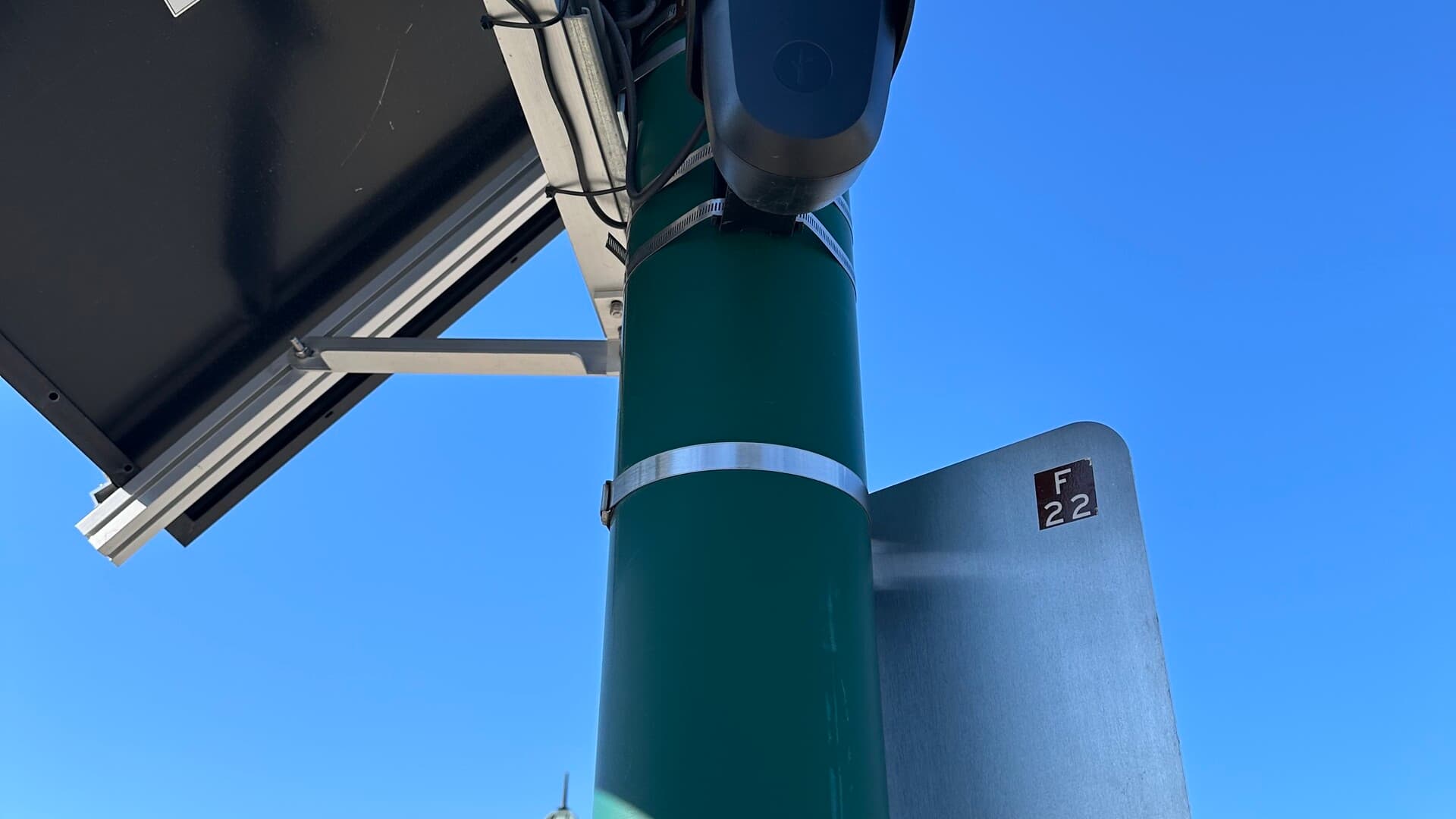
Should Flock-style license-plate surveillance networks exist?
Explore the case context, sources and public responses.
More from this case
Read the full case“Ohioans should not have their movements routinely tracked, photographed, and stored simply for driving on public roads.”Read statement
“Tennesseans should be free from a surveillance state.”Read statement
“We need to restore real limits, real oversight, and real due process.”Read statement