
John Kavanagh says rules can curb misuse of plate-reader records
Arizona state senator (R) and Senate majority leader running for reelection in District 3
“A vote against this bill means there will be no regulation on law enforcement. So, I can’t understand why anyone who has concerns is voting no I believe that rules can curtail that, and most of the abuse that you see is by people with access to these records misusing them.”
Source and context
Reporting
About this source
Arizona Mirror report on the Senate Appropriations, Transportation and Technology Committee hearing and vote on Senate Bill 1111, which would set rules for police use of automated license-plate readers.
Archived copy (opens in a new tab)Before the quotation
At a committee hearing on Senate Bill 1111, a police-backed bill setting standards for license plate readers, critics said the bill's guardrails were too weak. The Arizona Mirror reports that Kavanagh, a retired law enforcement officer, said those voting against it were voting for unfettered use of the technology.
After the quotation
The bill passed out of committee and was sent to the full Senate for consideration.
How this statement is classified
Case context: Should Flock-style license-plate surveillance networks exist?
The label describes this statement’s response within the context above.
Why this label?
The reference point is whether networked license-plate readers should exist and be used. Kavanagh backs a bill that keeps police use of the readers under rules, says rules can curtail abuse, and attributes most abuse to individuals misusing records. He supports continued use with limits rather than a ban or unrestricted use, so we used Mixed or conditional.
- Recorded on
- Published here
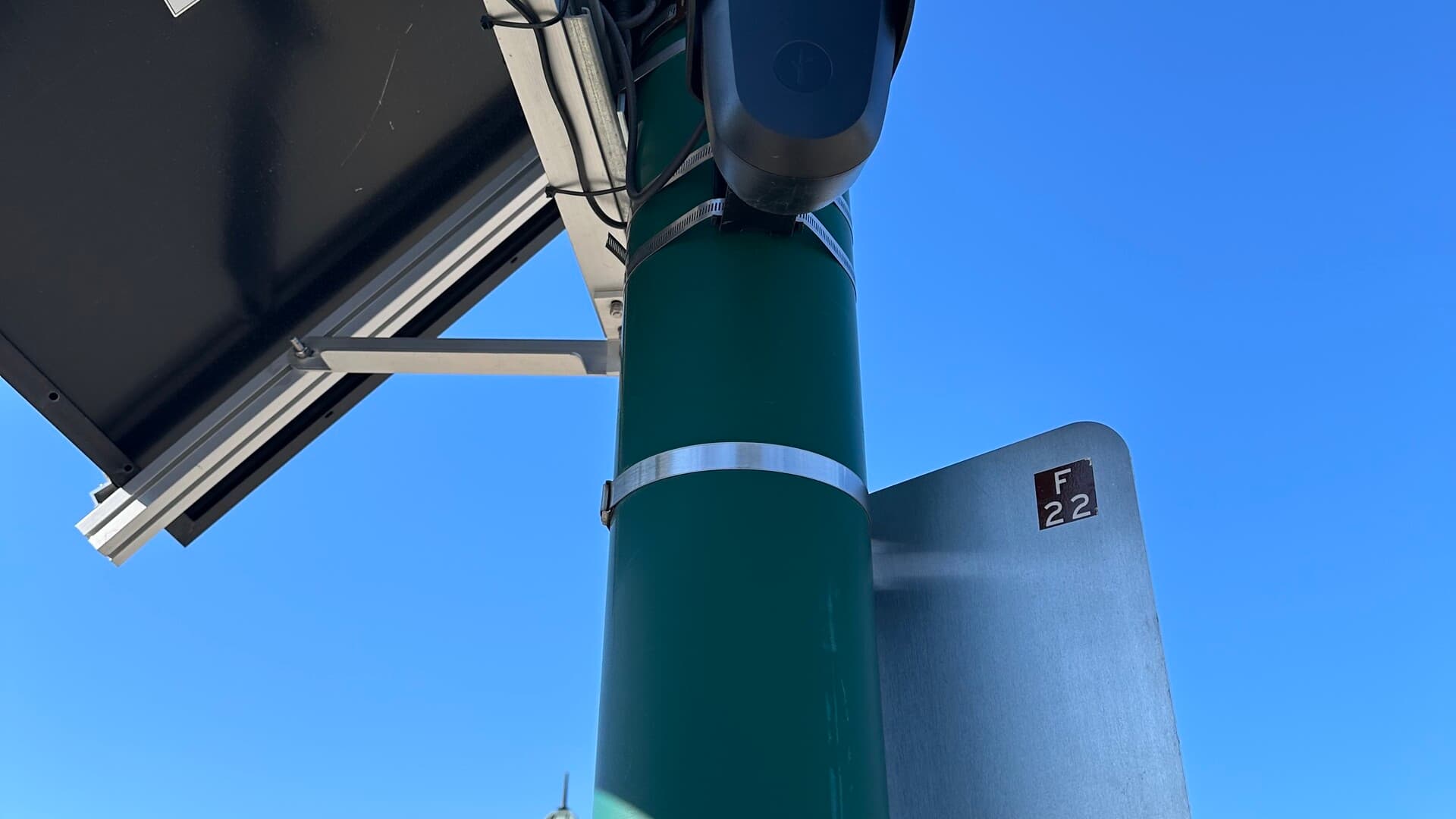
Should Flock-style license-plate surveillance networks exist?
Explore the case context, sources and public responses.
More from this case
Read the full case“Ohioans should not have their movements routinely tracked, photographed, and stored simply for driving on public roads.”Read statement
“Tennesseans should be free from a surveillance state.”Read statement
“We need to restore real limits, real oversight, and real due process.”Read statement