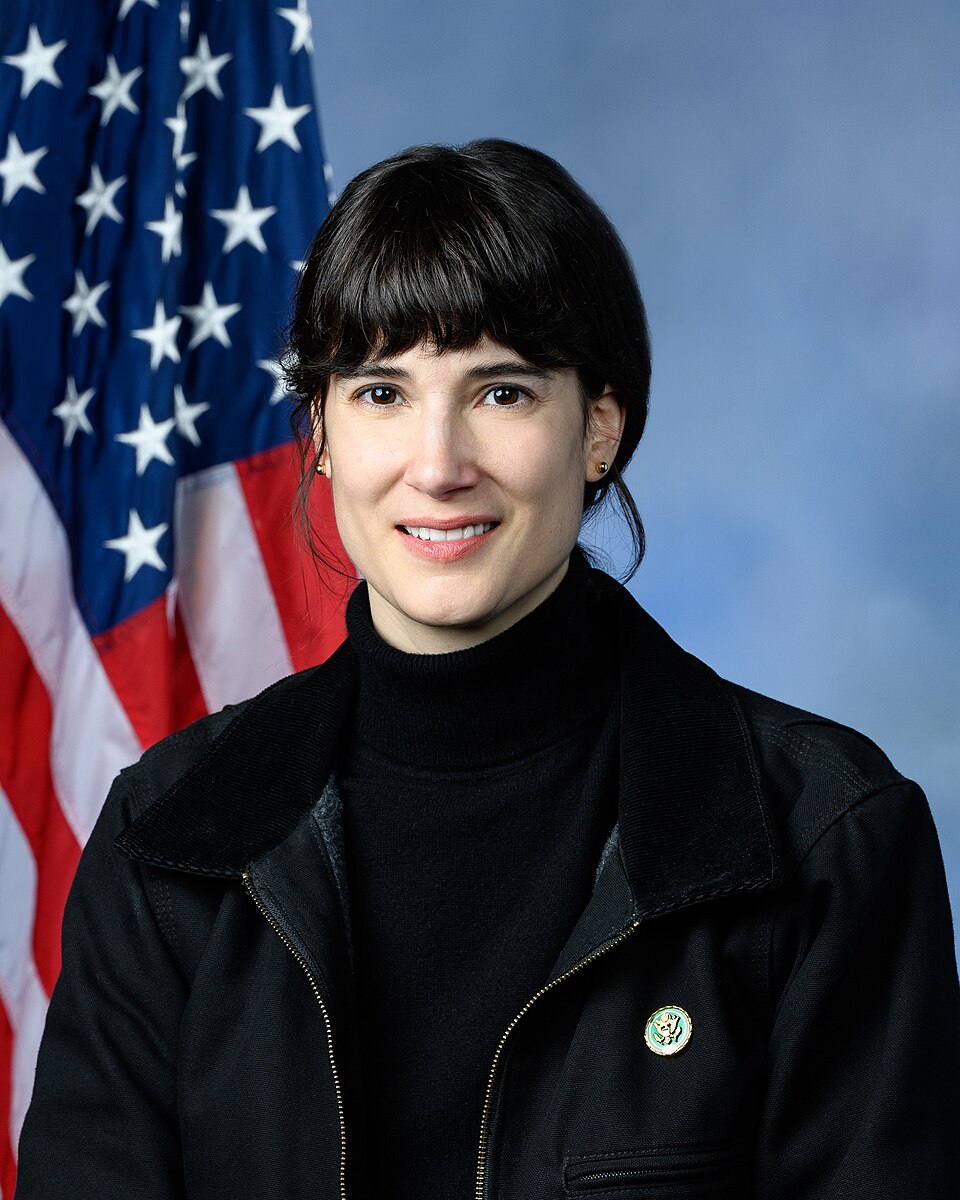
Griffith and civil-liberties groups seek warrants for searches of Americans' communications before Section 702 renewal. Cotton's earlier objection calls reform conditions unworkable. Wyden and Schiff also demand disclosure of a classified opinion.
Role at the time: Independent candidate for governor of Tennessee, in an email to Dispute Index
Condemned
Statement summary
Dean Brewer, an independent candidate for governor of Tennessee, said in an email to Dispute Index that he believes Flock cameras should be banned.
“I believe flock cameras should be banned.”
Read the full email
I believe flock cameras should be banned.
Emailed statement from Dean Brewer to Dispute Index on license plate readers · Dean BrewerEmailed statement from Dean Brewer, October 28, 2026 (UTC).
What this label refers to
The reference point is whether networked license-plate reader systems such as Flock should exist and be used. Brewer says Flock cameras should be banned, which rejects the systems outright. That fits Condemns, on the Ban or remove step. His reply is one sentence and names no exception.
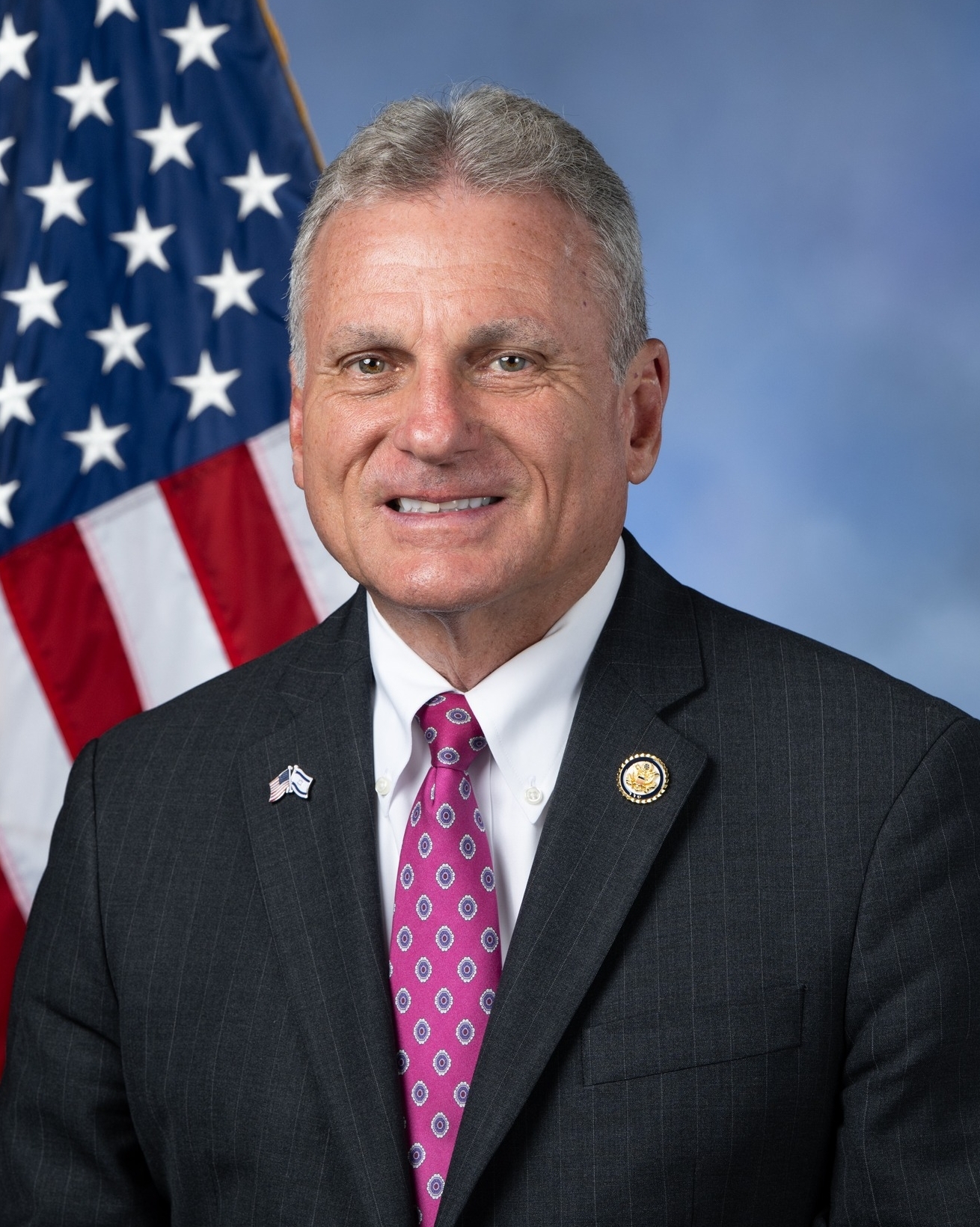
Role at the time: U.S. representative for Georgia's 1st district, in an emailed statement from his office
Mixed or conditional
Statement summary
Rep. Buddy Carter of Georgia said in a statement sent by his office that license plate recognition cameras such as Flock's "can provide valuable investigative tools" but have "raised important questions about privacy and government oversight." He said that as the systems spread, it is important to balance public safety with "appropriate safeguards that protect individual privacy."
Quotation excerpt
“Technologies like license plate recognition cameras can provide valuable investigative tools, but they have also raised important questions about privacy and government oversight. As these systems become more common, it is important to…”
Read full quotation
“Technologies like license plate recognition cameras can provide valuable investigative tools, but they have also raised important questions about privacy and government oversight. As these systems become more common, it is important to balance public safety with appropriate safeguards that protect individual privacy.”
Read the full email
Flock Safety cameras are license plate recognition cameras used by state and local law enforcement agencies to assist in criminal investigations. Unlike traditional traffic cameras, these systems capture license plate information, along with a vehicle's make, model, color, and the time and location where it was observed. Many communities use this technology to help locate stolen vehicles, identify suspects, and investigate serious crimes.
In Georgia's First Congressional District, law enforcement agencies work hard every day to keep our communities safe. Technologies like license plate recognition cameras can provide valuable investigative tools, but they have also raised important questions about privacy and government oversight. As these systems become more common, it is important to balance public safety with appropriate safeguards that protect individual privacy.
Emailed statement from Rep. Buddy Carter's office to Dispute Index on license plate readers · Earl L. "Buddy" CarterEmailed statement attributed to Rep. Buddy Carter, sent by Communications Director Preston McGee, October 27, 2026.
What this label refers to
The reference point is whether networked license-plate reader systems such as Flock should exist and be used. Carter calls the cameras valuable investigative tools and does not call for ending or restricting them, but says their spread has raised questions about privacy and oversight and that public safety should be balanced with safeguards that protect privacy. Backing continued use with general safeguards fits Mixed or conditional.
Role at the time: Electronic Frontier Foundation, published analysis
Condemned
Statement summary
EFF argues that forcing privacy-focused infrastructure providers to police copyright predictably drives services out of markets.
“Forcing a responsible privacy service out of an important market is a predictable result of trying to force infrastructure providers to be copyright police.”
Open source (opens in a new tab)EFF supports Quad9's withdrawal over site-blocking ordersOpening paragraph; criticism of infrastructure providers policing copyright
What this label refers to
Relative to court-ordered DNS blocking, EFF expressly criticizes compelling infrastructure providers to act as copyright enforcers.
Role at the time: Constitution Party candidate for governor of Idaho, in an email to Dispute Index
Condemned
Statement summary
Pro-Life, a candidate for governor of Idaho, said in an email to Dispute Index that he is "for the banning of Flock cameras" and is asking the Idaho Legislature to ban them by law.
“As a Governor candidate in Idaho 2026, I am for the banning of Flock cameras. I am asking the Idaho legislature to ban them by law.”
Read the full email
As a Governor candidate in Idaho 2026, I am for the banning of Flock cameras.
I am asking the Idaho legislature to ban them by law.
Emailed statement from Pro-Life to Dispute Index on license plate readers · Pro-LifeEmailed statement from Pro-Life, October 26, 2026 (UTC).
What this label refers to
The reference point is whether networked license-plate reader systems such as Flock should exist and be used. Pro-Life says he supports banning Flock cameras and is asking the Legislature to ban them by law, which rejects the systems outright. That fits Condemns, on the Ban or remove step.
Role at the time: American Civil Liberties Union, as a signatory to the joint letter
Condemned
Statement summary
The signatories insist on a warrant requirement for access to Americans' private communications and reject reliance on executive-branch self-policing.
“reauthorize Section 702 only with a warrant requirement to access Americans’ private communications.”
Read the original text (opens in a new tab)Civil-liberties organizations condition Section 702 renewal on reformsOctober 26 letter; final two substantive paragraphs and signatories
What this label refers to
Relative to renewal without a warrant requirement, the coalition expressly conditions reauthorization on adding that requirement and criticizes the adequacy of self-policing.
Role at the time: U.S. representative from Virginia, speaking to reporters
Condemned
Statement summary
Griffith says Americans need civil-liberties protections that, in his opinion, Section 702 does not currently have, and that a warrant is needed despite disagreement among his colleagues.
“I know there’s big disagreement with some of my colleagues, but I think there needs to be a warrant.”
Open source (opens in a new tab)Morgan Griffith seeks a warrant requirement for Section 702 renewalGriffith's remarks to reporters; renewal and continuing collection
What this label refers to
The case's reference point is renewing Section 702 without a warrant requirement for searches of Americans' communications. Griffith says the program lacks needed civil-liberties protections and that a warrant is required, which criticizes renewal in its current form.
Hobbs criticizes adding uncertainty about voter eligibility while delayed postmarks already cause ballot rejections.
Quotation excerpt
“At a time when thousands of Washington voters already face ballot rejections due to delayed postmarks, our focus should be on ensuring every eligible voter can exercise their right to vote, not creating additional uncertainty about their…”
Read full quotation
“At a time when thousands of Washington voters already face ballot rejections due to delayed postmarks, our focus should be on ensuring every eligible voter can exercise their right to vote, not creating additional uncertainty about their eligibility,”
Role at the time: U.S. Department of Justice, through First Assistant U.S. Attorney Pete Serrano
Defended or excused
Statement summary
Speaking for the U.S. Attorney's Office in its release, First Assistant U.S. Attorney Pete Serrano says the office shares the data with the Secretary of State to protect the sanctity of each citizen's vote.
“Our purpose in sharing this data with the Secretary of State is to protect the sanctity of each citizen’s vote,”
Role at the time: Civic organization, letter by Janet Lenart and Phillippa Kassover
Condemned
Statement summary
League representatives sign a letter urging a no vote on three initiatives, including I-638. Their I-638 argument is that requiring doctors to certify girl athletes' sex, without a similar requirement for boy athletes, violates privacy and equal protection.
“IL26-638 is likely unconstitutional because it violates Washingtonians' rights to privacy and equal protection by requiring doctors to certify a girl's sex while it has no similar requirements for boy athletes.”
Role at the time: ACLU of Nevada executive director
Condemned
Statement summary
Haseebullah objects to spending on ALPRs and drones and questions the city's ability to oversee a private surveillance supplier.
“Reno should not be misspending tax dollars for surveillance expansion programs, including the acquisition of ALPRs and drones.”
Open source (opens in a new tab)Out of the Flock and into the Axon: Asked to dump license plate readers, Reno just switches brandsOctober 21 vote; statements by La Rue Hatch and Haseebullah
What this label refers to
The reference point is networked license-plate surveillance. Haseebullah explicitly opposes expanding the system.
La Rue Hatch says switching surveillance vendors fails to address constituents' objections to government tracking.
“Announcing the end of Flock just to switch to another intrusive tech surveillance company is an insult to our community”
Open source (opens in a new tab)Out of the Flock and into the Axon: Asked to dump license plate readers, Reno just switches brandsOctober 21 vote; statements by La Rue Hatch and Haseebullah
What this label refers to
The reference point is networked license-plate surveillance. La Rue Hatch condemns retaining that surveillance through a different vendor.
Rijo questions Google's distinction between direct use and derived data. He points to a separate passage about model training that says a summary may be an entire email, while acknowledging Google's stated restrictions on direct ad targeting.
“the same page says a summary can be the whole email.”
Open source (opens in a new tab)Google lets connected Gmail and Photos data shape ads, 5 years after pledgeDiscussion of direct use, derived summaries and the model-training passage
What this label refers to
Rijo disputes the adequacy of Google's direct-versus-derived distinction. His cited whole-email example concerns model training, so it does not establish direct email targeting for ads.
Role at the time: Ars Technica reporter offering his own analysis
Condemned
Statement summary
Whitwam warns that sharing more data across Google services increases privacy risk.
“The more data you share across Google’s ecosystem, the greater the risk to your privacy.”
Open source (opens in a new tab)Updated Google privacy policy says your Gmail might be used for advertisingGoogle response and Whitwam's following assessment
What this label refers to
The case concerns the advertising exception. Whitwam criticizes the privacy consequences of enabling the connections.
Role at the time: Company response supplied to Ars Technica
Defended or excused
Statement summary
Google defends the policy clarification by pointing to user choice and limits on direct use of inbox and photo-library contents.
“Connecting your apps is entirely opt-in.”
Open source (opens in a new tab)Updated Google privacy policy says your Gmail might be used for advertisingGoogle response and Whitwam's following assessment
What this label refers to
The case concerns the connected-content exception. Google presents consent and restrictions on direct use as protections supporting its approach.
Role at the time: Norfolk Commonwealth's Attorney, debating on Open to Debate
Defended or excused
Statement summary
Fatehi calls for sensible national regulation while rejecting rules that would eliminate the system or require an interim ban.
“we need sensible regulation, we need national sensible regulation, but not regulation that either regulates the system out of existence or that requires a ban in the meantime.”
Role at the time: Musician and independent security researcher, debating on Open to Debate
Mixed or conditional
Statement summary
Jordan argues that the security risks he has investigated justify stopping current camera use until the systems can be deployed securely.
“And to me, just from the stuff that I’ve, I’ve shown on my channel, this is a solid risk-based argument in itself to unplug the cameras until we could figure out how to deploy them securely.”
Role at the time: Quad9, official withdrawal announcement
Condemned
Statement summary
Quad9 says it refuses to alter the DNS responses users receive, calls recursive DNS resolution a neutral and passive service, and says compliance with the ruling is technically unfeasible.
“We categorically refuse to alter or lie to you about the DNS responses you receive in a way that opposes your expectations.”
The case's reference point is the French court orders requiring Quad9 to block sports-streaming domains through its DNS resolver. Quad9 refuses to alter DNS responses as the orders require and calls compliance technically unfeasible, which rejects the orders.
EFF argues that Bill C-22 would let the Minister of Public Safety order companies to create backdoors to their services. It urges Canadians to sign a petition asking the Senate to stop the bill.
“That’s a clear recipe for weakening the encryption we all rely on.”
Role at the time: Hims & Hers Health, defendant, through counsel
Defended or excused
Statement summary
Hims argues that its privacy policy disclosed sharing with advertising partners and that the FTC's privacy claims should be dismissed.
“The H&H Privacy Policy clearly discloses the existence of the third-party advertising Plaintiffs are complaining of.”
Read the original text (opens in a new tab)Hims & Hers memorandum supporting its motion to dismiss, October 22, 2026ECF 58-1, Background II.C and Argument IV.A.1-2, printed pages 4 and 6-9
What this label refers to
The reference is Hims's challenged health-data sharing and privacy assurances. The company presents its disclosures as an adequate explanation of those practices and a reason to dismiss the privacy claims.
Consumer choice will allow people to decide where to identify themselves with digital ID and where to remain anonymous.
“It’s a very comforting thought that we as consumers will have the power to stop omnipresent ID demands by, apparently, simply voting with our pocketbooks. If only we could have any faith that will be true.”
Open source (opens in a new tab)Jay Stanley challenges digital-ID consumer-choice assurancesOpening discussion of Grossman's PBS interview and optional tools becoming requirements
Why we used this label
The subject is reliance on consumer choice as protection against digital ID becoming a practical requirement. Stanley rejects confidence that consumer spending choices alone will preserve alternatives to digital identification.
Kevin C. Riach is a Minnesota attorney who represents clients in criminal matters. He practices through the Law Office of Kevin C. Riach and was admitted to the Minnesota bar in 2008.
Pro-Life, formerly Marvin Richardson, is an Idaho farmer and Constitution Party politician. He has run for governor, lieutenant governor and the U.S. House. He is the party's candidate for Idaho governor in 2026.
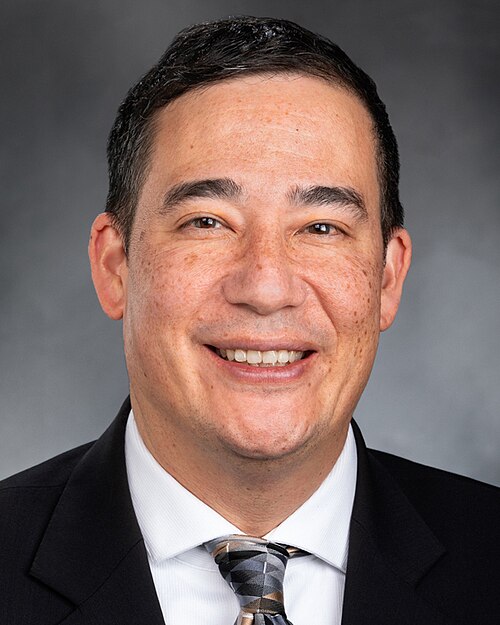
Steve Hobbs is Washington's 16th Secretary of State, an office he took in 2021 and won by election in 2022. Before that he served in the Washington State Senate for the 44th District, and he enlisted in the U.S. Army in 1987 and rose to lieutenant colonel in the Washington Army National Guard.
Athar Haseebullah is an attorney and executive director of the ACLU of Nevada. A graduate of Howard University and its law school, he has worked in legal aid, public administration and civil-rights advocacy.
Luis Rijo is the founder and a writer at PPC Land, a publication covering digital advertising and marketing technology. His work covers search, social, display and video advertising.