
Lauren Kuby says plate readers without guardrails put rights at risk
Arizona state senator (D) running for reelection in District 8
“We’re treating everybody as a suspect first Without the guardrails, they put fundamental rights at risk.”
Source and context
Reporting
About this source
Arizona Mirror report on the Senate Appropriations, Transportation and Technology Committee hearing and vote on Senate Bill 1111, which would set rules for police use of automated license-plate readers.
Archived copy (opens in a new tab)Before the quotation
At a Senate Appropriations, Transportation and Technology Committee hearing on Senate Bill 1111, a police-backed bill setting standards for license plate readers, Kuby cited reports of plate-reader data being used to track women who sought abortions in other states.
After the quotation
The bill passed out of committee and was sent to the full Senate for consideration.
How this statement is classified
Case context: Should Flock-style license-plate surveillance networks exist?
The label describes this statement’s response within the context above.
Why this label?
The reference point is whether networked license-plate readers should exist and be used. Kuby criticizes the readers for treating everyone as a suspect but ties the risk to fundamental rights to the absence of guardrails. She does not call for ending the systems, so we used Mixed or conditional.
- Recorded on
- Published here
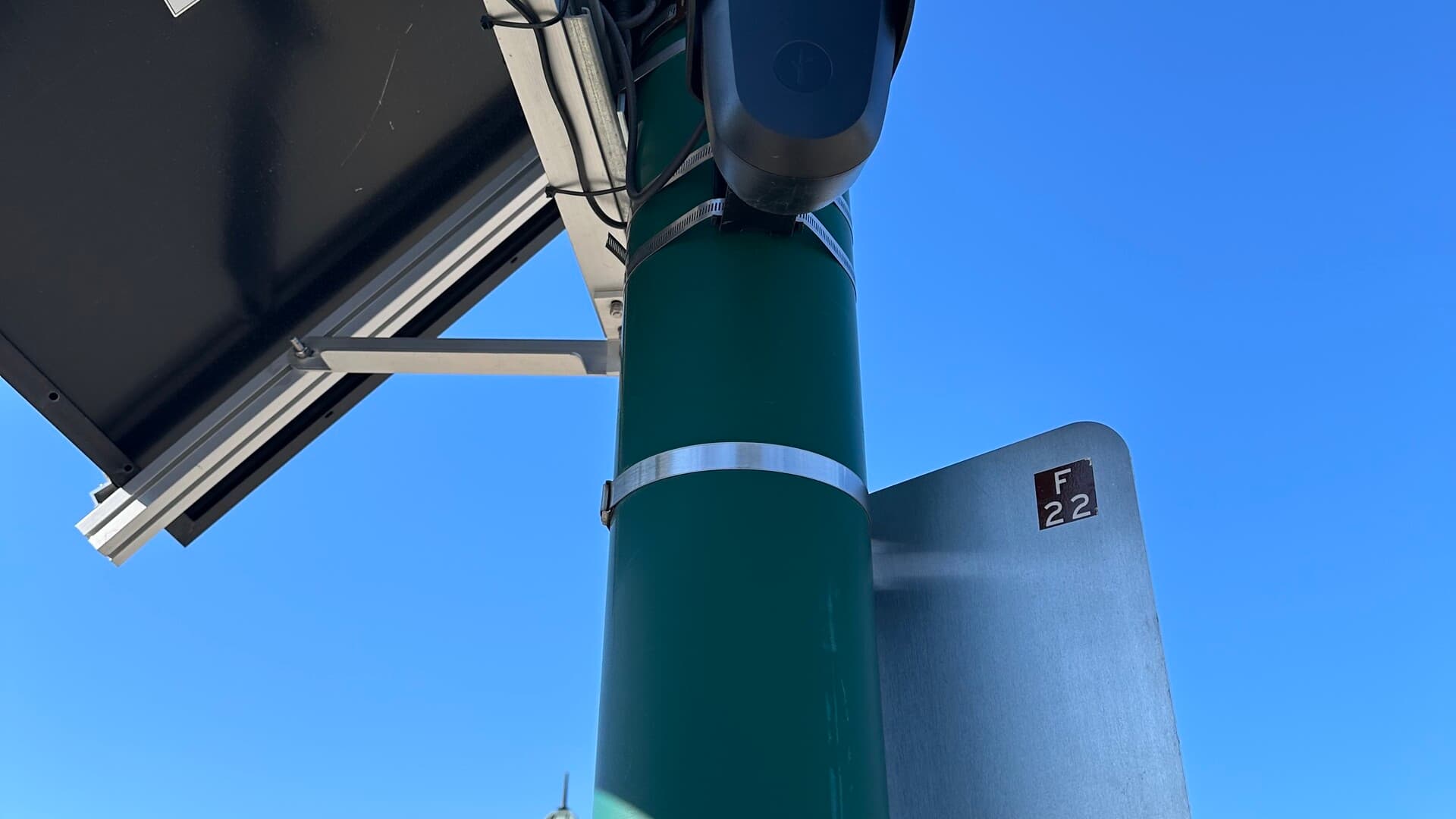
Should Flock-style license-plate surveillance networks exist?
Explore the case context, sources and public responses.
More from this case
Read the full case“Ohioans should not have their movements routinely tracked, photographed, and stored simply for driving on public roads.”Read statement
“Tennesseans should be free from a surveillance state.”Read statement
“We need to restore real limits, real oversight, and real due process.”Read statement