
Pinkston would keep ALPRs with strict limits
Lauren PinkstonIndependent candidate for Tennessee governor
Pinkston supports limited ALPR use for investigations with short retention, verified matches, case-linked searches, and controlled interagency sharing.
“Tennesseans should be free from a surveillance state.”
Official statement
Where this statement fits
Should Flock-style license-plate surveillance networks exist?
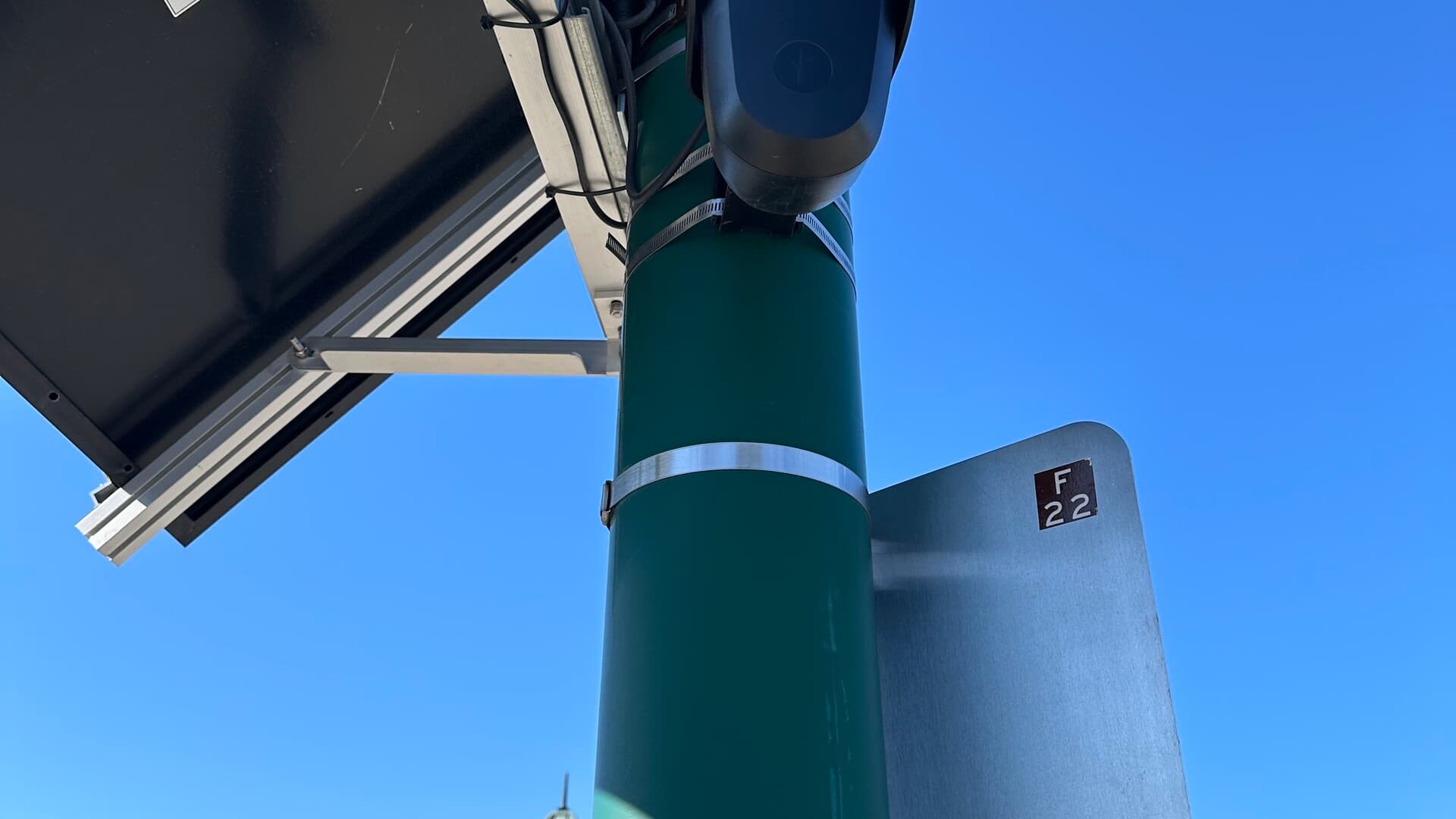
Networked automated license-plate readers record passing vehicles and let agencies search or share travel records across locations. Candidates and officials disagree over whether to prohibit these networks, keep them with legal limits, or defend their use for investigations. This tracker records attributable positions on that choice, including proposals that would affect only public funding or data access.
Source and context
Official statement
About this source
Pinkston's campaign platform proposes a seven-day retention limit, human confirmation of matches, case-linked searches, and restrictions on outside agency access.
Archived copy (opens in a new tab)Before the quotation
Pinkston's undated campaign issue page discusses Flock-style readers as an aid to investigations.
After the quotation
It calls for deletion after seven days, human confirmation of matches, a case ID for searches, and formal requests from outside agencies.
How this statement is classified
The label describes this statement's response within the context above.
Why this label?
Pinkston would permit investigative use under conditions, rather than eliminate the systems.
- Recorded on
- Published here
- People and groups discussed
- Flock Safety
More from this case
Read the full caseJacob Burnett says Flock-style cameras should be done away with, with warrants required if they stay
“The systems themselves can be modified to prevent nearly all abuse and be made more secure by requiring warrants for access or follow through on any data the systems collect and have all data stored on the hardware itself preventing viewing from remote locations, requiring strict login credentials and a connecting warrant number to access. These are common sense changes that if the systems are to be used I feel could correct a lot of abuse or privacy concerns but I also feel the systems should be done away with overall, especially in the realm of predictive crime analytics.”Read statement
Dean Brewer, an independent candidate for Tennessee governor, says Flock cameras should be banned
“I believe flock cameras should be banned.”Read statement
Buddy Carter says license plate cameras help investigators but need privacy safeguards
“Technologies like license plate recognition cameras can provide valuable investigative tools, but they have also raised important questions about privacy and government oversight. As these systems become more common, it is important to balance public safety with appropriate safeguards that protect individual privacy.”Read statement
Share or embed this statement
The embed keeps its attribution link to The Dispute Index. Credit the image to The Dispute Index and link to the statement page.
Cite this record
- Publisher
- The Dispute Index
- Title
- Pinkston would keep ALPRs with strict limits
- First published
- Last updated
- Permalink
- https://disputeindex.com/events/3069-pinkston-supports-limited-alpr-use-for-investigations-with
Last updated marks the most recent saved version of this published statement.
The Dispute Index. "Pinkston would keep ALPRs with strict limits". First published: 2026-09-29. Last updated: 2026-09-29. https://disputeindex.com/events/3069-pinkston-supports-limited-alpr-use-for-investigations-with