
Mayes orders statewide ALPR review
Kris MayesArizona attorney general
Mayes opened a statewide review, recognizing law-enforcement uses while raising constitutional and privacy concerns.
“Technology can and does play an important role in helping law enforcement solve and prevent crime, but its use must be balanced against the Constitution and Arizonans' privacy rights”
Official statement
Where this statement fits
Should Flock-style license-plate surveillance networks exist?
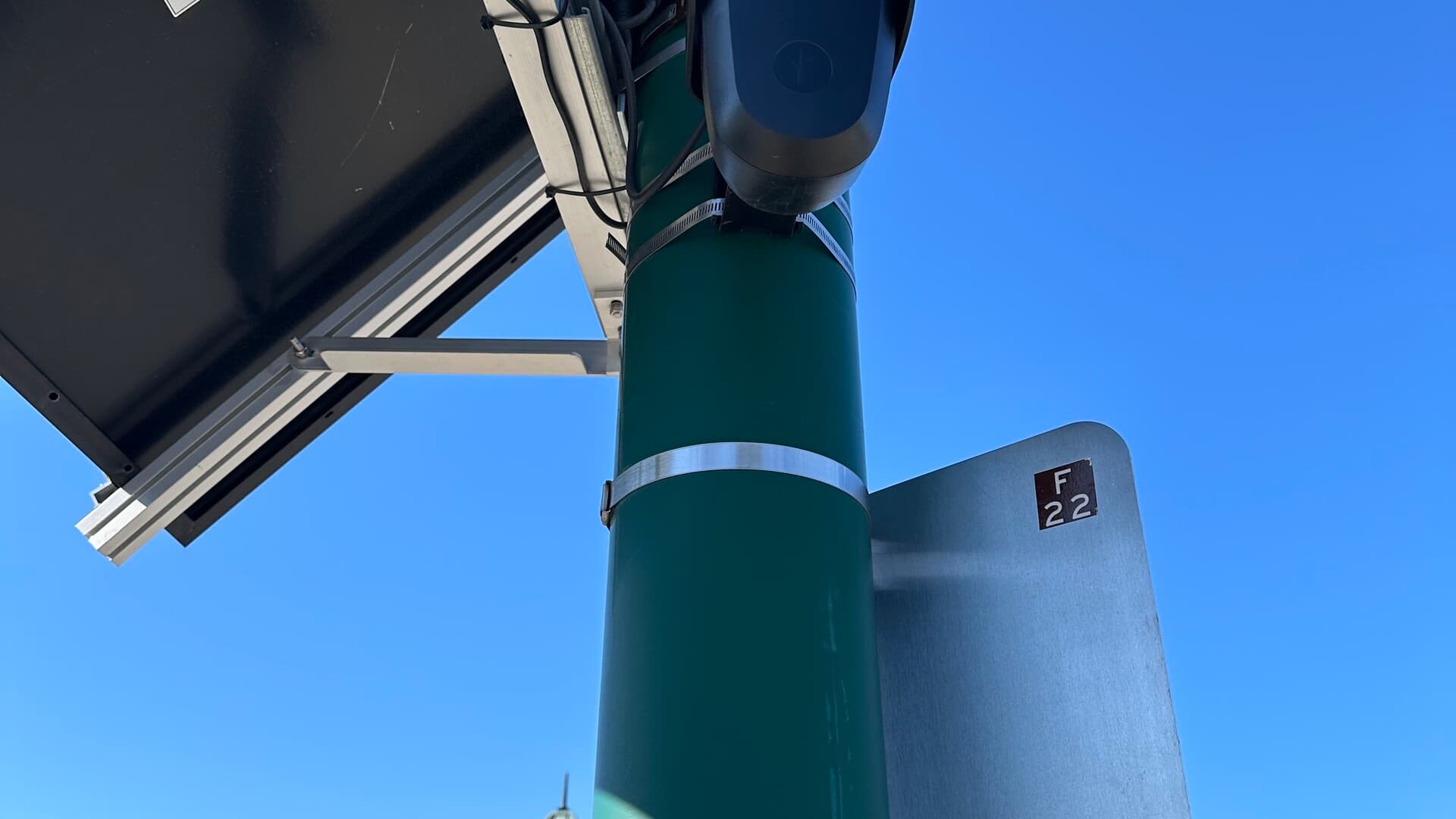
Networked automated license-plate readers record passing vehicles and let agencies search or share travel records across locations. Candidates and officials disagree over whether to prohibit these networks, keep them with legal limits, or defend their use for investigations. This tracker records attributable positions on that choice, including proposals that would affect only public funding or data access.
Source and context
Official statement
About this source
Original announcement and direct quotation from Mayes.
Archived copy (opens in a new tab)Before the quotation
Mayes announced a review of Flock and similar systems across Arizona.
After the quotation
She called for a statewide approach, not a categorical ban.
How this statement is classified
The label describes this statement's response within the context above.
Why this label?
Mayes says technology "can and does play an important role in helping law enforcement solve and prevent crime", but that its use "must be balanced against the Constitution and Arizonans' privacy rights", and Mayes opened a statewide review. Weighing use against those rights is what makes it Mixed or conditional.
- Recorded on
- Published here
More from this case
Read the full caseDebbie Dingell says Flock cameras need serious guardrails
“The Flock camera debate may finally be the catalyst that makes Americans understand the magnitude of privacy issues. Automated license-plate readers can create records of where vehicles were seen, when they were seen, and where they traveled. The question isn’t simply whether these cameras can help law enforcement. They can. The question is: What are the rules? Who can access the information? How long is it kept? Can it be shared? Can it be sold? Can innocent people’s movements be tracked and reconstructed? We should be able to protect public safety without turning America into a place where everyone’s movements are permanently recorded.”Read statement
Richard Ojeda opposes Flock cameras, his campaign says
“Representative-elect Ojeda is opposed to Flock Cameras and believes it is a violation of our civil liberties and privacy.”Read statement
Deborah Ross opposes the use of Flock devices, her campaign says
“As a former civil rights attorney and a member of the House Judiciary Committee, Rep. Ross believes the privacy of American citizens is paramount. She opposes the use of Flock devices and believes we can give local law enforcement the resources they need without violating Americans' privacy.”Read statement
Share or embed this statement
The embed keeps its attribution link to The Dispute Index. Credit the image to The Dispute Index and link to the statement page.
Cite this record
- Publisher
- The Dispute Index
- Title
- Mayes orders statewide ALPR review
- First published
- Last updated
- Permalink
- https://disputeindex.com/events/2894-mayes-opened-a-statewide-review-recognizing-law-enforcement
Last updated marks the most recent saved version of this published statement.
The Dispute Index. "Mayes orders statewide ALPR review". First published: 2026-09-29. Last updated: 2026-11-22. https://disputeindex.com/events/2894-mayes-opened-a-statewide-review-recognizing-law-enforcement