
Egbuniwe opposes Flock cameras and backs a pause in West Hollywood
Candidate for West Hollywood City Council
“I am very much against the Flock cameras I would support a pause on our camera policy for now, while we look into a sensible way of monitoring.”
Source and context
Reporting
About this source
Beverly Press and Park Labrea News profiles of seven West Hollywood City Council candidates, each asked about the city's Flock camera contract.
Archived copy (opens in a new tab)Before the quotation
Beverly Press reports that Egbuniwe opposes Flock Safety as a vendor but sees benefits to surveillance in increasing safety, and that he said West Hollywood should focus surveillance on the Rainbow District, where crime reports are higher.
After the quotation
The article then reports that he opposes the Fountain Avenue Streetscape Project in its current form.
How this statement is classified
Case context: Should Flock-style license-plate surveillance networks exist?
The label describes this statement’s response within the context above.
Why this label?
The reference point is whether networked license-plate reader systems such as Flock should exist and be used. Egbuniwe said he is very much against the Flock cameras but would support a pause while the city looks for a sensible way of monitoring. The article adds that he sees benefits to surveillance, so his position is a pause and a search for another approach, not a call to end camera monitoring.
- Recorded on
- Published here
- People and groups discussed
- Flock Safety
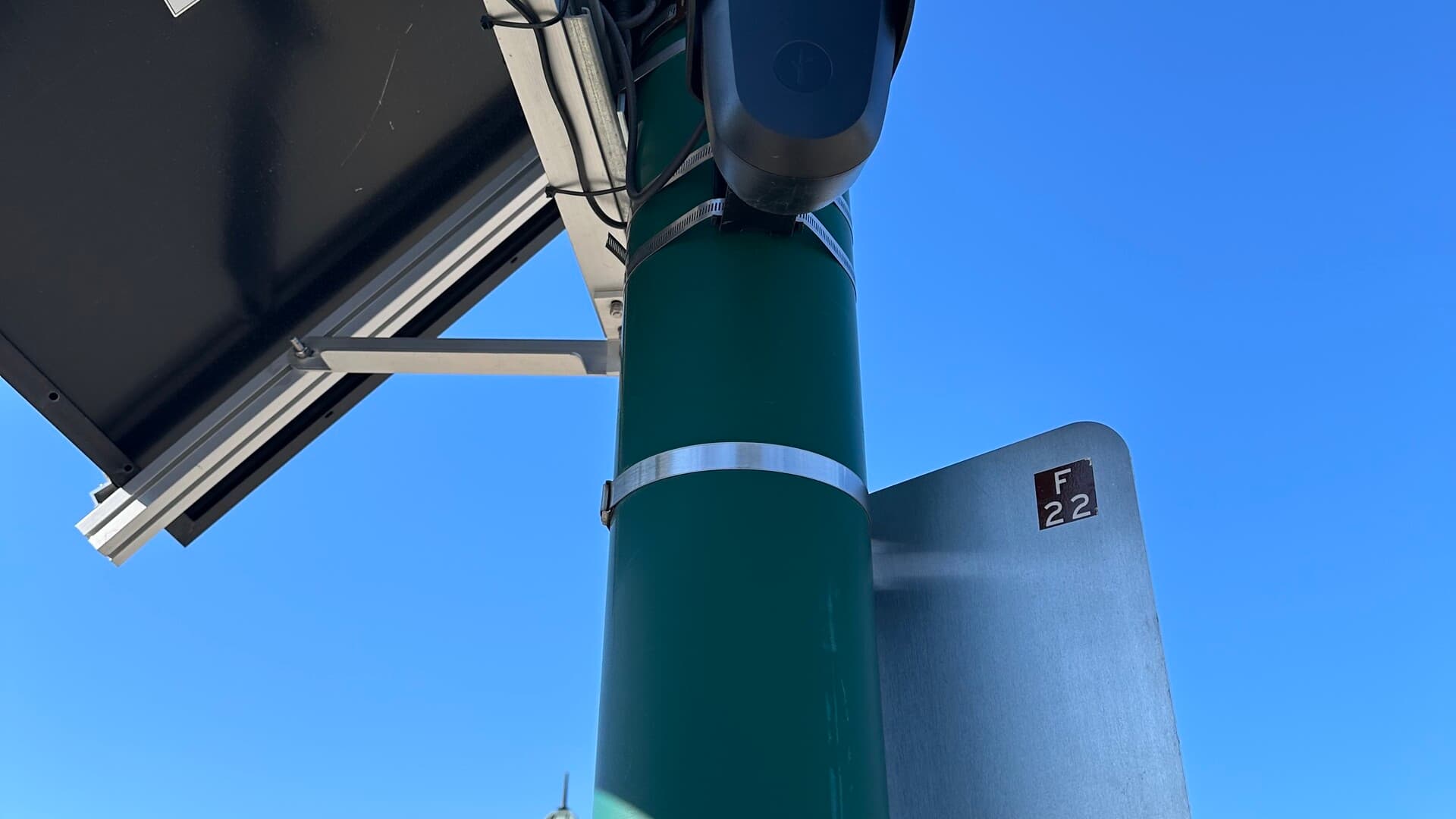
Should Flock-style license-plate surveillance networks exist?
Explore the case context, sources and public responses.
More from this case
Read the full case“Ohioans should not have their movements routinely tracked, photographed, and stored simply for driving on public roads.”Read statement
“Tennesseans should be free from a surveillance state.”Read statement
“We need to restore real limits, real oversight, and real due process.”Read statement