
Should Trump’s new mail-in voting restrictions apply to the 2026 midterms?
Trump’s administration says new USPS ballot-mail requirements will deter fraud. States, civil-rights groups and some justices dispute their authority and timing. The case asks whether mandatory enforcement should proceed for the November 2026 election.
Claim in dispute
Mandatory USPS ballot-mail requirements are lawful postal controls and should be enforced for the November 2026 election.
Case period:
Published by The Dispute Index editorial teamPublished Updated
Overview
The conduct examined is implementing and enforcing the mandatory USPS ballot-mail requirements for elections on or before November 3, 2026. Support for a later or different postal rule is a separate question. The final rule excludes return ballot mail from the outgoing verification process and says USPS does not determine voter eligibility. Its 90-day pre-mailing notice is optional. The September 14 Supreme Court decision denied emergency relief from the preliminary injunction; the broader legal challenge remains distinct from this election’s rollout.
People in this case
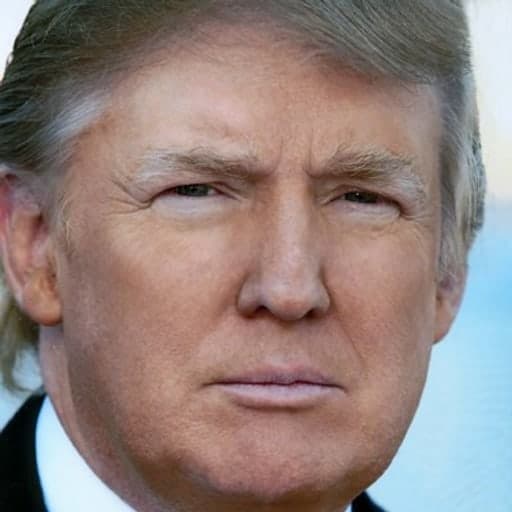 Donald TrumpDirectly involved
Timeline
8 timeline entries on this page. Dates: March 31, 2026 to September 14, 2026
March 2026
1 event
Trump issues federal-election executive order
Source release
Trump directs federal citizenship-verification measures and USPS ballot-mail controls, initiating the policy later implemented through the postal rule.
[01]Executive Order 14399: Ensuring Citizenship Verification and Integrity in Federal Elections
Presidential directive underlying the later USPS rule. Its broader citizenship-verification language must be distinguished from the final postal rule.
Executive Order 14399: Ensuring Citizenship Verification and Integrity in Federal Elections · The White HouseSections 1 and 3[01]Executive Order 14399: Ensuring Citizenship Verification and Integrity in Federal Elections
Presidential directive underlying the later USPS rule. Its broader citizenship-verification language must be distinguished from the final postal rule.
Executive Order 14399: Ensuring Citizenship Verification and Integrity in Federal Elections · The White HouseSections 1 and 3
93 days between recorded events
July 2026
1 event
Thirteen attorneys general support the proposed USPS rule
Claim
An Alabama-led coalition submits a comment letter supporting the proposed ballot-mail requirements as an election-integrity measure.
[02]Alabama-led attorneys general support proposed USPS ballot-mail requirements
Thirteen attorneys general support the proposed rule as an election-integrity measure. This predates the final rule and is background, not a new September response.
Alabama-led attorneys general support proposed USPS ballot-mail requirementsJuly 2 comment letter; proposed-rule support and signatories
50 days between recorded events
August 2026
1 event
USPS final rule takes effect
Source release
The final rule takes effect August 21 and is published in the Federal Register August 26. It mandates envelope standards, portal registration and enrollment, and outgoing-mail verification.
[03]USPS final rule: Ballot Mail for Federal Elections
Final rule effective August 21 and published August 26. It requires ballot-envelope standards, portal registration and voter enrollment, and verification of outgoing ballot mail; return ballot mail is excluded from the verification process. USPS says it does not determine voter eligibility.
USPS final rule: Ballot Mail for Federal Elections · United States Postal Service91 FR 54966–54992; DMM 705.24.3–24.6
14 days between recorded events
September 2026
5 events
District court blocks mandatory provisions for the November election
Judge Indira Talwani grants preliminary relief against specified mandatory ballot-mail provisions for elections on or before November 3. Voluntary compliance is not barred, and later elections remain outside this temporary block.
[04]District-court preliminary injunction against mandatory USPS ballot-mail provisions
Official Supreme Court-hosted copy of the 49-page district order attached to a September 4 letter. Mandatory provisions are blocked for elections on or before November 3; voluntary compliance is not barred. The hosting docket 26A297 is the earlier application, not the later operative stay docket.
District-court preliminary injunction against mandatory USPS ballot-mail provisionsAttached district order, Doc.156, No.1:26-cv-13917-IT; printed pp.45–49 (PDF pp.47–51)Government asks Supreme Court to allow enforcement
Claim
The government files its operative stay application, arguing for immediate enforcement while the preliminary injunction is appealed. This application replaces the earlier filing numbered 26A297.
[05]USPS v. California: Government application for a stay, No. 26A305
Government litigation position seeking immediate relief from the preliminary injunction. It argues that the requirements fall within postal powers and protect against fraudulent use of the mail.
USPS v. California: Government application for a stay, No. 26A305 · United States Postal ServicePrinted p.13 (PDF p.18); application’s argument and requested relief[06]Supreme Court docket No. 26A305: USPS v. California
Operative Supreme Court docket. The earlier application numbered 26A297 was withdrawn and replaced; the filings and order should not be assigned to that superseded application.
Supreme Court docket No. 26A305: USPS v. California · Supreme Court of the United StatesSeptember 6 application, September 9 responses and September 14 orderStates and election officials file Supreme Court responses
Source release
Respondent states dispute USPS’s authority and implementation timetable. Current and former election officials file an amicus brief opposing immediate rollout; current officials participate in their individual capacities.
[07]California and other states: Opposition to USPS stay application, No. 26A305
Respondent states dispute USPS’s authority and warn that immediate compliance would disrupt election administration. Statements quoted from election officials remain attributed to those officials.
California and other states: Opposition to USPS stay application, No. 26A305Introduction; statutory-authority and implementation sections[08]Current and former election officials: Amicus brief in USPS v. California
Brief formally supports neither party but opposes immediate implementation before the November election. Current officials participate in their individual capacities, not on behalf of their jurisdictions.
Current and former election officials: Amicus brief in USPS v. CaliforniaArgument on 2026 implementation; appendix listing amici[06]Supreme Court docket No. 26A305: USPS v. California
Operative Supreme Court docket. The earlier application numbered 26A297 was withdrawn and replaced; the filings and order should not be assigned to that superseded application.
Supreme Court docket No. 26A305: USPS v. California · Supreme Court of the United StatesSeptember 6 application, September 9 responses and September 14 orderFirst Circuit denies stays
The First Circuit denies requests to stay the preliminary injunction, leaving the temporary election-specific restrictions on enforcement in place.
[09]First Circuit order denying stays of the USPS ballot-mail injunction
Appellate order denying stays of preliminary relief. It precedes the Supreme Court’s September 14 denial.
First Circuit order denying stays of the USPS ballot-mail injunctionOrder in No.26-2029 and consolidated appealsSupreme Court denies emergency stay
The Court leaves the November injunction in place. Kavanaugh concurs on 2026 timing; Alito dissents with Thomas joining. The order resolves emergency relief, rather than every underlying legal issue.
[10]Supreme Court stay denial, Kavanaugh concurrence and Alito dissent: USPS v. California
The Court denies a stay of the preliminary injunction. Kavanaugh objects to applying the rule in 2026; Alito would grant the stay and Thomas joins him. This is emergency relief, not final disposition of every challenge to the executive order.
Supreme Court stay denial, Kavanaugh concurrence and Alito dissent: USPS v. California · Supreme Court of the United StatesPDF p.1: concurrence; pp.2–9: dissent and Thomas’s express joinder[06]Supreme Court docket No. 26A305: USPS v. California
Operative Supreme Court docket. The earlier application numbered 26A297 was withdrawn and replaced; the filings and order should not be assigned to that superseded application.
Supreme Court docket No. 26A305: USPS v. California · Supreme Court of the United StatesSeptember 6 application, September 9 responses and September 14 order
Claims
Claims separate what was said from what is contested. Follow each source for the original wording and context.
What's disputed
Disputed claim
Mandatory USPS ballot-mail requirements are lawful postal controls and should be enforced for the November 2026 election.
Sources
- USPS v. California: Government application for a stay, No. 26A305 · United States Postal ServicePrinted p.13 (PDF p.18); application’s argument and requested relief
Disputed claim
USPS lacks authority to impose these election-administration requirements, and enforcing them now would threaten voters’ access to mailed ballots.
American Civil Liberties Union
Sources
- Joint plaintiff-and-counsel statement after court blocks USPS ballot requirements · American Civil Liberties UnionJoint statement following announcement of preliminary relief
Disputed claim
Applying the new USPS rule in the 2026 elections would be arbitrary and capricious because election officials lack sufficient implementation time.
Sources
- Supreme Court stay denial, Kavanaugh concurrence and Alito dissent: USPS v. California · Supreme Court of the United StatesPDF p.1: concurrence; pp.2–9: dissent and Thomas’s express joinder
Response record
Responses
Latest recorded positions: 9. Dates: September 4, 2026 to September 14, 2026
Choose any combination. Selected filters stay active until you remove them or choose All responses.
9 responses on this page
Rob Bonta "the consequences would have been catastrophic"
Read the official statement (opens in a new tab)Weber, Bonta and Newsom respond to Supreme Court mail-voting decisionPress release 26-116; separately attributed quotation blocksCondemnedCase context: Should Trump’s new mail-in voting restrictions apply to the 2026 midterms?
Why this label?
Condemns the consequences of the proposed November rollout.
This label describes the statement’s response within the context above.
Read context and background
Bonta says immediate enforcement would have severely disrupted states reliant on mailed ballots.
Role at the time: California attorney general
Before the statement
Bonta welcomes denial of the government’s stay request.
After the statement
He stresses the importance of mail voting to affected states.
Weber, Bonta and Newsom respond to Supreme Court mail-voting decisionPress release 26-116; separately attributed quotation blocksShirley Weber "Now, let the people vote!"
Read the official statement (opens in a new tab)Weber, Bonta and Newsom respond to Supreme Court mail-voting decisionPress release 26-116; separately attributed quotation blocksCondemnedCase context: Should Trump’s new mail-in voting restrictions apply to the 2026 midterms?
Why this label?
Opposes implementation by endorsing its prevention before the election.
This label describes the statement’s response within the context above.
Read context and background
Weber welcomes the stay denial and opposes changes that could cause uncertainty or rejection of ballot mail.
Role at the time: California secretary of state
Before the statement
Weber responds to the Supreme Court decision.
After the statement
She supports proceeding under existing voting arrangements.
Weber, Bonta and Newsom respond to Supreme Court mail-voting decisionPress release 26-116; separately attributed quotation blocksGavin Newsom "California stood up for democracy and we won"
Read the official statement (opens in a new tab)Weber, Bonta and Newsom respond to Supreme Court mail-voting decisionPress release 26-116; separately attributed quotation blocksCondemnedCase context: Should Trump’s new mail-in voting restrictions apply to the 2026 midterms?
Why this label?
Rejects the administration’s changes and supports blocking enforcement.
This label describes the statement’s response within the context above.
Read context and background
Newsom welcomes the ruling and condemns Trump’s election actions as un-American.
Role at the time: California governor
Before the statement
Newsom responds alongside Weber and Bonta.
After the statement
He emphasizes certainty for California voters.
Weber, Bonta and Newsom respond to Supreme Court mail-voting decisionPress release 26-116; separately attributed quotation blocksJeff Merkley "Donald Trump is trying to make it harder for folks to vote just weeks before an election"
Read the official statement (opens in a new tab)Merkley and Wyden urge Supreme Court to block USPS mail-voting rule · Jeff MerkleySeparately attributed Merkley and Wyden quotation blocksCondemnedCase context: Should Trump’s new mail-in voting restrictions apply to the 2026 midterms?
Why this label?
Directly criticizes 2026 enforcement and its effects on voters.
This label describes the statement’s response within the context above.
Read context and background
Merkley opposes the rule as a late restriction on voters and challenges federal control of mailed ballots.
Role at the time: United States senator from Oregon
Before the statement
The release describes a congressional challenge to the rule.
After the statement
Merkley frames vote-by-mail access as a constitutional-rights issue.
Merkley and Wyden urge Supreme Court to block USPS mail-voting rule · Jeff MerkleySeparately attributed Merkley and Wyden quotation blocksSamuel Alito "I would grant the Government’s application"
Read the original text (opens in a new tab)Supreme Court stay denial, Kavanaugh concurrence and Alito dissent: USPS v. California · Supreme Court of the United StatesPDF p.1: concurrence; pp.2–9: dissent and Thomas’s express joinderDefended or excusedCase context: Should Trump’s new mail-in voting restrictions apply to the 2026 midterms?
Why this label?
Defends 2026 enforcement by supporting a stay.
This label describes the statement’s response within the context above.
Read context and background
Alito would allow enforcement while the injunction is appealed.
Role at the time: Supreme Court associate justice, dissenting
Before the statement
The government seeks a stay of the November injunction.
After the statement
His dissent argues the government has a strong case under postal statutes.
Supreme Court stay denial, Kavanaugh concurrence and Alito dissent: USPS v. California · Supreme Court of the United StatesPDF p.1: concurrence; pp.2–9: dissent and Thomas’s express joinderClarence Thomas "Recorded action: Thomas expressly joined Alito’s dissent in favor of granting the government’s stay request."
Read the original text (opens in a new tab)Supreme Court stay denial, Kavanaugh concurrence and Alito dissent: USPS v. California · Supreme Court of the United StatesPDF p.1: concurrence; pp.2–9: dissent and Thomas’s express joinderDefended or excusedCase context: Should Trump’s new mail-in voting restrictions apply to the 2026 midterms?
Why this label?
Defends enforcement through an express joinder.
This label describes the statement’s response within the context above.
Read context and background
Thomas joins the position that enforcement should be allowed during the appeal.
Role at the time: Supreme Court associate justice, joining the dissent
Before the statement
Alito dissents from the stay denial.
After the statement
The dissent records Thomas’s joinder.
Supreme Court stay denial, Kavanaugh concurrence and Alito dissent: USPS v. California · Supreme Court of the United StatesPDF p.1: concurrence; pp.2–9: dissent and Thomas’s express joinder
Show fewer responses
Ron Wyden "His actions are illegal"
Read the official statement (opens in a new tab)Merkley and Wyden urge Supreme Court to block USPS mail-voting rule · Jeff MerkleySeparately attributed Merkley and Wyden quotation blocksCondemnedCase context: Should Trump’s new mail-in voting restrictions apply to the 2026 midterms?
Why this label?
Directly rejects the policy’s legality and implementation.
This label describes the statement’s response within the context above.
Read context and background
Wyden condemns the administration’s mail-voting actions and argues they are intended to obstruct free and fair elections.
Role at the time: United States senator from Oregon
Before the statement
Wyden responds to the administration’s ballot-mail policy.
After the statement
He criticizes disruption of mail voting; the motive characterization is his.
Merkley and Wyden urge Supreme Court to block USPS mail-voting rule · Jeff MerkleySeparately attributed Merkley and Wyden quotation blocksD. John Sauer "an important federal policy to protect the mails from being used to commit voter fraud"
Read the original text (opens in a new tab)USPS v. California: Government application for a stay, No. 26A305 · United States Postal ServicePrinted p.13 (PDF p.18); application’s argument and requested reliefDefended or excusedResponding to: Mandatory USPS ballot-mail requirements are lawful postal controls and should be enforced for the November 2026 election.
Why this label?
Defends 2026 enforcement through the government’s stay application.
This label describes the statement’s response within the context above.
Read context and background
Sauer argues that the USPS requirements are lawful postal controls and seeks immediate relief from the November injunction.
Role at the time: U.S. solicitor general, representing the government
Before the statement
The government applies for a Supreme Court stay.
After the statement
The application argues the controls are modest and do not transfer election administration to USPS.
USPS v. California: Government application for a stay, No. 26A305 · United States Postal ServicePrinted p.13 (PDF p.18); application’s argument and requested reliefAmerican Civil Liberties Union "USPS has no authority in the Constitution or federal law over how states administer mail voting"
Read the official statement (opens in a new tab)Joint plaintiff-and-counsel statement after court blocks USPS ballot requirements · American Civil Liberties UnionJoint statement following announcement of preliminary reliefCondemnedResponding to: USPS lacks authority to impose these election-administration requirements, and enforcing them now would threaten voters’ access to mailed ballots.
Why this label?
Rejects mandatory enforcement. This is one coalition statement, recorded for the participating ACLU.
This label describes the statement’s response within the context above.
Read context and background
The ACLU joins plaintiffs and counsel in opposing USPS’s authority and warning of chaos and disenfranchisement.
Role at the time: Co-issuer of joint plaintiff-and-counsel statement
Before the statement
The district court grants preliminary relief.
After the statement
The jointly issued statement welcomes the block as ballots are being sent.
Joint plaintiff-and-counsel statement after court blocks USPS ballot requirements · American Civil Liberties UnionJoint statement following announcement of preliminary relief
Sources
(13)
Original text
USPS final rule: Ballot Mail for Federal Elections
Relevant passage: 91 FR 54966–54992; DMM 705.24.3–24.6
About this source
Final rule effective August 21 and published August 26. It requires ballot-envelope standards, portal registration and voter enrollment, and verification of outgoing ballot mail; return ballot mail is excluded from the verification process. USPS says it does not determine voter eligibility.
- Author
- United States Postal Service
- Published
- Accessed
Original text
District-court preliminary injunction against mandatory USPS ballot-mail provisions
Relevant passage: Attached district order, Doc.156, No.1:26-cv-13917-IT; printed pp.45–49 (PDF pp.47–51)
About this source
Official Supreme Court-hosted copy of the 49-page district order attached to a September 4 letter. Mandatory provisions are blocked for elections on or before November 3; voluntary compliance is not barred. The hosting docket 26A297 is the earlier application, not the later operative stay docket.
- Author
- Judge Indira Talwani; filing transmitted by government counsel
- Published
- Accessed
Official statement
Weber, Bonta and Newsom respond to Supreme Court mail-voting decision
Relevant passage: Press release 26-116; separately attributed quotation blocks
About this source
California officials welcome the stay denial and oppose enforcement before the midterms. The release contains distinct statements from Weber, Bonta and Newsom.
- Author
- California Secretary of State; Shirley Weber, Rob Bonta and Gavin Newsom
- Published
- Accessed
Original text
First Circuit order denying stays of the USPS ballot-mail injunction
Relevant passage: Order in No.26-2029 and consolidated appeals
About this source
Appellate order denying stays of preliminary relief. It precedes the Supreme Court’s September 14 denial.
- Author
- United States Court of Appeals for the First Circuit
- Published
- Accessed
Official statement
Joint plaintiff-and-counsel statement after court blocks USPS ballot requirements
Relevant passage: Joint statement following announcement of preliminary relief
About this source
Coalition statement opposing the rule’s authority and immediate implementation. The quotation is jointly issued, not an independently attributed statement from every listed organization or spokesperson.
- Author
- Plaintiff organizations and counsel, including the ACLU
- Published
- Accessed
Original text
Alabama-led attorneys general support proposed USPS ballot-mail requirements
Relevant passage: July 2 comment letter; proposed-rule support and signatories
About this source
Thirteen attorneys general support the proposed rule as an election-integrity measure. This predates the final rule and is background, not a new September response.
- Author
- Steve Marshall and other state attorneys general
- Published
- Accessed
Official statement
Merkley and Wyden urge Supreme Court to block USPS mail-voting rule
Relevant passage: Separately attributed Merkley and Wyden quotation blocks
About this source
Joint Senate release with each senator’s own criticism of the rule. Descriptions of Trump’s motives and the rule’s legality are their positions.
- Author
- Offices of Senators Jeff Merkley and Ron Wyden
- Published
- Accessed
Original text
Supreme Court docket No. 26A305: USPS v. California
Relevant passage: September 6 application, September 9 responses and September 14 order
About this source
Operative Supreme Court docket. The earlier application numbered 26A297 was withdrawn and replaced; the filings and order should not be assigned to that superseded application.
- Author
- Clerk of the Supreme Court
- Published
- Accessed
Original text
Current and former election officials: Amicus brief in USPS v. California
Relevant passage: Argument on 2026 implementation; appendix listing amici
About this source
Brief formally supports neither party but opposes immediate implementation before the November election. Current officials participate in their individual capacities, not on behalf of their jurisdictions.
- Author
- Counsel for current and former election officials
- Published
- Accessed
Original text
Supreme Court stay denial, Kavanaugh concurrence and Alito dissent: USPS v. California
Relevant passage: PDF p.1: concurrence; pp.2–9: dissent and Thomas’s express joinder
About this source
The Court denies a stay of the preliminary injunction. Kavanaugh objects to applying the rule in 2026; Alito would grant the stay and Thomas joins him. This is emergency relief, not final disposition of every challenge to the executive order.
- Author
- Supreme Court of the United States; Brett Kavanaugh; Samuel Alito
- Published
- Accessed
Original text
California and other states: Opposition to USPS stay application, No. 26A305
Relevant passage: Introduction; statutory-authority and implementation sections
About this source
Respondent states dispute USPS’s authority and warn that immediate compliance would disrupt election administration. Statements quoted from election officials remain attributed to those officials.
- Author
- Counsel for California and other respondent states
- Published
- Accessed
Original text
USPS v. California: Government application for a stay, No. 26A305
Relevant passage: Printed p.13 (PDF p.18); application’s argument and requested relief
About this source
Government litigation position seeking immediate relief from the preliminary injunction. It argues that the requirements fall within postal powers and protect against fraudulent use of the mail.
- Author
- D. John Sauer and government counsel
- Published
- Accessed
Official statement
Executive Order 14399: Ensuring Citizenship Verification and Integrity in Federal Elections
Relevant passage: Sections 1 and 3
About this source
Presidential directive underlying the later USPS rule. Its broader citizenship-verification language must be distinguished from the final postal rule.
- Author
- Donald Trump
- Published
- Accessed
Corrections
(0)
Corrections address errors in our reporting or labels. When a speaker changes their position, we add a separate statement and link it to the earlier one.
No corrections on this page.