Texas's attorney general's office says Harris County's interest-based voter ads discriminate by race and ethnicity. County officials defend the outreach. The clerk removed Meta audience subsets while maintaining the ads were lawful. Paxton's office says he recused himself.
Labels describe a response to the linked claim or the action explained in the statement summary. Choose one or more.
313 matching statements
Harris County Clerk's Office
Role at the time: County elections office, in an office statement posted on Teneshia Hudspeth's campaign account
Defended or excused
Statement summary
The clerk's office defends the legality of its outreach while announcing that it has deactivated the Meta audience subsets.
“We are confident that our voter outreach efforts are lawful.”
Read the original post (opens in a new tab)Harris County clerk defends outreach and deactivates Meta audience subsets · Harris County Clerk's OfficeOffice statement on Hudspeth's account, edited 11:17 p.m. Eastern
What this label refers to
The office expressly defends the outreach under scrutiny. Removing the settings to avoid distractions does not retract that defense.
Role at the time: U.S. Department of Justice, through Acting U.S. Attorney Neil Floyd
Defended or excused
Statement summary
Floyd responds to Hobbs by accusing Washington of knowingly sending ballots to noncitizens.
“They are knowingly sending out ballots to non-citizens and trust that the non-citizens will not fill out the ballot.”
Open source (opens in a new tab)DOJ ramps up intimidation in Washington after election chief laughs off error-riddled demand letterAccount of the October 29 news conference and Neil Floyd's statement
What this label refers to
Relative to DOJ's request to segregate the flagged Washington ballots, Floyd defends the request by saying the state does not confirm citizenship.
Role at the time: County civil legal office, in a statement from County Attorney Abbie Kamin
Defended or excused
Statement summary
Kamin's office defends the legality of county voter outreach and says it is responding to the lawsuit.
“We believe the County's efforts to ensure all voters in our diverse county have access to voter-information are legal”
Read the original post (opens in a new tab)Harris County Attorney Abbie Kamin responds to the state lawsuit · Harris County Attorney's OfficeEnglish-language statement graphic, second paragraph
What this label refers to
Relative to the county's voter outreach, the office expressly says its efforts are legal. Its accompanying criticism of the lawsuit does not replace that defense.
Menefee says the lawsuit targets ads that only tell people when to vote and where to find voting information, and says Paxton wants to keep Houstonians from the polls.
“ads that do nothing more than tell neighbors when to vote and where to get information about voting.”
Relative to the county's ad targeting, Menefee disputes the attack by describing the ads' informational content. This excerpt does not address the interest categories themselves.
Role at the time: President of the United States, remarks to reporters
Defended or excused
Statement summary
Trump criticizes Carter's ruling, calls California's elections corrupt and says the administration will appeal.
“California is very corrupt. The elections are extremely corrupt. The judge should not have done that but we'll appeal that, of course”
Open source (opens in a new tab)Justice Department subpoenas California officials in escalation of its scrutiny of elections · Associated PressSections on the subpoenas, the special master, the appeal and President Trump's remarks
What this label refers to
Relative to DOJ's request to segregate the flagged ballots, Trump objects to the ruling that denied it and says the government will appeal.
Role at the time: State legal office filing a verified petition
Condemned
Statement summary
The state says county officials have no authority to direct taxpayer-funded voter ads by race or ethnicity and seeks an injunction.
“Nothing in the Texas Constitution or the statutes of the State of Texas permit a subdivision of the State to direct targeted ads towards people on the basis of race or ethnicity.”
Read the original text (opens in a new tab)Texas v. Hudspeth and Nunez: verified petition over voter advertisements · Office of the Texas Attorney GeneralOpening allegations and attached Meta ad examples
What this label refers to
Relative to the county's targeted outreach, the state expressly challenges its legality.
Role at the time: Civil rights organization, press statement issued October 29
Challenged the characterization
Response to this claim
DOJ's expanded nationwide election-monitoring deployment is justified as routine enforcement of federal election law.
“The DOJ confirmed that, in contrast to previous elections, personnel from law enforcement agencies will be part of the DOJ monitoring this Election Day.”
Read the official statement (opens in a new tab)Amidst Ongoing Litigation, NAACP Responds to the Department of Justice's Admission of Election Monitor Specifics · NAACPPress statement, full text
Why we used this label
Relative to DOJ's plan to send election monitors to every state, the NAACP disputes the department's description of the deployment as no different from past monitoring and points to the use of staff from law enforcement agencies. That challenges how DOJ characterizes the plan.
Newsom describes the lawsuit as the president's latest attack on the rule of law and on the state and federal constitutions.
“For more than a year, California’s sovereignty has been under siege, and this lawsuit is his latest attack on the rule of law, the California Constitution, and the U.S. Constitution”
Read the official statement (opens in a new tab)Attorney General Bonta Secures District Court Victory Denying Trump Administration's TRO, Building on Earlier Appellate Win to Protect California Elections · Rob BontaStatement by Governor Gavin Newsom
What this label refers to
Relative to DOJ's request to segregate the flagged ballots, Newsom condemns the lawsuit that seeks it.
Bonta calls the ruling a victory for the right to vote and says the administration's noncitizenship claims are highly unreliable.
“No administration can disenfranchise thousands of individuals or disrupt an ongoing election based on highly unreliable claims of noncitizenship”
Read the official statement (opens in a new tab)Attorney General Bonta Secures District Court Victory Denying Trump Administration's TRO, Building on Earlier Appellate Win to Protect California Elections · Rob BontaStatement by Attorney General Rob Bonta
What this label refers to
Relative to DOJ's request to segregate the flagged ballots, Bonta rejects it as disenfranchising voters on unreliable claims.
Role at the time: U.S. district judge, order denying the temporary restraining order
Condemned
Statement summary
Carter denies the government's request, writing that segregating the flagged ballots would disrupt an election already underway and discount citizens' votes.
“The Executive’s requested relief, however, would wreak havoc and disrupt the election that is already underway, create a chilling effect on election workers and voters alike, and discount the votes of United States citizens.”
Read the original text (opens in a new tab)United States v. California, No. 2:26-cv-12025: order denying temporary restraining orderSections I and IV.D; Section V (Disposition)
What this label refers to
Relative to DOJ's request to segregate the flagged ballots, Carter rejects the request and describes its effects on voters and election workers as harmful.
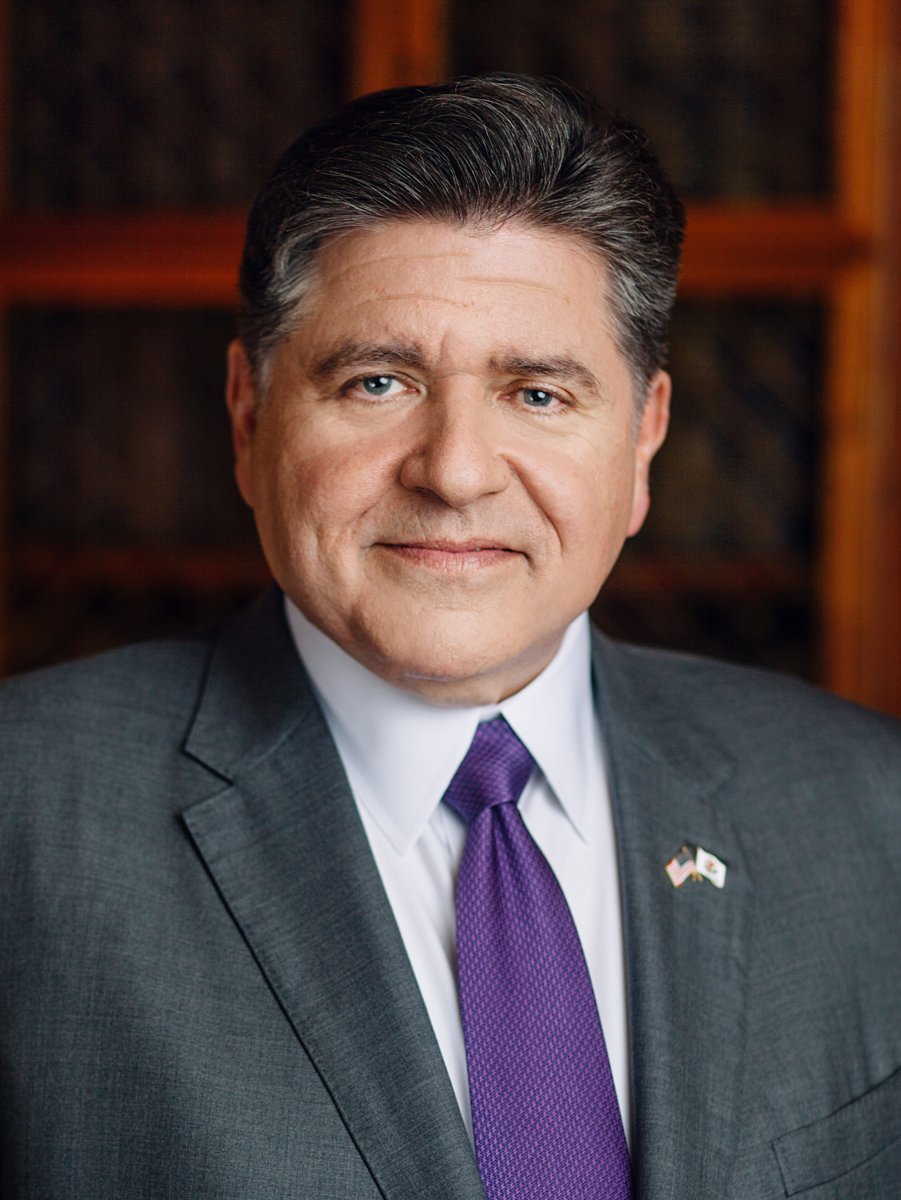
Role at the time: Governor of Illinois, posting on his verified personal Bluesky account
Condemned
Statement summary
Illinois Gov. JB Pritzker says Illinois took President Trump to court when he threatened mail-in voting and won. He also says the state added polling places statewide.
“That's why we added polling locations statewide, and when Donald Trump threatened mail-in voting, we took him to court—and won.”
Pritzker describes the administration's mail-voting restrictions as a threat that Illinois fought in court, which is a direct objection to applying them in this election.
Role at the time: Washington secretary of state, letter to federal prosecutors
Condemned
Statement summary
Responding to the request to set aside ballots from people on the federal list, Hobbs writes that without individualized proof of ineligibility it would be irresponsible and illegal for election officials to decline to process a registered voter's ballot.
“Without individualized proof of ineligibility, it would be both irresponsible and illegal for election officials to decline to process a registered voter’s ballot.”
Read the official statement (opens in a new tab)Washington Secretary of State Steve Hobbs response to DOJ letter about voter rolls · Washington Secretary of StateLetter to Neil Floyd and Pete Serrano, opening paragraphs
What this label refers to
Relative to DOJ's request to segregate the flagged Washington ballots, Hobbs rejects it as unlawful without individualized proof.
Role at the time: Eric Neff, acting chief of the Civil Rights Division's Voting Section, in a sworn court declaration
Defended or excused
Response to this claim
DOJ's expanded nationwide election-monitoring deployment is justified as routine enforcement of federal election law.
“The Voting Section is conducting its election monitoring efforts in a similar manner and for similar purposes as in past election cycles going back decades.”
Read the original text (opens in a new tab)Declaration of Eric Neff, NAACP v. Dhillon, No. 1:26-cv-03461 (D.D.C.) · United States District Court for the District of ColumbiaDocument 28-2, filed 2026-10-28, paragraphs 1 to 13, pages 1 to 4
Why we used this label
Relative to DOJ's plan to send election monitors to every state, the declaration describes the deployment as a continuation of past practice and sets limits on what monitors may do, which defends the plan.
Role at the time: Senior political correspondent at National Review, in his Morning Jolt newsletter
Challenged the characterization
Response to this claim
Federal officials' statements and actions about deploying ICE and other armed federal agents near polling places intimidate voters and violate Section 11(b) of the Voting Rights Act.
“There’s a lot of fear that the 2026 midterm elections will be disrupted by some authority, either federal or local, harassing and intimidating voters, seizing ballots, or closing polling places. That fear, so far, appears unfounded.”
Open source (opens in a new tab)The Phantom Voter-Intimidation Threat · National ReviewNewsletter, opening and section 'Ballot-Box Scare Tactics'
Why we used this label
Relative to the administration's position that ICE may go to polling places for threats or warrants, Geraghty disputes the claim that federal agents are intimidating voters, saying the fear has not been borne out. He does not defend agents at the polls, and he criticizes remarks by Steve Bannon and President Trump.
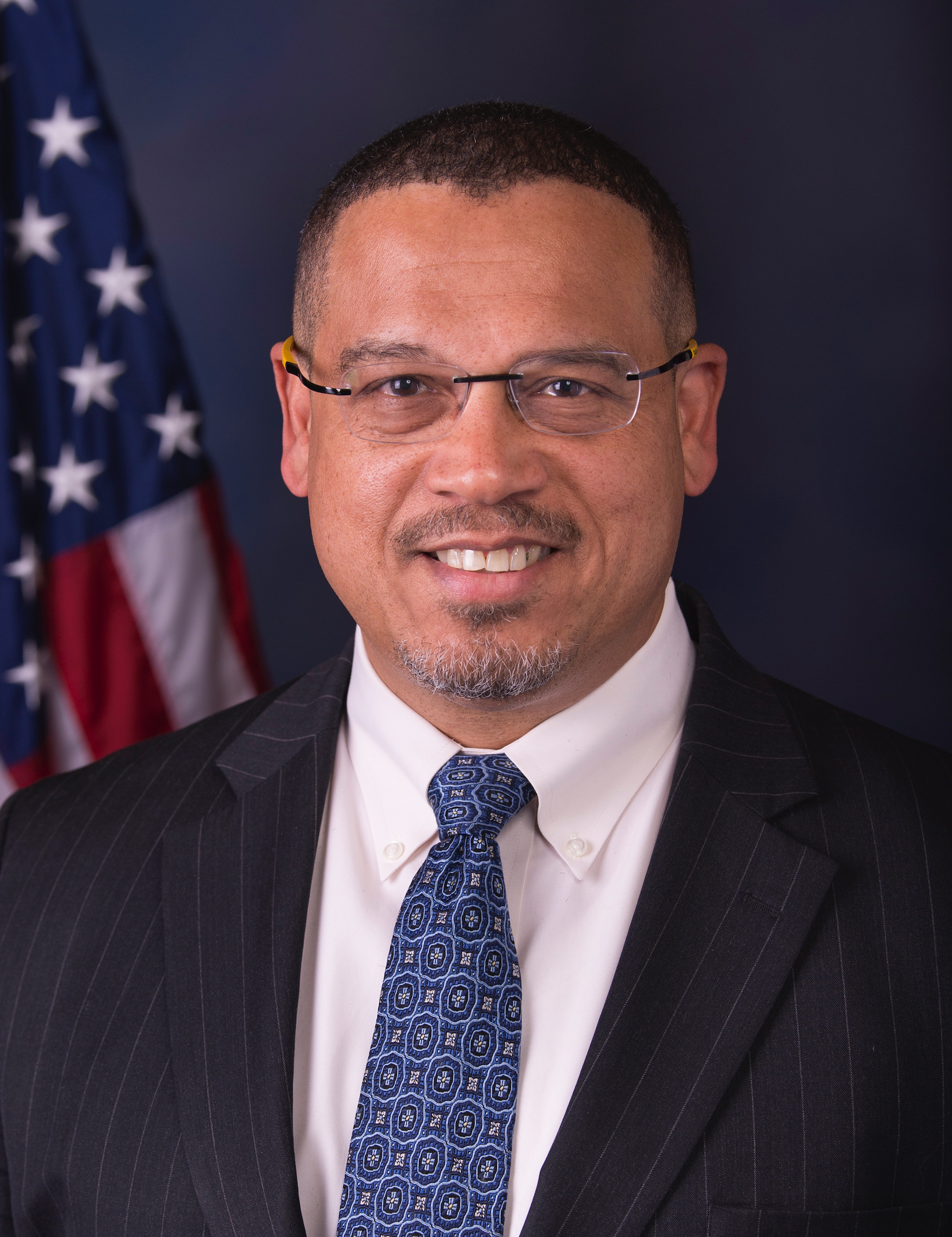
Relative to DOJ's plan to send election monitors to every state, Ellison condemns the deployment as a political weapon against states. He adds that Minnesota will cooperate and will go to court only if monitors exceed their legal role.
Role at the time: Counsel for Count US IN and fellow appellees; Elias Law Group partner
Condemned
Statement summary
Branch argues that student IDs serve the same identification function as other IDs Indiana accepts and should not be excluded.
“There's no reason why it alone needed to be banned.”
Watch the original video (opens in a new tab)Count US IN v. Morales oral argumentNo. 26-1783; Barta opening argument 00:59-02:37; Branch on ID documents 18:10-19:06 and identity verification 34:16-36:56; full argument 42:05
What this label refers to
She expressly argues against banning student IDs, saying they serve the same identity-verification function as the other accepted forms.
Barta defends the restriction as consistent with the identification requirements other voters face.
“Indiana's Senate Bill 10 provides that all students, staff and faculty at public universities must present the same types of IDs as other voters”
Watch the original video (opens in a new tab)Count US IN v. Morales oral argumentNo. 26-1783; Barta opening argument 00:59-02:37; Branch on ID documents 18:10-19:06 and identity verification 34:16-36:56; full argument 42:05
What this label refers to
Relative to the exclusion of student IDs, he defends applying the same identification requirements to university voters and other voters.
James says armed federal agents are not allowed at New York polling places and that no one can use a badge, a weapon or a threat to stop someone from voting.
“I want New York voters to know the law is on their side. Armed federal agents are not allowed at polling places, and no one can use a badge, a weapon, or a threat to stop you from voting.”
The matter under scrutiny is allowing armed federal agents, including immigration agents, at or near voting sites. James says state and federal law bar their presence and urges voters to report intimidation.
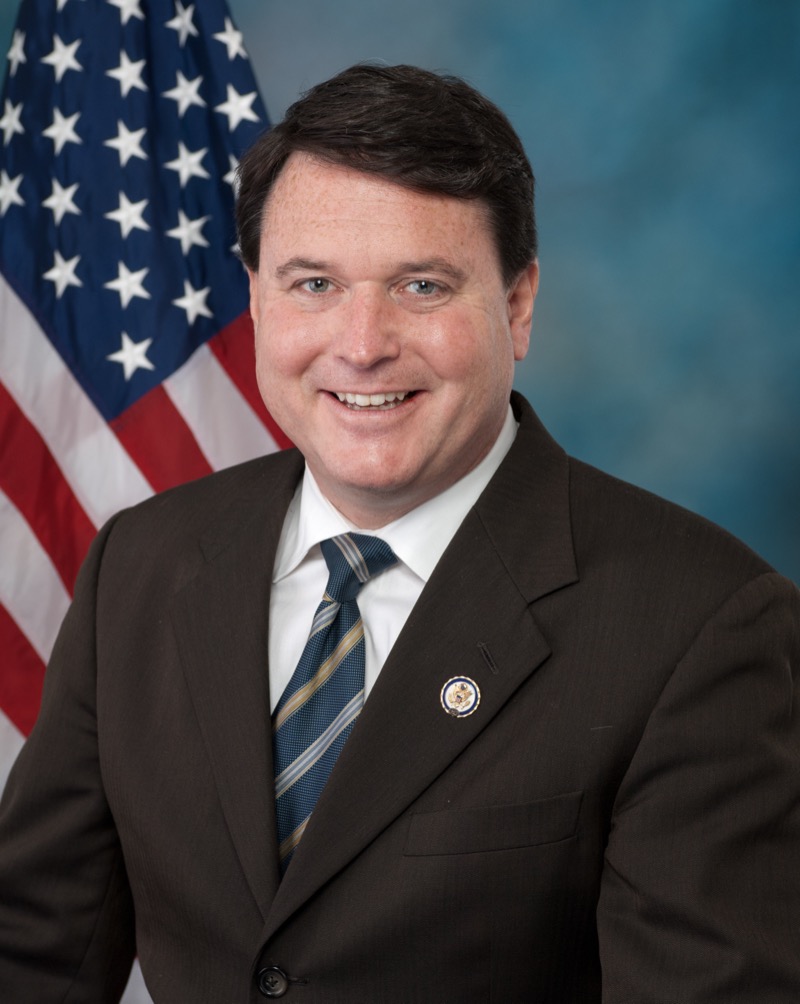
Role at the time: Indiana Attorney General, in a statement released October 26
Defended or excused
Statement summary
Indiana's attorney general welcomed DOJ's plan to send election monitors to polling sites in Marion and Lake counties, saying he wants elections run securely so voters can trust the results.
“To help make that happen, I welcome the Department of Justice sending election monitors into Indiana on November 3.”
Open source (opens in a new tab)ELECTION OBSERVERS: Federal monitors heading to Indiana welcomed by AG Rokita but decried by othersArticle, opening paragraphs quoting Rokita's statement
What this label refers to
Relative to DOJ's plan to send election monitors to every state, Rokita welcomes the monitors coming to Indiana as a way to make elections secure, which supports the deployment.
Role at the time: Department spokesperson Kiersten Pels
Defended or excused
Statement summary
Responding to the NAACP's lawsuit, a DOJ spokesperson said the group's warnings were more likely to deter lawful voting than the department's monitoring. DOJ also called the suit based on unwarranted fear and baseless speculation.
“The NAACP’s self-serving fear-mongering is likely doing far more to deter lawful voting than our monitoring efforts”
Open source (opens in a new tab)What are election monitors? Get the facts on the DOJ's record deploymentArticle, sections 'Where will election monitors be deployed?' and 'What's the purpose of the program?'
What this label refers to
Relative to DOJ's plan to send election monitors to every state, the department rejects the claim that its monitors will intimidate voters and turns the charge back on the NAACP, which defends the deployment.
Role at the time: Ninth Circuit judge, dissenting opinion
Defended or excused
Statement summary
Bumatay argues that federal authority justifies an injunction to prevent processing ballots he describes as likely cast by noncitizens.
“We should’ve enjoined it from accepting and processing ballots likely cast by aliens until their citizenship could be verified.”
Read the original text (opens in a new tab)United States v. California, No. 26-7070: Ninth Circuit order dismissing the appealPer curiam order, parts I and II; dissent by Judge Bumatay, opening paragraphs
What this label refers to
Relative to DOJ's requested segregation and verification, Bumatay expressly supports granting relief.
Role at the time: Ninth Circuit judge, separate concurrence
Condemned
Statement summary
Sanchez argues that the proposed injunction would transform California's election rules for an election already underway, cause widespread confusion and divert election resources, and that the Purcell principle bars granting it.
“The proposed injunction would transform California’s election rules for an election that is already underway and would cause widespread confusion among voters and election officials,”
Read the original text (opens in a new tab)United States v. California, No. 26-7070: Ninth Circuit order dismissing the appealPer curiam order, parts I and II; dissent by Judge Bumatay, opening paragraphs
What this label refers to
Relative to DOJ's request, Sanchez expressly criticizes its consequences and says the Purcell principle bars relief.
Role at the time: Ninth Circuit judge, separate concurrence
Condemned
Statement summary
Bennett joins the order dismissing DOJ's appeal and says that, even if the court had jurisdiction, he would deny DOJ's emergency motion on the merits for several reasons.
“Even if I were to conclude we had jurisdiction over the appeal, and reach the merits, there are several reasons why I would deny the United States’s emergency motion for injunctive relief pending appeal.”
Read the original text (opens in a new tab)United States v. California, No. 26-7070: Ninth Circuit order dismissing the appealPer curiam order, parts I and II; dissent by Judge Bumatay, opening paragraphs
What this label refers to
The case's reference point is DOJ's request to set aside and verify flagged California mail ballots. Bennett says that even if the court had jurisdiction and reached the merits, there are several reasons he would deny DOJ's emergency motion, which rejects the request.
Donald Trump is the 45th and 47th president of the United States. Before entering national politics, he worked in real estate development and entertainment.
Gavin Newsom is the Democratic governor of California. He previously held office as California lieutenant governor and mayor of San Francisco. Before entering public office, he worked in the hospitality business.
David O. Carter is a judge of the U.S. District Court for the Central District of California, appointed by President Bill Clinton in 1998. He was previously an Orange County prosecutor and served as a municipal and superior court judge in Orange County.
JB Pritzker is the Democratic governor of Illinois. A businessman and philanthropist before entering public office, he co-founded the Pritzker Group investment firm. He was first elected governor in 2018.
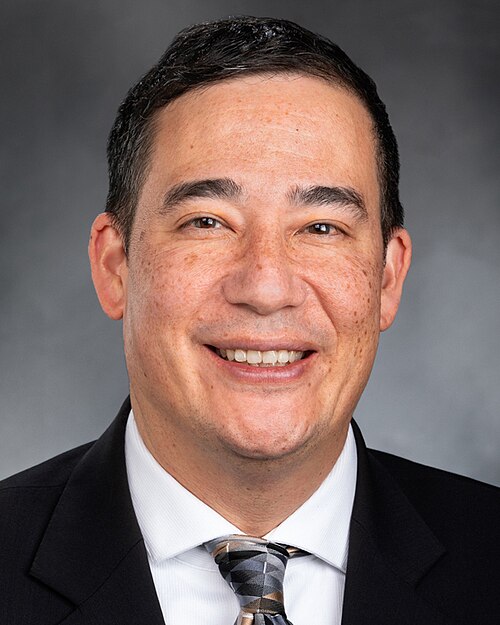
Steve Hobbs is Washington's 16th Secretary of State, an office he took in 2021 and won by election in 2022. Before that he served in the Washington State Senate for the 44th District, and he enlisted in the U.S. Army in 1987 and rose to lieutenant colonel in the Washington Army National Guard.
Jim Geraghty is an American political journalist and author. He is the senior political correspondent of National Review, where he writes The Morning Jolt newsletter, and a contributing columnist for The Washington Post.
American attorney and politician who has served as Attorney General of Minnesota since 2019. He previously represented Minnesota's 5th congressional district in the U.S. House of Representatives from 2007 to 2019.
Aria C. Branch is a partner at Elias Law Group. Her work includes election litigation, voting rights, campaign finance and legal advice for candidates and political organizations.
James Barta is Indiana's solicitor general. He handles constitutional challenges and other litigation for the state and previously worked in private practice.