
Did the military fail the troops wounded in the March 1 Iranian drone strike at Port Shuaiba?
Soldiers wounded in the March 1 Iranian drone strike at Port Shuaiba, Kuwait, say they lacked drone defenses and faced delayed care. Maj. Stephen Ramsbottom has filed a whistleblower complaint with Congress. Hegseth called the drone a "squirter" that hit a fortified site.
BackgroundWhat is the War Powers Resolution?
Case period:
Published by The Dispute Index editorial teamPublished Updated
Overview
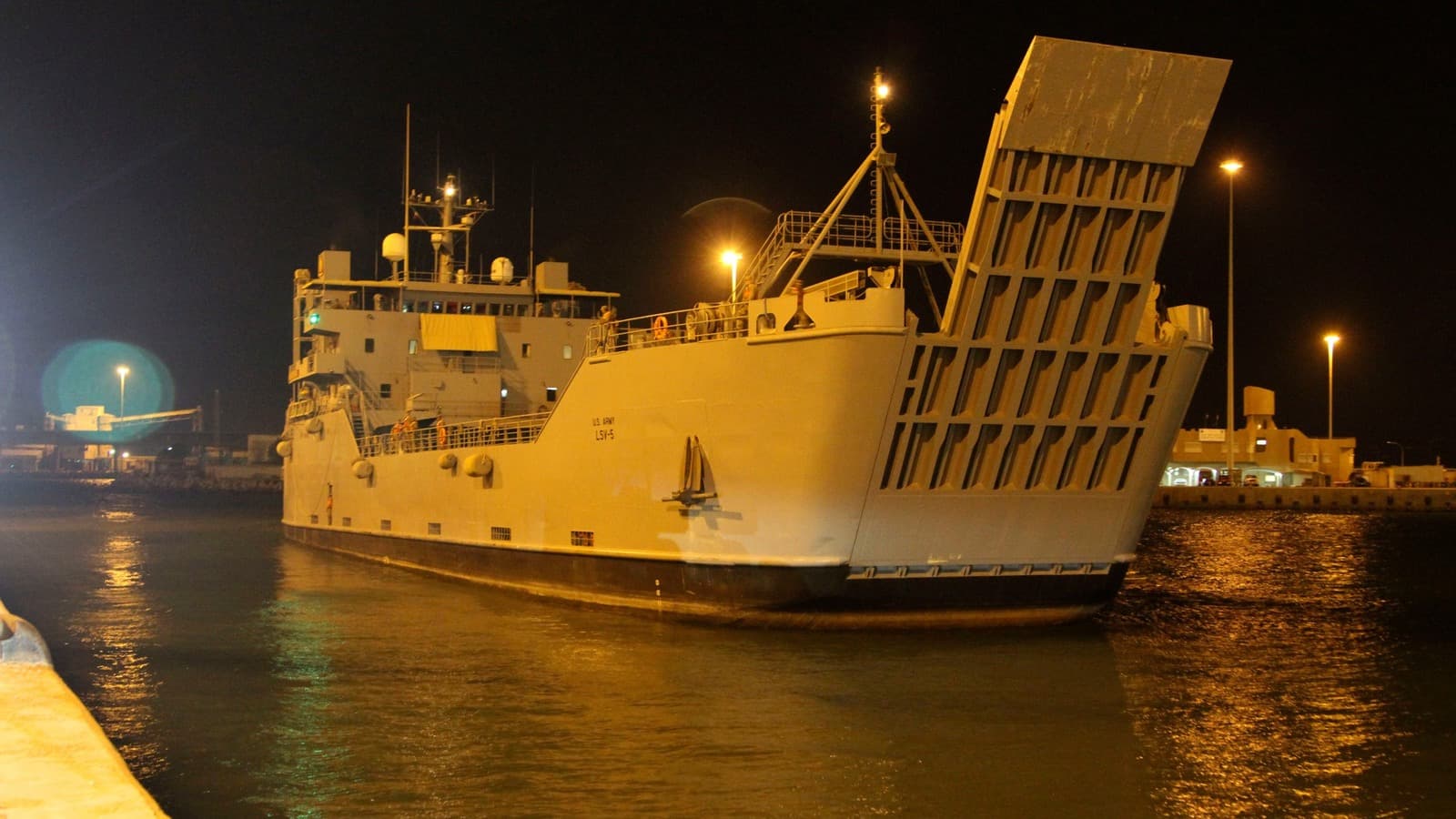
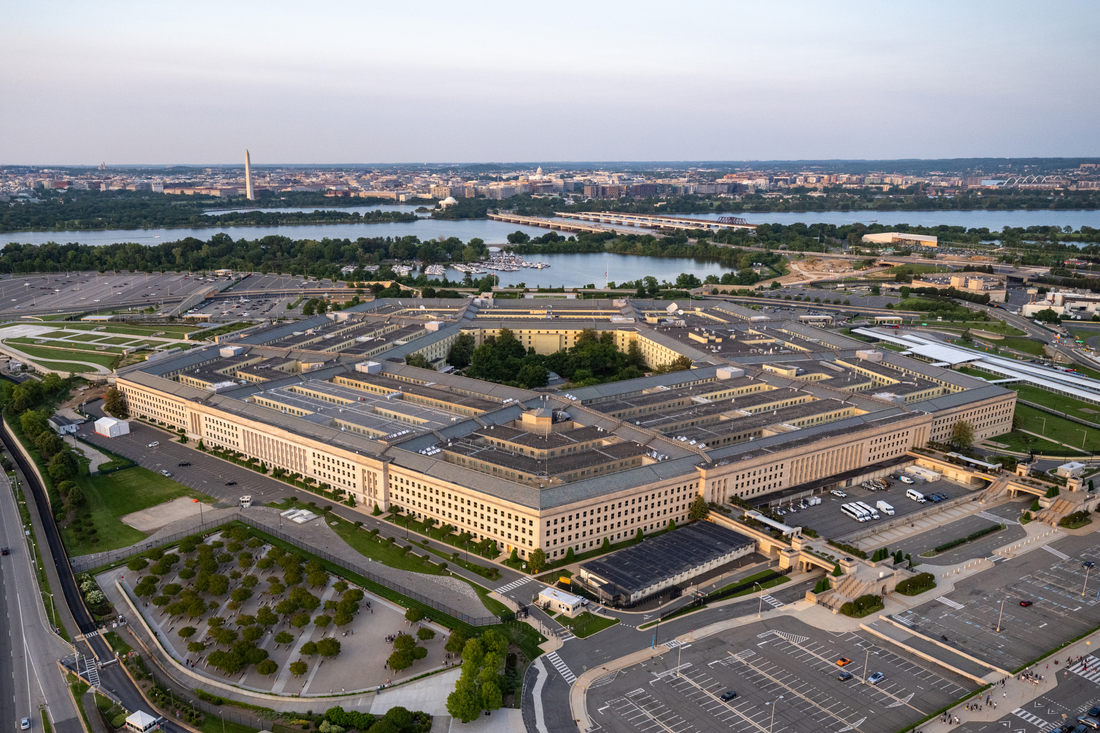
On March 1, 2026, an Iranian drone struck a U.S. Army tactical operations center at Port Shuaiba, Kuwait, killing six soldiers of the Army Reserve's 103rd Sustainment Command and wounding dozens more. The next day Defense Secretary Pete Hegseth described the drone as a "squirter" that made its way through air defenses and hit a fortified building. Survivors have since told CBS News and the Associated Press that the post had no defense against drones, that commanders had been warned, and that wounded soldiers waited days to be evacuated, were not recorded as combat wounded on arrival at Landstuhl and waited weeks or months for brain-injury care. The Pentagon says wounded troops are evaluated and may be admitted based on the severity of their injuries, the Army has rejected claims that it downplayed injuries, and the Army has not released its completed investigation. Democratic lawmakers have asked for answers, and in November Maj. Stephen Ramsbottom, who was wounded in the strike, filed a whistleblower complaint with Congress and the Defense Department inspector general. The dispute is over whether the military failed the troops at Port Shuaiba in how it protected them and how it cared for and documented the wounded.
Background: What is the War Powers Resolution?
Read the full background
An Iranian drone struck a U.S. tactical operations center at Port Shuaiba, Kuwait, on March 1, 2026, killing six Army Reserve soldiers from the 103rd Sustainment Command. Survivors say the military failed to protect them and delayed care afterward. The Pentagon has defended its preparations and medical treatment. Baldwin's August 5 letter (opens in a new tab), AP's October 5 medical report (opens in a new tab).
The wounded count remains unsettled in the sources reviewed. CBS's April 9 report (opens in a new tab) put it at more than 20; the AP reported dozens. The July 29 lawmakers' letter (opens in a new tab), page 1, said more than thirty, and Baldwin's August 5 letter said at least 30. These accounts do not establish one reconciled total.
Defenses at the port
At his March 2 briefing (opens in a new tab), Defense Secretary Pete Hegseth said air defenses had intercepted most incoming attacks, but one had made it through and hit a fortified operations center. The relevant answer begins at 35:48. He used the term "squirter" for an attack that penetrates defenses.
Pentagon spokesman Sean Parnell disputed CBS's description of a makeshift office on March 3 (opens in a new tab). He said the secure facility had six-foot walls and that every possible measure had been taken to protect troops. April's anonymous CBS survivors (opens in a new tab) described no drone defenses or overhead protection.
In its October 5 investigation (opens in a new tab), the AP reported soldiers' allegations that Maj. Gen. John Hinson and Brig. Gen. Clint Barnes knew the port lacked drone defenses and had been warned it was a likely secondary target. The AP also reported that the generals were following orders to leave Camp Arifjan and could not change the site's air defenses. Some interviewed soldiers defended remaining in Kuwait for logistics and secure communications; others said the work could be done elsewhere.
At an April 29 House hearing (opens in a new tab), Rep. Pat Ryan read survivors' accounts and asked whether Hegseth was saying they were lying. Hegseth defended the military's preparations and movement of thousands of troops away from likely targets, referring to integrated air defenses and bunkers. The exchange runs from about 2:25 to 4:20.
Sen. Tammy Baldwin pressed Hegseth about defense requests at a July 21 Senate hearing (opens in a new tab), beginning at 2:56:20. He said no drone or defense request had been denied at any level he was aware of. In her August 5 letter, Baldwin said this conflicted with soldiers' accounts to The Washington Post that an EAGLS counter-drone system was unavailable. The underlying requests and decisions remain central to that disagreement.
Evacuation and medical care
Seven soldiers told the AP that a broad mass-casualty plan had not been implemented. They described searching for hospitals and arranging transport themselves.
The AP's medical report (opens in a new tab) describes different evacuation experiences. Some of the most seriously wounded left Kuwait within two days; others waited about ten days while continuing attacks made flights dangerous. Chief Warrant Officer 4 Rodney Bearman said a coding error left some soldiers undocumented as combat-wounded and sent to barracks in Germany for outpatient care rather than admission to Landstuhl Regional Medical Center.
According to the AP, medical records supplied by Maj. Stephen Ramsbottom and another officer showed they were not diagnosed with traumatic brain injuries until Fort Hood, Texas. This concerns diagnosis and subsequent care; it does not establish that they received no earlier screening.
The Pentagon told the AP that arriving wounded troops were evaluated and admission depended on injury severity. An official described Landstuhl's role as stabilizing patients for transfer to specialist care in the United States. The main AP investigation also records Lt. Col. Tim Halbur's description of his care at Walter Reed as "excellent."
At the July 21 hearing, around 2:59:49, Hegseth said he was not disputing individual soldiers' accounts but that every effort had been made to provide care.
The Army told CBS on June 24 (opens in a new tab) that it was not downplaying injuries and that families misunderstood technical casualty categories. CENTCOM told CBS on May 19 (opens in a new tab) that accusations of disregard for troop safety were unfounded.
Requests for the investigation's findings
Thirteen Democratic lawmakers signed the July 29 letter asking Hegseth 23 questions about care, injury classifications, protection and the Army investigation. Pages 2 and 3 describe reported delays and documentation problems; pages 7 to 9 contain the questions. They requested answers by August 12. Baldwin's August 5 letter separately asked CENTCOM to release the findings and explain access to medical support, with an August 18 deadline.
The Army confirmed a private family briefing on July 9 (opens in a new tab). The AP reported on October 5 that the investigation had finished in June but remained unpublished pending redactions. The Army declined to address specific accounts before further family briefings. Separately, the AP reported that a July 20 inspector general letter found no misconduct by Barnes on the limited evidence supplied with one complaint.
We could not locate the full public investigation or public replies to the July 29 and August 5 letters as of October 6, 2026. The available accounts leave unresolved who authorized troops to leave the bunkers and how protection requests and medical documentation were handled.
People in this case
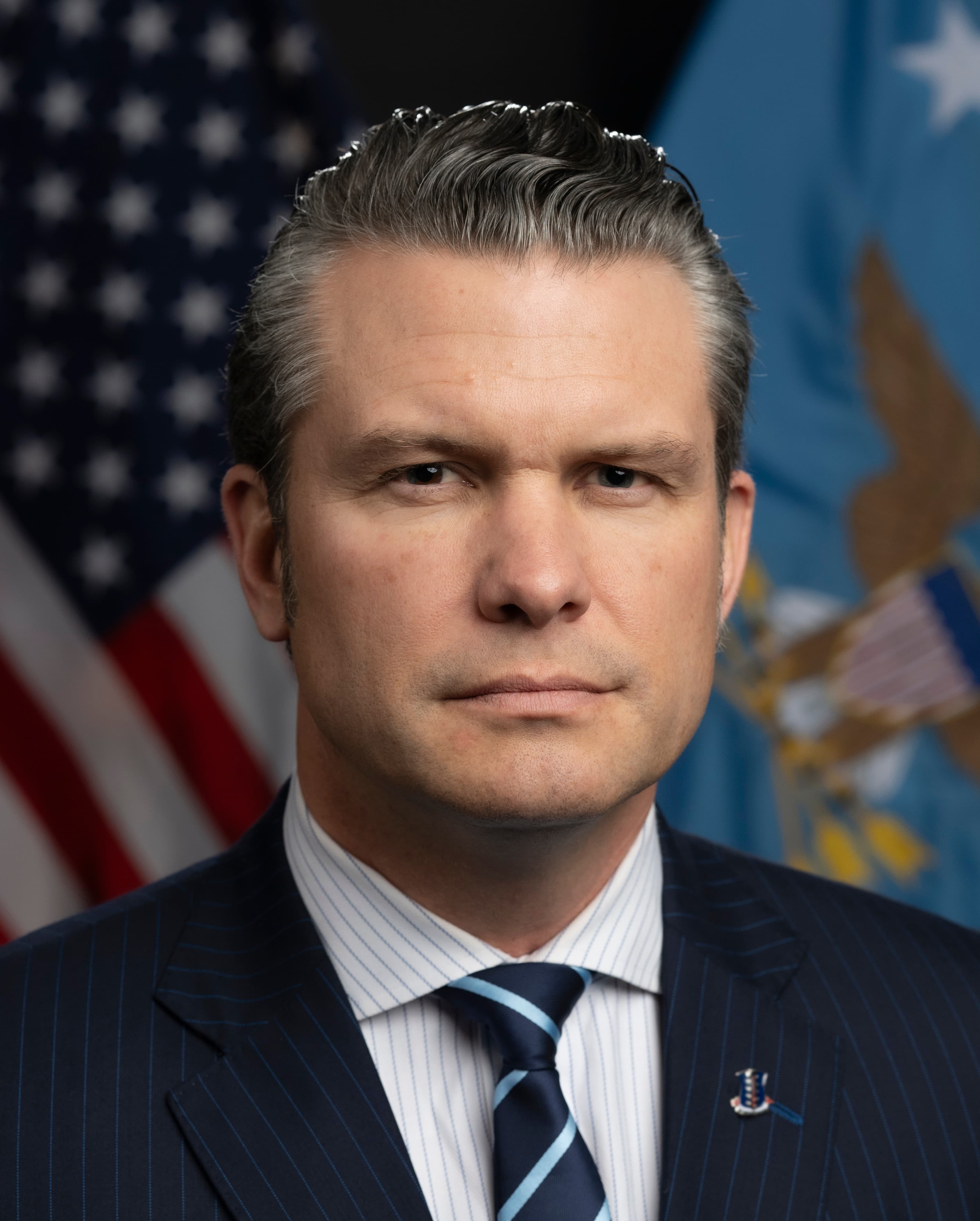 Pete HegsethDirectly involved
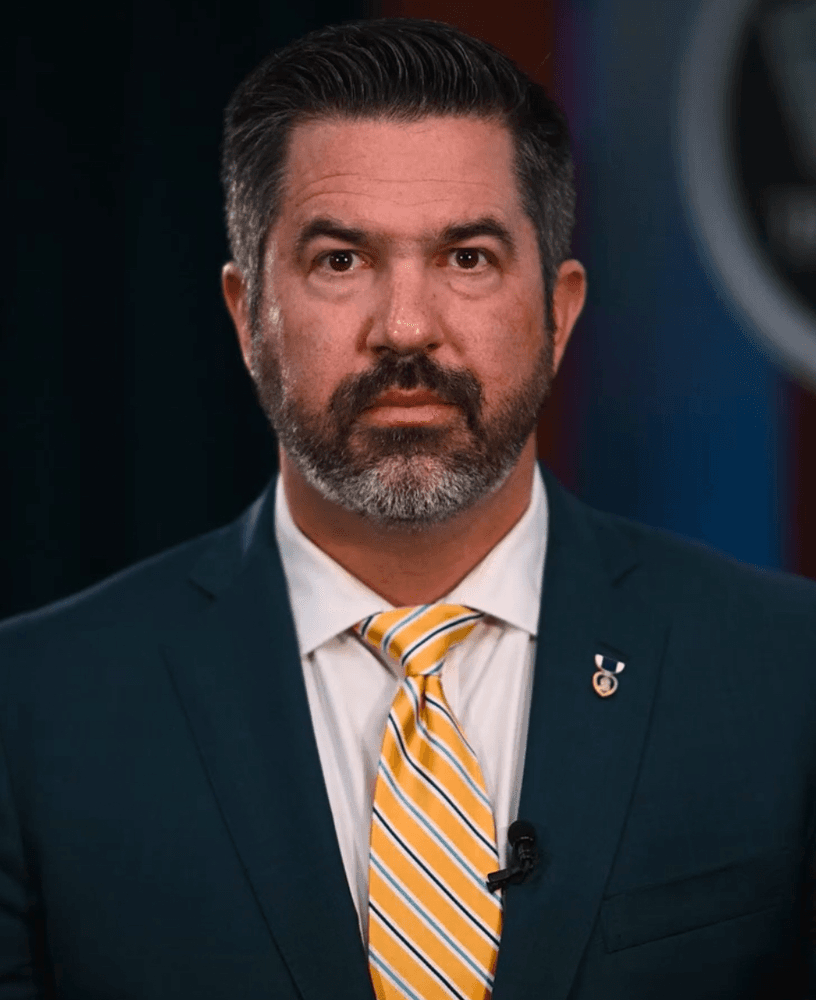 Sean ParnellDirectly involved
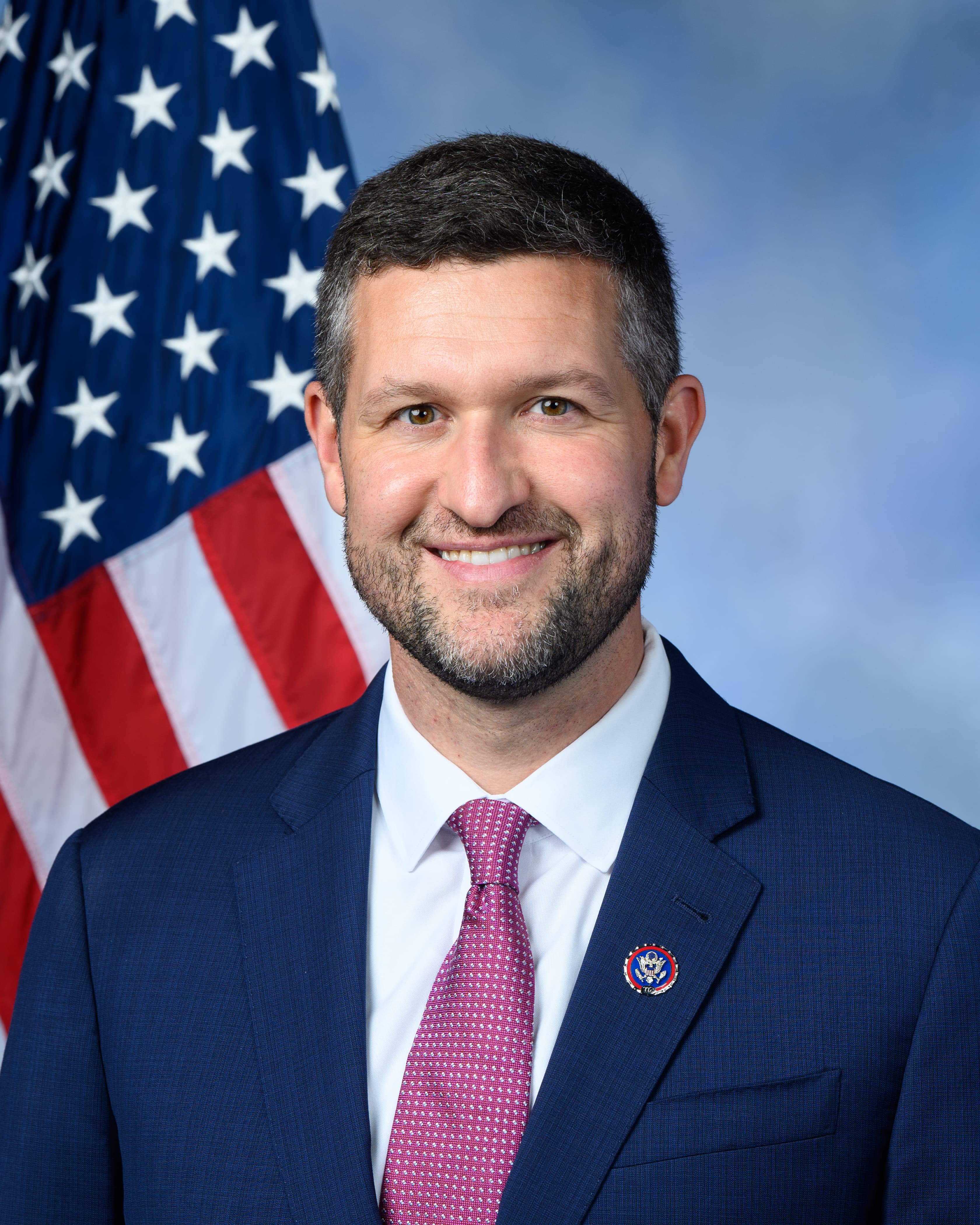 Pat RyanDirectly involved
 Elizabeth WarrenDirectly involved
Timeline
21 timeline entries on this page. Dates: March 1, 2026 to November 16, 2026
March 2026
Iranian drone strike at Port Shuaiba kills six U.S. soldiers and wounds dozens
Incident
On the second day of the U.S. war with Iran, an Iranian drone struck a tactical operations center used by the Army Reserve's 103rd Sustainment Command at Port Shuaiba, Kuwait, about 20 minutes after an all-clear, according to the Associated Press. Six soldiers were killed. Reported counts of the wounded range from more than 20 to more than 30.
Hegseth calls the drone a "squirter" that hit a fortified operations center
Claim
At a Pentagon briefing, Defense Secretary Pete Hegseth said U.S. air defenses hit most incoming fire and that the drone was a "squirter" that made its way through and hit a tactical operations center that was fortified. The next day Pentagon spokesman Sean Parnell wrote on X that the facility was fortified with 6-foot walls.
Wounded soldiers who stayed in Kuwait are flown to Germany
About 10 days after the strike, a group of wounded soldiers who had waited in homes in Kuwait were flown to Germany on a cargo plane, according to the Associated Press. They told the AP that at Landstuhl Regional Medical Center they learned they were not documented as wounded in combat and were sent to barracks for outpatient care.
April 2026
Survivors tell CBS News the post was not fortified
Source release
Members of the 103rd Sustainment Command told CBS News, on condition of anonymity, that the Port Shuaiba post had no defense against drones and that describing the drone as one that "squeaked through" was false. CBS reported that a Pentagon spokesperson declined to comment, citing an active investigation.
Thirteen House Democratic veterans ask Hegseth to investigate force protection at Port Shuaiba
Reaction
Reps. Jason Crow and Pat Ryan and 11 other House Democrats who served in the military wrote to Defense Secretary Pete Hegseth demanding a formal, immediate investigation into the six deaths in Kuwait on March 1. The letter says the deaths resulted from a failure to provide overhead protection against one-way attack drones, disputes Hegseth's description of a fortified operations center and asks why overhead protection was not accounted for at Port Shuaiba. It asked for a written response by May 22, 2026.
Four Democratic senators ask Hegseth about force protection at Port Shuaiba
Reaction
Sens. Kirsten Gillibrand, Elizabeth Warren, Richard Blumenthal and Mark Kelly wrote to Defense Secretary Pete Hegseth asking about risk assessments for the Kuwaiti post before the war. CBS News reported the letter on April 27 and said the Defense Department declined to comment.
Pat Ryan presses Hegseth on survivors' accounts at a House hearing
Reaction
At a House Armed Services Committee hearing, Rep. Pat Ryan read survivors' accounts to Hegseth and asked whether they were lying. Hegseth said the Pentagon had put in maximum defensive posture and moved thousands of troops away from likely targets. Ryan called on him to resign.
May 2026
Soldiers tell CBS News a request for more medical support went unmet
Source release
CBS News reported that soldiers said the unit asked for more medical personnel and supplies weeks before the strike and that the request was ignored. U.S. Central Command called accusations of blatant disregard for the troops' safety unfounded.
June 2026
Families tell CBS News the Army downplayed injuries, and the Army rejects the claim
Source release
CBS News reported that survivors and families said wounded soldiers were not treated as combat casualties. An Army spokesperson wrote that any assertion the Army seeks to downplay soldiers' injuries is not true and that casualty designations were being misconstrued.
July 2026
Army briefs families of the six soldiers on its investigation
Army officials met privately with the families of the soldiers killed at Port Shuaiba, an Army spokesperson told CBS News, after completing an investigation ordered by U.S. Army Central. The AP reports that the briefing gave a broad overview and that the Army has not released a report.
Baldwin questions Hegseth about Port Shuaiba at a Senate hearing
Reaction
At a Senate Appropriations Committee hearing, Sen. Tammy Baldwin asked Hegseth why requests for drone defenses and medical support were denied and why wounded soldiers did not receive prompt care. Hegseth said no drone or defense request was denied at any level he was aware of and that every effort was made to provide medical care.
Thirteen Democratic lawmakers send Hegseth 23 questions on care for the wounded
Reaction
Five senators and eight representatives, in a letter posted by Sen. Elizabeth Warren's office, asked Hegseth about medical care for soldiers injured at Port Shuaiba, casualty reporting and force protection. A Pentagon spokesperson told KSTP-TV the department would respond directly to the lawmakers.
August 2026
Baldwin asks CENTCOM to release the Port Shuaiba investigation
Reaction
Sen. Tammy Baldwin wrote to Adm. Brad Cooper, commander of U.S. Central Command, asking him to release the findings of the U.S. Army Central investigation by August 18 and to explain why medical care was not immediately available.
The War Horse reports delays in care six months after the strike
Source release
The War Horse reported, based on interviews with four wounded soldiers who spoke anonymously, delayed testing and treatment and uneven care across Soldier Recovery Units. U.S. Central Command and the Defense Department did not respond to its requests for comment.
September 2026
Twenty-one lawmakers ask the Armed Services chairs for public hearings on Port Shuaiba
Reaction
Sen. Elizabeth Warren and Rep. Pat Ryan led 19 other members of Congress in a letter asking Sen. Roger Wicker and Rep. Mike Rogers, chairs of the Senate and House Armed Services committees, to hold public hearings on the Port Shuaiba attack, citing whistleblower reports on protection and care for the wounded.
CBS News reports the commander rejected relocating the unit to Saudi Arabia
Source release
Citing multiple anonymous sources, CBS News reported that the 103rd Sustainment Command's commander rejected options to move the unit to safer sites in Saudi Arabia before the strike. The Army declined to comment.
October 2026
Soldiers describe failures of protection and care to the AP
Source release
The Associated Press published an investigation based on interviews with 13 soldiers, several of them on the record, describing warnings about the port's vulnerability and the lack of a mass casualty plan, and a second report in which nine wounded service members described delays in their medical care on the record. The Army declined to comment before briefing families on its findings, and the Pentagon also declined to comment.
November 2026
Ramsbottom files a whistleblower disclosure with Congress and the Pentagon inspector general
Through counsel, Maj. Stephen Ramsbottom, who was wounded in the strike, made a protected disclosure to the leaders of the Senate and House Armed Services committees and the ranking member of the Senate Permanent Subcommittee on Investigations, and filed a confidential complaint with the Defense Department inspector general. 60 Minutes reports that the complaint seeks an investigation into why the site had no dedicated protection against one-way attack drones. His lawyers called for an independent investigation.
Army briefs families on the results of its investigation
CBS News reported that the Army was briefing the families of the six soldiers that week on the results of the investigation it finished in June. Michelle Tietjens, whose husband, Master Sgt. Noah Tietjens, was killed in the strike, told CBS that the Army officials who briefed her the previous day did not acknowledge any mistakes.
Blumenthal asks Hegseth for a classified briefing on Port Shuaiba
Reaction
Sen. Richard Blumenthal, ranking member of the Senate Permanent Subcommittee on Investigations, wrote to Defense Secretary Pete Hegseth asking him to attend a classified briefing and to provide all force protection assessments for Port Shuaiba, CBS News reported.
60 Minutes airs accounts from Ramsbottom, a port medic and families of soldiers killed
Source release
60 Minutes aired an interview in which Ramsbottom said nothing at the port was designed to protect against an aerial attack and called the attack a tactical failure. Tanner Carson, one of two civilian medics regularly stationed at the port, said the site lacked the staff and equipment for a mass casualty incident. Joey Amor, whose wife, Nicole Amor, was killed in the strike, held the command of the 103rd responsible: "They killed my wife. They killed these soldiers." He said her death was preventable. Tina Marzan, whose husband was also killed, said the Pentagon had told her nothing in eight months. The Pentagon declined to answer whether the unit was denied adequate force protection, and the generals who allegedly ignored warnings did not respond to requests for comment, 60 Minutes reported.
Claims
Claims separate what was said from what is contested. Follow each source for the original wording and context.
What was said
Attributed statement
Copy link to this attributed statement by CBS NewsCBS News
Members of the 103rd Sustainment Command told CBS News, on condition of anonymity, that the Port Shuaiba post was not a fortified position, had no capability to defend against drones, and that describing the drone as one that "squeaked through" was false.
Sources (1)
- Army survivors of deadly attack in Kuwait dispute Pentagon's account, say unit "was unprepared" to defend itself · CBS NewsOpening paragraphs; the section headed "Get off the X"; the section headed "Telling the truth is important"
Attributed statement
Copy link to this attributed statement by Associated PressAssociated Press
Officers told the Associated Press that the generals who moved the unit to Port Shuaiba knew it lacked defenses against drones, and that intelligence officers had warned them it was a likely secondary target for Iran.
Sources (1)
- Exclusive: Soldiers and Gold Star families press Army leadership after deadly Iranian drone strike · Associated PressSections on the Army's statement and its completed investigation; the move to Port Shuaiba and warnings to Hinson and Barnes; the morning of the attack; the mass casualty plan; Landstuhl and Fort Hood; the families' briefing and the inspector general letter; Lt. Col. Tim Halbur.
Attributed statement
Copy link to this attributed statement by Associated PressAssociated Press
Wounded soldiers told the Associated Press that the military's medical system failed them: they say they were not documented as wounded in combat, were sent to barracks instead of being admitted at Landstuhl Regional Medical Center, and waited weeks or months for brain-injury diagnosis and care.
Sources (2)
- Soldiers seriously wounded in Iranian drone strike tell AP the military's medical system failed them · Associated PressOpening on Lt. Col. Arturo Lincón; Maj. Stephen Ramsbottom on MRI results; CWO4 Rodney Bearman on the cargo flight and Landstuhl; the Pentagon statement on evaluation and admission; Maj. Billy Key on specialized care.
- Exclusive: Soldiers and Gold Star families press Army leadership after deadly Iranian drone strike · Associated PressSections on the Army's statement and its completed investigation; the move to Port Shuaiba and warnings to Hinson and Barnes; the morning of the attack; the mass casualty plan; Landstuhl and Fort Hood; the families' briefing and the inspector general letter; Lt. Col. Tim Halbur.
What's disputed
Disputed claim
Copy link to this disputed claim by Pete HegsethDefense Secretary Pete Hegseth said the drone that struck Port Shuaiba was a "squirter" that made its way through U.S. air defenses and hit a tactical operations center that "was fortified."
Sources (2)
- Defense Sec. Hegseth and General Dan Caine speak on U.S.-Israel strikes on Iran, March 2, 2026 (CNBC Television video) · CNBC35:48 to 36:27, Hegseth answers a question from Reagan Reese of The Daily Caller about how the soldiers were killed
- Military questioned use of makeshift office space in Kuwait where U.S. troops were killed · CBS NewsParagraphs quoting Hegseth's March 2 briefing and the later paragraph on Parnell's post
Disputed claim
Copy link to this disputed claim by Pete HegsethHegseth told the Senate Appropriations Committee that no drone or defense request was denied "at any level that I'm aware of."
Sources (2)
- LIVE: Pete Hegseth testifies before Senate on Trump's supplemental funding request (Associated Press video) · Associated Press2:56:20 to 3:00:05, Sen. Tammy Baldwin questions Hegseth about Port Shuaiba
- Letter from Sen. Tammy Baldwin to Adm. Brad Cooper, Commander, U.S. Central Command, on the Port Shuaiba investigation · Tammy BaldwinFull letter (two pages)
In their own words
Their own account
Statements from the person or group whose act or claim this case is about. They are listed apart from the responses, and each label says what the speaker did with their own act or claim.
 United States Department of DefenseUnited States Department of Defense (the Pentagon), through a spokesperson who was not named, in a statement to Military.com
"Soldiers wounded or otherwise injured during Operation Epic Fury received the care and treatment necessary in theater to return them to duty or evacuate them to a higher level of care outside the U.S. Central Command area of responsibility"
Stood by itCase context: Did the military fail the troops wounded in the March 1 Iranian drone strike at Port Shuaiba?
Full statement and sources
A Pentagon spokesperson told Military.com that soldiers wounded during Operation Epic Fury received the care and treatment needed in theater to return to duty or be evacuated to a higher level of care.
Before the statement
Military.com reported the statement after nine wounded service members told the AP that the military failed to give them appropriate care. The spokesperson first said: "The care and well-being of our soldiers is of the highest priority".
After the statement
Military.com reported that the spokesperson also called any assertion that the Army seeks to downplay injuries "simply not true".
Soldiers Wounded by Iranian Drone Strike Accuse Military Health Care System of Failing ThemParagraphs quoting a Pentagon spokesperson's statement to Military.com on October 6.Why this label?
The U.S. Department of Defense says soldiers wounded in the operation received the care they needed in theater to return to duty or be evacuated to a higher level of care, so we labeled it Stood by it.
This label describes the statement's response within the context above.
 United States ArmyU.S. Army, statement to the Associated Press
"Out of respect for the primary next of kin who will be scheduled for briefs on the official findings of the completed investigation, we will not comment on specific details, individual accounts, or leaked portions of the report at this time"
Explicitly stayed outCase context: Did the military fail the troops wounded in the March 1 Iranian drone strike at Port Shuaiba?
Full statement and sources
Asked about the AP's reporting on the Port Shuaiba strike, the Army said in a statement that, out of respect for the families of those killed, "we will not comment on specific details, individual accounts, or leaked portions of the report at this time." The AP reports that the Army had not yet briefed the families on the outcome of its investigation and that the Pentagon also declined to comment.
Before the statement
The AP reports, based on interviews with 13 soldiers and several Gold Star families, that the soldiers described failures of preparedness and care around the March 1 strike.
After the statement
An official familiar with the investigation told the AP that the Army completed it in June but has not released a report, citing the need to redact sensitive information.
Exclusive: Soldiers and Gold Star families press Army leadership after deadly Iranian drone strike · Associated PressSections on the Army's statement and its completed investigation; the move to Port Shuaiba and warnings to Hinson and Barnes; the morning of the attack; the mass casualty plan; Landstuhl and Fort Hood; the families' briefing and the inspector general letter; Lt. Col. Tim Halbur.Why this label?
The reference point is whether the military failed the soldiers at Port Shuaiba in protecting them or in caring for the wounded. The Army's statement expressly declines to comment on specific details, individual accounts or the investigation report until the families are briefed, and it takes no position on the soldiers' accounts. The closest competing label is Defended or excused, but the statement offers no defense of the protection or care. Evidence: the Army's statement as quoted by the Associated Press.
This label describes the statement's response within the context above.
 Pete HegsethSecretary of Defense, testifying before the Senate Appropriations Committee
"I'm not taking issue with the characterization of individual soldiers, but I would argue that every effort was made to provide every level of medical care possible"
Stood by itResponding to: Hegseth told the Senate Appropriations Committee that no drone or defense request was denied "at any level that I'm aware of."
Full statement and sources
At a Senate Appropriations Committee hearing, Sen. Tammy Baldwin asked Hegseth why soldiers wounded at Port Shuaiba did not receive proper medical care or prompt brain-injury screening. Hegseth said he was "not taking issue with the characterization of individual soldiers" but argued "that every effort was made to provide every level of medical care possible." Earlier in the exchange he said no drone or defense request was denied at any level he was aware of.
Before the statement
Baldwin said she had met soldiers at Walter Reed who said most of those injured did not receive proper medical care in Kuwait, in Germany or in their first days back in the U.S. Earlier, asked why requests for medical and drone defense systems were denied, Hegseth said there was not "a single drone or defense request denied at any level that I'm aware of." Asked to commit to releasing the Army Central investigation, he said he would work with Adm. Brad Cooper "to make sure it's handled properly."
After the statement
Hegseth added "understanding how CENTCOM operates" before the chair said the senator's time had expired.
LIVE: Pete Hegseth testifies before Senate on Trump's supplemental funding request (Associated Press video) · Associated Press2:56:20 to 3:00:05, Sen. Tammy Baldwin questions Hegseth about Port ShuaibaLetter from Sen. Tammy Baldwin to Adm. Brad Cooper, Commander, U.S. Central Command, on the Port Shuaiba investigation · Tammy BaldwinFull letter (two pages)Why this label?
Pete Hegseth tells Sen. Tammy Baldwin that he does not dispute individual soldiers' accounts but that every effort was made to give the wounded every level of medical care possible, so we labeled it Stood by it.
This label describes the statement's response within the context above.
- United States ArmyU.S. Army, written statement from a spokesperson to CBS News
"Any assertion that the Army seeks to downplay a soldier's injuries is simply not true."
DeniedCase context: Did the military fail the troops wounded in the March 1 Iranian drone strike at Port Shuaiba?
Full statement and sources
Responding to survivors and families who told CBS News they were not treated as combat casualties, an Army spokesperson wrote that "The care and well-being of our Soldiers is of the highest priority" and that "Any assertion that the Army seeks to downplay a soldier's injuries is simply not true." The Army said designations such as "not seriously injured" had specific definitions that families were misconstruing.
Before the statement
CBS News reported that several survivors and their families said they were not being treated as combat casualties. Sgt. 1st Class Cory Hicks told CBS he "absolutely" believes the Army and the Pentagon have tried to downplay the incident.
After the statement
An Army spokesman said a soldier classified as seriously injured or very seriously injured is at risk of dying within 72 hours. On Hicks, the Army wrote that he "received the care and treatment necessary in theater" to prepare him for evacuation.
Wounded soldiers, families accuse Army of downplaying war injuries · CBS NewsParagraphs on the Bearman and Hicks families and the Army spokesperson's statementsWhy this label?
The reference point is whether the military failed the soldiers at Port Shuaiba in protecting them or in caring for, evacuating and documenting the wounded. The Army spokesperson flatly calls the assertion that the Army seeks to downplay soldiers' injuries "simply not true" and defends its casualty designations as having specific definitions, an explicit statement that the alleged conduct did not occur. The closest competing label is Challenged the characterization, because the Army also says families misconstrued the designations; unlike CENTCOM's May 19 statement, which concedes no plan is perfect and disputes only a description, this statement rejects the allegation outright. Evidence: a written Army statement quoted by CBS News.
This label describes the statement's response within the context above.
 U.S. Central CommandU.S. Central Command, written statement from Capt. Tim Hawkins to CBS News
"No plan is ever perfect, but accusations suggesting blatant disregard for the safety of our forces are unfounded and inaccurate"
Challenged the characterizationCase context: Did the military fail the troops wounded in the March 1 Iranian drone strike at Port Shuaiba?
Full statement and sources
In a May 19 report on soldiers' accounts that a request for more medical support went unmet before the strike, CBS News quoted a written statement from Capt. Tim Hawkins of U.S. Central Command: "No plan is ever perfect, but accusations suggesting blatant disregard for the safety of our forces are unfounded and inaccurate."
Before the statement
CBS News reported that soldiers said the unit asked for more medical personnel and supplies weeks before the strike and that the request was ignored. Maj. Stephen Ramsbottom told CBS he believed Master Sgt. Nicole Amor could have survived with a doctor, a fixed aid station or more than one ambulance at the post.
After the statement
CBS also reported that a Pentagon spokesperson said the department took "extraordinary steps" to protect U.S. troops before and during Operation Epic Fury.
Troops say Army ignored request for more medical support before deadly attack on Kuwait base · CBS NewsOpening paragraphs; Maj. Stephen Ramsbottom and Master Sgt. Ann Marie Carrier; the Pentagon and CENTCOM statementsWhy this label?
The reference point is whether the military failed the soldiers at Port Shuaiba in protecting them or in caring for the wounded. CENTCOM's statement concedes that "No plan is ever perfect" and rejects only the description of the military's conduct as "blatant disregard" for the troops' safety; it does not address the medical support request or say the protection and care were adequate. That disputes a characterization rather than the underlying account, so we labeled it Challenged the characterization. Denied loses because, unlike the Army's June 24 statement, it does not call the soldiers' account untrue, and Defended or excused loses because it offers no argument that the protection or care was sufficient. Evidence: a written statement quoted by CBS News.
This label describes the statement's response within the context above.
- Pete HegsethSecretary of Defense, testifying before the House Armed Services Committee
"We moved those troops and all across the theater, thousands of troops off the X, off of their bases because we knew what Iran was going to try to strike."
Stood by itResponding to: Members of the 103rd Sustainment Command told CBS News, on condition of anonymity, that the Port Shuaiba post was not a fortified position, had no capability to defend against drones, and that describing the drone as one that "squeaked through" was false.
Full statement and sources
Asked by Rep. Pat Ryan at a House Armed Services Committee hearing whether survivors who dispute his description of the strike are lying, Hegseth said the Pentagon put in "maximum defensive posture" before the war and that "a much larger picture" included integrated air defenses, bunkers and moving people away from targets. "We moved those troops and all across the theater, thousands of troops off the X, off of their bases because we knew what Iran was going to try to strike," he said.
Before the statement
Ryan read survivors' quotations from CBS News, including "Painting a picture that 'one squeaked through' is a falsehood," and asked whether Hegseth was saying they were lying. Hegseth said, "before the commencement of the conflict, we put in maximum defensive posture," and asked whether Ryan was "just going to monologue falsehoods all over the place."
After the statement
Hegseth said, "There could be a tragic moment where something could get through. Of course, that's the consequence of conflict," and that "we remember those six every single day." Ryan said the soldiers told the truth and called on Hegseth to resign.
WATCH: Rep. Ryan grills Hegseth about deadly Iranian drone strike on U.S. military site in Kuwait (PBS NewsHour video) · PBS NewsHour2:06 to 2:22 Ryan on the post's defenses; 2:27 to 2:31 Ryan on the March 2 description; 3:23 to 3:29 Hegseth on defensive posture; 3:55 to 4:11 Hegseth on integrated air defenses and moving troops; 4:50 Ryan calls for resignationWhy this label?
Pete Hegseth answers Rep. Pat Ryan by pointing to the military's defensive posture, its air defenses and bunkers, and the move of thousands of troops away from likely targets, so we labeled it Stood by it.
This label describes the statement's response within the context above.
Show fewer statements
 Sean ParnellAssistant to the Secretary of War for Public Affairs and chief Pentagon spokesman
"Every possible measure has been taken to safeguard our troops — at every level. The Department is prepared for this engagement and has hardened our defenses."
Stood by itResponding to: Defense Secretary Pete Hegseth said the drone that struck Port Shuaiba was a "squirter" that made its way through U.S. air defenses and hit a tactical operations center that "was fortified."
Full statement and sources
Pentagon spokesman Sean Parnell wrote on X that a CBS News report calling the building struck in Kuwait a "makeshift office space" was not true and that the facility "was fortified with 6-foot walls." He wrote that "Every possible measure has been taken to safeguard our troops" and that the department "has hardened our defenses."
Before the statement
CBS News reported, citing three U.S. military officials, that the soldiers were killed in an apparent Iranian drone attack on a makeshift office space in Kuwait. Parnell quote-posted a post by CBS News's Margaret Brennan containing that sentence and wrote that the reporting was not true.
After the statement
Parnell wrote that the military has "the most extensive Air Defense umbrella in the world over the Middle East" and has moved a significant number of troops away from likely targets. CBS added his post to its article.
Sean Parnell post on X disputing CBS News reporting on the Kuwait strike, March 3, 2026 · Sean ParnellFull postMilitary questioned use of makeshift office space in Kuwait where U.S. troops were killed · CBS NewsParagraphs quoting Hegseth's March 2 briefing and the later paragraph on Parnell's postWhy this label?
Sean Parnell rejects a CBS News description of the building as makeshift office space, says it had 6-foot walls and says every possible measure was taken to safeguard the troops, so we labeled it Stood by it.
This label describes the statement's response within the context above.
- Pete HegsethSecretary of Defense
"Every once in a while, you might have one, unfortunately, we call it a squirter that makes its way through. And in that particular case, it happened to hit a tactical operations center that was fortified, but these are powerful weapons."
Stood by itResponding to: Defense Secretary Pete Hegseth said the drone that struck Port Shuaiba was a "squirter" that made its way through U.S. air defenses and hit a tactical operations center that "was fortified."
Full statement and sources
Asked at a Pentagon briefing how the soldiers in Kuwait were killed, Defense Secretary Pete Hegseth said U.S. air defenses hit most incoming fire and that "every once in a while, you might have one, unfortunately, we call it a squirter that makes its way through." He said this one "happened to hit a tactical operations center that was fortified, but these are powerful weapons."
Before the statement
Reagan Reese of The Daily Caller asked Hegseth about the war's objectives and how the soldiers who were killed had died. Hegseth first answered on objectives, then turned to the U.S. casualties and said, "We have incredible air defenders."
After the statement
Hegseth said moments like the strike "only stiffen our resolve" and that the department would take care of the families. Survivors later told CBS News that describing the drone as one that squeaked through was false.
Defense Sec. Hegseth and General Dan Caine speak on U.S.-Israel strikes on Iran, March 2, 2026 (CNBC Television video) · CNBC35:48 to 36:27, Hegseth answers a question from Reagan Reese of The Daily Caller about how the soldiers were killedMilitary questioned use of makeshift office space in Kuwait where U.S. troops were killed · CBS NewsParagraphs quoting Hegseth's March 2 briefing and the later paragraph on Parnell's postWhy this label?
Pete Hegseth says U.S. air defenses stop most incoming fire, that occasionally one drone gets through, and that this one hit a fortified operations center, so we labeled it Stood by it.
This label describes the statement's response within the context above.
Response record
Responses
Choose one response filter, or select All responses to see the full record.
13 matching responses. First 6 shown initially. Newest first.
Tina MarzanWidow of Chief Warrant Officer 3 Robert Marzan, who was killed in the March 1 strike, in a 60 Minutes interviewDirectly involved "The truth. Accountability. Just own it. Say, "Something went wrong and we didn't plan right." That's all that I want."
Checked word for word against a linked source on .
CondemnedCase context: Did the military fail the troops wounded in the March 1 Iranian drone strike at Port Shuaiba?
Full statement and sources
In a 60 Minutes interview, Marzan says her husband, who served 36 years, deserves the truth and accountability, and that the military should acknowledge that something went wrong and that it did not plan right. She says the Pentagon has told her nothing in the eight months since the attack.
Before the statement
Norah O'Donnell asks Marzan what the Pentagon has told her in the eight months since the attack, and she answers, "Nothing." O'Donnell notes that her husband served 36 years and asks what he deserves for that.
After the statement
60 Minutes reports that the Pentagon declined to answer whether the 103rd was denied adequate force protection, that the Army finished its investigation in June and that the families were being briefed on the results that week.
60 Minutes Transcript: Families of U.S. military members killed in Iran war want answers from the Pentagon · CBS NewsFull transcript; Tanner Carson's answers in the middle, Tina Marzan's and Joey Amor's near the endWhy this label?
Marzan asks the military to admit that something went wrong and that it did not plan right, which criticizes how the soldiers at the port were protected. In October she made accountability depend on whether somebody had made a mistake; here she says something went wrong. Mixed or conditional no longer fits because she sets no condition.
This label describes the statement's response within the context above.
Stephen RamsbottomU.S. Army Reserve major wounded in the March 1 strike, in a 60 Minutes interviewDirectly involved "I feel this is a tactical failure by the Army, our leadership, and myself, all the way down to my level. Yes, we did not plan this well."
Checked word for word against a linked source on .
CondemnedCase context: Did the military fail the troops wounded in the March 1 Iranian drone strike at Port Shuaiba?
Full statement and sources
In a 60 Minutes interview, Ramsbottom says the Port Shuaiba attack was a tactical failure by the Army, its leadership and himself, and that it was not planned well.
Before the statement
60 Minutes quotes Ramsbottom saying that at the port "there was nothing there designed to protect from an aerial attack." It notes that an Iranian drone struck the outpost in the first 24 hours of fighting, killing six Americans.
After the statement
He goes on to say that "this needs to be a lesson that we learn." The same week he filed a whistleblower complaint with Congress.
60 Minutes' X post of Nov. 16, 2026, 00:08 · CBS NewsX post of Nov. 16, 2026, 00:08 UTC, full text and video clipArmy whistleblower alleges senior military officials ignored warnings ahead of deadly attack in Kuwait · CBS NewsFull article; Blumenthal's Nov. 15 letter and the Pentagon's response near the endWhy this label?
Ramsbottom calls the attack a tactical failure by the Army and its leadership as well as himself, and says it was not planned well, which criticizes how the military protected the troops at the port.
This label describes the statement's response within the context above.
Tina MarzanWidow of Chief Warrant Officer 3 Robert Marzan, who was killed in the March 1 strikeDirectly involved "If somebody messed up, those people need to be held responsible."
Mixed or conditionalCase context: Did the military fail the troops wounded in the March 1 Iranian drone strike at Port Shuaiba?
Full statement and sources
Tina Marzan, widow of Chief Warrant Officer 3 Robert Marzan, told the Associated Press, "We have the right to know what really happened. If somebody messed up, those people need to be held responsible." She said a July briefing for families from Lt. Gen. Patrick Frank included no admission of error.
Before the statement
The AP reports that many of the wounded said commanders had been warned the facility was vulnerable to a drone strike and that their injuries were not treated promptly or adequately.
After the statement
Marzan told the AP that Lt. Gen. Patrick Frank's July briefing said nothing about the port's vulnerabilities, that he told her proper medical treatment was available, and that there was no admission of error. "Whatever happened unfortunately does not bring my husband back," she said.
Exclusive: Soldiers and Gold Star families press Army leadership after deadly Iranian drone strike · Associated PressSections on the Army's statement and its completed investigation; the move to Port Shuaiba and warnings to Hinson and Barnes; the morning of the attack; the mass casualty plan; Landstuhl and Fort Hood; the families' briefing and the inspector general letter; Lt. Col. Tim Halbur.Why this label?
The reference point is whether the military failed the soldiers at Port Shuaiba in protecting them or in caring for the wounded. Marzan asks to know what happened and says those responsible should be held accountable if somebody made a mistake; she makes accountability depend on an unresolved condition rather than asserting the failure. The closest competing label is Condemned, which would require her to say that the military did fail the soldiers. Evidence: direct quotations in an Associated Press report.
This label describes the statement's response within the context above.
Tim HalburU.S. Army Reserve lieutenant colonel, wounded in the March 1 strikeDirectly involved "Obviously, somewhere at the two-star, three-star level, they knew the intelligence reports"
CondemnedResponding to: Officers told the Associated Press that the generals who moved the unit to Port Shuaiba knew it lacked defenses against drones, and that intelligence officers had warned them it was a likely secondary target for Iran.
Full statement and sources
Lt. Col. Tim Halbur told the Associated Press that senior commanders knew of intelligence about the threat to Port Shuaiba before the unit moved there. "Obviously, somewhere at the two-star, three-star level, they knew the intelligence reports," he said. "We were just told, like, 'Hey, yeah, we'll be fine there.'"
Before the statement
The AP reports that Halbur and another senior officer said Lt. Gen. Patrick Frank, then leading U.S. Army Central, signed off on the plan to move to Port Shuaiba when Maj. Gen. John Hinson briefed him.
After the statement
Halbur was among about nine soldiers medically evacuated soon after the strike. He told the AP his care at Walter Reed was "excellent" and that visiting top Army leaders told him the Port Shuaiba soldiers were "the guinea pigs" for the medical system. The blast shattered his right forearm.
Exclusive: Soldiers and Gold Star families press Army leadership after deadly Iranian drone strike · Associated PressSections on the Army's statement and its completed investigation; the move to Port Shuaiba and warnings to Hinson and Barnes; the morning of the attack; the mass casualty plan; Landstuhl and Fort Hood; the families' briefing and the inspector general letter; Lt. Col. Tim Halbur.Why this label?
The reference point is whether the military failed the soldiers at Port Shuaiba in protecting them or in caring for the wounded. Halbur says senior commanders knew the intelligence reports while the soldiers were told they would be fine, which criticizes the decision to station them there. The closest competing label is Mixed or conditional, because he called his own surgery at Walter Reed "excellent"; that praise covers his own treatment after evacuation, and he also told the AP that visiting Army leaders called the Port Shuaiba soldiers "the guinea pigs" for the medical system, so he does not defend the protection or care at issue. Evidence: direct quotations in an Associated Press report.
This label describes the statement's response within the context above.
Billy KeyU.S. Army major and operations planner for the commander of the 103rd Sustainment Command, wounded in the March 1 strikeDirectly involved "Kuwait was just too close, that’s the bottom line"
CondemnedResponding to: Officers told the Associated Press that the generals who moved the unit to Port Shuaiba knew it lacked defenses against drones, and that intelligence officers had warned them it was a likely secondary target for Iran.
Full statement and sources
Maj. Billy Key, an operations planner for the 103rd's commanding general, told the Associated Press that the command rejected proposals to move the logistics headquarters to safer sites outside Kuwait. "Kuwait was just too close, that's the bottom line," he said. "Kuwait was in striking distance of low-flying drones."
Before the statement
The AP reports, citing Key and a second officer, that the command team rejected proposals to move the logistics headquarters to sites outside Kuwait that were identified as safer. The port was about 65 miles from the Iranian border.
After the statement
Key told the AP, "We did our work on a computer. We could have been anywhere." He also said he reported quadcopter drones over the port the night before the strike. In a separate AP report he said it took until mid-April to receive specialized care for his head injury, hearing loss and lung damage: "It took too long."
Exclusive: Soldiers and Gold Star families press Army leadership after deadly Iranian drone strike · Associated PressSections on the Army's statement and its completed investigation; the move to Port Shuaiba and warnings to Hinson and Barnes; the morning of the attack; the mass casualty plan; Landstuhl and Fort Hood; the families' briefing and the inspector general letter; Lt. Col. Tim Halbur.Soldiers seriously wounded in Iranian drone strike tell AP the military's medical system failed them · Associated PressOpening on Lt. Col. Arturo Lincón; Maj. Stephen Ramsbottom on MRI results; CWO4 Rodney Bearman on the cargo flight and Landstuhl; the Pentagon statement on evaluation and admission; Maj. Billy Key on specialized care.Why this label?
The reference point is whether the military failed the soldiers at Port Shuaiba in protecting them or in caring for the wounded. Key says the unit should not have been in Kuwait, that the command rejected safer sites, and that the work "could have been anywhere," an express criticism of the decision that exposed the soldiers. The closest competing label is Mixed or conditional, but he offers no support for the decision. Evidence: direct quotations in an Associated Press report.
This label describes the statement's response within the context above.
Rodney BearmanU.S. Army chief warrant officer 4, wounded in the March 1 strikeDirectly involved "Some sacred trust that I thought would never be broken was broken."
CondemnedResponding to: Wounded soldiers told the Associated Press that the military's medical system failed them: they say they were not documented as wounded in combat, were sent to barracks instead of being admitted at Landstuhl Regional Medical Center, and waited weeks or months for brain-injury diagnosis and care.
Full statement and sources
Chief Warrant Officer 4 Rodney Bearman, who had shrapnel wounds from his face to his legs, told the Associated Press that wounded soldiers arriving in Germany learned they were not documented as wounded in combat and were sent to barracks for outpatient care. "Never did I think that if I was wounded that these things would happen," he said. "Some sacred trust that I thought would never be broken was broken."
Before the statement
The AP reports that Bearman and other soldiers seen briefly at Kuwaiti medical facilities were sent to the homes of U.S. government employees, then flown to Germany about 10 days after the attack sitting on the floor of a cargo plane. In Germany, Bearman said, they learned they were not documented as wounded in combat and would not be hospitalized at Landstuhl.
After the statement
Bearman said the soldiers were documented that way because of a coding error. The AP reports that the Pentagon said in a statement that all wounded troops arriving at its facilities are evaluated and may be admitted based on the severity of the injury.
Soldiers seriously wounded in Iranian drone strike tell AP the military's medical system failed them · Associated PressOpening on Lt. Col. Arturo Lincón; Maj. Stephen Ramsbottom on MRI results; CWO4 Rodney Bearman on the cargo flight and Landstuhl; the Pentagon statement on evaluation and admission; Maj. Billy Key on specialized care.Why this label?
The reference point is whether the military failed the soldiers at Port Shuaiba in protecting them or in caring for, evacuating and documenting the wounded. Bearman describes the wounded being left undocumented as combat casualties and sent to barracks at Landstuhl and says a sacred trust was broken, an express criticism of their care. The closest competing label is Mixed or conditional, but he attaches no condition and voices no support for how the wounded were handled. Evidence: direct quotation in an Associated Press report.
This label describes the statement's response within the context above.
Show fewer responses
Stephen RamsbottomU.S. Army major with the Army Reserve's 103rd Sustainment Command, wounded in the March 1 strikeDirectly involved "There was nothing that was going to intercept a threat coming at us other than ballistic missiles"
CondemnedResponding to: Officers told the Associated Press that the generals who moved the unit to Port Shuaiba knew it lacked defenses against drones, and that intelligence officers had warned them it was a likely secondary target for Iran.
Full statement and sources
Maj. Stephen Ramsbottom told the Associated Press that at Port Shuaiba "there was nothing that was going to intercept a threat coming at us other than ballistic missiles." He was one of five soldiers who told the AP that officers overseeing protection had warned the generals the port would not be safe without air protection against drones, and he called the explanation that the military did not expect a drone attack "preposterous."
Before the statement
The AP reports that the only U.S. air defense covering the port was a Patriot system near Camp Arifjan that was ill-equipped to shoot down Iranian drones. Ramsbottom said the generals were focused on missiles rather than drones, noted that drone warfare had gone on in Ukraine for five years, said "our excuse is we didn't expect it to happen to us" and called that "preposterous in my mind."
After the statement
Ramsbottom told the AP that on the morning of the strike he and Capt. Cody Khork worried that the radar used to issue all-clears was not detecting low-flying drones. In a separate AP report he said he waited more than four months for MRI results and had "to build my own case for everything."
Exclusive: Soldiers and Gold Star families press Army leadership after deadly Iranian drone strike · Associated PressSections on the Army's statement and its completed investigation; the move to Port Shuaiba and warnings to Hinson and Barnes; the morning of the attack; the mass casualty plan; Landstuhl and Fort Hood; the families' briefing and the inspector general letter; Lt. Col. Tim Halbur.Soldiers seriously wounded in Iranian drone strike tell AP the military's medical system failed them · Associated PressOpening on Lt. Col. Arturo Lincón; Maj. Stephen Ramsbottom on MRI results; CWO4 Rodney Bearman on the cargo flight and Landstuhl; the Pentagon statement on evaluation and admission; Maj. Billy Key on specialized care.Why this label?
The reference point is whether the military failed the soldiers at Port Shuaiba in protecting them or in caring for the wounded. Ramsbottom says the post had no defense against drones, and in the same AP account he calls the excuse that commanders did not expect a drone attack "preposterous," which asserts a failure of protection. The closest competing label is Challenged the characterization, but he goes beyond disputing a description and criticizes the preparation itself. Evidence: direct quotations in an Associated Press report.
This label describes the statement's response within the context above.
Arturo LincónU.S. Army lieutenant colonel with the Defense Logistics Agency, wounded in the March 1 strikeDirectly involved "I was just kind of on my own, at least it felt like that"
CondemnedResponding to: Wounded soldiers told the Associated Press that the military's medical system failed them: they say they were not documented as wounded in combat, were sent to barracks instead of being admitted at Landstuhl Regional Medical Center, and waited weeks or months for brain-injury diagnosis and care.
Full statement and sources
Lt. Col. Arturo Lincón, who was hit by shrapnel in the jaw and neck, told the Associated Press that after the Army sent him to barracks in Germany instead of admitting him at Landstuhl Regional Medical Center, "I was just kind of on my own, at least it felt like that."
Before the statement
The AP reports that shrapnel lodged in Lincón's jaw, severed an artery in his neck and embedded in a vertebra, and that a damaged vertebral artery put him at risk of a stroke. It reports that the Army did not consider his wounds serious enough for admission at Landstuhl and that he was sent to nearby barracks and told to schedule outpatient appointments.
After the statement
Lincón told the AP he went days without pain medication and later spent seven weeks in outpatient care at Walter Reed National Military Medical Center. In a separate report on the move to the port, the AP paraphrases him saying the port had existing secure communications infrastructure and that Jordan was already crowded.
Soldiers seriously wounded in Iranian drone strike tell AP the military's medical system failed them · Associated PressOpening on Lt. Col. Arturo Lincón; Maj. Stephen Ramsbottom on MRI results; CWO4 Rodney Bearman on the cargo flight and Landstuhl; the Pentagon statement on evaluation and admission; Maj. Billy Key on specialized care.Exclusive: Soldiers and Gold Star families press Army leadership after deadly Iranian drone strike · Associated PressSections on the Army's statement and its completed investigation; the move to Port Shuaiba and warnings to Hinson and Barnes; the morning of the attack; the mass casualty plan; Landstuhl and Fort Hood; the families' briefing and the inspector general letter; Lt. Col. Tim Halbur.Why this label?
The reference point is whether the military failed the soldiers at Port Shuaiba in protecting them or in caring for the wounded. Lincón's quoted words criticize his care: he says he was on his own after the Army sent him to barracks rather than admitting him at Landstuhl. In a separate report the AP paraphrases him giving reasons the port suited the unit, but those are not his quoted words and do not change his stated view of his care. The closest competing label is Mixed or conditional; it loses because the quoted statement attaches no condition and voices no support for how he was treated. Evidence: a direct quotation in an Associated Press report.
This label describes the statement's response within the context above.
Stephen RamsbottomU.S. Army major wounded in the Port Shuaiba strike, speaking to the APDirectly involved "I’ve had to build my own case for everything"
CondemnedCase context: Did the military fail the troops wounded in the March 1 Iranian drone strike at Port Shuaiba?
Full statement and sources
Maj. Stephen Ramsbottom, who had shrapnel removed from his head after the strike, told the AP that he had had to build his own case for everything in his medical care.
Before the statement
The AP reported that Ramsbottom, who had shrapnel removed from his head, said he waited over four months to receive his MRI results.
After the statement
He added that it was "very frustrating".
Soldiers seriously wounded in Iranian drone strike tell AP the military's medical system failed them · Associated PressOpening on Lt. Col. Arturo Lincón; Maj. Stephen Ramsbottom on MRI results; CWO4 Rodney Bearman on the cargo flight and Landstuhl; the Pentagon statement on evaluation and admission; Maj. Billy Key on specialized care.Why this label?
The case asks whether the military failed the troops wounded in the March 1 drone strike at Port Shuaiba, in protecting them and in caring for them afterward. Ramsbottom, who the AP reports waited over four months for his MRI results, says he has had to "build my own case for everything". That criticizes his care after the strike, so we labeled it Condemned. The closest competing label is Mixed or conditional; it loses because he credits no part of the care he received.
This label describes the statement's response within the context above.
 Elizabeth WarrenU.S. Senator from Massachusetts and Ranking Member of the Senate Armed Services Subcommittee on Personnel, in a letter she and Rep. Pat Ryan led, signed by 19 members of CongressDirectly involved
"It is unacceptable that President Trump has dragged the U.S. into a reckless war while failing to properly protect our service members from Iranian attacks and to give them the care they need"
CondemnedCase context: Did the military fail the troops wounded in the March 1 Iranian drone strike at Port Shuaiba?
Full statement and sources
Sen. Elizabeth Warren and Rep. Pat Ryan, who led 19 members of Congress, wrote that it was unacceptable that President Trump has dragged the U.S. into a reckless war while failing to properly protect service members from Iranian attacks and to give them the care they need, and asked the Armed Services chairs to hold public hearings.
Before the statement
Warren and Ryan sent the letter to Sen. Roger Wicker and Rep. Mike Rogers, the chairs of the Senate and House Armed Services committees. The release describes the request as following whistleblower reports.
After the statement
The release quotes the letter: "It is critical that Congress gets answers on the failures that led to the attacks, and on the subsequent mistreatment of survivors and families of those killed".
Warren, Ryan, Bicameral Lawmakers Urge Armed Services Committee Chairmen to Hold Public Hearings on Fatal Port Shuaiba Attack Following Whistleblower Reports · Elizabeth WarrenRelease text and the quoted passage from the September 21 letter.Why this label?
The case asks whether the military failed the troops wounded in the March 1 drone strike at Port Shuaiba, in protecting them and in caring for them afterward. The letter says the administration failed "to properly protect our service members from Iranian attacks and to give them the care they need". That criticizes both protection and care, so we labeled it Condemned. The closest competing label is Mixed or conditional; it loses because the letter makes no allowance for the military's conduct.
This label describes the statement's response within the context above.
 Tammy BaldwinU.S. senator from Wisconsin (D), member of the Senate Appropriations CommitteeDirectly involved
"Congress and the American people deserve clear answers on what happened on March 1 and why the U.S. military was unable to protect or care for our soldiers."
CondemnedResponding to: Hegseth told the Senate Appropriations Committee that no drone or defense request was denied "at any level that I'm aware of."
Full statement and sources
In an August 5 letter to Adm. Brad Cooper, commander of U.S. Central Command, Sen. Tammy Baldwin asked CENTCOM to release the Army Central investigation of the Port Shuaiba attack by August 18 and wrote that "Congress and the American people deserve clear answers on what happened on March 1 and why the U.S. military was unable to protect or care for our soldiers." She wrote that Hegseth's statement that no drone or defense request was denied "is clearly contradicted" by soldiers' accounts.
Before the statement
Baldwin wrote that she had asked Hegseth at a July 21 hearing to commit to releasing the investigation and that he said he would coordinate with Cooper. She wrote that the initial mistake of moving soldiers to Port Shuaiba was compounded by CENTCOM reportedly not increasing defenses after the site was identified as a likely target.
After the statement
Baldwin asked CENTCOM to explain why U.S. military medical care was not immediately available on March 1 and why requests for more medical supplies were denied.
Letter from Sen. Tammy Baldwin to Adm. Brad Cooper, Commander, U.S. Central Command, on the Port Shuaiba investigation · Tammy BaldwinFull letter (two pages)Why this label?
The reference point is whether the military failed the soldiers at Port Shuaiba in protecting them or in caring for the wounded. Baldwin states that the military was unable to protect or care for the soldiers, calls the move to the port a mistake compounded by inadequate defenses, and says Hegseth's denial is contradicted, which asserts the failure. The closest competing label is Mixed or conditional, because the letter is a request for information; it loses because Baldwin states her own conclusion. Evidence: the original signed letter.
This label describes the statement's response within the context above.
- Elizabeth WarrenU.S. senator from Massachusetts (D), member of the Senate Armed Services CommitteeDirectly involved
"The reports of these families point to a pattern of the soldiers who were injured in this attack not having their medical care and needs taken seriously."
CondemnedCase context: Did the military fail the troops wounded in the March 1 Iranian drone strike at Port Shuaiba?
Full statement and sources
In a July 29 letter to Defense Secretary Pete Hegseth signed by five senators and eight representatives, Sen. Elizabeth Warren and colleagues wrote that they were "alarmed by reports of failures of DoD to provide medical care" for soldiers injured at Port Shuaiba and that reports from families "point to a pattern of the soldiers who were injured in this attack not having their medical care and needs taken seriously." The letter asks 23 questions on care, casualty reporting and force protection.
Before the statement
The letter cites reports that soldiers drove themselves to a hospital in Kuwait, that about two dozen were flown to Landstuhl nine days after the strike, and that they were not admitted because they had not been recorded as medical evacuees or as seriously injured.
After the statement
The letter says the Defense Department had not provided Congress the results of the Army's investigation and asks whether DoD or the Army denied a drone defense system for Port Shuaiba. A Pentagon spokesperson later told KSTP-TV the department would respond directly to the lawmakers.
Letter from Sen. Elizabeth Warren and 12 other Democratic lawmakers to Defense Secretary Pete Hegseth on access to care after the Port Shuaiba strike · Elizabeth WarrenPages 1 to 3 (section on lack of medical care) and the 23 numbered questionsWhy this label?
The reference point is whether the military failed the soldiers at Port Shuaiba in protecting them or in caring for the wounded. The letter says the reports point to a pattern of injured soldiers' medical care and needs not being taken seriously, which endorses the claim of a care failure. The closest competing label is Mixed or conditional, because the letter is framed as questions; it loses because the letter states its own conclusion about a pattern. Evidence: the original letter, published by Warren's office and co-signed by 12 other lawmakers; we record it under Warren.
This label describes the statement's response within the context above.
 Pat RyanU.S. representative for New York's 18th District (D), member of the House Armed Services CommitteeDirectly involved
"No counter drone capabilities. No counter rocket systems. No counter mortar or counter artillery. Not even the basic overhead protection that you and I had 20 years ago in Iraq. And now, six of our soldiers are dead."
CondemnedResponding to: Members of the 103rd Sustainment Command told CBS News, on condition of anonymity, that the Port Shuaiba post was not a fortified position, had no capability to defend against drones, and that describing the drone as one that "squeaked through" was false.
Full statement and sources
At a House Armed Services Committee hearing, Rep. Pat Ryan told Defense Secretary Pete Hegseth that the Port Shuaiba post had no counter-drone, counter-rocket or counter-artillery systems and no overhead protection, "And now six of our soldiers are dead." He cited survivors' accounts that disputed Hegseth's description of the drone and said Hegseth should resign.
Before the statement
Ryan said intelligence showed the port was high on Iran's target list, that internal analysis found it indefensible from aerial attack, and that officers on the ground requested more force protection that they did not receive. He quoted a survivor who told CBS News, "I would put it in the none category."
After the statement
Ryan said the March 2 description of a "squirter" contradicted survivors' accounts, asked whether Hegseth was saying they were lying, and said Hegseth should resign. His office's release of the remarks words this passage slightly differently.
WATCH: Rep. Ryan grills Hegseth about deadly Iranian drone strike on U.S. military site in Kuwait (PBS NewsHour video) · PBS NewsHour2:06 to 2:22 Ryan on the post's defenses; 2:27 to 2:31 Ryan on the March 2 description; 3:23 to 3:29 Hegseth on defensive posture; 3:55 to 4:11 Hegseth on integrated air defenses and moving troops; 4:50 Ryan calls for resignationWhy this label?
The reference point is whether the military failed the soldiers at Port Shuaiba in protecting them or in caring for the wounded. Ryan says the post lacked counter-drone and overhead protection and ties that to the six deaths, an express criticism of the protection. The closest competing label is Challenged the characterization, because he also disputes Hegseth's "squirter" description; it loses because he asserts the failure itself and calls for accountability. Evidence: our transcription of video of the hearing; his office's release gives the same remarks in slightly different wording.
This label describes the statement's response within the context above.
Sources
(35)
Reporting
Exclusive: Soldiers and Gold Star families press Army leadership after deadly Iranian drone strike
Relevant passage: Sections on the Army's statement and its completed investigation; the move to Port Shuaiba and warnings to Hinson and Barnes; the morning of the attack; the mass casualty plan; Landstuhl and Fort Hood; the families' briefing and the inspector general letter; Lt. Col. Tim Halbur.
About this source
Associated Press investigation based on interviews with 13 soldiers, primarily officers, several on the record and others anonymously, plus Gold Star families. It includes the Army's statement declining to comment on specific details before families are briefed, and a statement that the Pentagon also declined to comment. The AP page lists an update on October 6, 2026; the wording we quote matched an AP member copy published October 5.
- Author
- Jack Brook, Konstantin Toropin, Julie Watson and Russ Bynum
- Published
- Accessed
Original post
Amy Klobuchar's X post of Nov. 16, 2026, 13:21
About this source
Klobuchar's post quoting a 60 Minutes post about Maj. Stephen Ramsbottom's account of the strike.
- Author
- Amy Klobuchar
- Published
- Accessed
Official statement
Goodlander Calls for Public Hearings on Pentagon Failures Before and After Deadly Port Shuaiba Strike
Relevant passage: Release text and Goodlander's two statements
About this source
Press release from Rep. Maggie Goodlander's office on the September letter asking the chairs of the Senate and House Armed Services committees to hold public hearings on the Port Shuaiba attack.
- Author
- Office of Rep. Maggie Goodlander
- Published
- Accessed
Official statement
Following Deadly Attack on U.S. Base in Kuwait that Killed 6 Servicemembers, Congressman Pat Ryan and House Democratic Veterans Demand Secretary Hegseth Investigate Force Protection Failures
Relevant passage: Release text and signers' statements, including Rep. Ted Lieu's
About this source
Press release from Rep. Pat Ryan's office on the April 23 House Democratic veterans' letter to Hegseth, with statements from Ryan and other signers and the text of the letter.
- Author
- Office of Rep. Pat Ryan
- Published
- Accessed
Official statement
Crow Demands Answers on Protection of U.S. Forces in the Middle East
Relevant passage: Release text, Crow's statement and the full letter
About this source
Press release from Rep. Jason Crow's office on the April 23 letter in which he and 12 other House Democratic veterans asked Defense Secretary Pete Hegseth to investigate the six deaths in Kuwait. The full letter follows the release.
- Author
- Office of Rep. Jason Crow
- Published
- Accessed
Reporting
"They killed my wife": Husband of soldier killed in Kuwait blames command for her death
Relevant passage: Full article; Joey Amor's account near the top, the family briefings near the end
About this source
CBS News article on the 60 Minutes report on the families of the soldiers killed at Port Shuaiba.
- Author
- Norah O'Donnell, Callie Teitelbaum, Jonah Kaplan, Michael Kaplan and Mark Osborne
- Published
- Accessed
Interview
60 Minutes Transcript: Families of U.S. military members killed in Iran war want answers from the Pentagon
Relevant passage: Full transcript; Tanner Carson's answers in the middle, Tina Marzan's and Joey Amor's near the end
About this source
Transcript of the 60 Minutes report on the families of the soldiers killed at Port Shuaiba, aired November 15, 2026.
- Author
- Norah O'Donnell
- Published
- Accessed
Original post
Paul A. Szypula's X post of Nov. 16, 2026, 14:32
About this source
Szypula's post on Trump's criticism of the 60 Minutes report.
- Author
- Paul A. Szypula
- Published
- Accessed
Original text
Trump's Truth Social post on the 60 Minutes Iran war report
Relevant passage: Full post, November 16, 2026, 9:17 a.m. EST
About this source
Trump's post disputing the 60 Minutes report on Iranian attacks early in the war.
- Author
- Donald Trump
- Published
- Accessed
Original post
Richard Blumenthal's X post of Nov. 16, 2026, 02:57
About this source
Blumenthal's post on the Port Shuaiba whistleblower.
- Author
- Richard Blumenthal
- Published
- Accessed
Original post
60 Minutes' X post of Nov. 16, 2026, 00:08, on Ramsbottom's complaint
About this source
60 Minutes post on Ramsbottom's complaint and the Pentagon's response.
- Author
- 60 Minutes
- Published
- Accessed
Original post
60 Minutes' X post of Nov. 16, 2026, 00:08
About this source
60 Minutes post quoting its interview with Ramsbottom.
- Author
- 60 Minutes
- Published
- Accessed
Reporting
Army whistleblower alleges senior military officials ignored warnings ahead of deadly attack in Kuwait
Relevant passage: Full article; Blumenthal's Nov. 15 letter and the Pentagon's response near the end
About this source
CBS News report on Ramsbottom's complaint and his 60 Minutes interview.
- Author
- Michael Kaplan and Jonah Kaplan
- Published
- Accessed
Official statement
Compass Rose Legal Group release on Maj. Stephen Ramsbottom's protected disclosure
Relevant passage: Full release; the disclosure in the third paragraph and Bakaj's statement in the seventh
About this source
Press release from Ramsbottom's lawyers on his Nov. 13 disclosure to Congress and the Defense Department inspector general.
- Author
- Compass Rose Legal Group, PLLC
- Published
- Accessed
Analysis
Danielle Steitz on force protection at Port Shuaiba
Relevant passage: PPI Expert Assessment, paragraphs beginning "Commanders owe" and "The Army owes"
About this source
Steitz's original commentary responds to Associated Press interviews with survivors and families. It records her assessment of commanders' duties and her call for an Army explanation.
- Author
- Danielle Steitz
- Published
- Accessed
Official statement
Warren, Ryan, Bicameral Lawmakers Urge Armed Services Committee Chairmen to Hold Public Hearings on Fatal Port Shuaiba Attack Following Whistleblower Reports
Relevant passage: Release text and the quoted passage from the September 21 letter.
About this source
Press release from Sen. Elizabeth Warren's office on a letter she and Rep. Pat Ryan led with 19 other members of Congress, asking the chairs of the Senate and House Armed Services committees to hold public hearings on the Port Shuaiba attack.
- Author
- Office of Sen. Elizabeth Warren
- Published
- Accessed
Original post
Post by Amy McGrath on X (Oct. 6, 2026, 7:35 p.m. EDT)
About this source
McGrath's own post on her X account, quoting the AP's post about its October 5 report.
- Author
- Amy McGrath
- Published
- Accessed
Reporting
Soldiers Wounded by Iranian Drone Strike Accuse Military Health Care System of Failing Them
Relevant passage: Paragraphs quoting a Pentagon spokesperson's statement to Military.com on October 6.
About this source
Military.com report on the wounded soldiers' accounts to the AP. It adds a statement a Pentagon spokesperson gave Military.com on October 6, defending the care the wounded received.
- Author
- Katherine Plummer
- Published
- Accessed
Original text
Letter from Sen. Elizabeth Warren and 12 other Democratic lawmakers to Defense Secretary Pete Hegseth on access to care after the Port Shuaiba strike
Relevant passage: Pages 1 to 3 (section on lack of medical care) and the 23 numbered questions
About this source
Ten-page letter dated July 29, 2026 asking Hegseth for answers on medical care for soldiers injured at Port Shuaiba, casualty reporting and protection against Iranian strikes. It says the strike killed six and injured more than thirty, and that Hegseth had not provided Congress the results of the Army's investigation.
- Author
- Sens. Elizabeth Warren, Tammy Duckworth, Tammy Baldwin, Kirsten Gillibrand and Mazie K. Hirono; Reps. Pat Ryan, Jason Crow, Chrissy Houlahan, Derek T. Tran, Seth Moulton, Gilbert Ray Cisneros Jr., Chris Deluzio and Maggie Goodlander
- Published
- Accessed
Reporting
They survived an Iran war drone attack. Six months later, they're struggling to get care.
Relevant passage: Full article
About this source
Report by The War Horse, also published by Military Times, based on interviews with four wounded Army Reserve soldiers from the 103rd Sustainment Command who spoke anonymously; the outlet says it corroborated key details through medical records and documents. It reports that U.S. Central Command and the Defense Department did not respond to requests for comment.
- Author
- Leah Rosenbaum
- Published
- Accessed
Official statement
ICYMI: Congressman Pat Ryan Demands Accountability from Secretary Hegseth on Port Shuaiba Drone Strike
Relevant passage: Full release
About this source
Press release from Rep. Pat Ryan's office giving his remarks to Hegseth at the April 29, 2026 House Armed Services Committee hearing. The release text differs in places from the spoken words on video.
- Author
- Office of Rep. Pat Ryan
- Published
- Accessed
Original video
WATCH: Rep. Ryan grills Hegseth about deadly Iranian drone strike on U.S. military site in Kuwait (PBS NewsHour video)
Rep. Pat Ryan questions Pete Hegseth about the defenses at Port Shuaiba before the Iranian drone strike that killed six U.S. soldiers, at a House Armed Services Committee hearing, April 29, 2026.
Two excerpts joined by a one-second black gap: 3:58:38 to 3:59:22 and 3:59:57 to 4:01:09 of the House Armed Services Committee video. Cut from the House Armed Services Committee's own recording of the hearing. The PBS NewsHour YouTube clip cited for this source shows the same exchange. DI added its logo in the corner.
Video: U.S. House Committee on Armed Services. Public domain (U.S. government work) (opens in a new tab)
Watch the full original video (opens in a new tab) (relevant passage: 2:06 to 2:22 Ryan on the post's defenses; 2:27 to 2:31 Ryan on the March 2 description; 3:23 to 3:29 Hegseth on defensive posture; 3:55 to 4:11 Hegseth on integrated air defenses and moving troops; 4:50 Ryan calls for resignation)
Excerpt
"RYAN: No counter drone capabilities. No counter rocket systems. No counter mortar or counter artillery. Not even the basic overhead protection that you and I had 20 years ago in Iraq. And now, six of our soldiers are dead. [...] HEGSETH: What I'm saying is before the commencement of the conflict, we put in maximum defensive posture. [...] There's a much larger picture at play here that included integrated air defenses, bunkers, moving people off the X. RYAN: Then why, Mr. Secretary, are they dead? HEGSETH: We moved those troops and all across the theater, thousands of troops off the X, off of their bases because we knew what Iran was going to try to strike. We knew there could be a tragic moment. There could be a tragic moment where something could get through. Of course, that's the consequence of conflict."
About this source
Video of Rep. Pat Ryan's questioning of Defense Secretary Pete Hegseth at the House Armed Services Committee hearing on the Defense Department's fiscal 2027 budget request on April 29, 2026. Times are offsets into the clip. Quoted wording is our transcription; the exchange includes crosstalk, and automatic captions render parts of it differently.
- Author
- PBS NewsHour
- Published
- Accessed
Original post
Sean Parnell post on X disputing CBS News reporting on the Kuwait strike, March 3, 2026
Excerpt
"This “reporting” from CBS is not true. A Tactical Operations Center is not a “makeshift office space.” The secure facility was fortified with 6-foot walls. Here are the facts: 1. We have the most extensive Air Defense umbrella in the world over the Middle East right now and control of the skies is increasing with every wave of airpower. The Iranian Navy has been devastated, and our military is dominating. 2. Every possible measure has been taken to safeguard our troops — at every level. The Department is prepared for this engagement and has hardened our defenses. We’ve moved a significant number of our troops off the X and will always protect our bases and people from a significantly weakened Iran. We will continue fighting in a way that honors our six fallen: no apologies, no hesitation. Epic fury for them and for every American lost at the hands of Iranian radicals."
About this source
Post on X by Sean Parnell, the Pentagon's chief spokesman, quoting the opening of a CBS News article that described the struck building as a makeshift office space.
- Author
- Sean Parnell
- Published
- Accessed
Reporting
Family of Minnesota soldier injured in drone attack voices concerns about medical treatment, supplies
Relevant passage: Full article
About this source
KSTP-TV (Minneapolis-St. Paul) report on Sgt. 1st Class Cory Hicks, wounded in the March 1 strike, and his family's account of delayed neurology care. It reports that a Pentagon spokesperson said the department would respond directly to the lawmakers who wrote the July 29 letter.
- Author
- Cory Knudsen
- Published
- Accessed
Reporting
Commander rejected plans to rebase farther from Iran before deadly drone strike, sources say
Relevant passage: Opening paragraphs on the relocation options and the Army's response
About this source
CBS News report, citing multiple anonymous sources, that the 103rd Sustainment Command's commander rejected relocation options in Saudi Arabia. It reports that the Army declined to comment and that Brig. Gen. Clint Barnes had not responded.
- Author
- Jonah Kaplan
- Published
- Accessed
Reporting
Army review of Iran conflict's deadliest attack on U.S. soldiers to be shared with families
Relevant passage: Opening paragraphs and the Army spokesperson's statement
About this source
CBS News report that the Army had completed its investigation of the Port Shuaiba attack and that Army officials met privately with families of the soldiers killed on July 9, 2026.
- Author
- Jonah Kaplan, Michael Kaplan and James LaPorta
- Published
- Accessed
Reporting
Wounded soldiers, families accuse Army of downplaying war injuries
Relevant passage: Paragraphs on the Bearman and Hicks families and the Army spokesperson's statements
About this source
CBS News report on survivors and families who said the Army did not treat them as combat casualties. It quotes an Army spokesperson's written statements rejecting that the Army seeks to downplay injuries and explaining casualty designations.
- Author
- Jonah Kaplan and Michael Kaplan
- Published
- Accessed
Reporting
Troops say Army ignored request for more medical support before deadly attack on Kuwait base
Relevant passage: Opening paragraphs; Maj. Stephen Ramsbottom and Master Sgt. Ann Marie Carrier; the Pentagon and CENTCOM statements
About this source
CBS News report on soldiers' accounts that a request for more medical personnel and supplies went unmet before the strike. It quotes a Pentagon spokesperson and a written statement from Capt. Tim Hawkins of U.S. Central Command.
- Author
- Michael Kaplan and Jonah Kaplan
- Published
- Accessed
Reporting
Democratic senators launch investigation into Kuwait strike that killed U.S. troops
Relevant passage: Opening paragraphs on the senators' letter; Warren's statement; the Defense Department's response
About this source
CBS News report on a letter to Hegseth from Sens. Kirsten Gillibrand, Elizabeth Warren, Richard Blumenthal and Mark Kelly asking about force protection at Port Shuaiba. It reports that the Defense Department declined to comment, citing an active investigation.
- Author
- Michael Kaplan and Jonah Kaplan
- Published
- Accessed
Reporting
Army survivors of deadly attack in Kuwait dispute Pentagon's account, say unit "was unprepared" to defend itself
Relevant passage: Opening paragraphs; the section headed "Get off the X"; the section headed "Telling the truth is important"
About this source
CBS News report on interviews with members of the Army's 103rd Sustainment Command, who spoke anonymously and disputed Hegseth's description of the drone and the post's fortification. It reports that a Pentagon spokesperson declined to comment, citing an active investigation. CBS lists an update on April 9, 2026.
- Author
- Michael Kaplan and Jonah Kaplan
- Published
- Accessed
Reporting
Military questioned use of makeshift office space in Kuwait where U.S. troops were killed
Relevant passage: Paragraphs quoting Hegseth's March 2 briefing and the later paragraph on Parnell's post
About this source
CBS News article citing three U.S. military officials on the building struck at Port Shuaiba. It quotes Hegseth's March 2 description of the drone and adds, after publication, Parnell's post disputing the article.
- Author
- James LaPorta
- Published
- Accessed
Original video
Defense Sec. Hegseth and General Dan Caine speak on U.S.-Israel strikes on Iran, March 2, 2026 (CNBC Television video)
Pete Hegseth answers a question about the U.S. service members killed by an Iranian drone, at a Pentagon press briefing with Gen. Dan Caine, March 2, 2026.
Excerpt from 32:53 to 33:32 of the Department of War video. Cut from the Department of War's own recording of the briefing on DVIDS. The CNBC YouTube upload cited for this source carries the same answer. DI added its logo in the corner.
Video: U.S. Department of War. Public domain (U.S. government work) (opens in a new tab)
Watch the full original video (opens in a new tab) (relevant passage: 35:48 to 36:27, Hegseth answers a question from Reagan Reese of The Daily Caller about how the soldiers were killed)
Excerpt
"And then as it pertains to the U.S. casualties, that particular incident was, you know, you have air defenses and a lot's coming in and you hit most of it. And we absolutely do. We have incredible air defenders. Every once in a while, you might have one, unfortunately, we call it a squirter that makes its way through. And in that particular case, it happened to hit a tactical operations center that was fortified, but these are powerful weapons. So we certainly will do, as I said, moments like that as we remember them and we take care of them and take care of their families, only stiffen our resolve to ensure that we do this properly."
About this source
Full video of the March 2, 2026 Pentagon press briefing by Defense Secretary Pete Hegseth and Gen. Dan Caine, as carried by CNBC Television. Times are offsets into the video. Quoted wording is our transcription of the recording. Published transcripts differ slightly in punctuation and filler words.
- Author
- CNBC Television
- Published
- Accessed
Original text
Letter from Sen. Tammy Baldwin to Adm. Brad Cooper, Commander, U.S. Central Command, on the Port Shuaiba investigation
Relevant passage: Full letter (two pages)
About this source
Letter dated August 5, 2026 asking CENTCOM to release the findings of the U.S. Army Central investigation of the Port Shuaiba attack by August 18 and to explain why medical care was not immediately available. Baldwin's office announced it in a press release the same day.
- Author
- Sen. Tammy Baldwin
- Published
- Accessed
Reporting
Soldiers seriously wounded in Iranian drone strike tell AP the military's medical system failed them
Relevant passage: Opening on Lt. Col. Arturo Lincón; Maj. Stephen Ramsbottom on MRI results; CWO4 Rodney Bearman on the cargo flight and Landstuhl; the Pentagon statement on evaluation and admission; Maj. Billy Key on specialized care.
About this source
Associated Press report in which nine wounded service members spoke on the record about their medical care after the March 1 strike. It reports that the Army and the Pentagon declined to comment on the AP's reporting, quotes a Pentagon statement that wounded troops are evaluated and may be admitted based on severity according to physicians who follow "healthcare-industry practices," and quotes a Pentagon official on Landstuhl's mission.
- Author
- Julie Watson, Jack Brook and Konstantin Toropin
- Published
- Accessed
Original video
LIVE: Pete Hegseth testifies before Senate on Trump's supplemental funding request (Associated Press video)
Excerpt
"I would confer with Admiral Cooper, but there were not a single drone or defense request denied at any level that I'm aware of. We did everything we could to move heaven and earth in every single location to protect every single American. [...] I'm not taking issue with the characterization of individual soldiers, but I would argue that every effort was made to provide every level of medical care possible, understanding how CENTCOM operates."
About this source
Associated Press livestream of the Senate Appropriations Committee hearing on July 21, 2026 with Defense Secretary Pete Hegseth, Gen. Dan Caine and Agriculture Secretary Brooke Rollins on the administration's supplemental funding request. Times are offsets into the stream. Quoted wording is our transcription, checked against the stream's captions and a second recording of the exchange.
- Author
- Associated Press
- Published
- Accessed
Share or embed this case
The embed keeps its attribution link to The Dispute Index. Credit the image to The Dispute Index and link to the case page.
Cite this record
- Publisher
- The Dispute Index
- Title
- Did the military fail the troops wounded in the March 1 Iranian drone strike at Port Shuaiba?
- First published
- Last updated
- Permalink
- https://disputeindex.com/cases/did-the-military-fail-troops-wounded-port-shuaiba-drone-strike
The Dispute Index. "Did the military fail the troops wounded in the March 1 Iranian drone strike at Port Shuaiba?". First published: 2026-10-06. Last updated: 2026-11-16. https://disputeindex.com/cases/did-the-military-fail-troops-wounded-port-shuaiba-drone-strike