
Did White House officials fairly characterize coverage of U.S. troop deaths in the Iran war?
Hegseth accused the press of using U.S. troop deaths to hurt Trump. Read the briefing transcript and Collins's exchange with Leavitt over casualty coverage and the administration's characterization of it.
BackgroundWhat is the War Powers Resolution?
Case period:
Published by The Dispute Index editorial teamPublished Updated
Overview
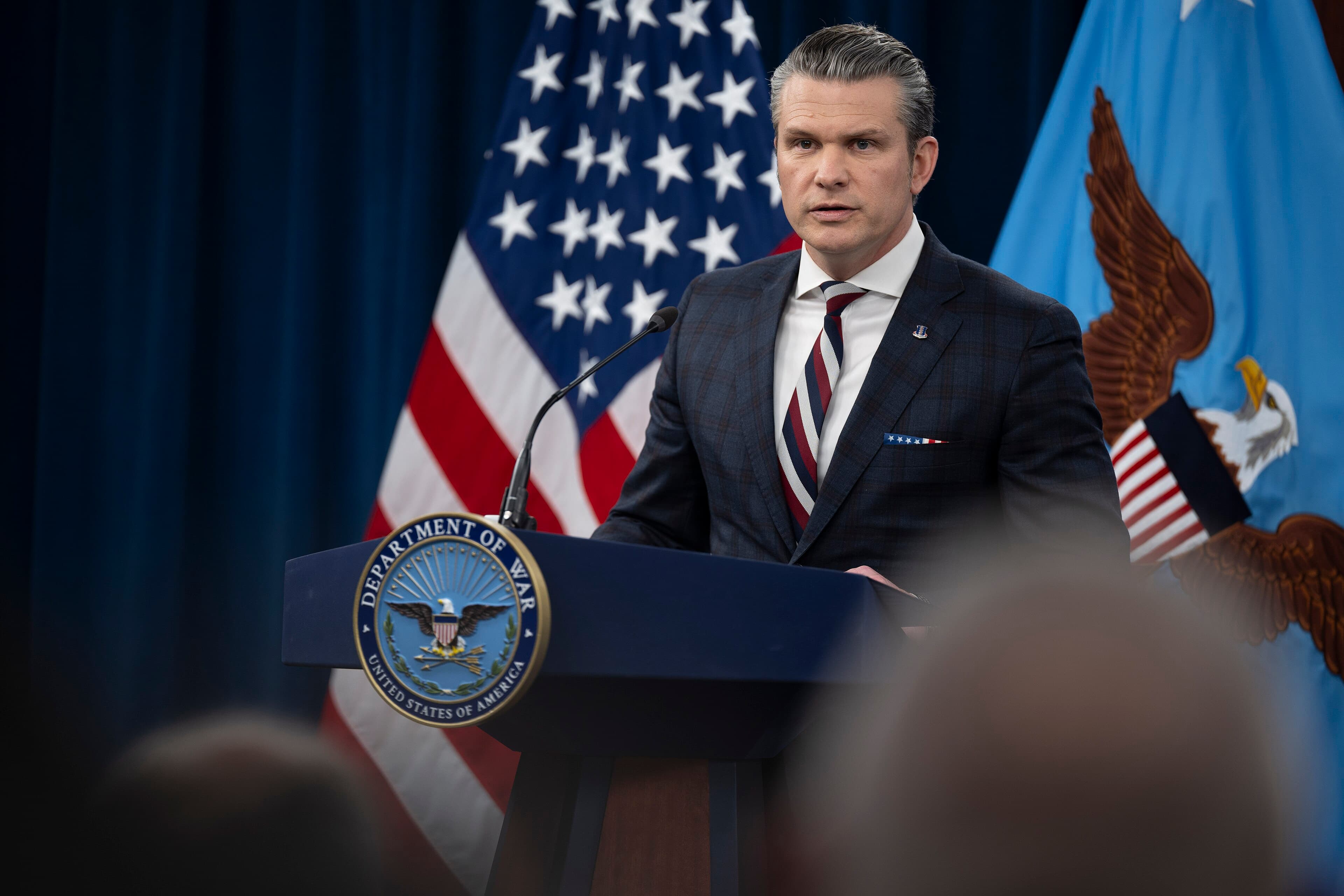
At his March 4, 2026 Pentagon briefing (opens in a new tab), Pete Hegseth acknowledged the deaths of six U.S. service members, then contrasted military successes with front-page reporting when drones got through or tragedies occurred. He accused the press of wanting to make President Trump look bad.
Later that day, CNN's Kaitlan Collins asked White House press secretary Karoline Leavitt (opens in a new tab) whether the administration believed the press should not prominently cover service-member deaths. Leavitt said no and called for reporting on the operation's success. She nevertheless repeated the accusation about press motive, directing it at Collins and CNN. She also said she expected coverage of the ceremony returning the fallen troops. Collins disputed the suggestion that casualty reporting was an effort to damage Trump.
On The Source that evening, in the opening minutes of its 9 p.m. ET broadcast (opens in a new tab), Collins said the coverage was about the service members who died.
An Associated Press report published March 6 (opens in a new tab) quoted CNN's Jake Tapper disputing Hegseth's account of press motive. Tapper said reporting on fallen service members honors their sacrifice. The officials' remarks allege a motive; they do not establish why individual news organizations chose particular stories.
Background: What is the War Powers Resolution?
People in this case
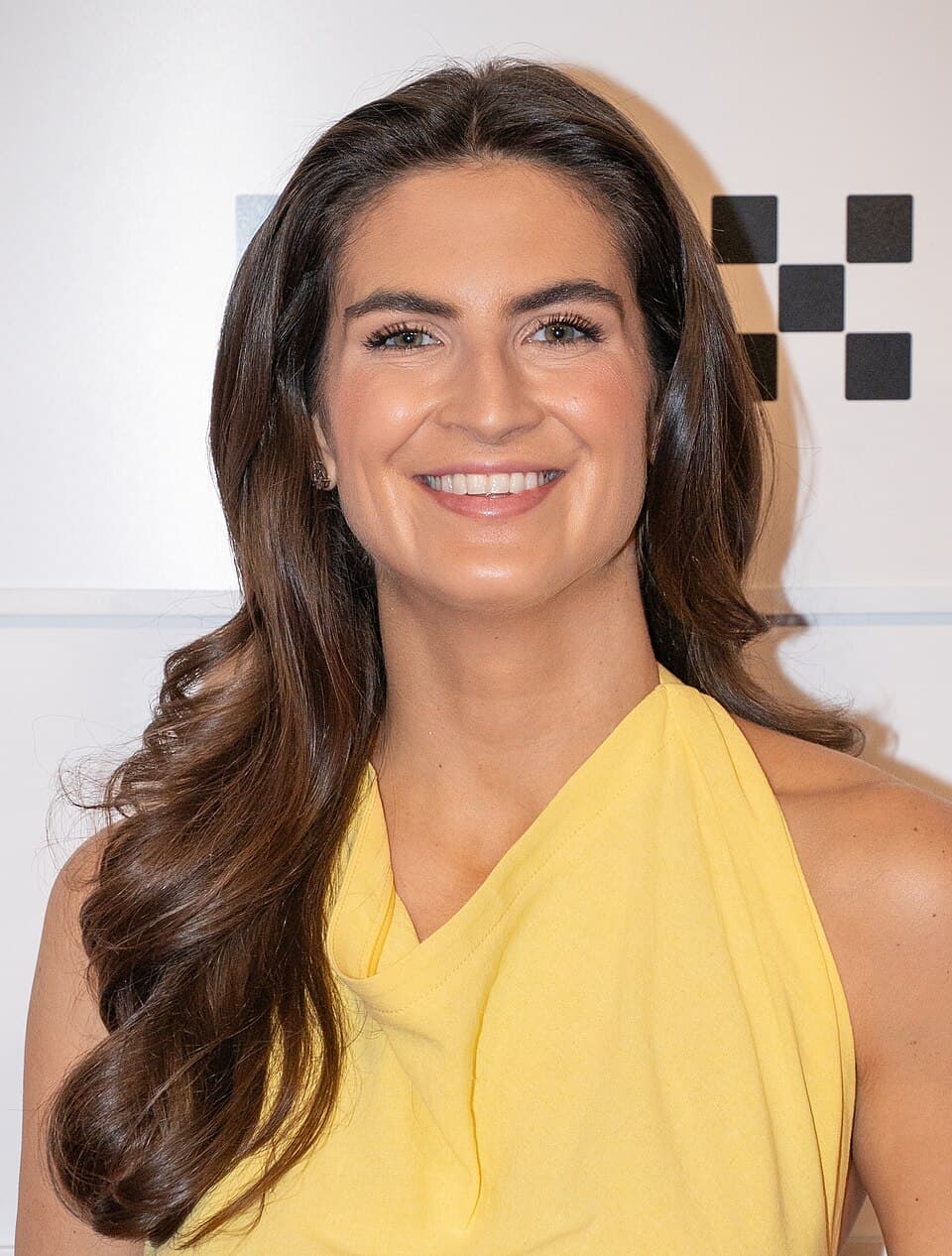 Kaitlan CollinsDirectly involved
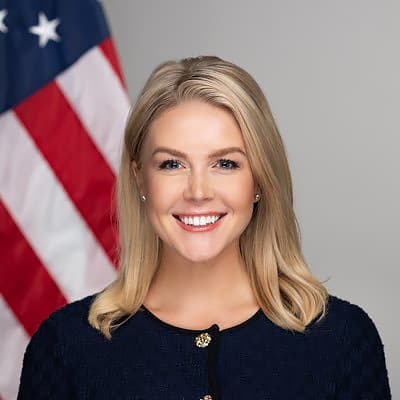 Karoline LeavittDirectly involved
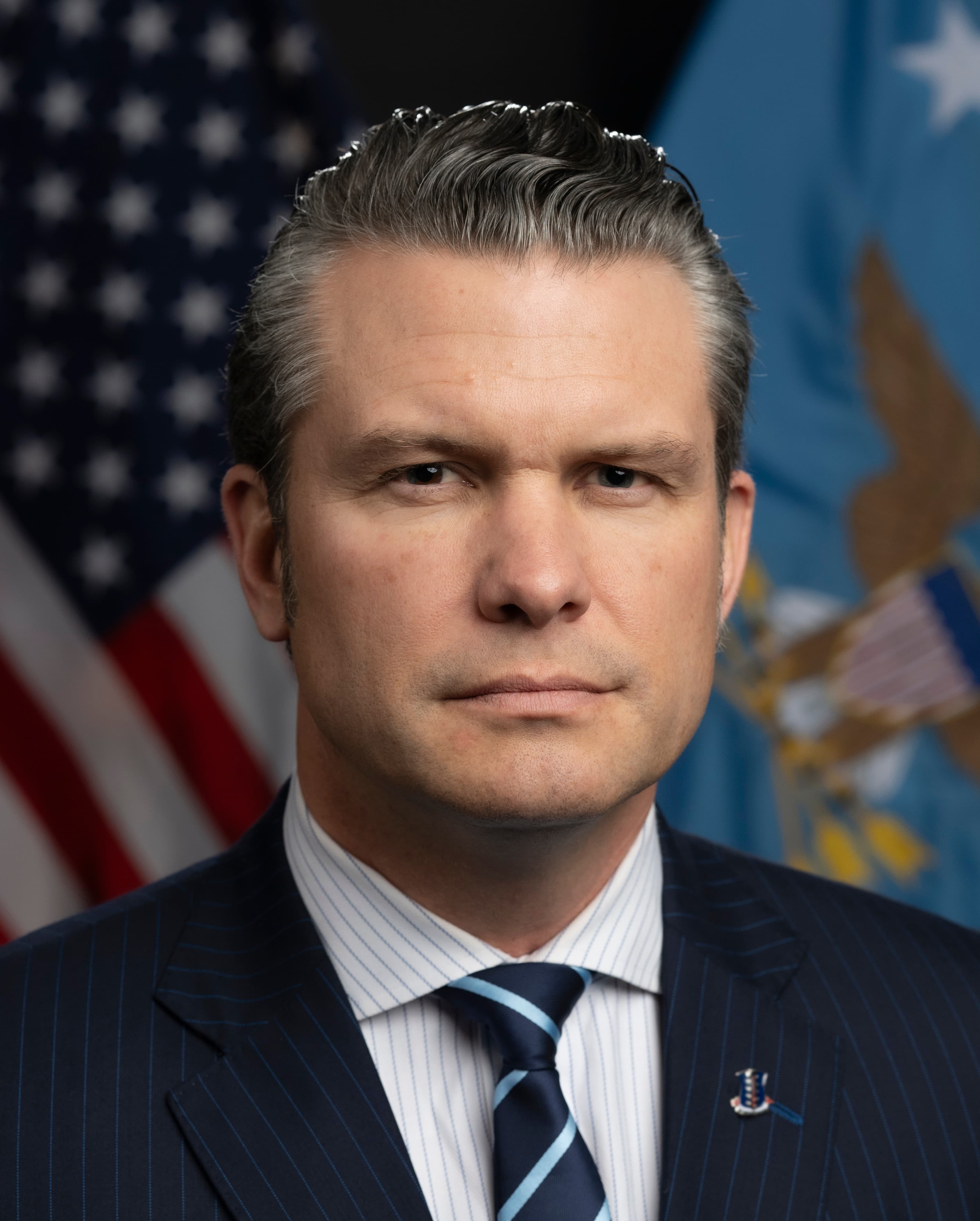 Pete HegsethDirectly involved
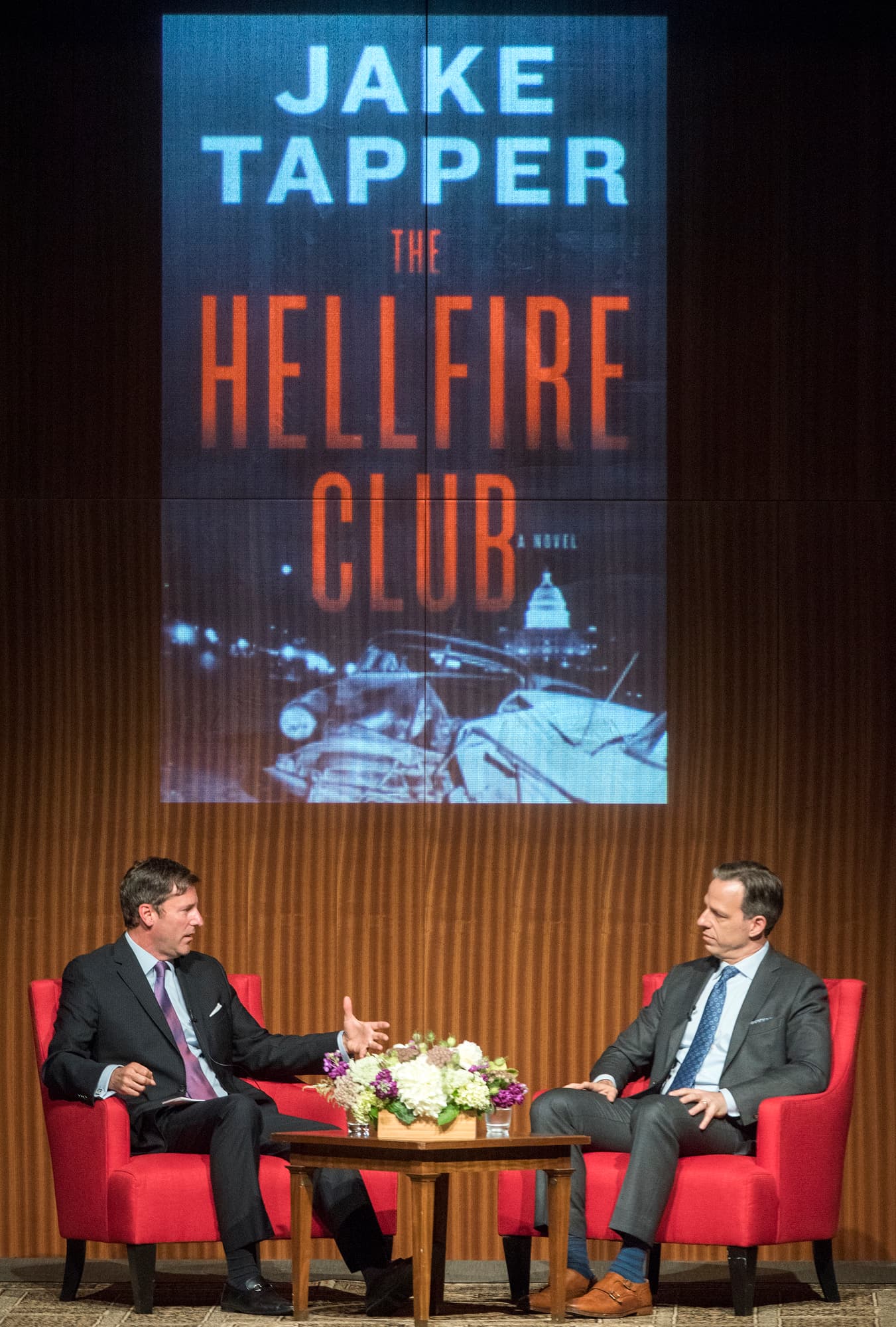 Jake TapperCommented
Timeline
1 timeline entry on this page. Dates: March 4, 2026
March 2026
Hegseth remarks prompt Collins–Leavitt exchange
Reaction
Hegseth criticized prominent casualty coverage at a Pentagon briefing. Collins then asked Leavitt about the administration's position; Leavitt denied opposing coverage and repeated criticism of CNN.
[01]Hegseth and Caine March 4, 2026 press briefing transcript
Hegseth contrasts prominent reporting of losses with military success and alleges press intent to make President Trump look bad. Read remarks together, not as a claim that deaths should never be covered.
Hegseth and Caine March 4, 2026 press briefing transcriptHegseth's prepared remarks on tragic events, front-page coverage, and press motive[02]White House March 4, 2026 Leavitt press briefing video
Full White House recording of Collins's questions and Leavitt's responses about casualty coverage; CNN's transcript gives the wording in text.
White House March 4, 2026 Leavitt press briefing videoCollins-Leavitt exchange[03]CNN transcript, The Source with Kaitlan Collins, March 4, 2026
CNN reproduces Hegseth excerpt and Collins-Leavitt exchange and Collins's on-air response. Rush transcript may be updated.
CNN transcript, The Source with Kaitlan Collins, March 4, 2026about 21:03–21:07 ET, opening segment and replayed briefing
Claims
Claims separate what was said from what is contested. Follow each source for the original wording and context.
What was said
Attributed statement
Prominent news coverage of U.S. troop deaths was driven by a wish to make President Trump look bad.
Sources (1)
- Hegseth and Caine March 4, 2026 press briefing transcriptHegseth's prepared remarks on tragic events, front-page coverage, and press motive
Attributed statement
CNN and Kaitlan Collins sought to make President Trump look bad in their coverage, even though the administration did not oppose reporting the troop deaths.
Sources (2)
- White House March 4, 2026 Leavitt press briefing videoCollins-Leavitt exchange
- CNN transcript, The Source with Kaitlan Collins, March 4, 2026about 21:03–21:07 ET, opening segment and replayed briefing
Response record
Responses
Choose one response filter, or select All responses to see the full record.
4 responses. Newest first.
 Jake TapperCNN anchor and journalist
Before this statement
Pete Hegseth had accused the press of giving prominence to troop deaths to damage Trump, and Karoline Leavitt repeated the broader criticism of CNN.
"The news media covers fallen service members because they have made the ultimate sacrifice for their country. It's a tribute. It's an honor."
Challenged the characterizationCase context: Did White House officials fairly characterize coverage of U.S. troop deaths in the Iran war?
Full statement and sources
Jake Tapper rejected the claim that prominent casualty coverage was intended to make President Donald Trump look bad.
After the statement
Tapper said news organizations cover fallen service members to recognize their sacrifice.
Associated Press report on Jake Tapper's response to casualty-coverage criticism · Associated PressSection headed 'Reporting on casualties predates Trump's presidency'; paragraphs quoting Jake TapperWhy this label?
Tapper disputes Hegseth's accusation that prominent reporting of troop deaths aims to make Trump look bad. He says the coverage honors fallen service members and their sacrifice.
This label describes the statement's response within the context above.
 Karoline LeavittWhite House press secretaryDirectly involved
Before this statement
Collins asked whether Hegseth meant the press should not prominently cover killed U.S. service members.
"The press does only want to make the President look bad."
Mixed or conditionalResponding to: CNN and Kaitlan Collins sought to make President Trump look bad in their coverage, even though the administration did not oppose reporting the troop deaths.
Full statement and sources
Leavitt denied opposing reporting of troop deaths but maintained that CNN and Collins tried to make Trump look bad.
After the statement
Leavitt said the administration expected coverage of the dignified transfer while criticizing CNN's broader framing.
White House March 4, 2026 Leavitt press briefing videoCollins-Leavitt exchangeCNN transcript, The Source with Kaitlan Collins, March 4, 2026about 21:03–21:07 ET, opening segment and replayed briefingWhy this label?
Combines a denial that the administration objects to covering fatalities with an endorsement of Hegseth's accusation about press motive.
This label describes the statement's response within the context above.
 Kaitlan CollinsCNN journalist questioning the White House press secretaryDirectly involved
Before this statement
Leavitt repeated Hegseth's criticism of the press, especially CNN, after Collins asked about front-page casualty coverage.
"I don't think covering troop deaths is trying to make the President look bad."
Challenged the characterizationResponding to: Prominent news coverage of U.S. troop deaths was driven by a wish to make President Trump look bad.
Full statement and sources
Collins rejected the suggestion that covering U.S. service-member deaths amounted to an effort to harm Trump.
After the statement
Collins said on air that the coverage centered the service members who died, not the president or CNN.
White House March 4, 2026 Leavitt press briefing videoCollins-Leavitt exchangeCNN transcript, The Source with Kaitlan Collins, March 4, 2026about 21:03–21:07 ET, opening segment and replayed briefingWhy this label?
Directly challenges the administration's characterization of the press's motive, rather than claiming knowledge of every report's accuracy.
This label describes the statement's response within the context above.
 Pete HegsethSecretary of Defense at Pentagon briefingDirectly involved
Before this statement
Hegseth acknowledged the deaths of six U.S. service members and then described tragic events making front-page news.
"I get it, the press only wants to make the President look bad"
CondemnedResponding to: Prominent news coverage of U.S. troop deaths was driven by a wish to make President Trump look bad.
Full statement and sources
Hegseth criticized prominent reporting of troop deaths as driven by hostility to Trump.
After the statement
Collins questioned whether the administration opposed prominent coverage; Leavitt denied that implication but repeated criticism of CNN.
Hegseth and Caine March 4, 2026 press briefing transcriptHegseth's prepared remarks on tragic events, front-page coverage, and press motiveCNN transcript, The Source with Kaitlan Collins, March 4, 2026about 21:03–21:07 ET, opening segment and replayed briefingWhy this label?
Condemns the press conduct and motive he alleged; the record does not independently establish individual reporters' intent.
This label describes the statement's response within the context above.
Sources
(4)
Official statement
Hegseth and Caine March 4, 2026 press briefing transcript
Relevant passage: Hegseth's prepared remarks on tragic events, front-page coverage, and press motive
About this source
Hegseth contrasts prominent reporting of losses with military success and alleges press intent to make President Trump look bad. Read remarks together, not as a claim that deaths should never be covered.
- Published
- Accessed
Reporting
Associated Press report on Jake Tapper's response to casualty-coverage criticism
Relevant passage: Section headed 'Reporting on casualties predates Trump's presidency'; paragraphs quoting Jake Tapper
Excerpt
"The news media covers fallen service members because they have made the ultimate sacrifice for their country. It's a tribute. It's an honor."
About this source
Reporting on Hegseth's and Leavitt's criticism of news coverage of U.S. troop deaths. The article directly quotes Jake Tapper's response.
- Author
- David Bauder
- Published
- Accessed
Original text
CNN transcript, The Source with Kaitlan Collins, March 4, 2026
Relevant passage: about 21:03–21:07 ET, opening segment and replayed briefing
About this source
CNN reproduces Hegseth excerpt and Collins-Leavitt exchange and Collins's on-air response. Rush transcript may be updated.
- Published
- Accessed
Original video
White House March 4, 2026 Leavitt press briefing video
CNN's Kaitlan Collins asks Press Secretary Karoline Leavitt about coverage of the deaths of U.S. service members, and Leavitt responds, at the Mar. 4, 2026 White House briefing.
Excerpt from 37:11 to 39:36 of the White House video. DI added its logo in the corner.
Video: The White House. Public domain (U.S. government work) (opens in a new tab)
Watch the full original video (opens in a new tab) (relevant passage: Collins-Leavitt exchange)
About this source
Full White House recording of Collins's questions and Leavitt's responses about casualty coverage; CNN's transcript gives the wording in text.
- Published
- Accessed
Share or embed this case
The embed keeps its attribution link to The Dispute Index. Credit the image to The Dispute Index and link to the case page.
Cite this record
- Publisher
- The Dispute Index
- Title
- Did White House officials fairly characterize coverage of U.S. troop deaths in the Iran war?
- First published
- Last updated
- Permalink
- https://disputeindex.com/cases/collins-leavitt-hegseth-iran-troop-deaths-coverage
The Dispute Index. "Did White House officials fairly characterize coverage of U.S. troop deaths in the Iran war?". First published: 2026-09-21. Last updated: 2026-10-07. https://disputeindex.com/cases/collins-leavitt-hegseth-iran-troop-deaths-coverage