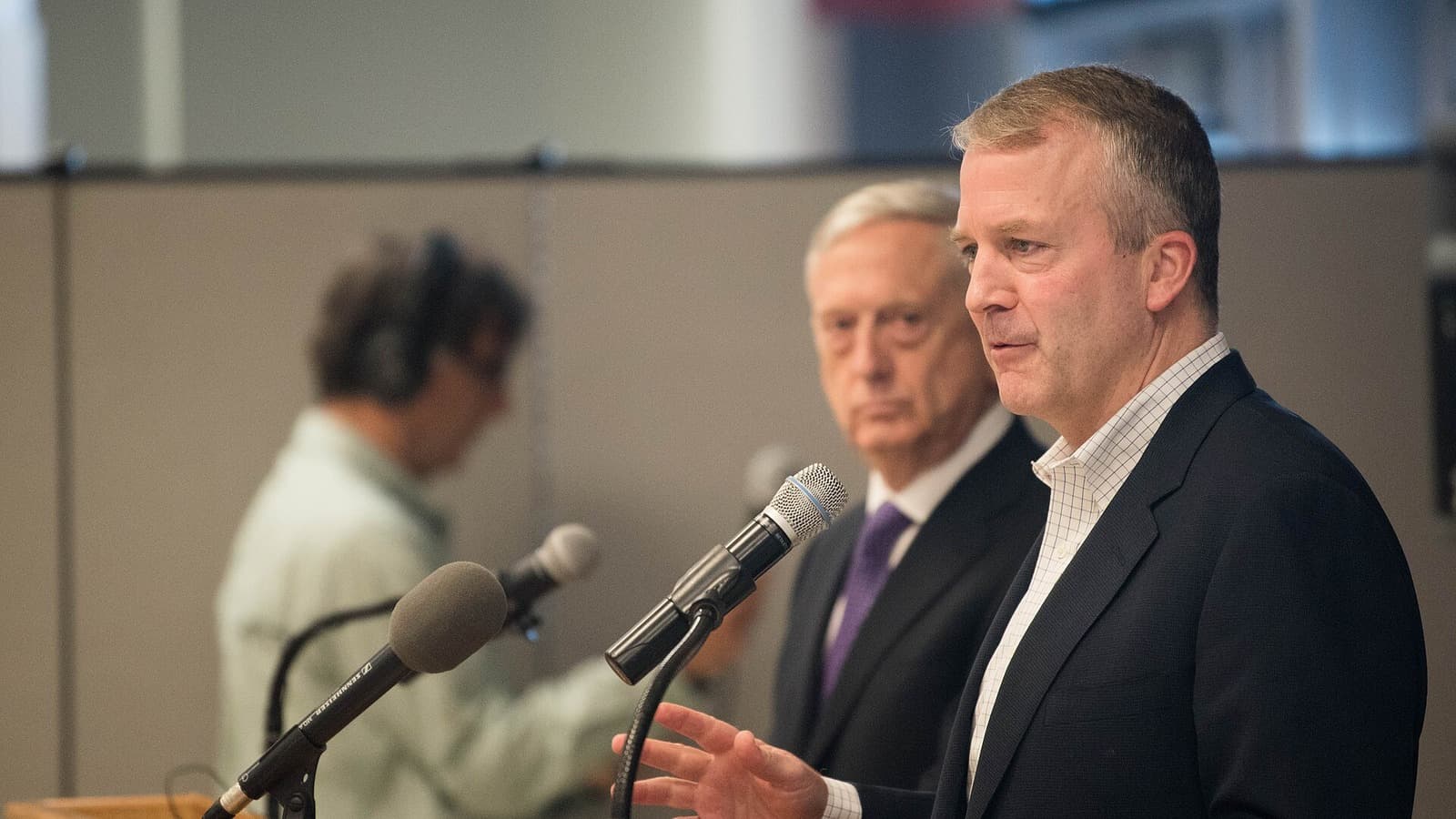
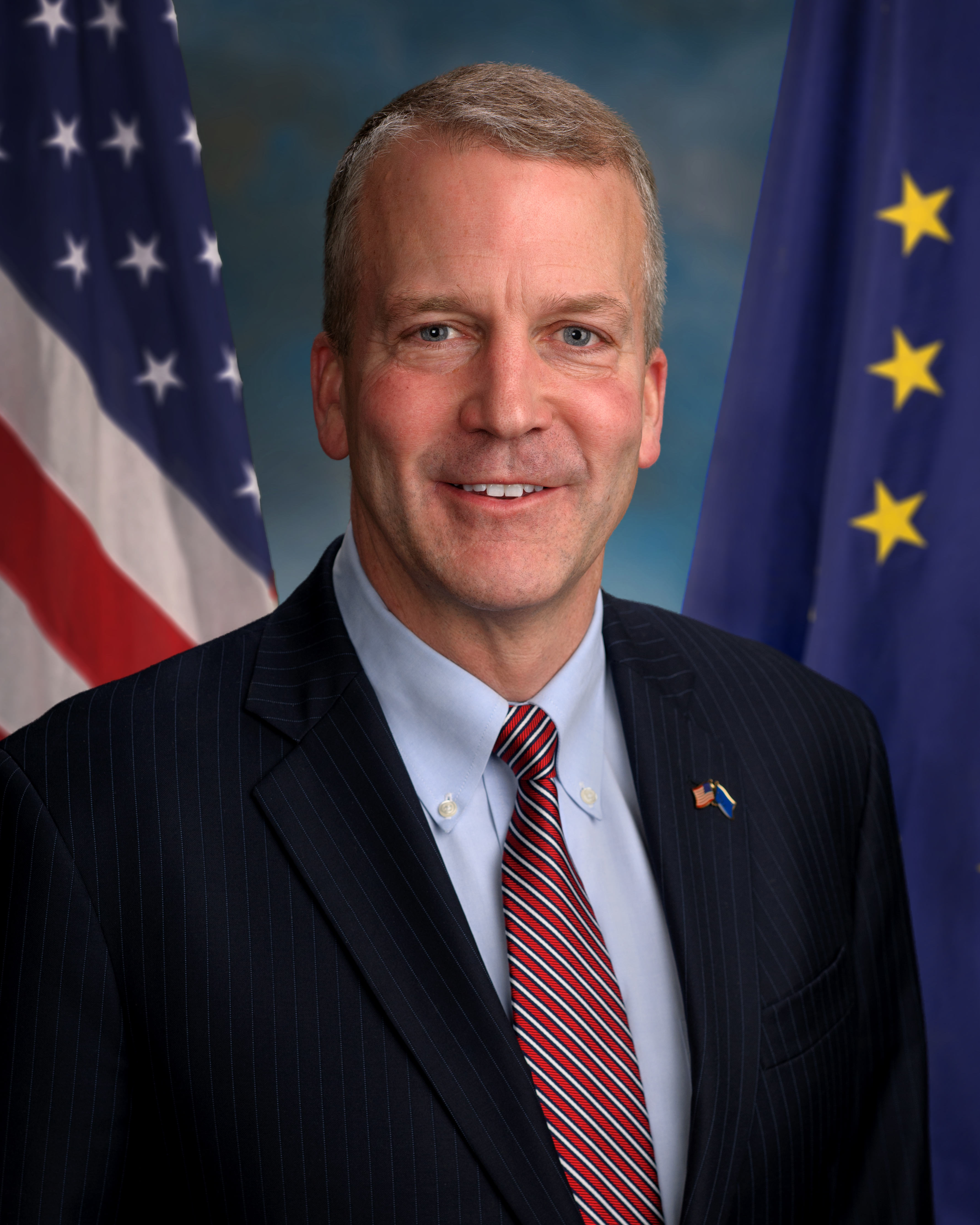
A WinSenate ad says Sen. Dan Sullivan voted to raise Alaskans' health costs and to give himself a $500,000 payout. FactCheck.org says the ad leaves out context and falsely suggests he got the money. Sullivan's campaign disputes the ad, and WinSenate defends it.
Labels describe a response to the linked claim or the action explained in the statement summary. Choose one or more.
84 matching statements
WinSenate
Role at the time: Super PAC that ran the ad, through spokesperson Lauren French
Defended or excused
Response to this claim
Dan Sullivan voted to raise Alaskans' healthcare costs by $1,800 and on that same day voted to give himself a $500,000 taxpayer-funded payout.
Quotation excerpt
“The bill he voted for included the $500,000 taxpayer-funded bailout provision. Only after the bailout became public and sparked widespread bipartisan outrage did he say he wouldn’t sue and backed a repeal. Changing your mind after it became…”
Read full quotation
“The bill he voted for included the $500,000 taxpayer-funded bailout provision. Only after the bailout became public and sparked widespread bipartisan outrage did he say he wouldn’t sue and backed a repeal. Changing your mind after it became a political liability shouldn’t be an excuse or a cover.”
The reference point is WinSenate's ad claim that Sullivan voted to raise Alaskans' health care costs by $1,800 and to give himself a $500,000 taxpayer-funded payout. Responding to FactCheck.org, the group's spokesperson says the bill he voted for included the provision and that his later change of position does not excuse it, which defends the ad's claim.
The reference point is WinSenate's ad claim that Sullivan voted to raise Alaskans' health care costs by $1,800 and to give himself a $500,000 taxpayer-funded payout. The campaign says his vote was to reopen the government and not to pay himself, which denies the payout claim.
The reference point is WinSenate's ad claim that Sullivan voted to raise Alaskans' health care costs by $1,800 and to give himself a $500,000 taxpayer-funded payout. FactCheck.org says the claim is not the whole story and leaves a false impression that he received the money, which challenges how the ad describes his votes.
Role at the time: Director of national security policy, Progressive Policy Institute
Condemned
Statement summary
Danielle Steitz says commanders must avoid unnecessary risks and calls for an Army assessment of the warnings and protection failures described by Port Shuaiba survivors.
Quotation excerpt
“Commanders owe a fundamental duty of care to their soldiers when it comes to force protection; while soldiers understand that they may be ordered into harm’s way to achieve a mission objective, it is incumbent upon commanders to avoid…”
Read full quotation
“Commanders owe a fundamental duty of care to their soldiers when it comes to force protection; while soldiers understand that they may be ordered into harm’s way to achieve a mission objective, it is incumbent upon commanders to avoid exposing them to unnecessary risk. The Army owes these soldiers and their families a clear-eyed assessment of what went wrong, why force protection warnings and intelligence assessments were disregarded, and why soldiers whose critical work reportedly required them to be within range of Iranian attacks were not adequately prepared or protected.”
Open source (opens in a new tab)Danielle Steitz on force protection at Port ShuaibaPPI Expert Assessment, paragraphs beginning "Commanders owe" and "The Army owes"
What this label refers to
The case asks whether the military failed the troops wounded in the March 1 drone strike at Port Shuaiba, in protecting them and in caring for them afterward. Steitz writes that commanders must avoid "exposing them to unnecessary risk" and that the Army owes soldiers and families an account of "why force protection warnings and intelligence assessments were disregarded" and why the troops were not adequately prepared or protected. That criticizes how the military protected the troops, so we labeled it Condemned. The closest competing label is Mixed or conditional, since she asks for the Army's assessment instead of stating its findings; it loses because she already describes the warnings as disregarded and the soldiers as not adequately protected.
Role at the time: Republican candidate for U.S. Senate in Michigan
Condemned
Response to this claim
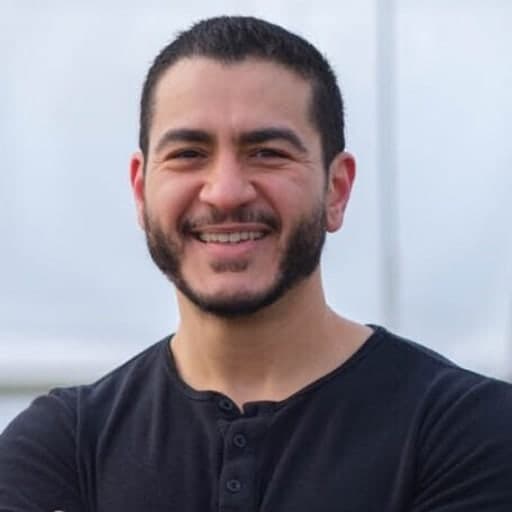
Families would be permitted to retain private health insurance under Abdul El-Sayed's Medicare for All proposal.
“taking over your private health insurance and giving it to the government.”
Open source (opens in a new tab)El-Sayed, Rogers offer insults, answers at US Senate debateHealthcare section and closing statements; original debate aired October 8
Why we used this label
He directly criticizes the healthcare proposal under scrutiny.
Role at the time: Democratic candidate for U.S. Senate in Michigan
Defended or excused
Response to this claim
Families would be permitted to retain private health insurance under Abdul El-Sayed's Medicare for All proposal.
“If families want to keep their private health insurance, that’s fine by me”
Open source (opens in a new tab)El-Sayed, Rogers offer insults, answers at US Senate debateHealthcare section and closing statements; original debate aired October 8
Why we used this label
He explains and defends the healthcare proposal at the center of the case.
Role at the time: Labor lawyer and president of People's Policy Project
Challenged the characterization
Statement summary
Bruenig argues that legally allowing duplicative private insurance would not make it commercially viable alongside automatic, tax-funded public coverage.
“Formally permitting duplicative insurance while making it uneconomical for anyone to buy or sell it unlocks certain rhetoric”
Role at the time: Retired Marine Corps lieutenant colonel and former Democratic Senate candidate, in a post on X
Condemned
Statement summary
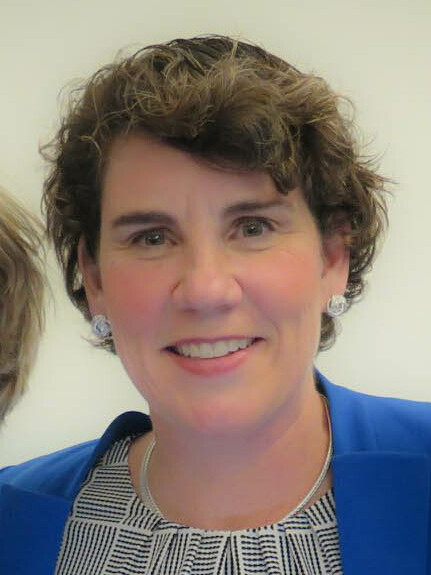
Amy McGrath said six soldiers were killed in Kuwait after warnings that their facility was vulnerable to a drone attack, and that the Army finished its review in June but had not released it.
“Six American soldiers were killed in Kuwait after warnings that their facility was vulnerable to a drone attack. The Army finished its review in June—and still hasn’t released it.”
The case asks whether the military failed the troops wounded in the March 1 drone strike at Port Shuaiba, in protecting them and in caring for them afterward. McGrath says the soldiers were killed "after warnings that their facility was vulnerable to a drone attack" and faults the Army for not releasing its review. That criticizes how the military protected the troops and handled the aftermath, so we labeled it Condemned. The closest competing label is Mixed or conditional; it loses because the post contains no defense of the military's conduct.
Role at the time: United States Department of Defense (the Pentagon), through a spokesperson who was not named, in a statement to Military.com
Defended or excused
Statement summary
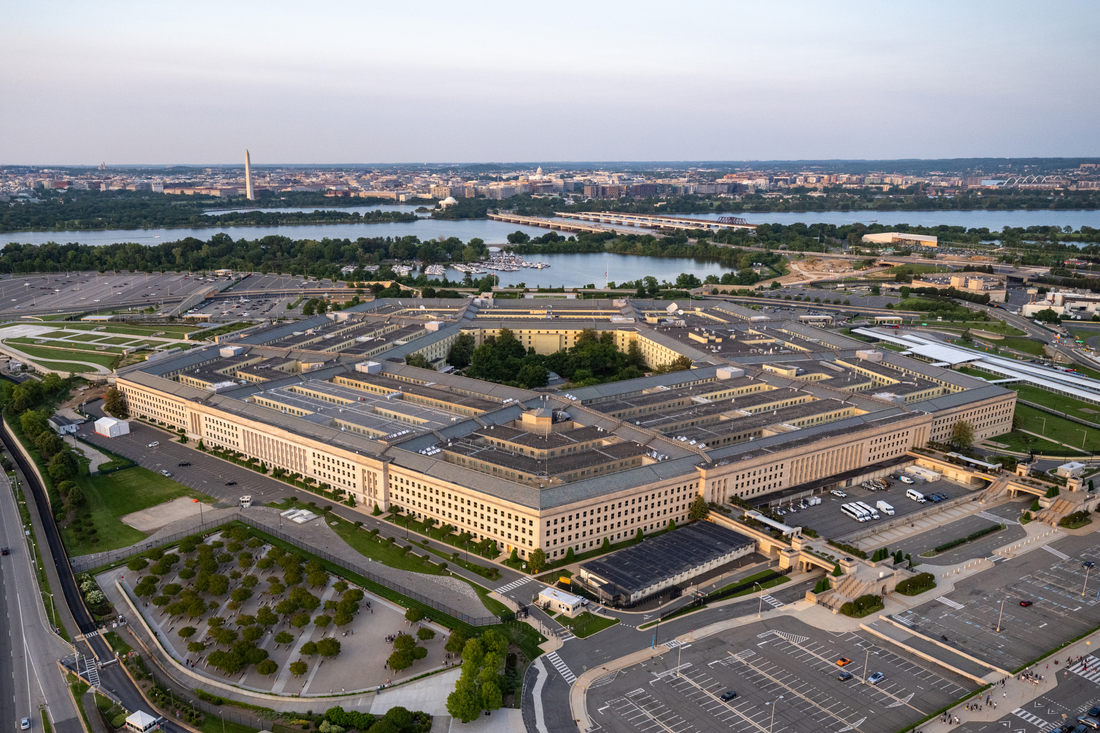
A Pentagon spokesperson told Military.com that soldiers wounded during Operation Epic Fury received the care and treatment needed in theater to return to duty or be evacuated to a higher level of care.
“Soldiers wounded or otherwise injured during Operation Epic Fury received the care and treatment necessary in theater to return them to duty or evacuate them to a higher level of care outside the U.S. Central Command area of responsibility”
Open source (opens in a new tab)Soldiers Wounded by Iranian Drone Strike Accuse Military Health Care System of Failing ThemParagraphs quoting a Pentagon spokesperson's statement to Military.com on October 6.
What this label refers to
The case asks whether the military failed the troops wounded in the March 1 drone strike at Port Shuaiba, in protecting them and in caring for them afterward. Responding to the soldiers' accounts, the Pentagon says the wounded "received the care and treatment necessary in theater" to return to duty or be evacuated. That defends their care, so we labeled it Defended or excused. The closest competing label is Challenged characterization; it loses because the statement asserts the adequacy of the care rather than disputing a description.
Role at the time: U.S. Army chief warrant officer 4, wounded in the March 1 strike
Condemned
Response to this claim
Wounded soldiers told the Associated Press that the military's medical system failed them: they say they were not documented as wounded in combat, were sent to barracks instead of being admitted at Landstuhl Regional Medical Center, and waited weeks or months for brain-injury diagnosis and care.
“Some sacred trust that I thought would never be broken was broken.”
Open source (opens in a new tab)Soldiers seriously wounded in Iranian drone strike tell AP the military's medical system failed them · Associated PressOpening on Lt. Col. Arturo Lincón; Maj. Stephen Ramsbottom on MRI results; CWO4 Rodney Bearman on the cargo flight and Landstuhl; the Pentagon statement on evaluation and admission; Maj. Billy Key on specialized care.
Why we used this label
The reference point is whether the military failed the soldiers at Port Shuaiba in protecting them or in caring for, evacuating and documenting the wounded. Bearman describes the wounded being left undocumented as combat casualties and sent to barracks at Landstuhl and says a sacred trust was broken, an express criticism of their care. The closest competing label is Mixed or conditional, but he attaches no condition and voices no support for how the wounded were handled. Evidence: direct quotation in an Associated Press report.
Role at the time: U.S. Army lieutenant colonel with the Defense Logistics Agency, wounded in the March 1 strike
Condemned
Response to this claim
Wounded soldiers told the Associated Press that the military's medical system failed them: they say they were not documented as wounded in combat, were sent to barracks instead of being admitted at Landstuhl Regional Medical Center, and waited weeks or months for brain-injury diagnosis and care.
“I was just kind of on my own, at least it felt like that”
Open source (opens in a new tab)Soldiers seriously wounded in Iranian drone strike tell AP the military's medical system failed them · Associated PressOpening on Lt. Col. Arturo Lincón; Maj. Stephen Ramsbottom on MRI results; CWO4 Rodney Bearman on the cargo flight and Landstuhl; the Pentagon statement on evaluation and admission; Maj. Billy Key on specialized care.
Why we used this label
The reference point is whether the military failed the soldiers at Port Shuaiba in protecting them or in caring for the wounded. Lincón's quoted words criticize his care: he says he was on his own after the Army sent him to barracks rather than admitting him at Landstuhl. In a separate report the AP paraphrases him giving reasons the port suited the unit, but those are not his quoted words and do not change his stated view of his care. The closest competing label is Mixed or conditional; it loses because the quoted statement attaches no condition and voices no support for how he was treated. Evidence: a direct quotation in an Associated Press report.
Role at the time: U.S. Army major wounded in the Port Shuaiba strike, speaking to the AP
Condemned
Statement summary
Maj. Stephen Ramsbottom, who had shrapnel removed from his head after the strike, told the AP that he had had to build his own case for everything in his medical care.
“I’ve had to build my own case for everything”
Open source (opens in a new tab)Soldiers seriously wounded in Iranian drone strike tell AP the military's medical system failed them · Associated PressOpening on Lt. Col. Arturo Lincón; Maj. Stephen Ramsbottom on MRI results; CWO4 Rodney Bearman on the cargo flight and Landstuhl; the Pentagon statement on evaluation and admission; Maj. Billy Key on specialized care.
What this label refers to
The case asks whether the military failed the troops wounded in the March 1 drone strike at Port Shuaiba, in protecting them and in caring for them afterward. Ramsbottom, who the AP reports waited over four months for his MRI results, says he has had to "build my own case for everything". That criticizes his care after the strike, so we labeled it Condemned. The closest competing label is Mixed or conditional; it loses because he credits no part of the care he received.
Role at the time: Doctor, medical educator and GenderGP founder
Condemned
Statement summary
Webberley argues that the report's correlations do not justify treating gender-affirmation support as a cause of radicalisation. She criticizes using that interpretation to shape healthcare policy.
“This is not how evidence-based research works, and it is not how policy affecting trans people's healthcare should be made.”
Open source (opens in a new tab)HHS gender-affirming care radicalisation claimWebberley's response to NPR's account of the report
What this label refers to
Relative to the HHS report's claim linking gender-affirmation support with authoritarianism and violence, the speaker criticizes its methods, framing or use.
Role at the time: Former HHS deputy assistant secretary for health policy
Condemned
Statement summary
Shanker contrasts the report's commissioning with research practices during his service at HHS. He argues that the administration selected politically aligned researchers to support a conclusion chosen in advance.
Quotation excerpt
“That's vastly different from how this administration seems to already have the answers for the reports they're publishing before they start. And they're partnering with politically-aligned researchers and think tanks to develop reports that…”
Read full quotation
“That's vastly different from how this administration seems to already have the answers for the reports they're publishing before they start. And they're partnering with politically-aligned researchers and think tanks to develop reports that meet a political conclusion rather than a scientific one,”
Open source (opens in a new tab)What's behind HHS claims that gender-affirming care 'may' radicalize - NPRInterviews with Lilliana Mason and Adrian Shanker; updated October 2
What this label refers to
Relative to the HHS report's claim linking gender-affirmation support with authoritarianism and violence, the speaker criticizes its methods, framing or use.
Role at the time: Professor of political science at Johns Hopkins University
Condemned
Statement summary
Mason says she would recommend rejecting the paper in peer review. She questions whether its scale measures authoritarianism rather than alignment with the Democratic Party.
“If I were to be a peer reviewer for this paper, I would recommend that it be rejected. I just don't believe that it's written in good faith and the measures are not well validated,”
Open source (opens in a new tab)What's behind HHS claims that gender-affirming care 'may' radicalize - NPRInterviews with Lilliana Mason and Adrian Shanker; updated October 2
What this label refers to
Relative to the HHS report's claim linking gender-affirmation support with authoritarianism and violence, the speaker criticizes its methods, framing or use.
Role at the time: Manufacturer of generic mifepristone, in an emailed reply from its public relations firm, Feldman Strategies
Explicitly stayed out
Statement summary
GenBioPro, which makes a generic version of mifepristone, declined to comment on Sen. Josh Hawley's bill to ban the drug, in an emailed reply sent on its behalf by its public relations firm.
“At this time, the company prefers not to comment.”
Read the full email
Hi Ben,
Reaching out for GenBioPro. At this time, the company prefers not to comment.
Thanks,
Emma
Emailed reply from GenBioPro to Dispute Index declining to comment on Hawley's mifepristone bill · GenBioProEmailed reply on behalf of GenBioPro from Feldman Strategies, September 25, 2026 (UTC).
What this label refers to
The reference point is Sen. Josh Hawley's proposal to ban mifepristone by withdrawing the drug's approval for ending a pregnancy. Asked for its response to the bill, GenBioPro said through its public relations firm that it prefers not to comment at this time, so we used Explicitly stayed out. The closest competing label is a finding that this is not a position event at all; it loses because the company was asked directly for its position and declined to give one.
Role at the time: United States senator from Missouri
Defended or excused
Statement summary
After a Senate hearing for FDA commissioner nominee Heidi Overton, Hawley urged the FDA under her leadership to end abortion-drug availability in Missouri and every other state and restore safety restrictions.
“We've got to make sure that she is committed to ending the abortion drugs' availability in the state of Missouri and every other state. That they're going to put back in place the safety restrictions and they're going to follow the law.”
Open the original interview (opens in a new tab)EXCLUSIVE: Sen. Hawley says FDA commissioner nominee denied dangers of chemical abortion; demands answers amid lawsuits, official reviewParagraphs beginning "What I want to be real sure about" and "We've got to make sure."
What this label refers to
This statement concerns potential FDA action and does not by itself establish Hawley's position on congressional enactment.
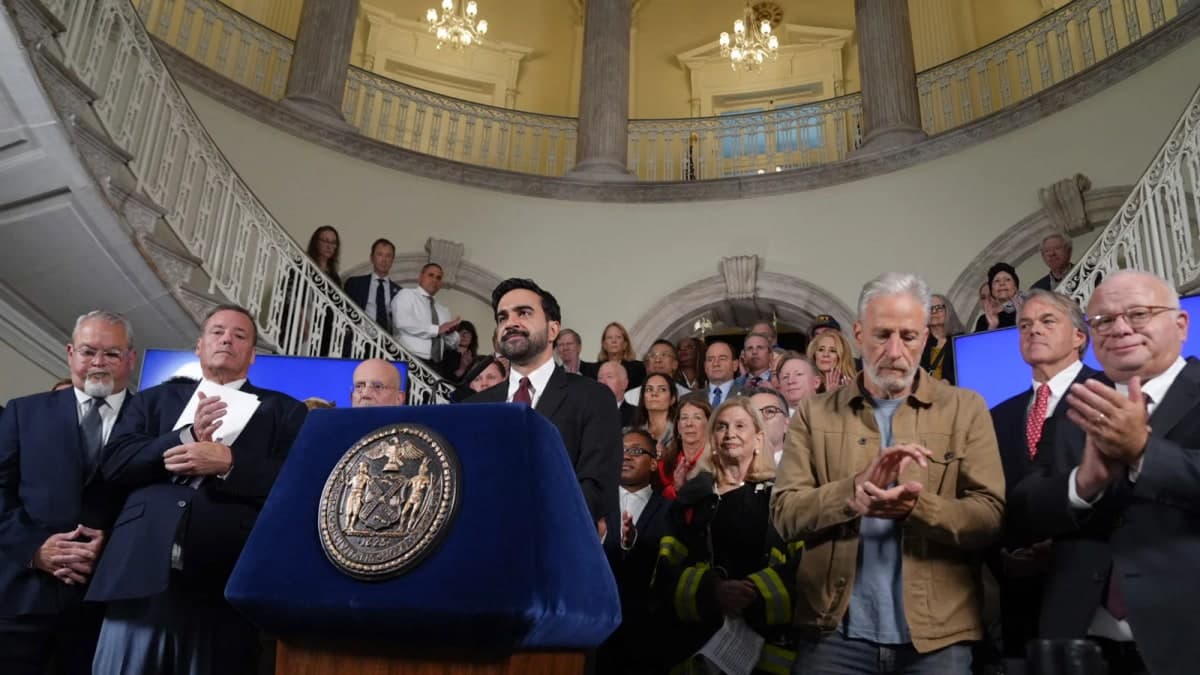
In a New York Post interview, Rudy Giuliani denied hiding air-quality information after September 11, saying his administration followed EPA guidance and "posted everything."
“My administration posted everything.”
Open the original interview (opens in a new tab)Rudy Giuliani: I did not hide information about toxic dust after September 11New York Post interview, opening passages containing Giuliani's direct responses
What this label refers to
The case concerns the Mamdani administration's release of post-September 11 air-quality and health records. Giuliani directly rejects the contention that his administration withheld the information.
Role at the time: U.S. Senator from Massachusetts and Ranking Member of the Senate Armed Services Subcommittee on Personnel, in a letter she and Rep. Pat Ryan led, signed by 19 members of Congress
Condemned
Statement summary
Sen. Elizabeth Warren and Rep. Pat Ryan, who led 19 members of Congress, wrote that it was unacceptable that President Trump has dragged the U.S. into a reckless war while failing to properly protect service members from Iranian attacks and to give them the care they need, and asked the Armed Services chairs to hold public hearings.
“It is unacceptable that President Trump has dragged the U.S. into a reckless war while failing to properly protect our service members from Iranian attacks and to give them the care they need”
Read the official statement (opens in a new tab)Warren, Ryan, Bicameral Lawmakers Urge Armed Services Committee Chairmen to Hold Public Hearings on Fatal Port Shuaiba Attack Following Whistleblower Reports · Elizabeth WarrenRelease text and the quoted passage from the September 21 letter.
What this label refers to
The case asks whether the military failed the troops wounded in the March 1 drone strike at Port Shuaiba, in protecting them and in caring for them afterward. The letter says the administration failed "to properly protect our service members from Iranian attacks and to give them the care they need". That criticizes both protection and care, so we labeled it Condemned. The closest competing label is Mixed or conditional; it loses because the letter makes no allowance for the military's conduct.
Role at the time: United States Senator for Missouri, at the first Missouri Prayer Breakfast in the Russell Senate Office Building and in a subsequent official press release
Defended or excused
Statement summary
Six months after his bill stalled in committee, Hawley unveiled a four-page "Declaration for Life" drafted by more than 30 pastors, which calls on Congress to ban mifepristone on the grounds that state abortion restrictions cannot stop the drug being mailed across state lines. He said he would ask officeholders and candidates in both parties to sign it as a commitment to end chemical abortion, and renewed his request for a vote on his legislation.
“This Declaration for Life, written by pastors, is calling on everyday Christians across America to stand for life and confront the scourge of chemical abortion.”
Read the official statement (opens in a new tab)Hawley Unveils Declaration for Life with Christian Leaders · Josh HawleyOfficial Senate office press release following the first Missouri Prayer Breakfast, held September 16, 2026, in the Kennedy Caucus Room of the Russell Senate Office Building. Includes the text of the four-page Declaration for Life.
What this label refers to
Here he not only restates the proposition but attaches a loyalty mechanism to it, asking candidates to pledge support for the ban. The closest competing label is “Mixed or conditional”, because the statement is addressed to Christians and churches rather than to legislators and could be read as a cultural appeal rather than a legislative demand. That loses because the declaration's own operative request is that Congress ban the drug, and Hawley paired the unveiling with a renewed call for a vote on his bill.
Role at the time: September 11 first responder and founder and president of the FealGood Foundation, interviewed by CBS News
Defended or excused
Statement summary
John Feal, a September 11 first responder and founder of the FealGood Foundation, told CBS News he attended the press conference and credited Mayor Mamdani for releasing the records after five administrations had not. He said the documents contained no smoking gun but confirmed what responders already knew. He said almost 10,000 people have died of September 11 related illness and that if officials had come clean the figure might have been about 3,600, noting that of 155,000 people in the World Trade Center Health Program more than 57,000 have a certified cancer.
“Kudos to the mayor for transparency. Five administrations now. But there was no smoking gun there. It was just smoldering facts that we knew that the air quality wasn't safe.”
Watch the original video (opens in a new tab)9/11 first responder reacts after Mamdani releases trove of documents on site's toxic air quality · CBS NewsCBS News interview with John Feal, founder of the FealGood Foundation, September 9, 2026.
What this label refers to
Feal endorses the release, crediting the mayor by contrast with five previous administrations, which supports the conduct under scrutiny. The closest competing label is condemns, since the bulk of his answer is angry about the concealment and its consequences. That loses because his criticism is directed at the officials who withheld the records rather than at the decision to release them, and this case is the release.
Danielle Steitz is director of national security policy at the Progressive Policy Institute. She previously worked on policy and strategy for the Joint Staff, oversight at U.S. Cyber Command and military personnel legislation for the House Armed Services Committee. She holds a master's degree in strategic studies from the U.S. Army War College and a bachelor's in international studies and political science from American University. She received the Joint Meritorious Civilian Service Medal.
Matt Bruenig is an American labor lawyer, policy analyst and president of People's Policy Project. He writes about inequality, welfare and economic policy and founded NLRB Edge, a publication covering labor law. He previously worked as a lawyer at the National Labor Relations Board and as a policy analyst at Demos.
Amy McGrath is a retired U.S. Marine Corps lieutenant colonel and former F/A-18 pilot. She graduated from the U.S. Naval Academy, ran for the U.S. House and Senate in Kentucky as a Democrat, including in the 2026 Senate primary that Charles Booker won, founded the organization Honor Bound, and wrote the memoir Honor Bound: An American Story of Dreams and Service.
Rodney Bearman is a U.S. Army chief warrant officer 4 who has served for more than three decades, including in Afghanistan, according to the Associated Press.
Arturo Lincón is a U.S. Army lieutenant colonel and a 1995 graduate of the U.S. Military Academy at West Point. He has deployed to Iraq and Afghanistan and has served with the Defense Logistics Agency; as of October 2026 he was an instructor at Fort Leavenworth, according to the Associated Press.
Stephen Ramsbottom is a U.S. Army major who served with the Army Reserve's 103rd Sustainment Command. He is a career soldier with tours in Iraq and Afghanistan, according to CBS News.
Colin Wright is an evolutionary biologist, fellow at the Manhattan Institute and founding editor of Reality's Last Stand. He is an academic adviser to the Society for Evidence-based Gender Medicine and writes about science, biological sex and gender identity.