
Citizens United: Corporate election spending and free speech
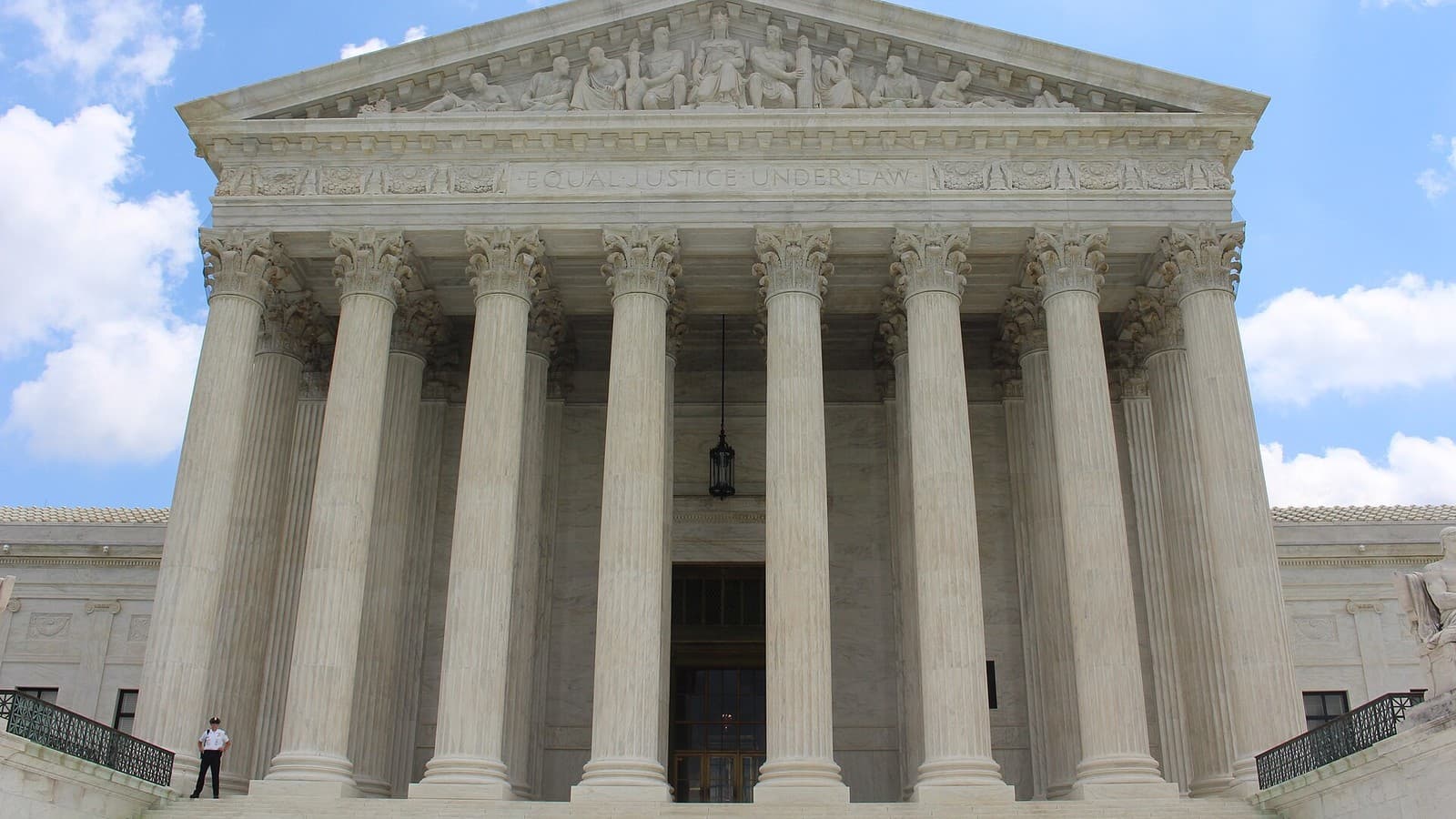
Case period:
Published by The Dispute Index editorial teamPublished Updated
Overview
The Supreme Court protected corporate and union independent election spending in Citizens United. Defenders say the ruling protects political speech and association. Critics say it gives wealthy interests excessive influence and undermines democratic accountability.
Read the full background
The January 21, 2010 decision struck down restrictions on independent corporate and union election spending. It did not eliminate direct contribution limits or all disclosure and disclaimer rules. The later SpeechNow decision separately addressed contributions to independent-expenditure groups. Kennedy's majority and Stevens's dissent differ over the First Amendment and the significance of corporate organization. The ACLU defends the speech protection while supporting public financing, disclosure and coordination enforcement. Critics and defenders also disagree about the ruling's effects; their causal claims should not be confused with its legal holding.
People in this case
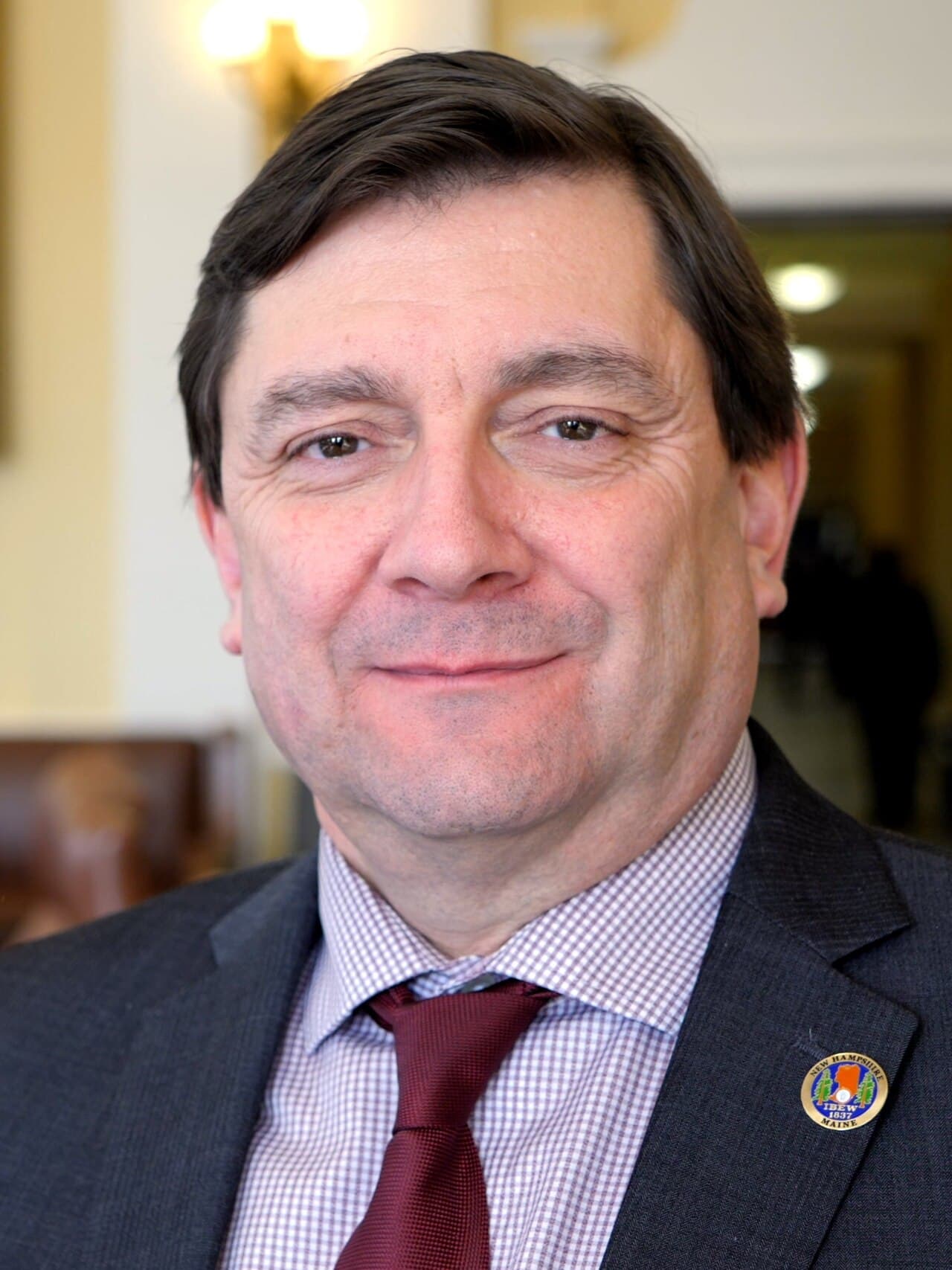 Troy JacksonCommented
Timeline
2 timeline entries on this page. Dates: January 21, 2010 to March 27, 2012
January 2010
Supreme Court issues Citizens United
Source release
The Court protects independent corporate and union election spending. Stevens dissents from the central holding.
[01]Citizens United: Kennedy opinion of the Court
The opinion protects independent corporate and union political spending while permitting disclosure and disclaimer requirements.
Citizens United: Kennedy opinion of the CourtOpening and Parts III-IV[02]Citizens United: Stevens dissent
Stevens objects to the majority's treatment of corporations and its decision to reach the broader constitutional question.
Citizens United: Stevens dissentIntroduction and Parts I-IV
March 2012
ACLU explains its defense and reform proposals
Reaction
The organization opposes banning political speech while proposing public financing and other campaign-finance reforms.
[03]The ACLU and Citizens United
The ACLU defends political speech protection and also supports public financing, disclosure, contribution limits and coordination enforcement.
The ACLU and Citizens UnitedFull organizational statement
Claims
Claims separate what was said from what is contested. Follow each source for the original wording and context.
What's disputed
Disputed claim
The government may not prohibit independent corporate political spending because the speaker is a corporation.
What is disputed
This is the majority's constitutional position. Critics contest its reasoning and democratic effects; it does not erase direct contribution limits.
Sources (1)
- Citizens United: Kennedy opinion of the CourtOpening and Parts III-IV
Arguments
Documented position
Kennedy majority opinion and ACLU statement
Protect political association
Kennedy and the ACLU argue that incorporation should not remove protection for political speech and association.
Limit of this argument
The position permits disclosure, direct contribution limits and enforcement against coordination.
Read sources and related claim
Related claim
The government may not prohibit independent corporate political spending because the speaker is a corporation.
Sources
- Citizens United: Kennedy opinion of the CourtOpening and Parts III-IV
- The ACLU and Citizens UnitedFull organizational statement
Documented position
Stevens dissent and Brennan Center analysis
Corporate resources and democratic influence
Stevens argues that corporate characteristics and treasury resources justify distinctions; later critics say deregulation amplifies wealthy interests.
Limit of this argument
Independent expenditures are legally distinct from direct contributions, and later decisions and enforcement choices also matter.
Read sources and related claim
Related claim
The government may not prohibit independent corporate political spending because the speaker is a corporation.
Sources
- Citizens United: Stevens dissentIntroduction and Parts I-IV
- Brennan Center analysis of Citizens United and the 2024 electionIntroduction and reform recommendations
Response record
Responses
Choose one response filter, or select All responses to see the full record.
8 responses. First 6 shown initially. Newest first.
 Troy JacksonDemocratic nominee for U.S. Senate in Maine
Before this statement
The candidates discuss dark money and campaign spending.
"I'm 100% uh about overturning Citizens United"
CondemnedCase context: Citizens United: Corporate election spending and free speech
Full statement and sources
Jackson says he supports overturning Citizens United.
After the statement
Jackson adds that billionaires have bought Congress and everyday people cannot afford to buy them back. Maine Public's report renders the line as "100% for overturning Citizens United"; the debate recording has "100% uh about".
Collins and Jackson's final debate: Court reform and campaign financeSupreme Court and Citizens United sectionsMaine U.S. Senate debate: Collins and Jackson41:19-44:38 Supreme Court question and exchange (Jackson 41:47-42:41; Collins 42:58-44:09 and 44:15-44:31; Jackson reply 44:32-44:37); 46:15-46:57 Citizens UnitedWhy this label?
Jackson directly opposes the Citizens United ruling by saying he supports overturning it.
This label describes the statement's response within the context above.
Michael WaldmanPresident and CEO of the Brennan Center for Justice Before this statement
Waldman writes that, not long ago, Elon Musk's spending on behalf of Republicans would have been flatly illegal.
"A reckless Supreme Court and moribund Federal Election Commission took care of that. It should be made illegal again."
CondemnedCase context: Citizens United: Corporate election spending and free speech
Full statement and sources
Waldman says Elon Musk's campaign spending should be made illegal again, blames the Supreme Court and the FEC for allowing it, and calls for reform after the election.
After the statement
He later writes that Citizens United, later court cases and an FEC without a quorum have deregulated money in politics, and that the election's aftermath must lead to reform.
Michael Waldman calls for campaign-finance reformDiscussion of Citizens United and reformWhy this label?
The reference point is constitutional protection for independent corporate and union election spending. Waldman condemns campaign-finance deregulation, including Citizens United, and calls for renewed restrictions and reform.
This label describes the statement's response within the context above.
Bradley A. SmithInstitute for Free Speech founder and former FEC chair Before this statement
Smith writes that fifteen years of experience show the ruling's critics are wrong and its proponents are right.
"The decision has allowed new, often important voices to be heard"
Defended or excusedCase context: Citizens United: Corporate election spending and free speech
Full statement and sources
Smith writes that the ruling has let new, often important voices be heard and that its critics' predictions were wrong.
After the statement
He closes by calling Citizens United one of the most important decisions of the century for protecting U.S. democracy.
Bradley A. Smith defends Citizens UnitedConcluding paragraphs; original essay dated January 22, 2025Why this label?
The reference point is constitutional protection for independent corporate and union election spending. Smith defends the ruling as allowing new political voices to reach voters.
This label describes the statement's response within the context above.
Lisa GilbertCo-president of Public Citizen Before this statement
In a statement on the ruling's fifteenth anniversary, Gilbert says the decision unleashed unlimited election spending by big corporations and enabled corruption on a massive scale.
"Citizens United was wrong then, it’s wrong now, and it’s time to demand reforms and, ultimately, win a constitutional amendment to overturn the decision."
CondemnedCase context: Citizens United: Corporate election spending and free speech
Full statement and sources
Gilbert says Citizens United was wrong and calls for reforms and, ultimately, a constitutional amendment to overturn it.
After the statement
Public Citizen then announces a February virtual event with the Declaration for American Democracy Coalition on the ruling's impacts.
Lisa Gilbert calls for overturning Citizens UnitedLisa Gilbert's attributed statementWhy this label?
The reference point is constitutional protection for independent corporate and union election spending. Gilbert condemns the ruling and calls for reforms and a constitutional amendment to overturn it.
This label describes the statement's response within the context above.
 Brennan Center for JusticeBrennan Center report jointly authored by Marina Pino and Julia FishmanDirectly involved
Before this statement
The preface notes the ruling's fifteenth anniversary, public disapproval of it and votes in at least 22 states and hundreds of cities supporting a constitutional amendment to overturn it.
"Citizens United reshaped political campaigns in profound ways, giving corporations and billionaire-funded super PACs a central role in U.S. elections and making untraceable dark money a major force in politics."
CondemnedCase context: Citizens United: Corporate election spending and free speech
Full statement and sources
The Brennan Center analysis says Citizens United and related decisions put wealthy donors and dark money at the center of U.S. elections and expanded the potential for corruption.
After the statement
The analysis adds that the decision's full impact may only now be understood after the 2024 election, and later says the FEC and Congress share responsibility for the legal changes.
Brennan Center analysis of Citizens United and the 2024 electionIntroduction and reform recommendationsWhy this label?
The reference point is constitutional protection for independent corporate and union election spending. The joint analysis criticizes the ruling and subsequent deregulation for expanding wealthy donors' influence and the potential for corruption.
This label describes the statement's response within the context above.
 American Civil Liberties UnionOrganizational statementDirectly involved
Before this statement
The ACLU says the amount of money spent on political campaigns has created growing skepticism about the integrity of the election system that raises serious concerns.
"We firmly believe, however, that the response to those concerns must be consistent with our constitutional commitment to freedom of speech and association."
Defended or excusedCase context: Citizens United: Corporate election spending and free speech
Full statement and sources
The ACLU says responses to concern about money in politics must respect free speech and association, and backs public financing, disclosure, contribution limits and coordination enforcement rather than speech bans.
After the statement
It says it therefore does not support regulation premised on banning political speech, and backs public financing, carefully drawn disclosure rules, reasonable contribution limits and stricter enforcement of coordination bans.
The ACLU and Citizens UnitedFull organizational statementWhy this label?
The reference point is constitutional protection for independent corporate and union election spending. The ACLU defends the ruling's speech protection while supporting public financing, disclosure, contribution limits and enforcement against coordination.
This label describes the statement's response within the context above.
Show fewer responses
John Paul StevensSupreme Court associate justice, writing a dissentDirectly involved Before this statement
Stevens says he joins the Court's decision to sustain the disclosure provisions but emphatically dissents from its principal holding.
"The Court’s ruling threatens to undermine the integrity of elected institutions across the Nation."
CondemnedCase context: Citizens United: Corporate election spending and free speech
Full statement and sources
Stevens dissents from the principal holding and writes that the ruling threatens the integrity of elected institutions across the nation.
After the statement
He adds that he fears the path the Court took to its outcome will damage the Court, then argues that the broader constitutional question was not properly before it.
Citizens United: Stevens dissentIntroduction and Parts I-IVWhy this label?
The reference point is constitutional protection for independent corporate and union election spending. Stevens condemns the majority's reasoning and warns of harm to democratic institutions.
This label describes the statement's response within the context above.
Anthony M. KennedySupreme Court associate justice, writing the majority opinionDirectly involved Before this statement
Kennedy writes that the Court was asked to reconsider Austin and, in effect, McConnell, and holds that stare decisis does not compel continued acceptance of Austin.
"The Government may regulate corporate political speech through disclaimer and disclosure requirements, but it may not suppress that speech altogether."
Defended or excusedCase context: Citizens United: Corporate election spending and free speech
Full statement and sources
Kennedy's majority permits disclosure and disclaimer requirements but rejects suppressing corporate political speech.
After the statement
The opinion then turns to the facts, beginning with Citizens United's January 2008 film Hillary: The Movie.
Citizens United: Kennedy opinion of the CourtOpening and Parts III-IVWhy this label?
Kennedy's majority upholds protection for corporate political speech. Allowing disclosure requirements does not reverse that support for the ruling.
This label describes the statement's response within the context above.
Sources
(9)
Original text
Citizens United: Kennedy opinion of the Court
Relevant passage: Opening and Parts III-IV
About this source
The opinion protects independent corporate and union political spending while permitting disclosure and disclaimer requirements.
- Published
- Accessed
Analysis
Michael Waldman calls for campaign-finance reform
Relevant passage: Discussion of Citizens United and reform
About this source
Waldman criticizes Citizens United alongside later decisions and FEC inaction. His spending totals and causal claims remain attributed analysis.
- Published
- Accessed
Analysis
Brennan Center analysis of Citizens United and the 2024 election
Relevant passage: Introduction and reform recommendations
About this source
Marina Pino and Julia Fishman jointly argue that deregulation expanded wealthy donors' influence. Their report distinguishes the ruling from later developments.
- Published
- Accessed
Official statement
Lisa Gilbert calls for overturning Citizens United
Relevant passage: Lisa Gilbert's attributed statement
About this source
Public Citizen publishes Gilbert's criticism on the ruling's fifteenth anniversary.
- Published
- Accessed
Official statement
The ACLU and Citizens United
Relevant passage: Full organizational statement
About this source
The ACLU defends political speech protection and also supports public financing, disclosure, contribution limits and coordination enforcement.
- Published
- Accessed
Original text
Citizens United: Stevens dissent
Relevant passage: Introduction and Parts I-IV
About this source
Stevens objects to the majority's treatment of corporations and its decision to reach the broader constitutional question.
- Published
- Accessed
Analysis
Bradley A. Smith defends Citizens United
Relevant passage: Concluding paragraphs; original essay dated January 22, 2025
About this source
The Institute for Free Speech republishes Smith's essay and identifies January 22, 2025 as its original Washington Examiner publication date. His claims about electoral effects are analysis.
- Published
- Accessed
Reporting
Collins and Jackson's final debate: Court reform and campaign finance
Relevant passage: Supreme Court and Citizens United sections
About this source
Maine Public reports the October 15 exchange. Its publication date is not the date the candidates spoke.
- Published
- Accessed
Original video
Maine U.S. Senate debate: Collins and Jackson
About this source
The full debate includes court expansion, ethics and term-limit proposals, followed by a separate exchange about campaign finance.
- Published
- Accessed
Share or embed this case
The embed keeps its attribution link to The Dispute Index. Credit the image to The Dispute Index and link to the case page.
Cite this record
- Publisher
- The Dispute Index
- Title
- Citizens United: Corporate election spending and free speech
- First published
- Last updated
- Permalink
- https://disputeindex.com/cases/citizens-united-corporate-independent-election-spending
The Dispute Index. "Citizens United: Corporate election spending and free speech". First published: 2026-10-19. Last updated: 2026-10-19. https://disputeindex.com/cases/citizens-united-corporate-independent-election-spending