Public disputes concerning political fundraising, campaign spending, PAC and dark-money activity, disclosure requirements, and claims about who is financing political campaigns and for what purpose.
Published coverage on this page: 4+ cases · 24+ statements. Statements are ordered newest first.
Topic updates
Follow this topic
Get free email updates about Campaign Finance. We will email you when we add or correct a case in this topic.
Enable JavaScript to request email updates about this topic.
We will send a confirmation email first. Every update email has a link to stop. How we handle your email.
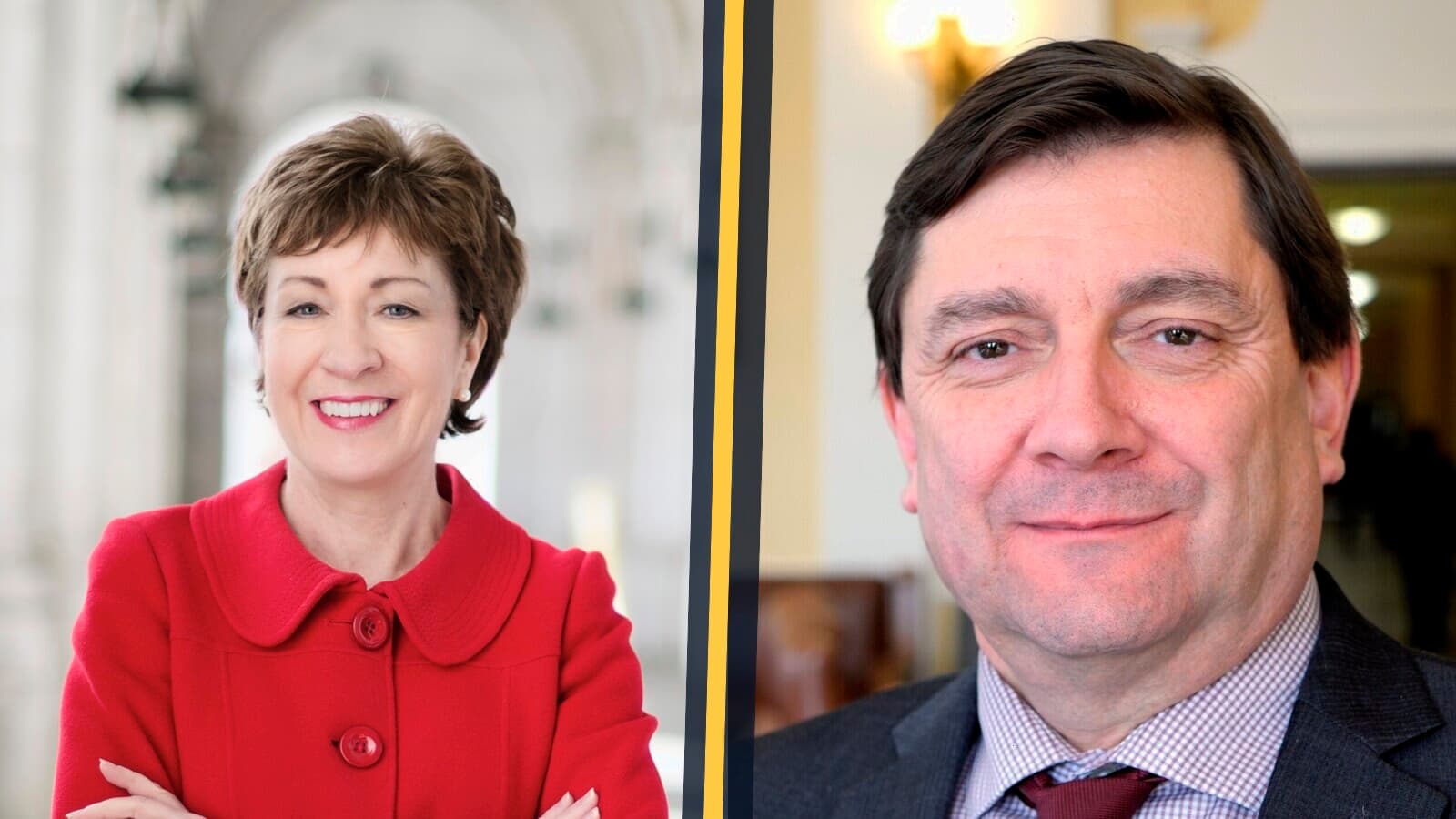
Susan Collins says Troy Jackson broke his pledge to reject corporate-PAC money by running ads paid for in part by the DSCC, which takes corporate-PAC donations. Jackson said at their October 15 debate that the ads were made without his approval.
Role at the time: Democratic nominee in Florida's 2026 U.S. Senate race, interviewed on The Don Lemon Show
Condemned
Statement summary
A week after losing to Sen. Ashley Moody, Nixon tells The Don Lemon Show that Democrats rely on Black women's work for the party and need to invest in their leadership. She calls the Florida race a missed opportunity.
Quotation excerpt
“Black women, especially Black people, are seen as the backbone of the party, and so they need to not only invest ... in our labor so to speak, they need to really invest in our leadership. ... It was just a really missed opportunity, and we…”
Read full quotation
“Black women, especially Black people, are seen as the backbone of the party, and so they need to not only invest ... in our labor so to speak, they need to really invest in our leadership. ... It was just a really missed opportunity, and we need to have some tough conversation”
Nixon says the party counts on Black women's work without investing in their leadership and calls her race a missed opportunity, so we labeled it Condemned.
Role at the time: Co-founder of the center-left think tank Third Way, interviewed by The Hill
Defended or excused
Statement summary
Matt Bennett of the center-left think tank Third Way tells The Hill that Nixon's membership in the Democratic Socialists of America made her a weak candidate in Florida and that moderate candidates do better in states like it.
“Angie Nixon was a uniquely bad candidate ... She joined the DSA ... and it's tough to think of a worse thing to do. Socialism is not popular in Florida.”
Bennett puts Nixon's loss down to her politics, saying her membership in the Democratic Socialists of America made her a uniquely bad candidate. That backs the ideological doubts about her campaign instead of faulting party spending, so we labeled it Defended or excused.
Role at the time: Chair of the Florida Democratic Party, interviewed by The Hill
Condemned
Statement summary
Florida Democratic Party chair Nikki Fried tells The Hill that her message to national Democratic operatives since the election is that the party can win Florida and should put more into the state.
“Yes we could win. ... Imagine if we put a little more into Florida”
Fried says the midterm results show Democrats can win Florida and asks national Democrats to imagine the result with more investment, an implicit criticism of how little the party put into the state, so we labeled it Condemned.
Role at the time: Chairman of the Institute for Free Speech and former FEC chair, speaking to CNBC
Defended or excused
Statement summary
Smith, whose Institute for Free Speech represents the groups suing to block I-194, tells CNBC that billionaires will find loopholes in the law and that its real effect is to silence Montana's small and medium-sized businesses.
“Billionaires will find loopholes. All this really does is silence Montana's small- and medium-sized businesses.”
Open source (opens in a new tab)Montana votes to ban corporate political money. Next stop? Probably the Supreme Court · CNBCFull article
What this label refers to
The reference point is constitutional protection for independent corporate and union election spending. Smith argues that a law stripping that spending power from Montana groups would silence nonprofits and small businesses, which defends the protection Citizens United recognized.
Role at the time: Former U.S. labor secretary and political commentator, in a post on Bluesky
Condemned
Statement summary
Reich says Montana voters chose overwhelmingly to neuter Citizens United and that no Supreme Court ruling or constitutional amendment was needed to do it.
“Montana — yes, deep red Montana — voted OVERWHELMINGLY last night to neuter Citizens United.
No Supreme Court ruling or constitutional amendment needed.”
The ruling protecting corporate independent spending is the action under scrutiny. Reich welcomes a state law meant to neuter Citizens United, which condemns the ruling.
Role at the time: Senior fellow at the Center for American Progress, in a post on Bluesky
Condemned
Statement summary
Moore, who developed the legal approach behind the Montana Plan, says voters' approval of I-194 is huge news in the fight against Citizens United and that the law will rid Montana's politics of corporate and dark money.
“*Huge* news in the fight against Citizens United: Montana voters overwhelmingly vote for The Montana Plan, I-194, which will rid the state’s politics of corporate and dark money.”
The ruling protecting corporate independent spending is the action under scrutiny. Moore describes I-194 as part of the fight against Citizens United and says he helped the effort, which condemns the ruling.
Role at the time: Republican U.S. Senate nominee in Michigan
Challenged the characterization
Statement summary
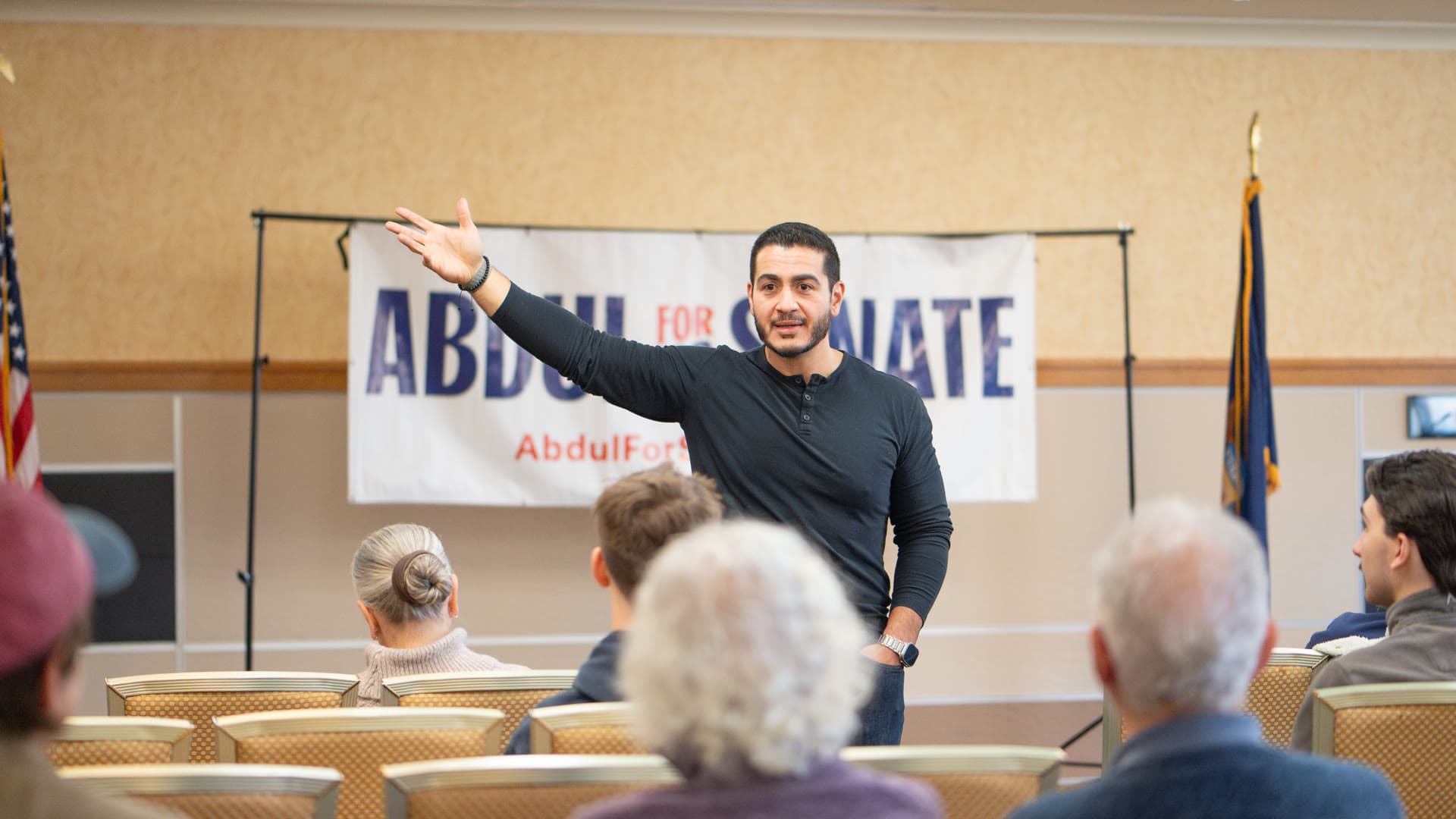
Asked on Meet the Press whether he agrees with Trump calling El-Sayed a violent terrorist, Rogers says he does not and that he has never called El-Sayed a terrorist. Earlier in the same interview he said El-Sayed gets money from groups that support the Muslim Brotherhood, Hamas and Hezbollah.
“No, I don’t. I’ve never called him a terrorist. I’ve never called him a terrorist.”
Relative to the allegation that El-Sayed's campaign takes money from terrorist-linked groups, Rogers rejects the terrorist label for El-Sayed himself. Earlier in the same interview he repeated his claim about the money. He disputes a label, not the funding claim, so challenging the characterization fits better than condemns or a denial.
Role at the time: University of Michigan law professor and former U.S. attorney, interviewed by Michigan Public
Challenged the characterization
Statement summary
Discussing Rogers's allegation about El-Sayed's mother, McQuade says wrongdoing by a charity's senior officials does not establish wrongdoing by every employee. She says a nurse in another country was unlikely to know what leaders elsewhere were doing.
“it certainly is not an indictment or guilt by association of everybody who works in the organization”
Open source (opens in a new tab)Michigan Public checks Rogers claims about El-Sayed motherNo Ties to al-Qaida section; interview with Barbara McQuade
What this label refers to
She challenges the inference of individual culpability from employment at a charity whose leaders committed financial offenses.
Role at the time: National Democratic Senate campaign committee, through spokesperson Maeve Coyle
Challenged the characterization
Statement summary
DSCC spokesperson Maeve Coyle tells POLITICO the committee is grateful to those who "have actually chipped in to help as Democrats get outspent," and says strong campaigns in a good year mean resources are stretched thinner across a much wider battleground.
“resources are stretched thinner across a much wider battleground that we pushed deep into offensive territory.”
Open source (opens in a new tab)Democrats debate limited campaign spending across an expanded mapNixon discussion and directly attributed responses by Pressley, Gifford, DSCC and SMP
What this label refers to
Relative to whether national Democrats are holding back money from Nixon's campaign, and why, the DSCC ties the limits on its spending to resources stretched across a wider map that it says it pushed into offensive territory, a reason other than the ideology and identity Nixon cited. As with DSCC Executive Director Devan Barber's earlier statement, it disputes the premise that the committee has not expanded the map rather than defending a specific decision, so challenging the characterization fits. It does not mention Nixon or Florida.
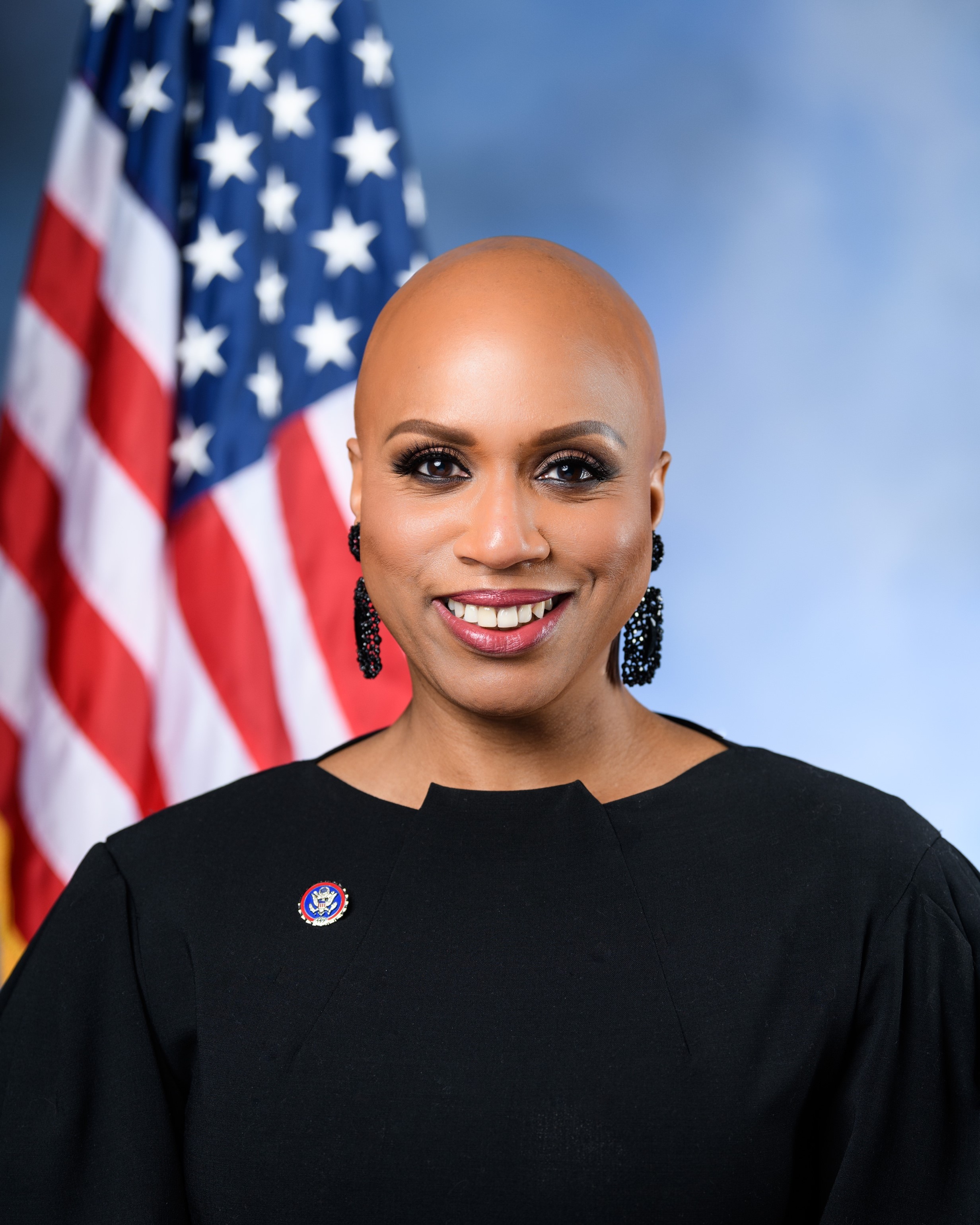
Role at the time: U.S. representative from Massachusetts
Condemned
Statement summary
In a statement to POLITICO, Pressley applauds investments in the Senate races of Scott Colom in Mississippi and Abdul El-Sayed in Michigan but says "we need to see more of that for Angie Nixon".
“we need to see more of that for Angie Nixon”
Open source (opens in a new tab)Democrats debate limited campaign spending across an expanded mapNixon discussion and directly attributed responses by Pressley, Gifford, DSCC and SMP
What this label refers to
Relative to whether national Democrats are holding back money from Nixon's campaign because of her ideology and identity, Pressley says Nixon needs more of the investment Colom and El-Sayed received, after criticizing the DSCC for not making "equitable investment in progressive and diverse candidates". She criticizes the holdback and ties it to candidates' politics and diversity, so condemns fits.
Role at the time: Democratic nominee for U.S. Senate in Michigan, in an interview on Fox News's Special Report
Challenged the characterization
Statement summary
Pressed by Bret Baier about a 2012 letter backing Egypt's then-president Mohamed Morsi, El-Sayed said the question was meant to raise doubts about his loyalty and that he will be loyal to the U.S. Constitution.
“No, no, no, let me just stop there ... You are asking this question to raise a question about whether or not I have dual loyalties. ... I will be loyal to the Constitution of the United States”
Open source (opens in a new tab)El-Sayed clashes with Bret Baier over Rogers' Muslim Brotherhood allegationsSeparate Special Report interviews with El-Sayed and Rogers in Detroit
What this label refers to
El-Sayed rejects the premise of the Muslim Brotherhood questions, saying they insinuate dual loyalty, and pledges loyalty to the Constitution, so we labeled it Challenged the characterization.
Role at the time: Republican nominee for U.S. Senate in Michigan, in an interview on Fox News's Special Report
Condemned
Statement summary
In a Fox News interview, Rogers said El-Sayed can pray however he wants but that the issue is how he thinks, and said El-Sayed has adopted the ideology of the Muslim Brotherhood.
“It is not how he prays, it's how he thinks. ... He has adopted the ideology of the Muslim Brotherhood”
Rogers repeats his Muslim Brotherhood accusation against El-Sayed and says it concerns how El-Sayed thinks rather than how he prays, so we labeled it Condemned.
Role at the time: Democratic Senatorial Campaign Committee, through spokesperson Maeve Coyle
Defended or excused
Statement summary
Spokesperson Maeve Coyle says the DSCC wants to expand its map but faces limited resources and Republican spending.
“committed to expanding the map as much as possible”
Open source (opens in a new tab)DSCC cites limited resources while discussing Nixon and ColomOpening section; DSCC spokesperson Maeve Coyle's response
What this label refers to
The case concerns allegations of insufficient national Democratic investment. Coyle cites limited resources to defend the DSCC's approach while saying it is committed to expanding the map as much as possible.
Role at the time: Executive director of American Oversight, in the group's press release
Condemned
Statement summary
American Oversight executive director Chioma Chukwu says political loyalty cannot determine who faces scrutiny and says the inspector general must find out whether anyone intervened on Ogles's behalf and why the Justice Department shut the investigation down.
“Political loyalty cannot determine who faces scrutiny and who gets a pass. The inspector general must find out whether anyone intervened on Ogles' behalf and why DOJ shut this investigation down.”
The case concerns the Justice Department's decision to end its campaign finance investigation of Ogles after his lawyer asked Ed Martin to close it. Chukwu says political loyalty cannot decide who gets a pass and calls for an inspector general inquiry into whether anyone intervened, which condemns the way the investigation ended.
Role at the time: Florida Democratic Senate nominee
Condemned
Statement summary
Asked by Dasha Burns whether Democrats have been making a mistake by underinvesting in Florida, Nixon says they have, pointing to laws she says started in Florida and spread to other states and the federal government. She says people should invest in Florida rather than divest from it.
Quotation excerpt
“The Democrats have been making a mistake by under investing in this state period. Democrats, they made a huge mistake by not investing in this state, and we have seen the devastation of it all across the country. There are laws that are now…”
Read full quotation
“The Democrats have been making a mistake by under investing in this state period. Democrats, they made a huge mistake by not investing in this state, and we have seen the devastation of it all across the country. There are laws that are now on the books in states all across the country because Florida was ground zero. We’ve been the testing ground. And then some of those same laws have been federalized; those anti-DEI laws, the stop woke laws, right, the halo bill where they made it so you can’t be 25-50 feet away from a police officer while they’re arresting folks because...if they tell you to get away because they can, you know, now arrest you for that. And the only reason that they created the halo bill is it was after George Floyd was murdered, was executed. And they don’t want people to catch bad cops doing bad things. And so it is just devastating. People should not divest from the state of Florida. They should invest in the state of Florida.”
Relative to whether national Democrats are holding back money from Nixon's campaign, and why, Nixon says Democrats made a huge mistake by not investing in Florida. She criticizes the holdback, so condemns fits. In earlier answers in the same interview she credits the DSCC's recent fundraising help and says she would not necessarily say race has played a role with party leaders, so this passage does not repeat her earlier explanation about identity.
Role at the time: Radiologist responding to questions about his donation and an attributed signature
Denied
Statement summary
Reached by the Free Beacon, Elsayes says he donated to El-Sayed but did not sign the 2012 letter supporting Morsi, and that he did not like Morsi's policies.
“I didn’t sign anything to support Morsi and didn’t even like his policies”
Open source (opens in a new tab)Free Beacon reports donor links and a donor's denial of signing a 2012 letterContribution totals, named donors and Khaled Elsayes response
What this label refers to
Relative to the allegation that El-Sayed's campaign took money from Muslim Brotherhood-linked sources, Elsayes says he did not sign the 2012 letter the report uses to describe him as a fellow Brotherhood supporter of El-Sayed, and that he did not like Morsi's policies. He confirms the donation but flatly denies the signature, so a denial fits better than a challenge to the characterization.
Role at the time: Republican U.S. Senate nominee in Michigan, at the second televised debate
Condemned
Statement summary
In a debate rebuttal, Rogers says El-Sayed is bought off by the Muslim Brotherhood and has campaign donors from Hamas.
“So being bought off by the Muslim Brotherhood, having donors to his campaign from Hamas that support Hezbollah is not a problem?”
Watch the original video (opens in a new tab)Full Michigan Senate Debate: Abdul El-Sayed and Mike RogersRogers's rebuttal about 15:26-15:51; El-Sayed's answer about 30:26-30:55 (audio transcribed by us)
What this label refers to
Relative to the case's question of whether El-Sayed's campaign took money from terrorist-linked sources, Rogers repeats the allegation and uses it against El-Sayed. The label records his stance, not whether the allegation is true.
Role at the time: Metro Times investigative journalist writing analysis
Challenged the characterization
Statement summary
In a Metro Times analysis of Rogers's statements about El-Sayed, Neavling writes that when the paper asked Rogers's campaign about his bin Laden claims for an October 8 report, the campaign repeated an unfounded allegation that El-Sayed received money from terrorist organizations.
Quotation excerpt
“When Metro Times asked about those claims for its Oct. 8 report, Rogers’ campaign declined to answer specific questions. It instead defended his record and repeated an unfounded allegation that El-Sayed received money from terrorist…”
Read full quotation
“When Metro Times asked about those claims for its Oct. 8 report, Rogers’ campaign declined to answer specific questions. It instead defended his record and repeated an unfounded allegation that El-Sayed received money from terrorist organizations.”
Open source (opens in a new tab)Mike Rogers keeps lying about Abdul El-Sayed. We counted the waysDetroit Metro Times analysis, October 21, 2026; section headed "An inflated counterterrorism resume".
What this label refers to
Relative to the allegation that El-Sayed's campaign took money from terrorist organizations, Neavling calls it unfounded. He disputes its basis rather than reporting evidence that no such payment occurred, so challenging the characterization fits better than a denial.
Role at the time: El-Sayed's Senate campaign, through communications director Roxie Richner
Denied
Statement summary
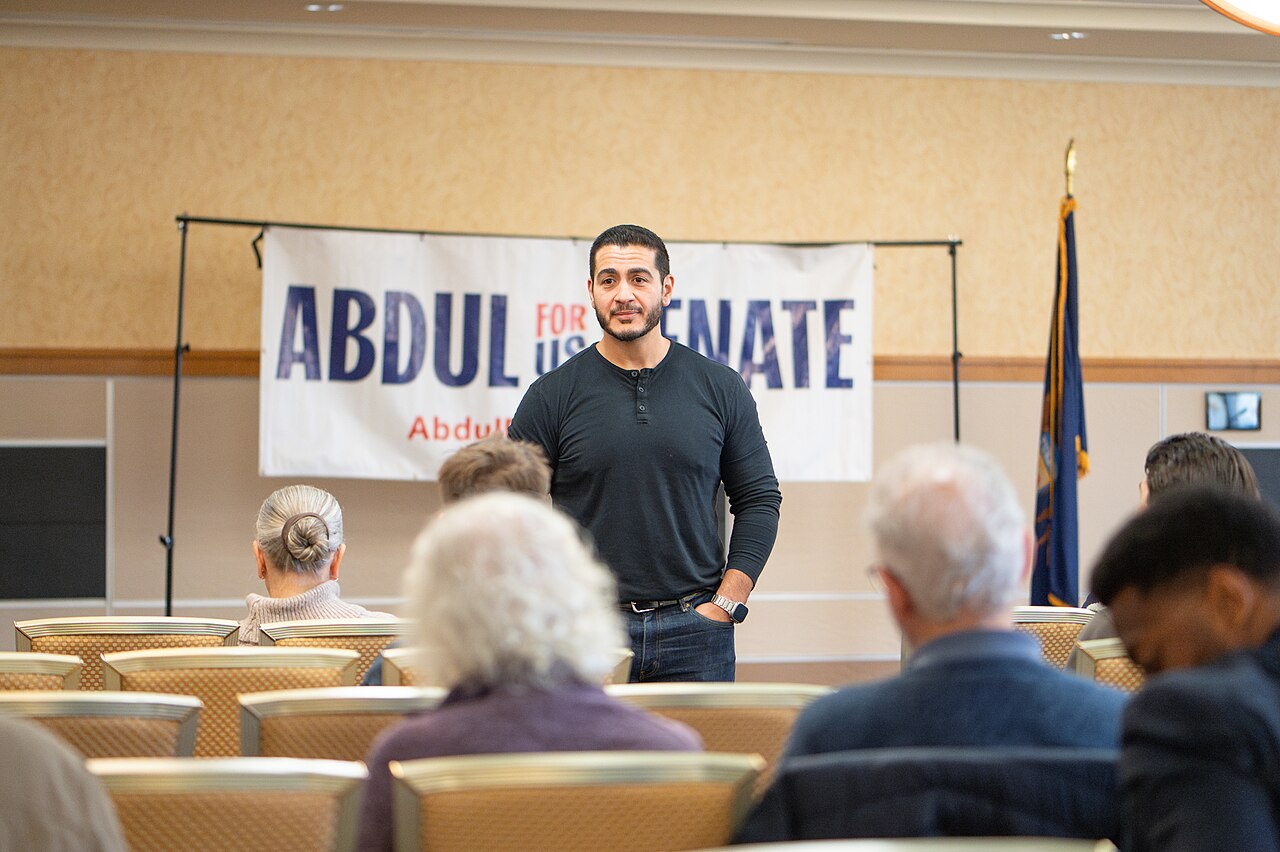
Responding to an undercover video, El-Sayed's campaign says the organizer never worked for it and that it is fully in compliance with FEC regulations.
“The Abdul for Senate campaign is fully in compliance with FEC regulations”
Open source (opens in a new tab)Organizer in hidden video alleges overseas donations to El-Sayed; campaign denies claim · The National News DeskFull article (The National News Desk story as published by KEYE)
What this label refers to
Relative to the case's question of whether El-Sayed's campaign took money from terrorist-linked or foreign sources, the campaign denies the organizer's overseas-donation claim and says it follows federal campaign finance rules.
Role at the time: HotAir editor and political commentator
Condemned
Statement summary
In a HotAir post about CBS News, Morrissey says the question is why CBS and other mainstream reporters are not embarrassed at showing no interest in a story about a Senate candidate who, in his words, "supports and is supported by foreign terrorist organizations."
Quotation excerpt
“The question here shouldn't be whether Weiss has the authority to hand out investigative reporting assignments. It should be why CBS News reporters, and reporters from all of the rest of the mainstream media, aren't embarrassed that they…”
Read full quotation
“The question here shouldn't be whether Weiss has the authority to hand out investigative reporting assignments. It should be why CBS News reporters, and reporters from all of the rest of the mainstream media, aren't embarrassed that they have shown zero interest in a story where a Senate candidate supports and is supported by foreign terrorist organizations.”
Open source (opens in a new tab)Morrissey argues El-Sayed's financial relationships deserve investigationFinancial-links list and concluding assessment of news coverage
What this label refers to
Relative to the allegation that El-Sayed's campaign takes money from terrorist-linked sources, Morrissey says El-Sayed is supported by foreign terrorist organizations and criticizes the media for ignoring it. He adopts the allegation in his own voice and uses it against El-Sayed, so the label matches Rogers's statements here. The label records his stance, not whether the claim is true.
Role at the time: NewsBusters analyst and radio commentator
Condemned
Statement summary
In an X post, Bonilla says Rogers "calmly dismantles" Dana Bash's attempt to make him defend Trump's attacks on El-Sayed and "forces discussion back to MoBros ties, CAIR funding, and Hasan Piker."
“WATCH: @MikeRogersForMI calmly dismantles Dana Bash's attempt to force him to defend Trump's attacks against Abdul El-Sayed, forces discussion back to MoBros ties, CAIR funding, and Hasan Piker.”
Relative to the allegations that El-Sayed has Muslim Brotherhood ties and takes terrorist-linked money, Bonilla praises Rogers for steering the interview back to "MoBros ties" and "CAIR funding," treating those ties as the real subject. He backs Rogers's line of attack without making a separate claim about the money, so the label matches Rogers's own statements here.
Role at the time: Political commentator writing a syndicated column
Condemned
Statement summary
In a syndicated column, Hammer cites donations he attributes to El-Sayed's father-in-law, an ISNA founding committee member, and to current or former CAIR officials. He calls ISNA and CAIR "Brotherhood front groups" and says these groups are trying to elect El-Sayed.
“These are the groups now trying to elect El-Sayed to the U.S. Senate.”
Open source (opens in a new tab)Hammer argues donors show organizational support for El-SayedDonation paragraphs and sentence beginning These are the groups
What this label refers to
Relative to the allegation that El-Sayed's campaign takes money from terrorist-linked sources, Hammer says donors tied to ISNA and CAIR, which he calls Brotherhood front groups, are funding El-Sayed and trying to elect him. He adopts the allegation in his own voice and uses it against El-Sayed, so the label matches Rogers's statements here. The label records his stance, not whether the claim is true.
Angie Nixon is a Florida state representative, union organizer and community organizer from Jacksonville. A Democrat first elected to the Florida House in 2020, she represents District 13 and is the party's 2026 nominee for the U.S. Senate. She has led the statewide coalition Florida for All and runs a bookstore and community hub in Jacksonville. Nixon earned a bachelor's degree in political science from the University of Florida.
Matt Bennett is a co-founder of Third Way and its executive vice president for public affairs. He worked on Bill Clinton's presidential campaigns and was deputy assistant to the president for intergovernmental affairs, serving as a liaison to governors. He later led communications for Wesley Clark's presidential campaign and public affairs at Americans for Gun Safety. He holds degrees from the University of Pennsylvania and the University of Virginia School of Law.
Nikki Fried is the chair of the Florida Democratic Party. She was elected Florida Commissioner of Agriculture and Consumer Services in 2018, the first woman elected to that office. Before holding elected office she worked as a public defender and in private legal practice.
Bradley A. Smith is a lawyer and law professor who founded the Institute for Free Speech. He previously chaired the Federal Election Commission and writes about campaign finance and political speech. He holds degrees from Kalamazoo College and Harvard Law School and is a designated professor of law at Capital University. His books include Unfree Speech: The Folly of Campaign Finance Reform.
Robert Reich is an American author, public-policy scholar, and former United States secretary of labor. His writing and videos examine economic inequality, political power, and American government.
Tom Moore is a senior fellow at the Center for American Progress, where he works on democracy and government reform. From 2015 to 2023 he was counsel and then chief of staff to Federal Election Commission Commissioner Ellen L. Weintraub. He wrote the Corporate Power Reset, a proposal for states to limit the political spending powers of the corporations they charter.
American lawyer and law professor. She is a professor from practice at the University of Michigan Law School and a legal analyst for MS NOW. She served as U.S. attorney for the Eastern District of Michigan from 2010 to 2017 after her appointment by President Barack Obama. She is the author of "Attack from Within: How Disinformation Is Sabotaging America" (2024).
Chioma Chukwu is a lawyer and executive director of American Oversight, a government-transparency organization. She previously worked as general counsel to the House Oversight Committee. She earned degrees at the University of California, Riverside, George Mason University and the University of Virginia School of Law. Her earlier legal work included employment discrimination litigation at the Equal Employment Opportunity Commission.
Oliver Larkin is a Florida union organizer and democratic socialist who has worked on political campaigns and run for Congress. His organizing focuses on workers and community issues.