
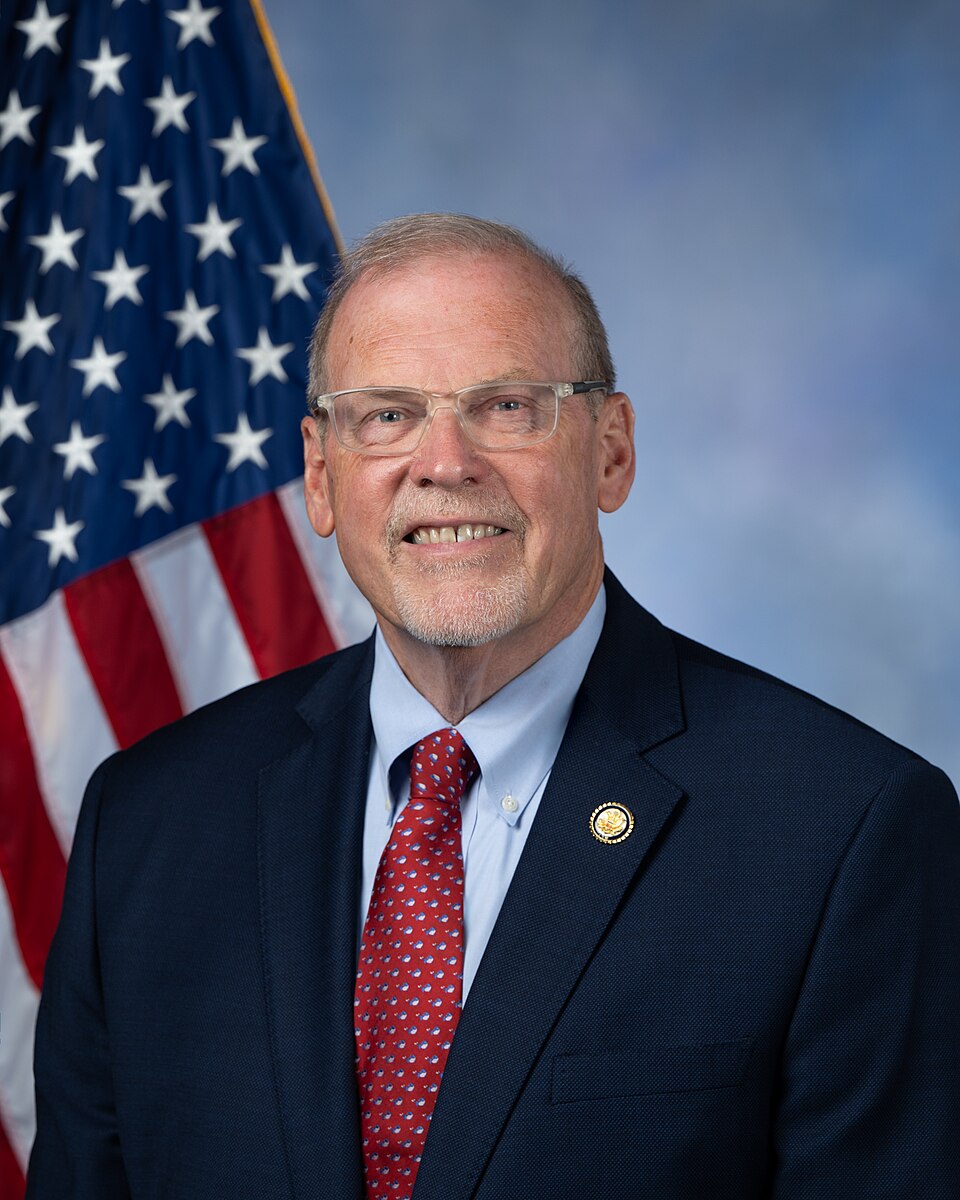
Morgan Griffith

Portrait of Morgan Griffith
Brendan O'Hara / House Creative ServicesSourcePublic domain (U.S. federal government)Original image retained; resized only.

United States Representative and Republican candidate for U.S. House in Virginia's 9th district.

Case

Do they support the war in Iran?

An issue tracker recording where members of Congress and 2026 midterm candidates stand on the unauthorized Iran war, based on their votes on war-powers resolutions, campaign statements, and public remarks.

Iran WarU.S. PoliticsUpdated

Statements by Morgan Griffith

Portrait of Morgan Griffith

Morgan Griffith

Role at the time: U.S. representative (R) from Virginia's 9th District, running for reelection

Mixed or conditional

Statement summary

Rep. Morgan Griffith told WSLS that some cameras have a place and that looking for someone with an outstanding arrest warrant is acceptable, but that collecting every license plate or facial-recognition image of drivers on the highway is not appropriate.

“I do think there's a place for some of the cameras, but we don't want to get to George Orwell's 1984. If you're looking for Morgan Griffith because there's a warrant out for my arrest, okay. But just collecting every license plate or every image with facial recognition that drives down the highway, that's not appropriate. That's not what America was founded on.”
Watch the original video (opens in a new tab)Data centers and Flock Cameras at the center of race for Virginia's 9th Congressional District (WSLS 10 video)01:26 to 01:47
Why we used this label

The reference point is whether networked license-plate reader systems such as Flock should exist and be used. Griffith says some cameras have a place and accepts using them to find a person with an outstanding arrest warrant, but objects to collecting every license plate or facial-recognition image on the highway. Accepting narrow use while rejecting blanket collection fits Mixed or conditional.

Portrait of Morgan Griffith

Morgan Griffith

Role at the time: U.S. Representative, Virginia 9th district

Defended or excused

Statement summary

H. Morgan Griffith voted Nay on H.Con.Res. 93, the House resolution directing the President to remove U.S. Armed Forces from hostilities with Iran.

“On Agreeing to the Resolution: Directing the President, pursuant to section 5(c) of the War Powers Resolution, to remove United States Armed Forces from hostilities with Iran.”
Read the official statement (opens in a new tab)U.S. House Roll Call Vote 307: H.Con.Res. 93, Iran War Powers Resolution (agreed to, 220-204)
Why we used this label

A nay vote opposed the resolution directing the removal of U.S. Armed Forces from hostilities with Iran, allowing U.S. military operations in the war to continue.

Portrait of Morgan Griffith

Morgan Griffith

Role at the time: U.S. representative from Virginia

Mixed or conditional

Statement summary

Morgan Griffith cosponsored the Protection Against Mass Surveillance Act, H.R. 9800, which would bar federal agencies from using plate-reader systems, including Flock cameras, and bar state and local governments from spending federal funds on them.

“No Federal agency may purchase, deploy, operate, access, or contract for any automated surveillance system that identifies, tracks, or records individuals through any of the following: (1) An automated license plate recognition system, including a Flock Safety camera.”
Read the original text (opens in a new tab)Protection Against Mass Surveillance Act, H.R. 9800, introduced textSection 2 prohibition
Why we used this label

The reference point is whether networked license-plate reader systems such as Flock should exist and be used. Griffith cosponsored a bill that would prohibit federal use of plate-reader systems and federal funding for state and local systems. It would not reach every state or local system, which fits Mixed or conditional.

Portrait of Morgan Griffith

Morgan Griffith

Role at the time: U.S. representative

Defended or excused

Statement summary

Morgan Griffith signed a letter urging nationwide NFA non-enforcement to avoid unequal treatment and requesting that DOJ decline an appeal and begin rulemaking.

“Action: Signed an August 11 letter urging DOJ to apply the NFA ruling nationwide, decline an appeal and begin rulemaking.”
Read the original text (opens in a new tab)Forty-seven members of Congress urge nationwide NFA non-enforcementPages 1-2, policy request; pages 3-8, all 47 signatures
Why we used this label

The reference is nationwide NFA non-enforcement. Signing a letter expressly requesting that policy supports it, even though the letter predates ATF's October announcement.

Portrait of Morgan Griffith

Morgan Griffith

Role at the time: U.S. Representative for Virginia at the statement date.

Defended or excused

Statement summary

Rep. Morgan Griffith said in an April 7 statement on the U.S.-Iran ceasefire that U.S. armed forces had crippled Iran and forced it to the negotiating table. He commended Trump for the ceasefire agreement and said he supports negotiations that lead to Iran never having nuclear capabilities.

“Thanks to the great efforts of U.S. armed forces, Iran has been crippled and has been forced to the negotiating table.”
Read the official statement (opens in a new tab)Griffith Statement on U.S.-Iran Ceasefire | Congressman Morgan GriffithComplete original statement; date-only timestamp represented at noon UTC
Why we used this label

The case asks about support for the war in Iran. Griffith credits the U.S. military campaign with crippling Iran and commends Trump, so we used Defended or excused. His support for negotiations did not outweigh that, so Mixed or conditional lost.

Topics in this coverage