
Griffith seeks Section 702 warrants; Cotton earlier opposed reform conditions
Griffith and civil-liberties groups seek warrants for searches of Americans' communications before Section 702 renewal. Cotton's earlier objection calls reform conditions unworkable. Wyden and Schiff also demand disclosure of a classified opinion.
Case period:
Published by The Dispute Index editorial teamPublished Updated
Overview
Griffith told reporters on October 26 (opens in a new tab) that FBI searches of Americans' communications need a warrant requirement. A civil-liberties coalition (opens in a new tab) opposes renewal without disclosure and warrants.
Cotton's June 11 Senate speech (opens in a new tab) objects to reform conditions and compares a new warrant requirement to seeking another warrant to review lawfully collected evidence. He argues that existing and proposed oversight measures protect civil liberties. His remarks predate the October demands.
Wyden and Schiff (opens in a new tab) say a March classified opinion describes abuses and demand its release. That opinion is not publicly available for independent examination. Statutory authority lapsed earlier in 2026, while collection remained authorized under an existing court authorization. The dispute here concerns renewal conditions rather than a claim that surveillance has stopped.
People in this case
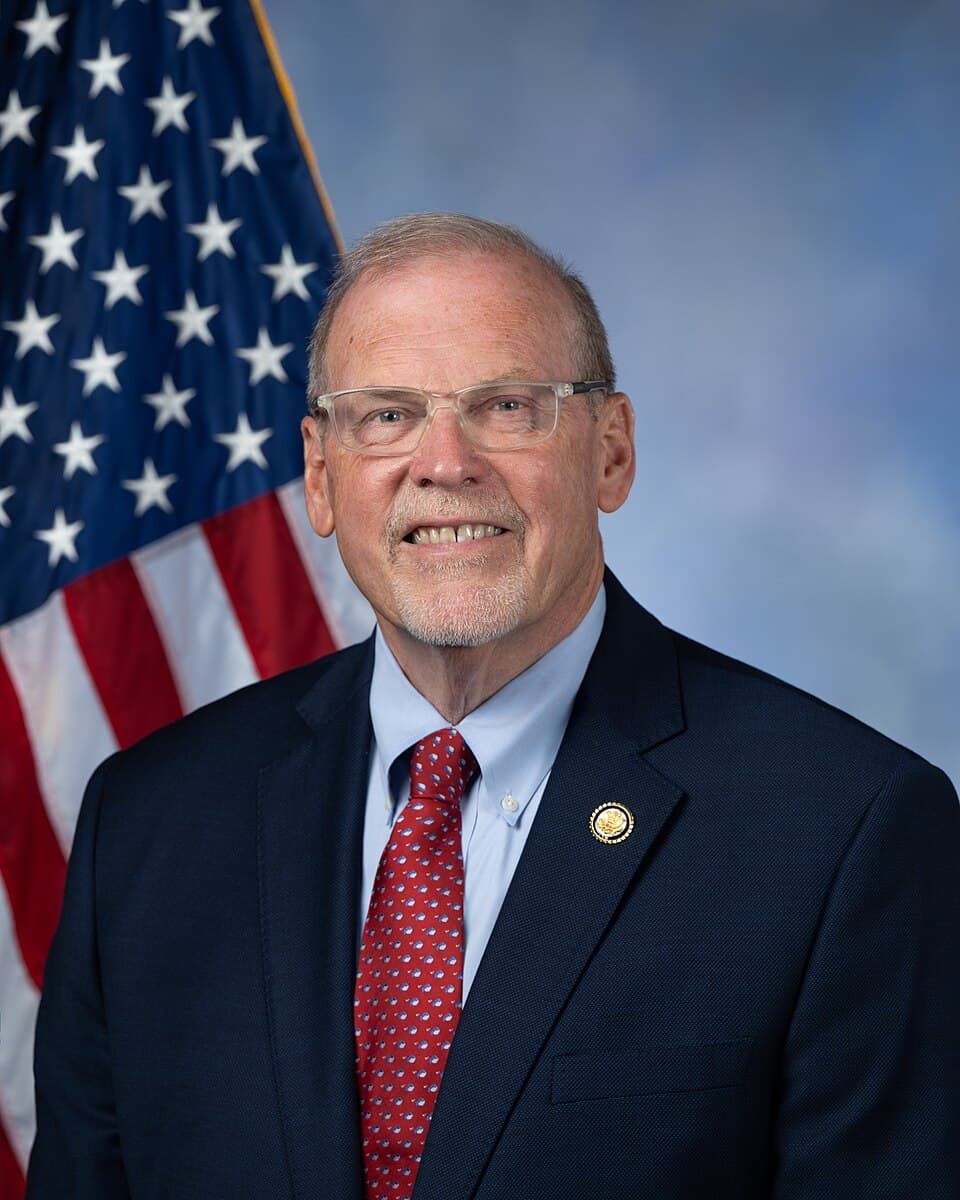 Morgan GriffithDirectly involved
 Ron WydenDirectly involved
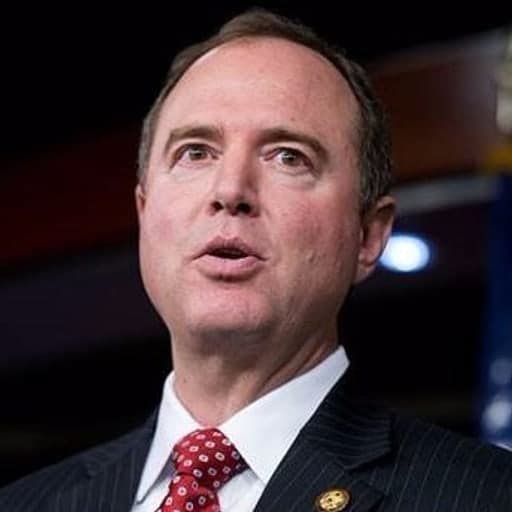 Adam SchiffDirectly involved
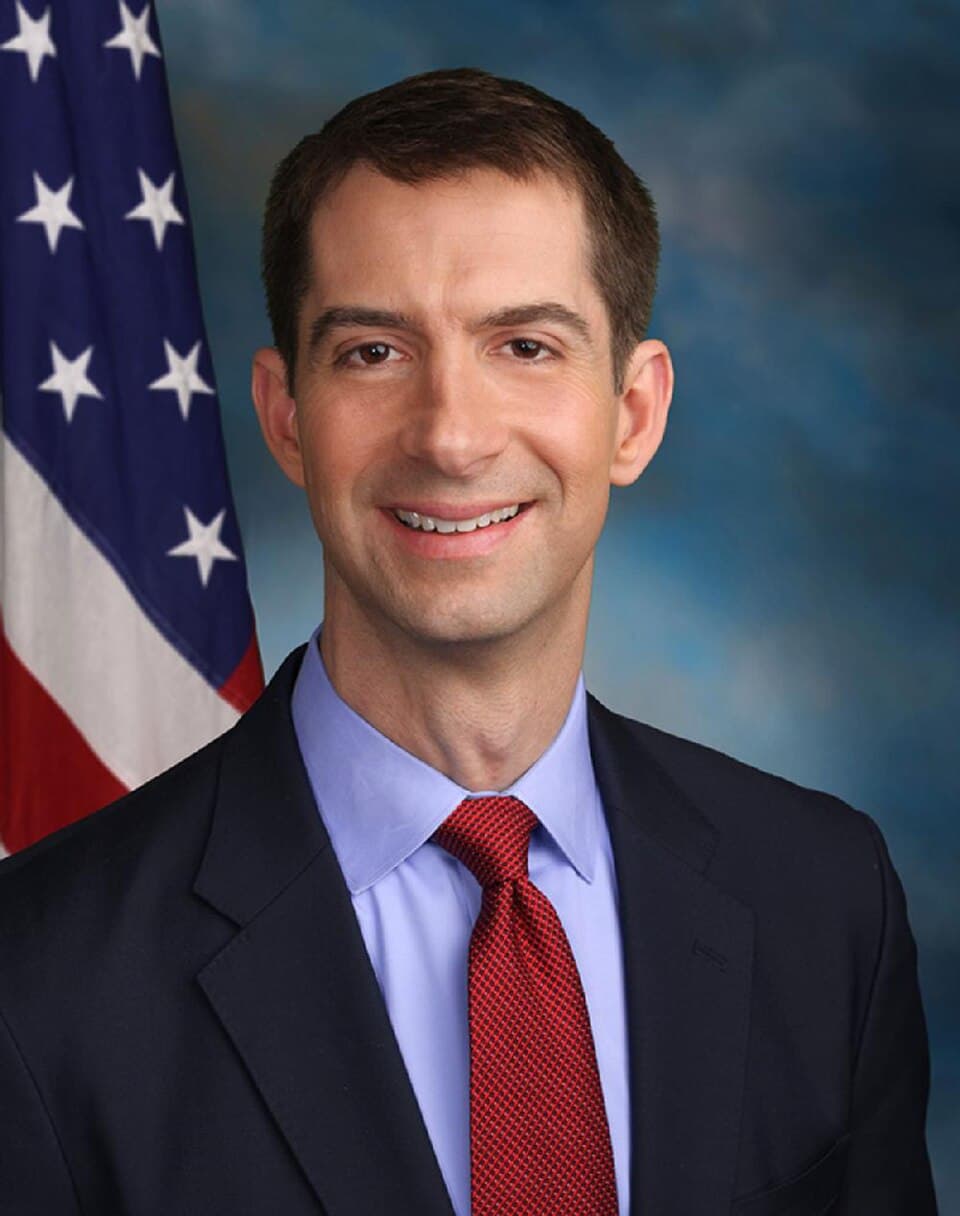 Tom CottonDirectly involved
Timeline
2 timeline entries on this page. Dates: October 26, 2026
October 2026
Civil-liberties groups condition renewal on disclosure and warrants
Source release
A joint letter asks lawmakers to refuse reauthorization while the opinion remains withheld and to require warrants for access to Americans' communications.
[01]Civil-liberties organizations condition Section 702 renewal on reforms
The signatories oppose renewal without disclosure and a warrant requirement for access to Americans' communications.
Civil-liberties organizations condition Section 702 renewal on reformsOctober 26 letter; final two substantive paragraphs and signatoriesWyden and Schiff demand release of the classified opinion
Source release
The senators ask for declassification and an explanation of the delay by November 6. Their descriptions of the opinion remain attributed to them.
[02]Wyden and Schiff seek disclosure before Section 702 debate
The senators describe alleged abuses in an unpublished court opinion. Their account is not an independent public examination of that opinion.
Wyden and Schiff seek disclosure before Section 702 debateJoint quotation and disclosure demand
Response record
Responses
Choose one response filter, or select All responses to see the full record.
3 responses. Newest first.
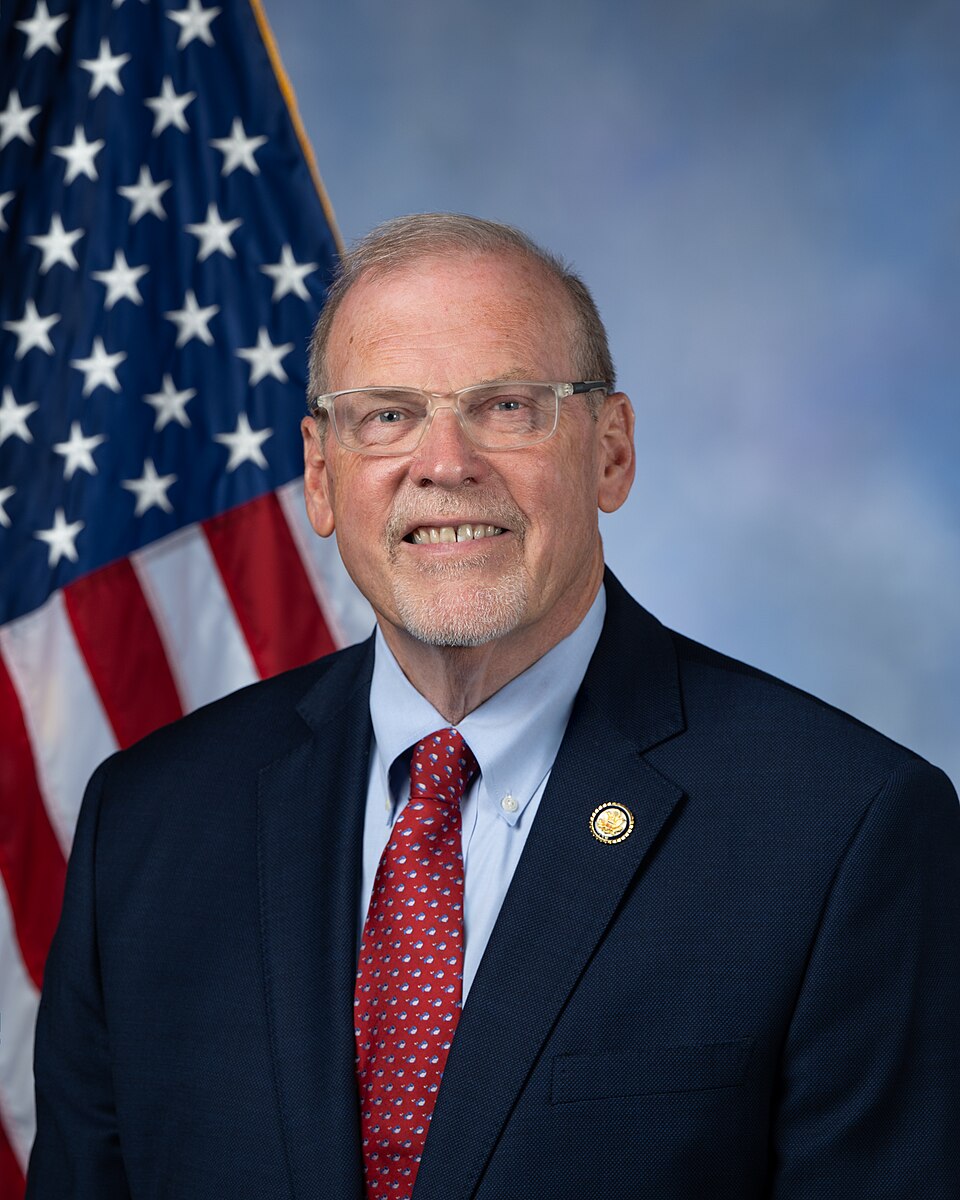 Morgan GriffithU.S. representative from Virginia, speaking to reportersDirectly involved
Before this statement
Speaking to reporters, Griffith says reauthorizing the program could face problems if a warrant requirement is not added for FBI searches of the collected data. He says Americans need civil-liberties protections that, in his opinion, the program does not currently have.
"I know there’s big disagreement with some of my colleagues, but I think there needs to be a warrant."
CondemnedCase context: Griffith seeks Section 702 warrants; Cotton earlier opposed reform conditions
Full statement and sources
Griffith says Americans need civil-liberties protections that, in his opinion, Section 702 does not currently have, and that a warrant is needed despite disagreement among his colleagues.
After the statement
The report notes that Griffith voted in June for a short-term extension of the program, which fell short of the two-thirds majority it needed.
Morgan Griffith seeks a warrant requirement for Section 702 renewalGriffith's remarks to reporters; renewal and continuing collectionWhy this label?
The case's reference point is renewing Section 702 without a warrant requirement for searches of Americans' communications. Griffith says the program lacks needed civil-liberties protections and that a warrant is required, which criticizes renewal in its current form.
This label describes the statement's response within the context above.
 American Civil Liberties UnionAmerican Civil Liberties Union, as a signatory to the joint letter
Before this statement
The letter argues that executive-branch self-policing does not protect Americans' rights and calls on Congress to refuse renewal while information remains withheld.
"reauthorize Section 702 only with a warrant requirement to access Americans’ private communications."
CondemnedCase context: Griffith seeks Section 702 warrants; Cotton earlier opposed reform conditions
Full statement and sources
The signatories insist on a warrant requirement for access to Americans' private communications and reject reliance on executive-branch self-policing.
After the statement
The final sentence insists that reauthorization include a warrant requirement. The letter then lists its signatory organizations.
Civil-liberties organizations condition Section 702 renewal on reformsOctober 26 letter; final two substantive paragraphs and signatoriesWhy this label?
Relative to renewal without a warrant requirement, the coalition expressly conditions reauthorization on adding that requirement and criticizes the adequacy of self-policing.
This label describes the statement's response within the context above.
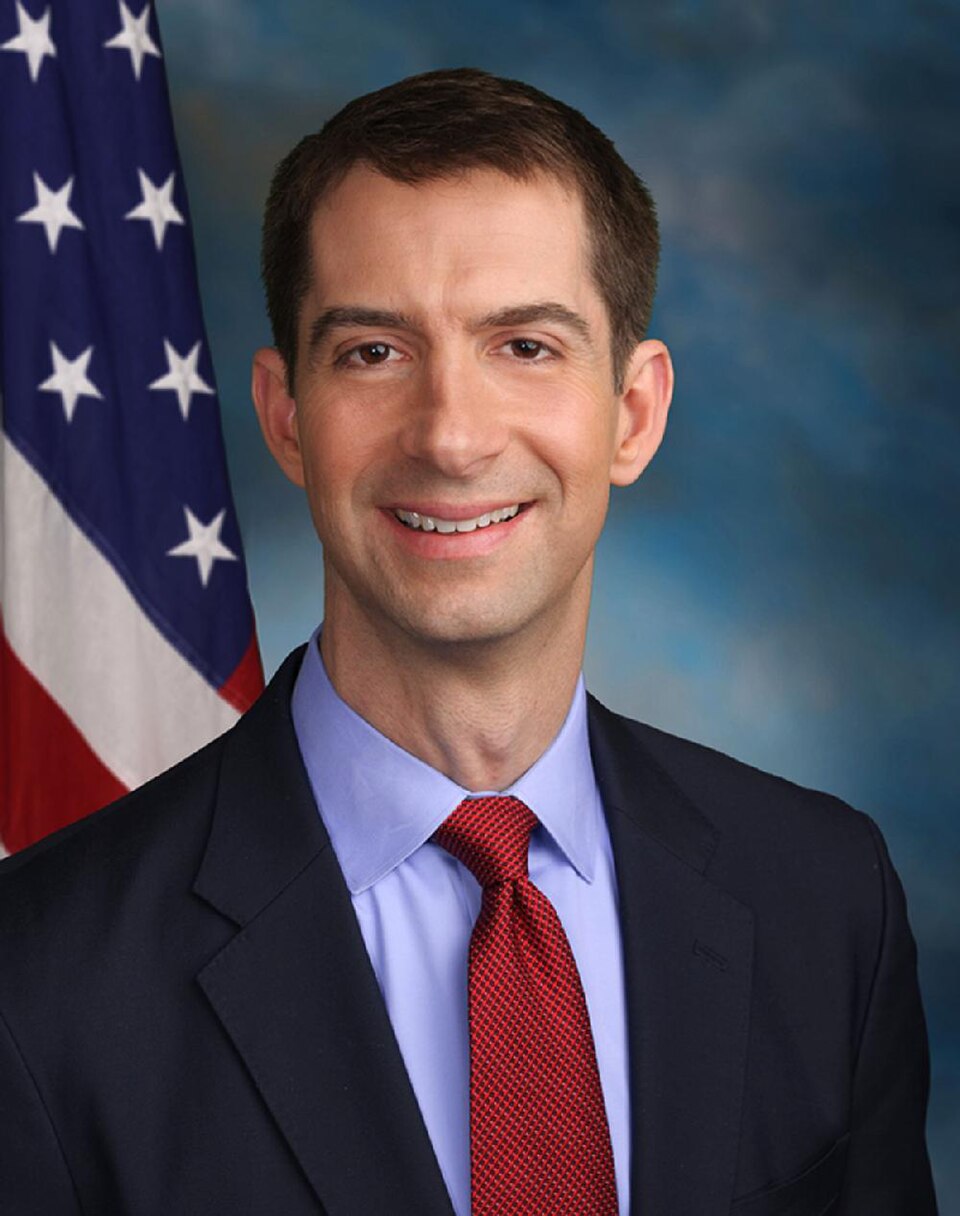 Tom CottonU.S. senator and Senate Intelligence Committee chairDirectly involved
Before this statement
Cotton asks the Senate to pass a short-term extension of Section 702 and says the program does not target Americans. He says other sections of the law already require a probable cause warrant to target an American, which he calls the great crusade of the Senator from Oregon.
"Requiring a probable cause warrant for this information is akin to requiring a police officer to get a new warrant every time he goes into the evidence room to review lawfully collected evidence."
Defended or excusedCase context: Griffith seeks Section 702 warrants; Cotton earlier opposed reform conditions
Full statement and sources
Cotton argues that requiring a probable cause warrant to review information collected under Section 702 would be like requiring a new warrant to review lawfully collected evidence, and he objects to proposed conditions he calls unworkable.
After the statement
Cotton then says his own legislation adds more than a dozen transparency and privacy measures. After yielding the floor, he calls the Senator from Oregon's proposed conditions totally unworkable and says he objects.
Tom Cotton objects to reform conditions on a Section 702 extensionJune 11 floor speech; warrant analogy and response to Wyden's conditionsWhy this label?
The case's reference point is renewing Section 702 without a warrant requirement for searches of Americans' communications. Cotton argues that a probable cause warrant requirement is unnecessary and supports extending the program, which defends renewal without that requirement.
This label describes the statement's response within the context above.
Sources
(4)
Original text
Civil-liberties organizations condition Section 702 renewal on reforms
Relevant passage: October 26 letter; final two substantive paragraphs and signatories
About this source
The signatories oppose renewal without disclosure and a warrant requirement for access to Americans' communications.
- Author
- Signatory organizations
- Published
- Accessed
Original text
Tom Cotton objects to reform conditions on a Section 702 extension
Relevant passage: June 11 floor speech; warrant analogy and response to Wyden's conditions
About this source
Cotton supports an extension, rejects proposed conditions and argues against a new warrant requirement to review information already collected. These remarks predate the October demands.
- Author
- Tom Cotton
- Published
- Accessed
Official statement
Wyden and Schiff seek disclosure before Section 702 debate
Relevant passage: Joint quotation and disclosure demand
About this source
The senators describe alleged abuses in an unpublished court opinion. Their account is not an independent public examination of that opinion.
- Author
- Office of Senator Ron Wyden
- Published
- Accessed
Reporting
Morgan Griffith seeks a warrant requirement for Section 702 renewal
Relevant passage: Griffith's remarks to reporters; renewal and continuing collection
About this source
Roll Call quotes Griffith's current reform demand and reports the lapse in statutory authority alongside continuing court-authorized collection.
- Author
- Allison Mollenkamp
- Published
- Accessed
Share or embed this case
The embed keeps its attribution link to The Dispute Index. Credit the image to The Dispute Index and link to the case page.
Cite this record
- Publisher
- The Dispute Index
- Title
- Griffith seeks Section 702 warrants; Cotton earlier opposed reform conditions
- First published
- Last updated
- Permalink
- https://disputeindex.com/cases/section-702-renewal-warrant-requirement-griffith-cotton
The Dispute Index. "Griffith seeks Section 702 warrants; Cotton earlier opposed reform conditions". First published: 2026-10-28. Last updated: 2026-10-28. https://disputeindex.com/cases/section-702-renewal-warrant-requirement-griffith-cotton