
Should DOJ send election monitors to all 50 states?
DOJ plans election monitoring in every state and calls it routine enforcement work. The NAACP questions the program's authority and risks to voters, and seeks records through a FOIA lawsuit.
BackgroundWho runs U.S. elections?
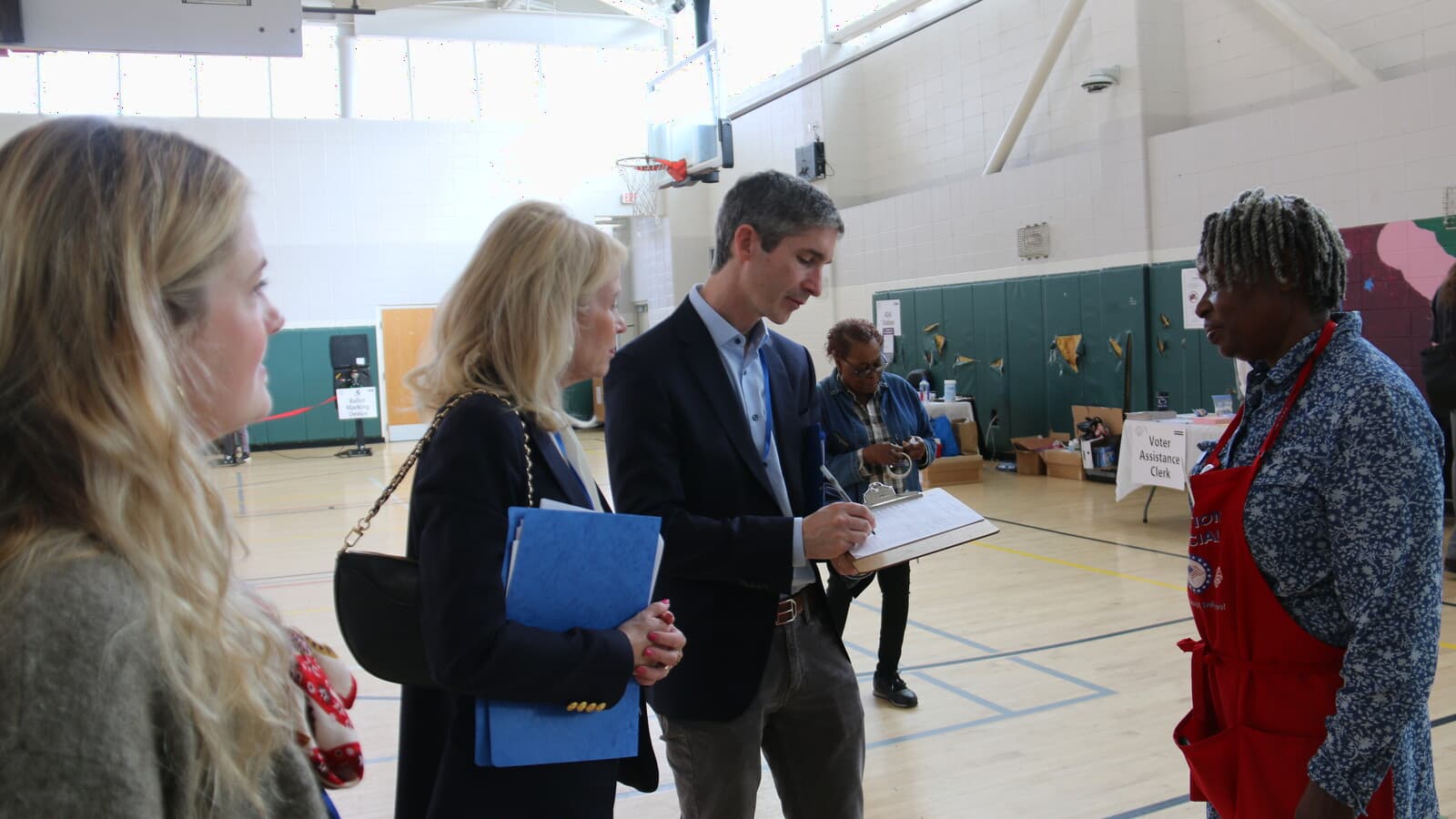
Case period:
Published by The Dispute Index editorial teamPublished Updated
Overview
The NAACP requested records on September 1. DOJ acknowledged the request on September 21 and warned of processing delays. The group sued on October 2, alleging that acknowledgement was not the determination FOIA requires. Blanche publicly described an all-state deployment on October 4; the NAACP announced its lawsuit October 5. DOJ distinguishes Voting Rights Act observers from monitoring by its attorneys and staff. The lawsuit requests disclosure, not an order banning monitors.
Sources: complaint and exhibits (opens in a new tab), Blanche interview excerpts (opens in a new tab) and DOJ's monitoring guide (opens in a new tab).
Background: Who runs U.S. elections?
People in this case
 Harmeet DhillonDirectly involved
 Todd BlancheDirectly involved
 Rob BontaCommented
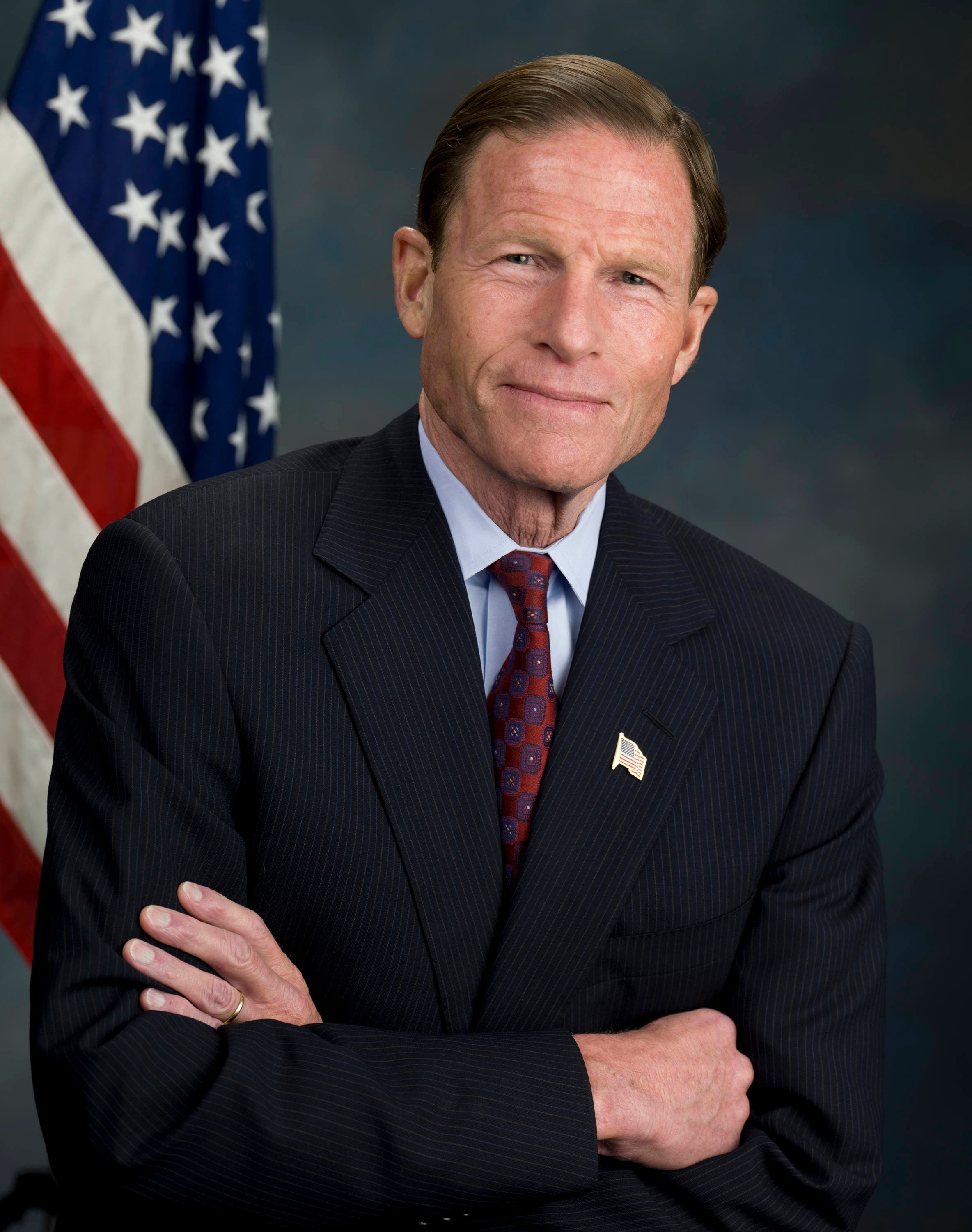 Richard BlumenthalCommented
Timeline
19 timeline entries on this page. Dates: September 1, 2026 to November 3, 2026
September 2026
NAACP requests records about election monitors
The NAACP sends a FOIA request about the program's authority, staffing, training, locations, state consent and possible participation by law enforcement agencies.
DOJ acknowledges the records request and warns of delays
DOJ's Civil Rights Division acknowledges the request and says a large volume of requests may delay processing. The NAACP later argues this did not meet FOIA's determination requirement.
October 2026
NAACP files its records lawsuit
The NAACP files case 1:26-cv-03461 in federal court in Washington, seeking emergency production of election-monitoring records. The complaint asks for disclosure rather than a ban on monitors.
Blanche says monitors will go to every state
Claim
On Fox News Sunday, Blanche says DOJ hopes to recruit at least 1,000 monitors for all states. He rejects the suggestion that they will be armed federal agents.
Dhillon describes an observational role for monitors
Reaction
Dhillon says trained legal professionals will observe and document election-day activity, with action later if needed. She calls the planned deployment the largest monitoring effort in DOJ history.
NAACP sues to stop DOJ from using prosecutors and agents as election monitors
The NAACP and three voters file NAACP v. Blanche, case 1:26-cv-03626, in federal court in Washington, with Advancement Project as co-counsel. The complaint alleges that DOJ's monitoring plan for the November 3 election violates Section 11(b) of the Voting Rights Act, which bars voter intimidation, and the Administrative Procedure Act. It asks the court to bar DOJ from recruiting and deploying criminal prosecutors, law enforcement agents and other criminal enforcement staff as monitors, and to order DOJ to report which jurisdictions it selected and whether they consented. The suit is separate from the NAACP's records lawsuit.
DOJ begins telling states and counties where its monitors will go
DOJ begins notifying counties on October 20 that it intends to send monitors on Nov. 3, starting with counties in Colorado, Florida, Minnesota, Texas and Washington, NPR reports. Officials in Georgia, Kansas, Maine, Pennsylvania and other states report similar notices in the following days. A DOJ spokesperson says monitors will be in all 50 states.
Kentucky, Indiana and two Arkansas counties keep DOJ monitors outside polling places
Election officials in several states say DOJ monitors will have to stay outside polling places on Nov. 3. Jefferson County Clerk David Yates said on October 26 that he, Fayette County officials and the Kentucky State Board of Elections read state law to bar federal monitoring inside polling locations, so monitors must stay at least 100 feet away. Indiana's Election Division says state law does not let federal monitors enter voting locations in Marion and Lake counties. In Arkansas, the Washington County Election Commission voted 3-0 to deny monitors entry, and the Pulaski County Board of Election Commissioners voted 2-1 on October 29 to do the same. A DOJ spokesperson told Newsweek that the department would release its full list of monitored locations on Election Day.
DOJ tells a court that prison, ATF and DEA employees will serve as monitors
Source release
In a sworn declaration filed October 28 in the NAACP's records lawsuit, Eric Neff, acting chief of DOJ's Voting Section, says employees of the Federal Bureau of Prisons, the Bureau of Alcohol, Tobacco, Firearms and Explosives and the Drug Enforcement Administration will serve as monitors. He says no FBI or ICE employees will serve, and that one Customs and Border Protection employee detailed to DOJ will take part. Neff says monitors may not carry firearms or act as law enforcement, will wear business casual clothing without agency insignia, and will talk to voters only outside polling places after they vote. He says DOJ has not finished choosing locations and that releasing a full list could put monitors at risk.
New Haven registrars tell DOJ its monitors may not enter polling places
After a Civil Rights Division lawyer tells New Haven that DOJ will send monitors to observe its polling places, the city's Democratic and Republican registrars of voters, Shannel Evans and Lisa Milone, reply on October 29 that Connecticut law limits who may enter polling places and makes no exception for federal monitors. Mayor Justin Elicker says the city backs them. A DOJ spokesperson says monitors follow the state and local rules for polling locations.
November 2026
NAACP asks the court to keep law enforcement personnel out of DOJ's monitoring
In NAACP v. Blanche, the NAACP files an emergency motion on November 1 asking Judge Reggie Walton to bar DOJ from using personnel of federal law enforcement agencies, including the Bureau of Prisons, DEA and ATF, as election monitors. In the alternative, it asks that they be barred from carrying weapons, badges or cameras near polling places. Walton sets a hearing for November 2. DOJ opposes the request, arguing, as Democracy Docket reports, that the Voting Rights Act's intimidation provision "does not apply to the federal government".
Walton denies the NAACP's restraining order but holds DOJ to keeping sworn officers out of monitoring
Judge Reggie Walton denies the NAACP's emergency motion without prejudice on November 2, finding on the current record that unarmed, plain-clothes monitors without arrest powers would not intimidate a reasonable voter. Noting that DOJ's counsel did not object at the hearing to excluding sworn officers, he orders DOJ to ensure its monitors are administrative or clerical staff rather than law enforcement officials, are unarmed and out of uniform, and cannot make arrests. Monitors may not talk with voters inside polling places. Walton orders a status report by 7 a.m. Eastern on November 3 and tells the NAACP to file a notice if it believes DOJ breaks the order on Election Day.
Reuters analysis finds Harris won about two-thirds of the jurisdictions on DOJ's list
A Reuters analysis of the jurisdictions DOJ listed for Election Day monitoring finds that Kamala Harris defeated Donald Trump in about two-thirds of them in the 2024 presidential election. Reuters reports that Black and Latino voters are a majority in many of the jurisdictions, which are concentrated in states that could decide control of the Senate. Senior DOJ officials have said the monitors go where voters have historically had access problems, to check compliance with federal law.
DOJ monitors visit all 40 Salt Lake County voting centers
Incident
Salt Lake County Clerk Lannie Chapman says DOJ monitors are visiting all 40 of the county's voting centers for about 30 minutes each, and that they have followed state law and have not interacted with voters. One of the 12 expected monitors cannot act as a poll watcher because the person is not eligible to vote in Utah, and must stay at least 150 feet from ballot boxes. Chapman says the monitors are checking Spanish-language resources under Section 203 of the Voting Rights Act and compliance with the Americans with Disabilities Act. A volunteer poll worker in Riverton says three monitors did not speak again after identifying themselves, that poll workers twice asked one to move so he could not see voter information, and that voting otherwise went on as normal.
DOJ reports removing several sworn officers from its monitor pool
In a status report filed on the morning of November 3, DOJ tells Walton that it excluded FBI and Homeland Security personnel, that DEA barred its sworn officers from serving, and that a review with ATF and the U.S. Marshals Service removed several sworn law enforcement officers from the volunteer pool. Bureau of Prisons employees will still serve. DOJ acknowledges that they have limited arrest authority, mainly on prison property, and says it is inconceivable that one would be authorized to make an arrest at a polling place. It maintains that no rule bars sworn officers from serving as monitors.
DOJ deploys about 1,000 monitors in all 50 states and lists 126 jurisdictions
Source release
On Election Day, DOJ announces what it calls the largest monitoring effort in its history: about 1,000 monitors and observers, in all 50 states for the first time. The release lists 126 counties and cities it intends to monitor or observe, among them Maricopa, Fulton, Philadelphia, Detroit, Milwaukee and Salt Lake County. Monitors include Civil Rights Division staff, other DOJ components, U.S. Attorney's Offices and federal observers from the Office of Personnel Management.
Monitors visit New Haven polling places and stay outside the 75-foot line
Incident
Federal election monitors visit several New Haven polling places on Election Day. Mayor Justin Elicker says they stayed outside the 75-foot boundary around polling places, spoke with some voters leaving the polls and caused no incidents. A poll moderator says two monitors in plain clothes mostly stood outside her polling place for an hour and a half to two hours, and a voter says a monitor asked her about accessibility and signage. A DOJ spokesperson says New Haven was chosen to check compliance with federal voting law, including the Voting Rights Act's Spanish-language requirements.
Michigan attorney general's office says DOJ monitors overstepped in Dearborn and Flint
Incident
A spokesperson for the Michigan Attorney General's Office says DOJ monitors communicated with election workers in ways they should not have in two places on Election Day. In Dearborn, monitors asked election workers for copies of their training materials, and in Flint they asked workers about their training. She says DOJ confirmed both actions were outside the monitors' duties and said it would follow up to prevent a recurrence. State officials found that monitors who spoke with voters in Lansing did so outside the polling place after the voters had voted, which they called permissible.
New Mexico's secretary of state says DOJ monitors questioned voters in Bernalillo County
Incident
PBS News Hour correspondent Liz Landers reports that New Mexico's secretary of state told her verified DOJ monitors in Bernalillo County were asking unusual questions and questioning voters, which the secretary of state says the law does not allow, and that the county clerk contacted DOJ to fix the issue. A DOJ spokeswoman tells PBS News Hour that the department had a productive call with the secretary of state and believes the issue is resolved.
Claims
Claims separate what was said from what is contested. Follow each source for the original wording and context.
What's disputed
Disputed claim
Copy link to this disputed claim by Todd BlancheDOJ's expanded nationwide election-monitoring deployment is justified as routine enforcement of federal election law.
Sources (3)
- Todd Blanche on nationwide election monitoring: Fox News Sunday excerptsTranscript of the monitoring exchange, including Shannon Bream's armed-agents question; October 4 broadcast.
- Harmeet Dhillon defends the election-monitoring deployment · Harmeet DhillonComplete written caption from the official assistant attorney general account, October 6, 2026.
- DOJ: About federal observers and election monitoring · United States Department of JusticeFederal Observers and Election Monitoring sections.
In their own words
Their own account
Statements from the person or group whose act or claim this case is about. They are listed apart from the responses, and each label says what the speaker did with their own act or claim.
 Harmeet DhillonAssistant attorney general for DOJ's Civil Rights Division, quoted in a department press release
"Election integrity has been one of the top priorities for this Administration and this Division ... I am very proud we are deploying the largest monitoring effort in DOJ history, and pursuing transparency for elections in an assertive and nondiscriminatory manner."
ExplainedCase context: Should DOJ send election monitors to all 50 states?
Full statement and sources
In DOJ's Election Day release, Dhillon says election integrity is a top priority and that she is proud the Civil Rights Division is deploying the largest monitoring effort in DOJ history, pursuing transparency in what she calls an assertive and nondiscriminatory manner.
Before the statement
DOJ's release says the department is deploying about 1,000 monitors and observers, in all 50 states for the first time, in an effort coordinated by the Civil Rights Division.
After the statement
The release says monitors will check compliance with federal voting rights laws, gives hotlines for complaints, and lists the jurisdictions DOJ intends to monitor or observe.
DOJ To Monitor Elections in All 50 States for First Time · United States Department of JusticeFull release, including the jurisdiction listWhy this label?
Harmeet Dhillon announces on Election Day that the Civil Rights Division is deploying the largest monitoring effort in the department's history and says election integrity is a top priority, so we labeled it Explained.
This label describes the statement's response within the context above.
 United States Department of JusticeEric Neff, acting chief of the Civil Rights Division's Voting Section, in a sworn court declaration
"The Voting Section is conducting its election monitoring efforts in a similar manner and for similar purposes as in past election cycles going back decades."
Stood by itResponding to: DOJ's expanded nationwide election-monitoring deployment is justified as routine enforcement of federal election law.
Full statement and sources
In a sworn declaration, the acting chief of DOJ's Voting Section says this year's monitoring follows the methods and purposes of past election cycles. The same declaration says employees of the Bureau of Prisons, ATF and DEA will serve as unarmed monitors and that no FBI or ICE employees will.
Before the statement
Neff filed the declaration with the parties' October 28 joint status report in NAACP v. Dhillon, the NAACP's lawsuit seeking records about the monitoring program. He says he makes it in connection with the NAACP's records request.
After the statement
Neff says the Civil Rights Division trains monitors not to carry firearms or wear identifying clothing, and that employees of the Bureau of Prisons, ATF and DEA will serve as monitors without acting as law enforcement. He says no FBI or ICE employees will be among them.
Declaration of Eric Neff, NAACP v. Dhillon, No. 1:26-cv-03461 (D.D.C.) · United States District Court for the District of ColumbiaDocument 28-2, filed 2026-10-28, paragraphs 1 to 13, pages 1 to 4Why this label?
The U.S. Department of Justice tells the court, in a sworn declaration from the acting chief of its Voting Section, that this year's monitoring follows the methods and purposes of decades of past elections and that monitors from other agencies will be unarmed, so we labeled it Stood by it.
This label describes the statement's response within the context above.
- United States Department of JusticeDepartment spokesperson Kiersten Pels
"The NAACP’s self-serving fear-mongering is likely doing far more to deter lawful voting than our monitoring efforts"
Stood by itCase context: Should DOJ send election monitors to all 50 states?
Full statement and sources
Responding to the NAACP's lawsuit, a DOJ spokesperson said the group's warnings were more likely to deter lawful voting than the department's monitoring. DOJ also called the suit based on unwarranted fear and baseless speculation.
Before the statement
KCRA reports that Pels said about 1,000 monitors would be deployed to counties across the country, that they would merely observe and report potential violations of federal law, and that a full list of locations would not be shared until Election Day.
After the statement
The department said the NAACP and Advancement Project lawsuit is based on unwarranted fear and baseless speculation and rejected the idea that its monitoring would intimidate voters.
What are election monitors? Get the facts on the DOJ's record deploymentArticle, sections 'Where will election monitors be deployed?' and 'What's the purpose of the program?'Why this label?
The U.S. Department of Justice answers the NAACP lawsuit by calling the group's warnings self-serving fear-mongering that does more to deter lawful voting than its monitors, so we labeled it Stood by it.
This label describes the statement's response within the context above.
- United States Department of JusticeDepartment spokesperson
"Every monitor has the same role: observe for potential violations of federal law and report concerns to the Department, which the Department will review after Election Day and act where appropriate."
ExplainedResponding to: DOJ's expanded nationwide election-monitoring deployment is justified as routine enforcement of federal election law.
Full statement and sources
A DOJ spokesperson confirms monitors will be in all 50 states on Election Day. The spokesperson says monitors must not interfere with voting and that the department will review reported concerns after the election.
Before the statement
Clerks in Lewiston and Portland received DOJ letters saying monitors would attend on Nov. 3. The spokesperson says all monitors must meet the same legal and ethical requirements, including not interfering with voting.
After the statement
Bellows says election monitoring is routine and that state officials will hold the monitors to the law.
NEWS CENTER Maine: Justice Department to send election monitors to polls in Portland, LewistonFull article, updated October 24, 2026Why this label?
The U.S. Department of Justice confirms that monitors will be in all 50 states and says each one will only observe and report possible violations, which the department will review after Election Day, so we labeled it Explained.
This label describes the statement's response within the context above.
- Harmeet DhillonAssistant attorney general for DOJ's Civil Rights Division
"are sending trained legal professionals to monitor the upcoming election. Monitors observe & document on election day, taking action later if needed."
ExplainedResponding to: DOJ's expanded nationwide election-monitoring deployment is justified as routine enforcement of federal election law.
Full statement and sources
Dhillon says legal professionals will observe and document voting and take action later if necessary. She describes election monitoring as a longstanding DOJ practice.
Before the statement
Dhillon announces that the Civil Rights Division is sending trained legal professionals to monitor the election.
After the statement
She says DOJ has monitored elections for decades and calls the planned effort the largest in history.
Harmeet Dhillon defends the election-monitoring deployment · Harmeet DhillonComplete written caption from the official assistant attorney general account, October 6, 2026.Why this label?
Harmeet Dhillon says the department is sending trained legal professionals who will observe and document on Election Day and act later if needed, and calls monitoring a longstanding practice, so we labeled it Explained.
This label describes the statement's response within the context above.
 Todd BlancheU.S. attorney general
"They’re going to every state to make sure that our elections are carried out legally fairly, and appropriately."
Stood by itResponding to: DOJ's expanded nationwide election-monitoring deployment is justified as routine enforcement of federal election law.
Full statement and sources
Blanche says monitors will ensure elections are carried out legally and fairly in every state. He describes monitoring as routine and rejects the suggestion that the monitors will be armed federal agents.
Before the statement
In the Fox News Sunday exchange, Blanche says DOJ hopes to recruit at least 1,000 volunteer monitors.
After the statement
Asked by Shannon Bream whether these would be armed agents, he rejects that characterization and describes them as election monitors.
Todd Blanche on nationwide election monitoring: Fox News Sunday excerptsTranscript of the monitoring exchange, including Shannon Bream's armed-agents question; October 4 broadcast.Why this label?
Todd Blanche says the monitors are going to every state to make sure elections are run legally and fairly, calls the work routine and rejects the idea that they will be armed federal agents, so we labeled it Stood by it.
This label describes the statement's response within the context above.
Response record
Responses
Choose one response filter, or select All responses to see the full record.
16 responses. First 6 shown initially. Newest first.
 Rob BontaAttorney General of California
"During the last two elections, when the federal government deployed election monitors, we responded by sending our own election observers — to ensure that voters felt safe, that the law was followed, and that no one was discouraged from casting a ballot."
CondemnedResponding to: DOJ's expanded nationwide election-monitoring deployment is justified as routine enforcement of federal election law.
Full statement and sources
On Election Day, Bonta says that, as in the last two elections when the federal government deployed monitors, California has sent its own election observers so that voters feel safe, the law is followed and no one is discouraged from voting.
Before the statement
DOJ's list of monitored jurisdictions, released that morning, includes Los Angeles, Alameda, Sacramento and San Diego counties in California.
After the statement
Bonta adds that the state again has observers on the ground that day, in partnership with the California Secretary of State.
Bonta says he'll counter DOJ election monitors with observers of his own · Fox NewsFull articleWhy this label?
The case asks whether DOJ should send election monitors to all 50 states. Bonta presents the state's observers as a response to the federal monitors, sent so that voters feel safe and no one is discouraged from voting, which treats the deployment as a risk to voters rather than routine enforcement.
This label describes the statement's response within the context above.
 Richard BlumenthalU.S. senator from Connecticut, speaking at an Election Day event in New Haven
"We don't need you in New Haven. We don't need you in Connecticut"
CondemnedCase context: Should DOJ send election monitors to all 50 states?
Full statement and sources
At an Election Day event in New Haven, Blumenthal describes the visits of federal election monitors to local polling places as federal interference and tells the monitors they are not needed in the city or the state.
Before the statement
Federal election monitors visit several New Haven polling places on Election Day. Around 12:30 p.m., Blumenthal joins Gov. Ned Lamont, Mayor Justin Elicker and Rep. Rosa DeLauro at a polling place, where they urge people to vote. Blumenthal condemns the presence of the monitors and describes their visits as federal interference from the Trump administration.
After the statement
He adds that Connecticut knows how to run fair, accurate elections.
Why this label?
The case asks whether DOJ should send election monitors to all 50 states. Blumenthal calls the monitors' polling-place visits federal interference by the Trump administration and says New Haven and Connecticut do not need them.
This label describes the statement's response within the context above.
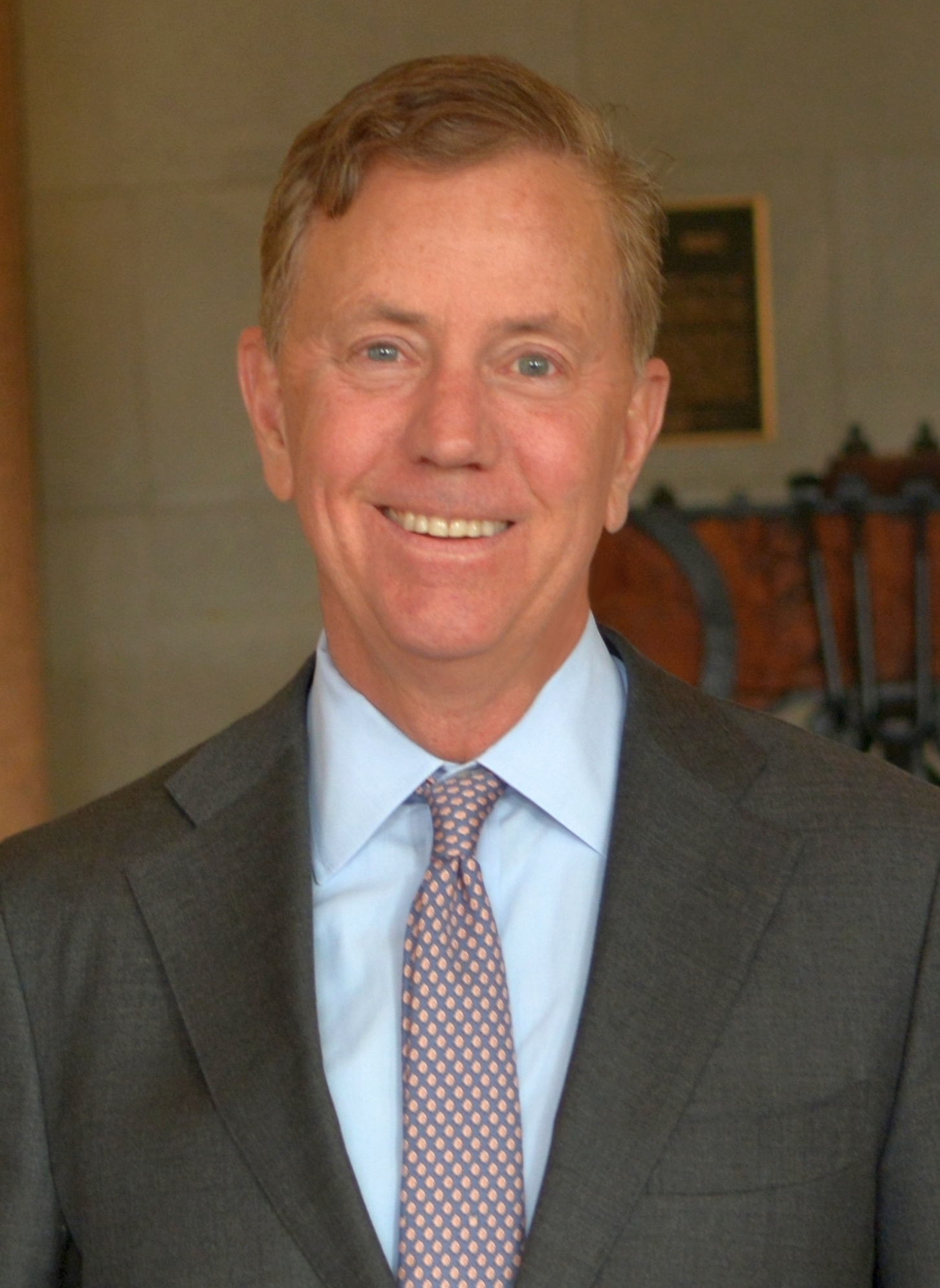 Ned LamontGovernor of Connecticut, speaking at an Election Day event in New Haven
"Elections are local. We've got it under control."
CondemnedCase context: Should DOJ send election monitors to all 50 states?
Full statement and sources
At an Election Day event in New Haven, Lamont says the federal election monitors are not needed in Connecticut because elections are run locally and the state has them under control.
Before the statement
Around 12:30 p.m. on Election Day, Lamont speaks at a New Haven polling place alongside Mayor Justin Elicker, Rep. Rosa DeLauro and Sen. Richard Blumenthal. Federal election monitors visit several New Haven polling places that day, and Lamont rebukes their presence, saying they are not needed there.
After the statement
That afternoon, two federal monitors stand outside another New Haven school for about an hour, mostly observing voters as they enter and leave.
Why this label?
The case asks whether DOJ should send election monitors to all 50 states. Lamont rebukes the monitors' presence in New Haven and says they are not needed because Connecticut runs its own elections.
This label describes the statement's response within the context above.
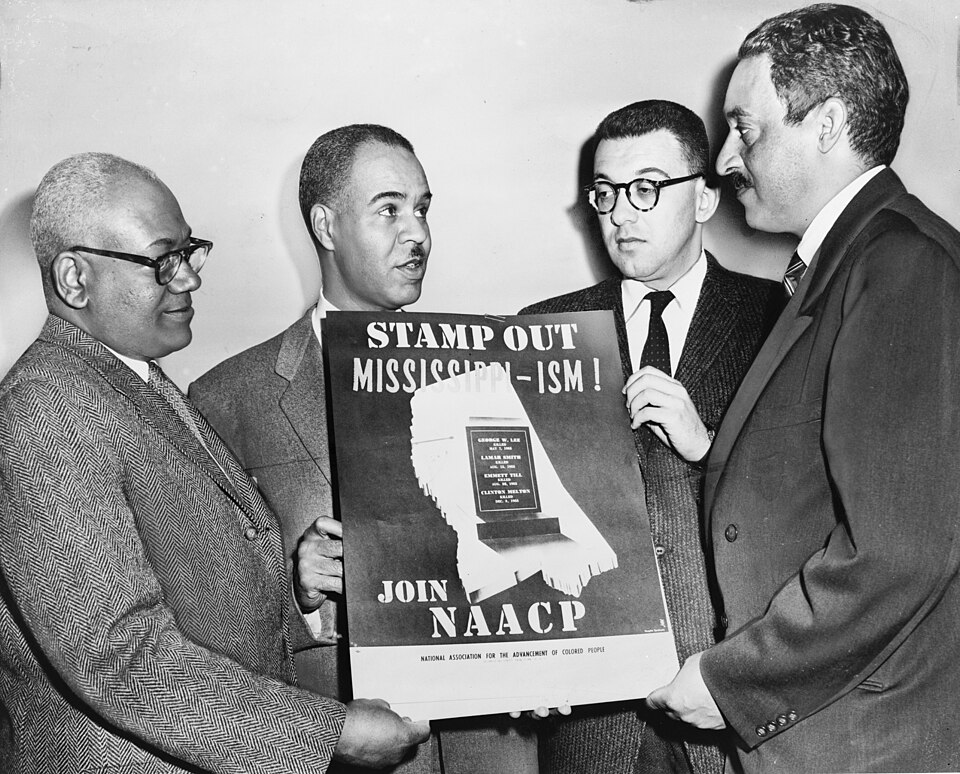 NAACPNAACP General Counsel Kristen Clarke, in an NAACP press releaseDirectly involved
"The law is clear - law enforcement agents can have an intimidating effect on voters, especially Black voters, and they have no role and no right to be inside our polling places"
CondemnedCase context: Should DOJ send election monitors to all 50 states?
Full statement and sources
The NAACP's general counsel says law enforcement agents can intimidate voters, especially Black voters, and have no place inside polling places.
Before the statement
The release announces the emergency motion and says DOJ has confirmed it will not send FBI or ICE personnel but plans to use employees of the Bureau of Prisons, DEA and ATF.
After the statement
Clarke says the NAACP is acting so that voters can reach the ballot box free from harassment, and urges every voter to cast a ballot.
NAACP announces emergency motion to keep federal law enforcement personnel from polling sites · NAACPPress release, statement of General Counsel Kristen ClarkeWhy this label?
The NAACP says law enforcement agents "can have an intimidating effect on voters, especially Black voters" and have "no role and no right to be inside our polling places". Objecting to law enforcement personnel serving as monitors condemns that part of the plan.
This label describes the statement's response within the context above.
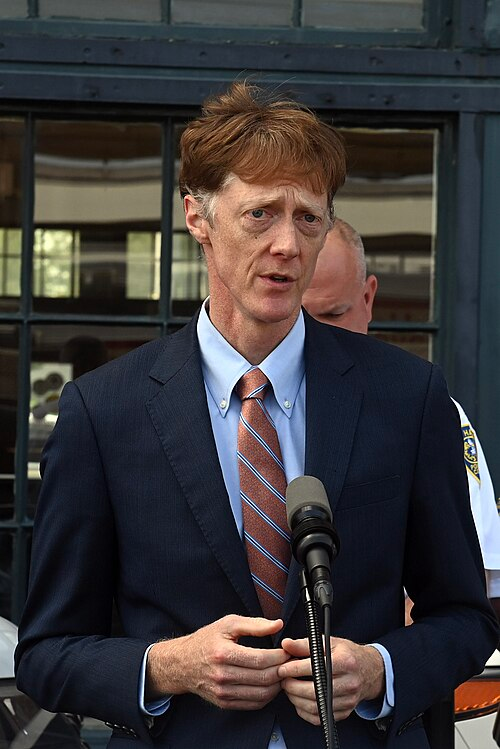 Justin ElickerMayor of New Haven, in a city statement
"Given President Trump’s repeated attempts to undermine and cast doubt on free and fair elections across the nation and given the politicization of the Department of Justice under the Trump Administration, we believe posting federal election monitors at polling places would be counterproductive and make our polling places feel less accessible."
CondemnedCase context: Should DOJ send election monitors to all 50 states?
Full statement and sources
Elicker says that, given Trump's attempts to cast doubt on elections and the politicization of DOJ, posting federal monitors at polling places would make them feel less accessible.
Before the statement
DOJ tells New Haven that it will send monitors to observe the election. Elicker says voting is the most precious right in a democracy and that the city and both registrars want every eligible voter to vote freely and without intimidation or interference.
After the statement
He says the registrars will remind poll moderators of Connecticut's rules for poll watchers, and urges New Haven residents to vote.
United States Department of Justice to send election monitors to New Haven on Election Day, mayor saysStatement by Mayor Justin Elicker and the registrars of votersDOJ plans to monitor New Haven election polls. City says monitors can't enter · CT InsiderRegistrars' October 29 response to DOJ, Elicker statement and DOJ spokesperson commentWhy this label?
The case asks whether DOJ should send monitors to all 50 states. Elicker opposes posting federal monitors at New Haven polling places, citing the president's attacks on elections and the department's politicization.
This label describes the statement's response within the context above.
Eric DaughertyChief content officer of RightLine News and Florida's Voice, in a post on X "That's common sense. Why would ANY Democrat state not want someone making sure the votes are fair?"
Defended or excusedCase context: Should DOJ send election monitors to all 50 states?
Full statement and sources
Daugherty supports sending federal monitors to the midterms and asks why any Democratic-led state would object to someone making sure the votes are fair.
Before the statement
DOJ says in an October 28 court filing that employees of the Bureau of Prisons, ATF and DEA will serve as monitors. Daugherty's post opens by announcing that DOJ is sending monitors, including ATF, BOP and DEA staff, to midterm states and sites.
After the statement
He tells followers to watch Minnesota, California, Detroit, Fulton and Maricopa closely.
Post by Eric Daugherty on X (Oct. 29, 2026, 6:47 p.m. EDT) · Eric DaughertyFull post.Trump administration says FBI, ICE will not monitor midterm elections · Spectrum NewsArticle, full textWhy this label?
The case asks whether DOJ should send monitors to all 50 states. Daugherty calls the deployment common sense and questions why states would object.
This label describes the statement's response within the context above.
Show fewer responses
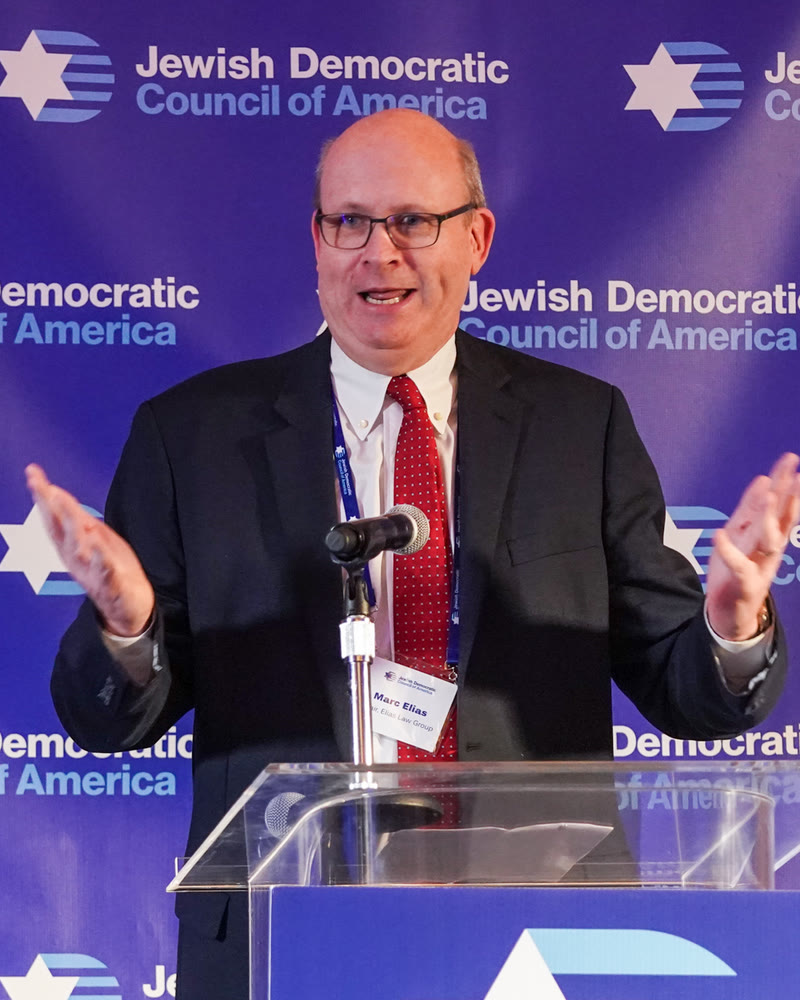 Marc EliasElection lawyer and Democracy Docket founder, in a post on X
"A top official has denied that DOJ’s plan to deploy 1,000 election monitors is any different from its practices during past races — despite the Trump administration currently bringing unprecedented and baseless lawsuits to intimidate election officials."
Challenged the characterizationCase context: Should DOJ send election monitors to all 50 states?
Full statement and sources
Elias rejects a DOJ official's sworn description of the 1,000-monitor plan as no different from past practice, pointing to administration lawsuits he says are meant to intimidate election officials.
Before the statement
In an October 28 court filing, Eric Neff, acting chief of DOJ's Voting Section, says election monitoring will be conducted as in past election cycles.
After the statement
Elias's post links to a Democracy Docket article.
Post by Marc Elias on X (Oct. 29, 2026, 12:11 p.m. EDT) · Marc EliasFull post.Trump administration says FBI, ICE will not monitor midterm elections · Spectrum NewsArticle, full textWhy this label?
The case asks whether DOJ should send monitors to all 50 states. Elias disputes the department's description of its plan as routine, citing the administration's lawsuits against election officials.
This label describes the statement's response within the context above.
- NAACPCivil rights organization, press statement issued October 29Directly involved
"The DOJ confirmed that, in contrast to previous elections, personnel from law enforcement agencies will be part of the DOJ monitoring this Election Day."
Challenged the characterizationResponding to: DOJ's expanded nationwide election-monitoring deployment is justified as routine enforcement of federal election law.
Full statement and sources
The NAACP says DOJ's October 28 declaration confirms that, unlike in past elections, personnel from law enforcement agencies will take part in monitoring on Election Day. The group notes the declaration says they will be unarmed and will not have arrest authority.
Before the statement
The NAACP issued the statement the day after DOJ filed a declaration by Eric Neff, acting chief of its Voting Section, in the NAACP's records lawsuit. The group says the declaration gave previously unannounced details while maintaining that this year's deployment is no different from past monitoring.
After the statement
The statement says these monitors will not be armed or authorized to make arrests. It quotes General Counsel Kristen Clarke saying the group remains determined to learn more about DOJ's plans, and it reminds voters that they need not talk to monitors.
Amidst Ongoing Litigation, NAACP Responds to the Department of Justice's Admission of Election Monitor Specifics · NAACPPress statement, full textWhy this label?
The NAACP says DOJ's declaration confirms that, "in contrast to previous elections", personnel from law enforcement agencies will be part of the monitoring. That disputes the department's description of the deployment as no different from past monitoring.
This label describes the statement's response within the context above.
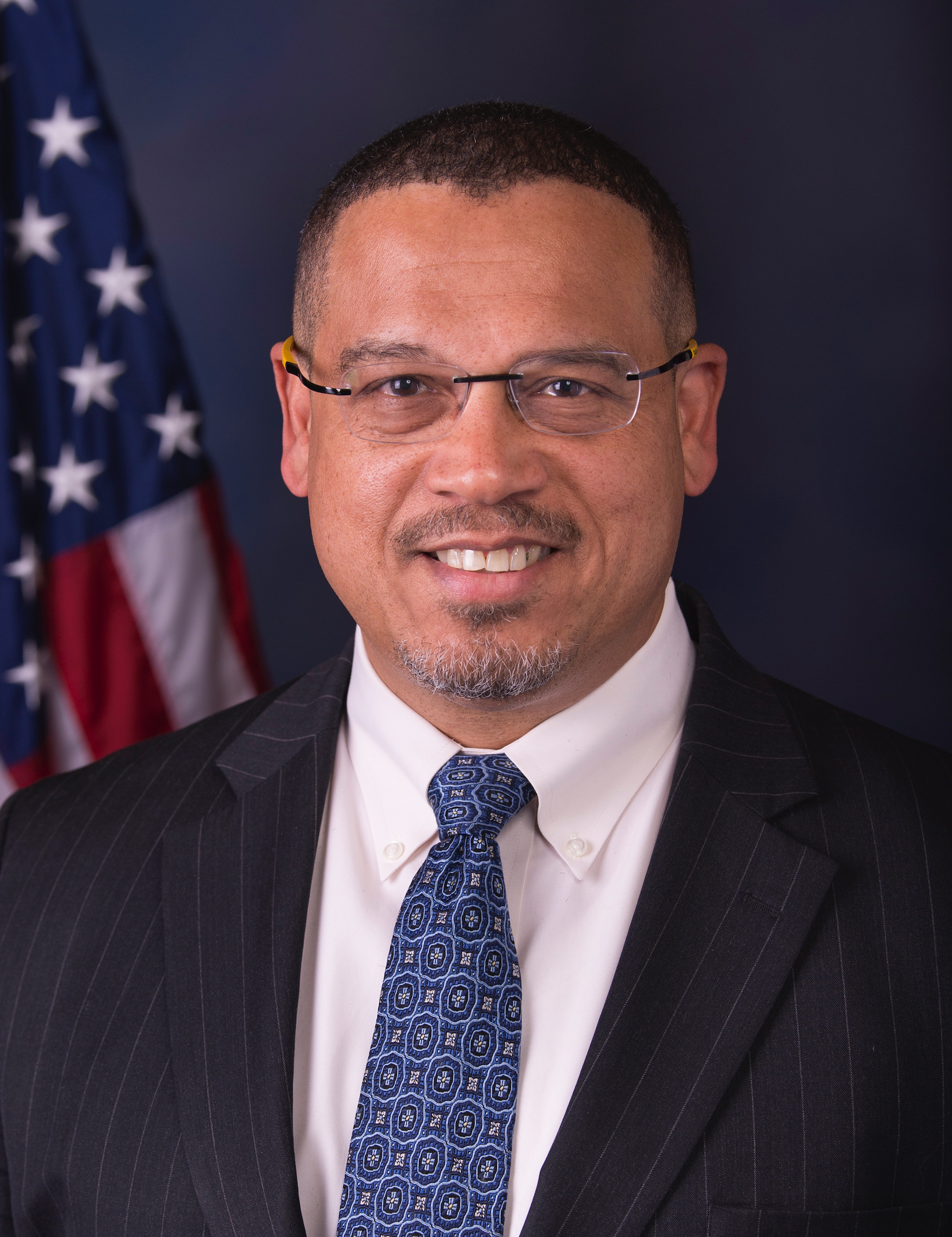 Keith EllisonMinnesota attorney general, in a CNN interview
"Now it feels like the president is using this as another weapon that he often deploys against states that don't support him."
CondemnedResponding to: DOJ's expanded nationwide election-monitoring deployment is justified as routine enforcement of federal election law.
Full statement and sources
Minnesota Attorney General Keith Ellison says DOJ's monitoring under President Trump has a different tone from the cooperative monitoring of the Biden administration, and that the president is using it as a weapon against states that do not support him. He says Minnesota will cooperate and expects the monitors to see a fair election.
Before the statement
CNN anchor Sara Sidner notes that federal monitors were sent to Minnesota and other states for primary elections under the Biden administration and asks Ellison whether he views the Trump administration's monitors differently. He answers that he does and that the tone is very different.
After the statement
Ellison says the tone is different but that Minnesota is ready to cooperate and expects monitors to see a fair and efficient election. Asked whether the state will again send its own observers, he says monitors should stay within their legal role and that the state is prepared to go to court if they do not.
"The tone is different": Minnesota AG reacts to DOJ sending election monitors to all 50 states · CNNVideo, 0:09 to 1:46Why this label?
Ellison says Minnesota will cooperate and would go to court only if monitors exceed their legal role, but he says it "feels like the president is using this as another weapon that he often deploys against states that don't support him". Calling the deployment a political weapon condemns it.
This label describes the statement's response within the context above.
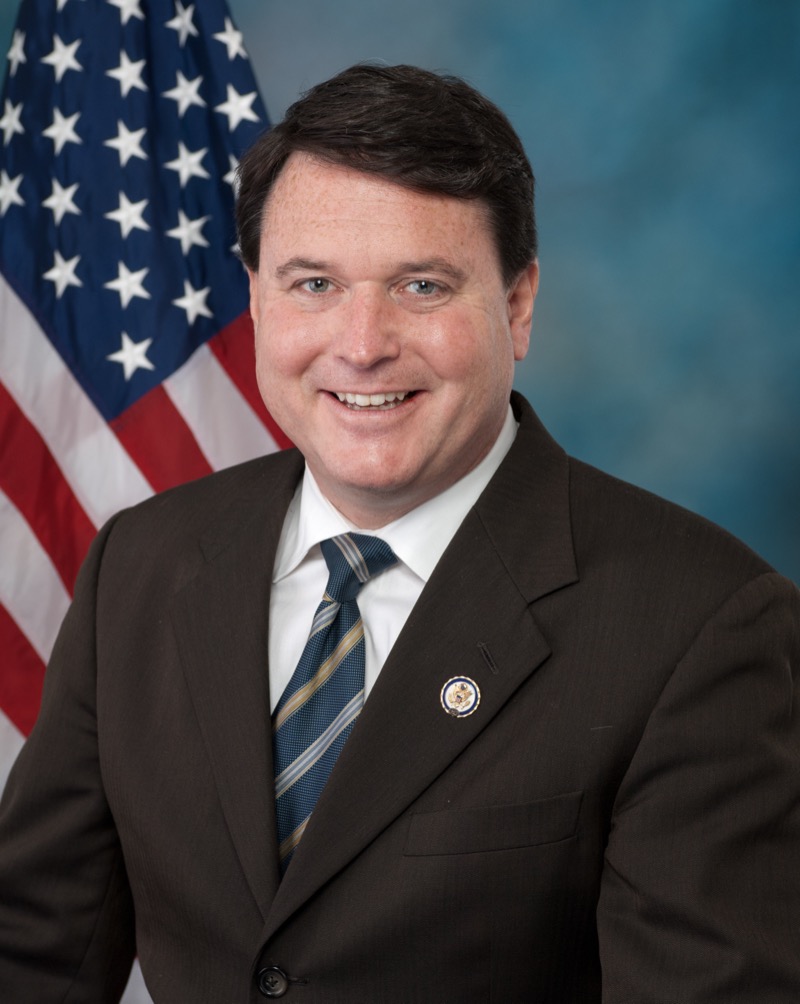 Todd RokitaIndiana Attorney General, in a statement released October 26
"To help make that happen, I welcome the Department of Justice sending election monitors into Indiana on November 3."
Defended or excusedCase context: Should DOJ send election monitors to all 50 states?
Full statement and sources
Indiana's attorney general welcomed DOJ's plan to send election monitors to polling sites in Marion and Lake counties, saying he wants elections run securely so voters can trust the results.
Before the statement
Rokita said that as attorney general and a former secretary of state who led Indiana's adoption of the first state photo voter ID law, he wants every election to be secure and run as effectively as possible so that voters trust the results.
After the statement
The Indiana Citizen reports that election officials in Marion and Lake counties learned of the deployment from DOJ letters the previous week, and that Democratic, Libertarian and Lincoln Party figures criticized it.
ELECTION OBSERVERS: Federal monitors heading to Indiana welcomed by AG Rokita but decried by othersArticle, opening paragraphs quoting Rokita's statementRokita backs federal election monitors in Indiana; announcement does not name Monroe CountyArticle, paragraphs quoting Rokita's statementWhy this label?
Rokita welcomes the Justice Department sending election monitors into Indiana and says they add another layer of accountability to the state's own election work, so we labeled it Defended or excused.
This label describes the statement's response within the context above.
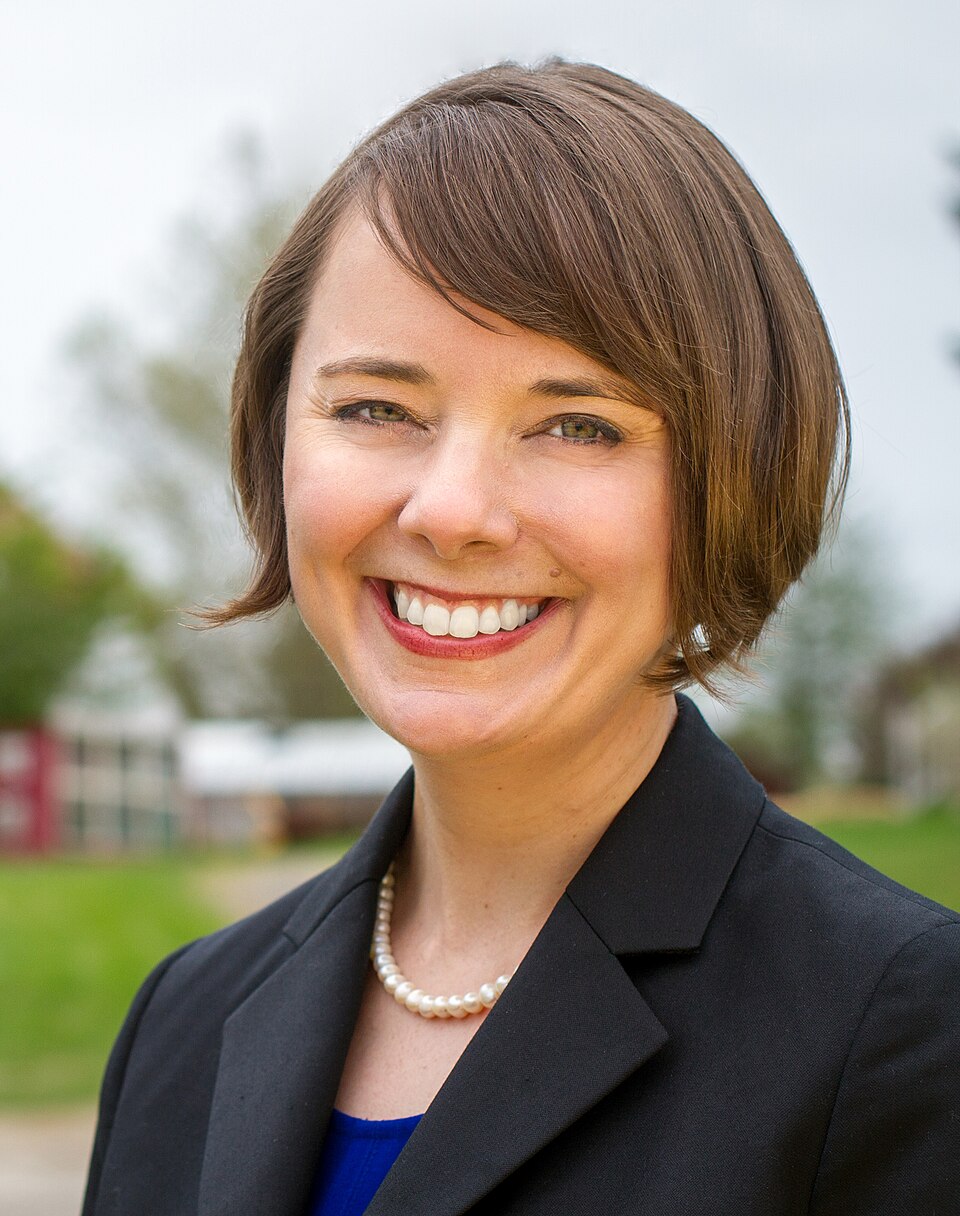 Shenna BellowsMaine secretary of state
"We will be monitoring the monitors. We will make sure that they follow all of the laws and that they don't interfere or disrupt voting on Election Day in any way whatsoever"
Mixed or conditionalResponding to: DOJ's expanded nationwide election-monitoring deployment is justified as routine enforcement of federal election law.
Full statement and sources
Bellows calls election monitoring routine and says voters need not be alarmed. She says state and local officials will make sure DOJ monitors follow the law and do not disrupt voting.
Before the statement
DOJ letters told Lewiston and Portland clerks that monitors would attend on Nov. 3. Bellows says DOJ under Trump has targeted voting rights in unprecedented ways but that she does not want voters to be alarmed.
After the statement
She says DOJ monitors in Wyoming's primary crossed a line with intrusive questioning, and that officials will discuss preventing such problems in a meeting with DOJ.
NEWS CENTER Maine: Justice Department to send election monitors to polls in Portland, LewistonFull article, updated October 24, 2026Why this label?
She accepts DOJ monitoring as routine on the condition that monitors follow the law, while criticizing the department's wider record on voting rights.
This label describes the statement's response within the context above.
 Jena GriswoldColorado secretary of state
"lay the groundwork for MAGA and Trump to reject the results if they don't go their way."
CondemnedResponding to: DOJ's expanded nationwide election-monitoring deployment is justified as routine enforcement of federal election law.
Full statement and sources
Griswold tells PBS News she sees no reasonable basis for the monitors. She says DOJ is trying to undermine the 2026 elections and prepare grounds to reject the results.
Before the statement
Griswold's office received a Civil Rights Division letter naming Adams County for Election Day monitoring. She calls DOJ hostile to free and fair elections and says it has tried to intimidate secretaries of state.
After the statement
PBS reports that a senior DOJ official said monitors will not check voters' citizenship.
PBS News: How some states are responding to DOJ's plan to send 1,000 monitors on Election Day · PBS NewsHourSections "What's new this election cycle?" and "How states are responding"Why this label?
She opposes the deployment, saying it has no reasonable basis and is meant to undermine the elections.
This label describes the statement's response within the context above.
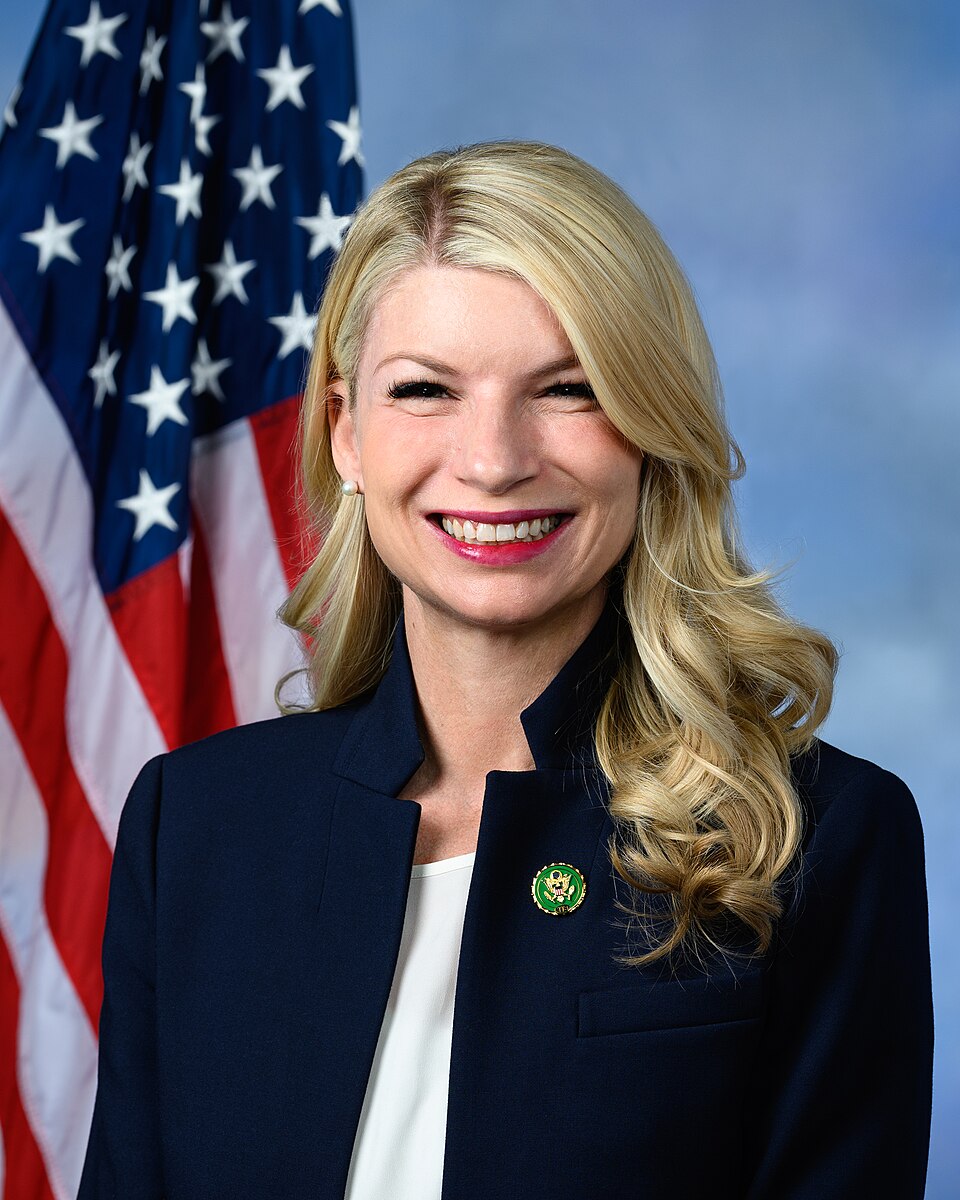 Brittany PettersenU.S. representative for Colorado's 7th Congressional District, posting on her official X account
"This is voter intimidation, plain and simple. It’s no coincidence that they’re sending these DOJ officials to one of the most competitive races in the country that could determine who wins the majority. Donald Trump and Kash Patel are trying to scare Coloradans out of their constitutional right to vote. It’s terrifying, unprecedented and undermines our democracy. None of us can be silent right now."
Checked word for word against a linked source on .
CondemnedResponding to: DOJ's expanded nationwide election-monitoring deployment is justified as routine enforcement of federal election law.
Full statement and sources
In an October 22 post on X sharing a 9News report on Justice Department election observers headed to Adams County, Pettersen calls the deployment voter intimidation. She says it is no coincidence that the officials are going to one of the country's most competitive races and that Donald Trump and Kash Patel are trying to scare Coloradans out of their right to vote.
Before the statement
Colorado Secretary of State Jena Griswold said that week that her office had received a letter from the Justice Department's Civil Rights Division saying it planned to send election monitors to Adams County, in the Denver area.
After the statement
A spokesperson for Griswold said her office was considering the department's request together with the Colorado Attorney General's Office.
Brittany Pettersen's X post of Oct. 22, 2026, 15:13 · Brittany PettersenX post of Oct. 22, 2026, 15:13 UTC, full textPBS News: How some states are responding to DOJ's plan to send 1,000 monitors on Election Day · PBS NewsHourSections "What's new this election cycle?" and "How states are responding"Why this label?
Pettersen says the Justice Department's deployment to a competitive Colorado race is voter intimidation meant to scare Coloradans out of voting, so we labeled it Condemned.
This label describes the statement's response within the context above.
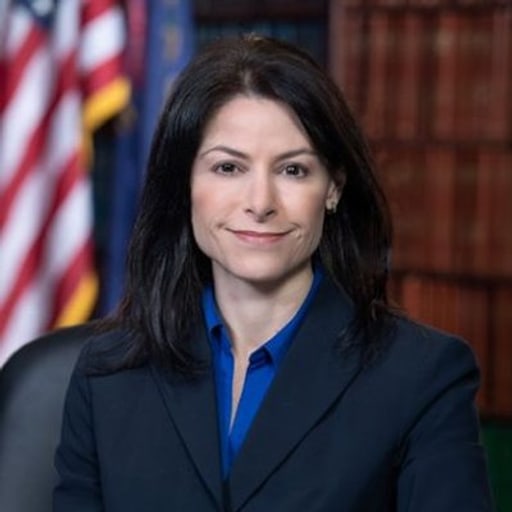 Dana NesselAttorney General of Michigan, in a joint news release with Gov. Gretchen Whitmer and the Department of State
"It's important for residents to know that DOJ monitors are a standard part of our election process, and we anticipate they will comport with state and federal law just as they did in this year's August Primary."
Mixed or conditionalCase context: Should DOJ send election monitors to all 50 states?
Full statement and sources
Responding to DOJ notices that monitors would be at polling places in seven Michigan cities, Nessel called DOJ monitors a standard part of Michigan's election process and said she expects them to follow state and federal law. She warned that her office would hold accountable anyone who unlawfully interferes with or intimidates voters or election workers.
Before the statement
The day before, DOJ's Civil Rights Division notified Detroit, East Lansing, Flint, Grand Rapids, Hamtramck, Lansing and Warren that its monitors would be present at their polling places on Election Day. Nessel opened her statement by saying the law sets parameters that allow monitors, observers and challengers to witness elections.
After the statement
She added that her office stands ready to hold accountable anyone who tries to unlawfully interfere with or intimidate Michigan voters or election workers, regardless of who they are. The release says DOJ monitors in Michigan have the standing of any other poll watcher and cannot speak with voters, touch equipment or ballots, or interfere with the election.
State of Michigan Reminder on DOJ Election MonitorsStatement by Attorney General NesselWhy this label?
Nessel accepts DOJ monitors as "a standard part of our election process" on the expectation that they will "comport with state and federal law", and pairs that with a warning that her office will hold accountable anyone who unlawfully interferes with or intimidates voters or election workers. Her acceptance rests on that condition, so we labeled it Mixed or conditional.
This label describes the statement's response within the context above.
- NAACPCivil rights organization, public statement by General Counsel Kristen Clarke on filing its lawsuitDirectly involved
"This Justice Department is abusing its power and authority by deploying ‘monitors’ to discourage people from voting and to disrupt the election process."
CondemnedCase context: Should DOJ send election monitors to all 50 states?
Full statement and sources
Announcing its lawsuit to block DOJ's monitoring plan, the NAACP's general counsel accused the department of using monitors to discourage voting and disrupt the election.
Before the statement
The statement accompanied the NAACP's October 16 lawsuit, NAACP v. Blanche, which alleges that DOJ's monitoring plan violates the Voting Rights Act's ban on voter intimidation.
After the statement
Clarke said the group would not stand by in the face of what she called an attempt to hijack the midterm election season. Advancement Project, co-counsel in the case, said the Voting Rights Act exists to protect voters from this kind of intimidation.
Complaint, NAACP v. Blanche, No. 1:26-cv-03626 (D.D.C.)Complaint for declaratory and injunctive relief, paragraphs 1 and 2 and Prayer for Relief, pages 1 to 2 and 33 to 34Why this label?
Announcing its lawsuit, the NAACP says the Justice Department is "abusing its power and authority" by deploying monitors "to discourage people from voting" and to disrupt the election process. Calling the deployment an abuse of power and suing to stop it rejects the plan itself.
This label describes the statement's response within the context above.
- NAACPCivil rights organization, official release quoting General Counsel Kristen ClarkeDirectly involved
"this administration has made clear its intent to disrupt and interfere with the way elections are run in our country"
CondemnedCase context: Should DOJ send election monitors to all 50 states?
Full statement and sources
The NAACP, through General Counsel Kristen Clarke, says the administration intends to interfere with elections. It questions the program's authority and demands records about its operation.
Before the statement
The release announces a records lawsuit and refers to Blanche's statement about deployment to all 50 states.
After the statement
Clarke calls for transparency about the monitors. The complaint asks the court to order records produced.
NAACP announces lawsuit seeking DOJ election-monitoring records · NAACPOctober 5 press release, statement by General Counsel Kristen Clarke and linked complaint.NAACP v. Dhillon: FOIA complaint and exhibits · NAACPD.D.C. case 1:26-cv-03461, document 1 filed October 2, 2026; complaint paragraphs 29-30 and 57; exhibits A-B.Why this label?
The organization's official statement condemns the disputed deployment as a threat to voting rights.
This label describes the statement's response within the context above.
Sources
(41)
Original text
NAACP v. Dhillon: FOIA complaint and exhibits
Relevant passage: D.D.C. case 1:26-cv-03461, document 1 filed October 2, 2026; complaint paragraphs 29-30 and 57; exhibits A-B.
About this source
The complaint seeks election-monitoring records under FOIA and emergency production of those records. Exhibit A is the September 1 request; exhibit B is DOJ's September 21 acknowledgement. The requested relief does not prohibit election monitoring.
- Author
- NAACP counsel
- Published
- Accessed
Original post
Brittany Pettersen's X post of Oct. 22, 2026, 15:13
About this source
Pettersen's post, linking a 9News report on Justice Department election observers headed to Adams County, calling the deployment voter intimidation aimed at Coloradans.
- Author
- Brittany Pettersen
- Published
- Accessed
Reporting
Rokita backs federal election monitors in Indiana; announcement does not name Monroe County
Relevant passage: Article, paragraphs quoting Rokita's statement
About this source
The Bloomingtonian staff report, written from Indiana Attorney General Todd Rokita's press release, on his October 26, 2026 statement welcoming federal election monitors to Indiana for the November 3 election. It quotes the statement and notes that the announcement did not name Monroe County.
- Author
- Staff Report
- Published
- Accessed
Original post
Liz Landers on X: DOJ spokeswoman on the call with New Mexico's secretary of state
About this source
Landers quotes a DOJ spokeswoman who says the department spoke with New Mexico's secretary of state and believes the Bernalillo County issue is resolved.
- Author
- Liz Landers, PBS News Hour
- Published
- Accessed
Original post
Liz Landers on X: New Mexico's secretary of state on DOJ monitors in Bernalillo County
About this source
The PBS News Hour White House correspondent reports what New Mexico's secretary of state told her about DOJ monitors questioning voters in Bernalillo County on Election Day.
- Author
- Liz Landers, PBS News Hour
- Published
- Accessed
Reporting
Bonta says he'll counter DOJ election monitors with observers of his own
Relevant passage: Full article
About this source
Fox News report on California Attorney General Rob Bonta's Election Day announcement that his office would deploy its own observers alongside DOJ monitors, listing the California counties on DOJ's monitoring list.
- Author
- James Cirrone
- Published
- Accessed
Reporting
'Weren't being wallflowers': Here's what a Utah poll worker saw when DOJ election monitors stopped by his polling location
Relevant passage: Full article
About this source
Salt Lake Tribune report of November 3, 2026 on DOJ election monitors at Salt Lake County voting centers, with remarks by County Clerk Lannie Chapman and a volunteer poll worker in Riverton.
- Author
- Samantha Moilanen, Emily R. Anderson and Addy Baird, The Salt Lake Tribune
- Published
- Accessed
Reporting
DOJ sends monitors overwhelmingly to Democratic areas
Relevant passage: Full article
About this source
Reuters report, published by the Honolulu Star-Advertiser on November 3, 2026, on DOJ's Election Day deployment, including a Reuters analysis of the 2024 presidential vote in the jurisdictions DOJ listed for monitoring.
- Author
- Doina Chiacu and Dan Rosenzweig-Ziff, Reuters
- Published
- Accessed
Original post
Rob Bonta's X post on California's election observers, November 3, 2026
About this source
Post by California Attorney General Rob Bonta on Election Day, November 3, 2026, saying his office again has election observers on the ground, in partnership with the California Secretary of State, as it did in the last two elections when the federal government deployed monitors.
- Author
- Rob Bonta
- Published
- Accessed
Reporting
Mich. officials report minor issues with tabulators, election monitors
Relevant passage: Paragraphs on DOJ monitors in Dearborn, Flint and Lansing
About this source
Detroit Free Press report, published November 3, 2026, on Election Day problems in Michigan, including a Michigan Attorney General's Office spokesperson's account of two instances in which DOJ election monitors acted outside their duties.
- Author
- Paul Egan, Detroit Free Press
- Published
- Accessed
Reporting
U.S. Justice Dept. monitors arrive at voting sites in New Haven
Relevant passage: Full article
About this source
CT Mirror report, published November 3, 2026, on federal election monitors at New Haven polling places on Election Day, with remarks by Mayor Justin Elicker, Gov. Ned Lamont, Sen. Richard Blumenthal, poll moderators and a DOJ spokesperson.
- Author
- Maia Nehme and Katy Golvala, CT Mirror
- Published
- Accessed
Official statement
DOJ To Monitor Elections in All 50 States for First Time
Relevant passage: Full release, including the jurisdiction list
About this source
DOJ press release issued on Election Day, November 3, 2026, announcing about 1,000 election monitors and observers in all 50 states, quoting Assistant Attorney General Harmeet Dhillon, and listing the counties and cities the department intends to monitor or observe.
- Author
- U.S. Department of Justice, Office of Public Affairs
- Published
- Accessed
Original text
NAACP v. Blanche: defendants' status report on excluding sworn officers from monitoring (ECF 24)
Relevant passage: Paragraphs 2 to 8
About this source
DOJ status report filed November 3, 2026 in NAACP v. Blanche, No. 26-3626 (D.D.C.), in response to Judge Walton's order. It describes how the Civil Rights Division screened its volunteer monitors for sworn law enforcement officers and explains its decision to keep Bureau of Prisons employees in the program.
- Author
- U.S. Department of Justice, Civil Division, Federal Programs Branch
- Published
- Accessed
Original text
NAACP v. Blanche: memorandum opinion and order denying the temporary restraining order (ECF 22)
Relevant passage: Pages 8 to 11
About this source
Memorandum opinion and order in NAACP v. Blanche, No. 26-3626 (D.D.C.), filed November 2, 2026. Judge Reggie Walton denies the NAACP's motion for a temporary restraining order against DOJ's Election Day monitoring program without prejudice, orders DOJ to hold to its counsel's statement at the hearing that monitors will not be law enforcement officials with arrest powers, and sets a status report deadline of 7 a.m. Eastern on November 3.
- Author
- Judge Reggie B. Walton, U.S. District Court for the District of Columbia
- Published
- Accessed
Official statement
NAACP announces emergency motion to keep federal law enforcement personnel from polling sites
Relevant passage: Press release, statement of General Counsel Kristen Clarke
About this source
The NAACP announces its emergency motion in NAACP v. Blanche and quotes its general counsel and Advancement Project.
- Author
- NAACP
- Published
- Accessed
Reporting
Democracy Docket reports the NAACP's emergency motion and DOJ's opposition
Relevant passage: Report on the November 1 motion, the November 2 hearing and DOJ's opposition
About this source
The report describes the relief the NAACP requests, Judge Reggie Walton's order setting a November 2 hearing and DOJ's argument in its opposition filing. Democracy Docket is affiliated with Marc Elias, a lawyer active in voting litigation.
- Author
- Jacob Knutson
- Published
- Accessed
Original text
NAACP v. Blanche: memorandum supporting the emergency motion for a temporary restraining order
Relevant passage: Doc. 14-1, Introduction, pp. 1-2; No. 1:26-cv-03626-RBW
About this source
The plaintiffs ask the court to bar personnel of federal law enforcement agencies from DOJ's election monitoring program, citing DOJ's October 28 statement that Bureau of Prisons, DEA and ATF employees will serve as monitors.
- Author
- NAACP; Advancement Project; Legal Defense Fund (counsel for plaintiffs)
- Published
- Accessed
Original post
Post by Eric Daugherty on X (Oct. 29, 2026, 6:47 p.m. EDT)
About this source
Eric Daugherty's own post on X.
- Author
- Eric Daugherty
- Published
- Accessed
Original post
Post by Marc Elias on X (Oct. 29, 2026, 12:11 p.m. EDT)
About this source
Marc Elias's own post on X, linking to a Democracy Docket article.
- Author
- Marc E. Elias
- Published
- Accessed
Reporting
United States Department of Justice to send election monitors to New Haven on Election Day, mayor says
Relevant passage: Statement by Mayor Justin Elicker and the registrars of voters
About this source
WFSB publishes the statement from Mayor Justin Elicker and the registrars of voters on DOJ's planned monitors.
- Published
- Accessed
Reporting
DOJ plans to monitor New Haven election polls. City says monitors can't enter
Relevant passage: Registrars' October 29 response to DOJ, Elicker statement and DOJ spokesperson comment
About this source
CT Insider reports on DOJ's email announcing monitors for New Haven and the registrars' reply, based on correspondence it obtained.
- Author
- Joshua Eaton
- Published
- Accessed
Official statement
State of Michigan Reminder on DOJ Election Monitors
Relevant passage: Statement by Attorney General Nessel
About this source
News release from the Michigan Department of Attorney General of October 22, 2026, with statements from Attorney General Dana Nessel, Gov. Gretchen Whitmer and Deputy Secretary of State Aghogho Edevbie after DOJ notified seven Michigan municipalities that its monitors would be at their polling places on Election Day.
- Author
- Michigan Department of Attorney General
- Published
- Accessed
Reporting
Pulaski County election board denies DOJ monitors access to polling locations
Relevant passage: Opening paragraph and Little Rock mayor's statement
About this source
KATV report on the Pulaski County Board of Election Commissioners' October 29, 2026 vote on whether DOJ election monitors may enter polling locations, first published before the meeting and updated that evening with the 2-1 vote to deny entry. It quotes the county's elections coordinator and Little Rock Mayor Frank Scott Jr.
- Author
- Tyre White
- Published
- Accessed
Reporting
What to know about federal election monitors in Kentucky
Relevant passage: Opening paragraphs
About this source
Spectrum News 1 report of October 26, 2026 on Jefferson County Clerk David Yates's position that Kentucky law keeps federal election monitors out of polling locations, with comments from DOJ, the ACLU of Kentucky and the Commonwealth Policy Center.
- Author
- Mason Brighton
- Published
- Accessed
Reporting
DOJ Election Monitors Barred From Polling Places as Deployment Rolls Out
Relevant passage: Sections on Indiana, Kentucky and Arkansas
About this source
Newsweek report of October 30, 2026 on election officials in Indiana, Kentucky and Washington County, Arkansas, who say DOJ monitors must stay outside polling places on Nov. 3, with a DOJ spokesperson's comments on the deployment and its list of locations.
- Author
- Billal Rahman
- Published
- Accessed
Interview
"The tone is different": Minnesota AG reacts to DOJ sending election monitors to all 50 states
Minnesota Attorney General Keith Ellison tells CNN's Sara Sidner that DOJ's monitoring under President Trump has a different tone from past federal monitoring, October 27, 2026.
Excerpt from 0:09 to 1:46 of the CNN video. DI added its logo in the corner.
Video: CNN. Excerpt used for news reporting and commentary
Watch the full original video (opens in a new tab) (relevant passage: Video, 0:09 to 1:46)
About this source
CNN News Central interview in which anchor Sara Sidner asks Minnesota Attorney General Keith Ellison about DOJ's plan to send election monitors to all 50 states and whether he sees it differently from monitoring under the Biden administration.
- Published
- Accessed
Official statement
Amidst Ongoing Litigation, NAACP Responds to the Department of Justice's Admission of Election Monitor Specifics
Relevant passage: Press statement, full text
About this source
NAACP press statement responding to the declaration DOJ filed on October 28 in the group's records lawsuit, with a statement from General Counsel Kristen Clarke.
- Published
- Accessed
Reporting
Trump administration says FBI, ICE will not monitor midterm elections
Relevant passage: Article, full text
About this source
Spectrum News report on the October 28 declaration by DOJ's acting Voting Section chief, with background on past monitoring numbers and on observer programs run by Senate Democrats and voting groups.
- Author
- Susan Carpenter
- Published
- Accessed
Original text
Declaration of Eric Neff, NAACP v. Dhillon, No. 1:26-cv-03461 (D.D.C.)
Relevant passage: Document 28-2, filed 2026-10-28, paragraphs 1 to 13, pages 1 to 4
Excerpt
"There will be no Federal Bureau of Investigation or U.S. Immigration and Customs Enforcement employees, much less agents, serving as monitors."
About this source
Sworn declaration by the acting chief of DOJ's Voting Section, filed as an attachment to the parties' October 28 joint status report in the NAACP's records lawsuit. It describes who will serve as monitors, their training and conduct rules, and why DOJ says it will not produce a full list of locations before Election Day.
- Author
- Eric Neff
- Published
- Accessed
Reporting
ELECTION OBSERVERS: Federal monitors heading to Indiana welcomed by AG Rokita but decried by others
Relevant passage: Article, opening paragraphs quoting Rokita's statement
About this source
The Indiana Citizen report on DOJ's plan to send election monitors to Marion and Lake counties, quoting a statement released by Indiana Attorney General Todd Rokita on October 26, 2026, and responses from other Indiana officials and candidates.
- Author
- Marilyn Odendahl
- Published
- Accessed
Reporting
What are election monitors? Get the facts on the DOJ's record deployment
Relevant passage: Article, sections 'Where will election monitors be deployed?' and 'What's the purpose of the program?'
About this source
Report by a Washington correspondent for Hearst stations, including KCRA, on DOJ's planned election monitoring, with statements from DOJ spokesperson Kiersten Pels and advocates.
- Author
- Jackie DeFusco
- Published
- Accessed
Reporting
NAACP sues Justice Department to block plan for 1,000 poll monitors nationwide
Relevant passage: Article, full text
About this source
Democracy Docket report on the NAACP's October 16 lawsuit against DOJ's election monitoring plan, quoting the complaint and statements by NAACP General Counsel Kristen Clarke and Advancement Project Executive Director Carmen Daugherty.
- Author
- Andrew Childers
- Published
- Accessed
Original text
Complaint, NAACP v. Blanche, No. 1:26-cv-03626 (D.D.C.)
Relevant passage: Complaint for declaratory and injunctive relief, paragraphs 1 and 2 and Prayer for Relief, pages 1 to 2 and 33 to 34
About this source
Complaint filed October 16, 2026, in the U.S. District Court for the District of Columbia by the NAACP and three voters against Attorney General Todd Blanche, Assistant Attorney General Harmeet Dhillon and the Department of Justice, challenging DOJ's election monitoring plan under Section 11(b) of the Voting Rights Act and the Administrative Procedure Act.
- Author
- NAACP; Advancement Project (counsel for plaintiffs)
- Published
- Accessed
Reporting
NPR: The Justice Department begins notifying counties where it wants to monitor elections
Relevant passage: Full article
About this source
NPR reports that DOJ began notifying counties on Tuesday, Oct. 20, that it wants to monitor them on Election Day, starting with counties in Colorado, Florida, Minnesota, Texas and Washington. It reports that state officials were not notified at first and quotes DOJ spokesperson Kiersten Pels.
- Author
- Miles Parks
- Published
- Accessed
Reporting
Washington Examiner: DOJ election monitors dispatched nationwide ahead of 2026 midterms
Relevant passage: Full article
About this source
The Washington Examiner reports DOJ monitoring notices to counties in Georgia, Pennsylvania, Texas, Washington, Florida, Minnesota and other states, and quotes a DOJ spokesperson saying monitors will be in all 50 states.
- Author
- Emily Hallas
- Published
- Accessed
Reporting
NEWS CENTER Maine: Justice Department to send election monitors to polls in Portland, Lewiston
Relevant passage: Full article, updated October 24, 2026
About this source
Clerks in Lewiston and Portland received DOJ letters on Oct. 21 saying monitors would attend on Nov. 3. A DOJ spokesperson confirms monitors in all 50 states and describes their role. Maine Secretary of State Shenna Bellows says state officials will make sure the monitors follow the law.
- Author
- NEWS CENTER Maine Staff, Christian Harsa
- Published
- Accessed
Reporting
PBS News: How some states are responding to DOJ's plan to send 1,000 monitors on Election Day
Relevant passage: Sections "What's new this election cycle?" and "How states are responding"
About this source
PBS News reports that DOJ plans to send 1,000 monitors to all 50 states on Nov. 3 and that states have begun receiving notices. Colorado Secretary of State Jena Griswold says her office received a Civil Rights Division letter naming Adams County. Kansas Secretary of State Scott Schwab calls the deployment more symbolism than substance. A senior DOJ official says prosecutors will take part as monitors.
- Author
- Liz Landers and Joshua Barajas
- Published
- Accessed
Official statement
DOJ: About federal observers and election monitoring
Relevant passage: Federal Observers and Election Monitoring sections.
About this source
DOJ distinguishes court-authorized Voting Rights Act observers from monitoring by Civil Rights Division attorneys and staff. The page supplies background on these different arrangements.
- Accessed
Reporting
Todd Blanche on nationwide election monitoring: Fox News Sunday excerpts
Relevant passage: Transcript of the monitoring exchange, including Shannon Bream's armed-agents question; October 4 broadcast.
About this source
Blanche says DOJ hopes to deploy at least 1,000 monitors across every state. He rejects the characterization that the monitors will be armed federal agents and describes monitoring as routine election work.
- Author
- Pam Key
- Published
- Accessed
Original post
Harmeet Dhillon defends the election-monitoring deployment
About this source
Dhillon describes trained legal professionals who observe and document voting, with later action if needed. She calls monitoring a longstanding practice and the coming effort the largest in history.
- Author
- Harmeet Dhillon
- Published
- Accessed
Official statement
NAACP announces lawsuit seeking DOJ election-monitoring records
Relevant passage: October 5 press release, statement by General Counsel Kristen Clarke and linked complaint.
About this source
The NAACP criticizes the nationwide plan and requests transparency about authority, personnel and locations. Its October 5 announcement follows the complaint filed October 2.
- Published
- Accessed
Share or embed this case
The embed keeps its attribution link to The Dispute Index. Credit the image to The Dispute Index and link to the case page.
Cite this record
- Publisher
- The Dispute Index
- Title
- Should DOJ send election monitors to all 50 states?
- First published
- Last updated
- Permalink
- https://disputeindex.com/cases/doj-election-monitors-all-50-states-naacp
The Dispute Index. "Should DOJ send election monitors to all 50 states?". First published: 2026-10-08. Last updated: 2026-10-10. https://disputeindex.com/cases/doj-election-monitors-all-50-states-naacp