Public disputes over the legal status, medical care, public accommodation, athletic participation and political representation of transgender and non-binary people, and over how candidates, officials and commentators speak about them.
Published coverage on this page: 4+ cases · 24+ statements. Statements are ordered newest first.
Topic updates
Follow this topic
Get free email updates about Transgender Rights. We will email you when we add or correct a case in this topic.
Enable JavaScript to request email updates about this topic.
We will send a confirmation email first. Every update email has a link to stop. How we handle your email.
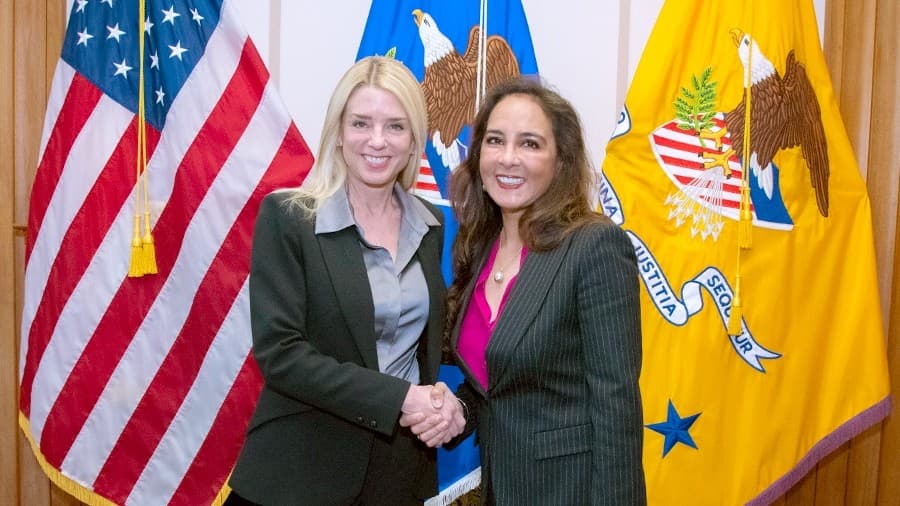
Blanche praises Dhillon's civil-rights enforcement and Dhillon lists her priorities. HRC says she depleted the division and targeted LGBTQ+ people, creating a dispute over what her tenure achieved.
Role at the time: Nassau County Attorney Thomas Adams, in a statement reported by WABC-TV
Defended or excused
Response to this claim
Nassau County's ban on teams that include transgender women and girls in women's and girls' sports at county facilities protects the integrity and safety of women's sports.
“we are reviewing the decision with the intention to continue the appeals process.”
The reference point is Nassau County's law barring women's and girls' teams that include transgender women and girls from county parks and facilities, which the Second Department struck down on November 4, 2026. The county says it will keep appealing the ruling that struck down its law, which continues its defense of the ban.
Role at the time: Gabriella Larios, senior staff attorney at the New York Civil Liberties Union, which represents the Long Island Roller Rebels, speaking to WABC-TV
Condemned
Response to this claim
Nassau County's ban on teams that include transgender women and girls in women's and girls' sports at county facilities protects the integrity and safety of women's sports.
“I want people to understand that this ban is unjust, and it is aimed at excluding trans people from places they have grown up, from communities that they feel safe in”
The reference point is Nassau County's law barring women's and girls' teams that include transgender women and girls from county parks and facilities, which the Second Department struck down on November 4, 2026. The NYCLU's lawyer calls the ban unjust and aimed at excluding transgender people, which condemns it.
Role at the time: New York attorney general, in a statement after the ruling
Condemned
Response to this claim
Nassau County's ban on teams that include transgender women and girls in women's and girls' sports at county facilities protects the integrity and safety of women's sports.
“No one asked for this illegal and exclusionary policy. Bruce Blakeman was just trying to stop athletes from playing with their teammates. I am pleased the court saw right through it.”
The reference point is Nassau County's law barring women's and girls' teams that include transgender women and girls from county parks and facilities, which the Second Department struck down on November 4, 2026. James calls the law illegal and exclusionary and says Blakeman was trying to keep athletes from their teammates, which condemns it.
Role at the time: Carmack Waterhouse Professor of Law and Economics at Georgetown University Law Center, in an email to Dispute Index
Mixed or conditional
Statement summary
Georgetown law professor David Super says agencies often reissue policies after a court sets them aside, so DOJ's choice to reissue grant conditions is not especially unusual, and notes that the court declined to bar new conditions. He adds that the administration has a well-established pattern of reissuing policies it has been enjoined from applying in a new format.
“the Department's choice to reissue grant conditions is not especially unusual. ... That being said, this Administration has a well-established pattern of re-issuing the very policies it has been enjoined from applying in a new format.”
Read the full email
In vacatur cases generally, defendant agencies can and often do reissue
parts of their policy that the court did not hold unlawful or issue
substitute policies that they believe will avoid the court's objections.
These are sometimes challenged, either by the prior plaintiffs or by others
disadvantaged by the revised policies. Therefore, the Department's choice
to reissue grant conditions is not especially unusual. In this case in
particular, plaintiffs asked the court to enter an injunction barring the
Department from imposing new conditions in the future and the court found
such an order excessive based on the record before it. Therefore, the
court clearly contemplated that new conditions would be forthcoming and
reserved judgment as to their legality until they are issued and possibly
brought before the court.
That being said, this Administration has a well-established pattern of
re-issuing the very policies it has been enjoined from applying in a new
format. We saw this, for example, in the broad funding freeze implemented
a few days after it took office. Federal courts in Washington, D.C., and
in Rhode Island enjoined the freeze, and the Administration responded by
rescinding the OMB calling for the freeze but continued to refuse to
release the funds. It reissued sweeping tariffs under questionable legal
authority after the Supreme Court enjoined President Trump's initial
tariffs. And it has indicated that it wants to re-impose restrictions on
birthright citizenship despite losing on that, too, in the Supreme
Court. Plaintiffs and other grantees therefore should compare any new
grant conditions with the court's opinion to see if they are disregarding
adverse legal holdings.
Emailed comment from David Super to Dispute Index on DOJ's domestic-violence grant conditions · David SuperEmail to Graham Weller of Dispute Index, November 2, 2026; sent on the record
What this label refers to
The case concerns DOJ's domestic-violence grant conditions. Super does not judge the conditions themselves. He says reissuing conditions after a vacatur is not especially unusual and that the court expected new ones, but warns that the administration has a pattern of reissuing enjoined policies in a new format and says grantees should check the new terms against the court's holdings, a conditional assessment.
Role at the time: Political action committee, through its lawyer, Steve Roberts, in an email quoted by the Houston Chronicle
Denied
Statement summary
The fund's lawyer denies reports that the fund was involved and disputes the accuracy of the attribution.
“My client vehemently denies the accuracy, authenticity, and attribution of any reporting that it was involved in activity targeting Texans”
Open source (opens in a new tab)Republican women's group says it was wrongly tied to transgender mailer campaignParagraphs quoting the fund's lawyer, Steve Roberts
What this label refers to
The lawyer denies the fund's involvement in the activity under scrutiny and disputes the attribution in the deposition.
Role at the time: State ACLU affiliate whose foundation is cooperating counsel for the plaintiffs, in a statement by executive director Steven Brown
Condemned
Response to this claim
The agency priorities that HHS grantees must align with are so vague that they expose grantees to arbitrary enforcement, including False Claims Act actions and grant termination.
Quotation excerpt
“These restrictions are incredibly broad and put grant applicants between a rock and a hard place: They can choose to apply and accept restrictions that are counter to their own missions or not apply, lose the grant funding, and be unable to…”
Read full quotation
“These restrictions are incredibly broad and put grant applicants between a rock and a hard place: They can choose to apply and accept restrictions that are counter to their own missions or not apply, lose the grant funding, and be unable to support the people in their communities.”
Read the official statement (opens in a new tab)Nonprofit Groups, State Domestic Violence and Sexual Assault Coalitions Challenge Unlawful Conditions Imposed by HHS · ACLU of Rhode IslandFull release
Why we used this label
The reference point is HHS's grant conditions requiring recipients to align with agency priorities and advance the President's policy priorities. The ACLU of Rhode Island, whose foundation is cooperating counsel for the plaintiffs, calls the restrictions unlawful and broad, which condemns them.
Role at the time: Membership coalition of child and family service providers and lead plaintiff, in a statement by executive director Tanja Kubas-Meyer
Condemned
Response to this claim
HHS's requirement that grant recipients align with agency priorities and advance the President's policy priorities exceeds HHS's statutory authority.
“Federal funding should support children and families' needs and not be conditioned on ideological restrictions that conflict with providers' missions and obligations.”
Read the official statement (opens in a new tab)Nonprofit Groups, State Domestic Violence and Sexual Assault Coalitions Challenge Unlawful Conditions Imposed by HHS · ACLU of Rhode IslandFull release
Why we used this label
The reference point is HHS's grant conditions requiring recipients to align with agency priorities and advance the President's policy priorities. The lead plaintiff calls them ideological restrictions that conflict with providers' missions and obligations, which condemns them.
Role at the time: Statewide domestic violence coalition and plaintiff, in a statement released by the ACLU of Rhode Island
Condemned
Statement summary
In a statement announcing the suit, the coalition says the conditions would harm Black and Brown communities, immigrants, LGBTQIA+ people and other vulnerable groups and force organizations to choose between federal funding and their work.
“Survivors deserve access to safety and support without unnecessary barriers, yet, these harmful restrictions imposed by the Department of Health and Human Services threaten that fundamental principle.”
Read the official statement (opens in a new tab)Nonprofit Groups, State Domestic Violence and Sexual Assault Coalitions Challenge Unlawful Conditions Imposed by HHS · ACLU of Rhode IslandFull release
What this label refers to
The reference point is HHS's grant conditions requiring recipients to align with agency priorities and advance the President's policy priorities. The coalition, a plaintiff, calls the restrictions harmful and says they would force organizations to choose between funding and the integrity of their work, which condemns them.
Role at the time: Political action committee, through a spokesperson quoted by The Texas Tribune and CBS News Texas
Denied
Statement summary
The fund denies any role in the Texas texts or similar mailers.
“We did not authorize, fund, direct, coordinate, or participate in these activities in any capacity”
Open source (opens in a new tab)Deposition ties national GOP women's group to texts about transgender youthOpening paragraphs, including the fund spokesperson's response
What this label refers to
The fund expressly denies the alleged involvement under scrutiny in the case.
Role at the time: Democratic U.S. Senate nominee, speaking to reporters after a Fort Dodge campaign event
Defended or excused
Statement summary
Turek says angering people on both sides of the aisle probably means he is in the right place.
“Honestly, I think if you got some folks angry with you on both sides of the aisle, you're probably in the right place”
Open source (opens in a new tab)Turek under fire from both sides for ad opposing transgender women playing in women's sportsOctober 29, 12:19 p.m. CDT entry: Turek under fire from both sides
What this label refers to
Relative to the ad's policy positions under scrutiny, Turek answers the bipartisan criticism by saying that angering people on both sides suggests he is in the right place.
Role at the time: Iowa state representative for House District 80, in an interview with Gray Media Iowa
Condemned
Statement summary
Iowa state Rep. Aime Wichtendahl, a Democrat who served with Turek in the Iowa House, said his ad was disappointing and its talking points would not win votes, and that she would hold him accountable if he is elected.
Quotation excerpt
“You don’t need to throw people under the bus to win elections. The plain fact is that these talking points don’t win elections. These talking points aren’t going to gain you anything with the voters ... If he is elected, I will spend every…”
Read full quotation
“You don’t need to throw people under the bus to win elections. The plain fact is that these talking points don’t win elections. These talking points aren’t going to gain you anything with the voters ... If he is elected, I will spend every single day holding his feet to the fire, reminding him that equality is not negotiable”
Role at the time: Republican U.S. representative and Senate nominee, at a Coralville rally
Challenged the characterization
Statement summary
Hinson says Turek is trying to act like a Republican and run away from his liberal record.
“He is trying to act like a Republican to win this election here in Iowa, and he has to run away from his liberal record”
Open source (opens in a new tab)Josh Turek ad on transgender issues draws bipartisan criticismAd text, organizational statement and Hinson's Coralville remarks
What this label refers to
Relative to the ad, Hinson disputes its presentation of Turek's record, rather than rejecting the restrictions it advocates.
Role at the time: Civic organization, letter by Janet Lenart and Phillippa Kassover
Condemned
Statement summary
League representatives sign a letter urging a no vote on three initiatives, including I-638. Their I-638 argument is that requiring doctors to certify girl athletes' sex, without a similar requirement for boy athletes, violates privacy and equal protection.
“IL26-638 is likely unconstitutional because it violates Washingtonians' rights to privacy and equal protection by requiring doctors to certify a girl's sex while it has no similar requirements for boy athletes.”
Role at the time: Democratic nominee for U.S. Senate in South Carolina, speaking to reporters after a town hall in Winnsboro
Condemned
Statement summary
After a town hall in Winnsboro, Andrews responds to the remarks Trump made about her at a rally the day before. She says he said horrible, dishonest things about her, and that if doing so would lower gas and grocery prices and keep rural hospitals open, he can say whatever he wants.
“Yes, he stood on that stage and said horrible things about me, dishonest things about me. If doing that was going to lower gas prices and grocery prices and keep our rural hospitals open, he can say whatever he wants to say”
The reference point is Trump's use of an anti-transgender slur for Andrews while campaigning for Darline Graham, which he repeated at the rally Andrews is responding to. Andrews calls what Trump said about her there horrible and dishonest, which condemns it.
Flores-Rodarte calls the sex verification the measure requires extremely invasive and unnecessary, and says it is discriminatory because it applies only to girls. He warns that families who cannot afford hormone or genetic testing could face genital exams.
“extremely invasive and unnecessary”
Open source (opens in a new tab)Washington candidates and clinicians discuss I-638Original interviews and reported October 16 Braun appearance
What this label refers to
The statement criticizes the proposed sports-eligibility requirement.
Role at the time: Texas state representative and Democratic nominee for U.S. Senate, in an interview on The New York Times podcast The Daily
Condemned
Response to this claim
People who say the kinds of things James Talarico has said about transgender children and drag tend to have unusual internet search histories, so Talarico's search history would be disturbing to see.
Quotation excerpt
“I think this is an example of what I call the rage economy. Conspiracy theorists can post anything they want online. Politicians can say anything they want online. The poster gets clicks. We all get angry on both sides, and no one’s life…”
Read full quotation
“I think this is an example of what I call the rage economy. Conspiracy theorists can post anything they want online. Politicians can say anything they want online. The poster gets clicks. We all get angry on both sides, and no one’s life gets any better.”
Open the original interview (opens in a new tab)James Talarico on the Rage Economy, Billionaires and Flipping Texas · The New York TimesEpisode transcript; Barbaro asks about Vance's search-history remarks early in the interview
Why we used this label
Talarico treats the remarks as one more case of politicians saying anything online for clicks while nobody's life improves, which is a criticism of them, so we labeled it Condemned.
Role at the time: State professional association of family physicians
Condemned
Statement summary
The campaign release reports that the Washington Academy of Family Physicians adopted opposition to I-638. The position recorded here is the academy's documented decision.
“Action: Adopted opposition to Initiative IL26-638.”
Role at the time: State senator and congressional candidate
Defended or excused
Statement summary
OPB reports that Braun urges support for I-638. Speaking on Fox News on October 16, he describes the sports issue as one of common sense, fairness and safety and says it is simple biology.
“It's a common sense issue, it's a fairness issue, it's a safety issue”
Open source (opens in a new tab)Washington candidates and clinicians discuss I-638Original interviews and reported October 16 Braun appearance
What this label refers to
The reference point is I-638's sex-verification requirement for girls' sports. Braun backs the measure and describes the issue it addresses as one of fairness and safety.
Todd Blanche is the 88th attorney general of the United States, sworn in on August 10, 2026. He became deputy attorney general in March 2025 and later served as acting attorney general. Earlier he was a federal prosecutor in the U.S. Attorney's Office for the Southern District of New York and then a defense lawyer in New York, where he represented Donald Trump in three criminal cases brought in 2023 and 2024.
Letitia James is a Democrat who has been New York's attorney general since 2019. She was the first woman elected to the office and the first woman of color to hold statewide office in New York, and she was re-elected in 2022 and 2026. Before that she was New York City public advocate and, for ten years, a New York City Council member for Brooklyn's 35th district. She began her career as a public defender at the Legal Aid Society.
David A. Super is the Carmack Waterhouse Professor of Law and Economics at Georgetown University Law Center. He teaches and writes about administrative law, constitutional law, legislation including the federal budget, local government law and public welfare law, and contributes to the Balkinization blog. Before teaching, he was general counsel of the Center on Budget and Policy Priorities and worked for the National Health Law Program and Community Legal Services in Philadelphia. He has also taught at Columbia, Harvard, Howard, Maryland, Penn, Washington and Lee, and Yale.
Robert F. Kennedy Jr. is the U.S. Secretary of Health and Human Services, confirmed by the Senate in February 2025. He previously worked as an environmental lawyer, chaired the nonprofit Children's Health Defense, and ran for president in 2024, first as a Democrat and then as an independent, before suspending his campaign and endorsing Donald Trump.
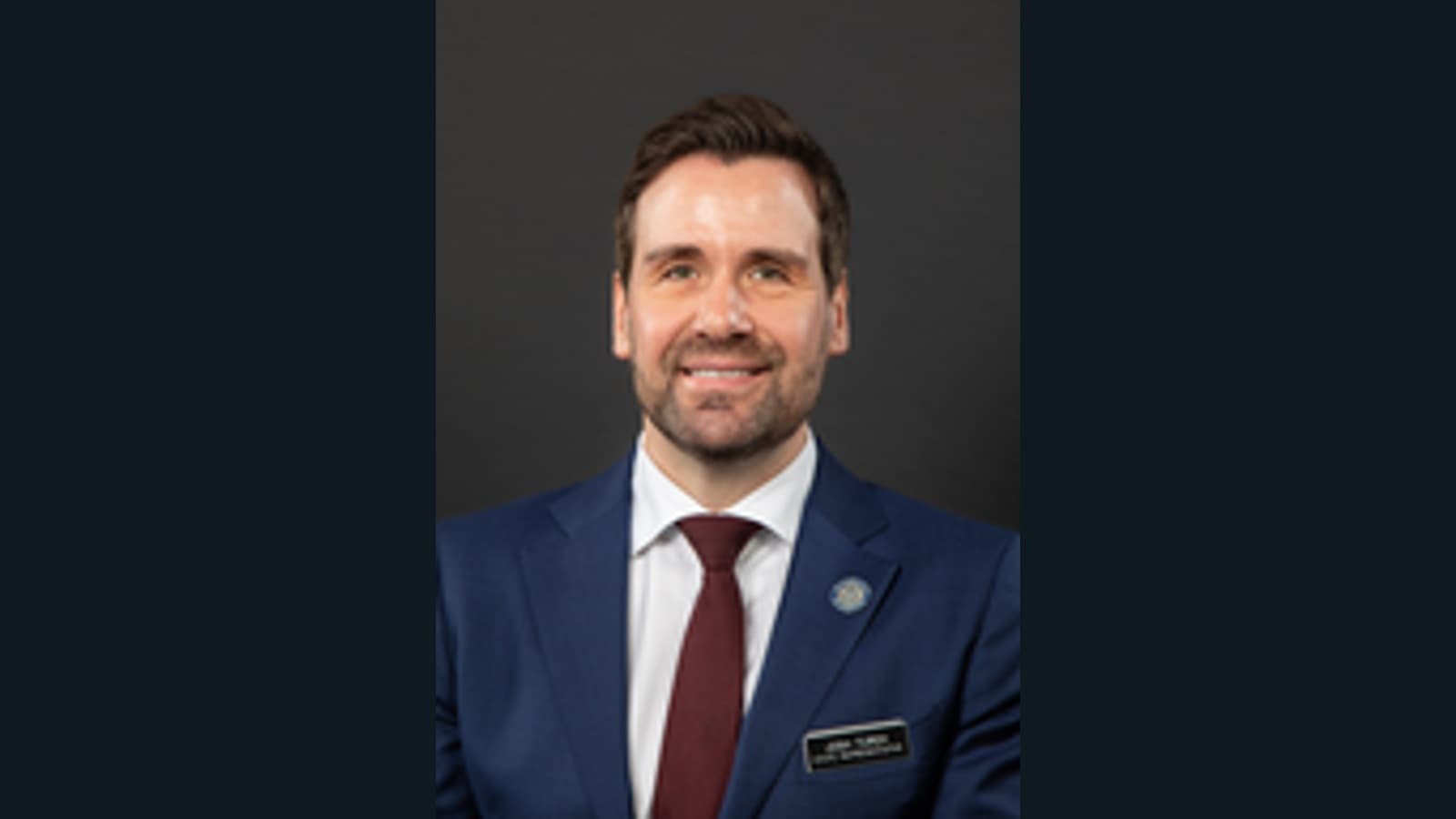
Josh Turek is an Iowa state representative, former professional wheelchair-basketball player and Democratic candidate for the U.S. Senate. He competed for the United States in four Paralympic Games and won two gold medals. He graduated from Southwest Minnesota State University in 2002 and later earned an MBA. His work has included youth adaptive-sports programs and mobility equipment.
Aime Wichtendahl is a Democratic member of the Iowa House of Representatives for District 80 in the Cedar Rapids area. Elected in 2024, she is the first transgender person to serve in the Iowa Legislature. She served on the Hiawatha City Council from 2015.
Annie Andrews is a South Carolina pediatrician and Democratic candidate for the U.S. Senate. Her medical work includes nearly two decades in children's hospitals. She earned a BS at the University of Dayton, her medical degree at the University of Cincinnati and an MS at the Medical University of South Carolina. She advocates for gun-violence prevention and access to affordable healthcare.
Jose Flores-Rodarte is a family physician at HealthPoint SeaTac in Washington. His professional interests include refugee and Latino health, LGBTQ+ health, public health and medical education.