
Does the HHS report support linking gender-affirming guidance to authoritarianism and violence justification?
An HHS survey report linked selected gender-affirmation beliefs with higher authoritarianism scores and stated political-violence justification. Its authors say it does not establish causation or measure violence; critics dispute its measures and broader framing.
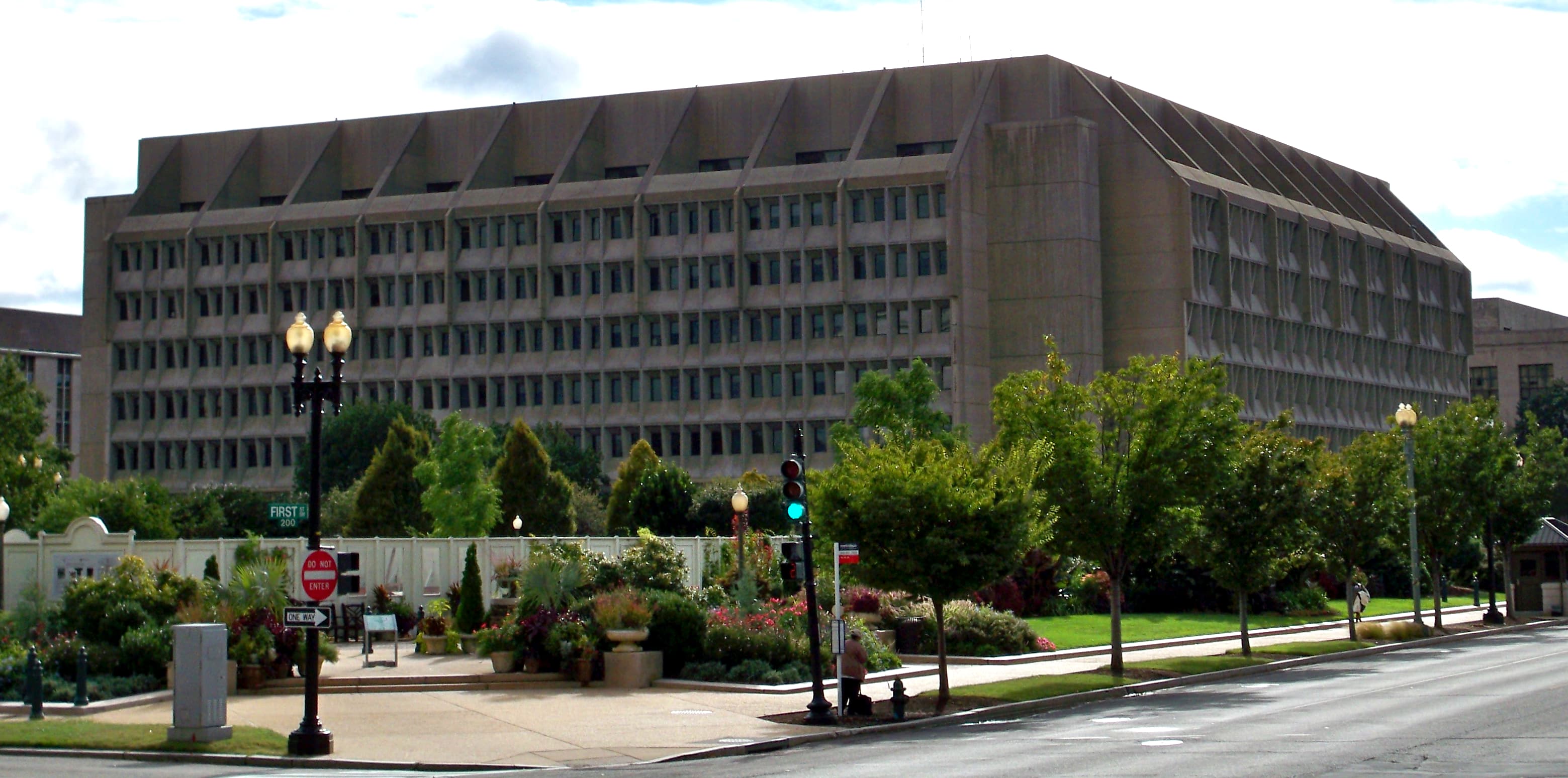
Case period:
Published by The Dispute Index editorial teamPublished Updated
Overview
The dispute concerns how far the HHS report's findings can be interpreted. It is limited to the report's selected measures, stated survey results, official caveats, and documented responses to its presentation. It does not determine whether transgender people, gender-affirming care, or any named group are inherently linked to violence.
People in this case
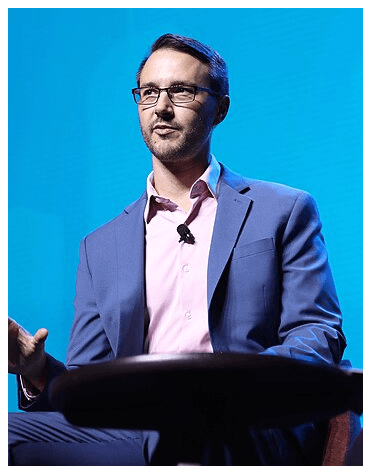 Colin WrightCommented
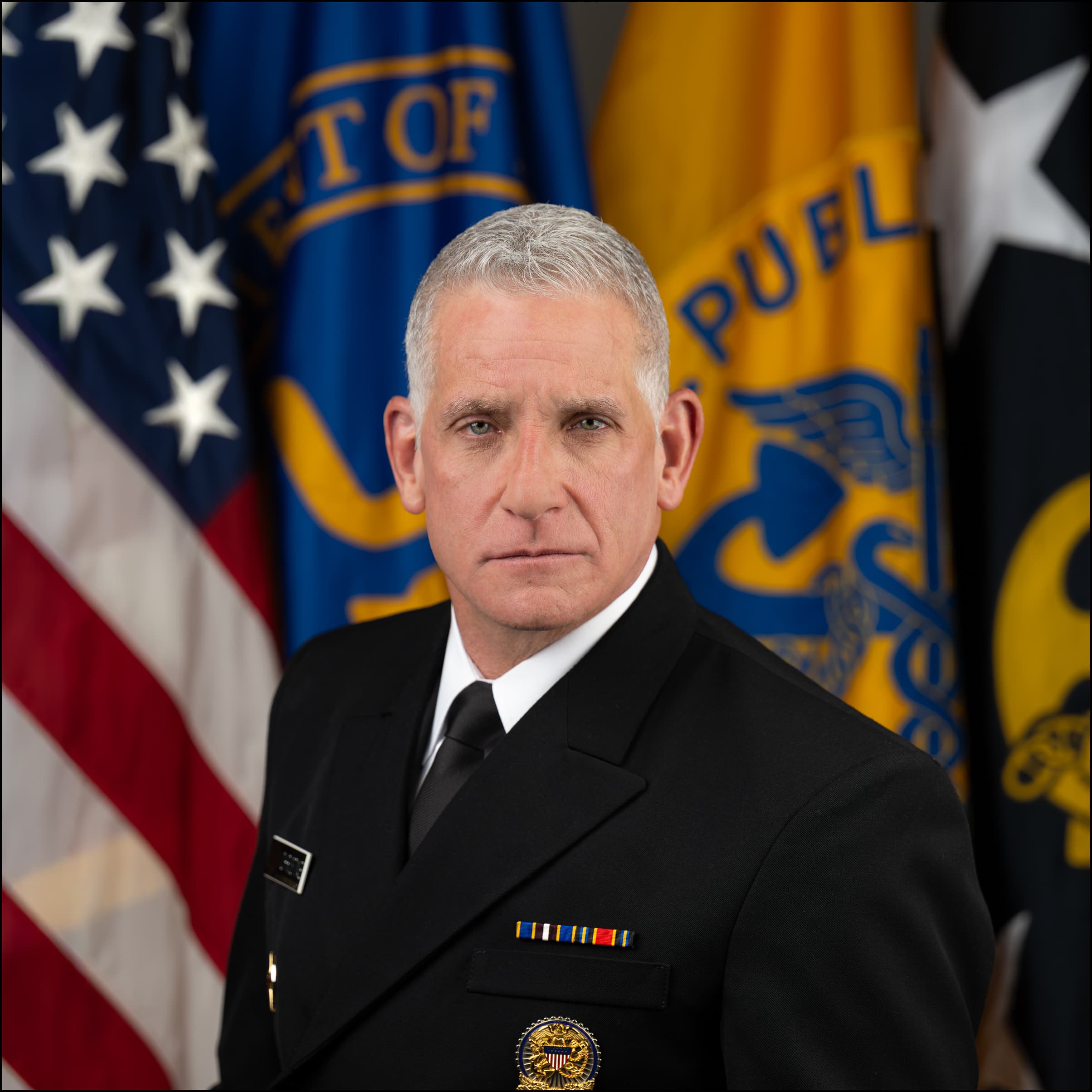 Admiral Brian ChristineCommented
Timeline
9 timeline entries on this page. Dates: August 26, 2026 to October 2, 2026
August 2026
HHS releases report on gender ideology, authoritarianism, and violence justification
Source release
HHS released a report describing associations in its 1,208-person survey sample between agreement with selected gender-affirmation statements, left-wing-authoritarianism scores, and stated justification for specified scenarios. Its release said the study did not establish causal direction or measure violent behavior or intent.
[01]U.S. Department of Health and Human Services
Source excerpt
Experimental research is needed to determine causality.
HHS-published report describing a cross-sectional survey, the new five-item Clinical Gender Affirmation Scale, and associations with left-wing authoritarianism and stated justification for specified scenarios.
Where the Clinic Meets the Movement: Does Gender Ideology Arm Left-Wing Authoritarian Psychology? · U.S. Department of Health and Human ServicesExecutive Summary; pp. 4–5, 12–15, 20[02]U.S. Department of Health and Human Services
Source excerpt
This study raises important questions about what happens when ideology is given the authority of medicine.
HHS's official release presents the report's claimed associations, quotes Assistant Secretary for Health Admiral Brian Christine calling for further scrutiny, and says the study does not determine causality or measure actual commission or intent of political violence.
HHS releases study finding individuals who associate left-wing authoritarian beliefs and radical gender ideology are more likely to justify political violence · U.S. Department of Health and Human ServicesBrian Christine statement; causal and behavior limitationsAdvocacy organisations reject the report’s framing
Reaction
The Human Rights Campaign issues the first institutional response, calling the report’s claimed connection between “left-wing authoritarianism” and violence spurious and describing the study as a waste of taxpayer funds. The response is an advocacy organisation’s position on the report’s framing rather than an assessment of its statistical methods.
[03]Human Rights Campaign
Source excerpt
spuriously claiming to connect so-called “left-wing authoritarianism” and violence
HRC's official response calls the report's claimed connection spurious, says political violence is unacceptable, and argues against demonizing groups of people. It documents an advocacy organization's institutional position, not independent validation of methodology.
HHS wastes taxpayer dollars on latest junk report trying to paint trans Americans as a threat · Human Rights CampaignOpening institutional responseFirst detailed methodological critique is published
Reaction
Epidemiologist Gideon Meyerowitz-Katz publishes a point-by-point critique questioning what the report’s left-wing-authoritarianism measure actually captures and how its political-violence scenarios were selected. It is the first published analysis to engage the instruments rather than the framing.
[04]Is There A Link Between “Transgender Ideology” And Violence?
Source excerpt
There’s no good reason to believe that people who support “gender ideology”, however you define it, are more likely to be violent extremists.
Meyerowitz-Katz's direct analysis critiques the report's interpretation of its LWA measure and its selection of political-violence scenarios. It documents his view, not our finding.
Is There A Link Between “Transgender Ideology” And Violence?Subtitle and “What Are We Really Measuring Here?” section
September 2026
Kirsche releases commentary endorsing the HHS report
Source release
Kirsche publishes an edited segment from an August 28 livestream. She reads passages from the report and argues that they support her view of gender-affirmation advocacy and authoritarianism. The HHS discussion runs from 23:07 to 51:46.
[05]The Ideology Of Violence
Kirsche reads from the HHS report and endorses its interpretation of the relationship between gender-affirmation advocacy and authoritarianism. The uploader dates the original livestream August 28.
The Ideology Of Violence23:07-51:46 HHS discussion; edited from August 28 livestreamResearchers and a clinical body dispute the report’s measures
Reaction
Reporting carries criticism of the report's instruments from named researchers and from WPATH, the professional body for transgender health. Andrew Flores, quoted on August 31, says the scales have never been validated and that the authors "just made them up on their own"; WPATH characterises the study as an attempt to villainise transgender people, and political scientist Jami Taylor says it "kind of looks like a fishing expedition." These are the first criticisms from within the relevant academic and clinical professions.
[06]What Trump’s new study says about support for trans rights — and why experts are worried
Source excerpt
a blatant attempt to villainize transgender and gender-diverse Americans
The 19th report quoting WPATH's statement and Jami Taylor's criticisms of the HHS report's methodology.
[07]The Advocate: HHS report on transgender support and violence called false
Source excerpt
These are not scales that have ever been validated. They just made them up on their own
The Advocate report repeating Andrew Flores's methodological criticism of the HHS report's scales, which it credits to an interview with Erin in the Morning.
A report coauthor qualifies its language while defending its findings
Reaction
The Guardian reports an interview with Colin Wright, a coauthor of the report, in which he says “we probably could have tightened the language a little bit more” while continuing to dispute the characterisation that the report links support for transgender people to authoritarianism or violence. The same report carries criticism from legal scholars Craig Konnoth and Daniel Aaron, the latter saying the report likely violates federal law. This is the only qualification recorded from anyone involved in producing the report.
[08]‘Nakedly political’: US attempts to link trans support to authoritarianism in new health department report
Source excerpt
We probably could have tightened the language a little bit more.
The Guardian reports on the HHS report linking support for trans people to authoritarianism and justification of political violence. It carries criticism from epidemiologist Gideon Meyerowitz-Katz and law professors Daniel Aaron and Craig Konnoth, and an interview with report coauthor Colin Wright, who says the language could have been tighter while disputing the broader characterization.
‘Nakedly political’: US attempts to link trans support to authoritarianism in new health department reportPublished September 7, 2026; updated September 8, 2026; comments from Gideon Meyerowitz-Katz, Daniel Aaron, Craig Konnoth and Colin WrightHHS replaces the report file; the text is unchanged
HHS uploads a new version of the report PDF and repoints the Office of Population Affairs landing page to it. The server records the original file as last modified on 26 August 2026 and the replacement on 11 September 2026. The new file is smaller, and previously image-only tables now carry machine-readable text. A comparison of the two versions found the body, figures and conclusions unchanged. It is an accessibility remediation, not a correction, and no correction or clarification has been issued.
[09]SocArXiv: “The alchemy linking ‘gender ideology,’ left-wing authoritarianism, and political violence: Comment on Fedida et al.”
Source excerpt
This commentary argues that the data and analyses do not support this conclusion. First, CGAS measures a narrow cluster of attitudes toward social affirmation and support, not the clinical-institutional ideology attributed to it. Second, Fedida et al. (2026) invoke selection, mediation, and effect-modification theories without specifying or testing them. In particular, an ‘ideological accelerant’ hypothesis requires an interaction between CGAS and authoritarianism, but no such interaction is estimated.
A single-author commentary on the HHS report, posted to the SocArXiv preprint server. Only version 1 exists, dated 29 August 2026. It is the most technically specified critique located, and identifies a concrete missing test — the interaction term the report’s ‘ideological accelerant’ framing would require. As a preprint it has not been peer reviewed.
SocArXiv: “The alchemy linking ‘gender ideology,’ left-wing authoritarianism, and political violence: Comment on Fedida et al.”Abstract and the sections on the CGAS measure and the untested interaction.NPR publishes criticism of the HHS study's methods
Source release
NPR reported researcher objections to the study's measures, missing comparisons and interpretation. The report also included Wright's email defense of the methods. The publication records these competing accounts; it does not resolve them.
[10]NPR investigates the HHS gender-affirmation study
NPR reporting republished by NHPR, first published September 30 at 5 a.m. EDT. The captured edition was updated October 5. It reports criticism and Wright's email response; those exchanges' dates are unspecified.
NPR investigates the HHS gender-affirmation studyMethodology discussion and quoted responses from Colin Wright and researchers
October 2026
Authors defend study and add omitted statistics
Reaction
Jussim, Fedida and Wright defended their findings while acknowledging limits on representativeness and causal inference. They supplied descriptive statistics omitted from the report and distinguished endorsing violence from committing it. These additions appeared in their essay.
[11]HHS study authors respond to criticism
Joint October 2 essay defending the study, stating limitations and supplying descriptive statistics omitted from the original report. The essay does not establish that the official report was revised.
HHS study authors respond to criticismStatement of Limitations; Findings; Justification of Violence
Claims
Claims separate what was said from what is contested. Follow each source for the original wording and context.
What's disputed
Disputed claim
U.S. Department of Health and Human Services
HHS reported that, in its analytic sample, stronger agreement with its Clinical Gender Affirmation Scale was associated with higher left-wing-authoritarianism scores and greater stated justification for specified political-violence scenarios.
Sources (2)
- Where the Clinic Meets the Movement: Does Gender Ideology Arm Left-Wing Authoritarian Psychology? · U.S. Department of Health and Human ServicesExecutive Summary; pp. 4–5, 12–15, 20
- HHS releases study finding individuals who associate left-wing authoritarian beliefs and radical gender ideology are more likely to justify political violence · U.S. Department of Health and Human ServicesBrian Christine statement; causal and behavior limitations
Disputed claim
U.S. Department of Health and Human Services
HHS said the study did not determine causal direction and did not measure whether respondents committed or intended to commit political violence.
Sources (2)
- HHS releases study finding individuals who associate left-wing authoritarian beliefs and radical gender ideology are more likely to justify political violence · U.S. Department of Health and Human ServicesBrian Christine statement; causal and behavior limitations
- Where the Clinic Meets the Movement: Does Gender Ideology Arm Left-Wing Authoritarian Psychology? · U.S. Department of Health and Human ServicesExecutive Summary; pp. 4–5, 12–15, 20
Arguments
Documented position
Alexander C. Tsai, “The alchemy linking ‘gender ideology,’ left-wing authoritarianism, and political violence: Comment on Fedida et al,” SocArXiv preprint (2026).
Tsai argues the report does not establish a radicalization inference
Tsai argues that the data and analyses described in the HHS-commissioned report do not support the conclusion that “gender ideology” radicalizes people. He says the measure at issue captures a narrow cluster of attitudes rather than the broader institutional ideology attributed to it, and that the report did not estimate the interaction needed for its proposed “ideological accelerant” hypothesis.
Limit of this argument
This is a single open preprint commentary, not a peer-reviewed adjudication. It challenges the report’s broader inference rather than disputing that the report describes associations in its sample.
Read sources
Sources
- Alexander C. Tsai commentary on HHS-commissioned report methodologyAbstract, especially paragraphs beginning “Their interpretation” and “In summary”; DOI 10.31235/osf.io/fawcq_v1.
Response record
Responses
Choose one response filter, or select All responses to see the full record.
20 responses. First 6 shown initially. Newest first.
 Colin WrightStudy coauthor, writing jointly with Lee Jussim and Ohad Fedida
Before this statement
The essay responds to criticism of the report.
"Our measures assessed endorsed justification for violence, not actually engaging in violence."
Defended or excusedCase context: Does the HHS report support linking gender-affirming guidance to authoritarianism and violence justification?
Full statement and sources
The authors defended their methods while distinguishing reported attitudes from violent acts.
After the statement
It acknowledges sample limits and adds omitted descriptive statistics.
HHS study authors respond to criticismStatement of Limitations; Findings; Justification of ViolenceWhy this label?
They defend the report's methods and interpretation while specifying what it did not measure.
This label describes the statement's response within the context above.
Helen WebberleyDoctor, medical educator and GenderGP founder Before this statement
Her essay responds to NPR's reporting and examines the study's claim about gender ideology as an accelerant.
"This is not how evidence-based research works, and it is not how policy affecting trans people's healthcare should be made."
CondemnedCase context: Does the HHS report support linking gender-affirming guidance to authoritarianism and violence justification?
Full statement and sources
Webberley argues that the report's correlations do not justify treating gender-affirmation support as a cause of radicalisation. She criticizes using that interpretation to shape healthcare policy.
After the statement
She calls for evidence that supports the conclusions used to make healthcare policy.
HHS gender-affirming care radicalisation claimWebberley's response to NPR's account of the reportWhy this label?
Relative to the HHS report's claim linking gender-affirmation support with authoritarianism and violence, the speaker criticizes its methods, framing or use.
This label describes the statement's response within the context above.
Lilliana MasonProfessor of political science at Johns Hopkins University Before this statement
NPR asks Mason about the study's definitions and measures of political violence and authoritarianism.
"If I were to be a peer reviewer for this paper, I would recommend that it be rejected. I just don't believe that it's written in good faith and the measures are not well validated,"
CondemnedCase context: Does the HHS report support linking gender-affirming guidance to authoritarianism and violence justification?
Full statement and sources
Mason says she would recommend rejecting the paper in peer review. She questions whether its scale measures authoritarianism rather than alignment with the Democratic Party.
After the statement
The report's authors defend their methodology and the distinction between association and causation.
What's behind HHS claims that gender-affirming care 'may' radicalize - NPRInterviews with Lilliana Mason and Adrian Shanker; updated October 2Why this label?
Relative to the HHS report's claim linking gender-affirmation support with authoritarianism and violence, the speaker criticizes its methods, framing or use.
This label describes the statement's response within the context above.
Adrian ShankerFormer HHS deputy assistant secretary for health policy Before this statement
Shanker describes the department's earlier use of generalist science-writing contractors.
"That's vastly different from how this administration seems to already have the answers for the reports they're publishing before they start. And they're partnering with politically-aligned researchers and think tanks to develop reports that meet a political conclusion rather than a scientific one,"
CondemnedCase context: Does the HHS report support linking gender-affirming guidance to authoritarianism and violence justification?
Full statement and sources
Shanker contrasts the report's commissioning with research practices during his service at HHS. He argues that the administration selected politically aligned researchers to support a conclusion chosen in advance.
After the statement
His criticism addresses the commissioning process rather than presenting a separate reanalysis of the study's data.
What's behind HHS claims that gender-affirming care 'may' radicalize - NPRInterviews with Lilliana Mason and Adrian Shanker; updated October 2Why this label?
Relative to the HHS report's claim linking gender-affirmation support with authoritarianism and violence, the speaker criticizes its methods, framing or use.
This label describes the statement's response within the context above.
Gideon Meyerowitz-KatzEpidemiologist, University of Sydney Before this statement
Commenting on the HHS report's methodology to The Guardian.
"a very poorly done piece of research ... the most obviously political study that I've come across ... pseudoscience"
CondemnedCase context: Does the HHS report support linking gender-affirming guidance to authoritarianism and violence justification?
Full statement and sources
Epidemiologist Gideon Meyerowitz-Katz called the HHS report "a very poorly done piece of research" and "pseudoscience," citing oversampling of Democrats and one-sided violence-justification questions.
After the statement
No further public follow-up had been reported as of this writing.
‘Nakedly political’: US attempts to link trans support to authoritarianism in new health department reportPublished September 7, 2026; updated September 8, 2026; comments from Gideon Meyerowitz-Katz, Daniel Aaron, Craig Konnoth and Colin WrightWhy this label?
Meyerowitz-Katz directly condemns the report's methodology as political pseudoscience, a substantive rejection of the report's credibility relevant to the case's central question.
This label describes the statement's response within the context above.
Daniel AaronAssociate Professor of Law, University of Utah Before this statement
Commenting on the HHS report's legal standing to The Guardian.
"It likely also violates federal law because it's not peer-reviewed"
CondemnedCase context: Does the HHS report support linking gender-affirming guidance to authoritarianism and violence justification?
Full statement and sources
Law professor Daniel Aaron said the HHS report "likely also violates federal law because it's not peer-reviewed" and questioned why a political-science report was published by a health department.
After the statement
No further public follow-up had been reported as of this writing.
‘Nakedly political’: US attempts to link trans support to authoritarianism in new health department reportPublished September 7, 2026; updated September 8, 2026; comments from Gideon Meyerowitz-Katz, Daniel Aaron, Craig Konnoth and Colin WrightWhy this label?
Aaron condemns the report's legal legitimacy, arguing it likely violates federal law by not being peer-reviewed and questioning HHS's role in publishing it.
This label describes the statement's response within the context above.
Show fewer responses
Craig KonnothProfessor of Law, University of Virginia Before this statement
Commenting on the report's targeting of medical associations to The Guardian.
"By that standard, any medical recommendation becomes 'authoritarian'."
CondemnedCase context: Does the HHS report support linking gender-affirming guidance to authoritarianism and violence justification?
Full statement and sources
Law professor Craig Konnoth argued the HHS report's logic, applied to medical associations like the APA and AAP, would make "any medical recommendation" appear "authoritarian."
After the statement
No further public follow-up had been reported as of this writing.
‘Nakedly political’: US attempts to link trans support to authoritarianism in new health department reportPublished September 7, 2026; updated September 8, 2026; comments from Gideon Meyerowitz-Katz, Daniel Aaron, Craig Konnoth and Colin WrightWhy this label?
Konnoth condemns the report's underlying logic, arguing it would delegitimize any mainstream medical body's recommendations as 'authoritarian.'
This label describes the statement's response within the context above.
- Colin WrightCoauthor of the HHS report and Manhattan Institute fellow, as identified by The Guardian
Before this statement
The Guardian reports that Wright said the HHS publication appeared sooner than the authors expected because a draft had leaked, and that the researchers planned to release more survey information and submit the study to a journal.
"We probably could have tightened the language a little bit more."
Mixed or conditionalResponding to: HHS reported that, in its analytic sample, stronger agreement with its Clinical Gender Affirmation Scale was associated with higher left-wing-authoritarianism scores and greater stated justification for specified political-violence scenarios.
Full statement and sources
The Guardian reported that Colin Wright, a coauthor of the HHS report, said the report’s language could have been tighter while continuing to dispute the broader characterization that it linked support for trans people to authoritarianism or political violence.
After the statement
The article reports that Wright disputed a broader linkage between support for trans people and authoritarianism or political violence, and instead described the study as concerning guidance offered by medical organizations.
‘Nakedly political’: US attempts to link trans support to authoritarianism in new health department reportPublished September 7, 2026; updated September 8, 2026; comments from Gideon Meyerowitz-Katz, Daniel Aaron, Craig Konnoth and Colin WrightWhy this label?
The reported statement contains a specific qualification about the language alongside a continued defense of the study’s intended focus. It is therefore classified as mixed or conditional rather than as a withdrawal of the report’s conclusion.
This label describes the statement's response within the context above.
Hanah StiversonCivil rights researcher and policy strategist Before this statement
The 19th asks researchers about how the report defines authoritarian attitudes.
"I have rarely read a report that has come out of the government that is so clearly politically biased,"
CondemnedCase context: Does the HHS report support linking gender-affirming guidance to authoritarianism and violence justification?
Full statement and sources
Stiverson criticizes the report's political framing and says its measures create a false equivalence between authoritarianism and opposition to established power.
After the statement
Stiverson distinguishes rebellion against authority from concentrating power in one person.
Why this label?
Relative to the HHS report's claim linking gender-affirmation support with authoritarianism and violence, the speaker criticizes its methods, framing or use.
This label describes the statement's response within the context above.
Heron GreenesmithPolicy attorney who studies anti-transgender advocacy networks Before this statement
Greenesmith discusses how the report extends arguments beyond youth healthcare and sports.
"It seeks to explicitly connect support for trans people to violence by actors on the left."
CondemnedCase context: Does the HHS report support linking gender-affirming guidance to authoritarianism and violence justification?
Full statement and sources
Greenesmith describes the report as an extension of the administration's campaign against transgender rights. They say it seeks to connect support for trans people with violence by left-wing actors.
After the statement
The article also gives the report authors' position that their work concerns associations rather than proof that trans people are violent.
Why this label?
Relative to the HHS report's claim linking gender-affirmation support with authoritarianism and violence, the speaker criticizes its methods, framing or use.
This label describes the statement's response within the context above.
Jami TaylorProfessor, University of Toledo Before this statement
Commenting on the HHS report's methodology to The 19th.
"It kind of looks like a fishing expedition to me."
CondemnedCase context: Does the HHS report support linking gender-affirming guidance to authoritarianism and violence justification?
Full statement and sources
Jami Taylor, of the University of Toledo, said of the HHS report: "It kind of looks like a fishing expedition to me."
After the statement
No further public follow-up had been reported as of this writing.
Why this label?
Taylor directly criticizes the report's methodology, saying it "kind of looks like a fishing expedition," a substantive challenge to its scientific credibility.
This label describes the statement's response within the context above.
 WPATHWorld Professional Association for Transgender Health
Before this statement
Commenting on the HHS report to The 19th.
"a blatant attempt to villainize transgender and gender-diverse Americans"
CondemnedCase context: Does the HHS report support linking gender-affirming guidance to authoritarianism and violence justification?
Full statement and sources
WPATH called the HHS report "a blatant attempt to villainize transgender and gender-diverse Americans."
After the statement
No further public follow-up had been reported as of this writing.
Why this label?
WPATH directly condemns the report as a deliberate attempt to villainize transgender people, rejecting the report's framing.
This label describes the statement's response within the context above.
 Global Project Against Hate and ExtremismAdvocacy organization focused on hate and extremism
Before this statement
GPAHE's analysis identifies the HHS report and summarizes its asserted link between selected gender-affirmation statements and political-violence justification.
"This study is not a neutral scientific inquiry."
CondemnedResponding to: HHS reported that, in its analytic sample, stronger agreement with its Clinical Gender Affirmation Scale was associated with higher left-wing-authoritarianism scores and greater stated justification for specified political-violence scenarios.
Full statement and sources
GPAHE rejected the report's framing of gender-affirming clinical guidance as a security or radicalization concern.
After the statement
GPAHE argues the report reframes health-care consensus as a security concern. That assessment is an attributed advocacy position, not our finding.
GPAHE on the HHS report · Global Project Against Hate and ExtremismOpening paragraphs and conclusionWhy this label?
GPAHE directly rejects the report's credibility and framing rather than merely reporting third-party criticism.
This label describes the statement's response within the context above.
Alexander TsaiPhysician and epidemiologist at Harvard Medical School and Massachusetts General Hospital, writing a preprint commentary Before this statement
Posted three days after the report’s release and a day after the first published criticism. The report was authored by Ohad Fedida, Danit Finkelstein, Colin Wright, Lee Jussim and Joel Finkelstein.
"This commentary argues that the data and analyses do not support this conclusion. First, CGAS measures a narrow cluster of attitudes toward social affirmation and support, not the clinical-institutional ideology attributed to it. Second, Fedida et al. (2026) invoke selection, mediation, and effect-modification theories without specifying or testing them. In particular, an ‘ideological accelerant’ hypothesis requires an interaction between CGAS and authoritarianism, but no such interaction is estimated."
CondemnedCase context: Does the HHS report support linking gender-affirming guidance to authoritarianism and violence justification?
Full statement and sources
In a commentary posted to SocArXiv, Alexander Tsai argued that the HHS report’s data and analyses do not support its conclusion, that its Clinical Gender Affirmation Scale measures attitudes to social support rather than the clinical ideology attributed to it, and that the report’s “ideological accelerant” framing would require an interaction term it never estimates.
After the statement
The commentary is a preprint and has not been peer reviewed; the OSF record shows no later version. Its central objection is methodological rather than about the report’s framing or motives, which distinguishes it from the advocacy responses recorded in this case.
SocArXiv: “The alchemy linking ‘gender ideology,’ left-wing authoritarianism, and political violence: Comment on Fedida et al.”Abstract and the sections on the CGAS measure and the untested interaction.Why this label?
On whether the HHS report supports the inference linking gender-affirming guidance to authoritarianism and violence justification, Tsai concludes it does not, and does so on the report’s own analytic terms rather than on framing grounds. He identifies a specific, checkable omission: the interaction between the gender-affirmation scale and the authoritarianism measure that an “accelerant” claim logically requires, and which the report does not estimate. That makes this the most technically specified criticism in this case, distinct from the advocacy responses recorded around it.
This label describes the statement's response within the context above.
R.G. CravensSenior research analyst at the Southern Poverty Law Center at the time of the interview Before this statement
The article asks researchers about the report's findings and their likely political use.
"It is anti-LGBTQ ideology seeking legitimation from the federal government, from HHS,"
CondemnedCase context: Does the HHS report support linking gender-affirming guidance to authoritarianism and violence justification?
Full statement and sources
Cravens argues that the report lends federal authority to anti-LGBTQ ideology. He warns that political actors could use it to portray trans people as threats and restrict rights.
After the statement
Cravens distinguishes his concern about future use from evidence that a particular policy has already been adopted.
HHS Issues False Report Linking Support For Gender Affirming Care With “Authoritarianism” And ViolenceTwo consecutive paragraphs quoting Andrew Flores, beginning "These are not scales that have ever been validated."Why this label?
Relative to the HHS report's claim linking gender-affirmation support with authoritarianism and violence, the speaker criticizes its methods, framing or use.
This label describes the statement's response within the context above.
Andrew FloresAssociate Professor of Government, American University Before this statement
Commenting on the HHS report's methodology in an interview with Erin in the Morning, as reported by The Advocate.
"These are not scales that have ever been validated. They just made them up on their own."
CondemnedCase context: Does the HHS report support linking gender-affirming guidance to authoritarianism and violence justification?
Full statement and sources
Andrew Flores, of American University and the Williams Institute, said the HHS report's scales had never been validated and that its authors "just made them up on their own." He described the design as "stacking the deck in favor of trying to find these correlations."
After the statement
No further public follow-up had been reported as of this writing.
HHS Issues False Report Linking Support For Gender Affirming Care With “Authoritarianism” And ViolenceTwo consecutive paragraphs quoting Andrew Flores, beginning "These are not scales that have ever been validated."Why this label?
Flores directly condemns the report's methodology as fabricated and unvalidated, a substantive rejection of its scientific credibility.
This label describes the statement's response within the context above.
Gideon Meyerowitz-KatzEpidemiologist and author of Health Nerd Before this statement
The article introduces the HHS report and summarizes its survey-based claimed association before evaluating the measures.
"There’s no good reason to believe that people who support “gender ideology”, however you define it, are more likely to be violent extremists."
CondemnedResponding to: HHS reported that, in its analytic sample, stronger agreement with its Clinical Gender Affirmation Scale was associated with higher left-wing-authoritarianism scores and greater stated justification for specified political-violence scenarios.
Full statement and sources
Gideon Meyerowitz-Katz disputed the report's interpretation, arguing that its measures and selected scenarios did not support a broad link between support for gender affirmation and violence.
After the statement
Meyerowitz-Katz argues that LWA questions mix political beliefs with authoritarianism and that the violence questions use selected left-coded scenarios. These are his methodological judgments, not our findings.
Is There A Link Between “Transgender Ideology” And Violence?Subtitle and “What Are We Really Measuring Here?” sectionWhy this label?
The author does more than offer a different interpretation: he expressly rejects the report's validity and criticizes the research and its promotion as pseudoscience. Our Condemned label includes substantive criticism of a claim; it does not require a moral denunciation or the word condemn.
This label describes the statement's response within the context above.
 Human Rights CampaignLGBTQ+ advocacy organization
Before this statement
HRC's official response criticizes the HHS report and includes a statement from its president, Kelley Robinson.
"spuriously claiming to connect so-called “left-wing authoritarianism” and violence"
CondemnedResponding to: HHS reported that, in its analytic sample, stronger agreement with its Clinical Gender Affirmation Scale was associated with higher left-wing-authoritarianism scores and greater stated justification for specified political-violence scenarios.
Full statement and sources
The Human Rights Campaign rejected the HHS report's claimed connection between its selected measures and political violence, while separately stating that political violence is unacceptable.
After the statement
The statement says political violence is unacceptable while objecting to demonizing groups of people. Its methodological and political criticisms are HRC's institutional position.
HHS wastes taxpayer dollars on latest junk report trying to paint trans Americans as a threat · Human Rights CampaignOpening institutional responseWhy this label?
HRC explicitly characterizes the report's claimed connection as spurious and rejects its framing of transgender people as a threat.
This label describes the statement's response within the context above.
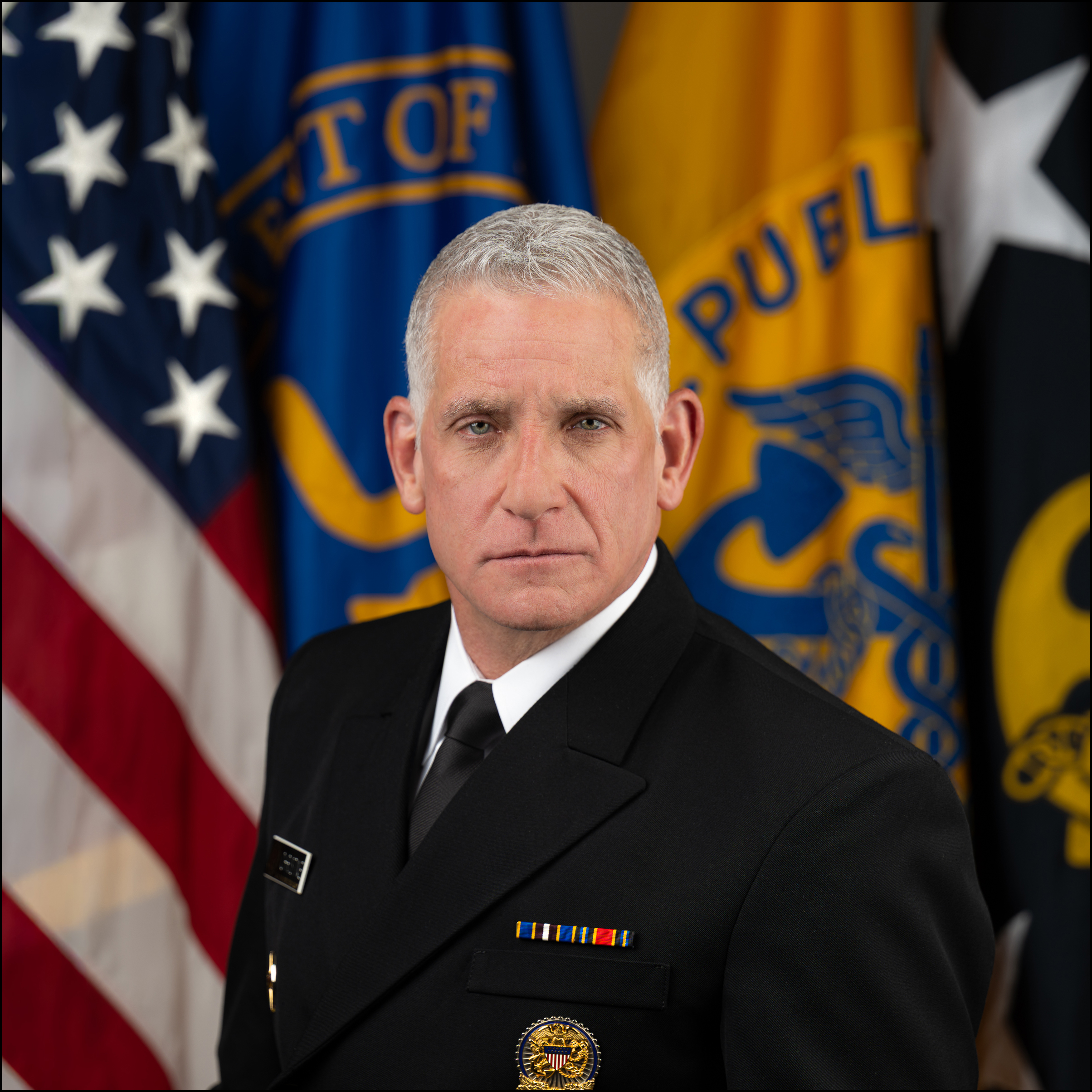 Admiral Brian ChristineU.S. Assistant Secretary for Health
Before this statement
HHS's release describes the commissioned survey and its reported associations before quoting Christine.
"This study raises important questions about what happens when ideology is given the authority of medicine."
Defended or excusedResponding to: HHS reported that, in its analytic sample, stronger agreement with its Clinical Gender Affirmation Scale was associated with higher left-wing-authoritarianism scores and greater stated justification for specified political-violence scenarios.
Full statement and sources
Brian Christine said the reported association warranted serious scientific scrutiny and said HHS would continue research on the relationship.
After the statement
Christine's full statement calls the association worthy of scrutiny and says HHS will pursue research. The same release says the study did not determine causality or measure violent behavior or intent.
HHS releases study finding individuals who associate left-wing authoritarian beliefs and radical gender ideology are more likely to justify political violence · U.S. Department of Health and Human ServicesBrian Christine statement; causal and behavior limitationsWhy this label?
Christine treats the report's stated association as a valid basis for further inquiry and supports HHS continuing this research, while not claiming the study proved causation.
This label describes the statement's response within the context above.
- Colin WrightEvolutionary biologist and Manhattan Institute fellow; report co-author
Before this statement
Wright announced the report and described its sample, measures, and reported associations.
"Acceptance gender ideology appears to augment authoritarian attitudes in support for political violence."
Defended or excusedResponding to: HHS reported that, in its analytic sample, stronger agreement with its Clinical Gender Affirmation Scale was associated with higher left-wing-authoritarianism scores and greater stated justification for specified political-violence scenarios.
Full statement and sources
Colin Wright endorsed the report's interpretation that agreement with gender-affirming norms may contribute to authoritarian attitudes and support for political violence.
After the statement
The post presents an interpretive conclusion. The HHS report and official release separately say the cross-sectional study cannot establish causation and did not measure violent behavior or intent.
Why this label?
As a report co-author, Wright publicly advances the report's interpretive framing rather than merely linking to or reporting on it. The report's stated causal limitations remain material context.
This label describes the statement's response within the context above.
Sources
(17)
Original text
Where the Clinic Meets the Movement: Does Gender Ideology Arm Left-Wing Authoritarian Psychology?
Relevant passage: Executive Summary; pp. 4–5, 12–15, 20
Excerpt
"Experimental research is needed to determine causality."
About this source
HHS-published report describing a cross-sectional survey, the new five-item Clinical Gender Affirmation Scale, and associations with left-wing authoritarianism and stated justification for specified scenarios.
- Author
- Ohad Fedida; Danit Finkelstein; Colin Wright; Lee Jussim; Joel Finkelstein
- Published
- Accessed
Original video
The Ideology Of Violence
About this source
Kirsche reads from the HHS report and endorses its interpretation of the relationship between gender-affirmation advocacy and authoritarianism. The uploader dates the original livestream August 28.
- Author
- Kirsche
- Published
- Accessed
Analysis
HHS gender-affirming care radicalisation claim
Relevant passage: Webberley's response to NPR's account of the report
About this source
Webberley argues that the report does not support the policy implications drawn from it.
- Author
- Helen Webberley
- Published
- Accessed
Reporting
What's behind HHS claims that gender-affirming care 'may' radicalize - NPR
Relevant passage: Interviews with Lilliana Mason and Adrian Shanker; updated October 2
About this source
NPR examines the report's measurement choices and commissioning process and includes responses from its authors.
- Author
- Lisa Hagen
- Published
- Accessed
Original text
HHS study authors respond to criticism
Relevant passage: Statement of Limitations; Findings; Justification of Violence
About this source
Joint October 2 essay defending the study, stating limitations and supplying descriptive statistics omitted from the original report. The essay does not establish that the official report was revised.
- Author
- Lee Jussim, Ohad Fedida and Colin Wright
- Published
- Accessed
Reporting
NPR investigates the HHS gender-affirmation study
Relevant passage: Methodology discussion and quoted responses from Colin Wright and researchers
About this source
NPR reporting republished by NHPR, first published September 30 at 5 a.m. EDT. The captured edition was updated October 5. It reports criticism and Wright's email response; those exchanges' dates are unspecified.
- Author
- Lisa Hagen
- Published
- Accessed
Reporting
HHS Issues False Report Linking Support For Gender Affirming Care With “Authoritarianism” And Violence
Relevant passage: Two consecutive paragraphs quoting Andrew Flores, beginning "These are not scales that have ever been validated."
Excerpt
"These are not scales that have ever been validated. They just made them up on their own"
About this source
Erin in the Morning's report of Andrew Flores's remarks, from an interview with the outlet, published August 28, 2026. The Advocate's August 31 report quotes the same words and credits Erin in the Morning.
- Author
- s. baum
- Published
- Accessed
Analysis
SocArXiv: “The alchemy linking ‘gender ideology,’ left-wing authoritarianism, and political violence: Comment on Fedida et al.”
Relevant passage: Abstract and the sections on the CGAS measure and the untested interaction.
Excerpt
"This commentary argues that the data and analyses do not support this conclusion. First, CGAS measures a narrow cluster of attitudes toward social affirmation and support, not the clinical-institutional ideology attributed to it. Second, Fedida et al. (2026) invoke selection, mediation, and effect-modification theories without specifying or testing them. In particular, an ‘ideological accelerant’ hypothesis requires an interaction between CGAS and authoritarianism, but no such interaction is estimated."
About this source
A single-author commentary on the HHS report, posted to the SocArXiv preprint server. Only version 1 exists, dated 29 August 2026. It is the most technically specified critique located, and identifies a concrete missing test — the interaction term the report’s ‘ideological accelerant’ framing would require. As a preprint it has not been peer reviewed.
- Author
- Alexander Tsai
- Published
- Accessed
Reporting
The Advocate: HHS report on transgender support and violence called false
Excerpt
"These are not scales that have ever been validated. They just made them up on their own"
About this source
The Advocate report repeating Andrew Flores's methodological criticism of the HHS report's scales, which it credits to an interview with Erin in the Morning.
- Published
- Accessed
Reporting
What Trump’s new study says about support for trans rights — and why experts are worried
Excerpt
"a blatant attempt to villainize transgender and gender-diverse Americans"
About this source
The 19th report quoting WPATH's statement and Jami Taylor's criticisms of the HHS report's methodology.
- Published
- Accessed
Analysis
Alexander C. Tsai commentary on HHS-commissioned report methodology
Relevant passage: Abstract, especially paragraphs beginning “Their interpretation” and “In summary”; DOI 10.31235/osf.io/fawcq_v1.
Excerpt
"The data and analyses do not support this conclusion."
About this source
Open SocArXiv preprint commentary, listed as 2026 and not peer reviewed. Tsai critiques the HHS-commissioned report’s inference from its reported associations; this source is an attributed scholarly counterargument, not an adjudication of the report.
- Author
- Alexander C. Tsai
- Accessed
Reporting
‘Nakedly political’: US attempts to link trans support to authoritarianism in new health department report
Relevant passage: Published September 7, 2026; updated September 8, 2026; comments from Gideon Meyerowitz-Katz, Daniel Aaron, Craig Konnoth and Colin Wright
Excerpt
"We probably could have tightened the language a little bit more."
About this source
The Guardian reports on the HHS report linking support for trans people to authoritarianism and justification of political violence. It carries criticism from epidemiologist Gideon Meyerowitz-Katz and law professors Daniel Aaron and Craig Konnoth, and an interview with report coauthor Colin Wright, who says the language could have been tighter while disputing the broader characterization.
- Author
- Melody Schreiber
- Published
- Accessed
Original post
Colin Wright announces the HHS report's findings on X
Excerpt
"Acceptance gender ideology appears to augment authoritarian attitudes in support for political violence."
About this source
Wright's direct announcement of the report endorses its interpretive framing. The HHS report and release separately state the study cannot establish causation or measure violent behavior or intent.
- Author
- Colin Wright
- Published
- Accessed
Official statement
HHS wastes taxpayer dollars on latest junk report trying to paint trans Americans as a threat
Relevant passage: Opening institutional response
Excerpt
"spuriously claiming to connect so-called “left-wing authoritarianism” and violence"
About this source
HRC's official response calls the report's claimed connection spurious, says political violence is unacceptable, and argues against demonizing groups of people. It documents an advocacy organization's institutional position, not independent validation of methodology.
- Published
- Accessed
Analysis
GPAHE on the HHS report
Relevant passage: Opening paragraphs and conclusion
Excerpt
"This study is not a neutral scientific inquiry."
About this source
GPAHE's direct analysis challenges the HHS report's framing of clinical guidance as a radicalization concern. It documents an advocacy organization's position, not our finding.
- Published
- Accessed
Original text
Is There A Link Between “Transgender Ideology” And Violence?
Relevant passage: Subtitle and “What Are We Really Measuring Here?” section
Excerpt
"There’s no good reason to believe that people who support “gender ideology”, however you define it, are more likely to be violent extremists."
About this source
Meyerowitz-Katz's direct analysis critiques the report's interpretation of its LWA measure and its selection of political-violence scenarios. It documents his view, not our finding.
- Author
- Gideon Meyerowitz-Katz
- Published
- Accessed
Official statement
HHS releases study finding individuals who associate left-wing authoritarian beliefs and radical gender ideology are more likely to justify political violence
Relevant passage: Brian Christine statement; causal and behavior limitations
Excerpt
"This study raises important questions about what happens when ideology is given the authority of medicine."
About this source
HHS's official release presents the report's claimed associations, quotes Assistant Secretary for Health Admiral Brian Christine calling for further scrutiny, and says the study does not determine causality or measure actual commission or intent of political violence.
- Published
- Accessed
Corrections
(2)
Corrections address errors in our reporting or labels. When a speaker changes their position, we add a separate statement and link it to the earlier one.
Reporting correction
Correction to: Statement by Jami Taylor
- Previous language
- This statement's summary said Jami Taylor "called the HHS report 'a fishing expedition.'" Its quotation was "a fishing expedition."
- Corrected language
- Taylor's exact words were "It kind of looks like a fishing expedition to me." The quotation and summary now carry her full sentence.
We cut Taylor's remark down to a short phrase and reported that she called the report a fishing expedition. She qualified it: she said it "kind of looks like" one "to me." We have restored the full sentence in the quotation and rewritten the summary to match.
This corrects our account of what happened.
The 19th report quoting WPATH's statement and Jami Taylor's criticisms of the HHS report's methodology.
Archived copy (opens in a new tab)Reporting correction
Correction to: Statement by Andrew Flores
- Previous language
- This statement quoted Andrew Flores as saying the HHS report's scales "were never validated... they just made them up," and described his remarks as comments to The Advocate.
- Corrected language
- This statement now quotes Flores as saying, "These are not scales that have ever been validated. They just made them up on their own." He made the remarks in an interview with Erin in the Morning, which published them on August 28, 2026. The Advocate reported them on August 31.
We put a shortened and reworded version of Flores's remarks inside quotation marks, so the words we showed were not his exact words. We also said he was commenting to The Advocate, when he gave the interview to Erin in the Morning and The Advocate repeated it. We have restored his exact words, corrected the outlet, and dated the statement to August 28, when Erin in the Morning published it, rather than August 31.
This corrects our account of what happened.
Erin in the Morning's report of Andrew Flores's remarks, from an interview with the outlet, published August 28, 2026. The Advocate's August 31 report quotes the same words and credits Erin in the Morning.
Archived copy (opens in a new tab)The Advocate report repeating Andrew Flores's methodological criticism of the HHS report's scales, which it credits to an interview with Erin in the Morning.
Archived copy (opens in a new tab)Share or embed this case
The embed keeps its attribution link to The Dispute Index. Credit the image to The Dispute Index and link to the case page.
Cite this record
- Publisher
- The Dispute Index
- Title
- Does the HHS report support linking gender-affirming guidance to authoritarianism and violence justification?
- First published
- Last updated
- Permalink
- https://disputeindex.com/cases/hhs-report-gender-affirming-guidance-authoritarianism-violence-justification
The Dispute Index. "Does the HHS report support linking gender-affirming guidance to authoritarianism and violence justification?". First published: 2026-09-11. Last updated: 2026-09-17. https://disputeindex.com/cases/hhs-report-gender-affirming-guidance-authoritarianism-violence-justification