Disputes over the role of federal law enforcement agencies in and around elections, including claims about their presence, authority, or conduct near polling places.
Published coverage on this page: 4+ cases · 24+ statements. Statements are ordered newest first.
Topic updates
Follow this topic
Get free email updates about Election Security. We will email you when we add or correct a case in this topic.
Enable JavaScript to request email updates about this topic.
We will send a confirmation email first. Every update email has a link to stop. How we handle your email.
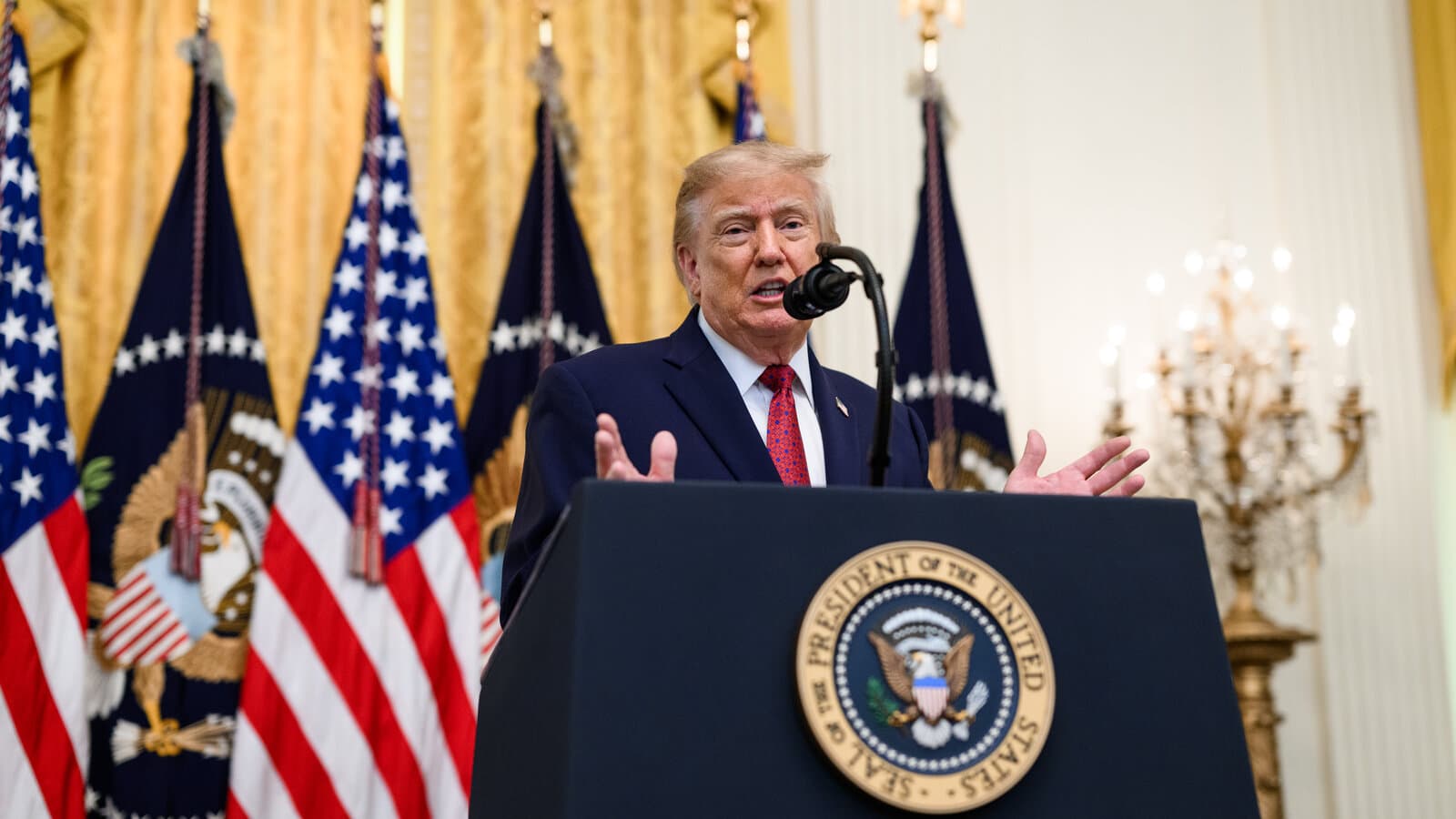
Six days after the 2026 midterms, Trump asked on Truth Social whether anybody believed the election was honest, citing the polls, early-vote "dumps" and machines. He had said on election night that he was absolutely willing to accept the results.
Role at the time: Weld County Clerk and Recorder, speaking to CBS Colorado
Challenged the characterization
Response to this claim
The Boebert campaign is investigating 'some very unusual voting patterns' in the 4th District count, ballot returns since election night have been trending in Boebert's direction, and the campaign expects the race to go to a recount.
“Your vote was counted exactly how it should have been”
Open source (opens in a new tab)Rep. Lauren Boebert loses seat to Democrat Eileen Laubacher, election awaits certification · CBS NewsFull article
Why we used this label
Koppes says clerks check the accuracy of the results, including by auditing voting machines, and tells voters their ballots were counted exactly as they should have been, which disputes the Boebert campaign's suggestion of unusual voting patterns, so we labeled it Challenged the characterization.
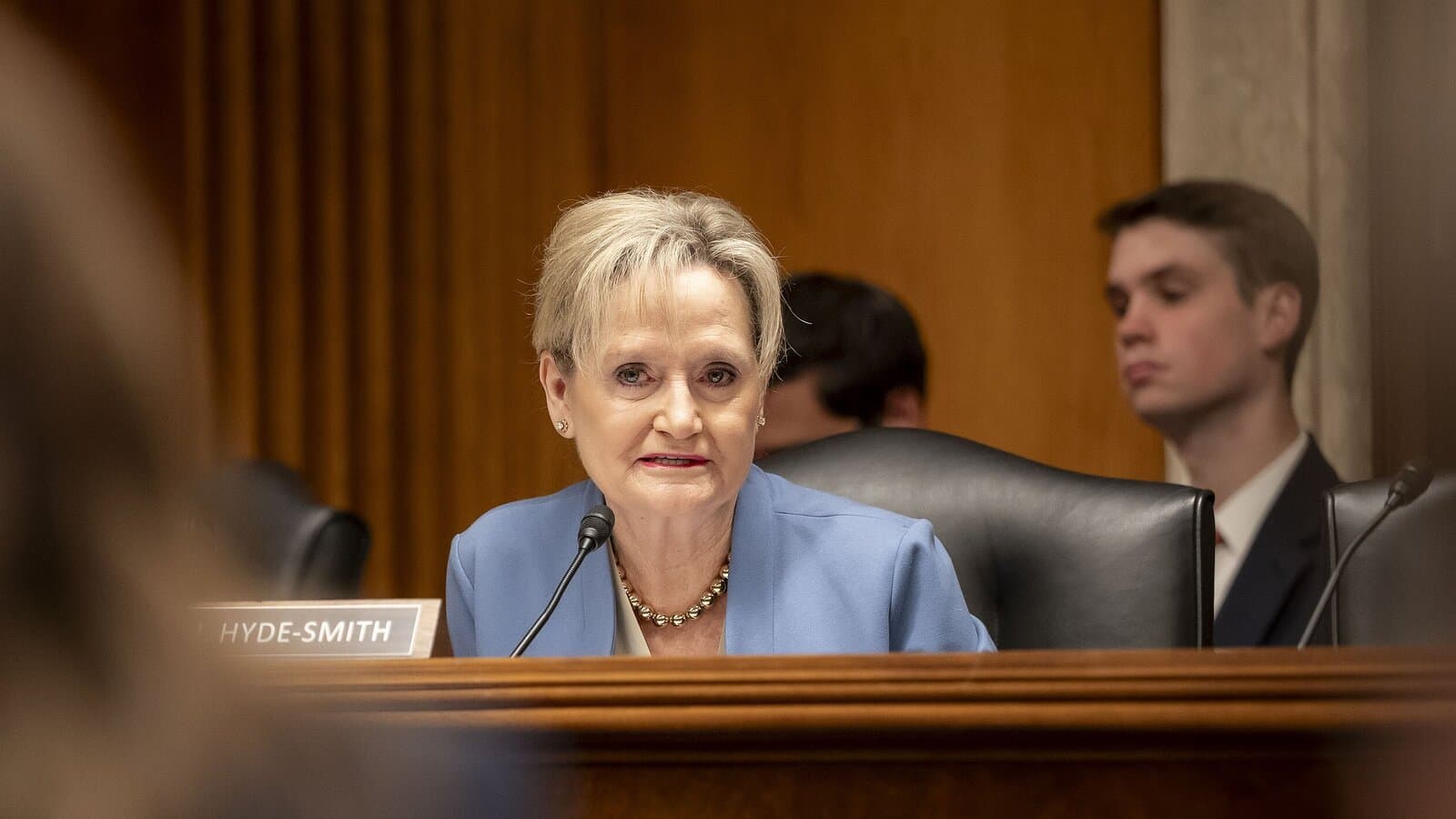
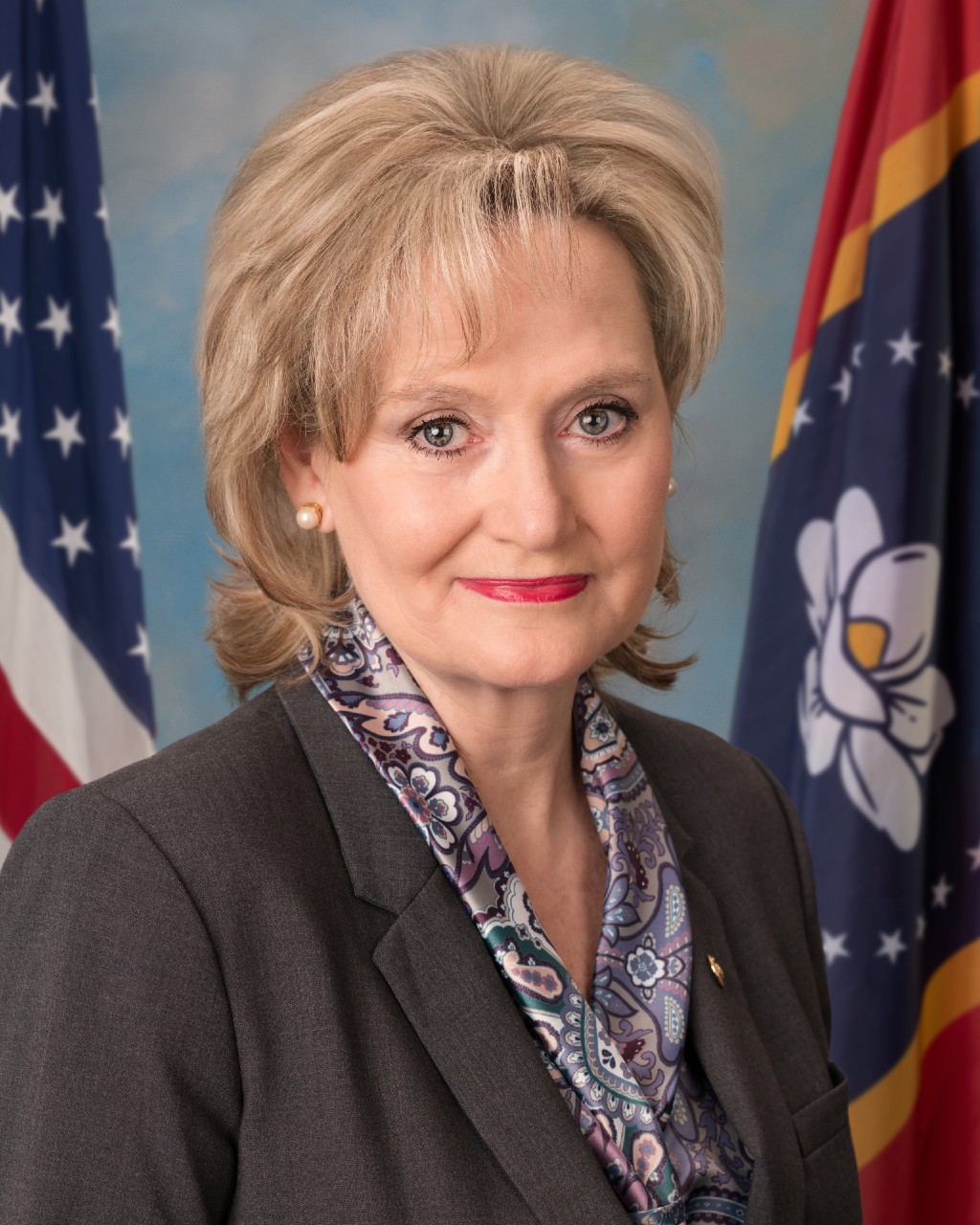
Role at the time: U.S. senator from Mississippi and Republican nominee in the 2026 Senate race, in a video statement posted on X
Defended or excused
Statement summary
In a video conceding the Senate race to Scott Colom, Hyde-Smith says her campaign spent the past week working to make sure every legally cast vote was counted and that Mississippi had a fair and transparent election, and says she respects the voters' decision.
Quotation excerpt
“Over the past week, our campaign has worked tirelessly to ensure every legally cast vote was counted and that the people of Mississippi received a fair and transparent election. While this is not the outcome we worked for or hoped for, I…”
Read full quotation
“Over the past week, our campaign has worked tirelessly to ensure every legally cast vote was counted and that the people of Mississippi received a fair and transparent election. While this is not the outcome we worked for or hoped for, I respect the decision of Mississippi voters.”
Read the original post (opens in a new tab)Cindy Hyde-Smith on X: video statement conceding the Mississippi Senate race2-minute 17-second video posted on X, November 11, 2026
What this label refers to
Hyde-Smith describes her campaign's work on the outstanding ballots after the election as making sure every legally cast vote was counted and the election was fair, while accepting the result, so we labeled it Defended or excused.
Role at the time: U.S. district judge, in the one-paragraph order closing the case after the Justice Department's notice of dismissal
Condemned
Response to this claim
Federal-election mail ballots from registrants identified as likely noncitizens should be withheld from tabulation until citizenship is verified.
“This lawsuit attempted to disrupt an ongoing election and create confusion and uncertainty for voters and election workers alike ... The right to vote is sacred. So, too, is trust in our democracy.”
Open source (opens in a new tab)CBS News: Judge condemns DOJ lawsuit over California mail ballots as he closes the case · CBS NewsFull article
Why we used this label
Carter writes that the department's suit tried to disrupt an election already underway and sowed confusion for voters and election workers, so we labeled it Condemned.
Role at the time: Lawyer for Luiz Inácio Lula da Silva's Brasil Pronto Pra Mais coalition, arguing before Brazil's Superior Electoral Court
Condemned
Statement summary
Arguing for Lula's coalition at the November 10 judgment, Ferraro says Meta treats each problem as a mistake without explaining why the mistakes all went one way, and says repeated mistakes amount to a pattern.
Quotation excerpt
“For Meta, all of this was a mistake. But what it does not explain is that the mistakes went only one way. And a mistake that continues is not merely a mistake; it is a pattern (Translated from Portuguese. Original: Para a Meta, tudo isso…”
Read full quotation
“For Meta, all of this was a mistake. But what it does not explain is that the mistakes went only one way. And a mistake that continues is not merely a mistake; it is a pattern (Translated from Portuguese. Original: Para a Meta, tudo isso foi um erro. Mas o que ela não explica é que os erros foram só para um lado. E um erro, em continuidade, não é apenas um erro, é um padrão)”
Open source (opens in a new tab)TSE fines Meta for failing to comply with equal-treatment orders on Lula and Flávio (Estadão, in Portuguese)Full article
What this label refers to
Ferraro says the problems Meta calls technical mistakes all favored one side and form a pattern, rejecting the company's account of its conduct, so we labeled it Condemned.
Role at the time: Meta Platforms, in a company statement after the electoral court's ruling
Denied
Statement summary
After Brazil's electoral court fined it, Meta says it complies with Brazilian electoral law and applies the same rules to every candidate and party, and that it will keep contesting what it calls false allegations in the pending cases.
Quotation excerpt
“Meta complies with Brazilian electoral law and applies the same rules to all candidates and parties. We will continue to present the facts and to defend ourselves against false allegations in the ongoing proceedings (Translated from…”
Read full quotation
“Meta complies with Brazilian electoral law and applies the same rules to all candidates and parties. We will continue to present the facts and to defend ourselves against false allegations in the ongoing proceedings (Translated from Portuguese. Original: A Meta cumpre a legislação eleitoral brasileira e aplica as mesmas regras a todos os candidatos e partidos. Continuaremos a apresentar os fatos e a nos defender de alegações falsas nos processos em curso)”
Open source (opens in a new tab)Meta fined R$7.5 million for failing to comply with TSE orders (Olhar Digital, in Portuguese)Full article
What this label refers to
Meta says it applies the same rules to every candidate and party and calls the allegations against it false, so we labeled it Denied.
Role at the time: Senate Democratic leader, in a post on X
Condemned
Response to this claim
The 2026 midterm election was not honest: some early voting "dumps" were so large that it was impossible to win no matter how many people voted, and the machines mattered more than the voters.
Quotation excerpt
“Donald Trump’s pathetic return to election denialism was inevitable. He can whine all he wants, but nothing will stop this inescapable truth: For the last two years of his presidency, Trump will face the largest Democratic congressional…”
Read full quotation
“Donald Trump’s pathetic return to election denialism was inevitable. He can whine all he wants, but nothing will stop this inescapable truth: For the last two years of his presidency, Trump will face the largest Democratic congressional majorities in decades, all because he has been an unprecedented failure.”
Read the original post (opens in a new tab)Chuck Schumer's post calling Trump's election claims a return to election denialism · Chuck SchumerPost on X, November 9, 2026, 11:44 a.m. EST
Why we used this label
The reference point is Trump's November 9, 2026 claim that the midterm election was not honest because of large early-vote counts and machines. Schumer calls the post pathetic election denialism, which condemns it.
Role at the time: Spokesperson Jack Todd for Colorado Secretary of State Jena Griswold, in a statement to Democracy Docket
Challenged the characterization
Response to this claim
The Boebert campaign is investigating 'some very unusual voting patterns' in the 4th District count, ballot returns since election night have been trending in Boebert's direction, and the campaign expects the race to go to a recount.
“Ballots are being, and have been, processed in accordance with Colorado and federal law. Colorado's elections are safe and secure”
Griswold's office says the count is being run lawfully and that the campaign has not brought any concern about voting patterns to it, which disputes the campaign's description of the count without addressing its motives, so we labeled it as challenging the characterization.
The 2026 midterm election was not honest: some early voting "dumps" were so large that it was impossible to win no matter how many people voted, and the machines mattered more than the voters.
“Ah yes the diabolical conspiracy in Texas to deliver the state to Democrats, led by the heads of the state…. GOP Governor Abbot and … Attorney General Paxton who …. lost….”
Read the original post (opens in a new tab)Jake Tapper's post on Trump's claim about the midterm election, citing the Texas results · Jake TapperPost on X, November 9, 2026, 10:31 a.m. EST, with a screenshot of Trump's post
Why we used this label
The reference point is Trump's November 9, 2026 claim that the midterm election was not honest because of large early-vote counts and machines. Tapper uses the Texas results to argue that the claim of a rigged count does not hold up, which disputes Trump's characterization of the election.
Role at the time: Pod Save America co-host, in a post on X
Challenged the characterization
Response to this claim
The 2026 midterm election was not honest: some early voting "dumps" were so large that it was impossible to win no matter how many people voted, and the machines mattered more than the voters.
“There's our guy - figured it would take a few days for the reality of the electoral annihilation to slip through Natalie's gatekeeping and reach Trump”
Read the original post (opens in a new tab)Jon Favreau's post on Trump's claim about the midterm election · Jon FavreauPost on X, November 9, 2026, 10:24 a.m. EST, quoting a post with the text of Trump's post
Why we used this label
The reference point is Trump's November 9, 2026 claim that the midterm election was not honest because of large early-vote counts and machines. Favreau treats the result as a real electoral defeat and presents the post as Trump's reaction to it, which disputes the claim that the election was dishonest.
Role at the time: Executive director of the Colorado County Clerks Association, speaking to CBS Colorado
Challenged the characterization
Response to this claim
The Boebert campaign is investigating 'some very unusual voting patterns' in the 4th District count, ballot returns since election night have been trending in Boebert's direction, and the campaign expects the race to go to a recount.
“The losing candidate can certainly request a recount at their expense
I'm not aware of a recount ever changing the outcome of an election.”
Open source (opens in a new tab)Democrat Eileen Laubacher claims victory in Colorado District 4; incumbent Lauren Boebert eyeing recount · CBS NewsFull article, updated November 10, 2026
Why we used this label
Crane says a losing candidate may pay for a recount but that he knows of no recount that has changed an election's outcome, and calls Colorado's election system secure, which questions the Boebert campaign's case for a recount, so we labeled it Challenged the characterization.
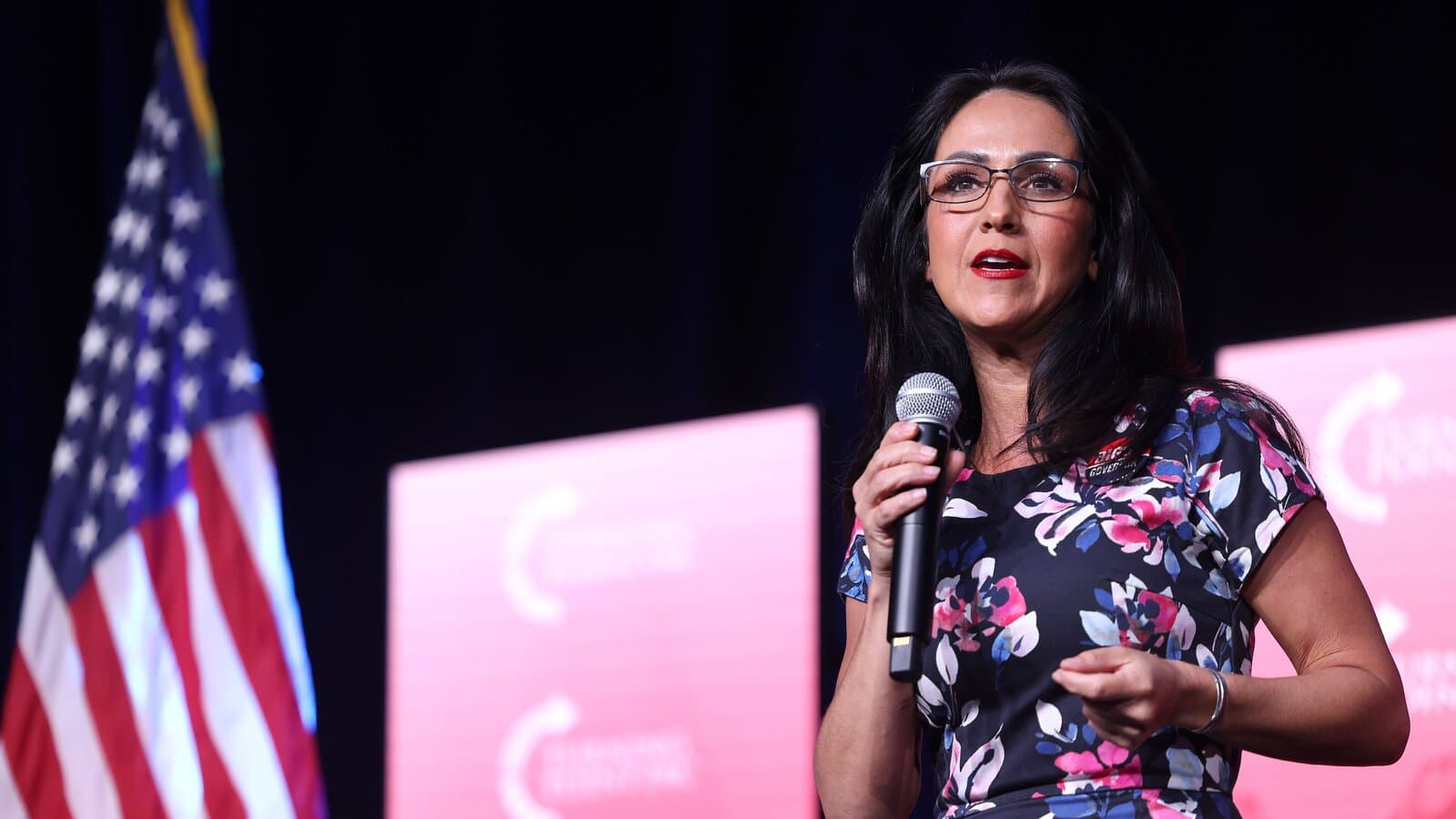
Role at the time: U.S. Representative for Colorado's 4th District and Republican nominee, in a campaign fundraising email
Defended or excused
Response to this claim
The Boebert campaign is investigating 'some very unusual voting patterns' in the 4th District count, ballot returns since election night have been trending in Boebert's direction, and the campaign expects the race to go to a recount.
“Make no mistake, this race is NOT over!
Our legal team expects a recount will happen one way or another, and we're preparing for it NOW.”
Boebert tells supporters the race is not over and that her legal team expects a recount one way or another, repeating the expectation her campaign set out on November 5, so we labeled it Defended or excused.
Role at the time: Chair of the Political Science Department at Metropolitan State University of Denver, speaking to Westword
Challenged the characterization
Response to this claim
The Boebert campaign is investigating 'some very unusual voting patterns' in the 4th District count, ballot returns since election night have been trending in Boebert's direction, and the campaign expects the race to go to a recount.
“Calling for a recount continues the narrative of questionable election results that have been a core of some of the Republican messaging leading up through the election”
Preuhs describes the call for a recount as part of a Republican narrative of questionable election results, treating the campaign's talk of unusual votes and a recount as political messaging, so we labeled it Challenged the characterization.
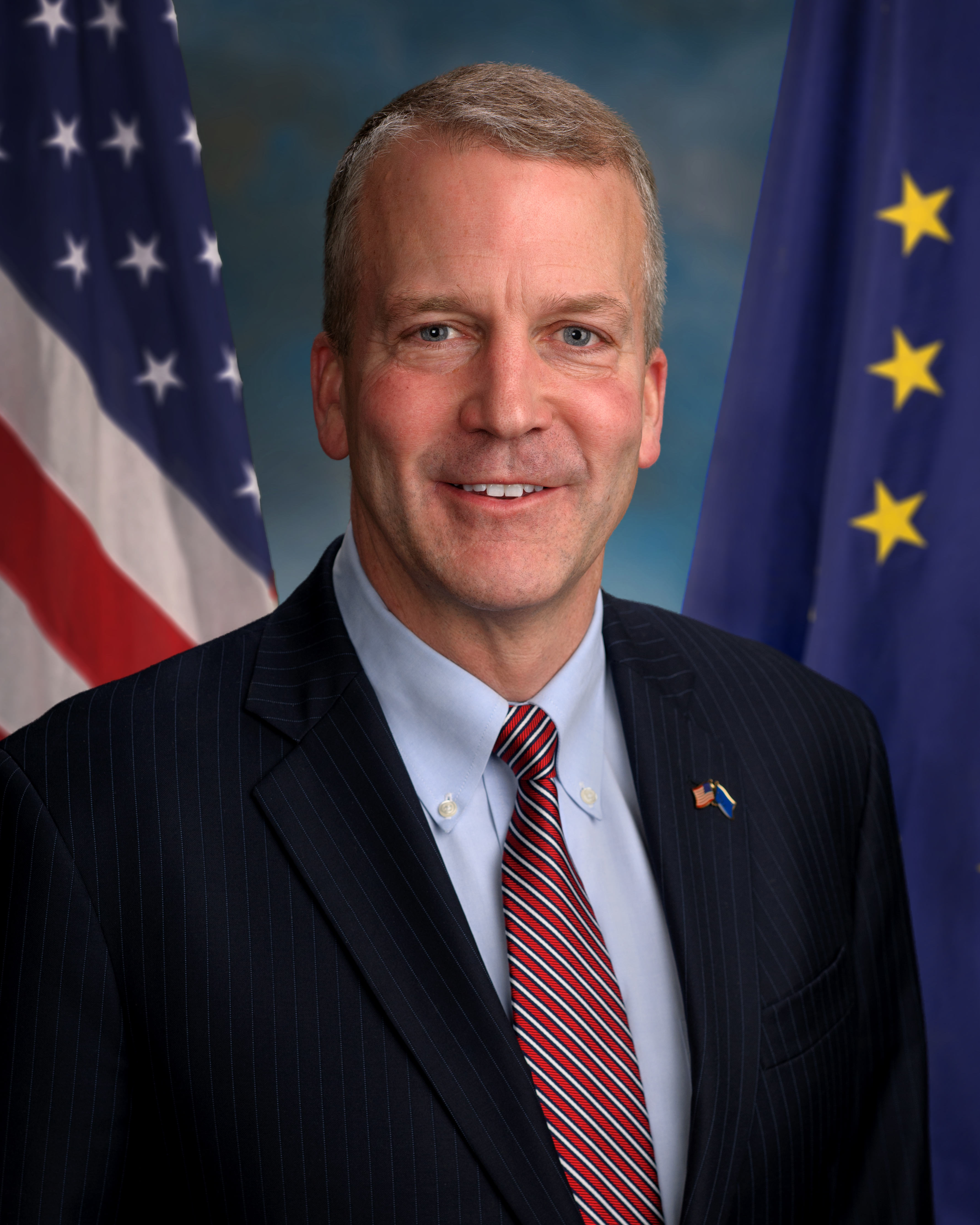
Role at the time: Republican U.S. senator from Alaska, through campaign spokesman Nate Adams, in a statement reported by Fox News
Defended or excused
Response to this claim
No Alaska statute protects from public disclosure the absentee register's accept or reject codes or the names of voters whose absentee ballots were rejected.
Quotation excerpt
“It should surprise no one that the same D.C. lawyers who spent more than a year conspiring with Mary Peltola’s campaign to deceive Alaskan voters are now asking a court to let her campaign ignore Alaska law and change the rules while votes…”
Read full quotation
“It should surprise no one that the same D.C. lawyers who spent more than a year conspiring with Mary Peltola’s campaign to deceive Alaskan voters are now asking a court to let her campaign ignore Alaska law and change the rules while votes are still being counted”
Open source (opens in a new tab)Fox News: Alaska Senate fight heats up as Sullivan moves to block Peltola lawsuit over rejected absentee ballot records · Fox NewsArticle text, including the statement from Sullivan campaign spokesman Nate Adams
Why we used this label
Sullivan's campaign says the Peltola campaign is asking a court to override Alaska law to get the ballot data, which backs the division's refusal to release it, so we labeled it Defended or excused.
Role at the time: Democratic nominee for Georgia House District 154, in a phone interview with WTXL ABC 27
Condemned
Response to this claim
The Seminole County Board of Elections did not upload a memory card containing Election Day results into the county's election management system, leaving about 388 ballots out of the county's reported count until the Secretary of State's office flagged the gap.
“It's not Harry James that loses. It's the citizens ... when our democracy doesn't work the way it's supposed to”
Open source (opens in a new tab)What's next for Georgia House District 154? Seminole County turns to state after vote count flips raceArticle and on-air report; Harry James phone interview from about 0:53 to 1:22 of the video
Why we used this label
The reference point is Seminole County's handling of its November 3, 2026 Election Day count, which left about 388 ballots out of the reported results until the Secretary of State's office flagged the gap on November 6. James, who led on election night, says citizens lose when the process does not work as it is supposed to and that the episode creates doubt, which criticizes how the count was handled.
Role at the time: Alaska Department of Law, representing the Division of Elections, in a motion filed in Anchorage Superior Court
Defended or excused
Response to this claim
No Alaska statute protects from public disclosure the absentee register's accept or reject codes or the names of voters whose absentee ballots were rejected.
“And the information implicates voters' constitutional right to privacy because many people would not want the world to know that they may have made a mistake in absentee voting.”
Open source (opens in a new tab)Anchorage Daily News: Sen. Sullivan campaign seeks to join Alaska court battle over absentee ballot dataFull article
Why we used this label
The reference point is the Alaska Division of Elections' refusal to give Mary Peltola's campaign the absentee register's accept or reject codes and the names of voters whose absentee ballots were rejected during the 2026 count. The state argues that the law does not require the records and that releasing them would intrude on voters' privacy, which defends the refusal.
Role at the time: Republican U.S. senator from Alaska, through his campaign committee, Alaskans for Dan Sullivan, in a motion to intervene
Defended or excused
Response to this claim
No Alaska statute protects from public disclosure the absentee register's accept or reject codes or the names of voters whose absentee ballots were rejected.
“Peltola now asks this Court to disregard the law and to short-circuit the legally prescribed process for ensuring that every lawful ballot is counted”
Open source (opens in a new tab)Anchorage Daily News: Sen. Sullivan campaign seeks to join Alaska court battle over absentee ballot dataFull article
Why we used this label
The reference point is the Alaska Division of Elections' refusal to give Mary Peltola's campaign the absentee register's accept or reject codes and the names of voters whose absentee ballots were rejected during the 2026 count. The campaign argues that the request would bypass the review process the law sets for all candidates and observers, which defends the division's refusal to release the records.
Role at the time: Executive director of VotingWorks, posting on Bluesky
Minimized
Response to this claim
The Seminole County Board of Elections did not upload a memory card containing Election Day results into the county's election management system, leaving about 388 ballots out of the county's reported count until the Secretary of State's office flagged the gap.
“Ballot tabulators scan paper ballots and store the data on memory cards. They're not connected to the Internet or to each other, so forgetting a memory card happens.”
The reference point is Seminole County's handling of its November 3, 2026 Election Day count, which left about 388 ballots out of the reported results until the Secretary of State's office flagged the gap on November 6. Adida treats a forgotten memory card as an expected risk of offline tabulators, which downplays the seriousness of the county's omission rather than criticizing it.
Role at the time: Former chief operating officer and deputy secretary of state in the Georgia Secretary of State's office, replying on X
Minimized
Response to this claim
The Seminole County Board of Elections did not upload a memory card containing Election Day results into the county's election management system, leaving about 388 ballots out of the county's reported count until the Secretary of State's office flagged the gap.
Quotation excerpt
“This election in Georgia and nationwide was the smoothest, most well run one likely ever. This issue was discovered in canvassing which is in part why it is done to get to certification. There are over 10,000 election jurisdictions, with…”
Read full quotation
“This election in Georgia and nationwide was the smoothest, most well run one likely ever. This issue was discovered in canvassing which is in part why it is done to get to certification. There are over 10,000 election jurisdictions, with nearly 30k polling locations. In GA, nearly 2,600. This was a single memory card. It was a close election. Humans again are always the weakest parts of the system. That is training people and robust processes are so necessary. The outcome is what the voters intended and that is the most important point here.”
The reference point is Seminole County's handling of its November 3, 2026 Election Day count, which left about 388 ballots out of the reported results until the Secretary of State's office flagged the gap on November 6. Sterling acknowledges a human error in the county's count but downplays it as a single memory card in a well-run election that canvassing caught, and says the corrected outcome reflects voters' intent.
Role at the time: Democratic nominee for Colorado's 4th Congressional District, in a campaign text message to supporters
Condemned
Response to this claim
The Boebert campaign is investigating 'some very unusual voting patterns' in the 4th District count, ballot returns since election night have been trending in Boebert's direction, and the campaign expects the race to go to a recount.
“We are going to need to raise a lot of money to fight back and make sure every vote is fairly counted so Lauren Boebert doesn't steal this election”
Laubacher's campaign says it must fight back so that every vote is fairly counted and Boebert does not steal the election, which casts the Boebert campaign's challenge to the count as an attempt to take the race, so we labeled it Condemned.
Role at the time: Seminole County elections supervisor, in an announcement printed by The Donalsonville News
Challenged the characterization
Response to this claim
No memory card was missing in Seminole County: all cards were accounted for on election night, and the county's election management system had not completed its program for the last precinct's memory card.
“There was NO memory card "discovered," "missing," or "found". All precinct card chain of custody protocols were followed, and all memory cards were accounted for by the Seminole County Board of Elections on election night.”
Open source (opens in a new tab)Seminole County Election News UPDATEFull article, including the elections supervisor's full announcement
Why we used this label
The reference point is Seminole County's handling of its November 3, 2026 Election Day count, which left about 388 ballots out of the reported results until the Secretary of State's office flagged the gap on November 6. Foskey disputes the account that a memory card was missing and then found, saying the county accounted for every card and that an unfinished software step left the election-night report incomplete. He disputes how the episode has been described rather than arguing that the late count was acceptable.
Role at the time: Conservative writer and host of the Becker Brief podcast, posting on X
Condemned
Response to this claim
The Seminole County Board of Elections did not upload a memory card containing Election Day results into the county's election management system, leaving about 388 ballots out of the county's reported count until the Secretary of State's office flagged the gap.
“Secretary of State Brad Raffensperger has launched an investigation into the error.
Maybe Democrats can agree that we should now go to ALL PAPER BALLOTS?”
The reference point is Seminole County's handling of its November 3, 2026 Election Day count, which left about 388 ballots out of the reported results until the Secretary of State's office flagged the gap on November 6. Becker calls the omission an error and presents it as a reason to move to all paper ballots, criticizing a count that depended on a memory card being uploaded.
The Boebert campaign is investigating 'some very unusual voting patterns' in the 4th District count, ballot returns since election night have been trending in Boebert's direction, and the campaign expects the race to go to a recount.
“Margin now 0.88%/3338, despite Boebert campaign's claim that they're closing”
Read the original post (opens in a new tab)Laubacher was up 1.56%/5045 votes at midnight Election Night · Kyle ClarkFull post, a reply to Clark's own post on the November 6 count
Why we used this label
The reference point is the Boebert campaign's claim, in a November 5 statement from its attorney Scott Gessler, that it is investigating 'some very unusual voting patterns' in the 4th District count and expects a recount. Clark disputes the campaign's description of the count as trending toward Boebert, setting out how the margin has moved since election night.
Role at the time: Democratic strategist and former Suffolk County Legislature majority leader, on his X account
Condemned
Response to this claim
The Boebert campaign is investigating 'some very unusual voting patterns' in the 4th District count, ballot returns since election night have been trending in Boebert's direction, and the campaign expects the race to go to a recount.
“Eileen Laubacher leads by 3,000+ votes, but Boebert hired a Trump lawyer and is alleging "unusual voting patterns" with NO evidence.”
The reference point is the Boebert campaign's claim, in a November 5 statement from its attorney Scott Gessler, that it is investigating 'some very unusual voting patterns' in the 4th District count and expects a recount. Cooper rejects the claim as made with no evidence and calls for Boebert's defeat, which condemns it.
The case concerns DOJ's requested conditional restraint on certification of Alaska's Senate election, which rests on alleged voter confusion between the two Sullivans. Stewart's reading of the ballot data finds some confusion but describes most of the namesake candidate's support as protest votes, which challenges the premise that those votes reflect confusion.
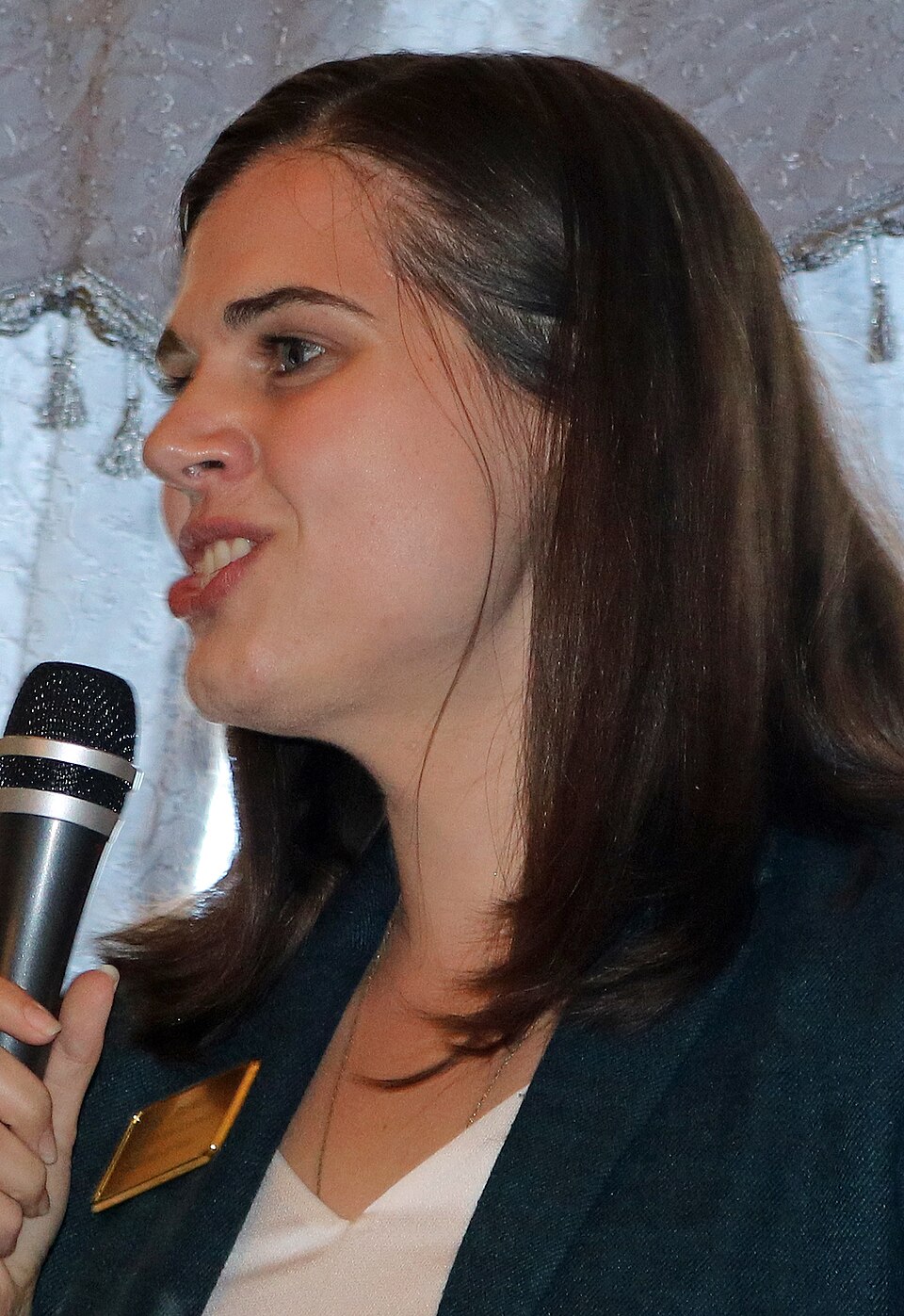
Carly Koppes is the Clerk and Recorder of Weld County, Colorado, the elected official responsible for the county's elections and public records. A Republican from Greeley, she joined the office as a temporary election worker in 2004 and was first elected clerk and recorder in 2014. She is president of the Colorado County Clerks Association and has served on the Local Leadership Council of the U.S. Election Assistance Commission.
Angelo Ferraro is a Brazilian lawyer and a partner at Ferraro, Rocha e Novaes Advogados in Brasília, where he litigates before Brazil's superior courts, including in electoral and administrative law. He coordinated the legal team of Luiz Inácio Lula da Silva's 2026 reelection campaign.
David O. Carter is a judge of the U.S. District Court for the Central District of California, commissioned in October 1998. He previously was an Orange County prosecutor and a judge on California municipal and superior courts. He holds undergraduate and law degrees from the University of California, Los Angeles. He was a member of the Federal Judicial Center's board from 2007 to 2011.
Chuck Schumer is a Democratic U.S. senator from New York and the Senate Democratic leader. First elected to the Senate in 1998, he previously spent 18 years in the U.S. House and held office in the New York State Assembly. He attended Harvard University and graduated from Harvard Law School in 1974. Schumer chaired the Democratic Senatorial Campaign Committee for two election cycles and became Senate majority leader in 2021.
Matt Crane is the executive director of the Colorado County Clerks Association, the organization of Colorado's 64 county clerks. He worked in the Denver Elections Division, the Colorado Secretary of State's office and Arapahoe County's elections office before serving as Arapahoe County Clerk and Recorder from 2013 to 2018. He has also worked as an election security consultant for the federal Cybersecurity and Infrastructure Security Agency.
Robert Preuhs is a professor of political science and chair of the Political Science Department at Metropolitan State University of Denver, where he has taught since 2007. His research covers representation, racial and ethnic politics, and state and national politics and policy. He co-authored the 2013 book "Black-Latino Relations in U.S. National Politics: Beyond Conflict or Cooperation" and holds a doctorate from the University of Colorado Boulder.