
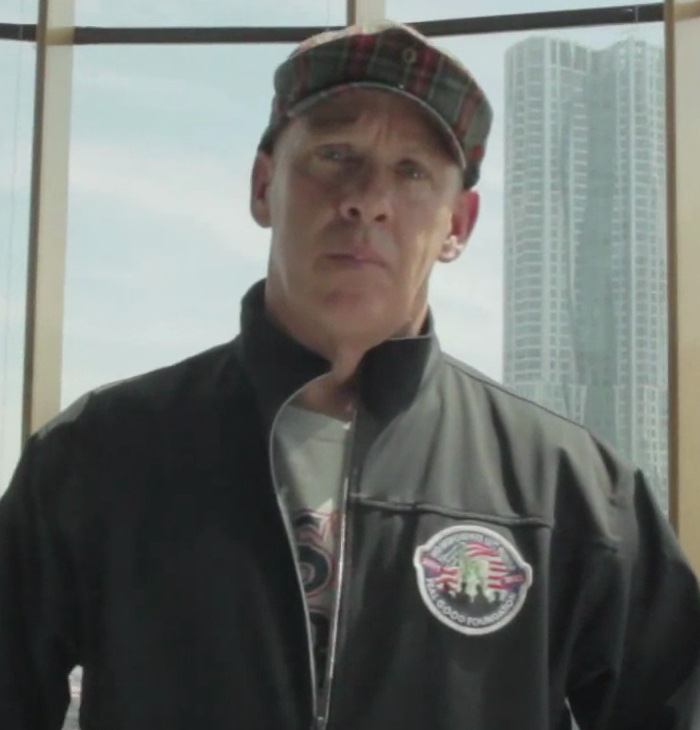
John Feal
Role at the time: September 11 first responder and founder and president of the FealGood Foundation, interviewed by CBS News
Statement summary
John Feal, a September 11 first responder and founder of the FealGood Foundation, told CBS News he attended the press conference and credited Mayor Mamdani for releasing the records after five administrations had not. He said the documents contained no smoking gun but confirmed what responders already knew. He said almost 10,000 people have died of September 11 related illness and that if officials had come clean the figure might have been about 3,600, noting that of 155,000 people in the World Trade Center Health Program more than 57,000 have a certified cancer.
“Kudos to the mayor for transparency. Five administrations now. But there was no smoking gun there. It was just smoldering facts that we knew that the air quality wasn't safe.”
Why we used this label
Feal endorses the release, crediting the mayor by contrast with five previous administrations, which supports the conduct under scrutiny. The closest competing label is condemns, since the bulk of his answer is angry about the concealment and its consequences. That loses because his criticism is directed at the officials who withheld the records rather than at the decision to release them, and this case is the release.