
Abdul El-Sayed’s Sharia-law defense: religious freedom or support for religious government?
JD Vance and conservative commentators challenged Abdul El-Sayed’s opposition to Sharia bans. El-Sayed defended religious freedom and rejected imposing his faith, while critics disputed his comparison between Sharia and Christian canon law.
Case period:
Published by The Dispute Index editorial teamPublished Updated
Overview
JD Vance characterized Abdul El-Sayed’s opposition to Sharia bans as support for Sharia and hostility to its critics. El-Sayed defended his position as equal religious freedom and rejected imposing his faith. Hasan Piker challenged the premise of a threatened imposition while questioning El-Sayed’s reliance on a canon-law analogy. Andrew Kolvet, Dana Loesch and Todd Aglialoro disputed that analogy, arguing that it understated Sharia’s relationship to civil government.
Read the full background
This case concerns the August 2026 characterization of El-Sayed’s position, not a finding about what every form of Islamic or Christian religious law requires. Vance’s August 21 speech (opens in a new tab) supplies the opening accusation. El-Sayed’s later full interview with Watters (opens in a new tab) distinguishes personal religious observance from imposing faith on others. His older remarks were replayed during that interview; the current response must be read alongside them. El-Sayed said he has no desire to implement Sharia law, but opposed bans singling out Muslims.
The canon-law comparison generated a narrower disagreement about whether the two systems have comparable relationships to state authority. The case preserves that criticism without converting opposition to a ban into evidence of a plan to impose religious government. The displayed publication date is August 22, 2026; the August 24–25 responses are later developments and retain their actual dates. Events with no verified clock time are recorded at day-level.
Image: El-Sayed testifying before the U.S. Senate HELP Committee in 2024, not during these campaign exchanges. Public-domain U.S. Senate photograph via Wikimedia Commons (opens in a new tab), cropped by Dispute Index.
In his August 25 livestream (opens in a new tab), Hasan Piker challenged the idea that Sharia posed an imminent threat while faulting El-Sayed for leading with the canon-law analogy. Todd Aglialoro’s August 27 Catholic Answers essay (opens in a new tab) disputed the analogy from the other direction, arguing that canon law is confined to internal church governance in ways Sharia may not be. These are attributed interpretations, not findings about El-Sayed’s intentions.
People in this case
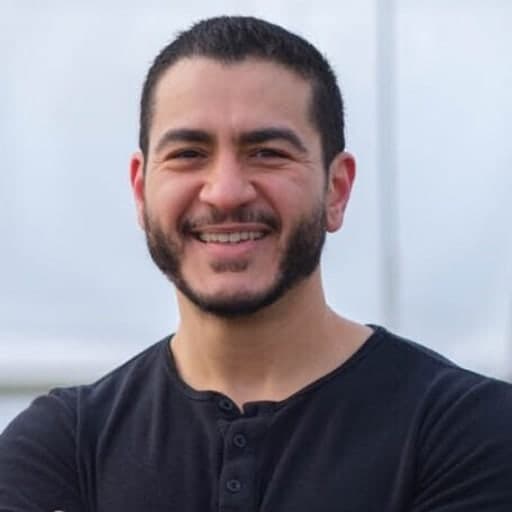 Abdul El-SayedDirectly involved
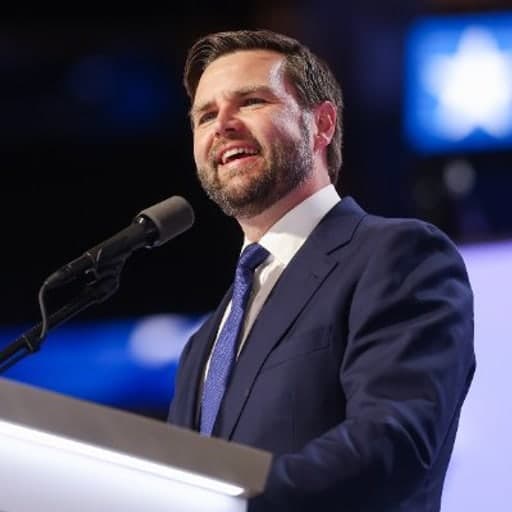 JD VanceDirectly involved
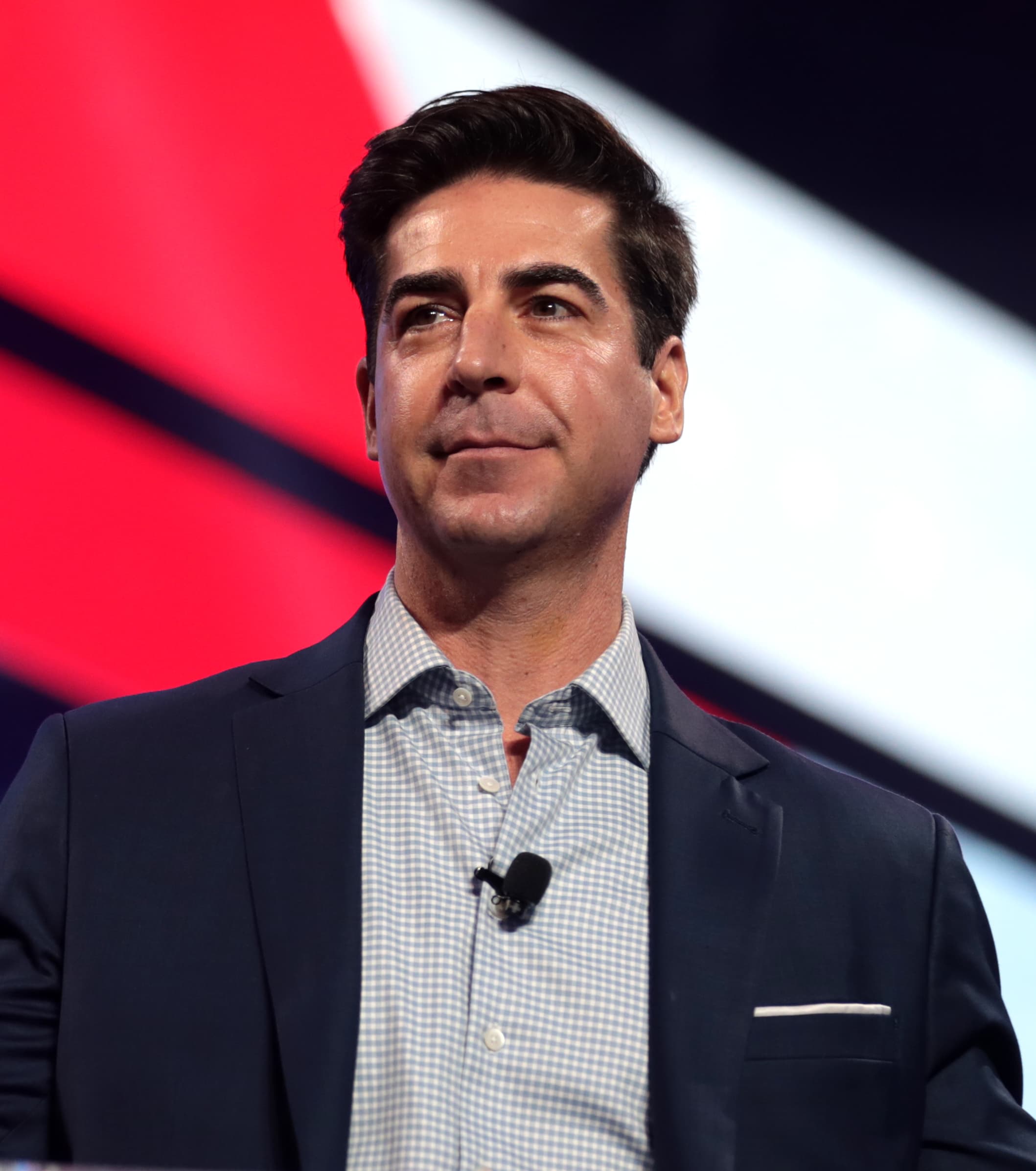 Jesse WattersDirectly involved
Timeline
4 timeline entries on this page. Dates: August 21, 2026 to September 10, 2026
August 2026
Vance attributes support for Sharia to El-Sayed
Claim
During his Middletown speech, Vance presents El-Sayed’s position as support for Sharia and condemnation of its critics.
[01]JD Vance criticizes El-Sayed’s Sharia-law position in Middletown — full speech
Complete August 21, 2026 economic speech in Middletown, Ohio. The passage also appears in the Factba.se transcript of the speech. Vance attributes support for Sharia and hostility to its critics to El-Sayed; that attribution is the disputed position, not something we have established.
JD Vance criticizes El-Sayed’s Sharia-law position in Middletown — full speechFull 34:32 speech; El-Sayed passage between discussion of the Democratic Party and Sherrod Brown; matching Factba.se transcript 21:16 to 21:58[02]Factba.se transcript of JD Vance’s August 21 Middletown speech
Full speech transcript covering Vance's characterization of El-Sayed. The passage is also present in RSBN's complete video. Transcript timing is specific to Factba.se and is not asserted to be an exact offset in another upload.
Factba.se transcript of JD Vance’s August 21 Middletown speechJD Vance, 00:21:16 to 00:21:58El-Sayed and Watters debate the religious-freedom defense
Reaction
The full television interview includes a replay of older remarks, El-Sayed’s canon-law analogy and his rejection of imposing religious beliefs.
[03]Jesse Watters interviews Abdul El-Sayed — full August 24 interview
Fox's complete upload of the August 24 evening broadcast, published August 25 UTC. The interview includes El-Sayed's rejection of imposing his religion, Watters's distinction between religion and Sharia, and El-Sayed's redirect to household costs. August 24 is the event date.
Jesse Watters interviews Abdul El-Sayed — full August 24 interviewFull 25:25 interview; Sharia/canon-law exchange immediately after Iran’s nuclear program and before the Second Amendment[04]The Detroit News reports the El-Sayed–Watters interview and religious-freedom exchange
Independent reporting corroborates the broadcast date and El-Sayed’s explanation that religious observance should not be imposed on others. Other interview subjects are outside this case.
The Detroit News reports the El-Sayed–Watters interview and religious-freedom exchangeSection “Muslims pushing sharia law?” and opening identification of Monday’s 25-minute interviewKolvet and Loesch challenge the interview’s explanation
Reaction
In separate posts on the evening of August 24 in Michigan, the commentators argue that the explanation understates Sharia’s implications for civil authority.
[05]Andrew Kolvet
Original post with its full surrounding text. The timestamp is August 24 in Michigan. Kolvet disputes the analogy and then makes broader claims about Muslim political behavior; both are his assertions. The record does not endorse those generalizations or treat replies as additional attributable evidence.
Andrew Kolvet disputes El-Sayed’s comparison of Sharia and canon law · Andrew KolvetOriginal X post, paragraphs contrasting canon law with Sharia and subsequent broader claims about Muslims[06]Dana Loesch
Original post with linked-reply context. Loesch invokes events and an Islamic tribunal in Texas to argue that Sharia concerns civil authority as well as private belief. This case records her interpretation, not an independent determination of those examples. The timestamp is August 24 in Michigan.
Dana Loesch challenges El-Sayed’s description of Sharia as religious practice · Dana LoeschFinal paragraph of original post; preceding Texas examples and follow-up links
September 2026
Cruz cites El-Sayed's Sharia remark at the Republican convention
Reaction
At the Republican midterm convention in Dallas, Sen. Ted Cruz said, "When Abdul El-Sayed says he has a, quote, 'obligation,' to comply with Sharia law, he means it." CNN reported that shouts of "He should be shot!" were audible on the broadcast after Cruz named El-Sayed and two other Democrats. A spokesperson for Mike Rogers said Rogers condemned the comments, and El-Sayed called them calls to violence. CNN noted that the "obligation" quote came from a 2009 interview about following Sharia rules when buying a home.
[07]CNN reports Ted Cruz’s convention statement about Abdul El-Sayed and Sharia law
Source excerpt
When Abdul El-Sayed says he has a, quote, ‘obligation,’ to comply with Sharia law, he means it.
CNN reporting syndicated by KTVZ quotes Cruz’s September 10 Republican midterm-convention speech and explains that the referenced 2009 New York Times interview concerned El-Sayed’s personal effort to follow Sharia rules while seeking a mortgage.
[08]Ted Cruz’s full September 10 Republican midterm-convention speech
Source excerpt
When Abdul El-Sayed says he has a, quote, ‘obligation,’ to comply with Sharia law, he means it.
Full convention speech in Dallas on September 10, 2026, from the opening greeting through closing thanks. Cruz argues that Sharia is incompatible with the Constitution, includes El-Sayed among the people whose statements listeners should take seriously, and subsequently describes their threats as substantive. The recording establishes Cruz's accusation, not that El-Sayed advocated replacing U.S. law. CNN's report documents the earlier remark's personal mortgage context.
Ted Cruz’s full September 10 Republican midterm-convention speechApproximately 05:02 to 05:14: El-Sayed quotation; 03:54 to 06:20 for the surrounding Sharia argument, examples and subsequent warning.
Claims
Claims separate what was said from what is contested. Follow each source for the original wording and context.
What was said
Attributed statement
El-Sayed supports Sharia law and treats opposition to it as white supremacy.
Sources (2)
- JD Vance criticizes El-Sayed’s Sharia-law position in Middletown — full speechFull 34:32 speech; El-Sayed passage between discussion of the Democratic Party and Sherrod Brown; matching Factba.se transcript 21:16 to 21:58
- Factba.se transcript of JD Vance’s August 21 Middletown speechJD Vance, 00:21:16 to 00:21:58
What's disputed
Disputed claim
El-Sayed’s comparison between Sharia and Christian canon law is misleading because their relationships to civil government differ.
Sources (2)
- Andrew Kolvet disputes El-Sayed’s comparison of Sharia and canon law · Andrew KolvetOriginal X post, paragraphs contrasting canon law with Sharia and subsequent broader claims about Muslims
- Jesse Watters interviews Abdul El-Sayed — full August 24 interviewFull 25:25 interview; Sharia/canon-law exchange immediately after Iran’s nuclear program and before the Second Amendment
Arguments
Documented position
Andrew Kolvet and Dana Loesch, separate August 24 X posts responding to the interview.
A religious-freedom analogy may overlook civil authority
The critics distinguish voluntary observance from religious rules that claim authority over public life. On that account, comparing Sharia with church rules does not resolve the concern about what courts or governments might enforce.
Limit of this argument
This criticism of an analogy does not establish that El-Sayed proposes imposing religious government; his explicit rejection of imposing faith must remain visible.
Read sources and related claim
Related claim
El-Sayed’s comparison between Sharia and Christian canon law is misleading because their relationships to civil government differ.
Sources
- Andrew Kolvet disputes El-Sayed’s comparison of Sharia and canon law · Andrew KolvetOriginal X post, paragraphs contrasting canon law with Sharia and subsequent broader claims about Muslims
- Dana Loesch challenges El-Sayed’s description of Sharia as religious practice · Dana LoeschFinal paragraph of original post; preceding Texas examples and follow-up links
- Jesse Watters interviews Abdul El-Sayed — full August 24 interviewFull 25:25 interview; Sharia/canon-law exchange immediately after Iran’s nuclear program and before the Second Amendment
Documented position
Abdul El-Sayed, August 24 Jesse Watters Primetime interview.
Opposing a religious ban is not the same as imposing religion
El-Sayed frames the issue as equal treatment of personal religious observance. He rejects imposing his faith on others and argues that preemptive restrictions single out Muslims, just as singling out another faith’s practices would burden that community.
Limit of this argument
His broad denial that anyone is trying to impose Sharia invites a separate factual and policy challenge. The religious-freedom argument does not by itself settle every question about civil enforcement.
Read sources and related claim
Related claim
El-Sayed supports Sharia law and treats opposition to it as white supremacy.
Sources
- Jesse Watters interviews Abdul El-Sayed — full August 24 interviewFull 25:25 interview; Sharia/canon-law exchange immediately after Iran’s nuclear program and before the Second Amendment
- The Detroit News reports the El-Sayed–Watters interview and religious-freedom exchangeSection “Muslims pushing sharia law?” and opening identification of Monday’s 25-minute interview
Response record
Responses
Choose one response filter, or select All responses to see the full record.
3 matching responses. Newest first.
 Abdul El-SayedDemocratic nominee for U.S. Senate in MichiganDirectly involved
Before this statement
Watters replayed an earlier speech and asked why El-Sayed associated Sharia bans with white supremacy.
"Nobody is trying to push Sharia law on anyone else."
Defended or excusedResponding to: El-Sayed supports Sharia law and treats opposition to it as white supremacy.
Full statement and sources
El-Sayed rejected the implication that defending Muslim religious practice meant seeking to impose it. He described preemptive bans as targeting a minority and invoked Christians’ freedom to observe their own religious rules.
After the statement
El-Sayed expressly said he would not impose his religion on others, then redirected the discussion to household costs and health care.
Jesse Watters interviews Abdul El-Sayed — full August 24 interviewFull 25:25 interview; Sharia/canon-law exchange immediately after Iran’s nuclear program and before the Second AmendmentThe Detroit News reports the El-Sayed–Watters interview and religious-freedom exchangeSection “Muslims pushing sharia law?” and opening identification of Monday’s 25-minute interviewWhy this label?
The full answer affirmatively justifies his stance through religious freedom and discriminatory targeting, not merely a denial that he favors compulsory government. Defense refers to his remarks, not imposing religious rule.
This label describes the statement's response within the context above.
 Jesse WattersHost of Jesse Watters Primetime, interviewing El-SayedDirectly involved
Before this statement
Watters shifted from Iran policy to a replay of El-Sayed’s older speech, then asked for an explanation.
"You said getting rid of Sharia law was white supremacy."
Challenged the characterizationCase context: Abdul El-Sayed’s Sharia-law defense: religious freedom or support for religious government?
Full statement and sources
Watters challenged El-Sayed to explain why he linked Sharia bans to white supremacy and disputed treating the controversy simply as a threat to personal religious practice.
After the statement
El-Sayed invoked canon law and religious freedom. Watters distinguished criticism of Sharia from wanting El-Sayed to abandon his religion; the interview continued into economic issues.
Jesse Watters interviews Abdul El-Sayed — full August 24 interviewFull 25:25 interview; Sharia/canon-law exchange immediately after Iran’s nuclear program and before the Second AmendmentThe Detroit News reports the El-Sayed–Watters interview and religious-freedom exchangeSection “Muslims pushing sharia law?” and opening identification of Monday’s 25-minute interviewWhy this label?
The exchange directly contests El-Sayed’s characterization of anti-Sharia measures, without requiring an inference about Watters’s position on every religious-freedom question.
This label describes the statement's response within the context above.
 JD VanceVice president of the United States, speaking at a political and economic eventDirectly involved
Before this statement
Vance was contrasting contemporary Democrats with the party his grandfather supported and discussing representation of working people.
"not only should we have Sharia law, but if you criticize it, you’re a White supremacist."
CondemnedResponding to: El-Sayed supports Sharia law and treats opposition to it as white supremacy.
Full statement and sources
Vance portrayed El-Sayed’s position as advocacy for Sharia and condemnation of its critics, placing it within a broader attack on the Democratic Party.
After the statement
He moved to criticism of Sherrod Brown and other Democrats. The attribution about El-Sayed is disputed by El-Sayed’s explanation of his position, not independently established by Vance’s speech.
JD Vance criticizes El-Sayed’s Sharia-law position in Middletown — full speechFull 34:32 speech; El-Sayed passage between discussion of the Democratic Party and Sherrod Brown; matching Factba.se transcript 21:16 to 21:58Factba.se transcript of JD Vance’s August 21 Middletown speechJD Vance, 00:21:16 to 00:21:58Why this label?
He used the attributed position to criticize El-Sayed’s political values rather than describe them neutrally.
This label describes the statement's response within the context above.
Sources
(20)
Original video
JD Vance criticizes El-Sayed’s Sharia-law position in Middletown — full speech
About this source
Complete August 21, 2026 economic speech in Middletown, Ohio. The passage also appears in the Factba.se transcript of the speech. Vance attributes support for Sharia and hostility to its critics to El-Sayed; that attribution is the disputed position, not something we have established.
- Author
- Right Side Broadcasting Network; speaker: JD Vance
- Published
- Accessed
Original post
Matt Whitlock reply to Dana Nessel on Abdul El-Sayed and Sharia law
Excerpt
"This is a pretty wild pretzel to twist into just to justify supporting somebody who actually has spoken out on support of Sharia law."
About this source
Whitlock's reply to a September 30, 2026 post by Michigan Attorney General Dana Nessel, who wrote that she backs El-Sayed because Mike Rogers would confirm judges hostile to the separation of church and state.
- Author
- Matt Whitlock
- Published
- Accessed
Original post
Evita Duffy-Alfonso post on Abdul El-Sayed and Sharia law
Excerpt
"Abdul El-Sayed likes Sharia law, wants racial reparations, and hates American football. He comes from a violent tradition that is fundamentally incompatible with American culture and values."
About this source
Post on Duffy-Alfonso's X account with a clip of her television commentary, in which she calls El-Sayed "supportive of Sharia law" and criticizes his ties to Hasan Piker. The characterizations are hers.
- Author
- Evita Duffy-Alfonso
- Published
- Accessed
Original video
HEATED Debate: Mehdi Hasan vs Nancy Mace Over Anti-Islam Tweet, Trump & More
Excerpt
"Zohran Mamdani and Abdul El-Sayed support Sharia law? I'm pretty sure they're more pro-gay than Nancy Mace … So the idea that they're pushing Sharia law is absurd."
About this source
Clip published September 20, 2026 from the Piers Morgan Uncensored episode first posted September 17, in which Mehdi Hasan answered Rep. Nancy Mace's remarks about Islam and Sharia law. Wording was checked against the audio.
- Author
- Piers Morgan Uncensored
- Published
- Accessed
Reporting
RealClearPolitics transcript of John Fetterman on Hannity about Abdul El-Sayed
Relevant passage: Full transcript excerpt
Excerpt
"I don't get along with El-Sayed. You know, I don't get along with him because he absolutely supports Sharia law. I mean, he's absolutely pro-Iran and Hamas."
About this source
RealClearPolitics transcript, syndicated on Yahoo News, of Sen. John Fetterman's appearance on the Tuesday, September 1, 2026 edition of Fox News's "Hannity." Hannity.com posted the segment on September 2. The wording was checked against audio of the segment.
- Author
- Ian Schwartz (RealClearPolitics)
- Published
- Accessed
Original post
NRSC video: El-Sayed "openly defended Sharia Law" at 2022 CAIR event
Excerpt
"openly defended Sharia Law in the US ... refuses to answer for it."
About this source
NRSC attack video citing a 2022 CAIR event at which the committee alleges El-Sayed defended Sharia law, and over $115,000 in campaign contributions from CAIR-affiliated individuals.
- Published
- Accessed
Original video
Ted Cruz’s full September 10 Republican midterm-convention speech
Excerpt
"When Abdul El-Sayed says he has a, quote, ‘obligation,’ to comply with Sharia law, he means it."
About this source
Full convention speech in Dallas on September 10, 2026, from the opening greeting through closing thanks. Cruz argues that Sharia is incompatible with the Constitution, includes El-Sayed among the people whose statements listeners should take seriously, and subsequently describes their threats as substantive. The recording establishes Cruz's accusation, not that El-Sayed advocated replacing U.S. law. CNN's report documents the earlier remark's personal mortgage context.
- Author
- Ted Cruz; recording published by Right Side Broadcasting Network
- Published
- Accessed
Reporting
CNN reports Ted Cruz’s convention statement about Abdul El-Sayed and Sharia law
Excerpt
"When Abdul El-Sayed says he has a, quote, ‘obligation,’ to comply with Sharia law, he means it."
About this source
CNN reporting syndicated by KTVZ quotes Cruz’s September 10 Republican midterm-convention speech and explains that the referenced 2009 New York Times interview concerned El-Sayed’s personal effort to follow Sharia rules while seeking a mortgage.
- Author
- Patrick Svitek, CNN
- Published
- Accessed
Original video
Gad Saad responds to El-Sayed on proposed Sharia bans
About this source
Official verified Gad Saad channel; title and September 3 date displayed. He introduces himself and the El-Sayed statement, then reads his earlier book before concluding. His generalizations are not independently established.
- Author
- Gad Saad
- Published
- Accessed
Analysis
Chloe Trapanotto rejects El-Sayed's canon-law analogy
Relevant passage: Signed opinion: opening response to the Watters interview and conclusion (web lines38–83)
About this source
Complete signed essay read. Its religious, historical and motive assertions remain the author's claims.
- Author
- Chloe Trapanotto
- Published
- Accessed
Reporting
Reuters examines the 2022 Sharia clip and records a campaign decline to comment
Relevant passage: Final substantive paragraph before the correction notice and verdict; preceding account of the original 2022 speech
About this source
Original Reuters reporting on the resurfaced October 2022 CAIR-Oklahoma speech. The report explicitly says El-Sayed's campaign team declined to comment. It does not identify an individual spokesperson or the date of the request/decline. The source publication timestamp is verified from Reuters metadata, not the unknown time of the campaign's decline. A September 8 notice corrects Nancy Mace's title in Reuters's article; that is not a correction by us or a newly issued campaign response. The archived Mace post and complete 2022 video have not been independently checked for this addition.
- Author
- Reuters Fact Check
- Published
- Accessed
Archived source
Archived transcript of HasanAbi’s August 25 livestream on the El-Sayed–Watters interview
Relevant passage: 04:20:33 to 04:20:50; 04:22:11 to 04:22:16; 04:23:08 to 04:25:45
About this source
Full 6:49 livestream transcript identifies the broadcast as August 25, 2026. The original Twitch VOD is unavailable, but the relevant passage is also preserved in a long-form YouTube fan archive, where the quoted sentence reads the same. The transcript is unofficial and has spelling and cross-talk errors. Piker first criticizes the choice of a canon-law analogy, endorses the argument against targeting a small religious community, and then characterizes the controversy as anti-Muslim. The broadcast date is known; we do not give an exact clock time.
- Author
- Twitch.tv Transcripts; speaker: Hasan Piker
- Published
- Accessed
Analysis
Canon Law Is Not Christian Sharia
Relevant passage: Second half of essay, from the replayed canon-law comparison through the concluding contrast between ecclesial and civil jurisdiction
About this source
Complete signed original opinion essay, dated August 27, 2026, read with its author’s official biography. Aglialoro argues that Catholic canon law governs church affairs while Sharia can have broader civil functions. That distinction is his argument against El-Sayed’s analogy, not our conclusion about every form of religious law or El-Sayed’s intentions. The opening discussion of a separate medical-policy exchange is outside this reaction’s scope. No personal social account was verified; Catholic Answers’ organizational accounts are not attributed to the author.
- Author
- Todd Aglialoro / Catholic Answers Magazine
- Published
- Accessed
Archived source
HasanAbi’s August 25 reaction to El-Sayed and Watters — long-form stream archive
About this source
The uploader explicitly identifies this as a fan-made, edited archive, not Piker's official channel. The 4:54:38 recording preserves an extended reaction to the interview, including Piker's interjections before and after the Sharia exchange. The passage is also in the separately preserved transcript of the August 25, 6:49 livestream (Twitch VOD 2856256518). The original Twitch VOD is currently unavailable. The original-stream timestamps in the locator do not apply to this edited YouTube archive. El-Sayed's and Watters's replayed words are distinguished from Piker's commentary.
- Author
- Hasan Piker; fan archive published by HasanAbi Archive
- Published
- Accessed
Original post
Andrew Kolvet disputes El-Sayed’s comparison of Sharia and canon law
About this source
Original post with its full surrounding text. The timestamp is August 24 in Michigan. Kolvet disputes the analogy and then makes broader claims about Muslim political behavior; both are his assertions. The record does not endorse those generalizations or treat replies as additional attributable evidence.
- Author
- Andrew Kolvet
- Published
- Accessed
Original post
Dana Loesch challenges El-Sayed’s description of Sharia as religious practice
About this source
Original post with linked-reply context. Loesch invokes events and an Islamic tribunal in Texas to argue that Sharia concerns civil authority as well as private belief. This case records her interpretation, not an independent determination of those examples. The timestamp is August 24 in Michigan.
- Author
- Dana Loesch
- Published
- Accessed
Reporting
The Detroit News reports the El-Sayed–Watters interview and religious-freedom exchange
Relevant passage: Section “Muslims pushing sharia law?” and opening identification of Monday’s 25-minute interview
About this source
Independent reporting corroborates the broadcast date and El-Sayed’s explanation that religious observance should not be imposed on others. Other interview subjects are outside this case.
- Author
- Melissa Nann Burke / The Detroit News
- Published
- Accessed
Original text
Factba.se transcript of JD Vance’s August 21 Middletown speech
Relevant passage: JD Vance, 00:21:16 to 00:21:58
About this source
Full speech transcript covering Vance's characterization of El-Sayed. The passage is also present in RSBN's complete video. Transcript timing is specific to Factba.se and is not asserted to be an exact offset in another upload.
- Author
- Factba.se / Roll Call; speaker: JD Vance
- Published
- Accessed
Interview
Jesse Watters interviews Abdul El-Sayed — full August 24 interview
About this source
Fox's complete upload of the August 24 evening broadcast, published August 25 UTC. The interview includes El-Sayed's rejection of imposing his religion, Watters's distinction between religion and Sharia, and El-Sayed's redirect to household costs. August 24 is the event date.
- Author
- Fox News; Jesse Watters and Abdul El-Sayed
- Published
- Accessed
Original text
The Radical Transformation of the Democratic Party Is Almost Complete
Relevant passage: Paragraphs 72–80
Excerpt
"He also spent the weekend suggesting that Jews who support Israel are fair game."
About this source
Shapiro’s column characterizes the Piker passage as part of a broader political shift in the Democratic coalition.
- Author
- Ben Shapiro
- Published
- Accessed
Corrections
(2)
Corrections address errors in our reporting or labels. When a speaker changes their position, we add a separate statement and link it to the earlier one.
Classification correction
Correction to: Statement by Abdul El-Sayed
- Previous classification
- Challenges the characterization. He challenged the meaning attached to his position while continuing to defend opposition to the bans. This is not an endorsement of compulsory religious government.
- Corrected classification
- Defends or excuses. The full answer affirmatively justifies his stance through religious freedom and discriminatory targeting, not merely a denial that he favors compulsory government. Defense refers to his remarks, not imposing religious rule.
We corrected the editorial classification of Abdul El-Sayed's response about His opposition to anti-Sharia bans. The full answer affirmatively justifies his stance through religious freedom and discriminatory targeting, not merely a denial that he favors compulsory government. Defense refers to his remarks, not imposing religious rule. This corrects our labeling, not a later change in the speaker's position.
This corrects an editorial classification.
Fox's complete upload of the August 24 evening broadcast, published August 25 UTC. The interview includes El-Sayed's rejection of imposing his religion, Watters's distinction between religion and Sharia, and El-Sayed's redirect to household costs. August 24 is the event date.
Archived copy (opens in a new tab)Independent reporting corroborates the broadcast date and El-Sayed’s explanation that religious observance should not be imposed on others. Other interview subjects are outside this case.
Archived copy (opens in a new tab)Classification correction
Correction to: Statement by Hasan Piker
- Previous classification
- Challenges the characterization. Piker explicitly disputes the threat characterization. His reservation concerns the presentation of El-Sayed’s defense, not endorsement of the accusation or a finding that religious government should be imposed.
- Corrected classification
- Defends or excuses. Piker explicitly agrees with the anti-targeting rationale and endorses that part of the answer. His presentation advice does not withhold substantive support. This label does not mean support for compulsory religious law.
We corrected the editorial classification of Hasan Piker's response about El-Sayed’s criticism of preemptive Sharia bans. Piker explicitly agrees with the anti-targeting rationale and endorses that part of the answer. His presentation advice does not withhold substantive support. This label does not mean support for compulsory religious law. This corrects our labeling, not a later change in the speaker's position.
This corrects an editorial classification.
The uploader explicitly identifies this as a fan-made, edited archive, not Piker's official channel. The 4:54:38 recording preserves an extended reaction to the interview, including Piker's interjections before and after the Sharia exchange. The passage is also in the separately preserved transcript of the August 25, 6:49 livestream (Twitch VOD 2856256518). The original Twitch VOD is currently unavailable. The original-stream timestamps in the locator do not apply to this edited YouTube archive. El-Sayed's and Watters's replayed words are distinguished from Piker's commentary.
Full 6:49 livestream transcript identifies the broadcast as August 25, 2026. The original Twitch VOD is unavailable, but the relevant passage is also preserved in a long-form YouTube fan archive, where the quoted sentence reads the same. The transcript is unofficial and has spelling and cross-talk errors. Piker first criticizes the choice of a canon-law analogy, endorses the argument against targeting a small religious community, and then characterizes the controversy as anti-Muslim. The broadcast date is known; we do not give an exact clock time.
Share or embed this case
The embed keeps its attribution link to The Dispute Index. Credit the image to The Dispute Index and link to the case page.
Cite this record
- Publisher
- The Dispute Index
- Title
- Abdul El-Sayed’s Sharia-law defense: religious freedom or support for religious government?
- First published
- Last updated
- Permalink
- https://disputeindex.com/cases/abdul-el-sayed-sharia-law-religious-freedom-dispute
The Dispute Index. "Abdul El-Sayed’s Sharia-law defense: religious freedom or support for religious government?". First published: 2026-08-22. Last updated: 2026-09-25. https://disputeindex.com/cases/abdul-el-sayed-sharia-law-religious-freedom-dispute