
Abdul El-Sayed's cycle of violence framing after the Temple Israel attack
After the Temple Israel attack, Abdul El-Sayed condemned antisemitism but linked the assailant’s actions to an Israeli airstrike that killed relatives, describing violence as a cycle. Critics said it rationalized the attack or shifted responsibility; El-Sayed denied justification and later apologized for adding context.
Case period:
Published by The Dispute Index editorial teamPublished Updated
Overview
On March 12, Ayman Mohamad Ghazali rammed a fuel- and fireworks-laden truck into Temple Israel while children and staff were present and exchanged gunfire with security before dying by suicide. No congregants, children, or staff were killed. The FBI later assessed the incident as a Hezbollah-inspired terrorist attack purposefully targeting the Jewish community. Ghazali had lost two adult brothers, a niece, and a nephew in an Israeli airstrike in Lebanon one week earlier. Israel said one brother was a Hezbollah commander; CBS reported sources saying both adult brothers were members of a Hezbollah rocket unit. El-Sayed first issued an unqualified condemnation on March 12 and followed it with a four-minute video on March 13 that introduced the family deaths and broader war as causal context.
September follow-up includes the Nonnegotiable Michigan petition and distinct assessments of his outreach by Rabbis Aaron Starr and Josh Whinston.
People in this case
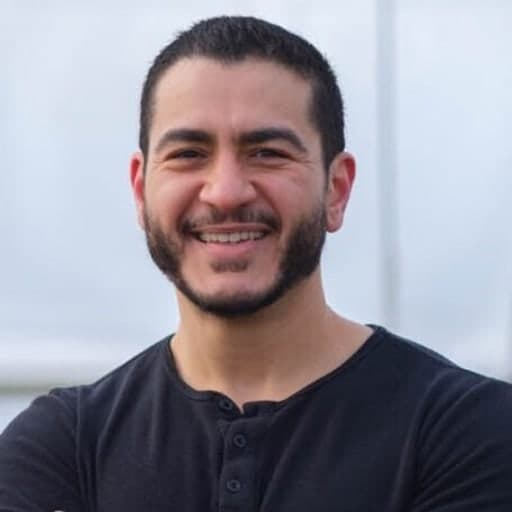 Abdul El-SayedDirectly involved
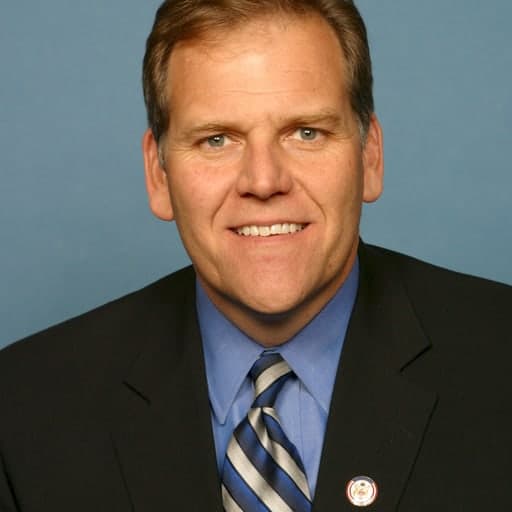 Mike RogersCommented
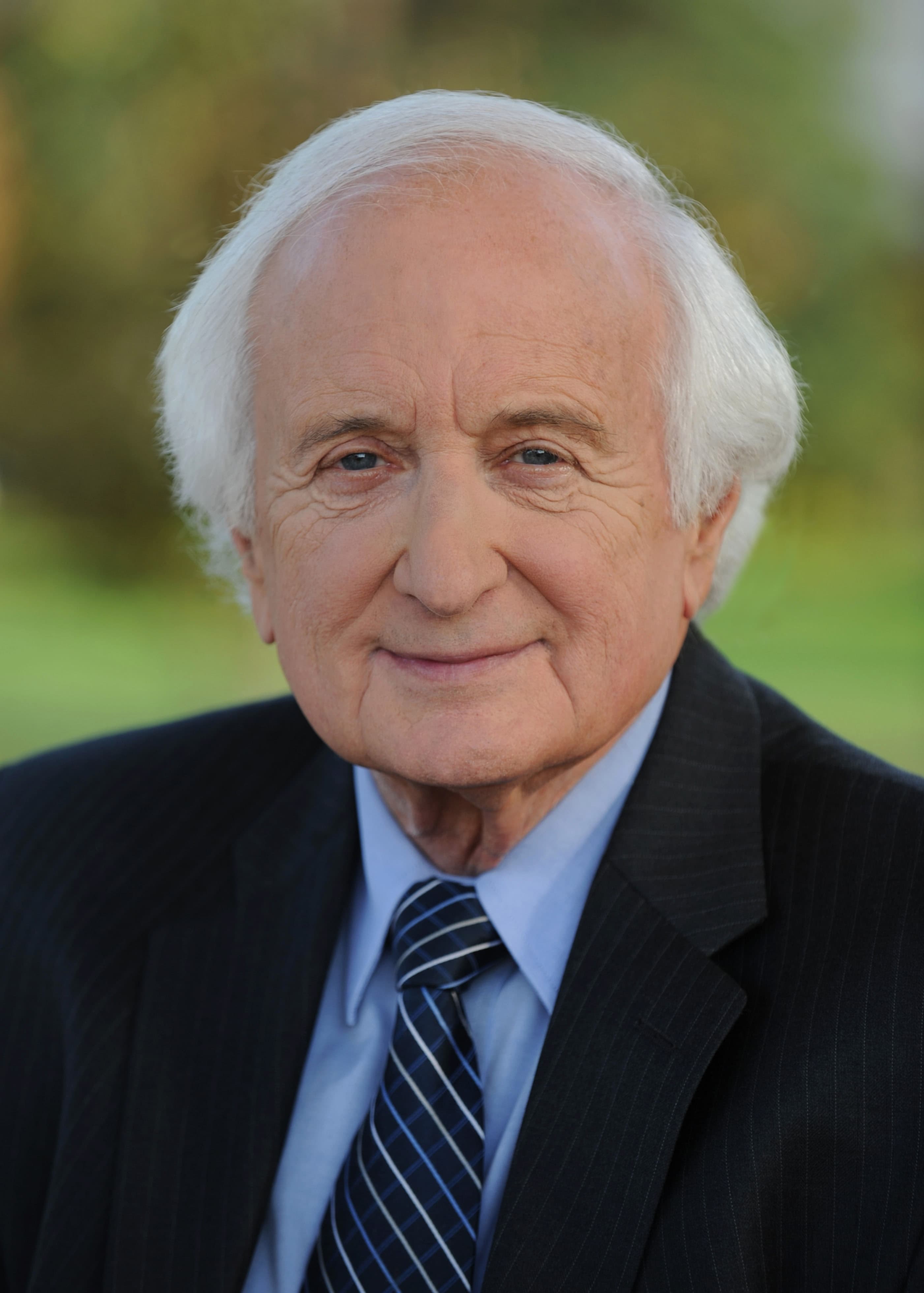 Sander LevinCommented
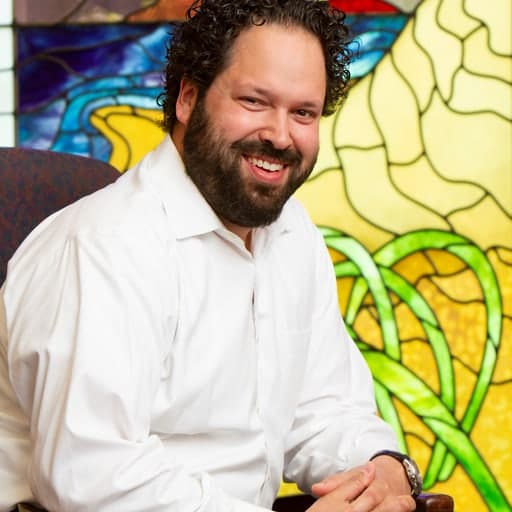 Rabbi Josh WhinstonCommented
Timeline
17 timeline entries on this page. Dates: March 12, 2026 to October 8, 2026
March 2026
El-Sayed issues immediate condemnation
Source release
El-Sayed publishes an unqualified written condemnation of the attack and expresses solidarity with Temple Israel.
[01]Abdul El-Sayed Statement on West Bloomfield Synagogue Attack
El-Sayed's immediate written condemnation and solidarity statement, published before the disputed longer video.
El-Sayed publishes cycle-of-violence video
Claim
El-Sayed condemns the attack while introducing the assailant's family deaths and the regional war as causal context, saying that hurt people hurt people and violence is a cycle.
[02]VIDEO: Abdul El-Sayed Reflects on Temple Israel Attack
Source excerpt
Hurt people hurt people. Violence is a cycle.
Primary transcript containing El-Sayed's condemnations, causal framing, family-death context, and distinction between Jews and Israel.
VIDEO: Abdul El-Sayed Reflects on Temple Israel AttackFull video transcriptEl-Sayed defends taking a risk
Reaction
On an internal campaign call, El-Sayed describes publishing the longer statement as a risk and presents the decision as an act of leadership.
[03]Abdul El-Sayed calls statement on Temple Israel attack a risk
Source excerpt
If you're having a moral crisis over whether to condemn terrorism, you're unfit for office.
Reports El-Sayed's internal campaign call and attributable reactions from Mike Rogers and Tim Scott.
Rogers and Scott condemn the remarks
Reaction
After the internal call becomes public, Mike Rogers and Tim Scott sharply criticize El-Sayed's response.
[03]Abdul El-Sayed calls statement on Temple Israel attack a risk
Source excerpt
If you're having a moral crisis over whether to condemn terrorism, you're unfit for office.
Reports El-Sayed's internal campaign call and attributable reactions from Mike Rogers and Tim Scott.
FBI releases final investigative findings
Source release
The FBI characterizes the attack as Hezbollah-inspired, intentionally directed at the Jewish community, and preceded by days of planning and research.
[04]Detroit Special Agent in Charge Jennifer Runyan Delivers Final Update on West Bloomfield Attack
Official final update supporting the Hezbollah-inspired assessment, deliberate Jewish targeting, planning, searches, propaganda consumption, and revenge communications.
June 2026
El-Sayed maintains explanation-versus-excuse distinction
Reaction
El-Sayed rejects the premise that understanding why violence occurs is equivalent to excusing it; reporting also documents continued criticism.
[05]Abdul El-Sayed is courting Jewish voters without moderating his views on Israel
Source excerpt
unserious
Supports El-Sayed's continued defense, Rabbi Jen Lader's critique, and divided responses among Jewish voters.
Abdul El-Sayed is courting Jewish voters without moderating his views on IsraelFull report and interview
August 2026
El-Sayed reaffirms causal framing
Claim
After winning the Democratic primary, El-Sayed again says ending hurt requires stopping people from being hurt.
[06]The Situation Room transcript — August 5, 2026
Source excerpt
We should stop hurting people.
Interview transcript supporting El-Sayed's post-primary reaffirmation of his causal framing.
Hasan Piker controversy renews scrutiny
A separate controversy involving Hasan Piker's remarks about American Jews renews attention to El-Sayed's Temple Israel response and political associations.
[07]El-Sayed distances himself from Piker’s comments on American Jews
Independent reporting on the passage, the on-screen Jeremy Moss material, Piker’s stated interpretation, and Abdul El-Sayed’s response.
[08]El-Sayed courts Jewish Democrats but won't dump Piker
Supports the apology chronology and distinguishes the Temple Israel controversy from El-Sayed's continued association with Hasan Piker.
El-Sayed apologizes for introducing context
Correction
El-Sayed calls his handling a mistake, apologizes for the hurt caused, and says the immediate response should have stopped at condemnation.
[09]El-Sayed apologizes for comments he made responding to an attack on a Michigan synagogue
Source excerpt
I made a mistake. It wasn't the time for context.
Independent reporting on El-Sayed's August apology, including what he conceded and what he did not retract.
[08]El-Sayed courts Jewish Democrats but won't dump Piker
Supports the apology chronology and distinguishes the Temple Israel controversy from El-Sayed's continued association with Hasan Piker.
Public response to the apology remains divided
Reaction
Jim Clyburn accepts the apology, JD Vance continues attacking El-Sayed, and Jewish Democratic reaction remains divided.
[10]Jim Clyburn supports El-Sayed after Senate hopeful's apology
Source excerpt
I take him at his word. All of us deserve second chances.
Reports Jim Clyburn's acceptance of El-Sayed's apology and continued support for the nominee.
Jim Clyburn supports El-Sayed after Senate hopeful's apologyMeet the Press quotation[11]JD Vance political rally in Sterling Heights, Michigan
Primary transcript for Vance's reaction to El-Sayed and the Temple Israel controversy.
JD Vance political rally in Sterling Heights, MichiganFull rally transcript[12]El-Sayed's apology to Jewish Democrats draws mixed response
Provides attributable reactions from Jessica Alexander, David Kramer, Michael Horowitz, and other Jewish Democrats.
[13]The Arena with Kasie Hunt transcript — August 31, 2026
Supports Xochitl Hinojosa and Mallory McMorrow's reactions. One clip is mislabeled in the transcript and should not be attributed to JD Vance.
September 2026
Nonnegotiable Michigan campaign launches
Reaction
A Jewish petition campaign presented principles for candidates seeking its support. Individual reactions from Rabbis Josh Whinston and Aaron Starr are recorded separately.
[14]Nonnegotiable Michigan
Petition sets out five principles. The date records the reported public launch; the page has no publication timestamp. Affiliations do not imply institutional endorsement.
Nonnegotiable Michigan — petition · Nonnegotiable Michigan[15]Nonnegotiable Michigan
Identifies Zioness Action Fund as the parent project and explicitly discusses El-Sayed. Provides the campaign's own description of its aims.
Nonnegotiable Michigan — campaign FAQ · Nonnegotiable Michigan[16]Michigan rabbis lay out demands for El-Sayed and state Democrats to earn their votes
Reports the September 7 press conference and interviews about the petition and apology.
El-Sayed meets privately with Temple Israel rabbis
Jewish Insider reports that El-Sayed recently met rabbis at Temple Israel, the synagogue attacked in March, in what it describes as a closely guarded conversation, sourced to two people familiar with the meeting. Details were unclear and no participant spoke on the record: two rabbis said to have taken part declined to comment, and El-Sayed’s campaign did not respond to a request for comment. The report places the meeting after his apology the previous month for his response to the attack.
[17]Jewish Insider: El-Sayed met privately with Temple Israel rabbis
Source excerpt
In the most significant sign of his efforts to make inroads with skeptical Jewish voters in Michigan’s Senate race, Abdul El-Sayed, the Democratic nominee, recently met with rabbis at Temple Israel for a closely guarded conversation, according to two people familiar with the meeting.
Reports a private meeting between El-Sayed and rabbis at Temple Israel, the synagogue attacked in March, sourced to two people familiar with it. No participant is named or on the record: two rabbis said to have taken part declined to comment and the campaign did not respond. The report ties the meeting to his apology the previous month, and records that some Jewish leaders read that apology as regretting the timing rather than the substance, given his caveat that there was “opportunity for context later on.”
Jewish Insider: El-Sayed met privately with Temple Israel rabbisArticle lede and the paragraphs on the meeting and the apology.Michigan Jews for Democracy backs El-Sayed while noting reservations
Reaction
Michigan Jews for Democracy published a letter saying its signers intended to vote for Abdul El-Sayed while acknowledging reservations about aspects of his approach to Israel and language used by some allies. The statement records a coalition’s campaign reaction and does not identify a finding about the Temple Israel attack.
[18]Michigan Jews for Democracy letter supporting Abdul El-Sayed while noting reservations
Source excerpt
“Some of us are enthusiastic supporters of El-Sayed. Some of us have reservations.”
A Michigan voter coalition letter says its signers intend to vote for Abdul El-Sayed while describing reservations about aspects of his approach to Israel and language used by some allies. It is a coalition’s campaign statement, not a statement by El-Sayed or a finding about the Temple Israel attack.
Michigan Jews for Democracy letter supporting Abdul El-Sayed while noting reservationsOpening letter and the linked full-text letter; accessed September 20, 2026.El-Sayed posts about Rosh Hashanah visit with Michigan Jewish residents
Reaction
El-Sayed posted that he had spent Rosh Hashanah the previous week with Missy and Elaine, whom he described as lifelong Michiganders. He said they discussed a more just and peaceful future for Michigan communities, and the post included a video from the visit.
[19]Abdul El-Sayed posts about Rosh Hashanah visit with Michigan Jewish residents
Source excerpt
“We talked about the work we can do together to build a more just and peaceful future for our communities here in Michigan.”
El-Sayed’s verified campaign account posted a video from a Rosh Hashanah visit with Missy and Elaine, whom he described as lifelong Michiganders. He said the visit occurred the prior week and described discussion of a just and peaceful future for Michigan communities.
Abdul El-Sayed posts about Rosh Hashanah visit with Michigan Jewish residentsX post published September 20, 2026 at 00:19:52 UTC; attached video.
October 2026
PolitiFact rates Rogers's claim that El-Sayed could not condemn the attacker Mostly False
PolitiFact rated Mostly False Rogers's September 24 claim that El-Sayed could not condemn the Temple Israel attacker. It found that El-Sayed said "I condemn what he did" in his March 13 video, and that critics said his "hurt people hurt people" remarks in the same video appeared to justify or excuse the attack.
[20]El-Sayed condemned Michigan synagogue attack. Critics said his other comments appeared to justify it
Source excerpt
“(El-Sayed) could not condemn the terrorist who tried to attack and kill 140 Jewish children right here in Michigan,” said Rogers … “The only reason he issued a fake apology five months later is because the polling told him to,” Rogers spokesperson Alyssa Brouillet said … We rate it Mostly False.
PolitiFact fact-check of Rogers's September 24, 2026 claim that El-Sayed could not condemn the Temple Israel attacker. It reviews El-Sayed's March 12 and March 13 statements and his August apology.
El-Sayed condemned Michigan synagogue attack. Critics said his other comments appeared to justify itOpening section quoting Rogers's Hannity remark, the paragraph quoting Rogers spokesperson Alyssa Brouillet, and the rulingTemple Israel condemnation disputed at Senate debate
Reaction
Rogers accused El-Sayed of failing to condemn the Temple Israel attack. El-Sayed disputed that claim. The exchange renewed disagreement over his response months after his original statement and apology.
[21]Jewish Insider reports Temple Israel exchange at Senate debate
The report describes Rogers's criticism and El-Sayed's insistence that he had condemned the Temple Israel attack.
Jewish Insider reports Temple Israel exchange at Senate debateOpening debate account and paragraph stating El-Sayed insisted he had condemned the attack[22]Michigan Senate debate recap
Reports the candidates' exchange.
Michigan Senate debate recapTemple Israel exchangePolitiFact assesses Rogers's condemnation claim
Source release
PolitiFact rated Rogers's claim that El-Sayed had not condemned the Temple Israel attack Mostly False. Its analysis cited his March condemnation and later apology while describing criticism of his framing.
[23]PolitiFact checks Rogers's Temple Israel condemnation claim
PolitiFact assesses Rogers's debate claim as Mostly False, citing El-Sayed's March condemnation and later apology.
PolitiFact checks Rogers's Temple Israel condemnation claimSection examining the claim that El-Sayed failed to condemn the attack
Claims
Claims separate what was said from what is contested. Follow each source for the original wording and context.
What's disputed
Disputed claim
The Temple Israel attack should be understood in part through the cycle of violence created by the regional war and the Israeli airstrike that killed members of the assailant's family.
Sources (1)
- VIDEO: Abdul El-Sayed Reflects on Temple Israel AttackFull video transcript
Disputed claim
Providing causal context for the attack did not justify it; the attack remained wrong, antisemitic, and unjustifiable.
Sources (1)
- VIDEO: Abdul El-Sayed Reflects on Temple Israel AttackFull video transcript
Disputed claim
The members of the assailant's family killed in the Israeli airstrike were innocent people.
Disputed claim
FBI Detroit Field Office
The Temple Israel attack was Hezbollah-inspired, purposefully targeted the Jewish community, and followed days of planning and research.
Sources (1)
Disputed claim
El-Sayed's cycle-of-violence framing rationalized the antisemitic attack or improperly shifted explanatory responsibility toward Israel and Jews.
Sources (3)
- Abdul El-Sayed is courting Jewish voters without moderating his views on IsraelFull report and interview
Show fewer disputed claims
Disputed claim
El-Sayed's immediate response should have stopped at an unqualified condemnation; adding causal context at that moment was a mistake.
Arguments
Editorial analysis
El-Sayed's explanation gave too little weight to deliberate antisemitic targeting
El-Sayed did more than note that the attacker had suffered a loss. He used counterfactuals about the Israeli strike and described the war as driving the attacker to violence. Immediately after an attack aimed at a synagogue where children were present, that framing could reasonably be heard as shifting explanatory emphasis from the assailant's choices and antisemitic ideology toward actions by Israel. Later FBI findings documented deliberate research into Jewish institutions, pro-Hezbollah propaganda, revenge communications, and days of planning, making El-Sayed's initial explanation incomplete.
Limit of this argument
El-Sayed explicitly condemned antisemitism and the attack multiple times. The primary transcript does not support saying that he endorsed the violence or wanted Jewish people harmed.
Read sources and related claim
Related claim
El-Sayed's cycle-of-violence framing rationalized the antisemitic attack or improperly shifted explanatory responsibility toward Israel and Jews.
Sources
- VIDEO: Abdul El-Sayed Reflects on Temple Israel AttackFull video transcript
Editorial analysis
El-Sayed condemned the attack while discussing its causes
Explaining a perpetrator's motives is not the same as morally excusing the act. El-Sayed called the attack heinous, wrong, antisemitic, and unjustifiable, described the target as innocent children, and explicitly rejected conflating Jews or Temple Israel with the Israeli state. The family deaths were genuine context, and FBI evidence later documented revenge language tied to the deceased relatives even while also identifying Hezbollah ideology and deliberate Jewish targeting.
Limit of this argument
The timing and wording foreseeably caused pain, and the later FBI evidence required a fuller account of ideology, intentional Jewish targeting, and planning than El-Sayed initially offered.
Read sources and related claim
Related claim
Providing causal context for the attack did not justify it; the attack remained wrong, antisemitic, and unjustifiable.
Response record
Responses
Choose one response filter, or select All responses to see the full record.
44 responses. First 6 shown initially. Newest first.
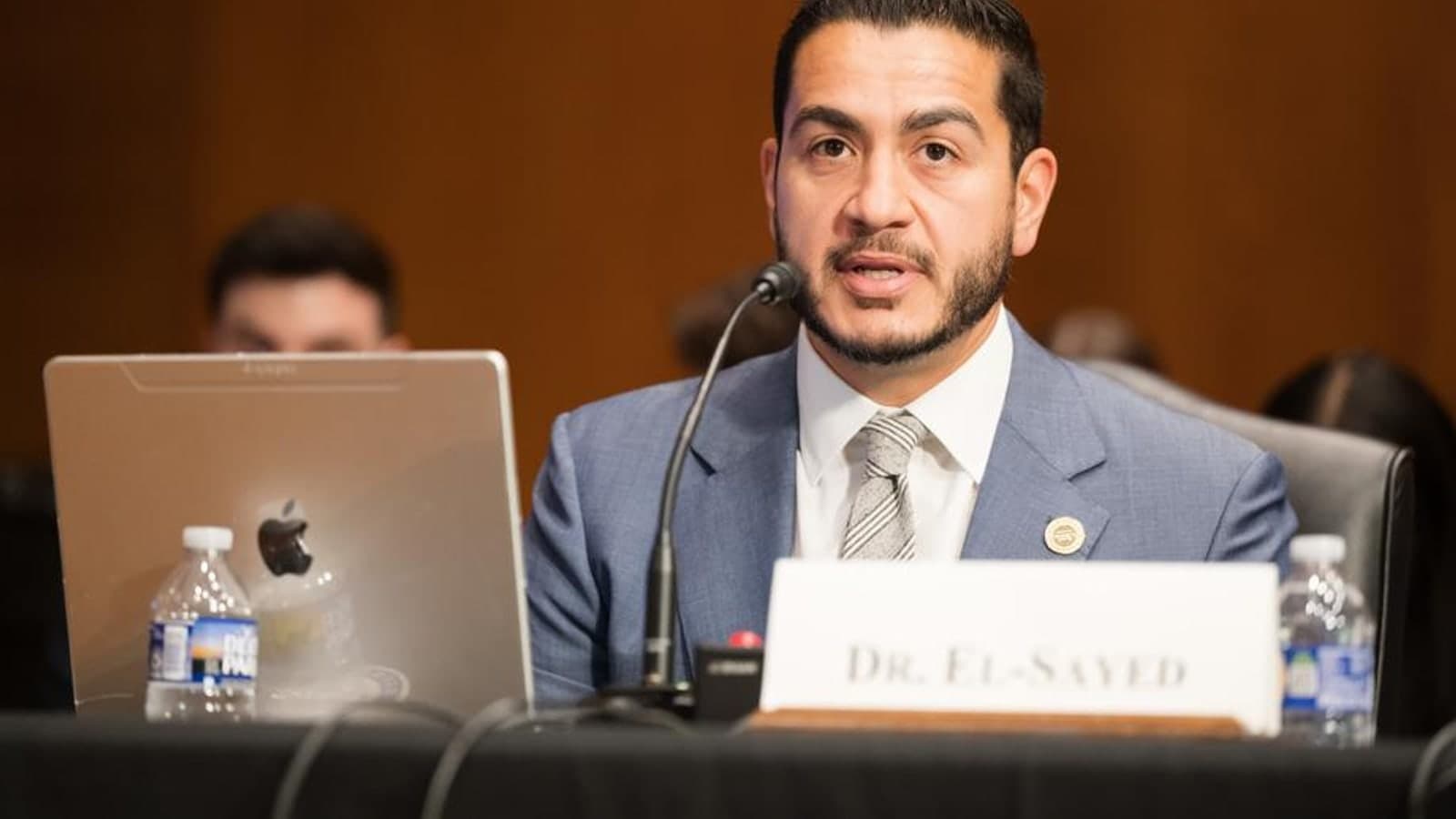
 Abdul El-SayedDemocratic U.S. Senate nominee from Michigan, speaking at a debateDirectly involved
Before this statement
Rogers accused him of failing to condemn the attack.
"I did condemn it"
Challenged the characterizationCase context: Abdul El-Sayed's cycle of violence framing after the Temple Israel attack
Full statement and sources
El-Sayed insisted that he had condemned the Temple Israel attack.
After the statement
Rogers rejected his answer and El-Sayed accused Rogers of making things up.
Michigan Senate debate recapTemple Israel exchangeJewish Insider reports Temple Israel exchange at Senate debateOpening debate account and paragraph stating El-Sayed insisted he had condemned the attackWhy this label?
He disputes Rogers's description of his response, without making a new apology.
This label describes the statement's response within the context above.
 Mike RogersRepublican U.S. Senate nominee from Michigan, speaking at a debate
Before this statement
The candidates were disputing El-Sayed's response to the March attack.
"He can't condemn a terrorist act that happened on our soil in the state of Michigan."
CondemnedCase context: Abdul El-Sayed's cycle of violence framing after the Temple Israel attack
Full statement and sources
Rogers accused El-Sayed of failing to condemn the Temple Israel attack.
After the statement
El-Sayed disputed the accusation; PolitiFact later assessed it as Mostly False.
Michigan Senate debate recapTemple Israel exchangeJewish Insider reports Temple Israel exchange at Senate debateOpening debate account and paragraph stating El-Sayed insisted he had condemned the attackPolitiFact checks Rogers's Temple Israel condemnation claimSection examining the claim that El-Sayed failed to condemn the attackWhy this label?
He criticizes El-Sayed's response as a failure to condemn the attack.
This label describes the statement's response within the context above.
Alyssa BrouilletSpokesperson for Mike Rogers's U.S. Senate campaign Before this statement
On or before October 1, PolitiFact asked the Rogers campaign for information to support Rogers's claim that El-Sayed could not condemn the Temple Israel attacker.
"The only reason he issued a fake apology five months later is because the polling told him to"
CondemnedResponding to: El-Sayed's immediate response should have stopped at an unqualified condemnation; adding causal context at that moment was a mistake.
Full statement and sources
Asked by PolitiFact to support Rogers's claim, Rogers campaign spokesperson Alyssa Brouillet said El-Sayed issued a fake apology five months later only because polling told him to, and called it an insult to Michigan's Jewish community.
After the statement
PolitiFact reports that Brouillet called the apology an insult to Michigan's Jewish community. PolitiFact rated Rogers's claim Mostly False.
El-Sayed condemned Michigan synagogue attack. Critics said his other comments appeared to justify itOpening section quoting Rogers's Hannity remark, the paragraph quoting Rogers spokesperson Alyssa Brouillet, and the rulingWhy this label?
The reference point is El-Sayed's cycle-of-violence framing of the Temple Israel attack. Brouillet rejects his August apology for that framing as insincere and an insult to the Jewish community, which keeps condemning the original response. We used Condemned. Mixed or conditional loses because she accepts no part of the apology. The quote is from PolitiFact's fact-check.
This label describes the statement's response within the context above.
- Mike RogersRepublican nominee for U.S. Senate in Michigan, in a Fox News interview
Before this statement
Hannity and Rogers were discussing El-Sayed's answer at a campaign event to a question about Iran's Revolutionary Guard. Hannity said El-Sayed would not condemn Hasan Piker either; Rogers replied that he would 'top' that.
"could not condemn the terrorist who tried to attack and kill 140 Jewish children right here in Michigan"
CondemnedResponding to: El-Sayed's cycle-of-violence framing rationalized the antisemitic attack or improperly shifted explanatory responsibility toward Israel and Jews.
Full statement and sources
In a Fox News interview with Sean Hannity, Rogers said El-Sayed could not condemn the man who tried to attack 140 Jewish children at Temple Israel, and that "hurt people hurt people" was all El-Sayed could come up with.
After the statement
Rogers said "hurt people hurt people" was all El-Sayed could come up with, then returned to El-Sayed's answer about Iran's Revolutionary Guard.
Fox News clip: Mike Rogers on Hannity about Abdul El-SayedFox News Clips upload of Rogers's September 24, 2026 Hannity interview, about 2:50 to 3:20El-Sayed condemned Michigan synagogue attack. Critics said his other comments appeared to justify itOpening section quoting Rogers's Hannity remark, the paragraph quoting Rogers spokesperson Alyssa Brouillet, and the rulingWhy this label?
The reference point is El-Sayed's cycle-of-violence framing of the Temple Israel attack. Rogers rejects that response as a failure to condemn the attacker, which criticizes the framing. We used Condemned. Challenged the characterization does not fit because Rogers is attacking El-Sayed's response, not disputing a label. El-Sayed did say he condemned the attack, and PolitiFact rated this claim Mostly False. We checked the quote against PolitiFact's report and the broadcast clip.
This label describes the statement's response within the context above.
 Senate Leadership FundRepublican super PAC that spends on U.S. Senate races, in a press release
Before this statement
The release reproduces excerpts of a September 22 Free Press article. That article reports that El-Sayed said "Hurt people, hurt people" in a video message posted the day after the March attack, and that he apologized in late August, saying he had been trying to offer context.
"In case you missed it, Temple Israel congregants in Metro Detroit told The Free Press that Abdul El-Sayed’s callous “hurt people hurt people” response to the terrorist attack on their synagogue in March drove them to support Mike Rogers this November."
CondemnedCase context: Abdul El-Sayed's cycle of violence framing after the Temple Israel attack
Full statement and sources
Senate Leadership Fund said in a September 23 press release that El-Sayed's "hurt people hurt people" response to the March attack on Temple Israel was callous. It said congregants who spoke to The Free Press were backing Mike Rogers because of it.
After the statement
The excerpted article says Rogers has made El-Sayed's response to the attack a recurring theme on the campaign trail, and that Temple Israel reopened its sanctuary and school this month after a renovation of nearly six months.
ICYMI: Temple Israel Congregants Back Mike Rogers · Senate Leadership FundPress release dated September 23, 2026, opening paragraphWhy this label?
The case looks at El-Sayed's framing of the Temple Israel attack as part of a cycle of violence. Senate Leadership Fund calls that response callous and says congregants told The Free Press it drove them to back his opponent. That is direct criticism of the framing, so we labeled it Condemned.
This label describes the statement's response within the context above.
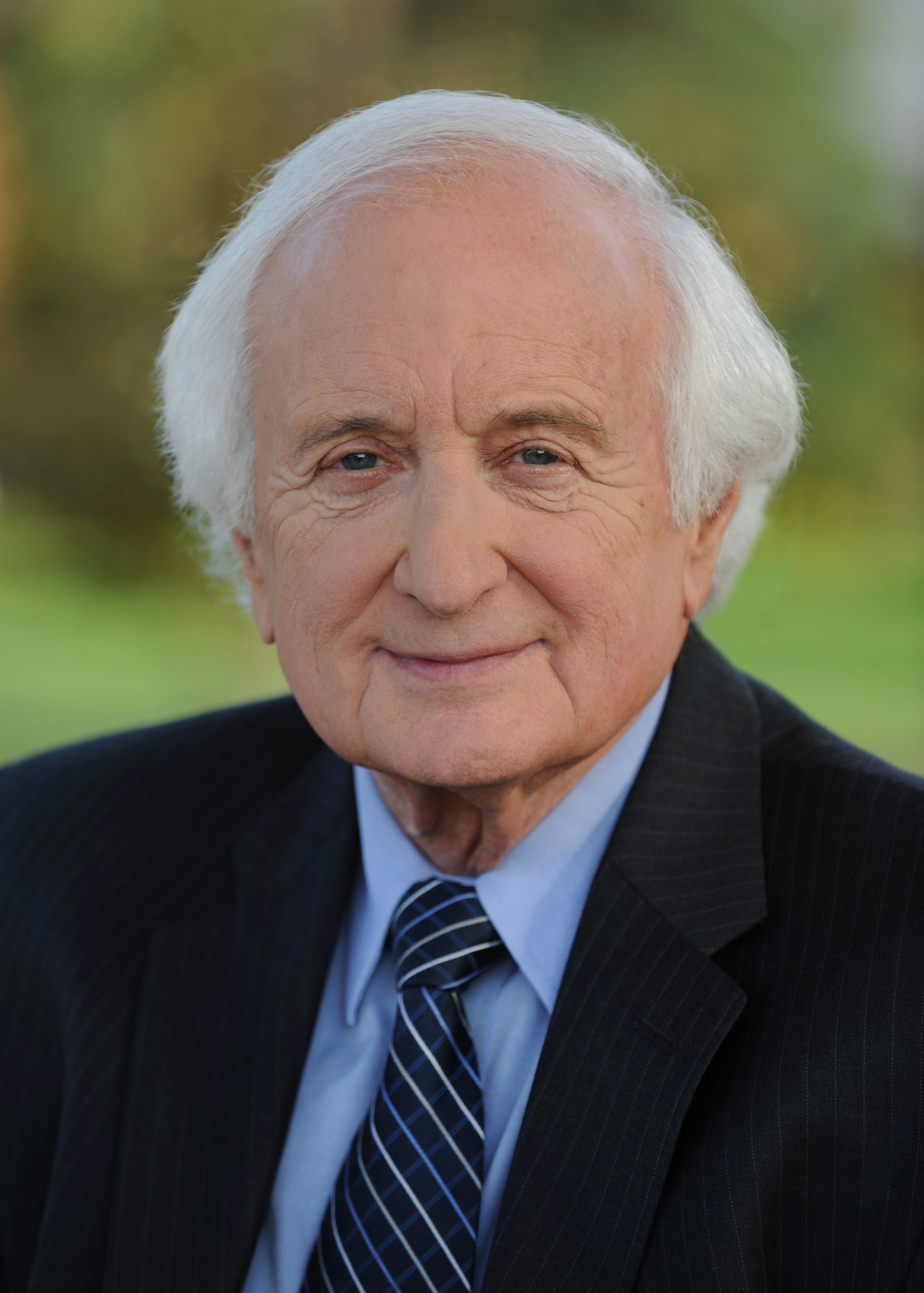 Sander LevinFormer U.S. Representative (D-MI)
Before this statement
Publicly endorsing El-Sayed's Senate candidacy.
"all Michiganders of conscience"
Mixed or conditionalCase context: Abdul El-Sayed's cycle of violence framing after the Temple Israel attack
Full statement and sources
Former U.S. Rep. Sander Levin, a longtime figure in Michigan Jewish Democratic politics, endorsed Abdul El-Sayed despite "significant disagreement" over his Israel/Palestine stance, urging "all Michiganders of conscience" to back him.
After the statement
No further public follow-up had been reported as of this writing.
Why this label?
Levin explicitly endorses El-Sayed despite 'significant disagreement' over his Israel/Palestine stance, a conditional position that supports El-Sayed's candidacy while not endorsing his specific framing of the case's underlying dispute.
This label describes the statement's response within the context above.
Show fewer responses
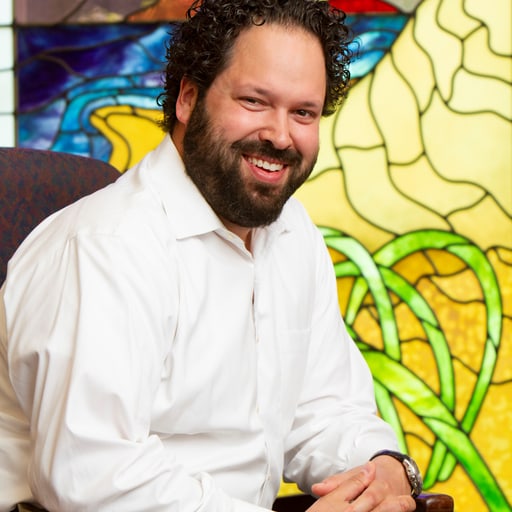 Rabbi Josh WhinstonRabbi, Temple Beth Emeth; co-author of the "Nonnegotiable Michigan" commitments
Before this statement
The Center Square reported that Nonnegotiable Michigan, a coalition whose five commitments Whinston helped write, first asked El-Sayed on September 8 to affirm them. The coalition said there had been "crickets" from his campaign since then. The article also cited El-Sayed's August statement that his commitment to Jewish safety was the same as his commitment to the safety of his own daughters.
"He went on national television that morning and called Israel's leadership 'bloodthirsty,' and that evening issued a statement about caring for the safety of the Jewish community like his own daughters To me, that just feels completely disingenuous. Those things are worlds apart from each other."
CondemnedCase context: Abdul El-Sayed's cycle of violence framing after the Temple Israel attack
Full statement and sources
Rabbi Josh Whinston told The Center Square that El-Sayed's statement about caring for the safety of the Jewish community like his own daughters felt "completely disingenuous" because, he said, it came the same day El-Sayed called Israel's leadership "bloodthirsty" on national television.
After the statement
Whinston said the coalition is not asking El-Sayed to abandon his views on Israel or the Middle East. El-Sayed's campaign did not respond to The Center Square's request for comment.
Why this label?
Whinston calls El-Sayed's pledge on Jewish safety "completely disingenuous," saying it came the same day El-Sayed called Israel's leadership "bloodthirsty" on national television. That is a direct criticism of the candidate and a firmer one than his earlier statement in this case.
This label describes the statement's response within the context above.
Steven BurgCEO of Aish Before this statement
Speaking on Newsmax's 'National Report' about Abdul El-Sayed's response to the Temple Israel attack.
"El-Sayed couldn't even fully condemn it... He was kind of explaining away the terrorists. Everything we see from him just breeds evil and hate."
CondemnedCase context: Abdul El-Sayed's cycle of violence framing after the Temple Israel attack
Full statement and sources
Aish CEO Rabbi Steven Burg criticized Abdul El-Sayed's response to the Temple Israel attack as inadequate, saying El-Sayed could not fully condemn it and was 'explaining away the terrorists.'
After the statement
A related written op-ed by Burg ran on JNS.org on September 14, 2026.
Why this label?
Burg directly condemns El-Sayed's response to the Temple Israel attack as inadequate and as effectively explaining away the attackers, extending the case's existing criticism from a new named religious leader.
This label describes the statement's response within the context above.
- Mike RogersRepublican U.S. Senate nominee speaking at the party's September 10 convention
Before this statement
Rogers referred to children present during the Temple Israel attack and replayed El-Sayed's hurt-people framing. El-Sayed had also condemned the attack in March and later apologized for introducing context at that moment.
"And Abdul's instinct was to excuse it."
CondemnedResponding to: El-Sayed's cycle-of-violence framing rationalized the antisemitic attack or improperly shifted explanatory responsibility toward Israel and Jews.
Full statement and sources
Rogers renewed his criticism of El-Sayed's Temple Israel response, arguing that the cycle-of-violence explanation excused the assailant rather than centering the victims.
After the statement
Rogers argued that Michigan needed a senator focused on victims rather than explanations of terrorists' motivations. The original condemnations, causal explanation and later apology remain in their dated records.
Mike Rogers's full September 10 convention speech · Mike RogersFull campaign-published transcript; passage beginning That's why I never imagined; later Temple Israel passage beginning We saw that testedDetroit News records Rogers's convention criticism and the El-Sayed campaign's replyParagraph beginning Campaign spokesman Cole Wozniak said in a Sept. 10 statement, and the following paragraphWhy this label?
The selected passage directly condemns El-Sayed's explanation of the synagogue attack. It records Rogers's interpretation, not a finding that El-Sayed approved the attack.
This label describes the statement's response within the context above.
- Mike RogersMichigan Republican Senate nominee
Before this statement
Said at the Republican midterm convention in Dallas on September 10, 2026, months after El-Sayed's initial "cycle of violence" comments and subsequent apology.
"Michigan needs a senator fighting for the victims. You don't sympathize with terrorists. You don't sanitize extremism... He's a conman. I'm a lawman. He wants to apologize for America. I want to defend America."
CondemnedCase context: Abdul El-Sayed's cycle of violence framing after the Temple Israel attack
Full statement and sources
At the September 2026 GOP midterm convention, Mike Rogers escalated his criticism of El-Sayed's Temple Israel "cycle of violence" framing to a national stage, calling him a "conman" who sympathizes with terrorism.
After the statement
The remarks were part of Rogers's broader convention speech.
Why this label?
Rogers directly and sharply condemns El-Sayed's Temple Israel framing as sympathizing with and sanitizing terrorism, escalating his existing position to a national convention stage with new, sharper language.
This label describes the statement's response within the context above.
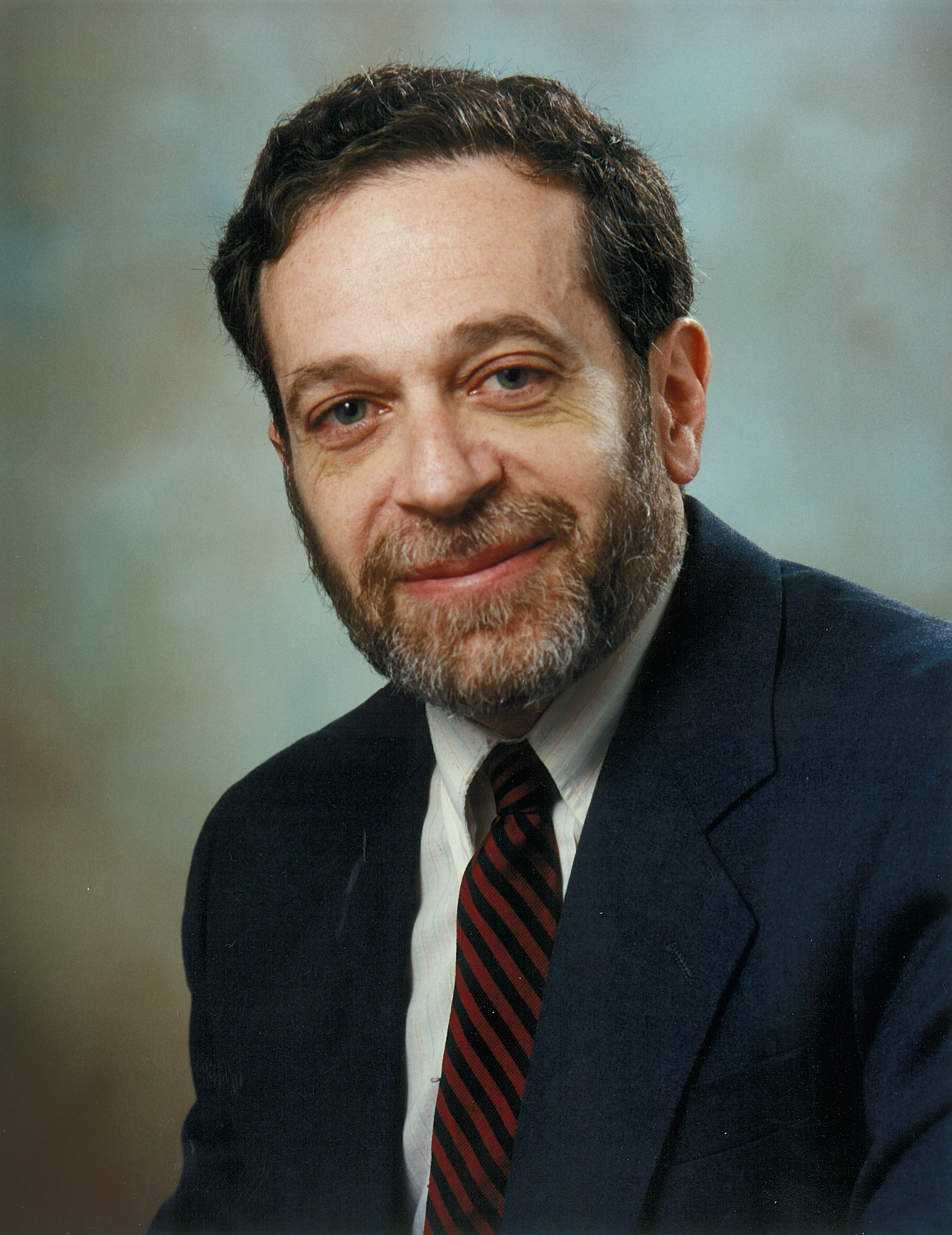 Robert ReichAuthor and former labor secretary, personal essay
Before this statement
Reich discusses El-Sayed's apology and the criticism of his contextual explanation after the synagogue attack.
"it’s clear he was merely trying to explain and give context for the violence."
Defended or excusedCase context: Abdul El-Sayed's cycle of violence framing after the Temple Israel attack
Full statement and sources
Reich defends El-Sayed's disputed response as an explanation of the violence rather than a justification of the attack.
After the statement
The defense is Reich's own; Common Dreams republication is not another reactor.
Why this label?
The essay directly rejects the central criticism of El-Sayed's framing; this is more specific than the accompanying electoral endorsement.
This label describes the statement's response within the context above.
 Rabbi Aaron StarrRabbi, Congregation Shaarey Zedek
Before this statement
Discussing the Nonnegotiable Michigan initiative with JTA.
"really only a partial apology"
CondemnedResponding to: El-Sayed's immediate response should have stopped at an unqualified condemnation; adding causal context at that moment was a mistake.
Full statement and sources
Starr criticized the adequacy of El-Sayed's apology.
After the statement
The initiative had begun before the apology; this is an individual assessment, not sixteen separate condemnations.
Why this label?
He explicitly regarded the apology as incomplete.
This label describes the statement's response within the context above.
 Nonnegotiable MichiganPetition campaign
Before this statement
The campaign launched amid debate over Jewish inclusion and El-Sayed's outreach.
"Every constituency must occasionally remind its party that support is earned, not owed."
Mixed or conditionalCase context: Abdul El-Sayed's cycle of violence framing after the Temple Israel attack
Full statement and sources
Nonnegotiable Michigan set conditions for Democratic candidates seeking Jewish support.
After the statement
The petition does not name El-Sayed; its FAQ explicitly includes him. Affiliations do not imply institutional endorsement, and the campaign does not endorse a candidate.
Nonnegotiable Michigan — petition · Nonnegotiable MichiganNonnegotiable Michigan — campaign FAQ · Nonnegotiable MichiganWhy this label?
The campaign conditions political support on stated commitments. This is one collective position, not a separate condemnation attributed to every signatory.
This label describes the statement's response within the context above.
- Rabbi Josh WhinstonRabbi, Temple Beth Emeth
Before this statement
Speaking at the September 7 press conference.
"But his vision needs to be more inclusive."
Mixed or conditionalCase context: Abdul El-Sayed's cycle of violence framing after the Temple Israel attack
Full statement and sources
Whinston praised El-Sayed's potential while seeking greater inclusion.
After the statement
This assessment concerns broader Jewish outreach; it does not establish endorsement of the original synagogue response.
Why this label?
His positive assessment was explicitly qualified.
This label describes the statement's response within the context above.
- Abdul El-SayedDemocratic nominee for U.S. Senate in Michigan, in a podcast interviewDirectly involved
Before this statement
In an On NOTUS episode released September 2, El-Sayed said he felt the need to apologize clearly for the pain he might have caused, and that the attempt to offer broader context so close to the attack was ill-timed and ill-suited to his goal of saying the attack was wrong.
"There’s plenty of opportunity to talk about how things are interconnected, but not in the acute moment of pain."
Mixed or conditionalResponding to: El-Sayed's immediate response should have stopped at an unqualified condemnation; adding causal context at that moment was a mistake.
Full statement and sources
On the On NOTUS podcast, El-Sayed said he apologized because he did not want to cause pain, and that offering broader context so soon after the attack was ill-timed. He said there is plenty of opportunity to talk about how things are interconnected, but not in the acute moment of pain.
After the statement
He said the apology was not meant to score political points. NOTUS then recalls Dana Nessel's August criticism that he still stood by his comments.
El-Sayed Explains Why He Apologized for His Statement on a Synagogue AttackParagraphs quoting El-Sayed on the On NOTUS podcast about his apologyWhy this label?
The reference point is El-Sayed's cycle-of-violence framing of the Temple Israel attack. He concedes that offering the context so soon was ill-timed, while keeping the view that the events are interconnected and can be discussed later. That combines a retreat on timing with a defense of the substance, so we used Mixed or conditional, consistent with his August apology. Defended or excused loses because he calls his timing a mistake. The quote is from NOTUS's write-up of its own podcast.
This label describes the statement's response within the context above.
 Xochitl HinojosaDemocratic strategist and commentator
Before this statement
A CNN panel discussed the political consequences of El-Sayed's remarks and apology.
"He admitted he was wrong. He apologized."
Mixed or conditionalResponding to: El-Sayed's immediate response should have stopped at an unqualified condemnation; adding causal context at that moment was a mistake.
Full statement and sources
Hinojosa credited El-Sayed with acknowledging error and apologizing.
After the statement
Hinojosa argued that the admission and apology should matter in evaluating the controversy.
Why this label?
She emphasized corrective action without defending the original statement.
This label describes the statement's response within the context above.
 Mallory McMorrowMichigan state senator
Before this statement
McMorrow was asked about her former primary rival's apology.
"when they do something wrong"
Mixed or conditionalResponding to: El-Sayed's immediate response should have stopped at an unqualified condemnation; adding causal context at that moment was a mistake.
Full statement and sources
McMorrow said she wanted a senator willing to apologize after doing something wrong.
After the statement
Her response was supportive of accountability but did not endorse the March framing.
Why this label?
She treated the original remarks as wrong while accepting the value of the apology.
This label describes the statement's response within the context above.
 JD VanceVice president of the United States
Before this statement
At a Michigan rally for Mike Rogers, Vance criticized El-Sayed's statements, identity-based politics, and association with Hasan Piker.
"A person who will apologize for a murderer so long as he looks the right way."
CondemnedResponding to: El-Sayed's cycle-of-violence framing rationalized the antisemitic attack or improperly shifted explanatory responsibility toward Israel and Jews.
Full statement and sources
Vance accused El-Sayed of empathizing with and apologizing for the Temple Israel attacker rather than the children placed at risk.
After the statement
He urged voters to reject candidates who would defend a killer rather than schoolchildren.
JD Vance political rally in Sterling Heights, MichiganFull rally transcriptVance meets clergy of Michigan synagogue targeted in attack amid Jewish voter outreachSections addressing Temple Israel clergy and El-Sayed's apologiesWhy this label?
This is a strong condemnation, but Vance's wording overstates El-Sayed's literal statement, which repeatedly condemned the attack.
This label describes the statement's response within the context above.
 Rabbi Asher LopatinMichigan rabbi and Jewish communal leader
Before this statement
Lopatin reviewed El-Sayed's public and private apologies to Jewish Democrats.
"nonapology apology"
CondemnedResponding to: El-Sayed's immediate response should have stopped at an unqualified condemnation; adding causal context at that moment was a mistake.
Full statement and sources
Lopatin rejected El-Sayed's apology because the candidate continued to retain the causal context.
After the statement
He argued that retaining the causal explanation prevented the statement from being a full apology.
Michigan Rabbi Says El-Sayed's Apology is a Non-ApologyFull interviewWhy this label?
The criticism directly challenges the sufficiency and substance of the apology.
This label describes the statement's response within the context above.
 Temple IsraelClergy of Temple Israel, collectively
Before this statement
Reporters sought reaction from the attacked synagogue's clergy to El-Sayed's public and private apologies.
"declined to comment"
Explicitly stayed outResponding to: El-Sayed's immediate response should have stopped at an unqualified condemnation; adding causal context at that moment was a mistake.
Full statement and sources
Temple Israel's clergy collectively declined to comment on El-Sayed's two August apologies.
After the statement
The clergy did not provide an assessment of the apologies; earlier criticism from Rabbi Jen Lader remained part of the record.
Vance meets clergy of Michigan synagogue targeted in attack amid Jewish voter outreachSections addressing Temple Israel clergy and El-Sayed's apologiesWhy this label?
This is a documented refusal to comment on the apologies, not silence on the broader controversy; Rabbi Jen Lader had already criticized the original March framing.
This label describes the statement's response within the context above.
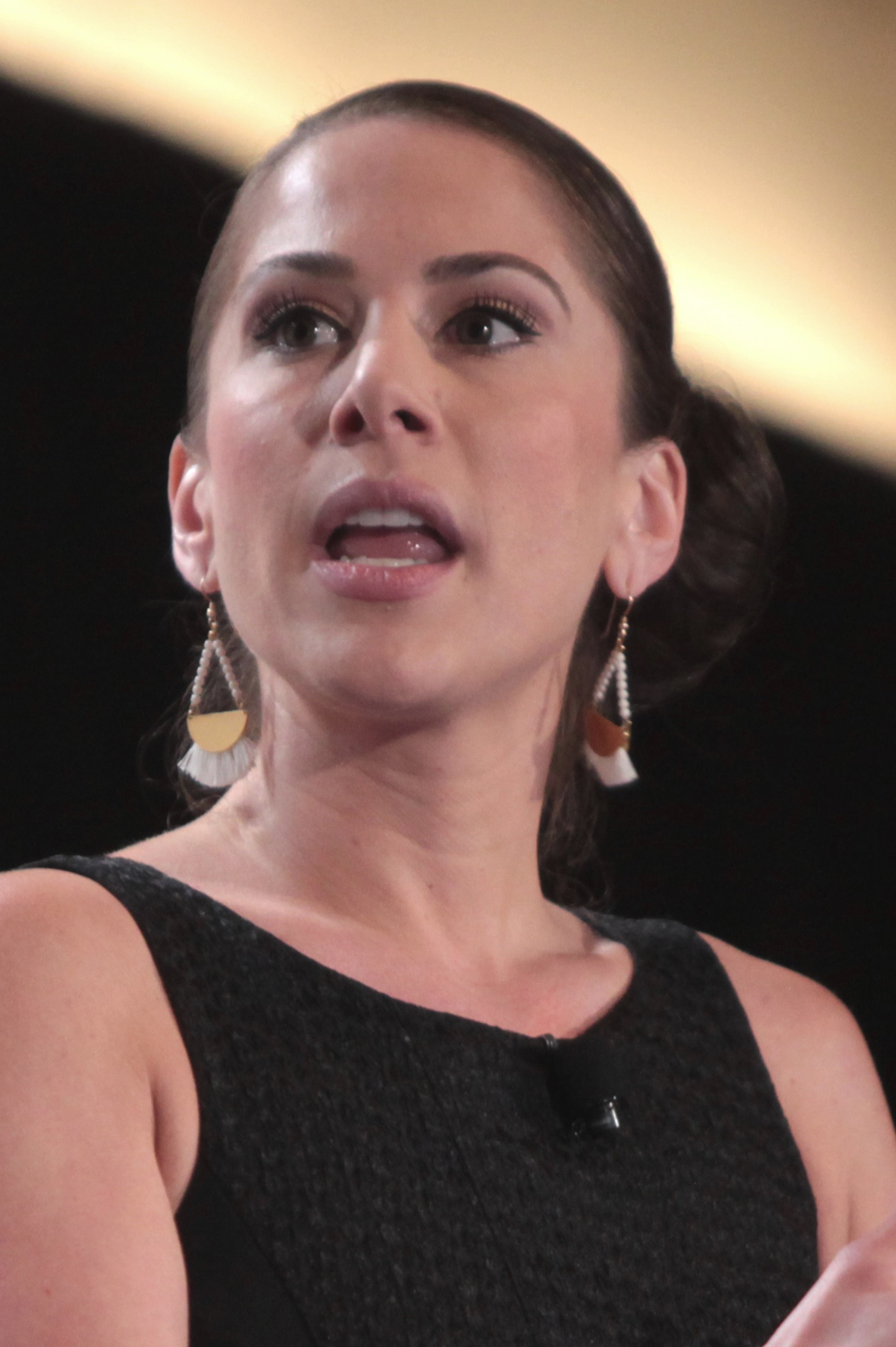 Ana KasparianCo-host of The Young Turks
Before this statement
Kasparian described the Temple Israel attack, stated that El-Sayed did not justify it, and summarized his cycle-of-violence argument.
"walk into a room full of people and apologize for something that he shouldn't have apologized for."
Defended or excusedResponding to: El-Sayed's immediate response should have stopped at an unqualified condemnation; adding causal context at that moment was a mistake.
Full statement and sources
Kasparian said El-Sayed should not have apologized for contextualizing the Temple Israel attack.
After the statement
She attributed the controversy to dishonest readings of his point; Uygur then expanded the defense of causal explanation.
Why this label?
She directly defended the substance of the original causal explanation and rejected the need for an apology.
This label describes the statement's response within the context above.
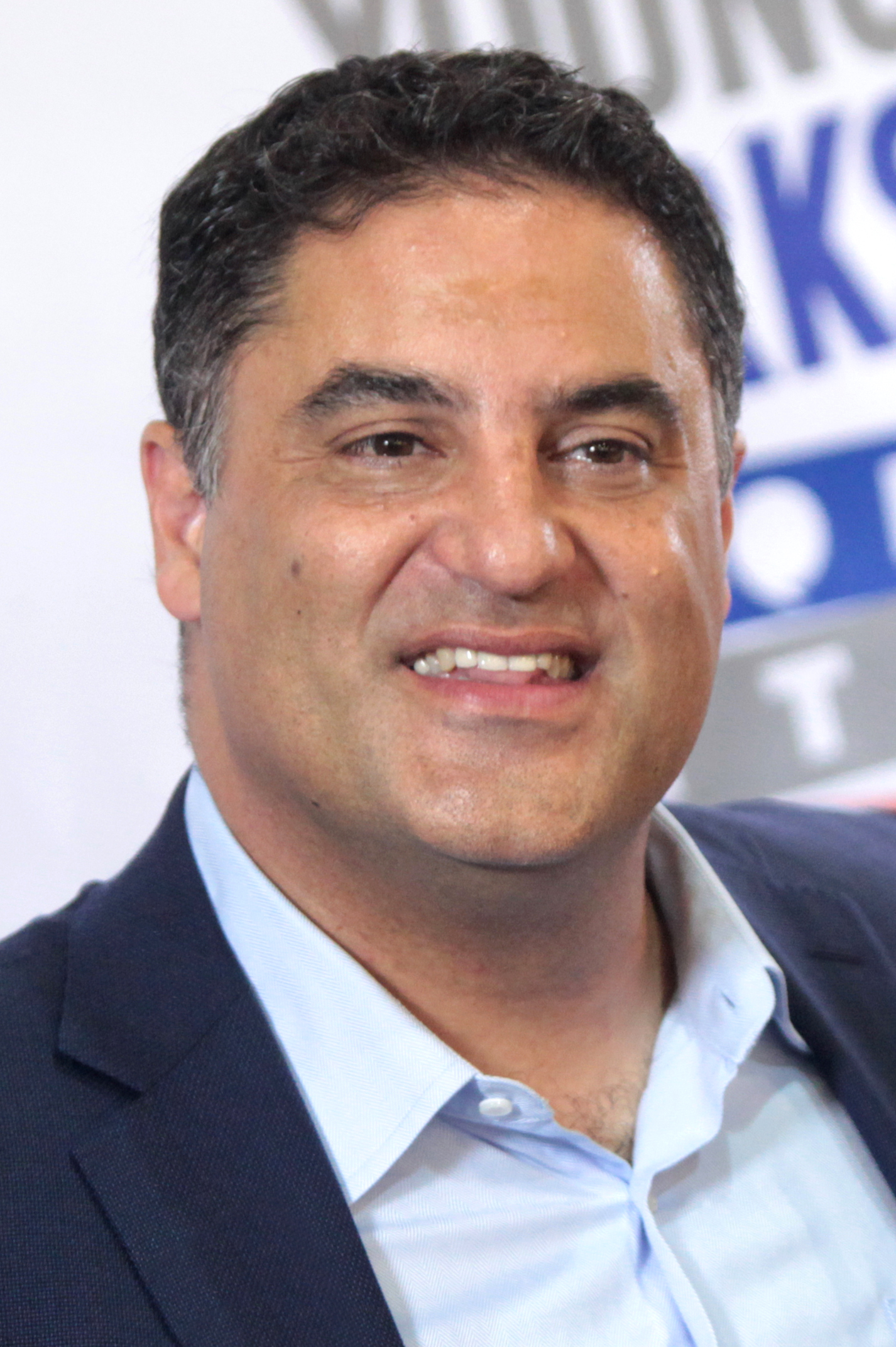 Cenk UygurCo-host and founder of The Young Turks
Before this statement
Kasparian argued that El-Sayed should not have apologized for contextualizing the attack.
"condemns the synagogue attack. Of course, any person would, there's no question, and he did, there's no question about that."
Defended or excusedResponding to: El-Sayed's immediate response should have stopped at an unqualified condemnation; adding causal context at that moment was a mistake.
Full statement and sources
Uygur emphasized that El-Sayed condemned the attack and defended examining the causes of the cycle of violence.
After the statement
Uygur argued that examining causes reveals the consequences of United States support for Israeli policy and said El-Sayed should not apologize.
Why this label?
He treated causal explanation as legitimate and rejected the claim that El-Sayed's context negated his condemnation.
This label describes the statement's response within the context above.
 Andrew KolvetTurning Point USA spokesperson and political media host
Before this statement
Kolvet summarized or reposted Vance's criticism that El-Sayed had shown sympathy for the Temple Israel attacker.
"Michigan CANNOT afford to elect a guy like Sayed."
CondemnedResponding to: El-Sayed's cycle-of-violence framing rationalized the antisemitic attack or improperly shifted explanatory responsibility toward Israel and Jews.
Full statement and sources
Kolvet adopted Vice President JD Vance's criticism and argued that Michigan should not elect El-Sayed.
After the statement
The recovered social archive did not preserve a reliable direct X permalink; the quotation is retained with that limitation.
Why this label?
The authored post expressly endorsed criticism centered on El-Sayed's Temple Israel response and urged electoral rejection.
This label describes the statement's response within the context above.
 Jessica AlexanderMichigan Jewish Democratic organizer
Before this statement
Alexander participated in a meeting between El-Sayed and Jewish Democrats after his public apology.
"sincere"
Defended or excusedResponding to: El-Sayed's immediate response should have stopped at an unqualified condemnation; adding causal context at that moment was a mistake.
Full statement and sources
Alexander described El-Sayed's outreach and apology as sincere and reflective of a commitment to serving everyone.
After the statement
Her response emphasized sincerity and future service rather than defending the March formulation.
Why this label?
She accepted the apology and treated the outreach as sufficient to move forward without endorsing the original wording.
This label describes the statement's response within the context above.
 David KramerMichigan Jewish Democratic organizer
Before this statement
Kramer attended or evaluated El-Sayed's outreach to Jewish Democrats following the apology.
"well-received in the sense that people appreciated he was willing to come into that space and talk and that he's been willing to at least turn down some of the negative rhetoric If you parse his words, he definitely talked about apologizing if people were offended and saying there's a time for context but still leaving open the ability to add context I don't think that there's ever context for targeting 100-plus preschoolers."
Mixed or conditionalResponding to: El-Sayed's immediate response should have stopped at an unqualified condemnation; adding causal context at that moment was a mistake.
Full statement and sources
Kramer credited El-Sayed's engagement while maintaining that violence targeting preschoolers could not be contextualized.
After the statement
He retained a clear objection to the original contextual framing.
Why this label?
The response combines approval of the outreach with a continuing substantive objection.
This label describes the statement's response within the context above.
 Michael HorowitzMichigan Democratic activist
Before this statement
Horowitz evaluated El-Sayed's apology and outreach to Jewish Democrats.
"insufficient"
CondemnedResponding to: El-Sayed's immediate response should have stopped at an unqualified condemnation; adding causal context at that moment was a mistake.
Full statement and sources
Horowitz rejected El-Sayed's apology as insufficient.
After the statement
His criticism focused on the apology's sufficiency rather than adding a new account of the March statement.
Why this label?
He treated the apology as inadequate and politically calculated rather than a sufficient correction.
This label describes the statement's response within the context above.
 Jim ClyburnUnited States representative
Before this statement
Clyburn was asked on Meet the Press about El-Sayed's apology.
"I take him at his word. All of us deserve second chances."
Defended or excusedResponding to: El-Sayed's immediate response should have stopped at an unqualified condemnation; adding causal context at that moment was a mistake.
Full statement and sources
Clyburn accepted El-Sayed's apology and continued to support the Democratic nominee.
After the statement
He framed the episode as a mistake for which a second chance was appropriate.
Jim Clyburn supports El-Sayed after Senate hopeful's apologyMeet the Press quotationWhy this label?
He treated the apology as credible and sufficient for political support.
This label describes the statement's response within the context above.
- Abdul El-SayedDemocratic U.S. Senate nominee in MichiganDirectly involved
Before this statement
Months of criticism intensified after the primary and a separate controversy involving Hasan Piker.
"I made a mistake. It wasn't the time for context."
Mixed or conditionalResponding to: El-Sayed's immediate response should have stopped at an unqualified condemnation; adding causal context at that moment was a mistake.
Full statement and sources
El-Sayed apologized for introducing causal context when the victims and community needed an unqualified condemnation.
After the statement
El-Sayed asked Jewish Democrats for forgiveness while continuing to describe the omitted material as context.
Why this label?
He conceded timing, judgment, and harm but did not retract the underlying causal analysis.
This label describes the statement's response within the context above.
 Dana NesselMichigan attorney general
Before this statement
Nessel discussed the concerns of Jewish voters during an interview with David Frum.
"making excuses for an attempted mass killing of children"
CondemnedResponding to: El-Sayed's cycle-of-violence framing rationalized the antisemitic attack or improperly shifted explanatory responsibility toward Israel and Jews.
Full statement and sources
Nessel said many Jewish voters perceived El-Sayed's remarks as excuses for an attempted mass killing at a synagogue.
After the statement
She connected the remarks to broader unease about El-Sayed among parts of Michigan's Jewish community.
The David Frum Show: Dana Nessel and Jewish voters in MichiganClosing exchange after the Piker clipWhy this label?
This is direct Democratic criticism grounded in the impact of the framing on the targeted community.
This label describes the statement's response within the context above.
 David FrumStaff writer at The Atlantic and host of The David Frum Show
Before this statement
Frum played El-Sayed's response in sequence during a discussion with Michigan Attorney General Dana Nessel about Jewish voters.
"Good start. But then ... So that's not so good."
CondemnedResponding to: El-Sayed's cycle-of-violence framing rationalized the antisemitic attack or improperly shifted explanatory responsibility toward Israel and Jews.
Full statement and sources
Frum approved of El-Sayed's initial condemnation but criticized the later contextual framing.
After the statement
The conversation continued into Nessel's account of why many Jewish voters viewed El-Sayed's remarks as excuses for violence.
The David Frum Show: Dana Nessel and Jewish voters in MichiganClosing exchange after the Piker clipWhy this label?
Frum credits the initial uncomplicated condemnation and then rejects the later contextual turn. Approval of a different earlier statement does not make his stance on the disputed framing mixed.
This label describes the statement's response within the context above.
 Scott JenningsRepublican political strategist and CNN political commentator
Before this statement
Jennings's program revisited El-Sayed's Temple Israel response while discussing the Michigan Senate race.
"That's how you would justify any and all political violence. That is a dangerous mindset."
CondemnedResponding to: El-Sayed's cycle-of-violence framing rationalized the antisemitic attack or improperly shifted explanatory responsibility toward Israel and Jews.
Full statement and sources
Jennings argued that El-Sayed's causal framing could be used to justify political violence generally and called the mindset dangerous.
After the statement
The program moved from the synagogue controversy to other political and campaign issues involving El-Sayed.
Why this label?
The statement directly rejects the explanation-versus-justification distinction at the center of the dispute.
This label describes the statement's response within the context above.
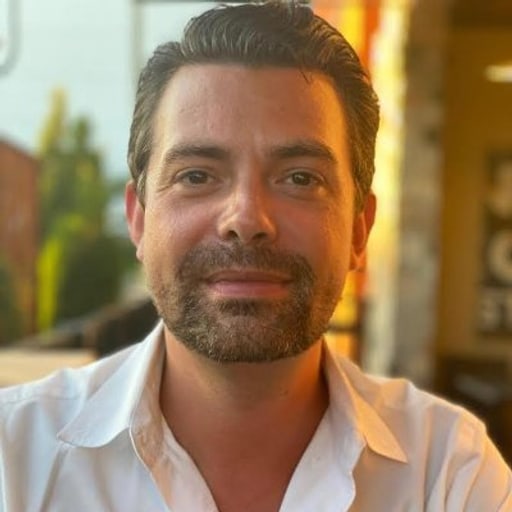 Noah RothmanSenior writer at National Review
Before this statement
Rothman assessed the political and ideological stakes of the Michigan Senate race after El-Sayed won the Democratic primary.
"He agonized over whether to condemn an Islamist attack on a Michigan synagogue in which Jewish children were targets."
CondemnedResponding to: El-Sayed's cycle-of-violence framing rationalized the antisemitic attack or improperly shifted explanatory responsibility toward Israel and Jews.
Full statement and sources
Rothman characterized El-Sayed as hesitating over an unqualified condemnation of the Temple Israel attack.
After the statement
He contrasted the Temple Israel attack with Israel's actions against Hamas and Hezbollah and continued a broader critique of El-Sayed's candidacy.
Why this label?
The authored article treats El-Sayed's contextualization as a failure to distinguish terrorism from Israeli military action.
This label describes the statement's response within the context above.
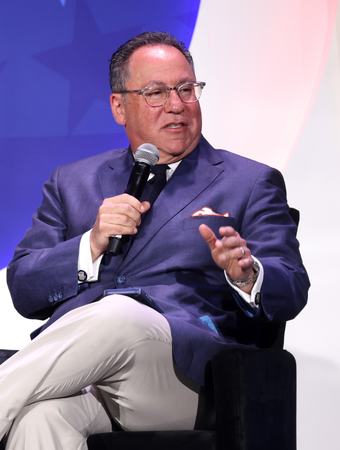 Matt BrooksChief executive officer of the Republican Jewish Coalition, in a statement the coalition released in his name
Before this statement
The Republican Jewish Coalition released the statement after Michigan Democrats nominated El-Sayed as their candidate for U.S. Senate. The statement says the RJC has endorsed Mike Rogers in the Michigan Senate race.
"Michigan's Jewish community does not need this explained to them. They lived it. They watched the smoke rise over Walnut Lake Road in March. Then they watched Abdul El-Sayed reach for a microphone and offer his rationale for why the attack happened: not to blame the terrorist, but to place the blame 6,000 miles away and the burden on the Jews of West Bloomfield. Their own rabbi called it what it was: offensive. El-Sayed later told his own supporters that saying it was a 'risk.' It wasn't a risk, but it was a clear revelation."
CondemnedCase context: Abdul El-Sayed's cycle of violence framing after the Temple Israel attack
Full statement and sources
Republican Jewish Coalition CEO Matt Brooks said in a statement on El-Sayed's Senate nomination that El-Sayed's explanation of why the Temple Israel attack happened placed the blame away from the attacker and on the Jews of West Bloomfield. Brooks also said El-Sayed later told supporters that saying it was a "risk," and that "It wasn't a risk, but it was a clear revelation."
After the statement
The statement also criticizes El-Sayed's positions on Israel and his campaign ties to Hasan Piker, and says the RJC will help Rogers win in November.
Michigan Democrats Just Nominated the Most Antisemitic US Senate Candidate in America · Republican Jewish CoalitionThird paragraph of the statement (the paragraph beginning 'Michigan's Jewish community does not need this explained to them')Why this label?
The case asks about El-Sayed's cycle-of-violence framing after the Temple Israel attack. Brooks says El-Sayed offered a rationale for why the attack happened that placed the blame away from the attacker and on the Jews of West Bloomfield, and that El-Sayed later told supporters that saying it was a "risk," which Brooks called "a clear revelation." That criticizes the framing itself, so we labeled it Condemned.
This label describes the statement's response within the context above.
- Abdul El-SayedDemocratic U.S. Senate nominee in MichiganDirectly involved
Before this statement
A CNN interviewer asked El-Sayed about his earlier comments after he won the Democratic primary.
"We should stop hurting people."
Defended or excusedResponding to: The Temple Israel attack should be understood in part through the cycle of violence created by the regional war and the Israeli airstrike that killed members of the assailant's family.
Full statement and sources
El-Sayed reaffirmed that ending cycles of harm requires stopping the broader violence that injures people.
After the statement
He again distinguished understanding the sources of hurt from endorsing violence.
Why this label?
Asked whether he regrets the language, he reasserts it, defends discussing everybody's pain, and calls refusal to do so unserious. The response substantively defends his framing.
This label describes the statement's response within the context above.
- Abdul El-SayedU.S. Senate candidate in MichiganDirectly involved
Before this statement
The Forward asked El-Sayed about criticism of his Temple Israel response.
"It's unserious when you want to decontextualize violence, and then say you want to stand against violence."
Defended or excusedResponding to: Providing causal context for the attack did not justify it; the attack remained wrong, antisemitic, and unjustifiable.
Full statement and sources
El-Sayed rejected the premise that seeking to understand the causes of violence amounts to excusing it.
After the statement
He said policymakers must understand why events occur if they are serious about preventing recurrence.
Abdul El-Sayed is courting Jewish voters without moderating his views on IsraelFull report and interviewWhy this label?
In the original interview El-Sayed does more than deny an excuse: he argues understanding causes is necessary for serious prevention and defends his decision to provide that context.
This label describes the statement's response within the context above.
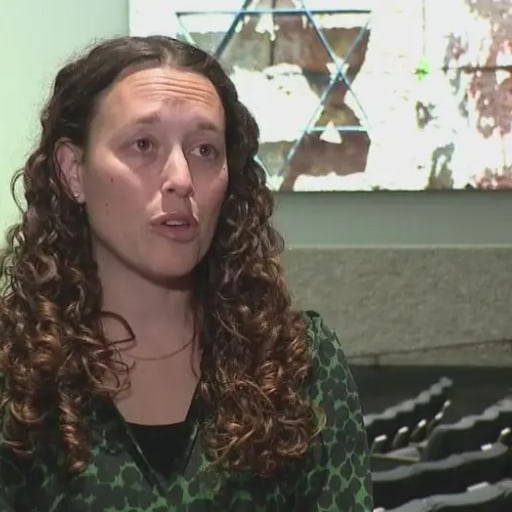 Rabbi Jen LaderRabbi, Temple Israel
Before this statement
Lader addressed El-Sayed's March response to the attack on her congregation.
"suggesting that violence against a synagogue in suburban Detroit could be understood through the lens of Israeli actions offensive"
CondemnedResponding to: El-Sayed's cycle-of-violence framing rationalized the antisemitic attack or improperly shifted explanatory responsibility toward Israel and Jews.
Full statement and sources
Lader rejected interpreting the attack on Temple Israel through the actions of the Israeli government.
After the statement
She deemed the framing offensive while the wider political dispute continued.
This Week in Jew-Hate: The Two Faces of Abdul El-SayedFull op-ed (subscriber-only)Abdul El-Sayed is courting Jewish voters without moderating his views on IsraelFull report and interviewWhy this label?
The criticism came from a rabbi at the attacked institution and directly opposed El-Sayed's causal framing.
This label describes the statement's response within the context above.
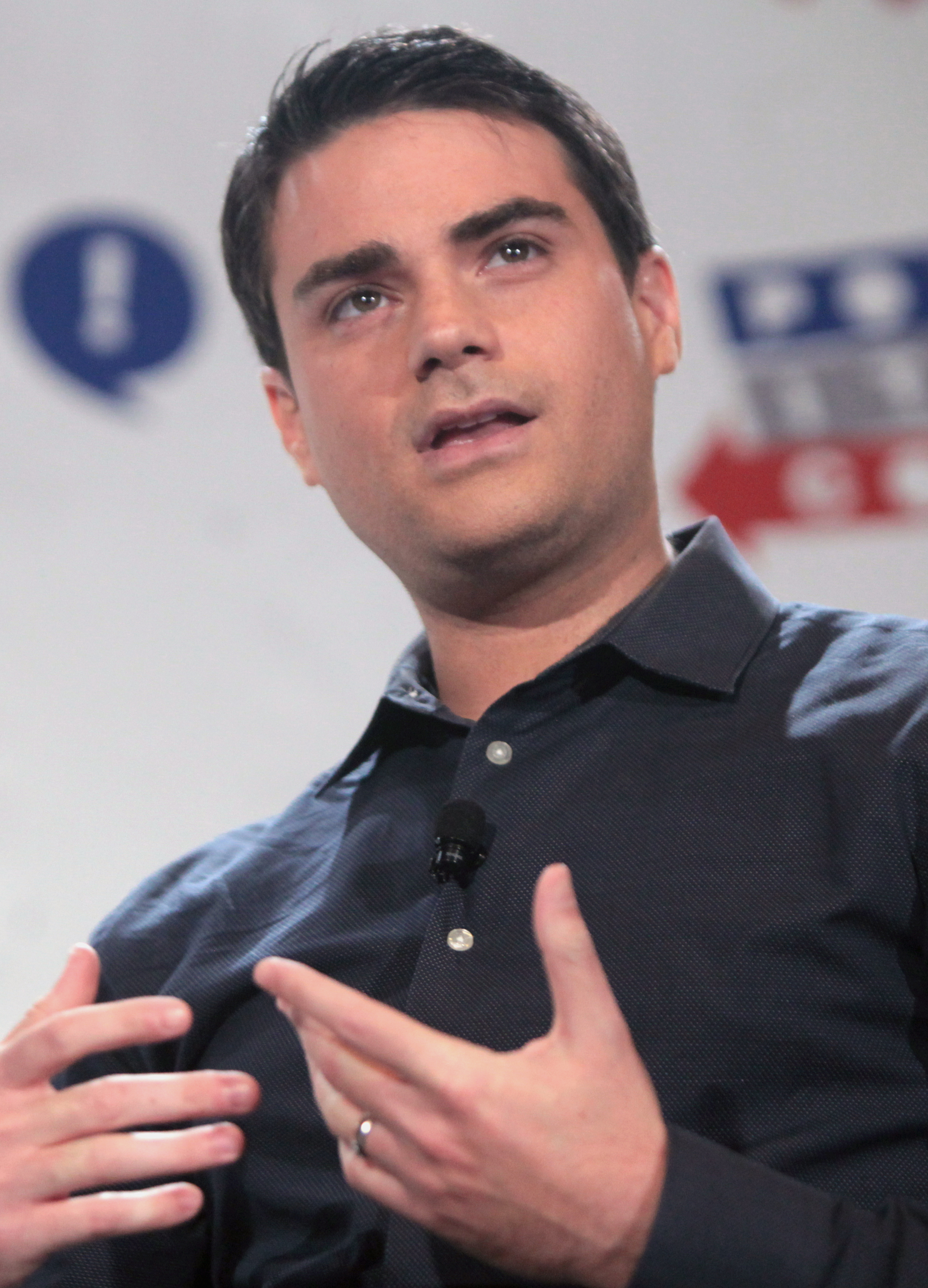 Ben ShapiroHost of The Ben Shapiro Show
Before this statement
Shapiro introduced El-Sayed as a Michigan Senate candidate and played the portion of his Temple Israel response containing the phrase 'hurt people hurt people.'
"What is wrong with you people? I'm sorry, that's America hatred. It's West hatred."
CondemnedResponding to: El-Sayed's cycle-of-violence framing rationalized the antisemitic attack or improperly shifted explanatory responsibility toward Israel and Jews.
Full statement and sources
Shapiro condemned El-Sayed's causal framing as hostility toward the United States and the West.
After the statement
He continued by describing the attacker as aligned with Hezbollah and criticizing El-Sayed's account of the assailant's family losses.
Ben Shapiro Show transcript — April 10, 202600:44:01–00:44:10Why this label?
He directly rejected the disputed phrase immediately after playing it and treated it as evidence of ideological sympathy rather than neutral explanation.
This label describes the statement's response within the context above.
- Abdul El-SayedDemocratic candidate for U.S. Senate in Michigan, at a campaign press conferenceDirectly involved
Before this statement
El-Sayed was appearing at two Michigan campaign rallies with Hasan Piker. At the press conference he began by saying nothing justified the heinous attack on Temple Israel.
"I also think it’s just critical for us to understand that hurt people do hurt people, and the circumstances happening 6,000 miles away can affect the lives that we live here, and if we stand against violence, we’ve got to stand against violence, all violence."
Defended or excusedResponding to: The Temple Israel attack should be understood in part through the cycle of violence created by the regional war and the Israeli airstrike that killed members of the assailant's family.
Full statement and sources
Asked again about the Temple Israel attack at an April press conference with Hasan Piker, El-Sayed said nothing justified the attack, then said it was critical to understand that hurt people do hurt people and that events 6,000 miles away can affect lives in Michigan.
After the statement
Jewish Insider notes that the FBI had by then called the attack a Hezbollah-inspired act of terrorism purposely targeting the Jewish community.
Abdul El-Sayed, on Temple Israel terrorist: 'Hurt people do hurt people'Second paragraph, quoting El-Sayed at a press conference with Hasan PikerWhy this label?
The reference point is El-Sayed's cycle-of-violence framing of the Temple Israel attack. Here he restates the framing and says it is critical to understand, which defends it. We used Defended or excused, consistent with his June and August restatements. Challenged the characterization loses because he does not just dispute that the framing justified the attack; he argues for keeping it. The quote is from Jewish Insider's report.
This label describes the statement's response within the context above.
- Mike RogersRepublican U.S. Senate candidate in Michigan
Before this statement
Jewish Insider reported El-Sayed's internal campaign remarks about the political risk of his response.
"If you're having a moral crisis over whether to condemn terrorism, you're unfit for office."
CondemnedResponding to: El-Sayed's cycle-of-violence framing rationalized the antisemitic attack or improperly shifted explanatory responsibility toward Israel and Jews.
Full statement and sources
Rogers accused El-Sayed of failing to offer an adequate condemnation of terrorism.
After the statement
Rogers used the controversy to argue that El-Sayed was unfit for office.
Why this label?
The statement treats El-Sayed's contextualization as disqualifying sympathy for the assailant.
This label describes the statement's response within the context above.
 Tim ScottUnited States senator
Before this statement
Scott responded after reporting surfaced El-Sayed's internal defense of the video.
"pathetic; radical terrorist sympathizer"
CondemnedResponding to: El-Sayed's cycle-of-violence framing rationalized the antisemitic attack or improperly shifted explanatory responsibility toward Israel and Jews.
Full statement and sources
Scott sharply condemned El-Sayed's comments and characterized him as sympathetic to terrorism.
After the statement
His characterization escalated the controversy into national partisan politics.
Why this label?
This is an unambiguous condemnation, though its wording is highly partisan and broader than the literal transcript.
This label describes the statement's response within the context above.
 Tim MillerHost of The Bulwark Podcast
Before this statement
Reporting described an internal El-Sayed campaign discussion in which the candidate called issuing his longer Temple Israel response a political risk.
"Anyone who would think a statement condemning a terorrist attack on a synagogue is a "risk" is insane and should be fired from the campaign."
CondemnedResponding to: El-Sayed's cycle-of-violence framing rationalized the antisemitic attack or improperly shifted explanatory responsibility toward Israel and Jews.
Full statement and sources
Miller condemned the campaign's treatment of an unqualified response to the synagogue attack as a political risk.
After the statement
El-Sayed replied to Miller on X the same evening: "The risk was not calling out an obviously anti-Semitic attack. The risk was placing in its full context."
Tim Miller X post on the El-Sayed campaign's Temple Israel statementFull X post, published March 24, 2026 at 23:02 UTCWhy this label?
The authored post directly rejects the political hesitation surrounding condemnation of the attack.
This label describes the statement's response within the context above.
- Abdul El-SayedU.S. Senate candidate in MichiganDirectly involved
Before this statement
An adviser on an internal campaign call raised the political danger created by the March 13 video.
"It was a risk."
Defended or excusedResponding to: The Temple Israel attack should be understood in part through the cycle of violence created by the regional war and the Israeli airstrike that killed members of the assailant's family.
Full statement and sources
El-Sayed described publishing his longer response as a political risk and defended it as leadership.
After the statement
El-Sayed presented willingness to say what others would not as evidence of leadership.
Why this label?
On the recorded campaign call he positively justifies publishing his explanation as principled leadership. This is substantive defense of his decision, not merely disputing a label.
This label describes the statement's response within the context above.
- Abdul El-SayedU.S. Senate candidate in MichiganDirectly involved
Before this statement
El-Sayed described the Temple Israel attack as wrong, heinous, and antisemitic.
"There is never a justification. Hurt people hurt people. Violence is a cycle."
Challenged the characterizationResponding to: Providing causal context for the attack did not justify it; the attack remained wrong, antisemitic, and unjustifiable.
Full statement and sources
El-Sayed condemned the attack while arguing that the assailant's family losses and the regional war formed part of its causal context.
After the statement
He discussed the relatives killed in Lebanon, repeated counterfactuals about the Israeli airstrike, and argued that ending violence requires understanding its causes.
VIDEO: Abdul El-Sayed Reflects on Temple Israel AttackFull video transcriptWhy this label?
The statement directly rejects justification while challenging critics who treat causal explanation as moral excuse.
This label describes the statement's response within the context above.
 Noah ArbitMichigan state representative
Before this statement
Arbit responded to El-Sayed's video after the attack on Temple Israel.
"crocodile tears"
CondemnedResponding to: El-Sayed's cycle-of-violence framing rationalized the antisemitic attack or improperly shifted explanatory responsibility toward Israel and Jews.
Full statement and sources
Arbit condemned El-Sayed's response and argued that his rhetoric contributed to hostility toward Jews.
After the statement
He connected the response to what he viewed as a broader pattern of rhetoric stoking hatred against Jews.
Why this label?
This is a direct rejection of El-Sayed's response to the attack.
This label describes the statement's response within the context above.
Sources
(48)
Original video
VIDEO: Abdul El-Sayed Reflects on Temple Israel Attack
Relevant passage: Full video transcript
Excerpt
"Hurt people hurt people. Violence is a cycle."
About this source
Primary transcript containing El-Sayed's condemnations, causal framing, family-death context, and distinction between Jews and Israel.
- Author
- Abdul El-Sayed
- Published
- Accessed
Reporting
PolitiFact checks Rogers's Temple Israel condemnation claim
Relevant passage: Section examining the claim that El-Sayed failed to condemn the attack
About this source
PolitiFact assesses Rogers's debate claim as Mostly False, citing El-Sayed's March condemnation and later apology.
- Author
- PolitiFact
- Published
- Accessed
Reporting
Michigan Senate debate recap
Relevant passage: Temple Israel exchange
About this source
Reports the candidates' exchange.
- Author
- Al Jazeera Staff
- Published
- Accessed
Reporting
Jewish Insider reports Temple Israel exchange at Senate debate
Relevant passage: Opening debate account and paragraph stating El-Sayed insisted he had condemned the attack
About this source
The report describes Rogers's criticism and El-Sayed's insistence that he had condemned the Temple Israel attack.
- Author
- Marc Rod; Jewish Insider
- Published
- Accessed
Analysis
El-Sayed condemned Michigan synagogue attack. Critics said his other comments appeared to justify it
Relevant passage: Opening section quoting Rogers's Hannity remark, the paragraph quoting Rogers spokesperson Alyssa Brouillet, and the ruling
Excerpt
"“(El-Sayed) could not condemn the terrorist who tried to attack and kill 140 Jewish children right here in Michigan,” said Rogers … “The only reason he issued a fake apology five months later is because the polling told him to,” Rogers spokesperson Alyssa Brouillet said … We rate it Mostly False."
About this source
PolitiFact fact-check of Rogers's September 24, 2026 claim that El-Sayed could not condemn the Temple Israel attacker. It reviews El-Sayed's March 12 and March 13 statements and his August apology.
- Author
- Caleb McCullough
- Published
- Accessed
Original video
Fox News clip: Mike Rogers on Hannity about Abdul El-Sayed
Excerpt
"He could not condemn the terrorist who tried to attack … Hurt people, hurt people is all he could come up with."
About this source
Fox News's YouTube upload of Rogers's interview with Sean Hannity. Rogers criticizes El-Sayed's responses on Iran's Revolutionary Guard and on the Temple Israel attack.
- Author
- Fox News
- Published
- Accessed
Reporting
El-Sayed Explains Why He Apologized for His Statement on a Synagogue Attack
Relevant passage: Paragraphs quoting El-Sayed on the On NOTUS podcast about his apology
Excerpt
"“I wanted to make sure that folks understood that the attempt to offer a broader context in a moment so close to an attack like that was ill-timed, it was ill-suited for for the broader goal I had, which is to say when a community is attacked, it’s wrong,” El-Sayed said. “There’s plenty of opportunity to talk about how things are interconnected, but not in the acute moment of pain.” … “The reason I issued the apology wasn’t to score political points,” El-Sayed said."
About this source
NOTUS write-up of its On NOTUS podcast interview with El-Sayed, published September 2, 2026, in which he explained his August apology for his March statement on the Temple Israel attack.
- Author
- Alex Roarty
- Published
- Accessed
Reporting
Abdul El-Sayed, on Temple Israel terrorist: 'Hurt people do hurt people'
Relevant passage: Second paragraph, quoting El-Sayed at a press conference with Hasan Piker
Excerpt
"“Nothing justifies the heinous attack that we saw on Temple Israel,” El-Sayed, a Democrat, said at a press conference alongside Piker, with whom he appeared at two campaign rallies in Michigan on Tuesday. “I also think it’s just critical for us to understand that hurt people do hurt people, and the circumstances happening 6,000 miles away can affect the lives that we live here, and if we stand against violence, we’ve got to stand against violence, all violence.”"
About this source
Jewish Insider report on El-Sayed's April 7, 2026 press conference with Hasan Piker at the University of Michigan, where he was asked again about the Temple Israel attack.
- Author
- Gabby Deutch
- Published
- Accessed
Official statement
ICYMI: Temple Israel Congregants Back Mike Rogers
Relevant passage: Press release dated September 23, 2026, opening paragraph
Excerpt
"In case you missed it, Temple Israel congregants in Metro Detroit told The Free Press that Abdul El-Sayed’s callous “hurt people hurt people” response to the terrorist attack on their synagogue in March drove them to support Mike Rogers this November."
About this source
Press release from Senate Leadership Fund, a Republican super PAC, that summarizes and reproduces excerpts of a September 22, 2026 Free Press article about Temple Israel congregants and the Michigan Senate race.
- Published
- Accessed
Official statement
Michigan Democrats Just Nominated the Most Antisemitic US Senate Candidate in America
Relevant passage: Third paragraph of the statement (the paragraph beginning 'Michigan's Jewish community does not need this explained to them')
Excerpt
"Their own rabbi called it what it was: offensive. El-Sayed later told his own supporters that saying it was a 'risk.' It wasn't a risk, but it was a clear revelation."
About this source
News release on the Republican Jewish Coalition's website dated August 5, 2026, presenting a statement from RJC CEO Matt Brooks on El-Sayed's nomination for U.S. Senate in Michigan.
- Published
- Accessed
Original text
This Week in Jew-Hate: The Two Faces of Abdul El-Sayed
Relevant passage: Full op-ed (subscriber-only)
About this source
Op-ed by Rabbi Jen Lader of Temple Israel, published April 10, 2026, on El-Sayed's response to the March attack on her synagogue. The page is limited to subscribers, so we could not read the full text. The Forward and the Jewish Telegraphic Agency both quote the passage cited here.
- Author
- Rabbi Jen Lader
- Published
- Accessed
Original post
Tim Miller X post on the El-Sayed campaign's Temple Israel statement
Excerpt
"Anyone who would think a statement condemning a terorrist attack on a synagogue is a "risk" is insane and should be fired from the campaign."
About this source
Post by Tim Miller, host of The Bulwark Podcast, on his X account @Timodc. Abdul El-Sayed replied to the post the same evening.
- Author
- Tim Miller
- Published
- Accessed
Original post
Abdul El-Sayed posts about Rosh Hashanah visit with Michigan Jewish residents
Excerpt
"“We talked about the work we can do together to build a more just and peaceful future for our communities here in Michigan.”"
About this source
El-Sayed’s verified campaign account posted a video from a Rosh Hashanah visit with Missy and Elaine, whom he described as lifelong Michiganders. He said the visit occurred the prior week and described discussion of a just and peaceful future for Michigan communities.
- Author
- Abdul El-Sayed
- Published
- Accessed
Original text
Michigan Jews for Democracy letter supporting Abdul El-Sayed while noting reservations
Relevant passage: Opening letter and the linked full-text letter; accessed September 20, 2026.
Excerpt
"“Some of us are enthusiastic supporters of El-Sayed. Some of us have reservations.”"
About this source
A Michigan voter coalition letter says its signers intend to vote for Abdul El-Sayed while describing reservations about aspects of his approach to Israel and language used by some allies. It is a coalition’s campaign statement, not a statement by El-Sayed or a finding about the Temple Israel attack.
- Author
- Michigan Jews for Democracy
- Published
- Accessed
Reporting
Jewish Insider: El-Sayed met privately with Temple Israel rabbis
Relevant passage: Article lede and the paragraphs on the meeting and the apology.
Excerpt
"In the most significant sign of his efforts to make inroads with skeptical Jewish voters in Michigan’s Senate race, Abdul El-Sayed, the Democratic nominee, recently met with rabbis at Temple Israel for a closely guarded conversation, according to two people familiar with the meeting."
About this source
Reports a private meeting between El-Sayed and rabbis at Temple Israel, the synagogue attacked in March, sourced to two people familiar with it. No participant is named or on the record: two rabbis said to have taken part declined to comment and the campaign did not respond. The report ties the meeting to his apology the previous month, and records that some Jewish leaders read that apology as regretting the timing rather than the substance, given his caveat that there was “opportunity for context later on.”
- Author
- Matthew Kassel
- Published
- Accessed
Reporting
Sander Levin, storied Michigan Jewish Democrat, endorses Abdul El-Sayed
Excerpt
"all Michiganders of conscience"
About this source
JTA report on former U.S. Rep. Sander Levin's endorsement of Abdul El-Sayed despite disagreements over his Israel/Palestine stance.
- Published
- Accessed
Reporting
Jewish leaders call on El-Sayed to affirm five commitments
Excerpt
"To me, that just feels completely disingenuous. Those things are worlds apart from each other."
About this source
The Center Square report, republished on AOL, on the Nonnegotiable Michigan coalition's five commitments. It quotes Rabbi Josh Whinston of Temple Beth Emeth, who helped write the commitments, and reports the coalition's statement that there had been "crickets" from the El-Sayed campaign.
- Author
- Elyse S. Apel
- Published
- Accessed
Reporting
Rabbi Burg on Newsmax: El-Sayed response to Temple Israel attack
Excerpt
"El-Sayed couldn't even fully condemn it... He was kind of explaining away the terrorists. Everything we see from him just breeds evil and hate."
About this source
Newsmax 'National Report' interview in which Aish CEO Rabbi Steven Burg criticized Abdul El-Sayed's response to the Temple Israel attack.
- Published
- Accessed
Reporting
Mike Rogers suggests Abdul El-Sayed wrongly justified violence against Jews
About this source
WSJ live-blog card from the Sept. 10, 2026 GOP midterm convention in Dallas, quoting Rogers's escalated Temple Israel/"cycle of violence" criticism of El-Sayed on a national stage.
- Author
- Wall Street Journal live coverage
- Published
- Accessed
Reporting
Detroit News records Rogers's convention criticism and the El-Sayed campaign's reply
Relevant passage: Paragraph beginning Campaign spokesman Cole Wozniak said in a Sept. 10 statement, and the following paragraph
About this source
Complete original reporting dated September 10, displaying an update time of 8:15 p.m. Eastern. Only the calendar publication date is asserted. The reporter explicitly dates Cole Wozniak's campaign statement September 10. His reply is recorded in his campaign-spokesperson capacity, not as a personal quotation by El-Sayed. The report also preserves El-Sayed's earlier rejection of justifying 9/11; that earlier context is not a newly made response.
- Author
- Melissa Nann Burke
- Published
- Accessed
Official statement
Mike Rogers's full September 10 convention speech
Relevant passage: Full campaign-published transcript; passage beginning That's why I never imagined; later Temple Israel passage beginning We saw that tested
About this source
The campaign publishes the complete speech text and links its full recording at https://youtu.be/caqS8edf8p4. Rogers attributes the 9/11-deserved sentiment to Piker and criticizes El-Sayed's association with him; his running-mate language is rhetorical. A separate passage renews the accusation that El-Sayed excused the Temple Israel attack. The transcript also includes Rogers's separate campaign-finance allegation; it establishes that Rogers made the statement but does not identify a donor, amount, or supporting campaign-finance filing. The publication timestamp is the campaign page's; it is not the speech's recording time.
- Author
- Mike Rogers; published by Alyssa Brouillet for Rogers for Senate
- Published
- Accessed
Analysis
Robert Reich defends El-Sayed's explanation of the Temple Israel attack
Excerpt
"it’s clear he was merely trying to explain and give context for the violence."
About this source
Original personal essay, not a separate reaction by its syndicators. Reich addresses the attack-response controversy within an electoral endorsement.
- Author
- Robert Reich
- Published
- Accessed
Original text
Nonnegotiable Michigan — campaign FAQ
About this source
Identifies Zioness Action Fund as the parent project and explicitly discusses El-Sayed. Provides the campaign's own description of its aims.
- Accessed
Original text
Nonnegotiable Michigan — petition
About this source
Petition sets out five principles. The date records the reported public launch; the page has no publication timestamp. Affiliations do not imply institutional endorsement.
- Published
- Accessed
Reporting
Michigan rabbis lay out demands for El-Sayed and state Democrats to earn their votes
About this source
Reports the September 7 press conference and interviews about the petition and apology.
- Author
- Andrew Lapin
- Published
- Accessed
Archived source
Archived Andrew Kolvet reaction to El-Sayed
Excerpt
"Michigan CANNOT afford to elect a guy like Sayed."
About this source
Third-party public social archive preserving Kolvet's authored post adopting JD Vance's criticism of El-Sayed. The original X permalink was not recovered.
- Author
- Andrew Kolvet
- Accessed
Analysis
The Young Turks — Pentagon Pressure Test transcript
Excerpt
"He, he didn't condemn the synagogue attack. He did. Okay."
About this source
Third-party transcript of the Young Turks episode preserving Kasparian's and Uygur's direct defenses of El-Sayed's response and apology.
- Author
- Ana Kasparian and Cenk Uygur
- Published
- Accessed
Analysis
Michigan Is Everything for the GOP
Excerpt
"He agonized over whether to condemn an Islamist attack on a Michigan synagogue."
About this source
Rothman's authored analysis directly characterizes El-Sayed's response to the Temple Israel attack.
- Author
- Noah Rothman
- Published
- Accessed
Interview
Scott Jennings Podcast — Radical Left Lunacy
Relevant passage: 01:02:50
Excerpt
"That's how you would justify any and all political violence. That is a dangerous mindset."
About this source
Podcast transcript and audio page preserving Jennings's direct criticism of El-Sayed's causal framing. Speaker identity is established within the exchange.
- Author
- Scott Jennings
- Published
- Accessed
Archived source
Ben Shapiro Show transcript — April 10, 2026
Relevant passage: 00:44:01–00:44:10
Excerpt
"What is wrong with you people? I'm sorry, that's America hatred. It's West hatred."
About this source
Searchable transcript archive preserving Shapiro's direct reaction immediately after he quoted El-Sayed's disputed Temple Israel framing.
- Author
- Ben Shapiro
- Published
- Accessed
Reporting
Vance meets clergy of Michigan synagogue targeted in attack amid Jewish voter outreach
Relevant passage: Sections addressing Temple Israel clergy and El-Sayed's apologies
About this source
Reports that Temple Israel clergy declined to comment on El-Sayed's two August apologies and covers JD Vance's visit and criticism.
- Author
- Jewish Telegraphic Agency
- Published
- Accessed
Interview
Michigan Rabbi Says El-Sayed's Apology is a Non-Apology
Relevant passage: Full interview
Excerpt
"nonapology apology"
About this source
Interview supporting Rabbi Asher Lopatin's rejection of the apology because El-Sayed retained the causal context.
- Author
- Alan Zeitlin
- Published
- Accessed
Reporting
Jim Clyburn supports El-Sayed after Senate hopeful's apology
Relevant passage: Meet the Press quotation
Excerpt
"I take him at his word. All of us deserve second chances."
About this source
Reports Jim Clyburn's acceptance of El-Sayed's apology and continued support for the nominee.
- Author
- Brady Knox
- Published
- Accessed
Original text
JD Vance political rally in Sterling Heights, Michigan
Relevant passage: Full rally transcript
About this source
Primary transcript for Vance's reaction to El-Sayed and the Temple Israel controversy.
- Author
- Roll Call Factbase
- Published
- Accessed
Interview
The Arena with Kasie Hunt transcript — August 31, 2026
Relevant passage: Segment 01
About this source
Supports Xochitl Hinojosa and Mallory McMorrow's reactions. One clip is mislabeled in the transcript and should not be attributed to JD Vance.
- Author
- CNN
- Published
- Accessed
Reporting
El-Sayed courts Jewish Democrats but won't dump Piker
Relevant passage: Full report
About this source
Supports the apology chronology and distinguishes the Temple Israel controversy from El-Sayed's continued association with Hasan Piker.
- Author
- Mike Zapler
- Published
- Accessed
Reporting
El-Sayed's apology to Jewish Democrats draws mixed response
Relevant passage: Full report
About this source
Provides attributable reactions from Jessica Alexander, David Kramer, Michael Horowitz, and other Jewish Democrats.
- Author
- Matthew Kassel
- Published
- Accessed
Reporting
El-Sayed apologizes for comments he made responding to an attack on a Michigan synagogue
Relevant passage: Full report
Excerpt
"I made a mistake. It wasn't the time for context."
About this source
Independent reporting on El-Sayed's August apology, including what he conceded and what he did not retract.
- Author
- Moriah Balingit
- Published
- Accessed
Interview
The Situation Room transcript — August 5, 2026
Relevant passage: Segment 03
Excerpt
"We should stop hurting people."
About this source
Interview transcript supporting El-Sayed's post-primary reaffirmation of his causal framing.
- Author
- CNN
- Published
- Accessed
Interview
Abdul El-Sayed is courting Jewish voters without moderating his views on Israel
Relevant passage: Full report and interview
Excerpt
"unserious"
About this source
Supports El-Sayed's continued defense, Rabbi Jen Lader's critique, and divided responses among Jewish voters.
- Author
- Hannah Feuer
- Published
- Accessed
Reporting
Religious leaders condemn Michigan synagogue attack but moving forward together tricky
Relevant passage: Full report
Excerpt
"crocodile tears"
About this source
Reports Noah Arbit's criticism and competing community responses after the attack.
- Author
- Tom Perkins
- Published
- Accessed
Reporting
Abdul El-Sayed calls statement on Temple Israel attack a risk
Relevant passage: Full report
Excerpt
"If you're having a moral crisis over whether to condemn terrorism, you're unfit for office."
About this source
Reports El-Sayed's internal campaign call and attributable reactions from Mike Rogers and Tim Scott.
- Author
- Marc Rod
- Published
- Accessed
Reporting
IDF says brother of Michigan synagogue suspect was Hezbollah commander killed in airstrike
Relevant passage: Full report
About this source
Reporting on the relatives killed in Lebanon and claims concerning the adult brothers' Hezbollah roles.
- Author
- Lucia I. Suarez Sang
- Published
- Accessed
Reporting
Israeli military claims brother of man who attacked Michigan synagogue was Hezbollah commander
Relevant passage: Full report
About this source
Independent reporting on the deceased relatives and the Israeli military's claim about Ibrahim Ghazali's Hezbollah role.
- Author
- Julia Frankel and Bassem Mroue
- Published
- Accessed
Official statement
Detroit Special Agent in Charge Jennifer Runyan Delivers Final Update on West Bloomfield Attack
Relevant passage: Full statement
About this source
Official final update supporting the Hezbollah-inspired assessment, deliberate Jewish targeting, planning, searches, propaganda consumption, and revenge communications.
- Author
- FBI Detroit
- Published
- Accessed
Original text
Abdul El-Sayed Statement on West Bloomfield Synagogue Attack
Relevant passage: Full statement
About this source
El-Sayed's immediate written condemnation and solidarity statement, published before the disputed longer video.
- Author
- Abdul El-Sayed
- Published
- Accessed
Interview
The David Frum Show: Dana Nessel and Jewish voters in Michigan
Relevant passage: Closing exchange after the Piker clip
Excerpt
"That’s a pretty contemptible offer. You’ll guarantee my physical safety if I submit?"
About this source
Frum responds to a clip of the disputed passage during an episode about Jewish voters and Michigan politics.
- Author
- David Frum
- Published
- Accessed
Reporting
El-Sayed distances himself from Piker’s comments on American Jews
Relevant passage: Full report
About this source
Independent reporting on the passage, the on-screen Jeremy Moss material, Piker’s stated interpretation, and Abdul El-Sayed’s response.
- Author
- Associated Press
- Published
- Accessed
Corrections
(6)
Corrections address errors in our reporting or labels. When a speaker changes their position, we add a separate statement and link it to the earlier one.
Reporting correction
Correction to: Statement by David Kramer
- Previous language
- The remarks were broadly well received, but there is never context for targeting preschoolers.
- Corrected language
- Kramer said El-Sayed's remarks were "well-received" "in the sense that people appreciated he was willing to come into that space and talk and that he's been willing to at least turn down some of the negative rhetoric." He said, "If you parse his words, he definitely talked about apologizing if people were offended and saying there's a time for context but still leaving open the ability to add context," and, "I don't think that there's ever context for targeting 100-plus preschoolers."
We presented a paraphrase as David Kramer's own words. The sentence we quoted did not appear in Jewish Insider's report. We replaced it with the words Jewish Insider printed as Kramer's.
This corrects our account of what happened.
Provides attributable reactions from Jessica Alexander, David Kramer, Michael Horowitz, and other Jewish Democrats.
Reporting correction
Correction to: Statement by Rabbi Josh Whinston
- Previous language
- crickets... His antisemitism statement is disingenuous, given his having called Israel bloodthirsty and evil.
- Corrected language
- He went on national television that morning and called Israel's leadership 'bloodthirsty,' and that evening issued a statement about caring for the safety of the Jewish community like his own daughters ... To me, that just feels completely disingenuous. Those things are worlds apart from each other.
The earlier quotation did not appear in The Center Square's report. "Crickets" was the Nonnegotiable Michigan coalition's word, not Whinston's, and the rest was the reporter's summary of his view. We replaced the quotation with Whinston's own words as The Center Square printed them and corrected the summary, title and context.
This corrects our account of what happened.
The Center Square report, republished on AOL, on the Nonnegotiable Michigan coalition's five commitments. It quotes Rabbi Josh Whinston of Temple Beth Emeth, who helped write the commitments, and reports the coalition's statement that there had been "crickets" from the El-Sayed campaign.
Classification correction
Correction to: Statement by David Frum
- Previous classification
- Mixed or conditional. His response combines explicit credit for the opening condemnation with a negative assessment of what followed.
- Corrected classification
- Condemns. Frum credits the initial uncomplicated condemnation and then rejects the later contextual turn. Approval of a different earlier statement does not make his stance on the disputed framing mixed.
We corrected the editorial classification of David Frum's response about El-Sayed's subsequent cycle-of-violence framing. Frum credits the initial uncomplicated condemnation and then rejects the later contextual turn. Approval of a different earlier statement does not make his stance on the disputed framing mixed. This corrects our labeling, not a later change in the speaker's position.
This corrects an editorial classification.
Frum responds to a clip of the disputed passage during an episode about Jewish voters and Michigan politics.
Classification correction
Correction to: Statement by Abdul El-Sayed
- Previous classification
- Challenges the characterization. He maintained the decision to provide causal context rather than accepting critics' characterization of the statement as excusing terrorism.
- Corrected classification
- Defends or excuses. On the recorded campaign call he positively justifies publishing his explanation as principled leadership. This is substantive defense of his decision, not merely disputing a label.
We corrected the editorial classification of Abdul El-Sayed's response about El-Sayed's decision to publish contextual framing. On the recorded campaign call he positively justifies publishing his explanation as principled leadership. This is substantive defense of his decision, not merely disputing a label. This corrects our labeling, not a later change in the speaker's position.
This corrects an editorial classification.
Reports El-Sayed's internal campaign call and attributable reactions from Mike Rogers and Tim Scott.
Classification correction
Correction to: Statement by Abdul El-Sayed
- Previous classification
- Challenges the characterization. The response maintained his causal framing after the primary rather than retracting it.
- Corrected classification
- Defends or excuses. Asked whether he regrets the language, he reasserts it, defends discussing everybody's pain, and calls refusal to do so unserious. The response substantively defends his framing.
We corrected the editorial classification of Abdul El-Sayed's response about El-Sayed's continued use of the cycle-of-violence framing. Asked whether he regrets the language, he reasserts it, defends discussing everybody's pain, and calls refusal to do so unserious. The response substantively defends his framing. This corrects our labeling, not a later change in the speaker's position.
This corrects an editorial classification.
Interview transcript supporting El-Sayed's post-primary reaffirmation of his causal framing.
Classification correction
Correction to: Statement by Abdul El-Sayed
- Previous classification
- Challenges the characterization. He directly challenged critics' interpretation and maintained the explanation-versus-excuse distinction.
- Corrected classification
- Defends or excuses. In the original interview El-Sayed does more than deny an excuse: he argues understanding causes is necessary for serious prevention and defends his decision to provide that context.
We corrected the editorial classification of Abdul El-Sayed's response about El-Sayed's choice to contextualize the attack. In the original interview El-Sayed does more than deny an excuse: he argues understanding causes is necessary for serious prevention and defends his decision to provide that context. This corrects our labeling, not a later change in the speaker's position.
This corrects an editorial classification.
Supports El-Sayed's continued defense, Rabbi Jen Lader's critique, and divided responses among Jewish voters.
Share or embed this case
The embed keeps its attribution link to The Dispute Index. Credit the image to The Dispute Index and link to the case page.
Cite this record
- Publisher
- The Dispute Index
- Title
- Abdul El-Sayed's cycle of violence framing after the Temple Israel attack
- First published
- Last updated
- Permalink
- https://disputeindex.com/cases/abdul-el-sayed-cycle-of-violence-temple-israel-attack
The Dispute Index. "Abdul El-Sayed's cycle of violence framing after the Temple Israel attack". First published: 2026-08-15. Last updated: 2026-09-10. https://disputeindex.com/cases/abdul-el-sayed-cycle-of-violence-temple-israel-attack