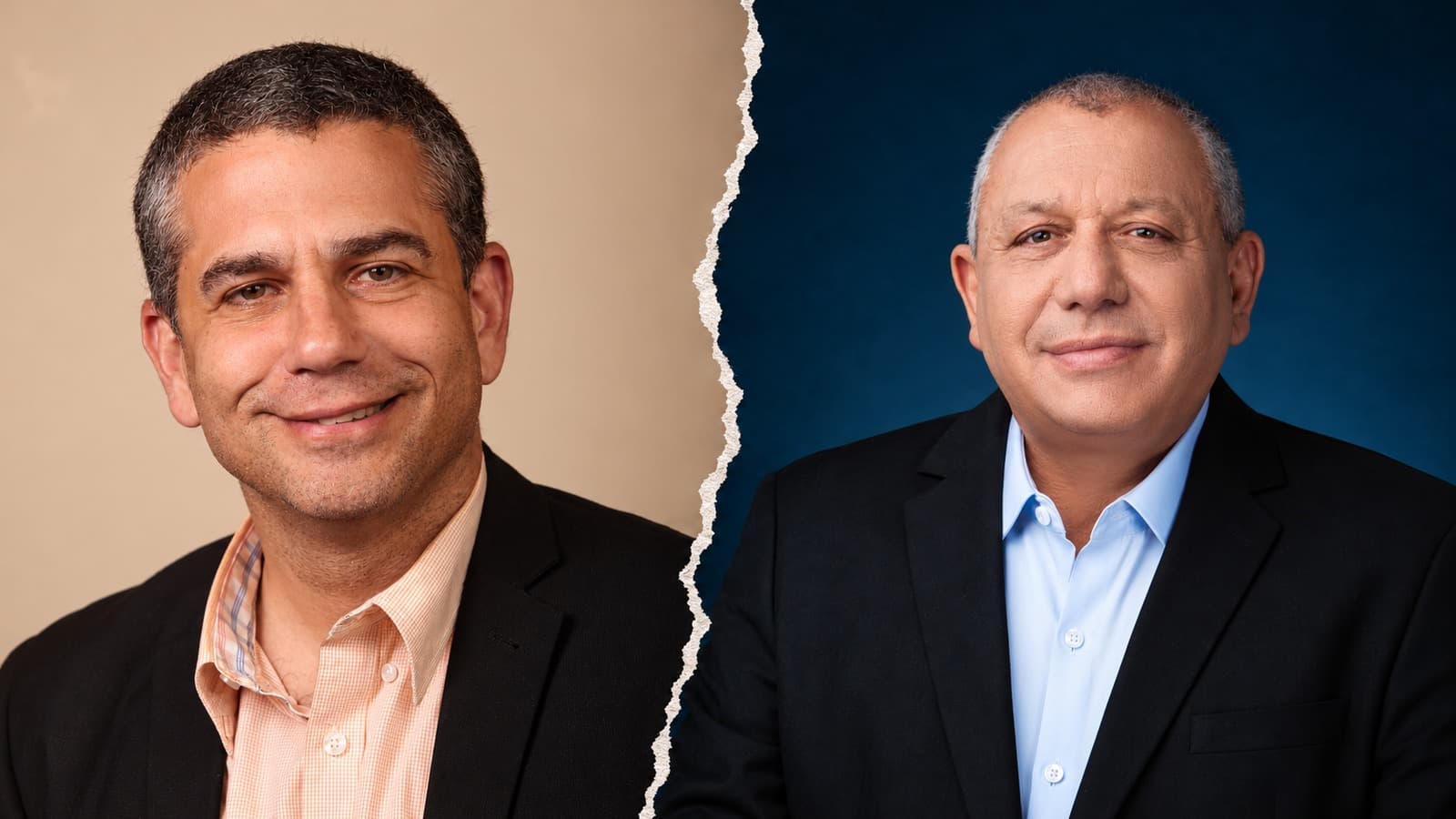
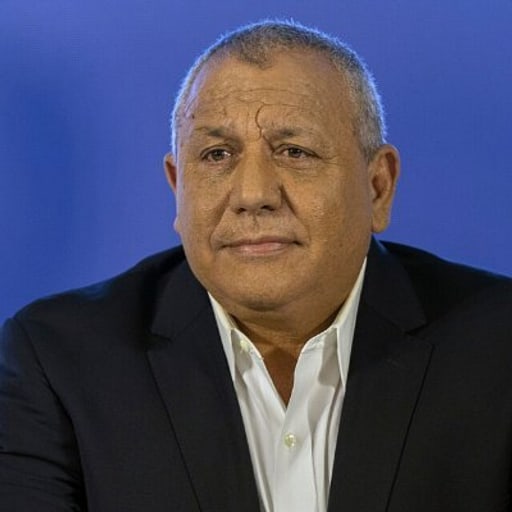
Channel 14 host Yinon Magal called Gadi Eisenkot a "monkey" run by Ashkenazi elites. Critics called it racist; Magal says it was underworld slang for a front man. Netanyahu condemned it but said Likud voters are insulted daily.
Role at the time: Acting CEO of the New Israel Fund
Condemned
Statement summary
Mickey Gitzin condemns the attack on Levine and Palestinians and urges more protective presence, legal aid and public opposition to the violence.
“NIF's answer to the escalating violence is to double down: get more people on the ground, more legal aid, more voices speaking out against the brutality.”
Role at the time: Washington Post photographer who was attacked in the West Bank
Condemned
Statement summary
Heidi Levine, the Washington Post photographer attacked near Abu Falah, blames "Jewish terrorists" for the attack in remarks reported by the Associated Press and says she has never seen the country in such a state in more than 40 years of covering the region.
“Jewish terrorists
I've been covering this region for over 40 years, and I have never seen this country in such a state as it is today.”
Role at the time: Prime minister of Israel and Likud chairman, in an interview with Radio North 104.5FM
Condemned
Response to this claim
Galia Albin and others have called Likud supporters chimpanzees and baboons.
“That is a highly inappropriate remark, and I condemn it (Translated from Hebrew. Original: זו אמירה מאוד לא ראויה, אני מגנה אותה)”
Open source (opens in a new tab)Netanyahu condemns 'monkey' slur against Eisenkot, claims Likud members face worse · The Times of IsraelArticle text, paragraphs 1-24
Why we used this label
The reference point is Magal's on-air remark calling Gadi Eisenkot a monkey run by Ashkenazi elites. Netanyahu calls the remark highly inappropriate and says he condemns it. His added criticism of Eisenkot over insults he says target Likud voters does not withdraw that condemnation.
Role at the time: Chairman of the Yashar party and former IDF chief of staff, speaking at a conference on the communities near the Gaza border
Condemned
Statement summary
Speaking the day after the broadcast, Eisenkot says Magal spoke about bereaved families the week before and that the voice is Magal's but the hands are Netanyahu's.
“Last week he talked about bereaved families. The voice is Yinon's voice and the hands are Netanyahu's hands (Translated from Hebrew. Original: שבוע שעבר הוא דיבר על משפחות שכולות. הקול קול ינון והידיים ידי נתניהו)”
Open source (opens in a new tab)נתניהו בתגובה ראשונה לסערת ינון מגל: "הלוואי שזה היה חד פעמי"Article text, paragraphs 1-5 (Hebrew)
What this label refers to
The reference point is Magal's on-air remark calling Eisenkot a monkey run by Ashkenazi elites. Eisenkot, the target of the remark, describes it as delusional, calls Magal contemptible and says Netanyahu stands behind him, which condemns the remark.
Role at the time: Israeli national security minister and Otzma Yehudit chairman, in a post on X
Defended or excused
Response to this claim
Magal called Eisenkot a monkey as an underworld expression for a front man controlled by others, not as a racial insult.
Quotation excerpt
“It is clear to everyone that Yinon used the expression "monkey" in a political context, when what he meant, in his words, was a straw candidate run by others. Going from there to turning his words into a racist statement against Mizrahim is…”
Read full quotation
“It is clear to everyone that Yinon used the expression "monkey" in a political context, when what he meant, in his words, was a straw candidate run by others. Going from there to turning his words into a racist statement against Mizrahim is a complete distortion of what was said (Translated from Hebrew. Original: לכולם ברור שינון השתמש בביטוי "קוף" בהקשר פוליטי, כשהכוונה לדבריו הייתה למועמד קש שמריצים אחרים. מכאן ועד להפוך את הדברים לאמירה גזענית נגד מזרחים - הוא סילוף מוחלט של הדברים)”
Read the original post (opens in a new tab)Itamar Ben-Gvir on X: defense of Yinon MagalX post 2111692630035771813, October 18, 2026 at 8:35 a.m. Israel time, paragraphs 1-7
Why we used this label
The reference point is Magal's on-air remark calling Gadi Eisenkot a monkey run by Ashkenazi elites, which critics called a racist slur. Ben-Gvir says the word was used in a political sense and that treating it as racist distorts it, which defends the remark.
Role at the time: Host of "The Patriots" on Channel 14, in a video posted on X
Challenged the characterization
Response to this claim
Magal called Eisenkot a monkey as an underworld expression for a front man controlled by others, not as a racial insult.
“My response to another fake "Yinon Magal controversy" (Translated from Hebrew. Original: תגובתי לעוד פייק "סערת ינון מגל")”
Read the original post (opens in a new tab)Yinon Magal on X: video response to the controversy over his remarkX post 2111547654945886441 with a 1:54 video, October 17, 2026 at 10:59 p.m. Israel time
Why we used this label
The reference point is Magal's on-air remark calling Gadi Eisenkot a monkey run by Ashkenazi elites, which critics called a racist slur. Magal calls the controversy fake and says he meant an underworld expression for a front man, which disputes the description of the remark as racist rather than defending a racial insult.
Role at the time: New York Times reporter and CNN political and national security analyst
Condemned
Statement summary
David Sanger criticizes what he describes as settlers' impunity and evidence that Israeli forces have failed to respond adequately to attacks.
Quotation excerpt
“the degree of impunity that the settlers seem to have in doing these attacks, far greater attacks than we've seen before on Western press, on Israeli press, but on so many others. And then considerable evidence that the Israeli Defense…”
Read full quotation
“the degree of impunity that the settlers seem to have in doing these attacks, far greater attacks than we've seen before on Western press, on Israeli press, but on so many others. And then considerable evidence that the Israeli Defense Forces when called have not done very much in many of these cases. That's really the remarkable part of all of this.”
Role at the time: The Atlantic journalist and former colleague of Levine
Condemned
Statement summary
Missy Ryan says few photojournalists are more experienced or dedicated than Levine and that the attack on her is a sign of how bad things are and of the stakes of not getting the story out.
Quotation excerpt
“There are few photo journalists who are more experienced and more dedicated than Heidi. And just to see what happened to her is I would think really a sign of how bad things are and what the what the stakes are for not getting that story…”
Read full quotation
“There are few photo journalists who are more experienced and more dedicated than Heidi. And just to see what happened to her is I would think really a sign of how bad things are and what the what the stakes are for not getting that story out to the world.”
The reference point is the October 16, 2026 beating of Washington Post photographer Heidi Levine near Abu Falah, which she and other witnesses attributed to masked Israeli settlers. Ryan calls the attack a sign of how bad things are, after describing an unprecedented surge in settler violence, which condemns it.
Role at the time: U.S. representative from California
Condemned
Statement summary
Ro Khanna says Israeli settlers beat Levine and operate with impunity, and calls for cutting off aid to Israel that is used to fund settler activity and stopping the sales of these weapons.
“They operate with impunity. We need to cut off aid to Israel that is used to fund settler activity, and stop the sales of these weapons.”
The reference point is the October 16, 2026 beating of Washington Post photographer Heidi Levine near Abu Falah, which she and other witnesses attributed to masked Israeli settlers. Khanna says settlers beat Levine and operate with impunity and calls for cutting off aid used to fund settler activity, which condemns the attack.
Israeli troops in the area were trying to disperse a large and violent crowd and did not see the assault on Levine.
Quotation excerpt
“Civilians and journalists should never be targets. I'm horrified by attacks on Palestinian villagers and Washington Post photographer Heidi Levine. This attack, along with reports that nearby Israeli security forces did not intervene,…”
Read full quotation
“Civilians and journalists should never be targets. I'm horrified by attacks on Palestinian villagers and Washington Post photographer Heidi Levine. This attack, along with reports that nearby Israeli security forces did not intervene, demands a full investigation and real accountability”
The reference point is the October 16, 2026 beating of Washington Post photographer Heidi Levine near Abu Falah, which she and other witnesses attributed to masked Israeli settlers. Booker says he is horrified by the attack and calls for accountability, which condemns it.
Role at the time: U.S. representative from Connecticut
Condemned
Statement summary
Rosa DeLauro says that if settlers will do this to an American journalist on camera, people should imagine what Palestinian families face when no one is watching, and says those responsible must be held accountable.
“If the settlers will do this to an American journalist on camera, in broad daylight, imagine what Palestinian families face when no one is watching. Those responsible for this attack must be held accountable.”
Role at the time: Executive editor of The Washington Post
Condemned
Response to this claim
The facts of the confrontation near Abu Falah in which Heidi Levine was allegedly assaulted remain unclear, and the investigation must establish who initiated the violence.
Quotation excerpt
“To be clear: Some facts are neither in dispute nor unclear. Our photographer was clearly marked as Press. She was clearly beaten. These are not partisan or risible statements, but indisputable. We urge a thorough investigation and…”
Read full quotation
“To be clear: Some facts are neither in dispute nor unclear. Our photographer was clearly marked as Press. She was clearly beaten. These are not partisan or risible statements, but indisputable. We urge a thorough investigation and accountability.”
The reference point is the October 16, 2026 beating of Washington Post photographer Heidi Levine near Abu Falah, which she and other witnesses attributed to masked Israeli settlers. Murray says it is indisputable that she was marked as press and beaten and demands accountability, which condemns the beating and rejects the office's claim that its facts are unclear.
Role at the time: Office of Israeli Prime Minister Benjamin Netanyahu
Challenged the characterization
Response to this claim
The facts of the confrontation near Abu Falah in which Heidi Levine was allegedly assaulted remain unclear, and the investigation must establish who initiated the violence.
“The facts surrounding the confrontation near Abu Falah, during which Washington Post photojournalist Heidi Levine was allegedly assaulted, remain unclear and are under investigation.”
The reference point is the October 16, 2026 beating of Washington Post photographer Heidi Levine near Abu Falah, which she and other witnesses attributed to masked Israeli settlers. The office describes the assault as alleged and the facts as unclear, and points to reports that Palestinians and activists confronted Israeli youths, which disputes that account of what happened.
Role at the time: Press freedom organization, in a statement quoting its regional director, Sara Qudah
Condemned
Statement summary
CPJ calls the beating brutal and part of a pattern of violence against journalists covering the West Bank olive harvest, and says Israel's failure to ensure accountability emboldens attackers.
Quotation excerpt
“The brutal beating of Heidi Levine is neither isolated nor the first on a journalist covering the olive harvest in the West Bank. It’s part of a disturbing pattern of violence and harassment against journalists regardless of their…”
Read full quotation
“The brutal beating of Heidi Levine is neither isolated nor the first on a journalist covering the olive harvest in the West Bank. It’s part of a disturbing pattern of violence and harassment against journalists regardless of their nationalities”
The reference point is the October 16, 2026 beating of Washington Post photographer Heidi Levine near Abu Falah, which she and other witnesses attributed to masked Israeli settlers. CPJ calls it a brutal beating within a pattern of attacks on journalists, which condemns it.
The Israeli military calls violence against innocent civilians intolerable and says it strongly condemns the incident near Khirbet Abu Falah.
Quotation excerpt
“Violence against innocent civilians is a grave and intolerable phenomenon that requires a coordinated, multi-agency response. The IDF will work together with the relevant authorities to eradicate this phenomenon.
The IDF strongly condemns…”
Read full quotation
“Violence against innocent civilians is a grave and intolerable phenomenon that requires a coordinated, multi-agency response. The IDF will work together with the relevant authorities to eradicate this phenomenon.
The IDF strongly condemns this incident.”
The reference point is the October 16, 2026 beating of Washington Post photographer Heidi Levine near Abu Falah, which she and other witnesses attributed to masked Israeli settlers. The military says it strongly condemns the incident, which condemns it, though the statement does not say who carried out the violence.
Role at the time: Executive editor of The Washington Post
Condemned
Statement summary
The Post's executive editor says the paper is outraged by the unwarranted attack on Levine and urges authorities to investigate thoroughly and follow through.
“While we are relieved that Heidi has received medical care and is safe, we are outraged by this unwarranted attack on a journalist doing her job and urge a thorough investigation and follow-through from authorities.”
Open source (opens in a new tab)Israeli settlers attack Palestinians and Washington Post photographer in West Bank · The Washington PostFull article
What this label refers to
The reference point is the October 16, 2026 beating of Washington Post photographer Heidi Levine near Abu Falah, which she and other witnesses attributed to masked Israeli settlers. Murray calls it an unwarranted attack that outraged the paper and asks for a thorough investigation, which condemns it.
Role at the time: Advocacy organization, in a post on its X account
Condemned
Statement summary
J Street says Arab citizens are equal members of Israeli society whose votes should be respected rather than intimidated, in response to the Likud and Religious Zionism plan.
“Arab citizens are equal members of Israeli society. Their voices and votes deserve to be respected, not intimidated into silence.”
The case looks at the plan to send about 2,000 party activists to polling stations in Arab communities. J Street presents the plan as intimidation of Arab voters and rejects it, so we used condemns.
Coordination of Government Activities in the Territories
Role at the time: Israeli Ministry of Defense unit that coordinates the entry of goods into Gaza, in a post on its X account
Condemned
Response to this claim
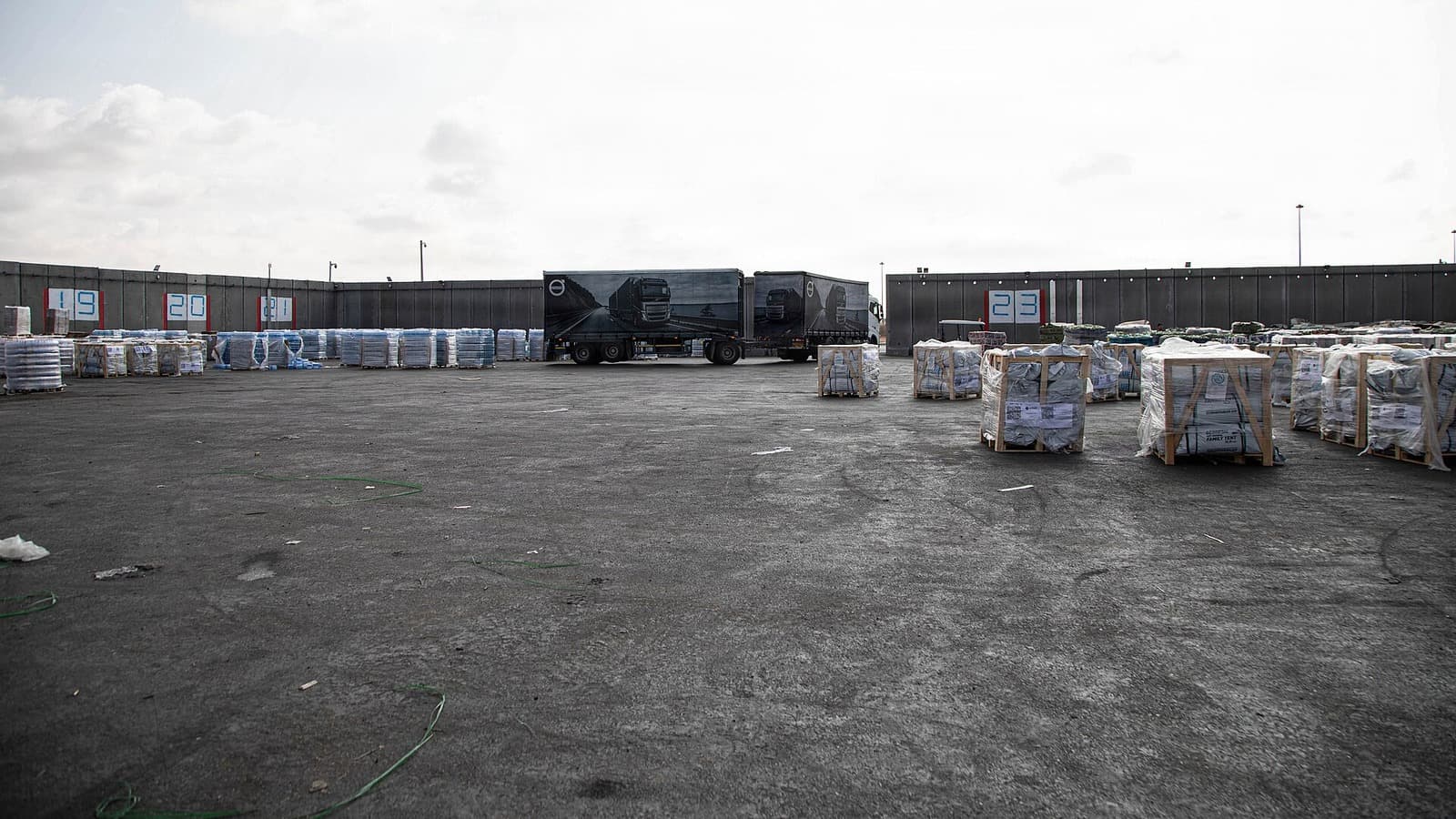
Gaza merchants suspended the coordination of commercial goods into Gaza because Hamas demanded about 10,000 shekels per truck, required about 30 percent of goods to be sold in cash and threatened merchants who refused.
Quotation excerpt
“private-sector merchants informed COGAT that, due to Hamas's forced taxation mechanism and threats against merchants who refuse to comply with its demands, they had decided to suspend the coordination of trucks carrying goods into the Gaza…”
Read full quotation
“private-sector merchants informed COGAT that, due to Hamas's forced taxation mechanism and threats against merchants who refuse to comply with its demands, they had decided to suspend the coordination of trucks carrying goods into the Gaza Strip until further notice, out of genuine fear for their lives and safety.”
Read the original post (opens in a new tab)COGAT on X: Israel did not initiate the suspension of private-sector goods entering Gaza · Coordination of Government Activities in the TerritoriesPost, full text
Why we used this label
The reference point is the payment of about 10,000 shekels per truck that Gaza's Hamas-run authorities sought from merchants bringing commercial goods into Gaza, which Israel cites for the October 2026 halt in commercial shipments. COGAT calls the payment part of a forced taxation mechanism enforced with threats against merchants, a direct criticism of it.
Jabareen says Smotrich and Netanyahu fear the Joint List's growing strength and accuses them of trying to frighten Arab voters with lies and racist campaigns.
Quotation excerpt
“Smotrich and Netanyahu understand that they are on their way home and are afraid of the rising strength of the Joint List, which will be a decisive force in the election and will bring them down from power. That is why they are trying to…”
Read full quotation
“Smotrich and Netanyahu understand that they are on their way home and are afraid of the rising strength of the Joint List, which will be a decisive force in the election and will bring them down from power. That is why they are trying to intimidate the Arab public through lies and racist campaigns. (Translated from Hebrew. Original: סמוטריץ׳ ונתניהו מבינים שהם בדרך הביתה ומפחדים מכוחה העולה של הרשימה המשותפת, שתהיה כוח מכריע בבחירות ותפיל אותם מהשלטון. לכן הם מנסים להלך אימים על הציבור הערבי באמצעות שקרים וקמפיינים גזעניים.)”
The case looks at the plan to send about 2,000 party activists to polling stations in Arab communities. Jabareen calls it an attempt to intimidate Arab voters through lies and racism, so we used condemns.
Reference point: El-Sayed's refusal to rank Israel and Iran as threats and his comparison of the dangers they pose. Condemned: posting the morning after Buttigieg's Fox News answer, Hewitt calls El-Sayed's position radicalism and praises Buttigieg for separating himself from it. Defended or excused does not fit, since the praise is for Buttigieg's break with El-Sayed, not for the answer.
Role at the time: Progressive political organizer appearing on The Story
Defended or excused
Statement summary
Trent defends El-Sayed's answer and says the repeated questioning has little to do with voters' daily lives.
“I mean, he’s put it to rest so many times. It just keeps getting asked and asked and asked.”
Open source (opens in a new tab)Corbin Trent and Martha MacCallum debate El-Sayed's Israel-Iran answerOctober 15 exchange on The Story
What this label refers to
Reference point: El-Sayed's refusal to rank Israel and Iran as threats and his comparison of the dangers they pose. Defended or excused: Trent says El-Sayed has already put the question to rest and that ordinary voters were not worried about an Iranian attack, backing El-Sayed against MacCallum's criticism. Challenged the characterization is the closest competing label, because he faults the repeated questioning, but it loses because he also treats the answer as adequate.
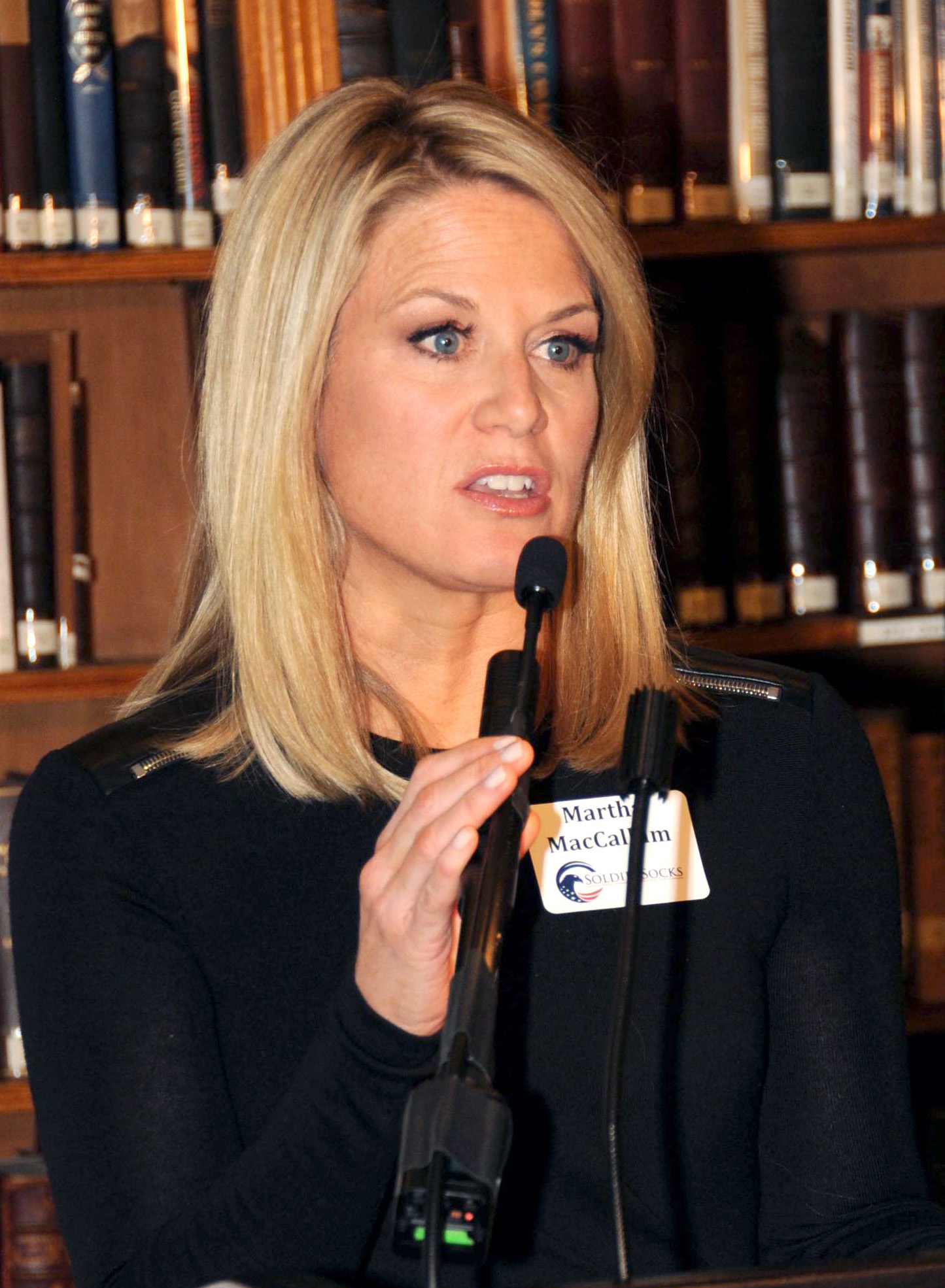
Role at the time: Fox News host speaking during The Story
Condemned
Statement summary
MacCallum criticizes El-Sayed's answer as failing a basic distinction required of someone seeking Senate foreign-policy responsibilities.
“You have to be able to understand who is our enemy and who is our ally. That is an easy, easy question, okay?”
Open source (opens in a new tab)Corbin Trent and Martha MacCallum debate El-Sayed's Israel-Iran answerOctober 15 exchange on The Story
What this label refers to
Reference point: El-Sayed's refusal to rank Israel and Iran as threats and his comparison of the dangers they pose. Condemned: MacCallum says a Senate candidate must be able to tell an enemy from an ally and calls the question easy, criticizing El-Sayed for not answering it that way. Challenged the characterization loses because she rejects the answer as inadequate rather than only disputing its description of Israel.
Role at the time: Press office of Gaza's Hamas-run government, in a statement on its Telegram channel
Challenged the characterization
Response to this claim
Gaza's government has imposed no taxes or fees on commercial trucks, and the 10,000-shekel payment is part of a voluntary community initiative that funds aid for vulnerable groups.
“We categorically deny the imposition of any government taxes or fees on commercial trucks. (Translated from Arabic. Original: ننفي نفياً قاطعاً فرض أي ضرائب أو رسوم حكومية على الشاحنات التجارية.)”
Read the official statement (opens in a new tab)Government Media Office press statement responding to COGAT on the entry of commercial goods into Gaza (in Arabic) · Government Media Office (Gaza)Telegram posts 5186 and 5187, full text
Why we used this label
The reference point is the payment of about 10,000 shekels per truck that Gaza's Hamas-run authorities sought from merchants bringing commercial goods into Gaza, which Israel cites for the October 2026 halt in commercial shipments. The office denies that the payment is a government tax or fee and calls it a voluntary contribution, disputing COGAT's description of the payment.
Mickey Gitzin is acting chief executive officer of the New Israel Fund. He directed its Israel office from 2017 to 2025, founded the religious-freedom organization Israel Hofsheet and previously served on the Tel Aviv-Jaffa city council. His work concerns democracy, civil society and religious freedom.
Heidi Levine is an American freelance photojournalist based in Jerusalem. Originally from Boston, she moved to Israel in 1983 and began her career as a staff photographer for the Associated Press, later joining the French photo agency Sipa Press. She has covered conflicts in Israel, Gaza and the West Bank, the uprisings in Egypt and Libya, and the war in Ukraine, which she has photographed on assignment for The Washington Post. In 2015 she received the International Women's Media Foundation's first Anja Niedringhaus Courage in Photojournalism Award for her work in Gaza. In 2022, The Washington Post awarded her its Ben Bradlee Courage in Journalism Award.
Benjamin Netanyahu is an Israeli politician who leads the Likud party and has served as prime minister since December 2022. He previously held that office from 1996 to 1999 and 2009 to 2021, and served as Israel's ambassador to the United Nations from 1984 to 1988 and finance minister from 2003 to 2005.
Itamar Ben-Gvir is an Israeli politician, a member of the Knesset and chairman of the Otzma Yehudit party. He was first elected to the Knesset in 2021 and is Israel's minister of national security.
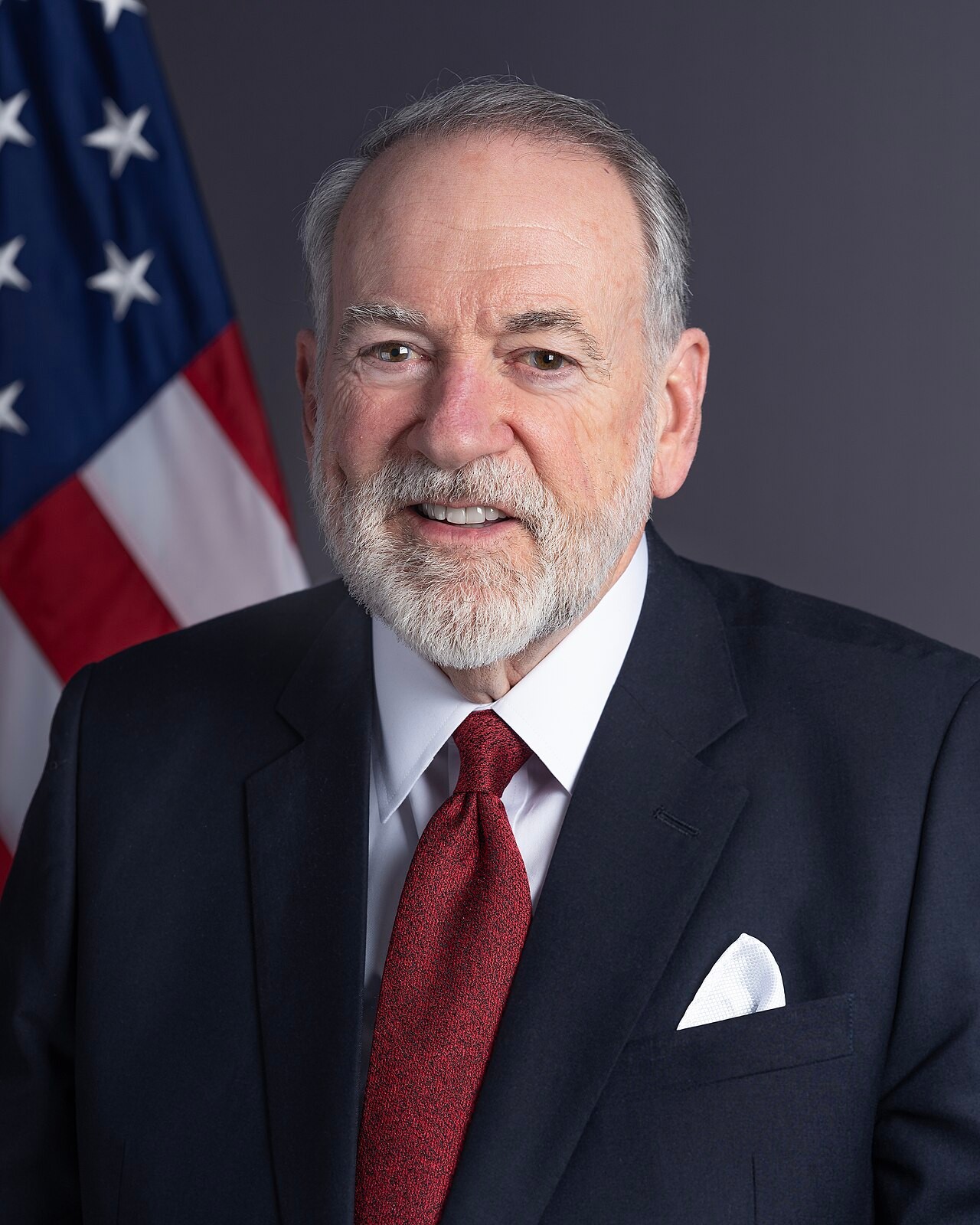
Mike Huckabee is the United States ambassador to Israel. He served as governor of Arkansas from 1996 to 2007 and sought the Republican presidential nomination in 2008 and 2016. He has also worked as a television host, author and Baptist minister.
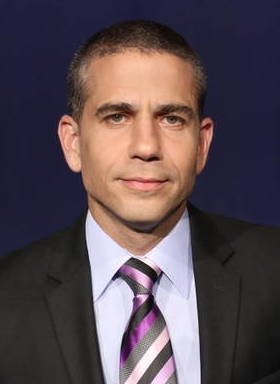
Israeli journalist and broadcaster who presents the political talk show "The Patriots" on Channel 14 and co-hosts a daily program on the radio station 103FM with Ben Caspit. He was a Knesset member for the Jewish Home party for most of 2015 and earlier presented a program on Channel 1 and was editor in chief of the news site Walla.
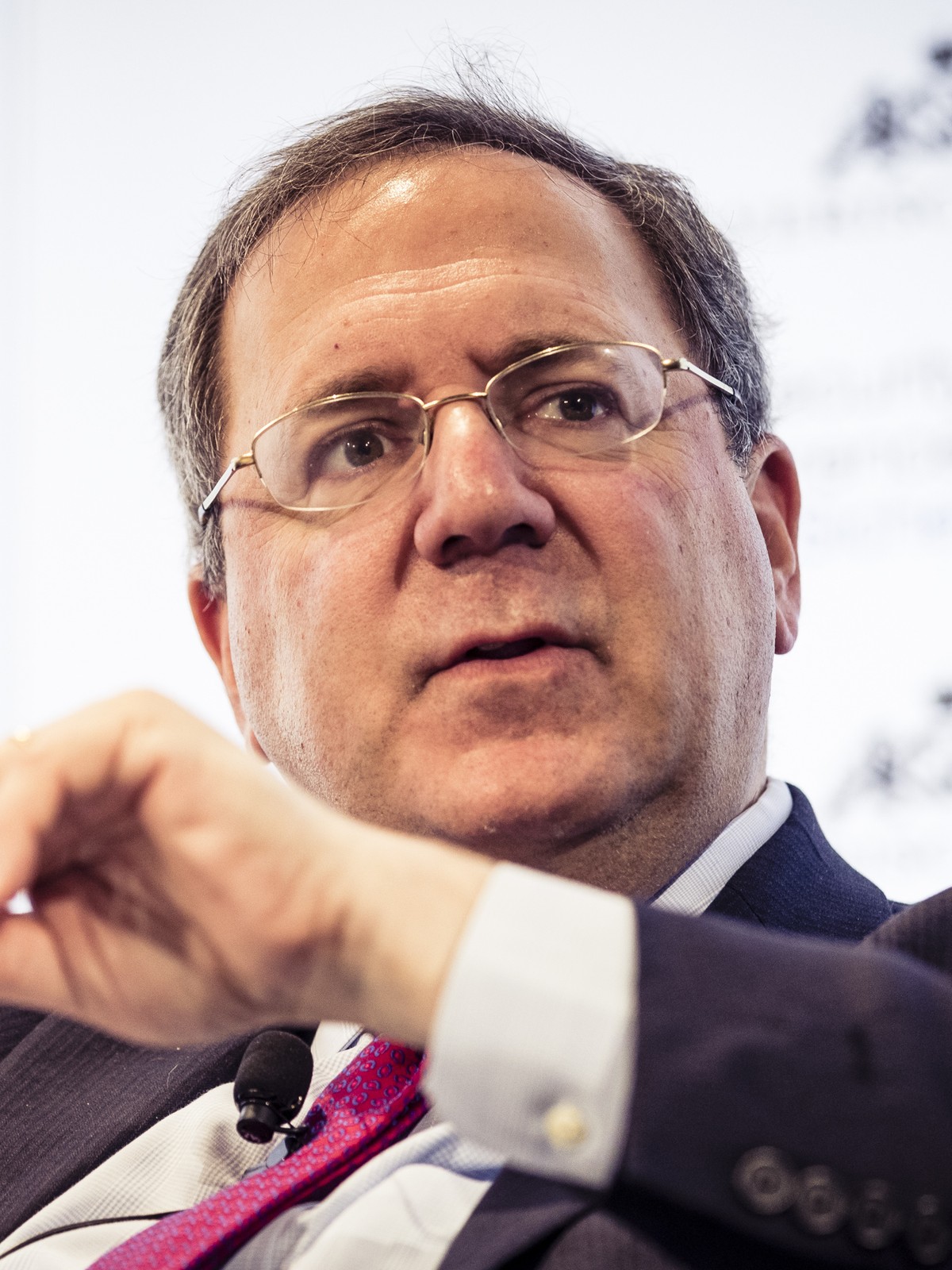
David E. Sanger is a White House and national security correspondent for The New York Times. He writes about foreign policy, technology and the presidency, contributes analysis to CNN and teaches national security policy at Harvard's Kennedy School. His books include The Perfect Weapon and New Cold Wars.
Missy Ryan is a staff writer at The Atlantic covering national security, foreign policy and defense. She previously reported for The Washington Post and Reuters, including as a foreign correspondent in Latin America and the Middle East.