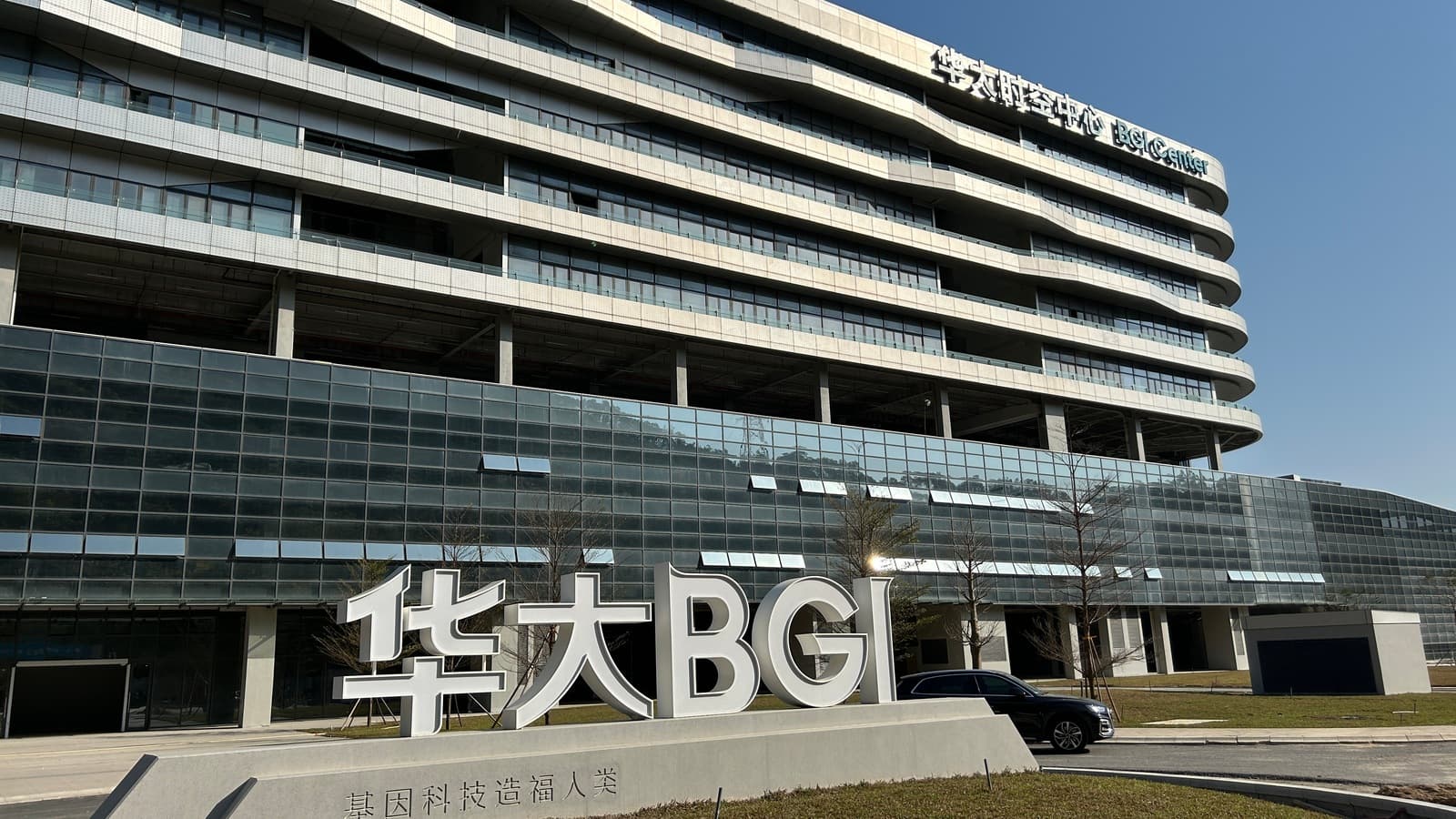
DHS's Federal Register notice lists BGI Genomics, MGI Tech and BGI Group under the forced-labor law. BGI Genomics denies forced labor, while MGI rejects the allegations and plans a challenge. The companies date the addition to October 28.
Role at the time: Co-director of the Centre for European Studies at Carleton University, interviewed by The Canadian Press
Mixed or conditional
Statement summary
Hurrelmann said an associate-member status for Canada may be hard to negotiate in the short term because the EU moves slowly once its member states are involved. He said there is a case for an upgraded partnership status, possibly under a different label.
“I'm not sure if a status with that name can be established for Canada any time soon”
Open source (opens in a new tab)'Associate' EU membership for Canada not a 'short-term' project: expertPassages quoting Achim Hurrelmann
What this label refers to
Relative to whether Canada should become an associate member of the European Union, Hurrelmann sees a case for an upgraded partnership but doubts the associate-member status can be established soon and suggests a different label may be needed. That is a conditional assessment rather than support or opposition.
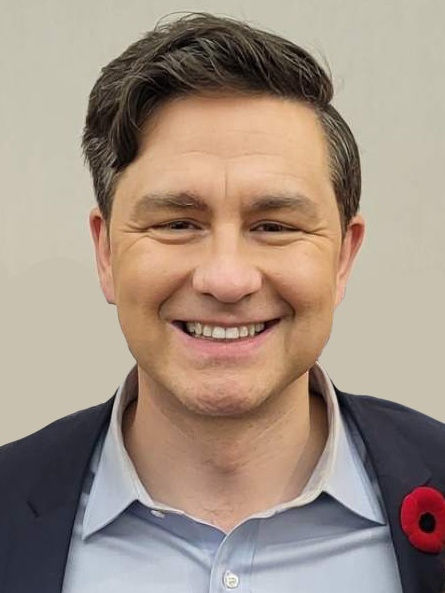
Role at the time: Leader of the Conservative Party of Canada and Leader of the Official Opposition, posting on X
Condemned
Statement summary
After the Montreal summit closed, Poilievre said it had not reduced a single tariff or won CETA ratification from the nine holdout countries. He said talk of aligning Canada with European taxes, immigration and energy policies would do nothing to lower Canadians' living costs.
“Worse, there was lots of talk at the summit about aligning Canada with the insane European taxes, debt, immigration and anti-oil and gas policies that have left parts of Europe bankrupt and burning.”
Relative to whether Canada should become an associate member of the European Union, Poilievre rejects closer alignment with European policies and calls the summit a distraction from living costs. That is opposition to the pursuit, consistent with his October 29 post.
Role at the time: German Ambassador to Canada, speaking to The Hill Times at the Montreal summit
Mixed or conditional
Statement summary
After the summit, Germany's ambassador to Canada called its result a major achievement. He said that since von der Leyen and Carney are using the associated-membership term, the two sides should work out what it can mean, and that the label should not distract from the content agreed.
Quotation excerpt
“The president of the commission and the prime minister are using the term associated membership, so let's fill that name with life and see what it can be about. I think we should not be distracted by the label in question from the important…”
Read full quotation
“The president of the commission and the prime minister are using the term associated membership, so let's fill that name with life and see what it can be about. I think we should not be distracted by the label in question from the important content that has been agreed today”
Open source (opens in a new tab)'Entering a new era': Canada, EU pledge closer ties in 'unprecedented' summit as leaders double down on associate membershipPassage quoting Ambassador Lüttenberg
What this label refers to
Relative to whether Canada should become an associate member of the European Union, Lüttenberg backs the deeper partnership and accepts working with the term its leaders use, while leaving its meaning to be defined. That is a conditional position on the proposal rather than clear support or opposition.
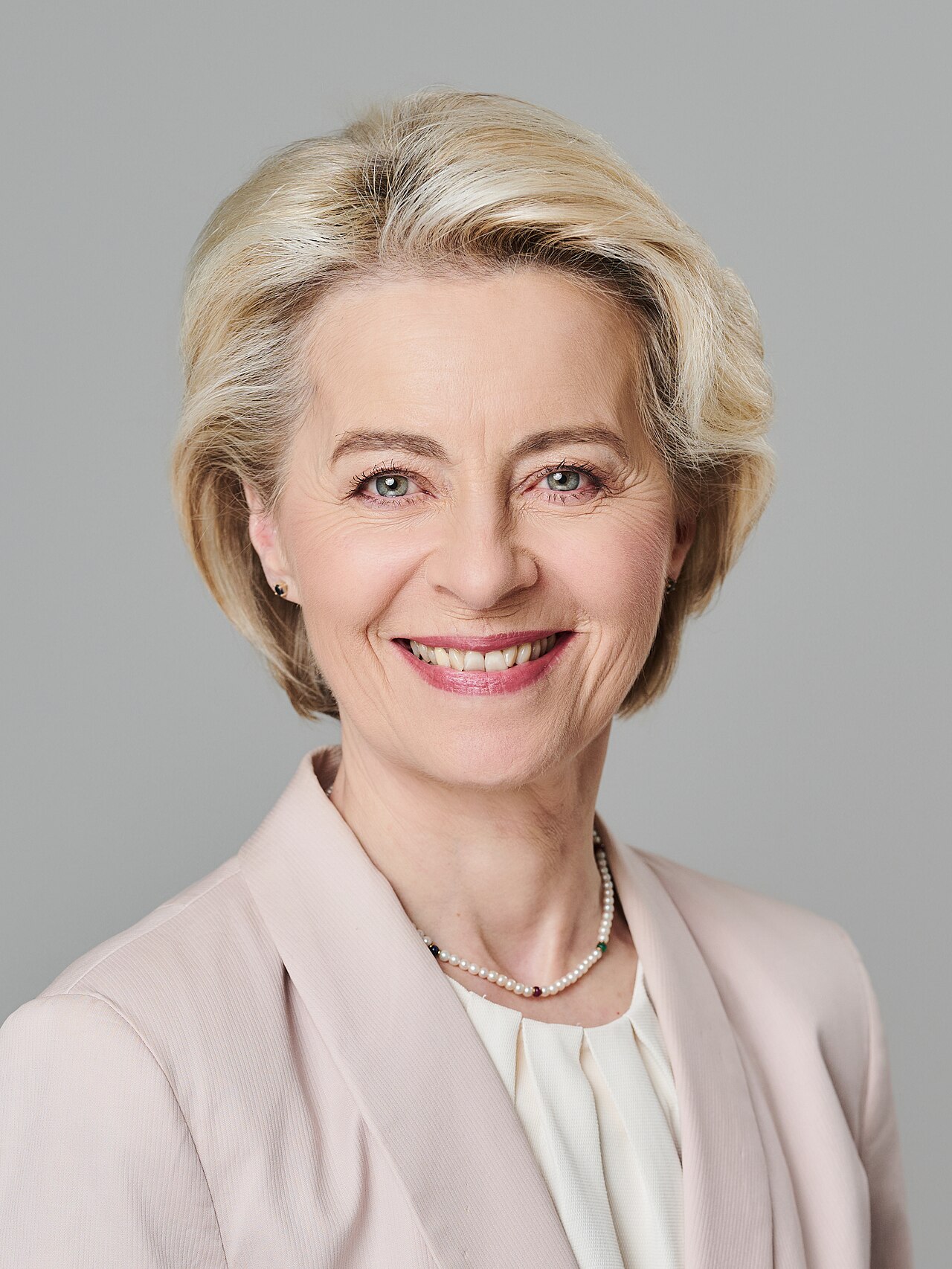
Role at the time: President of the European Commission, closing news conference of the EU-Canada summit in Montreal
Defended or excused
Statement summary
At the summit's closing news conference, von der Leyen called associate membership uncharted territory that the EU and Canada can shape together. She said full membership is impossible under the EU treaties.
“The concept of an associate member is uncharted territory, but we have the ambition, trust and creativity to shape it together”
Open source (opens in a new tab)Canada aims to become EU's first 'associate member' by June 2027, Carney saysClosing press conference remarks
What this label refers to
Relative to whether Canada should become an associate member of the European Union, von der Leyen keeps arguing for the status after the joint statement left the term out. Calling it uncharted territory describes how undefined it is, not a doubt about pursuing it.
Role at the time: Prime Minister of Canada, closing news conference of the EU-Canada summit in Montreal
Defended or excused
Statement summary
At the summit's closing news conference, Carney said Canada is working toward becoming the EU's first associate member, a status short of accession. He said the two sides would set its substance, scale and scope in the coming months.
“We are working towards the deepest possible partnership short of accession, because of our geography, with Canada becoming the European Union's first associate member”
Open source (opens in a new tab)Canada aims to become EU's first 'associate member' by June 2027, Carney saysClosing press conference remarks
What this label refers to
Relative to whether Canada should become an associate member of the European Union, Carney now uses the associate-member term himself and says Canada is working toward that status. That is support for the proposal, and a step past his October 27 remark that the name did not matter.
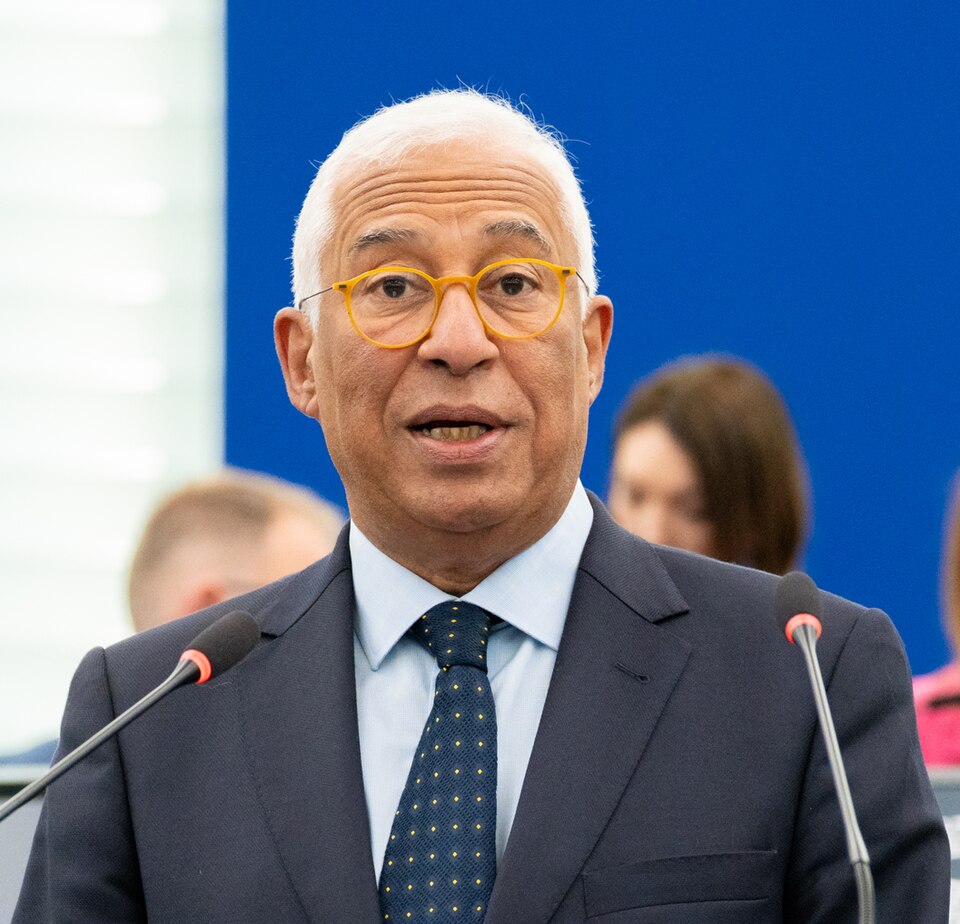
Role at the time: President of the European Council, speech to the Montreal Council on Foreign Relations
Defended or excused
Statement summary
Costa says he shares von der Leyen's ambition for Canada whatever the arrangement is called, and says the association will be the closest the EU has.
Quotation excerpt
“President von der Leyen even put forward this bold idea of making Canada an "associate member" of the European Union. I share her ambition. Whether it is this term or another, one thing is clear: our association will be the closest, the…”
Read full quotation
“President von der Leyen even put forward this bold idea of making Canada an "associate member" of the European Union. I share her ambition. Whether it is this term or another, one thing is clear: our association will be the closest, the deepest and the most unique there is. (Translated from French. Original: La présidente von der Leyen a même avancé cette idée audacieuse de faire du Canada un « membre associé » de l’Union européenne. Je partage son ambition. Que ce soit ce terme ou un autre, une chose est claire : notre association sera la plus étroite, la plus profonde et la plus unique qui soit.)”
Read the original text (opens in a new tab)Discours du président António Costa au Conseil des relations internationales de MontréalClosing passage on the Alliance for the Future
What this label refers to
Relative to whether Canada should become an associate member of the European Union, Costa supports the ambition while leaving the name of the arrangement open. The open question concerns the label, not his support for the closer association.
Role at the time: President of the European Commission, keynote speech at the C.D. Howe Institute
Defended or excused
Statement summary
Von der Leyen says the EU is discussing making Canada its first associate member, a day after member states removed the term from the draft summit statement.
Quotation excerpt
“Of course, Canada cannot become a full-fledged member of the EU because of geography, but we both want to bring our relationship to the highest level possible. This is why we are discussing the idea of Canada becoming the first associate…”
Read full quotation
“Of course, Canada cannot become a full-fledged member of the EU because of geography, but we both want to bring our relationship to the highest level possible. This is why we are discussing the idea of Canada becoming the first associate member of the European Union.”
Read the original text (opens in a new tab)Keynote speech by President von der Leyen on EU-Canada relations at the C.D. Howe Institute · European CommissionPassage on associate membership
What this label refers to
Relative to whether Canada should become an associate member of the European Union, von der Leyen argues for the idea and says the EU is discussing it. Her remark that Canada cannot become a full member describes the limit of the status, not a condition on her support.
Role at the time: Leader of the Conservative Party of Canada and Leader of the Official Opposition, posting on X
Condemned
Statement summary
On the summit's opening day, Poilievre said Carney had spent months on talk of associate membership while Canadians struggle with costs, and that Europe had rejected it. He called the summit theatre and urged Carney to seek CETA ratification, beef access and an end to the EU's planned carbon tariff instead.
“While Canadians can't afford food and homes, Mr. Carney has distracted for months with big talk about "Associate Membership" with Europe. Now, Europe has rejected it.”
Relative to whether Canada should become an associate member of the European Union, Poilievre dismisses the pursuit as a distraction and argues for working within the existing trade deal. That is opposition to the proposal, consistent with his September 20 statement.
Role at the time: Listed technology company, in a statement signed October 28
Denied
Statement summary
MGI rejects the allegations and plans to challenge the designation.
“We firmly reject the allegations, which we believe are unfounded and inconsistent with the facts.”
Read the official statement (opens in a new tab)MGI Statement Regarding its Inclusion on the UFLPA Entity List · MGI TechOpening position paragraph, final paragraph and October 28 signature date
What this label refers to
Relative to the designation's factual basis, MGI explicitly rejects the allegations as unfounded.
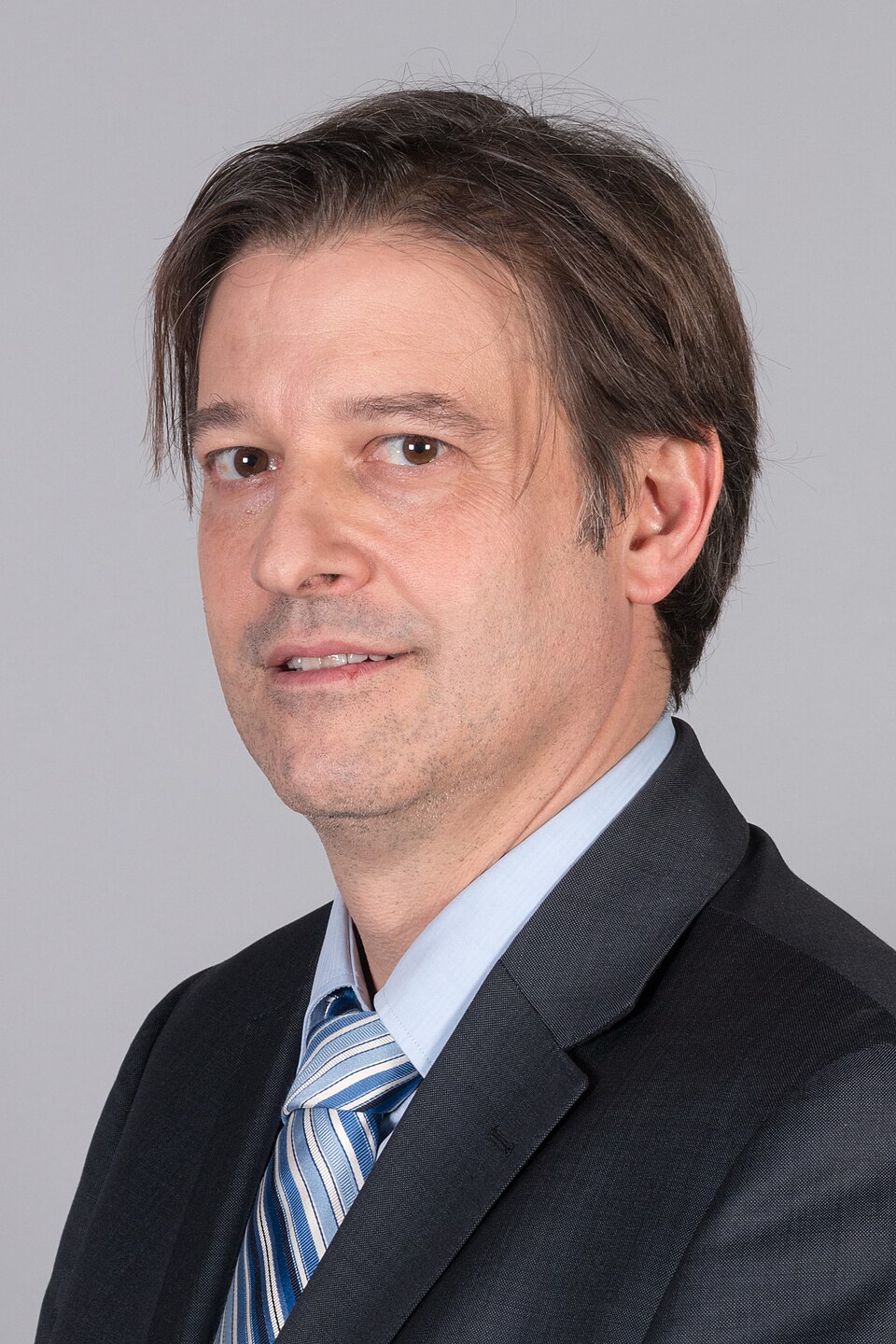
Role at the time: Member of the European Parliament and chair of its delegation for relations with Canada, interviewed by EUobserver
Defended or excused
Statement summary
In an EUobserver interview the day before the Montreal summit, Moreno Sánchez said he prefers that Canada become an associate member and that it could be a de facto status whatever its legal basis.
“I prefer for Canada to be an associate member, but I don't care about the legal basis; it can be de facto associate membership.”
Open the original interview (opens in a new tab)[Interview] 'I don't care' about the associate membership label row: Lead MEP Javier Moreno Sánchez on upcoming EU-Canada summitAnswer on whether the announcement was a mistake
What this label refers to
Relative to whether Canada should become an associate member of the European Union, Moreno Sánchez says he prefers that outcome and dismisses the legal objections to the label as secondary. That is support for the proposal, as in his September 18 statement.
Role at the time: German Ambassador to Canada, interviewed on CTV News' Power Play
Mixed or conditional
Statement summary
Germany's ambassador to Canada said the associate-membership announcement surprised some EU governments but did not rule out agreement on it. He called the proposal a gesture of good will toward Canada and said the term was still under discussion.
“I think we have been a little surprised by the announcement, which doesn't mean that we cannot agree on it”
Open source (opens in a new tab)Canada-EU: Aim to solidify 'associate membership' in a yearArticle, paragraphs quoting Carney and Ambassador Luttenberg
What this label refers to
Relative to whether Canada should become an associate member of the European Union, Lüttenberg supports closer ties but says the new concept needs time for all 27 member states to consider, and leaves open whether Germany will accept the label. That is a conditional position on the proposal rather than support or opposition.
Role at the time: Prime Minister of Canada, speaking to reporters on Parliament Hill
Defended or excused
Statement summary
Two days before the Montreal summit, Carney said the name given to Canada's closer relationship with the EU matters less than what it delivers for Canadians. He described the summit as the start of a year of formal negotiations.
“The good news is it doesn't matter about specific names or nomenclature”
Open source (opens in a new tab)Canada-EU: Aim to solidify 'associate membership' in a yearArticle, paragraphs quoting Carney and Ambassador Luttenberg
What this label refers to
Relative to whether Canada should become an associate member of the European Union, Carney backs pursuing the arrangement and describes the summit as the launch of negotiations on it, while treating the label itself as unimportant. That supports the proposal in substance, as in his September 17 address. The closest competing label is mixed or conditional, because he does not adopt the associate-member name.
Role at the time: Former USTR deputy and WTO deputy director-general; PIIE fellow
Condemned
Statement summary
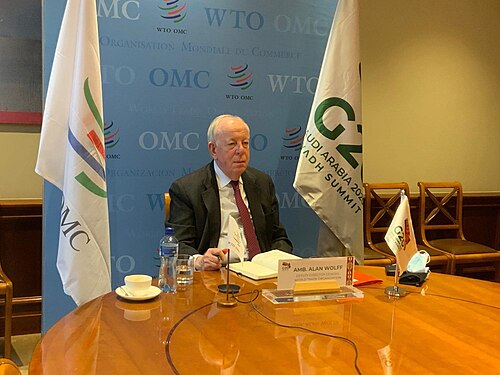
Describing the amicus brief he joined with Carla Hills and Warren Maruyama, Wolff says Section 301 is only for use against individual countries' practices, that no Congress or prior administration treated it as global tariff authority, that it could not confer such authority under the Constitution, and that USTR's forced-labor cases were arbitrary and capricious and not authorized by law. Later in the post he argues that only a constitutional ruling would stop the administration from replacing invalidated tariffs.
Quotation excerpt
“We argue that Section 301 is only for use against individual countries' practices, not a global measure like Section 122. We state that no prior administration and no Congress in its drafting of the provision, or subsequently in is…”
Read full quotation
“We argue that Section 301 is only for use against individual countries' practices, not a global measure like Section 122. We state that no prior administration and no Congress in its drafting of the provision, or subsequently in is amendments of the statute, ever indicated that Section 301 conferred global tariff authority. We argue that Section 301 could not do so under the Constitution and that USTR's forced labor Section 301 cases were arbitrary and capricious, and not authorized by law.”
Open source (opens in a new tab)Wolff argues courts need a constitutional limit on broad presidential tariffsSection 301 analysis and account of September 30 argument
What this label refers to
Relative to whether the Section 301 forced-labor tariffs are a lawful remedy or a pretext, Wolff sets out the arguments of the amicus brief he joined: the tariffs exceed Section 301, could not be authorized under the Constitution, and rest on arbitrary and capricious investigations. He also says he expects the president to lose. That rejects the tariffs' lawfulness, so condemns fits.
Role at the time: Former Canadian special envoy to the European Union, interviewed on CBC's Rosemary Barton Live
Challenged the characterization
Statement summary
On CBC's Rosemary Barton Live, Dion said he doubts the associate-membership label will be accepted in Canada or in Europe. He suggested Canada could instead become an official observer or a full member of the European Political Community.
“I'm not sure that this expression of an associate membership will fly”
Open source (opens in a new tab)Canada needs concrete results from EU summit this week, former envoy saysArticle, section 'A new kind of partnership'
What this label refers to
Relative to whether Canada should become an associate member of the European Union, Dion again disputes the label rather than the closer partnership. He says it sounds to Canadians like a transfer of sovereignty to Brussels and to Europeans like benefits without obligations, and he proposes other forms of association. This matches his September 16 statement, which carries the same label.
Role at the time: HotAir commentator writing as Tree Hugging Sister
Condemned
Statement summary
Welborn opposes the proposed relationship and argues that it risks Canadian sovereignty. Her column draws on reporting about the negotiations and criticism of the draft.
“Carney seems to have almost unilateral power to give the country away.”
Open source (opens in a new tab)EU Has the Snare Prepared for the SyrupeansWelborn's own commentary following the Christine Anderson excerpt
What this label refers to
Relative to Canada's proposed association with the EU, Welborn expressly criticizes the project as a threat to sovereignty.
Role at the time: Canadian constitutional-rights advocacy organization
Mixed or conditional
Statement summary
The Justice Centre questions the implications of the draft for digital rules and Canadian policymaking. It calls for Ottawa to explain the proposal and preserve elected representatives' control over domestic rules.
“ensure Canadians, through their elected representatives, retain control over the rules that govern them.”
Relative to the proposed Canada-EU arrangement, the organization makes its assessment depend on whether Canadians retain control of their rules and whether sovereignty is compromised.
Role at the time: Member of the European Parliament, speaking for the S&D group in a plenary debate
Mixed or conditional
Statement summary
Van Brempt supports deepening the EU's partnership with Canada and says associate membership and the alliance for the future sound promising but must deliver more than a promise.
“That partnership recently has been given a lot of fancy names. You mentioned it: an associate membership, an alliance for the future – it all sounds very promising, but it must be more than just a promise.”
The case asks whether Canada should become an associate member of the EU. Van Brempt backs a closer partnership but conditions her support for the new arrangement on concrete results.
Role at the time: Member of the European Parliament, speaking for the ECR group in a plenary debate
Mixed or conditional
Statement summary
Kols rejects a new quasi-member status for Canada and calls instead for closer cooperation that delivers on minerals, defence, energy and existing agreements.
“Europe does not need a 28th quasi‑Member State. Europe needs hard industrial depth to break our dependencies on Beijing and Moscow.”
The case asks whether Canada should become an associate member of the EU. Kols opposes a new membership label but supports deeper cooperation with Canada, so his position is conditional.
Role at the time: Member of the European Parliament for the AfD, speaking for the ESN group in a plenary debate
Condemned
Statement summary
Anderson tells the European Parliament that Carney should turn down von der Leyen's associate-membership offer, which she says would harm Canada.
“The question is, is Mark Carney stupid enough to fall for it? Or will he do right by the Canadian people and tell Ursula von der Leyen to bugger off?”
Role at the time: Lawyer and international economic-policy specialist
Condemned
Statement summary
Harrell finds persuasive the arguments that Canada's acts are not discrimination under the statute and that the tariffs do not offset it, and says they would at least significantly narrow the tariffs.
Quotation excerpt
“I have written about Section 338 elsewhere and I find these arguments persuasive: Canada's acts that are the purported basis for the Section 338 tariffs are not "discrimination" within the meaning of the statute, and the tariffs do not…”
Read full quotation
“I have written about Section 338 elsewhere and I find these arguments persuasive: Canada's acts that are the purported basis for the Section 338 tariffs are not "discrimination" within the meaning of the statute, and the tariffs do not "offset" the burden of the discrimination. At the very least, these arguments would mean a significant narrowing of the tariffs.”
Relative to imposing the Section 338 tariffs, Harrell finds the arguments against their statutory basis persuasive. His uncertainty about the litigation does not express support for the tariffs.
Role at the time: Chairman and CEO of Liberty Justice Center
Condemned
Statement summary
Albrecht argues that presidents cannot use a dormant statute to bypass Congress's limits.
“No president should have the power to pull a dormant statute off the shelf and use it to impose sweeping tariffs or import bans without the limits Congress required”
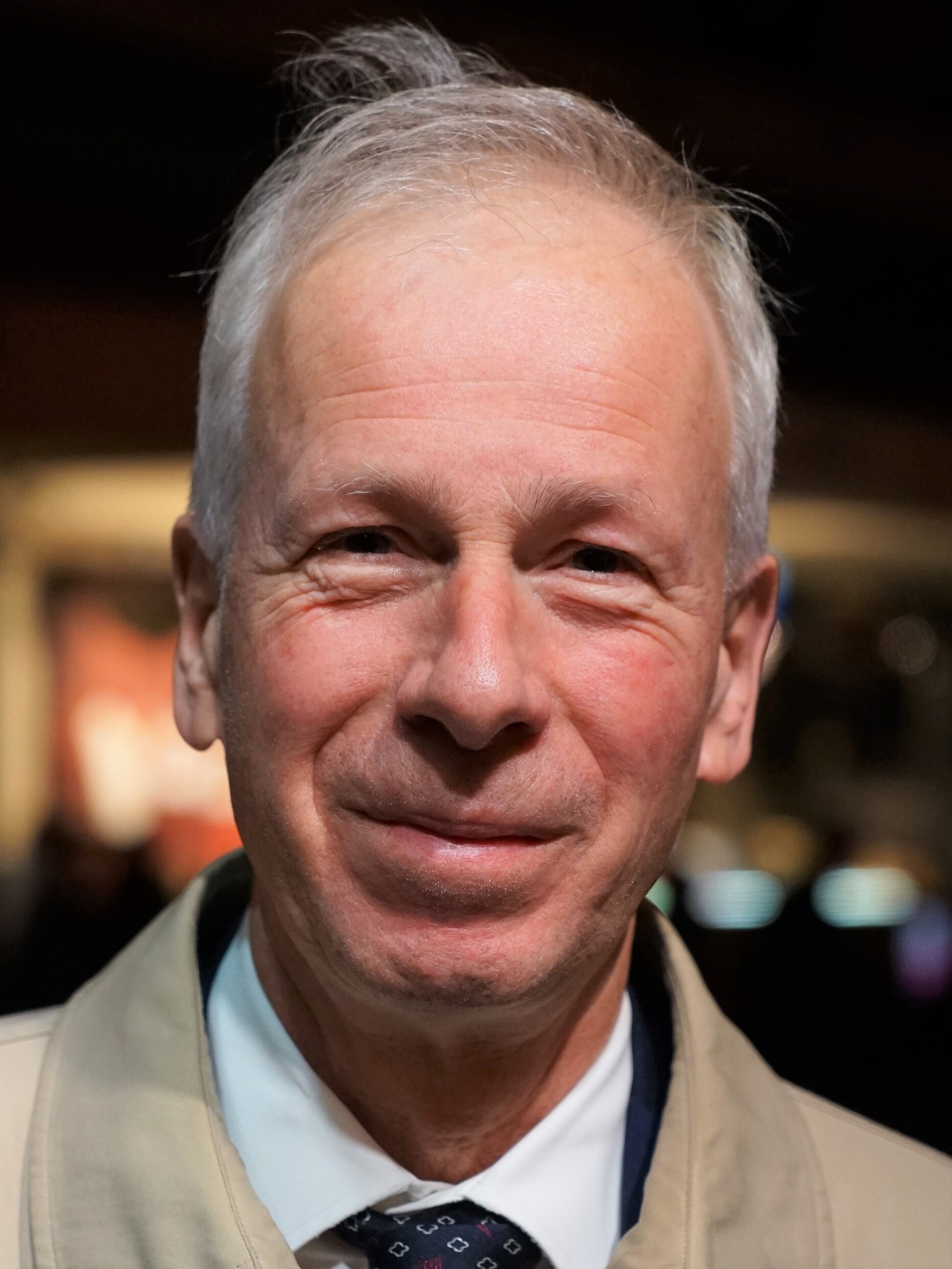
Achim Hurrelmann is a professor of political science at Carleton University in Ottawa and co-director of its Centre for European Studies. He studies the politics of the European Union, multilevel governance, the politics of trade and relations between Canada and Europe.
Matthias Lüttenberg is a German diplomat who has shared the ambassadorship to Canada with his spouse, Tjorven Bellmann, since September 2024. He studied law at Passau and Aberystwyth and joined the German Foreign Service in 2003. His overseas assignments included Pristina, London and Tel Aviv. He later worked at the Federal Chancellery on European and Central Asian affairs and became the Foreign Office's director for Eastern Europe, Central Asia and the Caucasus in 2021.
President of the European Commission, the European Union's executive body, which proposes legislation and negotiates international agreements on the Union's behalf.
António Costa is the President of the European Council, the EU institution that brings together the bloc's heads of state or government. He chairs its meetings, drives its work forward and represents the EU externally at his level on foreign and security policy.
Javier Moreno Sánchez is a Spanish Member of the European Parliament for the Spanish Socialist Workers' Party (PSOE) in the Progressive Alliance of Socialists and Democrats group. He chairs the Parliament's Delegation for relations with Canada and sits on its Committee on International Trade.
Alan Wm. Wolff is a senior fellow at the Peterson Institute for International Economics and a former deputy director-general of the World Trade Organization. Earlier he was U.S. deputy special representative for trade negotiations in the Carter administration and general counsel of the trade office in the Ford administration, and he later chaired the National Foreign Trade Council. He is the author of Revitalizing the World Trading System (Cambridge University Press, 2023).
Canadian former politician and diplomat, now the first diplomat in residence at the Université de Montréal's Faculty of Arts and Science. He was Canada's ambassador to Germany from 2017 to 2022 and to France and Monaco from 2022 to 2025, and special envoy to the European Union and Europe from 2017 to 2025. He previously served as minister of foreign affairs, minister of the environment and minister of intergovernmental affairs, and led the Liberal Party from 2006 to 2008.
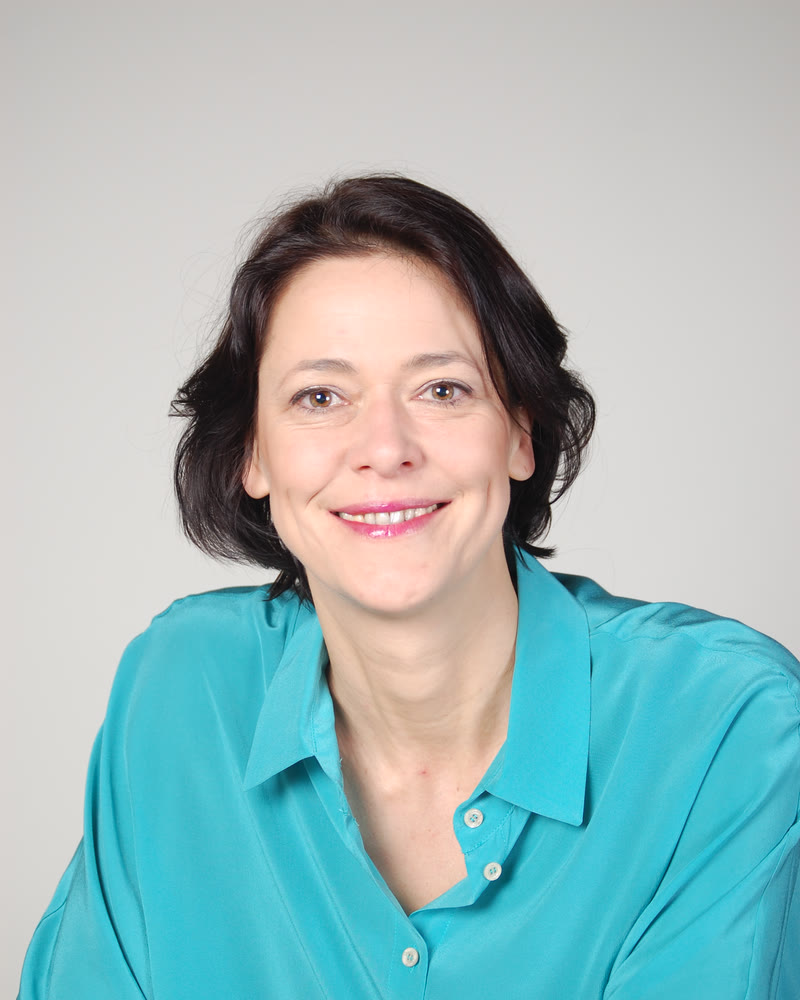
Kathleen Van Brempt is a Belgian politician of the Flemish social democratic party Vooruit and a member of the European Parliament, where she sits with the Progressive Alliance of Socialists and Democrats (S&D) group. She was earlier a minister in the Flemish government.
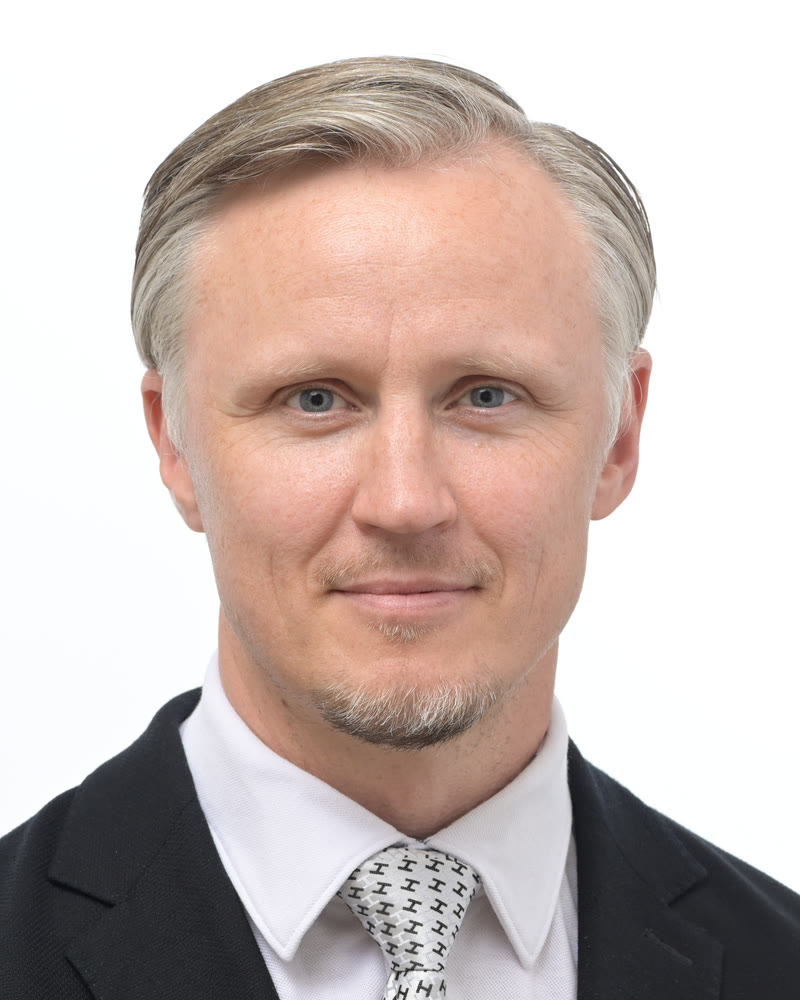
Rihards Kols is a Latvian politician of the National Alliance and a member of the European Parliament, where he sits with the European Conservatives and Reformists (ECR) group. He previously chaired the foreign affairs committee of Latvia's parliament, the Saeima.