
Ursula von der Leyen

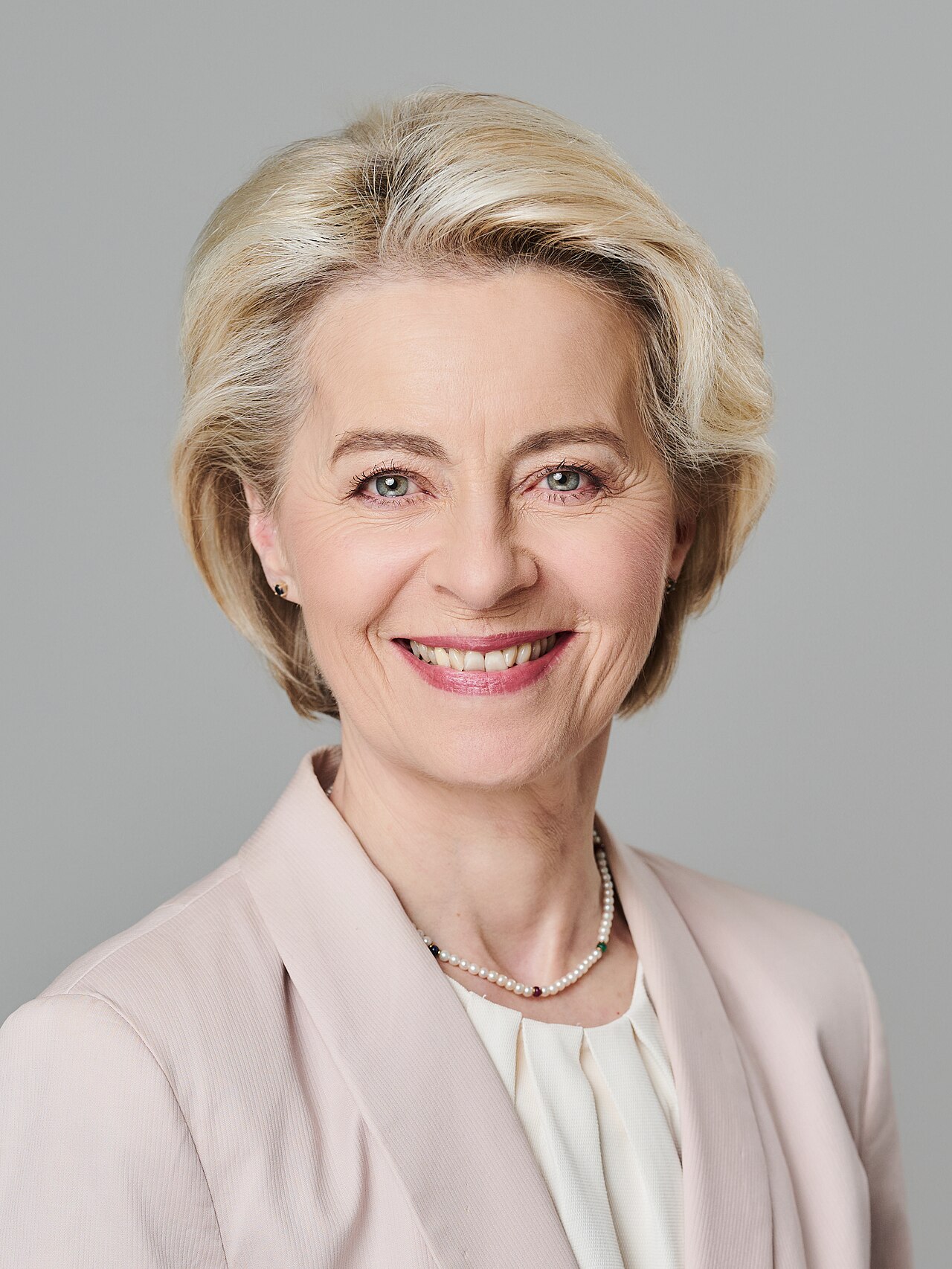
Portrait of Ursula von der Leyen
European People's Party

President of the European Commission, the European Union's executive body, which proposes legislation and negotiates international agreements on the Union's behalf.

What we have documented

We have documented 3 statements by Ursula von der Leyen, in 1 case. Each statement below gives the quotation, its original source and a link to the full case.

Case updates

Will Canada and the EU define 'associate membership'?

Get an email if the planned EU-Canada summit yields terms, Canada's Parliament gets a motion or vote, or Trump acts on his tariff threat.

Important updates only. Free. Confirm your email to start. Unsubscribe anytime. How we handle your email.

Statements by Ursula von der Leyen

Portrait of Ursula von der Leyen

Ursula von der Leyen

Role at the time: President of the European Commission, closing news conference of the EU-Canada summit in Montreal

Defended or excused

Statement summary

At the summit's closing news conference, von der Leyen called associate membership uncharted territory that the EU and Canada can shape together. She said full membership is impossible under the EU treaties.

“The concept of an associate member is uncharted territory, but we have the ambition, trust and creativity to shape it together”
Open source (opens in a new tab)Canada aims to become EU's first 'associate member' by June 2027, Carney saysClosing press conference remarks
Why we used this label

Relative to whether Canada should become an associate member of the European Union, von der Leyen keeps arguing for the status after the joint statement left the term out. Calling it uncharted territory describes how undefined it is, not a doubt about pursuing it.

Portrait of Ursula von der Leyen

Ursula von der Leyen

Role at the time: President of the European Commission, keynote speech at the C.D. Howe Institute

Defended or excused

Statement summary

Von der Leyen says the EU is discussing making Canada its first associate member, a day after member states removed the term from the draft summit statement.

“Of course, Canada cannot become a full-fledged member of the EU because of geography, but we both want to bring our relationship to the highest level possible. This is why we are discussing the idea of Canada becoming the first associate member of the European Union.”
Read the original text (opens in a new tab)Keynote speech by President von der Leyen on EU-Canada relations at the C.D. Howe Institute · European CommissionPassage on associate membership
Why we used this label

Relative to whether Canada should become an associate member of the European Union, von der Leyen argues for the idea and says the EU is discussing it. Her remark that Canada cannot become a full member describes the limit of the status, not a condition on her support.

Portrait of Ursula von der Leyen

Ursula von der Leyen

Role at the time: President of the European Commission, addressing the European Parliament

Defended or excused

Statement summary

In her State of the European Union address, von der Leyen proposed moving beyond the CETA trade agreement to what she called an Alliance for the Future, listing joint work on manufacturing, technology, defence industry, the Arctic, energy, critical minerals and artificial intelligence, and said she would like to work with Carney on opening the door for Canada to be the first associate member of the European Union.

“We are joining forces voluntarily. We will move from CETA to an Alliance for the Future to create a common prosperity and economic security space.” … “In short, we want to bring the relationship with Canada to the highest level possible.” … “I would like to work with you on opening the door for Canada to be the first associate member of the EU.”
Read the official statement (opens in a new tab)2026 State of the Union Address by President von der LeyenCanada passage: "Alliance for the Future" and "opening the door for Canada to be the first associate member of the EU"
Why we used this label

Relative to whether Canada should become an associate member of the European Union, von der Leyen is the source of the proposition and argues for it, framing it as bringing the relationship to the highest level possible. The closest competing label is “Mixed or conditional”, which loses because the only qualification in her words is procedural: she offers to work on opening the door rather than claiming the door is open. That describes the stage the proposal has reached, not a condition on her support for it.

A participant is a subject of the case. A speaker has a statement documented in it. A commentator has an opinion or editorial documented in it.

Topics in this coverage