
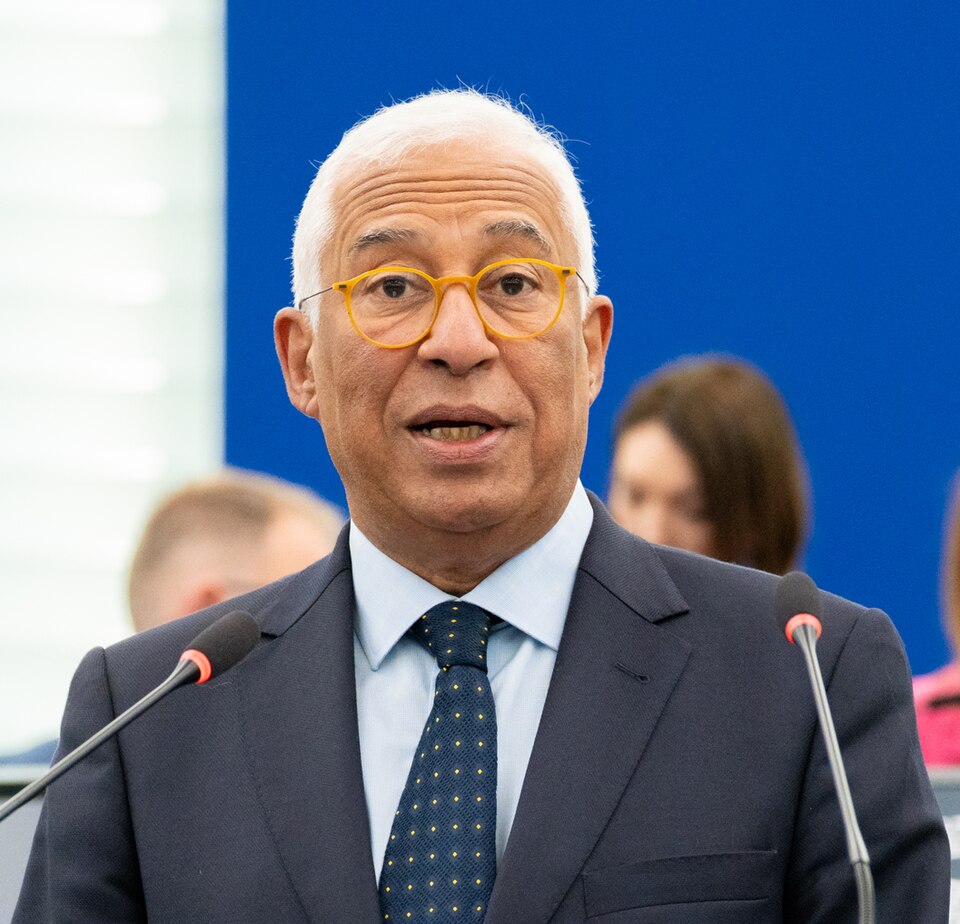
António Costa

Portrait of António Costa
CC-BY-4.0: © European Union 2025 - Source: EPSourceCC BY 4.0Original image retained; resized only.

António Costa is the President of the European Council, the EU institution that brings together the bloc's heads of state or government. He chairs its meetings, drives its work forward and represents the EU externally at his level on foreign and security policy.

What DI has documented

DI has documented statements by António Costa on Canada, European Union, and International Relations, among other topics. Read the quotations, original sources and related cases below.

Topics in this coverage

Statements by António Costa

Portrait of António Costa

António Costa

Role at the time: President of the European Council, speaking in an interview with POLITICO in Dublin

Defended or excused

Statement summary

European Council President António Costa told POLITICO that the EU wants to develop the closest possible relationship with Canada. Asked to define associate membership, he described it as a way of saying the EU wants to do more with Canada and act with it as much as possible.

“This concept means basically that we want to do more and act as much as possible with Canada”
Open source (opens in a new tab)EU wants ‘closest possible’ relationship with Canada, Costa tells POLITICO · PoliticoParagraph beginning 'Costa told POLITICO that the EU wants to develop', which carries his answer to a request to define associate membership
Why we used this label

The reference point is the offer to make Canada the first associate member of the European Union. Costa said the EU wants the closest possible relationship with Canada and described associate membership as a way of saying the EU wants to do more with it, naming defence, technology and democracy as areas to work on. He also noted that Canada cannot apply for full membership, which limits the label but not his support for the offer. We labeled it Defended or excused.

A participant is a subject of the case. A speaker has a statement documented in it. A commentator has an opinion or editorial documented in it.