
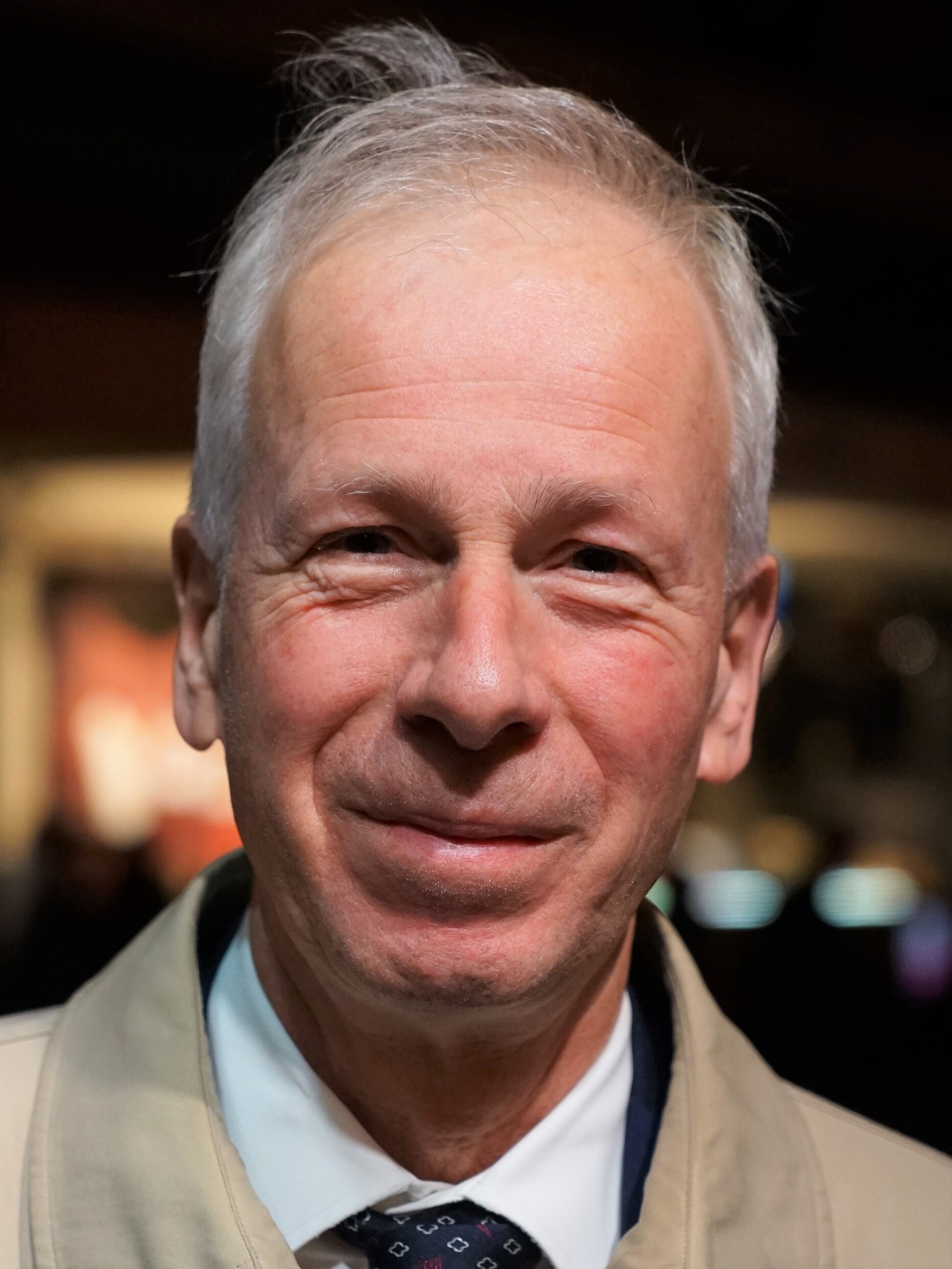
Stéphane Dion

Portrait of Stéphane Dion
Rudolf H. Boettcher

Canadian former politician and diplomat, now the first diplomat in residence at the Université de Montréal's Faculty of Arts and Science. He was Canada's ambassador to Germany from 2017 to 2022 and to France and Monaco from 2022 to 2025, and special envoy to the European Union and Europe from 2017 to 2025. He previously served as minister of foreign affairs, minister of the environment and minister of intergovernmental affairs, and led the Liberal Party from 2006 to 2008.

What we have documented

We have documented 2 statements by Stéphane Dion, in 1 case. Each statement below gives the quotation, its original source and a link to the full case.

Case updates

Will Canada and the EU define 'associate membership'?

Get an email if the planned EU-Canada summit yields terms, Canada's Parliament gets a motion or vote, or Trump acts on his tariff threat.

Important updates only. Free. Confirm your email to start. Unsubscribe anytime. How we handle your email.

Statements by Stéphane Dion

Portrait of Stéphane Dion

Stéphane Dion

Role at the time: Former Canadian special envoy to the European Union, interviewed on CBC's Rosemary Barton Live

Challenged the characterization

Statement summary

On CBC's Rosemary Barton Live, Dion said he doubts the associate-membership label will be accepted in Canada or in Europe. He suggested Canada could instead become an official observer or a full member of the European Political Community.

“I'm not sure that this expression of an associate membership will fly”
Open source (opens in a new tab)Canada needs concrete results from EU summit this week, former envoy saysArticle, section 'A new kind of partnership'
Why we used this label

Relative to whether Canada should become an associate member of the European Union, Dion again disputes the label rather than the closer partnership. He says it sounds to Canadians like a transfer of sovereignty to Brussels and to Europeans like benefits without obligations, and he proposes other forms of association. This matches his September 16 statement, which carries the same label.

Portrait of Stéphane Dion

Stéphane Dion

Role at the time: Former Canadian ambassador to Germany and to France and former special envoy to the European Union, now diplomat in residence at the Université de Montréal, interviewed on CBC's Power & Politics

Challenged the characterization

Statement summary

Interviewed on CBC's Power & Politics, former Canadian ambassador and EU special envoy Stéphane Dion described Ursula von der Leyen's associate-membership offer as a "friendly exaggeration": an overstatement because the term is not clear and, in his account, not one Canada or the member-state leaders were ready to endorse, but friendly because it signalled how closely she wants to work with Canada. He said Canada will not transfer federal or provincial sovereignty to Brussels and that the EU cannot extend its advantages without its constraints. He argued that, ahead of the Canada-EU summit at the end of October, the substance should instead be concrete results: trade beyond the current 8 per cent share, investment in critical minerals, and scientific and military cooperation. Dion's account of what member-state leaders were prepared to endorse is his own.

“Madame von der Leyen did what we may call a friendly exaggeration. … So it's an exaggeration, but it's a friendly one, because it shows how much she's willing to have close links with us. … Canada doesn't want to transfer sovereignty, whether federal or provincial, to Brussels. That's something that will not happen. And the EU cannot give to Canada all the advantages of the EU without the constraints, because the EU members would say it's unfair for us. … Maybe she did not choose the right words, but it's a good wake-up call for everyone.”
Open the original interview (opens in a new tab)CBC Power & Politics: "Would EU 'associate member' status fly in Canada?"00:53–09:17: Stéphane Dion interview; 01:26–02:10: "friendly exaggeration" passage; 05:25–06:00: sovereignty and CETA trade share; 08:27–09:05: expectations for the October EU–Canada summit. 09:19–10:40: Carney clip; 10:40–11:06: Poilievre clip; 11:06 onward: Power Panel.
Why we used this label

Dion does not endorse or reject it; he disputes the label itself, calling it an exaggeration that was not clear and not ready to be endorsed, and saying von der Leyen "did not choose the right words." He redirects to what he regards as the real substance, concrete deliverables before the October summit. That is a challenge to the characterisation, matching how Canada's EU ambassador Jonathan Wilkinson (949) is classified for saying Ottawa is not seeking membership. The closest competing label is “Mixed or conditional”, which is used here for Poilievre (945) and Piker (953); it loses because Dion states no condition and takes no position for or against the underlying arrangement, only against the word used to describe it.

A participant is a subject of the case. A speaker has a statement documented in it. A commentator has an opinion or editorial documented in it.

Topics in this coverage