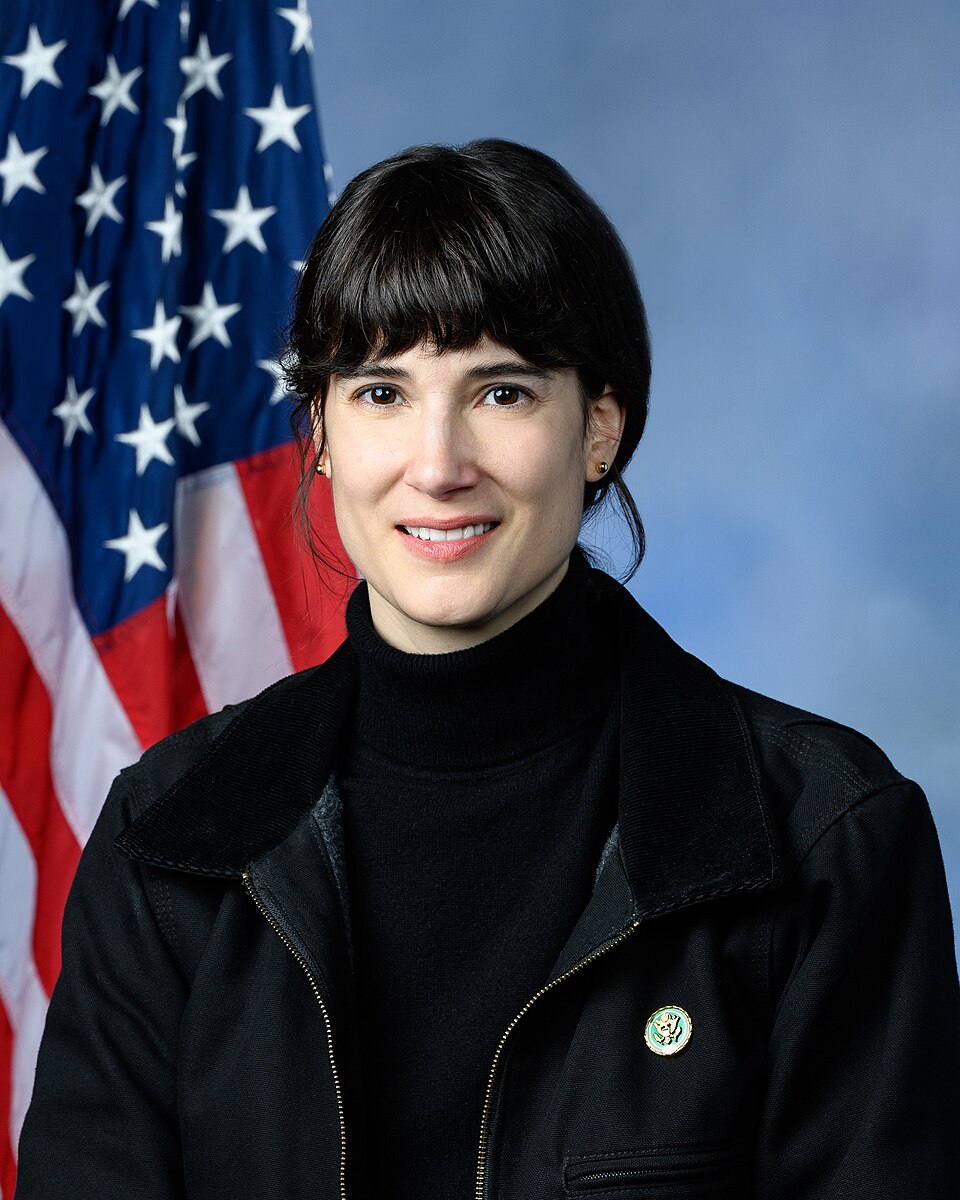
Patty Murray opposes reported plans for renewed student-loan collections, citing pressure on struggling families. Preston Cooper supports resumption and says waiting adds interest costs. Their disagreement concerns whether and how collections should restart.
Role at the time: Author and founder of The Screentime Consultant
Defended or excused
Statement summary
Cherkin proposes teaching children about AI while barring student use. She calls the technology unsafe and insufficiently tested, says it violates privacy and relies on plagiarized work, and argues that it conflicts with environmental commitments.
“we will teach our students about AI without using AI.”
Role at the time: Counsel for Count US IN and fellow appellees; Elias Law Group partner
Condemned
Statement summary
Branch argues that student IDs serve the same identification function as other IDs Indiana accepts and should not be excluded.
“There's no reason why it alone needed to be banned.”
Watch the original video (opens in a new tab)Count US IN v. Morales oral argumentNo. 26-1783; Barta opening argument 00:59-02:37; Branch on ID documents 18:10-19:06 and identity verification 34:16-36:56; full argument 42:05
What this label refers to
She expressly argues against banning student IDs, saying they serve the same identity-verification function as the other accepted forms.
Barta defends the restriction as consistent with the identification requirements other voters face.
“Indiana's Senate Bill 10 provides that all students, staff and faculty at public universities must present the same types of IDs as other voters”
Watch the original video (opens in a new tab)Count US IN v. Morales oral argumentNo. 26-1783; Barta opening argument 00:59-02:37; Branch on ID documents 18:10-19:06 and identity verification 34:16-36:56; full argument 42:05
What this label refers to
Relative to the exclusion of student IDs, he defends applying the same identification requirements to university voters and other voters.
Role at the time: Civic organization, letter by Janet Lenart and Phillippa Kassover
Condemned
Statement summary
League representatives sign a letter urging a no vote on three initiatives, including I-638. Their I-638 argument is that requiring doctors to certify girl athletes' sex, without a similar requirement for boy athletes, violates privacy and equal protection.
“IL26-638 is likely unconstitutional because it violates Washingtonians' rights to privacy and equal protection by requiring doctors to certify a girl's sex while it has no similar requirements for boy athletes.”
Role at the time: Communications director for James's campaign
Defended or excused
Statement summary
Smoker accuses Komatireddy of politicizing the investigation and says James is following facts and law.
“It doesn’t get any lower than that. Attorney General James is focused on following the facts and the law. Our opponent should try to do the same.”
Open source (opens in a new tab)James seeks outside counsel for Cornell investigationDirect responses by Siegel, Quinn, Komatireddy, Richards and Smoker
What this label refers to
The matter under scrutiny is James's appointment. Smoker defends James's handling of the investigation and rejects her opponent's claim that James is unqualified to conduct it.
Role at the time: Communications director for the New York attorney general
Defended or excused
Statement summary
Richards says the office has contacted the district attorney, the complainant's lawyer and prospective outside counsel. She says the investigation remains independent and guided by facts and law.
Quotation excerpt
“Since then, OAG has spoken with the Tompkins County District Attorney, Jane Doe’s attorney, and several candidates for outside counsel to support the investigation. The DA has agreed to cooperate, and OAG remains committed to a thorough and…”
Read full quotation
“Since then, OAG has spoken with the Tompkins County District Attorney, Jane Doe’s attorney, and several candidates for outside counsel to support the investigation. The DA has agreed to cooperate, and OAG remains committed to a thorough and independent investigation guided only by the facts and the law.”
Open source (opens in a new tab)James seeks outside counsel for Cornell investigationDirect responses by Siegel, Quinn, Komatireddy, Richards and Smoker
What this label refers to
The matter under scrutiny is James's appointment and whether it can deliver an independent investigation. Richards says the office remains committed to a thorough and independent inquiry, which supports the appointment's stated purpose.
Role at the time: Republican candidate challenging James for attorney general
Condemned
Statement summary
Komatireddy argues that James's decision to seek outside counsel shows she is unqualified both for the case and for her office.
“is not qualified to prosecute this case and not qualified to be the attorney general of this state.”
Open source (opens in a new tab)James seeks outside counsel for Cornell investigationDirect responses by Siegel, Quinn, Komatireddy, Richards and Smoker
What this label refers to
She expressly rejects James's suitability to conduct the investigation.
Quinn argues that Hochul should not have selected James after her public comments and says James should have recused herself or declined the case. He says hiring an independent lawyer is the only thing to do.
“It’s one mistake after another”
Open source (opens in a new tab)James seeks outside counsel for Cornell investigationDirect responses by Siegel, Quinn, Komatireddy, Richards and Smoker
What this label refers to
Quinn explicitly criticizes the appointment and James's decision to accept it.
Role at the time: Civil-rights attorney and former NYCLU executive director
Mixed or conditional
Statement summary
Siegel welcomes outside counsel as a way to address concerns about fairness. He also warns that public officials must avoid prejudging allegations and says the facts remain unresolved.
“It’s prudent for the attorney general to appoint an outside attorney to lead and assist the case at this point. It will address some of the optics that have been raised.”
Open source (opens in a new tab)James seeks outside counsel for Cornell investigationDirect responses by Siegel, Quinn, Komatireddy, Richards and Smoker
What this label refers to
Siegel combines criticism of prejudgment and appearance problems with approval of an independent arrangement for the investigation. The qualification concerns the handling at issue, not the truth of the allegations.
Role at the time: ASU Prep Academy managing director and CEO, coauthor with John Bailey
Mixed or conditional
Statement summary
McGrath and Bailey accept pauses for the youngest students but favor educator use and limited, age-appropriate pilots. They call for privacy review, monitoring and instruction that requires students to defend their reasoning.
“The impulse to pause is understandable, and appropriate for the youngest students.”
Open source (opens in a new tab)Amy McGrath and John Bailey argue for controlled school AI pilotsJointly authored October 23 opinion essay
What this label refers to
The authors accept younger-child pauses but support controlled experience rather than a blanket halt.
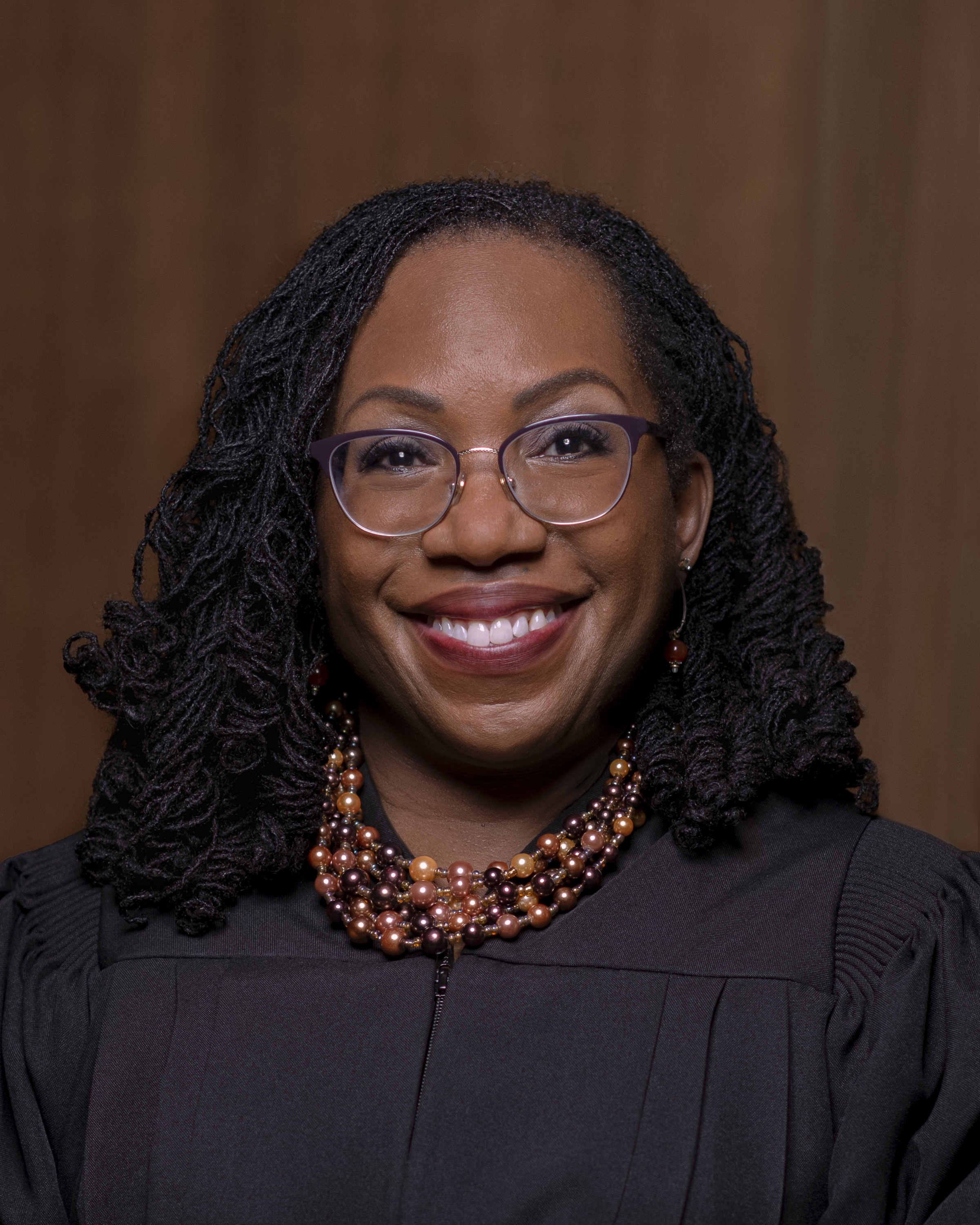
Role at the time: Supreme Court justice, dissenting
Condemned
Statement summary
Jackson dissents from the stay. She says the injunction addresses alleged misinformation without changing the law and promotes the interests protected by Purcell, including preventing voter confusion.
“When a federal court determines that material misrepresentations are being made about a State's election rules, an injunction to prohibit that conduct does not contribute to public confusion, it prevents that very problem.”
The reference point is New Hampshire's exclusion of student IDs under the Secretary of State's directive. Jackson treats the state's guidance as a misrepresentation of its election rules and would leave the order correcting it in place, which criticizes the state's position rather than only disputing a label.
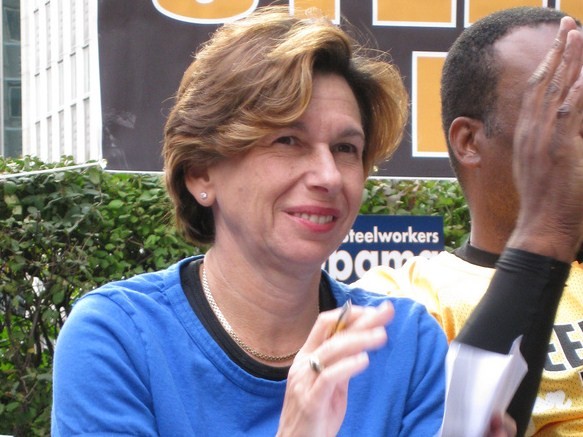
Role at the time: AFT president and Cornell alumna, jointly signing an open letter
Condemned
Statement summary
In a joint letter with Melinda Person, Weingarten calls for Cornell's trustees to demand Kotlikoff's resignation over his handling of sexual-violence allegations.
“For these reasons, we are calling on the Board of Trustees to demand President Michael Kotlikoff ’s resignation.”
The subject is Cornell's handling of the allegations and disciplinary response. Weingarten and Person call for Cornell's trustees to demand Kotlikoff's resignation over his handling of sexual-violence allegations.
Flores-Rodarte calls the sex verification the measure requires extremely invasive and unnecessary, and says it is discriminatory because it applies only to girls. He warns that families who cannot afford hormone or genetic testing could face genital exams.
“extremely invasive and unnecessary”
Open source (opens in a new tab)Washington candidates and clinicians discuss I-638Original interviews and reported October 16 Braun appearance
What this label refers to
The statement criticizes the proposed sports-eligibility requirement.
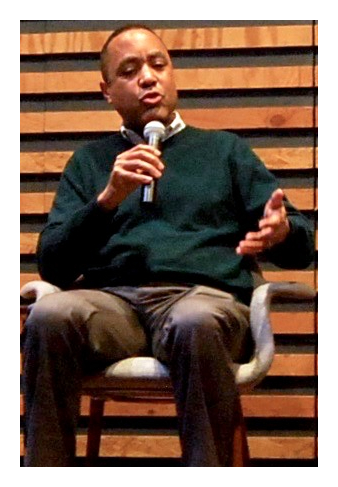
Role at the time: Columbia astronomy professor and Academic Freedom Council member
Condemned
Statement summary
Applegate says he disagreed with canceling the panel and was surprised and disappointed. The Columbia astronomy professor declines to condemn CODA as an organization, citing what he calls a vicious atmosphere on campuses and on the political left.
“rather surprised and disappointed”
Open source (opens in a new tab)A Free Speech Group at Columbia Canceled an Event About Free Speech Over 'Cornell 7' Article ControversyInterviews with Eli Noam, John McWhorter and other participants
What this label refers to
Applegate rejects the cancellation. His refusal to condemn CODA as an organization does not change his position on the decision.
Role at the time: CODA honorary faculty fellow interviewed by Reason
Mixed or conditional
Statement summary
McWhorter finds concerns about survivors' participation and disruption understandable, while preferring to hold the event.
“it may have made the more reluctant people less apprehensive”
Open source (opens in a new tab)A Free Speech Group at Columbia Canceled an Event About Free Speech Over 'Cornell 7' Article ControversyInterviews with Eli Noam, John McWhorter and other participants
What this label refers to
The case concerns cancellation. His sympathy for its safety rationale is qualified by his preference to proceed with the event.
Role at the time: Cornell associate professor of government, writing a guest opinion
Condemned
Statement summary
Karim says Cornell must acknowledge institutional failure and pursue reform to rebuild trust.
Quotation excerpt
“Second, rebuilding trust requires institutions to acknowledge failure. That does not mean prejudging every contested fact or assigning responsibility before an investigation is complete. It means recognizing when systems have not worked as…”
Read full quotation
“Second, rebuilding trust requires institutions to acknowledge failure. That does not mean prejudging every contested fact or assigning responsibility before an investigation is complete. It means recognizing when systems have not worked as they should. In recent weeks, Cornell and the District Attorney’s Office have become involved in reports about where responsibility for different aspects of this case lay. But this does little to rebuild public trust when the larger concern is that the system itself failed. Institutions earn credibility by demonstrating that they are capable of self-examination and correction.”
Open source (opens in a new tab)Sabrina Karim calls for Cornell to rebuild institutional trustInstitutional failure, public engagement and policy reform
What this label refers to
The subject is Cornell's response to the allegations. Karim criticizes institutional failure and calls for acknowledgment and reform. Her refusal to prejudge individual guilt does not qualify her criticism of the response.
Role at the time: Cornell University, in its official FAQ
Defended or excused
Statement summary
In an FAQ answer added October 21, Cornell says qualified investigators are assigned to sexual-assault cases and that these police officers have specialized training, including in trauma-informed interviewing.
“These officers have specialized training in sexual assault investigations, including trauma-informed interview techniques.”
The reference point is Cornell's response to Jane Doe's allegations, including whether that response was adequate. The FAQ, which Cornell says addresses questions about its response to this incident, asks whether Cornell University police officers are adequately trained to investigate sexual assault and answers that qualified, specially trained investigators handle these cases. That supports the adequacy of the police side of Cornell's response, so we used Defended or excused. The closest competing label is Challenged characterization; it loses because the answer does not dispute a description. The answer describes training in general terms and does not describe how officers handled Doe's report or address the students' sanctions.
Role at the time: Cornell University, in a statement reported by CBS News
Challenged the characterization
Statement summary
Cornell says Kotlikoff's question about why the assault took so long to be reported was directed at bystanders who did not use its anonymous tip line, not at Jane Doe's reporting.
“He was not questioning Jane Doe's reporting.”
Open source (opens in a new tab)Cornell responds to Jane Doe's account of Kotlikoff's remarksJane Doe letter and Cornell's Tuesday response
What this label refers to
The reference point is Cornell's response to Jane Doe's allegations, including how its leadership received her report. Doe's letter recounts a secondhand account that Kotlikoff asked why she waited so long to report. Cornell calls her description incorrect and says the question concerned bystanders, which disputes whom the remark was about rather than whether it was made, so we used Challenged characterization. The closest competing label is Denied; it loses because Cornell does not deny that a question about delayed reporting was asked. The statement does not address the students' sanctions.
Murray argues that the reported plans would squeeze families already struggling with student debt and other costs. She promises to oppose the measures.
Emily Cherkin is an author, former classroom teacher and founder of The Screentime Consultant. She writes and advises families and schools about screen use, education technology and children's privacy. She is the author of The Screentime Solution and provides speaking, school consulting and parent coaching services. She holds a master's degree in education. Her consulting includes helping parents seek alternatives to classroom technology products and helping schools develop technology policies.
Aria C. Branch is a partner at Elias Law Group. Her work includes election litigation, voting rights, campaign finance and legal advice for candidates and political organizations.
James Barta is Indiana's solicitor general. He handles constitutional challenges and other litigation for the state and previously worked in private practice.
Grace Smoker is a political communications professional and communications director for Letitia James's campaign. She previously worked in media strategy at Stu Loeser & Co. and on Tim Kaine's Senate campaign.
Alexis Richards is a communications professional and communications director for the New York State Office of the Attorney General. She represents the office in its public and media communications.
Saritha Komatireddy is a New York attorney and former federal prosecutor. She has served in the Eastern District of New York and as chief of staff of the Drug Enforcement Administration, and is the Republican candidate for New York attorney general in 2026.
James Quinn is a former prosecutor in the Queens County District Attorney's Office, where he worked for more than four decades. He writes and comments on New York criminal justice and ran for Queens borough president in 2020.
Norman Siegel is a New York civil-rights and civil-liberties attorney. He led the New York Civil Liberties Union from 1985 to 2000 and later entered private practice at Siegel Teitelbaum & Evans.
Amy McGrath is an education leader and the managing director and CEO of ASU Prep Academy. Her work includes developing school models and online learning at Arizona State University. She has also served in ASU's educational outreach and student services leadership.
Clayton Smith hosts The Discourse Lab podcast and is a Columbia University graduate. He founded the Columbia Open Discourse Alliance and previously worked as a senior editor at the Columbia Sundial.
Ketanji Brown Jackson is an associate justice of the U.S. Supreme Court. She joined the Court in 2022 after serving on the U.S. Court of Appeals for the District of Columbia Circuit and the U.S. District Court for the District of Columbia.