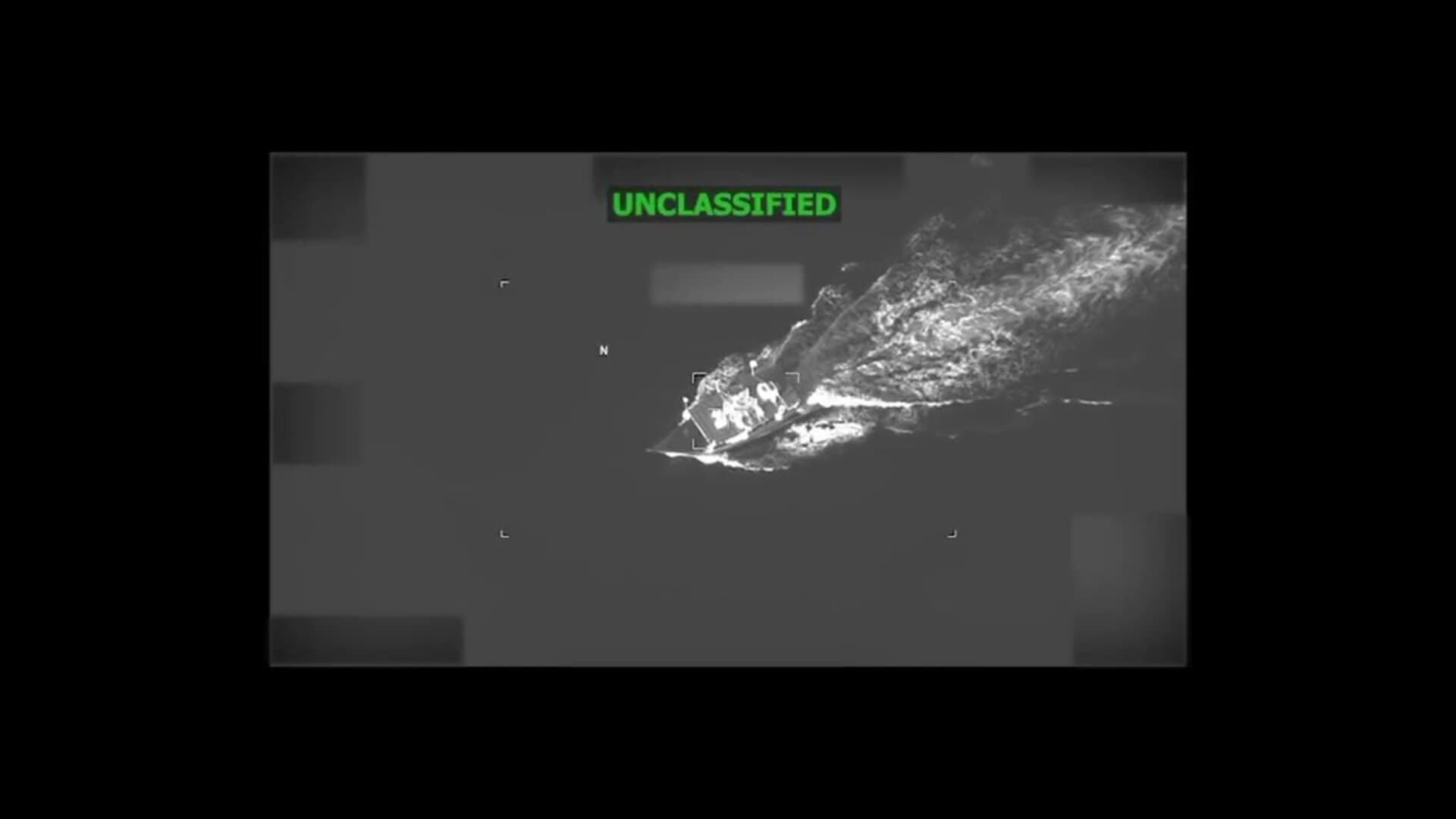
U.S. Southern Command says confirmed intelligence showed a vessel it struck in the Caribbean on September 19 was involved in narco-trafficking, killing four. It did not release the evidence. A U.N. expert and U.S. critics dispute the legal basis for such strikes.
Role at the time: Retired Air Force lieutenant colonel and former chief of international law at U.S. Central Command, quoted by Task & Purpose
Condemned
Statement summary
In comments to Task & Purpose published September 25, VanLandingham said "the growing international condemnation makes it clearer that these strikes are unlawful", while adding that it does not create "a legal duty for any service member to disobey their boat strike-related orders". She also referred to "the illegal boat strikes".
Quotation excerpt
“For the vast majority of service members, except perhaps the senior-most commanders, there is both no safe recourse for them to disobey orders related to the illegal boat strikes and at the same time, there is no exposure to criminal…”
Read full quotation
“For the vast majority of service members, except perhaps the senior-most commanders, there is both no safe recourse for them to disobey orders related to the illegal boat strikes and at the same time, there is no exposure to criminal liability for them either
…
Yes, the growing international condemnation makes it clearer that these strikes are unlawful, but doesn’t overcome the White House’s own legal sanitization process and doesn’t create a legal duty for any service member to disobey their boat strike-related orders”
Open source (opens in a new tab)UN report says drug boat strikes are war crimes. What does that mean for US troops?Paragraphs quoting Rachel VanLandingham on service members' legal position
What this label refers to
Relative to the strike campaign that includes the September 19 strike and its legal basis, VanLandingham says the strikes are unlawful and refers to them as illegal. Her caution that service members have no safe recourse to refuse orders concerns troops' legal exposure, not whether the strikes are lawful, so the label is a condemnation.
Role at the time: Combatant command that directed the strike, in a statement to Task & Purpose
Defended or excused
Statement summary
In a statement to Task & Purpose reported on September 25, Southern Command disputed the U.N. expert's conclusions, saying its operations "have been conducted lawfully, fully complying with the law of armed conflict". Task & Purpose reported that the command also said targeting decisions are reviewed through established processes and asserted that every person killed was a confirmed member of a designated terrorist organization who was actively transporting illicit materials.
“have been conducted lawfully, fully complying with the law of armed conflict”
Open source (opens in a new tab)UN report says drug boat strikes are war crimes. What does that mean for US troops?Section "Would an American face war crime punishment?", paragraphs on U.S. Southern Command's statement
What this label refers to
Relative to the September 19 strike and the stated basis of confirmed intelligence, Southern Command says its operations have been lawful and, as Task & Purpose reports it, that every person killed was a confirmed member of a designated terrorist organization who was actively transporting illicit materials. That defends the strikes as lawful and evidence-based; it does not deny that they occurred.
Role at the time: U.S. representative for Illinois's 4th district and signatory of a joint statement by legislators of the Americas
Condemned
Statement summary
Rep. Chuy Garcia said the strikes are "in blatant violation of the law" and called them "illegal extrajudicial killings" as he joined more than 70 legislators from 13 countries in a joint statement calling for an end to them.
Quotation excerpt
“Donald Trump is dropping bombs across the Caribbean and Pacific in blatant violation of the law and of fundamental human rights
…
This has done nothing to stop the flow of drugs or to make Americans safer. Instead, it has left hundreds…”
Read full quotation
“Donald Trump is dropping bombs across the Caribbean and Pacific in blatant violation of the law and of fundamental human rights
…
This has done nothing to stop the flow of drugs or to make Americans safer. Instead, it has left hundreds dead, families devastated, and communities in fear. Let us call these attacks what they are: illegal extrajudicial killings.”
Read the official statement (opens in a new tab)Rep. García Joins More Than 70 Lawmakers Across the Americas Urging an End to U.S. Boat Strikes and Extrajudicial KillingsPress release of September 22, 2026, paragraph with Rep. García's quotation
What this label refers to
Measured against the strikes and their stated basis, Garcia calls them illegal extrajudicial killings and says they have not stopped the drug flow, which is an express condemnation.
Role at the time: President of the United States, addressing the U.N. General Assembly
Defended or excused
Statement summary
Trump told the U.N. General Assembly that cartels are "enemies at war with civilization" who "should be killed, exiled, or detained as enemy combatants" and that the United States "has carried out dozens of strikes on cartel drug boats".
Quotation excerpt
“The cartels are the ISIS of the Western Hemisphere, not good people. They're enemies at war with civilization, using murder, rape, torture, and extortion as instruments of terror.
…
they should be killed, exiled, or detained as enemy…”
Read full quotation
“The cartels are the ISIS of the Western Hemisphere, not good people. They're enemies at war with civilization, using murder, rape, torture, and extortion as instruments of terror.
…
they should be killed, exiled, or detained as enemy combatants without the possibility of release, which is what we're doing. To that end, the United States has carried out dozens of strikes on cartel drug boats, destroying 97% of the drugs coming into the ocean and sea.”
Read the original post (opens in a new tab)President Trump remarks on cartels and drug boats at the U.N. General Assembly, September 22, 2026 (Rapid Response 47 clip)86-second clip of the passage on cartels and drug boats
What this label refers to
Measured against the strikes and their stated basis, Trump treats the cartels as enemies at war with the United States and presents the boat strikes as part of that approach and as effective, which defends them.
Role at the time: White House spokesperson, in a statement to The Hill
Defended or excused
Statement summary
White House spokesperson Anna Kelly said "All of these decisive strikes have been against designated narcoterrorists bringing deadly poison to our shores" and that the President will keep using "every element of American power" against drug flows.
Quotation excerpt
“All of these decisive strikes have been against designated narcoterrorists bringing deadly poison to our shores, and the President will continue to use every element of American power to stop drugs from flooding into our country and to…”
Read full quotation
“All of these decisive strikes have been against designated narcoterrorists bringing deadly poison to our shores, and the President will continue to use every element of American power to stop drugs from flooding into our country and to bring those responsible to justice”
Open source (opens in a new tab)Lawmakers across Americas urge US to end drug boat strike campaign · The HillParagraphs on the joint statement, the White House statement from Anna Kelly and Saul's briefing note
What this label refers to
Measured against the September 19 strike and its stated basis, Kelly says every strike in the campaign has targeted designated narcoterrorists, which defends the premise that those aboard were narcoterrorists.
Role at the time: Law professor and co-editor-in-chief of Just Security, posting on Bluesky
Condemned
Statement summary
In a Bluesky post on the evening of September 20, Goodman wrote "He is not wrong" above a passage from U.N. Special Rapporteur Ben Saul's briefing note saying there are reasonable grounds to believe the 68 attacks it counts "constituted crimes against humanity of murder under customary international law".
“He is not wrong.
"There are reasonable grounds to believe that the reported 68 attacks that killed 223 people constituted crimes against humanity of murder under customary international law"”
Read the original post (opens in a new tab)Ryan Goodman (@rgoodlaw.bsky.social) thread on U.N. Special Rapporteur Ben Saul's briefing noteThread of four posts, the first posted September 20, 2026 at 8:36 p.m. Eastern (September 21, 00:36 UTC)
What this label refers to
Relative to the strike campaign that includes the September 19 strike and its legal basis, Goodman endorses Saul's conclusion that the attacks constituted crimes against humanity of murder, which is an express condemnation of the conduct.
Role at the time: U.N. Special Rapporteur on human rights while countering terrorism, writing in an individual capacity in a briefing note
Condemned
Response to this claim
Ben Saul said that, even assuming the vessels and crews attacked were members of criminal groups the United States lists as terrorist organizations, those groups have not mounted an armed attack on the United States that would justify self-defense, and that there are reasonable grounds to believe the 68 attacks he counted through August 2026 were crimes against humanity of murder.
Quotation excerpt
“It finds that such attacks amount to serial extrajudicial killings in violation of the right to life, being unjustified in national or personal self-defence or under international humanitarian law, the international law of the sea,…”
Read full quotation
“It finds that such attacks amount to serial extrajudicial killings in violation of the right to life, being unjustified in national or personal self-defence or under international humanitarian law, the international law of the sea, narcotics suppression conventions, or international counter-terrorism law.
…
even assuming that the vessels and crew attacked were members of the criminal groups listed as terrorist, such organizations have not mounted any “armed attack” on the United States so as to trigger a right of self-defence.
…
There are reasonable grounds to believe that the reported 68 attacks that killed 223 people constituted crimes against humanity of murder under customary international law.”
Read the original text (opens in a new tab)Killing “Narco-Terrorists” at Sea: The Legality of Military Attacks on Criminal Groups and Drug Trafficking under International Human Rights Law and Other Applicable International LawIntroduction; paragraphs 3 and 4 (Part A); paragraph 23 (Part 6)
Why we used this label
Measured against the September 19 strike and its stated basis, Saul rejects the justification for lethal force even if the crews belonged to groups the United States lists as terrorist organizations. That is an express condemnation of the strikes, which goes beyond disputing how the boats or crews are described.
Role at the time: Combatant command that directed the strike, in its official news release and X post
Defended or excused
Response to this claim
U.S. Southern Command said that confirmed intelligence showed the go-fast vessel it struck in the Caribbean on September 19, 2026 was actively involved in narco-trafficking, and that the strike killed four people it called narco-terrorists.
Quotation excerpt
“On September 19, under the direction of U.S. Southern Command, Joint Task Force Western Hemisphere executed a lethal, kinetic strike on a go-fast vessel operating along established narco-trafficking routes in the Caribbean. Confirmed…”
Read full quotation
“On September 19, under the direction of U.S. Southern Command, Joint Task Force Western Hemisphere executed a lethal, kinetic strike on a go-fast vessel operating along established narco-trafficking routes in the Caribbean. Confirmed intelligence revealed the vessel's active involvement in narco-trafficking. The operation killed four narco-terrorists.”
Measured against the September 19 strike and its stated basis, the command presents intelligence of active narco-trafficking as the reason for lethal force and labels those killed "narco-terrorists". That is a defense of the strike rather than a neutral description of it.
Role at the time: U.S. representative from Kentucky, introducing articles of impeachment against the Secretary of Defense
Condemned
Statement summary
In Article V of the impeachment resolution he introduced on September 15, Massie alleged that Hegseth subjected people "merely suspected of criminal conduct to lethal military force without judicial process" and "without establishing a lawful basis for treating such persons or vessels as military targets". The article also alleges that Hegseth's targeting guidelines "did not require the presence of weapons or narcotics on targeted vessels".
Quotation excerpt
“By subjecting persons merely suspected of criminal conduct to lethal military force without judicial process, without Congressional authorization, and without establishing a lawful basis for treating such persons or vessels as military…”
Read full quotation
“By subjecting persons merely suspected of criminal conduct to lethal military force without judicial process, without Congressional authorization, and without establishing a lawful basis for treating such persons or vessels as military targets, Secretary Hegseth arrogated to himself and the Executive Branch the roles of judge, jury, and executioner and asserted a unilateral power to determine who may live and who may die.
…
did not require the presence of weapons or narcotics on targeted vessels alleged to be smuggling narcotics in association with a DTO.”
Read the original text (opens in a new tab)Articles of Impeachment against Secretary of Defense Peter Hegseth (resolution text introduced by Rep. Massie)Article V (Extrajudicial Killings), which begins on p. 17; quoted passages appear on pp. 18 and 20
What this label refers to
Measured against the campaign the September 19 strike belongs to and the government's stated basis that those aboard are narcotraffickers, Massie's article alleges that the strike campaign lacked a lawful basis for treating vessels as military targets and that the targeting guidelines did not require narcotics aboard. That rejects the legal footing for the strikes, which is a condemnation instead of a dispute over a label.
Role at the time: Former Secretary of the Air Force, interviewed on ABC's This Week
Condemned
Statement summary
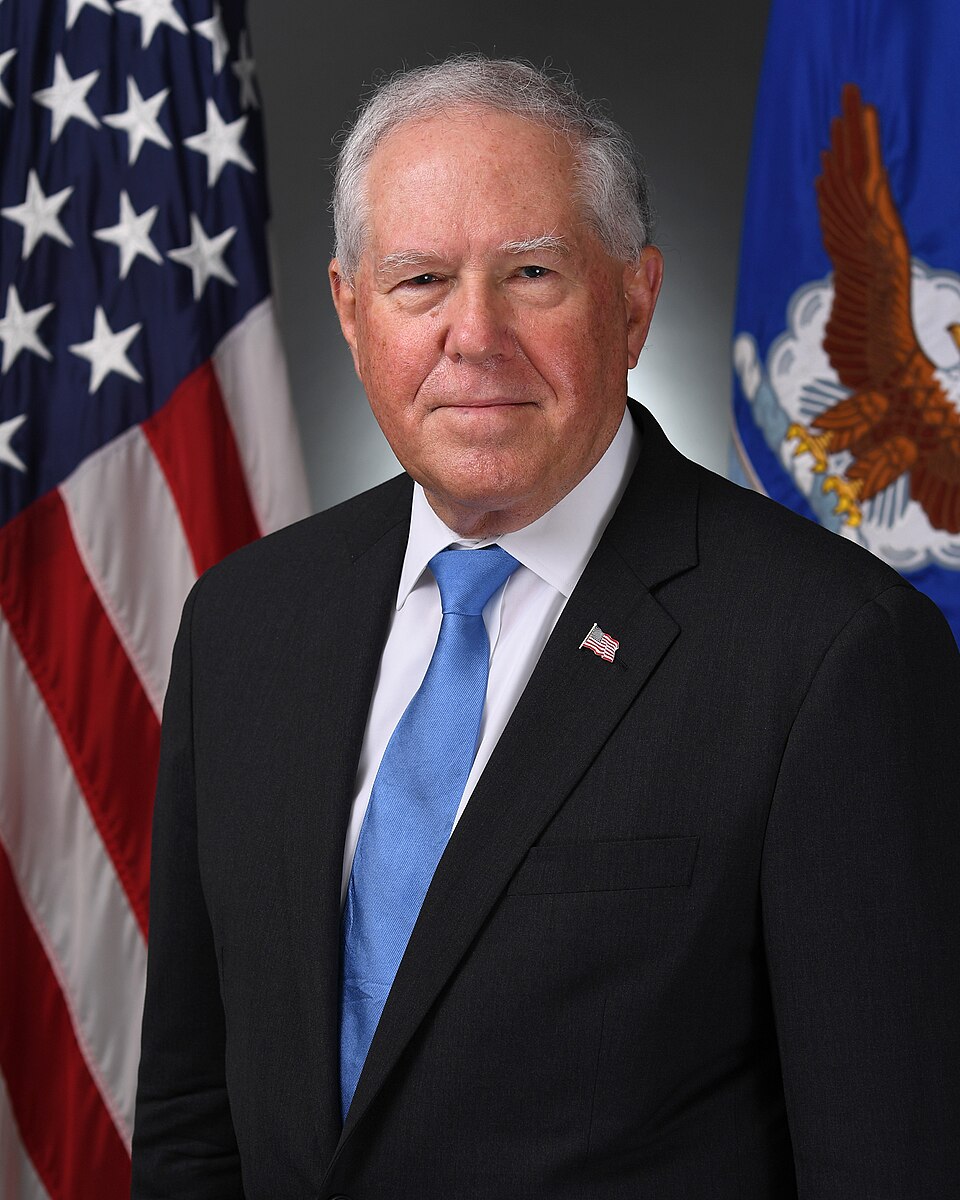
Frank Kendall said that when officers are asked to do something "illegal, immoral, wrong, or even unconstitutional", "The most egregious example is the strikes on drug boats".
“it's not accurate when you're asked to do something that's illegal, immoral, wrong, or even unconstitutional. The most egregious example is the strikes on drug boats.”
Watch the original video (opens in a new tab)‘I couldn’t serve this administration’: Fmr. Air Force secretary on Pentagon turmoil · ABC News5-minute interview clip; passage on the drug-boat strikes
What this label refers to
Measured against the strikes, Kendall names them as the most egregious example of an order that is illegal, immoral, wrong or unconstitutional, which is an express condemnation.
Role at the time: U.S. representative from Wisconsin, speaking in an interview with Newsmax
Defended or excused
Statement summary
In a Newsmax interview on September 2, Van Orden said of "the missile strikes against these drug boats" that "Those are saving Americans' lives", and that "More Americans have died from drug overdoses than all of the casualties from every war we have ever fought combined".
“the missile strikes against these drug boats. Well, guess what? Those are saving Americans' lives. More Americans have died from drug overdoses than all of the casualties from every war we have ever fought combined.”
Read the original post (opens in a new tab)Aaron Rupar post of Rep. Derrick Van Orden's remarks on the drug boat strikes · Aaron RuparVideo clip of about 30 seconds, posted September 2, 2026 at 14:17 UTC
What this label refers to
Measured against the campaign the September 19 strike belongs to and the government's stated basis that those aboard are narcotraffickers, Van Orden defends the campaign of missile strikes on drug boats as saving American lives and cites overdose deaths as the reason. His defense rests on the effect of the campaign, not on evidence about any particular vessel.
Role at the time: International human rights organization, in a news release
Condemned
Statement summary
In a September 2 news release marking one year of the campaign, Human Rights Watch called it "an unlawful campaign of lethal military strikes" and said the administration "has not released information that would support the conclusion that any of the victims posed an imminent threat".
Quotation excerpt
“Today marks one year since the United States began an unlawful campaign of lethal military strikes targeting vessels in the Caribbean Sea and Pacific Ocean, claiming 227 lives. US officials should be urgently held to account for these…”
Read full quotation
“Today marks one year since the United States began an unlawful campaign of lethal military strikes targeting vessels in the Caribbean Sea and Pacific Ocean, claiming 227 lives. US officials should be urgently held to account for these killings, Human Rights Watch said today.
…
Regardless of how the US government characterizes the victims of these maritime strikes, under international law, the United States is not engaged in an armed conflict with another state or non-state actor in the Caribbean or Pacific. Accordingly, US military conduct in this context is governed by international human rights law, which prohibits the intentional use of lethal force except when strictly necessary to protect life. The administration has not released information that would support the conclusion that any of the victims posed an imminent threat to anyone’s life.”
Measured against the campaign the September 19 strike belongs to and the government's stated basis that those aboard are narcotraffickers, Human Rights Watch says the campaign is unlawful because the United States is not in an armed conflict in the Caribbean or Pacific, and says no released information supports lethal force against the victims. That rejects the legal basis and the evidence for the strikes, which is a condemnation.
Role at the time: Ranking Member of the House Armed Services Committee, in a statement marking one year of the campaign
Condemned
Statement summary
In a September 2 statement marking one year of the campaign, Smith said Congress and the American people "have yet to see any evidence" supporting the President's determinations about the vessels, and that in his over 20 years on the committee he had never seen "such a staggering lack of transparency" from an administration.
Quotation excerpt
“Congress and the American people have yet to see any evidence to support the president’s unilateral determinations that these vessels, or the activities of those on board, warrant lethal military force rather than law enforcement-led…”
Read full quotation
“Congress and the American people have yet to see any evidence to support the president’s unilateral determinations that these vessels, or the activities of those on board, warrant lethal military force rather than law enforcement-led interdiction.
…
Never before in my over 20 years on this committee have I seen such a staggering lack of transparency on behalf of an administration and DoD to meaningfully inform Congress of the use of lethal military force.”
Measured against the campaign the September 19 strike belongs to and the government's stated basis that those aboard are narcotraffickers, Smith says no evidence has been shown to support the President's determinations about the vessels and criticizes the campaign as unauthorized. That criticizes the conduct itself instead of disputing a label.
Role at the time: U.S. representative and Ranking Member of the House Foreign Affairs Subcommittee on the Western Hemisphere
Condemned
Statement summary
Rep. Joaquin Castro said the administration's boat strike campaign "has violated U.S. laws, failed to meaningfully stop drug trafficking, and legally imperiled U.S. servicemembers ordered to conduct these strikes".
Quotation excerpt
“His administration’s illegal and ineffective campaign of boat strikes in the Caribbean and the Eastern Pacific has violated U.S. laws, failed to meaningfully stop drug trafficking, and legally imperiled U.S. servicemembers ordered to…”
Read full quotation
“His administration’s illegal and ineffective campaign of boat strikes in the Caribbean and the Eastern Pacific has violated U.S. laws, failed to meaningfully stop drug trafficking, and legally imperiled U.S. servicemembers ordered to conduct these strikes.”
Measured against the campaign the September 19 strike belongs to, Castro calls the campaign illegal and ineffective and says he will work for accountability, which is an express condemnation.
Role at the time: National civil-liberties organization and counsel to families of two men killed in an October 2025 strike, in a news release
Condemned
Statement summary
The ACLU said the administration "has claimed, without proof, that these military strikes are targeting unnamed drug cartels" and that "neither domestic nor international law authorizes the use of military force against such criminal organizations".
“The Trump administration has claimed, without proof, that these military strikes are targeting unnamed drug cartels. But neither domestic nor international law authorizes the use of military force against such criminal organizations.”
Read the official statement (opens in a new tab)ACLU Demands End to the Trump Administration’s Illegal Year-Long Boat Strikes Campaign · American Civil Liberties UnionNews release of September 1, 2026, third paragraph
What this label refers to
Measured against the campaign the September 19 strike belongs to and the government's stated basis for such strikes, the ACLU says the government's claim about its targets is unproven and that the law does not authorize military force against them, which is an express condemnation.
Role at the time: Human rights organization, in a press release quoting its national director for government relations, Amanda Klasing
Condemned
Statement summary
In an August 31 press release, Amnesty International USA said "U.S. authorities have yet to offer a shred of evidence to support their claims against the people they have killed" and called the campaign "a campaign of extrajudicial killings at sea". It added that "even if the victims were transiting narcotics as the administration alleges, international law absolutely prohibits summary killings of criminal suspects".
Quotation excerpt
“For one year, the U.S. military has carried out a campaign of extrajudicial killings at sea that has left more than 225 people dead, with the most recent four deaths just six days ago. For just as long, we have called on Congress to take…”
Read full quotation
“For one year, the U.S. military has carried out a campaign of extrajudicial killings at sea that has left more than 225 people dead, with the most recent four deaths just six days ago. For just as long, we have called on Congress to take meaningful action to stop these killings, which are illegal under both international and U.S. law.
…
U.S. authorities have yet to offer a shred of evidence to support their claims against the people they have killed. They have not even named the dead. But even if the victims were transiting narcotics as the administration alleges, international law absolutely prohibits summary killings of criminal suspects.”
Measured against the campaign the September 19 strike belongs to and the government's stated basis that those aboard are narcotraffickers, Amnesty International USA says authorities have offered no evidence against those killed and that the killings are illegal even if the victims were transporting narcotics. That rejects both the evidence and the legal premise, which is a condemnation.
Role at the time: Research professor and medical and forensic anthropologist at the University of Maine, writing in an email to PolitiFact
Challenged the characterization
Response to this claim
Maine’s decrease in overdose deaths in 2025 and 2026 occurred because the Trump administration sealed the border.
“The evidence supports multiple factors for this reduction in overdose deaths, especially fentanyl deaths, rather than pointing to a closing the US border as a single cause.”
Open source (opens in a new tab)Maine drug overdoses are down. Is Vance right that Trump’s border policies are the cause?Expert interviews and ruling
Why we used this label
The statement directly rejects the characterization of border closure as the sole established cause.
Role at the time: Vice President of the United States, speaking at a campaign event at Compotech in Brewer, Maine
Defended or excused
Response to this claim
Maine’s decrease in overdose deaths in 2025 and 2026 occurred because the Trump administration sealed the border.
“Last year in 2025, did you know that overdoses in the state of Maine were down by 20%? And already in 2026, they're down by another 17%. We sealed the border and that's what happened, my friends, and that's why we did it.”
Vance states the causal claim directly. "We sealed the border and that's what happened" names the policy as the cause, and "that's why we did it" presents the decline as the intended result. He attaches no condition or competing factor to it.
Role at the time: Secretary of War, speaking at an Americas Counter Cartel Coalition conference in Panama City
Defended or excused
Statement summary
Hegseth called Operation Southern Spear "a resounding success thus far" and said "Our efforts in this effort are 100 percent lawful under the laws of armed conflict", adding that there is "no legitimate basis" for International Criminal Court jurisdiction over U.S. operations.
Quotation excerpt
“It's now nearly one year since the launch of Operation Southern Spear, the first time in history that the Department of War launched a sustained military campaign against US designated terrorist organizations in our shared hemisphere. And…”
Read full quotation
“It's now nearly one year since the launch of Operation Southern Spear, the first time in history that the Department of War launched a sustained military campaign against US designated terrorist organizations in our shared hemisphere. And it has been a resounding success thus far.
…
the international left, along with their enabling left-wing media, is plotting to unlawfully assert International Criminal Court jurisdiction over US and partner military personnel and operations. To be clear, there is no legitimate basis for the ICC's lawless power grab that they will entertain anywhere they can in the world. Our efforts in this effort are 100 percent lawful under the laws of armed conflict.”
Read the official statement (opens in a new tab)Secretary of War Pete Hegseth remarks at the Americas Counter Cartel Coalition conference, Panama City, August 12, 2026 · United States Department of DefenseTranscript of remarks as delivered
What this label refers to
Measured against the campaign the September 19 strike belongs to and its legal basis, Hegseth says the campaign is lawful under the laws of armed conflict and rejects outside jurisdiction over it, which defends the legal premise for the strikes.
Role at the time: U.S. senator from Virginia and member of the Armed Services and Foreign Relations committees, writing to the President
Condemned
Response to this claim
Sen. Tim Kaine wrote on August 3, 2026 that a careful review of the available evidence suggests the United States has killed individuals who were not involved in narcotrafficking, and his office said the administration has not provided evidence that the vessels it targets were narcotraffickers.
Quotation excerpt
“My review of your directive, the OLC legal opinion, the EXORD, and the notifications of the boat strikes, makes clear that the United States is engaged in violent and fatal attacks against people far beyond those whom the OLC opinion…”
Read full quotation
“My review of your directive, the OLC legal opinion, the EXORD, and the notifications of the boat strikes, makes clear that the United States is engaged in violent and fatal attacks against people far beyond those whom the OLC opinion claimed could be lawfully targeted. In other words, a careful review of the available evidence suggests that the United States has killed individuals who are not involved in narcotrafficking. They are murder victims.”
Read the official statement (opens in a new tab)Kaine Presses President on Military Strikes in Caribbean and Pacific, Calls for AccountabilityPress release and full text of Kaine's August 3, 2026 letter to President Trump
Why we used this label
Measured against the campaign the September 19 strike belongs to and the government's stated basis that those aboard are narcotraffickers, Kaine says his review indicates otherwise and calls the dead "murder victims", which is an express condemnation.
Role at the time: U.S. senator from Kentucky, questioning Secretary of State Marco Rubio at a Senate hearing
Challenged the characterization
Statement summary
At a June 2 Senate hearing where Secretary of State Marco Rubio testified, Paul said it was "interesting that the three secret criteria we're using to blow up the boats doesn't include whether they have drugs on board" and that "neither is arms", adding that "a lot of people would have questions, which I still do". He also said Coast Guard statistics show that about one in four alleged drug boats stopped through interdiction have no drugs aboard.
Quotation excerpt
“I think it's interesting that the three secret criteria we're using to blow up the boats doesn't include whether they have drugs on board. I would like to add that the statistics from the Coast Guard also say that when we interdict alleged…”
Read full quotation
“I think it's interesting that the three secret criteria we're using to blow up the boats doesn't include whether they have drugs on board. I would like to add that the statistics from the Coast Guard also say that when we interdict alleged drug boats in the historic way, the way we've always done it, about one in four don't have drugs. We make mistakes. We see something suspicious about the boat, we stop them, and they don't have drugs on board. I would also like to add that drugs is not a criteria for blowing up the boats, the boats that are called drug boats, but neither is arms. So in order to blow them up, we don't have to say that they're armed or have drugs. I think a lot of people would have questions, which I still do.”
Watch the original video (opens in a new tab)WATCH: Sen. Paul questions Rubio in his 1st hearing since Iran warVideo, first 40 seconds of Sen. Rand Paul's questioning of Secretary of State Marco Rubio, June 2, 2026
What this label refers to
Measured against the campaign the September 19 strike belongs to and the government's stated basis that those aboard are narcotraffickers, Paul says the military's secret targeting criteria do not require drugs or arms aboard and that he still has questions. That challenges the characterization of the targets as drug boats instead of condemning the strikes outright.
Rachel E. VanLandingham is a law professor at Southwestern Law School, a retired U.S. Air Force lieutenant colonel and president emerita of the National Institute of Military Justice. Her work focuses on national security, military criminal law and the law of armed conflict. She was chief international-law adviser at U.S. Central Command and taught at the Air Force Academy before joining Southwestern in 2014.
Donald Trump is the 45th and 47th president of the United States. Before entering national politics, he worked in real estate development and entertainment.
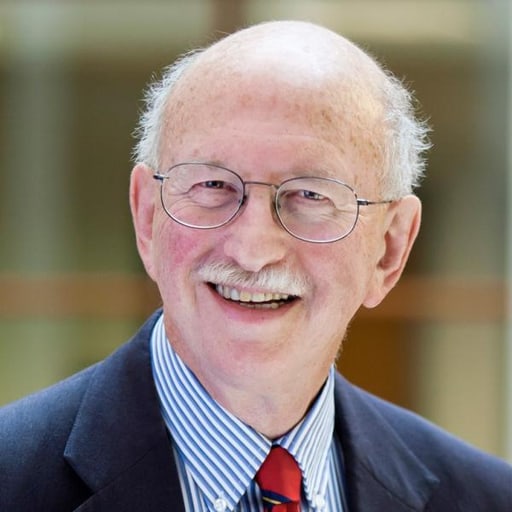
Ryan Goodman is the Anne and Joel Ehrenkranz Professor of Law at New York University School of Law and a faculty director of its Reiss Center on Law and Security. He is the founding co-editor-in-chief of the national security forum Just Security and served as special counsel to the general counsel of the Department of Defense from 2015 to 2016.
Ben Saul is an Australian international lawyer and academic. He is Challis Chair of International Law at the University of Sydney and, since November 1, 2023, the United Nations Special Rapporteur on the promotion and protection of human rights and fundamental freedoms while countering terrorism, a role held in an individual capacity. He earned arts and law degrees at the University of Sydney and a doctorate at Oxford. He wrote Defining Terrorism in International Law and was a visiting professor at Harvard in 2019.
Frank Kendall III served as Secretary of the Air Force from July 2021 to January 2025. He was earlier Under Secretary of Defense for Acquisition, Technology and Logistics and spent 11 years as an active-duty U.S. Army officer.