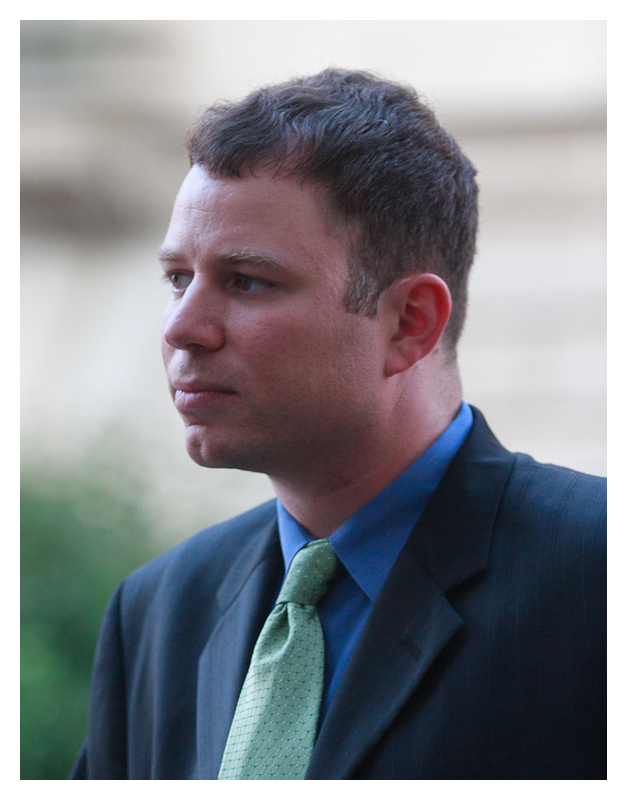
Joel SageSourceCC BY 2.0Resized and converted to PNG with a plain margin. Source composition or existing crop retained.
Mike Masnick is an American technology writer and the founder and editor of Techdirt. He writes about internet policy, free expression, copyright and innovation, and has served on Bluesky's board.
We have documented 4 statements by Mike Masnick, in 4 cases. Each statement below gives the quotation, its original source and a link to the full case.
Case updates
Want the next important update?
Follow "Meta suspends No Kings Instagram account during protest day, then calls it an automated error" and get an email when an important development changes the record.
Important updates only. Free. Confirm your email to start. Unsubscribe anytime. How we handle your email.
Role at the time: Technology writer and Techdirt founder
Condemned
Statement summary
Masnick calls the removal bad but argues deliberate interference is unlikely. He says organizers should use tools that let them retain control of their accounts and audiences.
“Is it bad that Meta pulled down that account? Sure.”
Open source (opens in a new tab)Accident Or Not, The No Kings Takedown Is Why You Shouldn't Rent Your Megaphone From ZuckParagraph beginning Is it bad that Meta pulled down that account, with the surrounding argument.
Why we used this label
The reference is the suspension itself. Masnick expressly calls it bad; his doubts about intent do not withdraw that criticism.
Role at the time: Techdirt founder and commentator
Condemned
Statement summary
Masnick condemns the speech-based immigration enforcement challenged in the Stanford Daily lawsuit. He contrasts it with the State Department's criticism of Nicaragua for detaining people over online activity.
“using the power of the state to punish people for their online expression.”
Open source (opens in a new tab)Masnick on speech-based immigration enforcement and the Stanford Daily suitMike Masnick, January 20, 2026, 12:05 p.m.; paragraphs comparing US and Nicaraguan enforcement
Why we used this label
Relative to the government's use of immigration powers against protected speech, Masnick condemns the conduct as punishment of online expression and criticizes the government's contrasting treatment of Nicaragua.
Masnick calls the extraterritorial application of the Online Safety Act significant regulatory overreach that raises serious First Amendment concerns. He also writes that the suit's argument that Ofcom is a private enterprise feels like a stretch and that its backup claim feels unlikely to succeed.
“The UK’s attempt to regulate American websites through threats of fines and imprisonment raises serious First Amendment concerns. The extraterritorial application of the Online Safety Act represents significant regulatory overreach.”
Open source (opens in a new tab)When Trolls Take On Tyrants: 4chan and Kiwi Farms Sue the UK Over Extraterritorial CensorshipSovereign-immunity section and conclusion
Why we used this label
The reference point is Ofcom's attempt to enforce the Online Safety Act against American sites. Masnick calls the act's extraterritorial application significant regulatory overreach that raises First Amendment concerns, which criticizes that enforcement.
Role at the time: Techdirt founder and editor writing a commentary on the appeal ruling
Defended or excused
Statement summary
Masnick urges Congress to clarify that copyright law permits this kind of open digital lending. He criticizes the appeal ruling's market-harm analysis and argues that scanned library books differ from licensed ebooks. He welcomes the court's rejection of the claim that donation links made the Archive's lending commercial.
“Congress should fix this and make it clear that copyright law blesses this kind of open digital lending,”
Open source (opens in a new tab)Techdirt: Mike Masnick on the Internet Archive lending decisionSeptember 5, 2024 item by Mike Masnick on the Second Circuit lending decision; concluding call for Congress to act
Why we used this label
The case concerns the Archive lending scans of owned books without publisher permission. Masnick defends that lending and criticizes the ruling against it.
Meta took the No Kings Coalition's Instagram offline during its October 17 day of action. Meta called it an automated error, first citing posting volume and then a Claude tool's reading activity. Organizers and Democratic senators question the explanation.
4chan's lawyer says Ofcom cannot collect its fines through U.S. courts. Ofcom defends its UK safety powers. The U.S. immunity ruling dismissed 4chan's suit while discussing possible defenses to a future enforcement attempt.
The Stanford Daily and Jane Doe challenged immigration provisions used against protected expression. Judge Noel Wise granted declaratory relief limited to the challenged statutory portions. Federal defendants appealed on October 14, 2026; the plaintiffs defend the ruling.
Internet Archive argued that owning a print book should permit controlled digital lending. Publishers said digital copies require permission. The appeals court rejected fair use in 2024, and Archive ended the litigation while continuing to advocate for library rights.