UK Prime Minister Andy Burnham says he is open to calls for a formal British state apology for the transatlantic slave trade but rules out financial reparations. Kemi Badenoch and Nigel Farage oppose an apology, and CARICOM says an apology without repair is incomplete.
Miliband says the UK is self-confident enough to have the conversation and that the planned dialogue will consider whether and how a formal apology could help acknowledge the history.
“The dialogue we're setting up will consider whether and how a formal apology could help acknowledge the history, help heal the division and support stronger relationships for the future”
Open source (opens in a new tab)King's role is not policy making, says Palace in slavery apology row · BBCPalace statement, Prime Minister's spokesperson and Ed Miliband
What this label refers to
The reference point is Andy Burnham's position, set out on October 30, 2026, that he is open to calls for a formal apology on behalf of the British state for the transatlantic slave trade while ruling out financial reparations. Miliband, Burnham's Foreign Secretary, says the UK is "self-confident enough to have this conversation" and that the dialogue will consider whether and how a formal apology could help. He supports holding the dialogue but leaves open whether an apology will follow, so his support is conditional.
Role at the time: Labour MP for Clapham and Brixton Hill, speaking to The Independent
Mixed or conditional
Response to this claim
Britain should not pay financial reparations for the transatlantic slave trade because British people today cannot be held liable for historical wrongs in which they played no personal part.
“He has said he is open to a formal state apology. But openness is not commitment. Until the government makes a full and unequivocal apology, that remains the obstacle to progress.”
Open source (opens in a new tab)Tory grandee blasts slave reparations as Burnham denies payout plans · The IndependentRibeiro-Addy and Downing Street comments
Why we used this label
The reference point is Andy Burnham's position, set out on October 30, 2026, that he is open to calls for a formal apology on behalf of the British state for the transatlantic slave trade while ruling out financial reparations. Ribeiro-Addy welcomes the openness but says it falls short of a full apology and argues that the state is responsible for slavery, which disputes the reasoning behind ruling out reparations. Her response supports part of the position and challenges the rest.
Role at the time: Senior adviser and elder, The Repair Campaign
Mixed or conditional
Statement summary
Gonsalves describes Burnham's proposed talks as progress but says personal sorrow and regret fall short of a formal apology acknowledging continuing harm.
“The British government is coming to the table kicking and screaming, but they’re coming nevertheless”
Role at the time: Chancellor of the Exchequer, speaking on the BBC's Sunday with Laura Kuenssberg
Defended or excused
Response to this claim
A formal British apology for the slave trade would be used as a lever to seek financial compensation from Britain.
“The prime minister has said, look, we are open to a discussion about an apology. He feels that that’s the right thing, particularly ahead of the Commonwealth leaders’ conference”
Open source (opens in a new tab)Britain should not issue apology over slave trade, says Kemi Badenoch · The GuardianBadenoch's comments and Healey on Sunday with Laura Kuenssberg
Why we used this label
The reference point is Andy Burnham's position, set out on October 30, 2026, that he is open to calls for a formal apology on behalf of the British state for the transatlantic slave trade while ruling out financial reparations. Healey, a member of Burnham's government, says the openness to discussing an apology is the right thing and repeats the rejection of reparations, so he defends the position under review.
Role at the time: Royal commentator and former BBC royal correspondent
Challenged the characterization
Statement summary
Bond rejects Badenoch's claim that Burnham's openness to an apology puts pressure on the King. She distinguishes expressions of sorrow from a formal apology.
“The King's perfectly well able to look after himself.”
Role at the time: Deputy leader of Reform UK and MP for Boston and Skegness
Condemned
Statement summary
Tice sets the economy, debt and electricity bills against news that he says is dominated by an "absurd debate over slavery reparations & apologies", and calls it "Idiotic".
“Yet news dominated by absurd debate over slavery reparations & apologies
Idiotic”
The reference point is Andy Burnham's position, set out on October 30, 2026, that he is open to calls for a formal apology on behalf of the British state for the transatlantic slave trade while ruling out financial reparations. Tice calls the debate over reparations and apologies "absurd" and "Idiotic", which rejects the discussion of an apology that Burnham opened.
Role at the time: Reform UK home affairs spokesman
Condemned
Statement summary
Yusuf says Britain did more than any other country to end slavery, and pledges that instead of apologising, Reform would stop issuing visas to nationals of countries that demand reparations.
“It’s insane that Burnham is considering apologising for slavery.
Britain did MORE THAN ANY OTHER COUNTRY to end it.”
The reference point is Andy Burnham's position, set out on October 30, 2026, that he is open to calls for a formal apology on behalf of the British state for the transatlantic slave trade while ruling out financial reparations. Yusuf calls Burnham's consideration of an apology "insane" and proposes refusing visas instead of apologising, so he opposes the position under review.
The reference point is Andy Burnham's position, set out on October 30, 2026, that he is open to calls for a formal apology on behalf of the British state for the transatlantic slave trade while ruling out financial reparations. Farage rejects any formal apology and describes it as humiliating, so he opposes the position under review.
Role at the time: Prime Minister of Saint Lucia and Chair of the Caribbean Community
Mixed or conditional
Response to this claim
Britain should not pay financial reparations for the transatlantic slave trade because British people today cannot be held liable for historical wrongs in which they played no personal part.
“An apology is an essential first step, and we would receive a formal apology from the British state as a moment of historic importance.
But an apology without repair is incomplete.”
Read the official statement (opens in a new tab)Statement from the Chair of the Caribbean Community, Hon. Philip J. Pierre, Prime Minister of Saint Lucia: Reparatory Justice, 31 October 2026Full statement
Why we used this label
The reference point is Andy Burnham's position, set out on October 30, 2026, that he is open to calls for a formal apology on behalf of the British state for the transatlantic slave trade while ruling out financial reparations. Pierre welcomes the openness to a formal apology but rejects the ruling out of reparations, so his response supports one part of the position and opposes the other.
Role at the time: Broadcaster and former Sky News presenter
Defended or excused
Statement summary
Replying to Braverman after visiting Elmina Castle in Ghana, Burley says Europeans should never tire of acknowledging the horrors of the slave trade and asking forgiveness, and that Britain played its own shameful part.
Quotation excerpt
“Having just left Elmina Castle in Ghana, where enslaved Africans were imprisoned before being shipped across the Atlantic, I think Europeans should never tire of acknowledging the horrors of our shared history and asking forgiveness from…”
Read full quotation
“Having just left Elmina Castle in Ghana, where enslaved Africans were imprisoned before being shipped across the Atlantic, I think Europeans should never tire of acknowledging the horrors of our shared history and asking forgiveness from our African friends.
Britain played its own shameful part in that history.”
The reference point is Andy Burnham's position, set out on October 30, 2026, that he is open to calls for a formal apology on behalf of the British state for the transatlantic slave trade while ruling out financial reparations. Burley answers Braverman's objection to a formal apology by saying Europeans should keep asking forgiveness and that Britain played its own shameful part. That supports the acknowledgment and apology Burnham is open to, so the label marks support for his position; it does not describe a view of the slave trade itself, which she calls a horror. She does not address reparations.
Role at the time: Leader of the Conservative Party
Condemned
Statement summary
Badenoch says Burnham should be Britain's greatest defender instead of considering another formal apology, and cites Tony Blair's expression of sorrow and regret nearly twenty years ago.
Quotation excerpt
“As Prime Minister, Andy Burnham should be Britain’s greatest defender. Instead, he is writing articles saying we need to confront our history (as if we haven't done enough of that) and considering another formal historical apology. Tony…”
Read full quotation
“As Prime Minister, Andy Burnham should be Britain’s greatest defender. Instead, he is writing articles saying we need to confront our history (as if we haven't done enough of that) and considering another formal historical apology. Tony Blair already expressed Britain’s deep sorrow and regret for our role in the slave trade nearly twenty years ago. There is no need to do so again.”
The reference point is Andy Burnham's position, set out on October 30, 2026, that he is open to calls for a formal apology on behalf of the British state for the transatlantic slave trade while ruling out financial reparations. Badenoch says there is no need to apologise again and criticises Burnham for considering it, so she rejects the apology he is open to.
Role at the time: Reform UK MP for Fareham and Waterlooville
Condemned
Response to this claim
A formal British apology for the slave trade would be used as a lever to seek financial compensation from Britain.
“But to issue a formal apology today is dangerous virtue-signalling that could expose Britain to reparations costing us millions or even billions of pounds. This is very much how the Chagos disaster started under the Tories.”
The reference point is Andy Burnham's position, set out on October 30, 2026, that he is open to calls for a formal apology on behalf of the British state for the transatlantic slave trade while ruling out financial reparations. Braverman says issuing a formal apology would be dangerous because it could lead to reparations, so she opposes the apology Burnham is open to.
Role at the time: X Internet Unlimited Company litigation position documented in the October 30 judgment
Condemned
Statement summary
X argues that the compliance burden is disproportionate. It also raises a property-rights challenge.
“Action: Challenged Ofcom's notice as disproportionate and as interference with its property rights, citing millions of pounds in costs and months of specialist work.”
Role at the time: UK government department, in its published data protection impact assessment
Defended or excused
Statement summary
The Home Office assessment justifies LFR as necessary after considering alternatives.
“The use of LFR in this context is assessed as necessary having regard to less intrusive means.”
Read the original text (opens in a new tab)Data Protection Impact Assessment (DPIA), URN 184.26 · Home Office62-page DPIA, Processing Regime Determination and watchlist sections
What this label refers to
Relative to LFR use for immigration enforcement, the assessment expressly argues that the interference is necessary, justified and proportionate, rather than merely stating an operating rule.
Role at the time: Reform UK leader and MP for Clacton
Minimized
Statement summary
Farage tells a Plymouth rally that Reform councillors, who he says were provoked, said things the party would rather they had not. He argues that any large group has some bad eggs and that Reform is not uniquely awful.
“Wherever you get thousands of people that congregate together, you will get some bad eggs. Do not buy in to the media narrative that somehow there's something uniquely awful about people in Reform. It just isn't true.”
Farage accepts that some Reform councillors made remarks the party regrets, but treats them as the bad eggs found in any large group and rejects the idea that Reform has an unusual problem. This downplays the extent of the vetting failure under scrutiny. It goes beyond disputing a media label because he offers that explanation as his answer to the findings.
Byrne says Ofcom cannot enforce the Online Safety Act in America.
“Ofcom can’t enforce the Online Safety Act in America.”
Open source (opens in a new tab)Ofcom Concedes Defeat in the 4chan Case · Preston ByrneByrne's interpretation of Dawes's testimony and the September immunity ruling
What this label refers to
Relative to Ofcom's asserted ability to enforce its action against 4chan in the United States, Byrne explicitly denies enforceability. He does not describe a merits judgment already granting 4chan relief.
Role at the time: Ofcom chief executive Dame Melanie Dawes, giving evidence to the Commons Digital, Culture, Media and Sport Committee
Mixed or conditional
Statement summary
Dawes tells MPs that Ofcom will not be able to recover every online safety fine, that there will be a point at which it must accept losing that money if foreign courts get in its way, and that it will still go as far as it can.
Quotation excerpt
“We won't be able to recover every single fine on online safety. If foreign courts decide to try and get in our way, there will be a point at which we have to accept that we won't be able to recover that money. But we will always seek to go…”
Read full quotation
“We won't be able to recover every single fine on online safety. If foreign courts decide to try and get in our way, there will be a point at which we have to accept that we won't be able to recover that money. But we will always seek to go as far as we can.”
Watch the original video (opens in a new tab)Commons Digital, Culture, Media and Sport Committee evidence session on the work of OfcomAbout 1:01:40 to 1:04:55 into the recording (Dame Melanie Dawes on circumvention and unpaid online safety fines)
What this label refers to
Relative to Ofcom's ability to collect its fines from overseas services such as 4chan, Dawes concedes that foreign courts could stop recovery while saying Ofcom will pursue fines as far as it can. Her position depends on what foreign courts do.
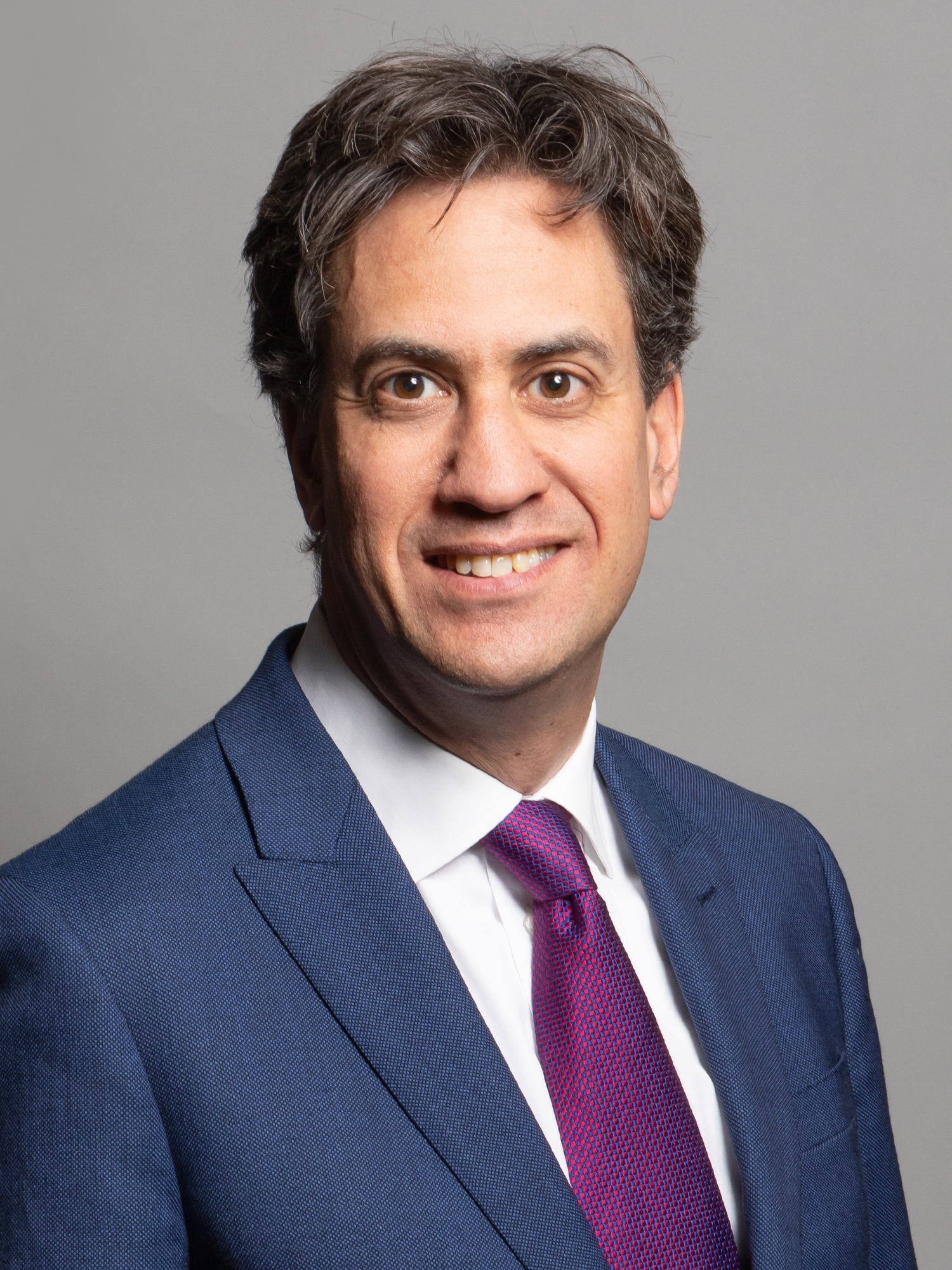
Ed Miliband is the United Kingdom's foreign secretary and MP for Doncaster North, a seat he has held since 2005. He led the Labour Party and the opposition from 2010 to 2015, and served as energy secretary from 2024 until his appointment as foreign secretary in July 2026.
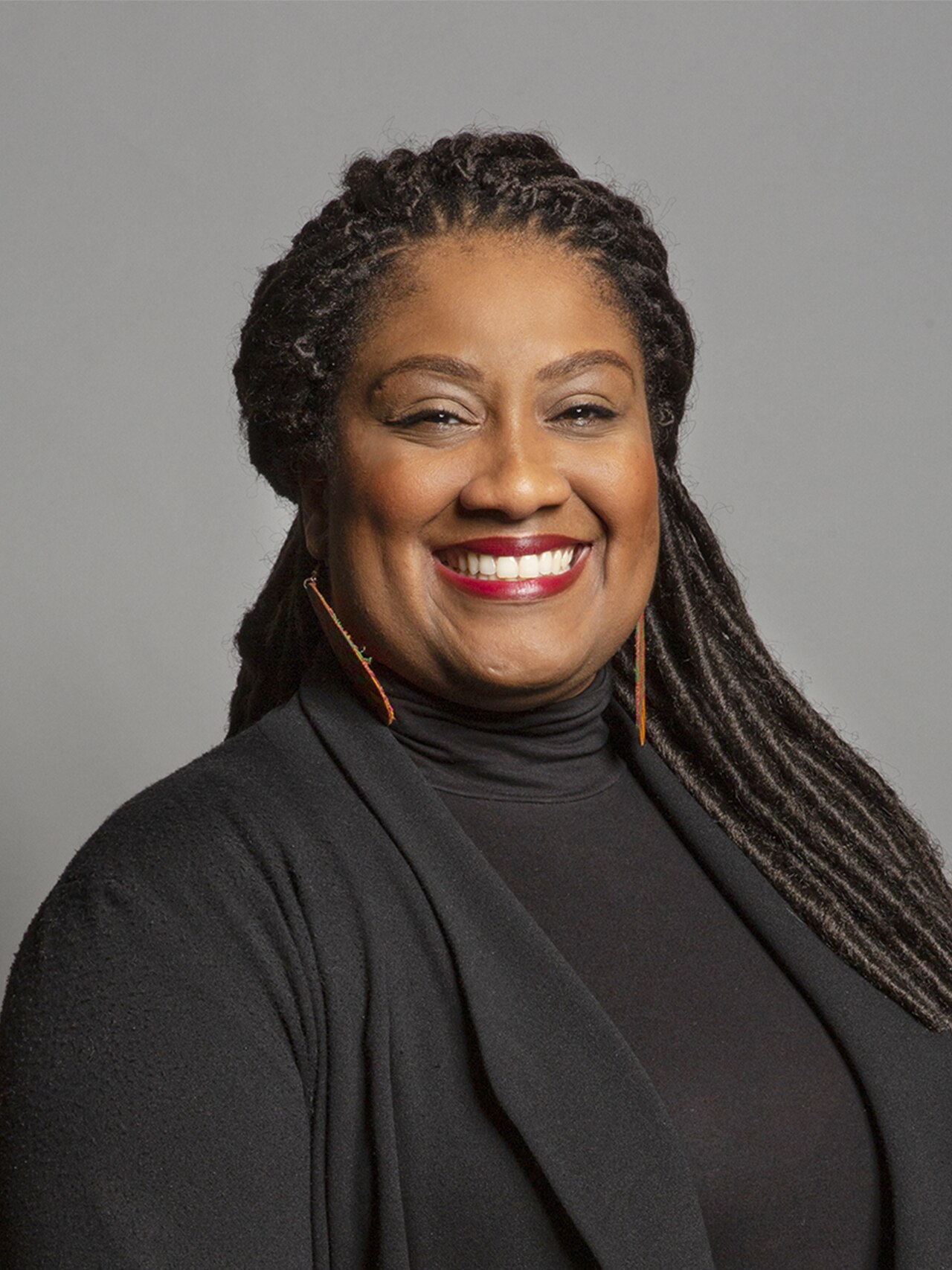
Bell Ribeiro-Addy is a British Labour politician who has been the Member of Parliament for Clapham and Brixton Hill since 2024, after representing Streatham from 2019 to 2024. She stood for deputy leader of the Labour Party in 2025.
Ralph Gonsalves is a Vincentian politician and former prime minister of Saint Vincent and the Grenadines. He is a senior adviser and elder of The Repair Campaign.
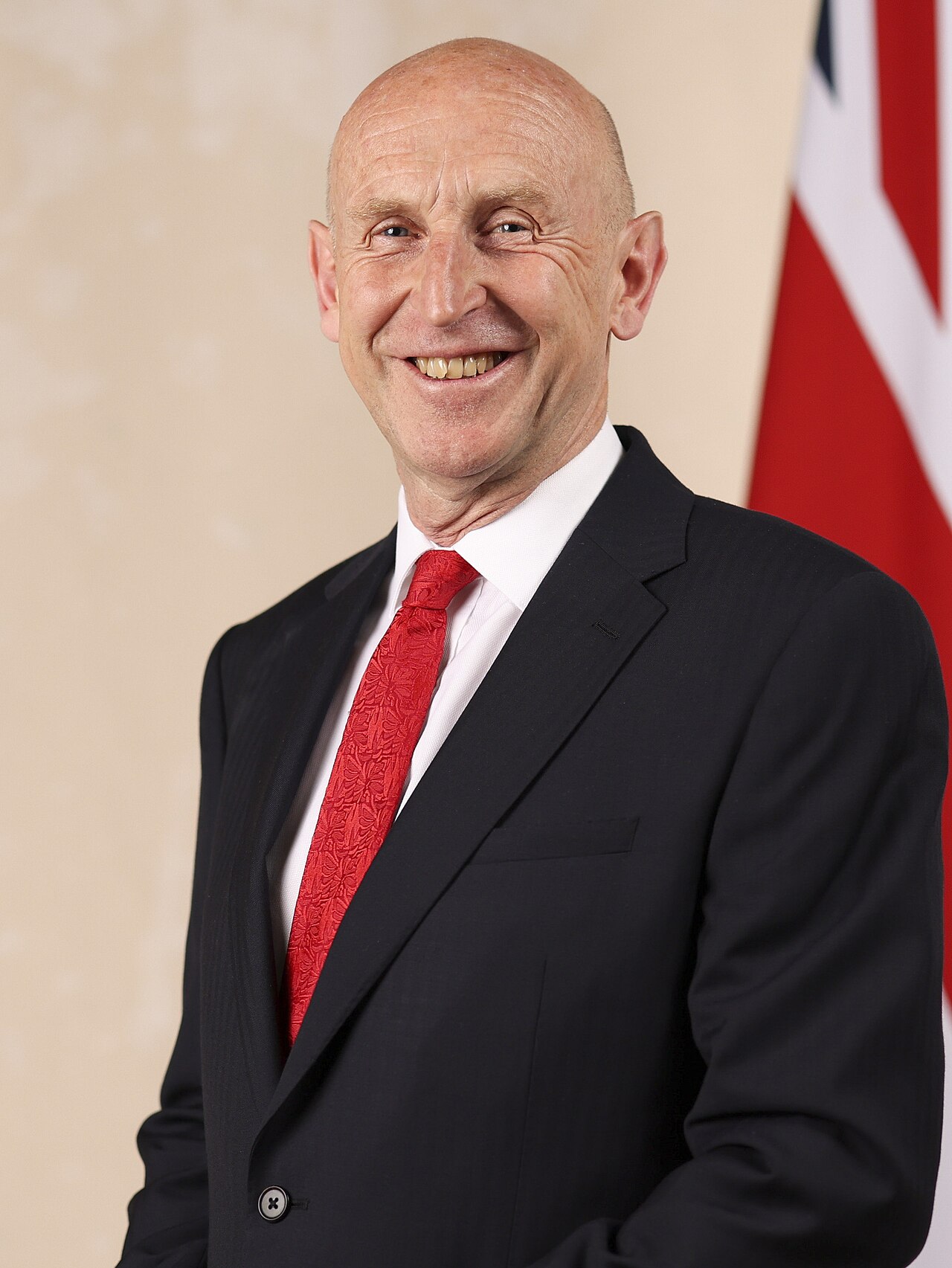
John Healey is a British Labour politician who has been Chancellor of the Exchequer since July 20, 2026. He was Secretary of State for Defence from July 2024 to June 2026. First elected to Parliament in 1997, he has been the Member of Parliament for Rawmarsh and Conisbrough since 2024. He was a minister from 2001 to 2010, including as Housing Minister, and Shadow Housing Secretary from 2015 to 2020.
Ed Davey is leader of the Liberal Democrats and the MP for Kingston and Surbiton. He previously held the UK's energy and climate change portfolio in the coalition government.
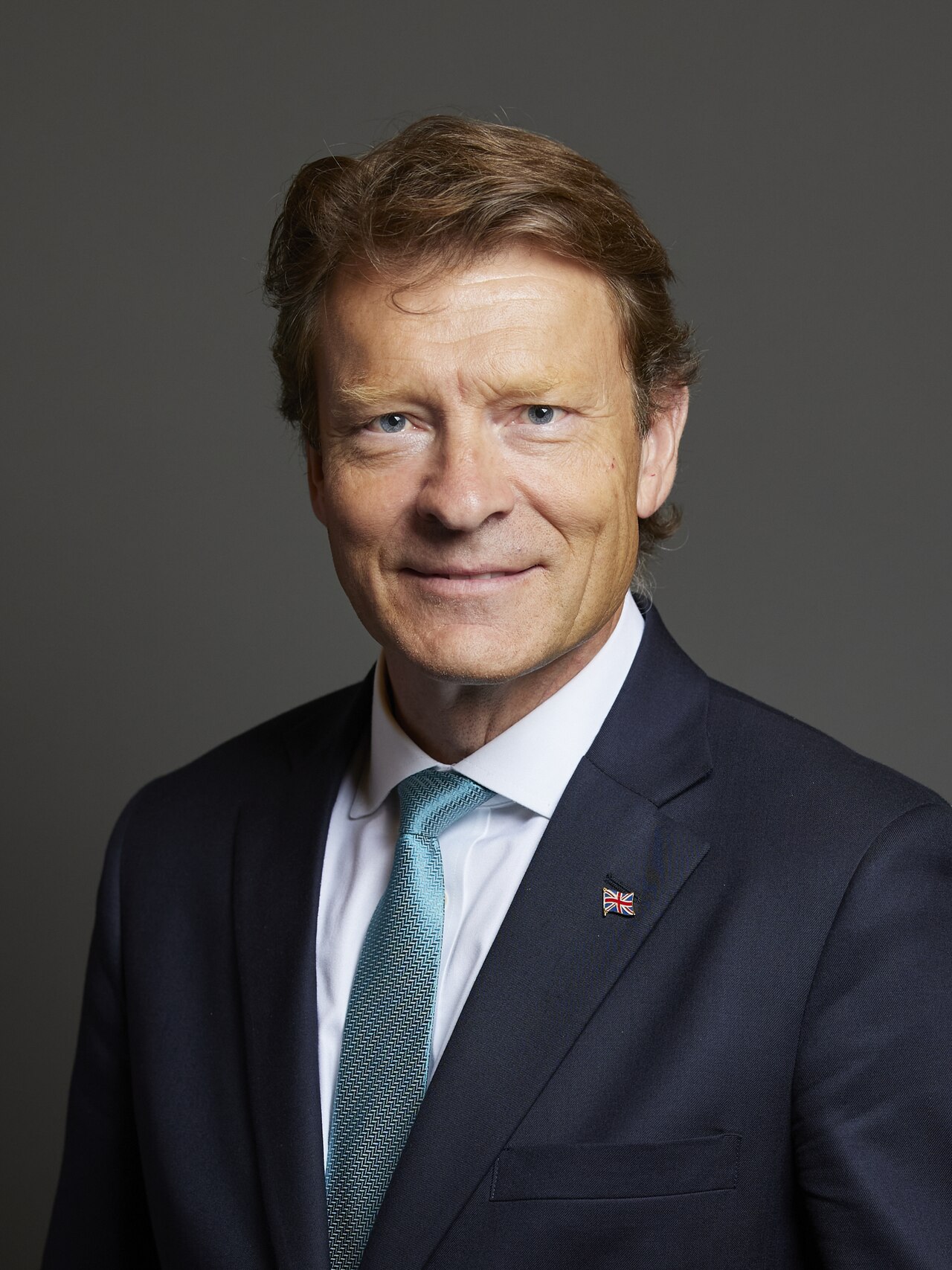
Richard Tice is a British businessman and Reform UK politician who has been the Member of Parliament for Boston and Skegness since 2024 and is the party's deputy leader. He led Reform UK from 2021 to 2024 and was a Brexit Party Member of the European Parliament for the East of England in 2019 and 2020.
Zia Yusuf is a British businessman and Reform UK politician. He co-founded the concierge company Velocity Black, was the chairman of Reform UK from 2024 to 2025 and was named the party's home affairs spokesman in February 2026.
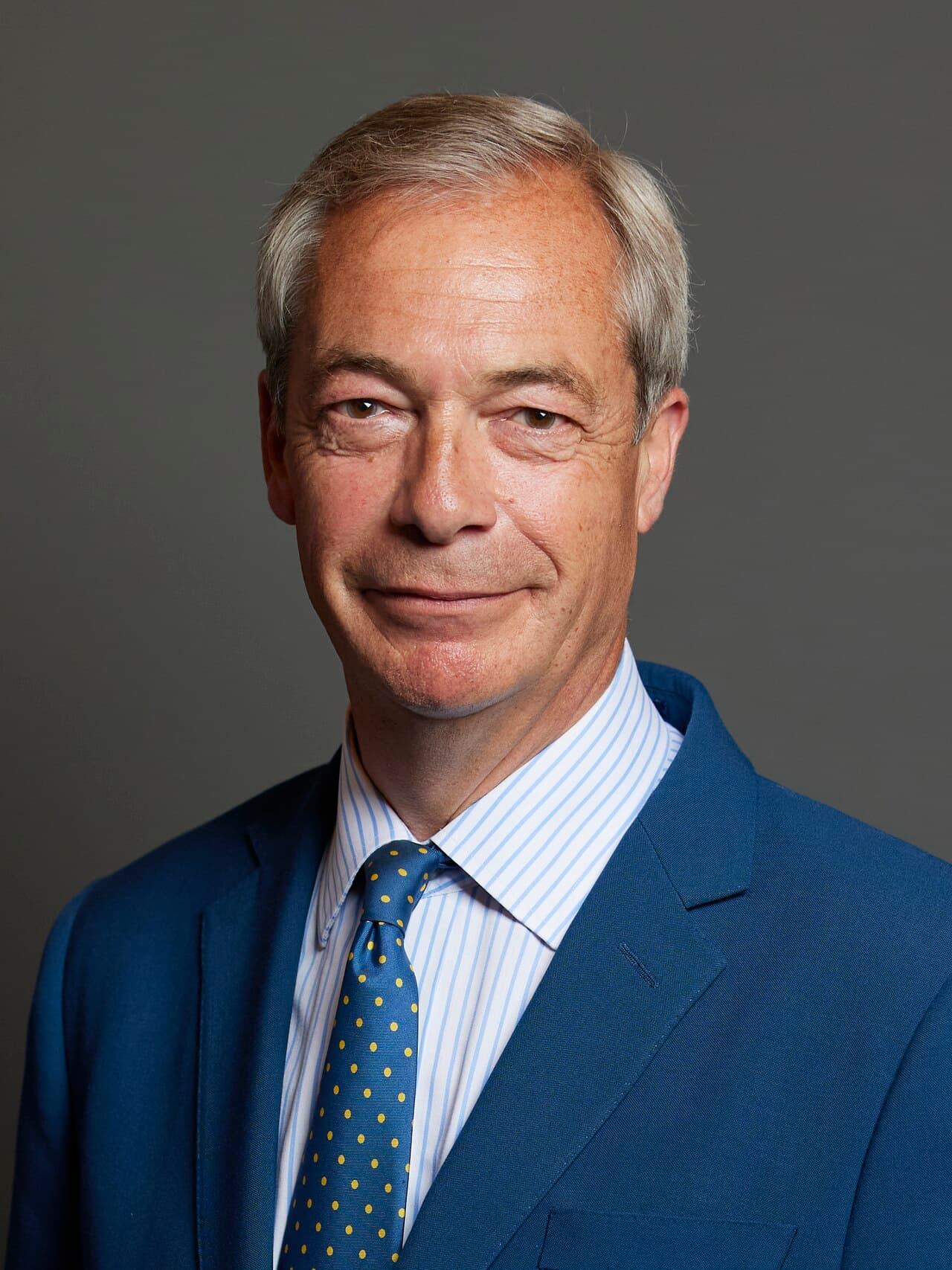
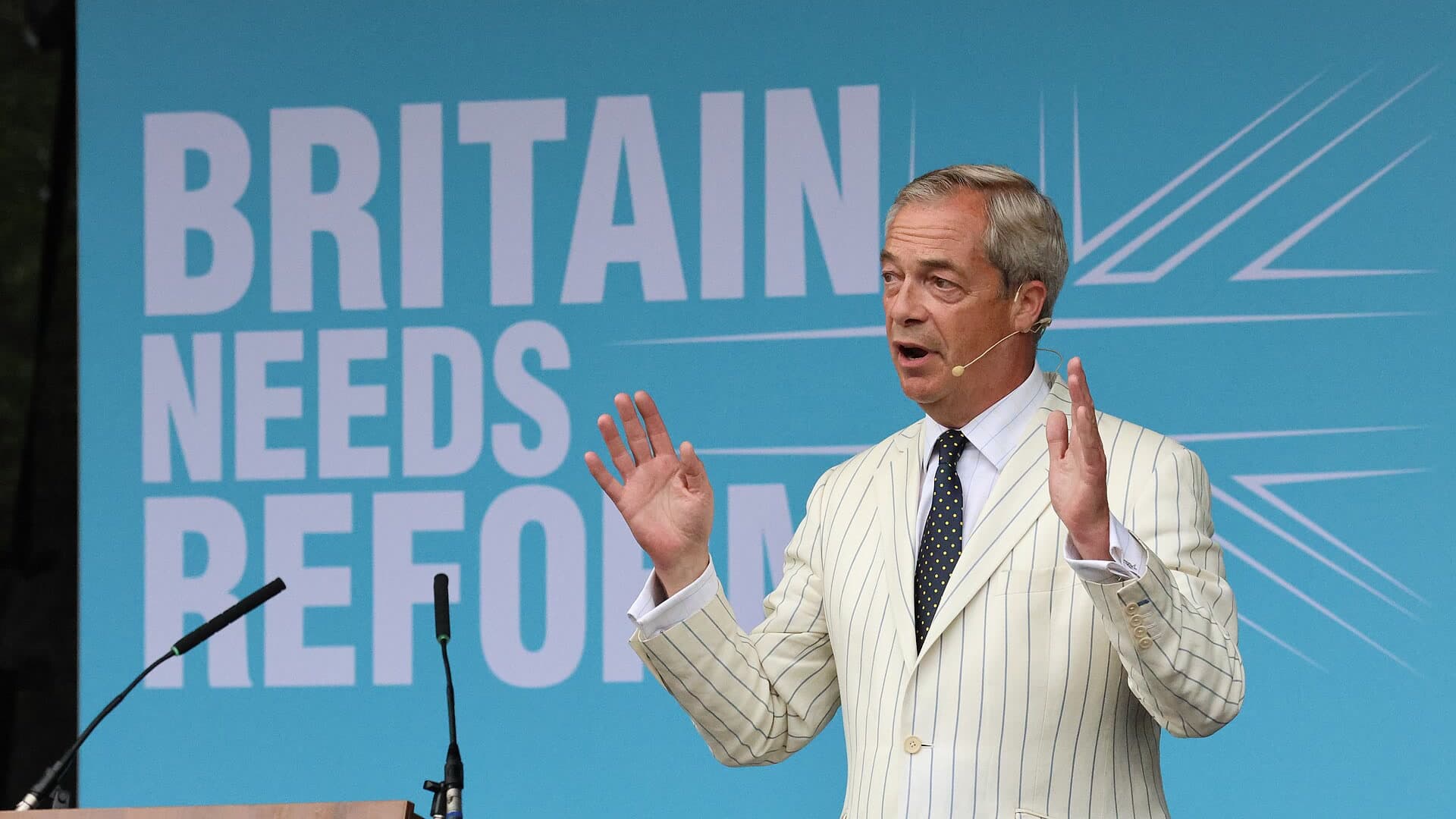
Nigel Farage is a British politician who has led Reform UK since June 2024. He has represented Clacton in the House of Commons since the 2024 general election, and was returned at a by-election in August 2026. He previously led the UK Independence Party and the Brexit Party, and sat in the European Parliament for South East England from 1999 to 2020.
Philip J. Pierre is a Saint Lucian politician who has been Prime Minister of Saint Lucia since July 2021 and leader of the Saint Lucia Labour Party since 2016. He has represented Castries East in the House of Assembly since 1997 and was Deputy Prime Minister from 2011 to 2016. On July 1, 2026, he took up the six-month rotating chair of the Conference of Heads of Government of the Caribbean Community (CARICOM).
Kay Burley is a British broadcaster and journalist. She presented news programmes on Sky News for 36 years, including its breakfast show, before leaving the channel in February 2025. She writes a newsletter on Substack.
Kemi Badenoch is a British Conservative politician who has led the Conservative Party since November 2024. She has been the Member of Parliament for North West Essex since 2024 and represented Saffron Walden from 2017 to 2024. She held Cabinet posts from 2022 to 2024, including Secretary of State for Business and Trade and Minister for Women and Equalities.