
Zacchini v. Scripps-Howard: performer challenges broadcast of his entire act; broadcaster claims press protection
The Supreme Court split over broadcasting an entire performance without consent. White's majority rejected constitutional immunity but left state-law protection open. Powell's dissent argued that routine news use deserved First Amendment protection.
Case period:
Published by The Dispute Index editorial teamPublished Updated
Overview
The broadcast showed the complete act, lasting about fifteen seconds, after Zacchini objected to being filmed. The case asks whether constitutional press protection prevents liability for that use of an entire performance.
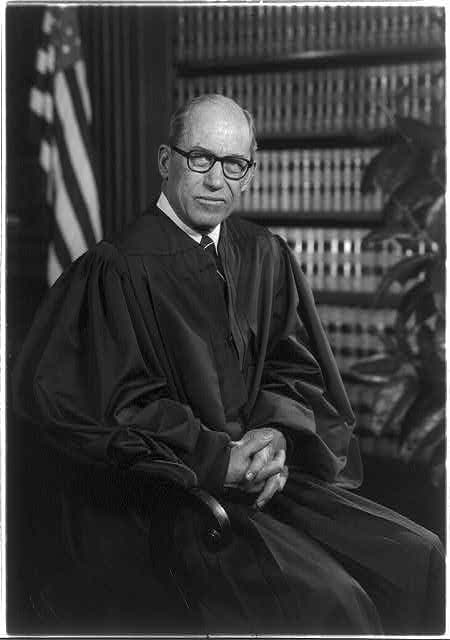
Justice Byron White's majority opinion distinguishes reporting about a performance from broadcasting the whole act. Justice Lewis Powell's dissent focuses on the news context and the risk of discouraging reporting. The Court reversed, holding that the Constitution did not immunize the broadcast. It did not award damages, and Ohio remained free to privilege the press under state law. Justice John Paul Stevens separately favored seeking clarification of the state court's grounds.
People in this case
- Byron R. WhiteDirectly involved
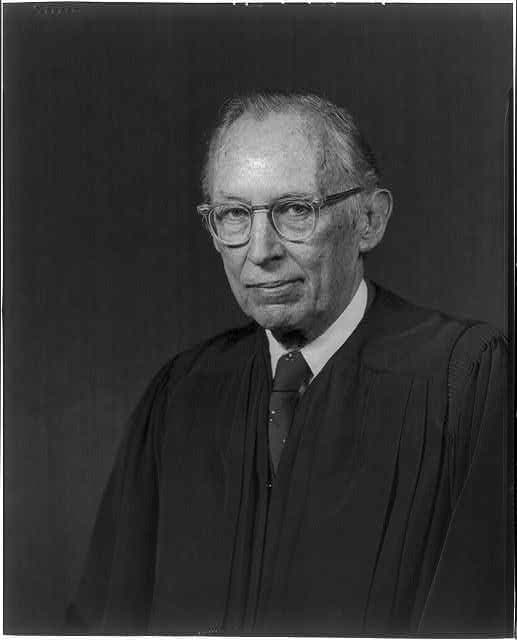 Lewis F. Powell Jr.Directly involved
Timeline
1 timeline entry on this page. Dates: June 28, 1977
June 1977
Supreme Court rejects constitutional immunity for the broadcast
The Court reverses by five votes to four. It holds that the Constitution does not immunize the entire-act broadcast, while leaving Ohio free to protect it under state law.
[01]Zacchini v. Scripps-Howard Broadcasting Co., 433 U.S. 562
The Supreme Court considers a news broadcast of an entire human-cannonball act. The opinions include the broadcast script and the competing constitutional arguments.
Zacchini v. Scripps-Howard Broadcasting Co., 433 U.S. 562Official U.S. Reports, pp. 562-583; majority and both dissents
Claims
Claims separate what was said from what is contested. Follow each source for the original wording and context.
What's disputed
Disputed claim
A routine news broadcast of a performer's entire act without consent should receive First Amendment protection against a right-of-publicity claim.
Sources (1)
- Zacchini v. Scripps-Howard Broadcasting Co., 433 U.S. 562Official U.S. Reports, pp. 562-583; majority and both dissents
Response record
Responses
Choose one response filter, or select All responses to see the full record.
2 matching responses. Newest first.
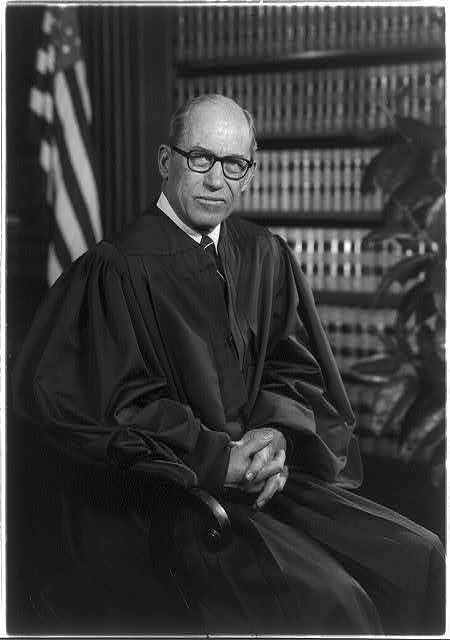 Byron R. WhiteU.S. Supreme Court justice, writing for the majorityDirectly involved
Before this statement
The majority addresses the difference between ordinary reporting and appropriation of a complete performance.
"Wherever the line in particular situations is to be drawn between media reports that are protected and those that are not, we are quite sure that the First and Fourteenth Amendments do not immunize the media when they broadcast a performer's entire act without his consent."
CondemnedCase context: Zacchini v. Scripps-Howard: performer challenges broadcast of his entire act; broadcaster claims press protection
Full statement and sources
White holds that the Constitution does not immunize the entire-act broadcast, while leaving states free to privilege such use under their own law.
After the statement
The Court reverses. Ohio remains free to privilege the press as a matter of state law.
Zacchini v. Scripps-Howard: readable full opinion textMajority opinion paragraph 18; 433 U.S. 574-575Zacchini v. Scripps-Howard Broadcasting Co., 433 U.S. 562Official U.S. Reports, pp. 562-583; majority and both dissentsWhy this label?
Relative to the station's broadcast of Zacchini's entire act, White rejects its claimed constitutional immunity from a damages action.
This label describes the statement's response within the context above.
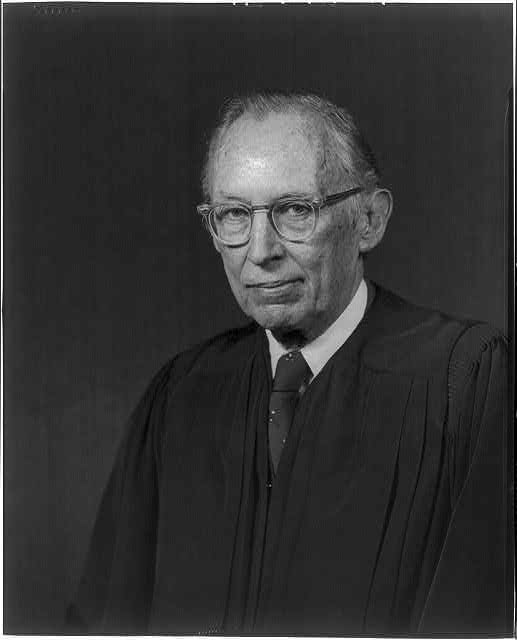 Lewis F. Powell Jr.U.S. Supreme Court justice, dissenting with Justices Brennan and MarshallDirectly involved
Before this statement
Powell warns about discouraging news coverage and emphasizes the use of footage in a regular news program.
"When a film is used, as here, for a routine portion of a regular news program, I would hold that the First Amendment protects the station from a "right of publicity" or "appropriation" suit, absent a strong showing by the plaintiff that the news broadcast was a subterfuge or cover for private or commercial exploitation."
Defended or excusedCase context: Zacchini v. Scripps-Howard: performer challenges broadcast of his entire act; broadcaster claims press protection
Full statement and sources
Powell argues that routine news use should be protected unless it is a cover for exploitation.
After the statement
He distinguishes appropriation suits from other privacy torts and would protect bona fide news use.
Zacchini v. Scripps-Howard Broadcasting Co., 433 U.S. 562Official U.S. Reports, pp. 562-583; majority and both dissentsWhy this label?
Powell defends the news broadcast challenged in the case.
This label describes the statement's response within the context above.
Sources
(2)
Original text
Zacchini v. Scripps-Howard Broadcasting Co., 433 U.S. 562
Relevant passage: Official U.S. Reports, pp. 562-583; majority and both dissents
About this source
The Supreme Court considers a news broadcast of an entire human-cannonball act. The opinions include the broadcast script and the competing constitutional arguments.
- Published
- Accessed
Original text
Zacchini v. Scripps-Howard: readable full opinion text
Relevant passage: Majority opinion paragraph 18; 433 U.S. 574-575
About this source
Full opinion text, including the majority and both dissents, reproduced by the Legal Information Institute.
- Published
- Accessed
Share or embed this case
The embed keeps its attribution link to The Dispute Index. Credit the image to The Dispute Index and link to the case page.
Cite this record
- Publisher
- The Dispute Index
- Title
- Zacchini v. Scripps-Howard: performer challenges broadcast of his entire act; broadcaster claims press protection
- First published
- Last updated
- Permalink
- https://disputeindex.com/cases/zacchini-scripps-howard-entire-act-news-broadcast
The Dispute Index. "Zacchini v. Scripps-Howard: performer challenges broadcast of his entire act; broadcaster claims press protection". First published: 2026-11-02. Last updated: 2026-11-02. https://disputeindex.com/cases/zacchini-scripps-howard-entire-act-news-broadcast