
Hazelwood v. Kuhlmeier: school defends deleting newspaper pages; student journalists challenge the decision
The Supreme Court split over a principal's removal of pages from a school-sponsored newspaper. The majority accepted the decision as reasonably related to educational concerns. The dissent called the deletion unconstitutional censorship.
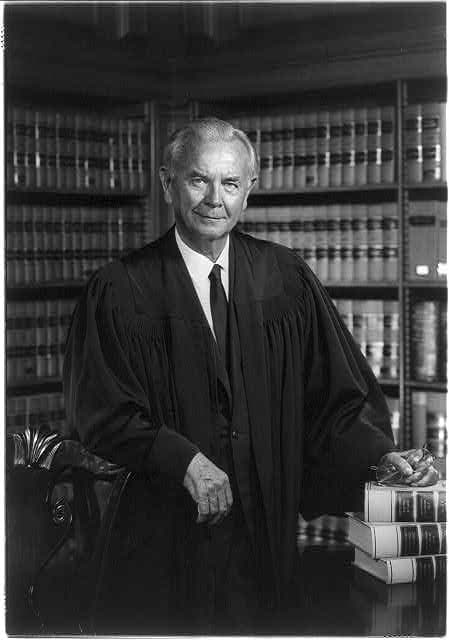
Case period:
Published by The Dispute Index editorial teamPublished Updated
Overview
The newspaper was produced in a public high school's journalism class. Principal Robert Reynolds removed two pages containing articles about student pregnancy and divorce, citing privacy, suitability and an opportunity for a parent to respond. The deletions also removed other articles.
Justice Byron White's majority opinion permits editorial control over school-sponsored student expression when reasonably related to legitimate educational concerns. Justice William Brennan's dissent argues that the deletion failed constitutional standards and was too broad. The ruling concerns that curricular setting. It expressly leaves open whether the same degree of deference applies at colleges and universities.
People in this case
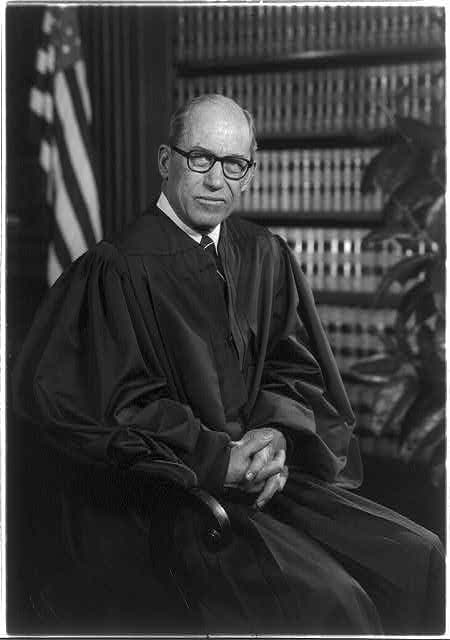 Byron R. WhiteDirectly involved
- William J. Brennan Jr.Directly involved
Timeline
1 timeline entry on this page. Dates: January 13, 1988
January 1988
Supreme Court upholds the school decision
The Court rules five to three for the school district, adopting a standard based on legitimate educational concerns. Brennan dissents.
[01]Hazelwood School District v. Kuhlmeier, 484 U.S. 260
The Supreme Court considers a principal's deletion of pages from a curricular high-school newspaper. The opinion expressly reserves the question of comparable deference at universities.
Hazelwood School District v. Kuhlmeier, 484 U.S. 260Official U.S. Reports, pp. 260-291; majority and dissent
Claims
Claims separate what was said from what is contested. Follow each source for the original wording and context.
What's disputed
Disputed claim
The principal's deletion of the newspaper pages was permissible editorial control reasonably related to legitimate educational concerns.
Sources (1)
- Hazelwood School District v. Kuhlmeier, 484 U.S. 260Official U.S. Reports, pp. 260-291; majority and dissent
Response record
Responses
Choose one response filter, or select All responses to see the full record.
2 responses. Newest first.
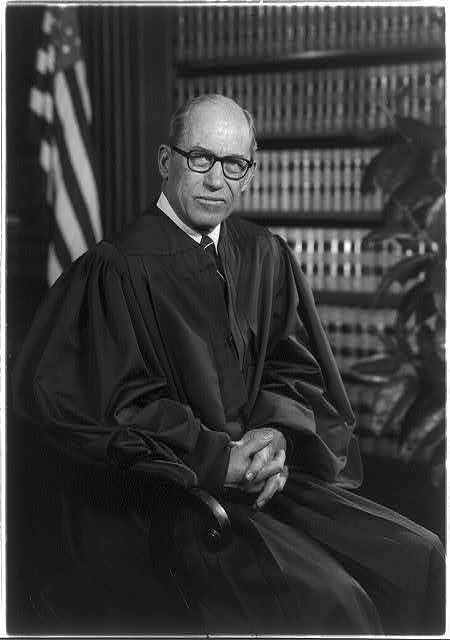 Byron R. WhiteU.S. Supreme Court justice, writing for the majorityDirectly involved
Before this statement
The opinion distinguishes student personal expression from speech that a school sponsors as part of its curriculum.
"educators do not offend the First Amendment by exercising editorial control over the style and content of student speech in school-sponsored expressive activities so long as their actions are reasonably related to legitimate pedagogical concerns."
Defended or excusedCase context: Hazelwood v. Kuhlmeier: school defends deleting newspaper pages; student journalists challenge the decision
Full statement and sources
White concludes that educators may control school-sponsored expression when their actions reasonably serve legitimate educational concerns.
After the statement
It applies that standard to the principal's decision and expressly reserves the university-level question.
Hazelwood School District v. Kuhlmeier, 484 U.S. 260Official U.S. Reports, pp. 260-291; majority and dissentWhy this label?
White defends the editorial control exercised in this case.
This label describes the statement's response within the context above.
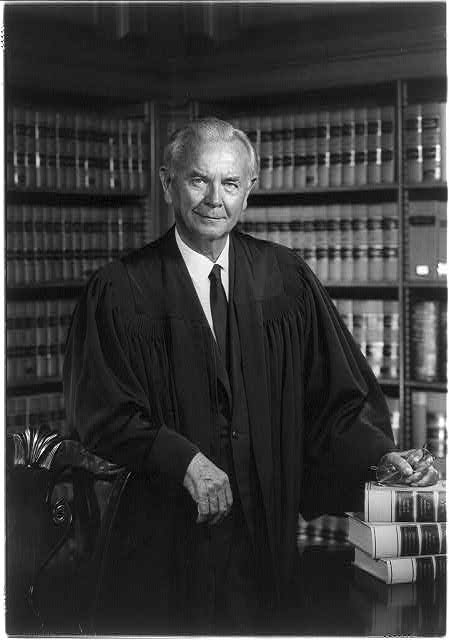 William J. Brennan Jr.U.S. Supreme Court justice, dissenting with Justices Marshall and BlackmunDirectly involved
Before this statement
Brennan disputes the majority's standard for school-sponsored student expression.
"He violated the First Amendment's prohibitions against censorship of any student expression that neither disrupts classwork nor invades the rights of others, and against any censorship that is not narrowly tailored to serve its purpose."
CondemnedCase context: Hazelwood v. Kuhlmeier: school defends deleting newspaper pages; student journalists challenge the decision
Full statement and sources
Brennan argues that the principal violated students' speech rights and that the deletion was insufficiently tailored.
After the statement
His dissent challenges the scope of the deletion as well as the rule permitting it.
Hazelwood School District v. Kuhlmeier, 484 U.S. 260Official U.S. Reports, pp. 260-291; majority and dissentWhy this label?
Brennan condemns the censorship challenged in the case.
This label describes the statement's response within the context above.
Sources
(1)
Original text
Hazelwood School District v. Kuhlmeier, 484 U.S. 260
Relevant passage: Official U.S. Reports, pp. 260-291; majority and dissent
About this source
The Supreme Court considers a principal's deletion of pages from a curricular high-school newspaper. The opinion expressly reserves the question of comparable deference at universities.
- Published
- Accessed
Share or embed this case
The embed keeps its attribution link to The Dispute Index. Credit the image to The Dispute Index and link to the case page.
Cite this record
- Publisher
- The Dispute Index
- Title
- Hazelwood v. Kuhlmeier: school defends deleting newspaper pages; student journalists challenge the decision
- First published
- Last updated
- Permalink
- https://disputeindex.com/cases/hazelwood-kuhlmeier-school-newspaper-censorship
The Dispute Index. "Hazelwood v. Kuhlmeier: school defends deleting newspaper pages; student journalists challenge the decision". First published: 2026-11-02. Last updated: 2026-11-02. https://disputeindex.com/cases/hazelwood-kuhlmeier-school-newspaper-censorship