
Should taxpayers fund Trump's "public service" television ads?
The White House calls its Trump-featuring television spots public service announcements and paid for them with taxpayer money. Critics in both parties object, and on October 5 Trump said he would pay with his own and MAGA Inc. money.
Case period:
Published by The Dispute Index editorial teamPublished Updated
Overview
Since late September 2026, the White House has aired television ads that feature President Trump and end with the words "Paid for by the U.S. Government". The White House calls them public service announcements and says they are not campaign ads. Democrats, some Republicans including Senate Majority Leader John Thune, and watchdog groups oppose using taxpayer money for the spots, and some allege violations of federal law. Senator Cynthia Lummis and Vice President JD Vance defend the spending. Federal records show that Customs and Border Protection awarded the ad agency LMD a $20 million contract for a media campaign on September 20, and the tracking firm AdImpact estimated at least $10.1 million in airtime spending as of October 5. On October 5, Trump said he would pay for the ads himself and with money raised for MAGA, Inc.; NBC News reported that MAGA Inc. and the White House had not answered whether taxpayers would be reimbursed for ads that had aired. The dispute is whether federal money should pay for these ads.
Background: What is the Hatch Act, and who enforces it?
Read the full background
Since late September 2026, federal money has paid for television ads featuring President Donald Trump, patriotic imagery and praise for his presidency. The White House calls them public service announcements (opens in a new tab). Senators Patty Murray and Chris Murphy object that the government is paying for political promotion (opens in a new tab) and demand that the ads stop and taxpayers be repaid.
CNN obtained 12 ad clips (opens in a new tab), ranging from 15 seconds to three minutes, from an account run by LMD, the agency awarded the government contract for the ad buys. Each carried the words "Paid for by the U.S. Government". The White House's September 25 defense says Trump is not on the ballot, the spots contain no call to action, and previous administrations used public advertising to explain policy and promote national goals.
Funding and spending
CNBC reported on September 29 (opens in a new tab) that Customs and Border Protection awarded LMD a fully funded, one-year $20 million "National Media Campaign" contract on September 20. The award followed the budget office's release of $20 million to CBP under a Commemorative Events funding line. CNBC noted that the public contract description did not itself identify the Trump ads. Murray and Murphy's letter says the apparent funding source was border-security commemorative-event money from the One Big Beautiful Bill Act and asks DHS for contracts and a spending breakdown.
As of October 5, AdImpact estimated at least $10.1 million had been spent airing the ads, CNN reported (opens in a new tab). That is an outside estimate of airtime spending, separate from the $20 million contract value. On October 6, DHS referred Dispute Index's funding questions to the White House (opens in a new tab) and said it responds to official correspondence through official channels.
Objections and defenses
The objection crosses party lines. Senate Majority Leader John Thune said the message was great but should not be paid for with taxpayer dollars (opens in a new tab). On September 29, Sen. Maggie Hassan sought unanimous consent to adopt a resolution opposing federal payment. Sen. Cynthia Lummis defended the messaging and objected, blocking that request without a roll-call vote, as the Congressional Record shows on pages S5150-S5151 (opens in a new tab).
Public Citizen asked federal watchdogs to investigate (opens in a new tab) and urged broadcasters to stop airing the spots. In a September 30 letter (opens in a new tab), Reps. Jamie Raskin and George Whitesides alleged violations of appropriations restrictions, the Hatch Act and other federal laws, and asked the Government Accountability Office and Office of Special Counsel to investigate. California Attorney General Rob Bonta submitted a complaint on October 5 (opens in a new tab) seeking investigations by the same agencies. These are the complainants' legal allegations, not findings by those agencies.
Vice President JD Vance defended the spending on October 5 (opens in a new tab), saying governments have long used tax dollars to explain their work and citing Affordable Care Act advertising under President Obama. He said the ads were not partisan.
Trump's funding pledge
That evening, Trump announced on Truth Social (opens in a new tab) that he would pay for the ads himself and with money he raised for MAGA Inc., while defending the previous public funding. A White House official told NBC News (opens in a new tab) that the super PAC would cover the ads going forward.
CNN's updated report (opens in a new tab) says a White House spokesperson confirmed that Trump would not reimburse the government for money already spent on the ad buys. On October 6, Trump appeared to answer a reimbursement question with "We'll decide," Newsweek reported (opens in a new tab). The White House spokesperson did not answer whether the administration would continue spending the original $20 million allocation.
How we label responses
Labels describe views on federal payment for these ads. "Condemned" marks opposition to that spending, even from someone who likes the message. "Defended or excused" marks acceptance of public payment. "Mixed or conditional" keeps stated qualifications, including a defense paired with a different funding plan. "Explicitly stayed out" records an express refusal or referral. Labels apply to statements, not people.
People in this case
 Donald TrumpDirectly involved
 Rob BontaCommented
 JD VanceCommented
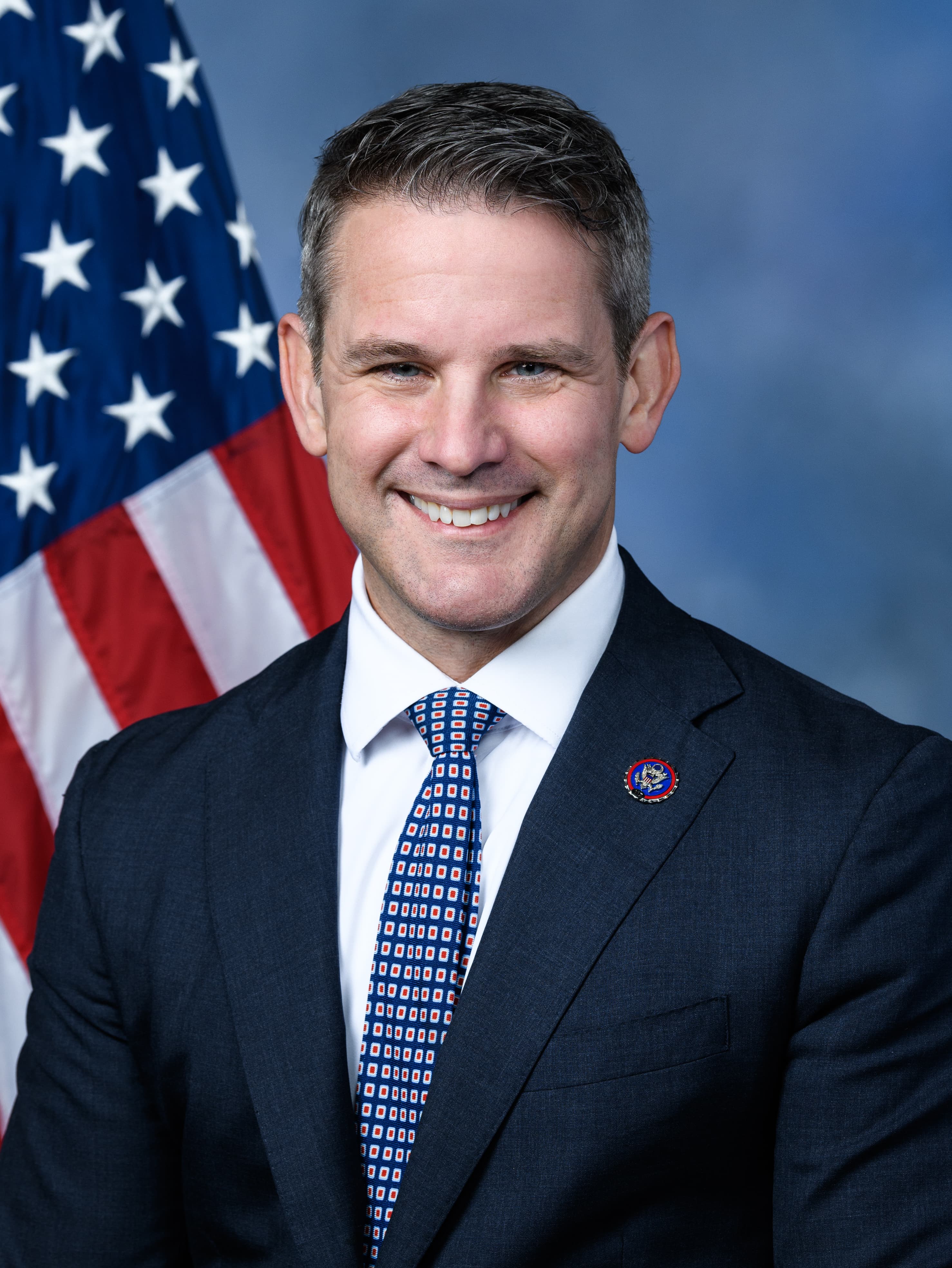 Adam KinzingerCommented
Timeline
21 timeline entries on this page. Dates: September 19, 2026 to October 22, 2026
September 2026
The budget office releases $20 million to CBP and CBP awards a media contract
Incident
Contracting records show the Office of Management and Budget approved the release of $20 million to Customs and Border Protection under a Commemorative Events funding line on September 19. On September 20, CBP awarded the Maryland firm LMD Agency a one-year, fully funded $20 million contract for a National Media Campaign. CNBC reported that the public record does not say what the campaign entails or show that LMD worked on the Trump ads. CNN later reported that it obtained clips of 12 of the ads from a shared account run by LMD.
White House defends the television campaign as public service
Source release
The White House publishes its defense of the spots, citing earlier administrations' public-information campaigns and arguing that patriotism is not partisan.
Television version circulates with government-funding disclosure
Source release
Medium Buying posts the ad it identifies as airing on Fox during the Northwestern-Indiana game on September 25. The spot combines Trump's anti-communism message with praise for him and identifies the U.S. government as payer.
Murray and Murphy demand DHS funding and contract records
Reaction
The senators send DHS Secretary Markwayne Mullin six questions about spending, contracts, direction from the White House and legal review. They request answers within 48 hours and demand an end to the ads and reimbursement to taxpayers.
Lummis blocks immediate adoption of Hassan's resolution
Reaction
Hassan asks for unanimous consent to adopt S. Res. 921 opposing government payment for the ads. Lummis defends the messaging and objects. The request fails without a roll-call vote on the resolution.
Public Citizen requests federal action and removal of the ads
Reaction
Public Citizen announces complaints to the FCC, FTC, GAO and Office of Special Counsel and asks broadcasters to stop airing the spots. The complaints allege unlawful propaganda and misuse of government resources.
Raskin and Whitesides ask GAO and the Office of Special Counsel to investigate the ads
Reaction
Reps. Jamie Raskin (D-Md.) and George Whitesides (D-Calif.) write to Acting Comptroller General Orice Brown and Special Counsel Charles Baldis. They ask GAO to investigate the source and total of the funds used and to issue a legal decision on whether the ads violate the Consolidated Appropriations Act of 2026, the Hatch Act, the Antideficiency Act or federal criminal statutes, and they ask the Office of Special Counsel to investigate whether the ads violate the Hatch Act. A GAO spokesperson told The Hill on October 1 that GAO had received the request and was working through its process for deciding whether to do the work. As of October 5, 2026, we did not find a decision from either office on whether to investigate.
Trump defends the ads in the Oval Office and says he would pay if the funding were wrong
Reaction
Speaking to reporters in the Oval Office, Trump says he is not promoting a candidate or himself because he is not running for office, and that he is promoting the country. ABC News reports him adding that if somebody said that was wrong, he would gladly pay the money, and that the ads are for the country.
October 2026
New York Times reports that Trump directed the advertising effort
Source release
The New York Times reports that Trump directed staff to use taxpayer money for ads praising his presidency, citing people familiar with the matter. Its post identifies a $20 million contract funded through DHS.
California's attorney general asks GAO and the Office of Special Counsel to investigate the ads
Reaction
California Attorney General Rob Bonta submits a complaint to the Government Accountability Office and the Office of Special Counsel urging an investigation of the ads. His office says the ads violate the federal ban on using taxpayer dollars for partisan and self-aggrandizing publicity or propaganda, and he asks the Office of Special Counsel to investigate related Hatch Act violations.
Trump says he will pay for the ads himself and with MAGA Inc. money
Source release
Trump posts on Truth Social that he will pay for the Patriotic Ads, among others, himself and with money he raised for MAGA, Inc. The post calls paying with taxpayer money a rather standard thing to do. A White House official tells NBC News that MAGA Inc. will pay for the PSA ads moving forward. NBC News reports that MAGA Inc. did not immediately respond and the White House did not answer when asked whether the government would be reimbursed for ads that had already aired, and CNN cites AdImpact's estimate that at least $10.1 million had been spent on the ads as of October 5. As of October 5, 2026, we did not find a statement on whether the $20 million CBP contract would be canceled or reduced.
DNC files suit challenging taxpayer funding of Trump ads
The Democratic National Committee filed a complaint in federal court in Washington seeking declaratory and injunctive relief against public financing of the ads. It alleged violations of federal spending restrictions and administrative law. The filing also alleged that government-labeled broadcasts continued after Trump announced a change in future funding.
Corke and Robinson call for reimbursement and congressional action
Reaction
Susan Corke and Jenice R. Robinson argued in The Progressive that changing the payer for future ads did not resolve taxpayer spending already incurred. They called for reimbursement and congressional document review, hearings and subpoenas. The column presents their assessment of the ads and the government's obligations.
Common Cause coalition announces separate challenge to ad spending
Source release
Democracy Forward announced that Common Cause, SEIU Local 32BJ, its Empire State PAC and Alabama House candidate Robert Hunter had sued in federal court in New York to stop public financing of the ads' development, creation and airing. The coalition argued that changing future funding did not settle the legality of the spending. Its claims remain allegations.
Court orders a halt to the challenged ads and stays federal payments
Judge Jennifer Rochon orders the defendants to cancel placements for the challenged advertisements and stops further spending under the September media contract. The temporary order takes effect at 6:45 p.m. Eastern and also binds the contractor.
Rochon explains why the plaintiffs are likely to succeed on their spending claims
Rochon finds a clear and substantial likelihood that the challenged spending violates statutory limits on appropriations. Her opinion supports the temporary restraint and rejects the government's standing and mootness arguments.
Plaintiffs report further airings; government asserts compliance
The plaintiffs notify the court of advertisements they say aired after the restraint took effect. The government says it has complied and apologizes that agency counsel did not see the order until the following morning. The plaintiffs request a conference and say they are not seeking contempt sanctions at that time.
Court extends the restraint and orders an explanation of later airings
Rochon extends the temporary restraint to November 8, authorizes limited expedited discovery, and requires evidence explaining reported October 12 airings. The order follows a conference about compliance.
DHS declaration disputes reports of federally funded October 12 airings
In a sworn declaration, DHS official Holly Mehringer says vendor logs reviewed so far show no ads funded under the contract airing after October 11. She says the vendor has no information about a separately identified overnight ABC airing and that DHS asked whether it was an error or used other funding.
Plaintiffs seek discovery about White House work on ads and MAGA Inc.
The plaintiffs move to compel answers about who created and distributed the ads, their funding, staff time and communications with MAGA Inc. They say the government acknowledged that White House staff compiled some ads but did not specify which ones.
Court extends the restraint to November 20 and moves the hearing
With both sides' consent, Rochon extends the temporary restraint through November 20 and reschedules the preliminary-injunction hearing for November 13 at 2 p.m. The hearing remains a future proceeding.
Claims
Claims separate what was said from what is contested. Follow each source for the original wording and context.
What's disputed
Disputed claim
Copy link to this disputed claim by The White HouseThe White House
The Trump television spots are public-service announcements rather than campaign ads because Trump is not on the ballot and the ads have no call to action.
Sources (1)
- Presidential Public Service Announcements Are Nothing New · The White HouseOpening paragraph, historical comparisons and closing paragraph
Disputed claim
Copy link to this disputed claim by Patty MurrayUsing government funds for the Trump-promoting television ads is unlawful political propaganda and a misuse of taxpayer money.
Sources (1)
- Murray and Murphy demand answers about DHS-funded Trump adsPages 1-3; opening criticism, spending figures, six questions and signatures
Disputed claim
Copy link to this disputed claim by The New York TimesThe New York Times
Trump directed staff to use taxpayer money for ads praising his presidency, resulting in a $20 million DHS-funded contract, according to people familiar with the matter cited by The New York Times.
Sources (1)
- New York Times reports Trump's role in DHS-funded television ads · The New York TimesOriginal post at 5:16 PM Eastern; attribution to people familiar with the matter
In their own words
Their own account
Statements from the person or group whose act or claim this case is about. They are listed apart from the responses, and each label says what the speaker did with their own act or claim.
 U.S. Department of Homeland SecurityFederal executive department, in an emailed reply to Dispute Index from its media inquiry office
"We refer you to the White House."
Explicitly stayed outCase context: Should taxpayers fund Trump's "public service" television ads?
Full statement and sources
Asked by Dispute Index on October 6, 2026 about the contract and funding for the television ads, the Department of Homeland Security's media inquiry office replied, "We refer you to the White House," and attributed to a DHS spokesperson the line, "DHS responds to official correspondence through official channels."
Before the statement
Dispute Index asked the DHS Office of Public Affairs on October 6 about the contract and funding for the Trump television ads, after Trump said on October 5 that he would pay for the ads himself and through MAGA Inc.
After the statement
The department's September 30 statement that its contracting follows applicable rules is recorded separately on this page.
Emailed reply from the Department of Homeland Security to Dispute Index on the Trump adsEmailed reply from the DHS media inquiry office, October 6, 2026 (UTC).Why this label?
The reference point is public payment for the ads. DHS answered questions about the contract and its funding by referring them to the White House and saying it responds to official correspondence through official channels, so we labeled it Explicitly stayed out. The closest competing label is Defended or excused, which fits the department's September 30 statement that its contracting follows applicable rules; this reply makes no claim about the spending itself. Evidence: the department's emailed reply to Dispute Index.
This label describes the statement's response within the context above.
 Donald TrumpPresident of the United States
"which I consider to be a positive promotion for our Great U.S.A., and paying for them with U.S.A. money. This is a rather standard thing to do but, rather than doing that, although nothing will make them happy, I have decided to do the Patriotic Ads, among others, and pay for them myself, and with money I raised for MAGA, Inc."
Mixed or conditionalCase context: Should taxpayers fund Trump's "public service" television ads?
Full statement and sources
Trump called the ads a positive promotion for the country and paying for them with public money a standard practice, then said he had decided to do the Patriotic Ads, among others, and pay for them himself and with money he raised for MAGA, Inc.
Before the statement
The White House had defended the ads since September 25, and lawmakers of both parties had objected to public payment. Vice President JD Vance had defended the ads to reporters earlier that day.
After the statement
A White House official told NBC News that MAGA Inc. will pay for the PSA ads moving forward. NBC News reported that neither MAGA Inc. nor the White House answered whether the government would be reimbursed for ads that had already aired.
Trump says he will pay for advertisements with personal and MAGA Inc. fundsTruth Social post 117390649505706640Why this label?
The conduct under scrutiny is federal payment for Trump-promoting ads. He defends public payment as standard while announcing that the Patriotic Ads, among others, will be paid for another way, so the label is Mixed or conditional. The closest competing label is Defended or excused; it does not fit because he announces that public money will not be used for them.
This label describes the statement's response within the context above.
- U.S. Department of Homeland SecurityFederal executive department, in a statement to NBC News
"follows all applicable rules for contracting decisions and keeps all decision makers informed. All contracting decisions are made in accordance with applicable law."
Stood by itCase context: Should taxpayers fund Trump's "public service" television ads?
Full statement and sources
NBC News reported that a White House spokesperson referred specific questions about the funding for the ads to the Department of Homeland Security, and that the department said in a statement that it follows all applicable rules for contracting decisions, keeps all decision makers informed, and makes all contracting decisions in accordance with applicable law. The Washington Post reported that a DHS spokesperson said the agency makes contracting decisions in accordance with applicable laws.
Before the statement
Reports on September 29 said Customs and Border Protection money paid for the ads, Senators Patty Murray and Chris Murphy wrote to Secretary Markwayne Mullin that day, and ABC News reported that DHS directed inquiries to the White House.
After the statement
The statement does not say what the $20 million contract covers or whether the government will be reimbursed. As of October 6, 2026, we did not find a further DHS statement on either point.
NBC News, September 29, 2026: Pro-Trump TV ads paid for with Customs and Border Protection money, official says · NBC NewsParagraphs on the White House spokesperson and the Department's statementThe Washington Post via The Spokesman-Review, October 1, 2026: Campaign-style Trump ads use money meant for border security, memorials · The Washington PostParagraph on the White House spokesperson and the DHS spokespersonWhy this label?
The U.S. Department of Homeland Security answers questions about how the ads were paid for by saying it follows all applicable contracting rules and makes its contracting decisions in line with the law, so we labeled it Stood by it.
This label describes the statement's response within the context above.
- Donald TrumpPresident of the United States
"Now, if somebody said that that's wrong, I'll gladly pay the money. But these are ads for the country"
Mixed or conditionalCase context: Should taxpayers fund Trump's "public service" television ads?
Full statement and sources
Trump said the ads are for the country and that, if somebody said that is wrong, he would gladly pay the money.
Before the statement
Trump spoke to reporters during an event in the Oval Office about the ads.
After the statement
He said he was promoting the country and was not running for office.
Trump defends public payment for ads in Oval Office remarks · ABC NewsOpening section: Trump's Wednesday Oval Office responseWhy this label?
The conduct under scrutiny is federal payment for Trump-promoting ads. Trump defends the ads as being for the country but says he would gladly pay if somebody said that was wrong, which makes his position depend on a stated condition. The closest competing label is Defended or excused; it does not fit because he offers to pay if the payment is objected to.
This label describes the statement's response within the context above.
 The White HouseExecutive Office of the President
"The announcements are very clearly not campaign ads; President Trump is not on the ballot and there is no call to action."
Stood by itCase context: Should taxpayers fund Trump's "public service" television ads?
Full statement and sources
The White House defends the ads as patriotic public-service announcements and cites public-information campaigns under earlier presidents.
Before the statement
The release responds to criticism of the administration's television advertising.
After the statement
It argues that encouraging Americans to value and defend the country is a legitimate government message.
Presidential Public Service Announcements Are Nothing New · The White HouseOpening paragraph, historical comparisons and closing paragraphWhy this label?
The White House says the Trump announcements are clearly not campaign ads because he is not on the ballot and they carry no call to action, and points to public-information campaigns under earlier presidents, so we labeled it Stood by it.
This label describes the statement's response within the context above.
Response record
Responses
Choose one response filter, or select All responses to see the full record.
51 responses. First 6 shown initially. Newest first.
Stephanie A. MartinBoise State University scholar of political communication "In this case, the president went on spending public money in violation of the law."
CondemnedCase context: Should taxpayers fund Trump's "public service" television ads?
Full statement and sources
Martin argues that the advertisement dispute shows how weak congressional oversight shifts enforcement of spending restrictions to outside plaintiffs.
Before the statement
Martin discusses the litigation over taxpayer-funded advertisements as an example of what she calls practical immunity.
After the statement
She uses that term for institutional obstacles to accountability, separately from the Supreme Court's criminal-immunity doctrine.
Congress is freeing Trump of the limited legal requirements left on him by the Supreme CourtSection: When Congress stops defending its lawsWhy this label?
The conduct at issue is using public money for the Trump advertisements. This passage criticizes that use of public funds.
This label describes the statement's response within the context above.
 Common CauseGovernment accountability organization, through its president and CEO
"Taxpayer dollars belong to the American people, not to any president’s personal PR machine"
CondemnedCase context: Should taxpayers fund Trump's "public service" television ads?
Full statement and sources
Common Cause, through President Virginia Kase Solomon, rejected taxpayer spending on the ads and announced litigation to stop it.
Before the statement
The organization joined a coalition seeking to stop government funding of the ads.
After the statement
Solomon called the spending illegal and reckless and said the lawsuit sought accountability.
Common Cause coalition announces suit challenging taxpayer-funded Trump adsOpening description of Common Cause et al. v. DHS et al.; Virginia Kase Solomon quotationWhy this label?
The organization expressly objects to the use of taxpayer money for the president's promotion.
This label describes the statement's response within the context above.
 Rob BontaAttorney General of California
"It's also illegal. I call on federal watchdogs to investigate and prosecute this staggering misuse of public funding and breach of public trust."
CondemnedCase context: Should taxpayers fund Trump's "public service" television ads?
Full statement and sources
On October 5, 2026, California Attorney General Rob Bonta submitted a complaint to the Government Accountability Office and the Office of Special Counsel about the ads. In a statement he said the ads are illegal and called on federal watchdogs to investigate and prosecute what he called a staggering misuse of public funding. His office says the ads violate the federal ban on using taxpayer dollars for partisan publicity or propaganda and the Hatch Act.
Before the statement
His office's release says the complaint follows more of the ads airing during Sunday football on October 4.
After the statement
The release says the ads have reportedly cost taxpayers at least $5.5 million and asks the Office of Special Counsel to investigate related Hatch Act violations.
California Attorney General's Office, October 5, 2026: Attorney General Bonta Demands Federal Watchdogs Investigate Trump's Taxpayer-Funded Political AdsPress release, the paragraph quoting Bonta after the openingWhy this label?
The conduct under scrutiny is federal payment for Trump-promoting ads. Bonta says the ads are illegal and calls the spending a misuse of public funding, which rejects public payment. The closest competing label is Challenged the characterization, because his statement also calls the ads propaganda; it does not fit because he objects to the use of public money itself.
This label describes the statement's response within the context above.
 JD VanceVice President of the United States, answering reporters' questions before a trip to Alaska
"go back to the Obama administration with the Affordable Care Act, you have the people's government using tax dollars to advertise about what the government is doing. It's part of actually, I think, living in a constitutional republic. You have to be honest with the American people about what you're doing, about what's going on, and part of that is getting out there and telling the message. So I don't think there's anything unusual or unorthodox about it. I'm sure that some people probably don't like it, but if you look at the message of those advertisements, they're not partisan. They're not, you know, it's not like we're advocating for a particular candidate. We're trying to tell a story, I think, about how great the United States of America is."
Defended or excusedCase context: Should taxpayers fund Trump's "public service" television ads?
Full statement and sources
On October 5, 2026, a reporter asked Vice President JD Vance whether the public service announcements are a good use of taxpayer dollars, even in a midterm cycle where Republicans have a major cash advantage. As Newsweek reported, he was speaking to reporters before leaving for Alaska. Vance answered that the government has long used tax dollars to tell the public what it is doing, citing Affordable Care Act advertising under the Obama administration, and said he sees nothing "unusual or unorthodox" in it. He said the ads are "not partisan" and that the administration is trying to tell a story about how great the United States is. The same evening, Trump announced that he would pay for the ads with his own money and with money raised for MAGA, Inc.
Before the statement
The White House has defended the ads as public service announcements since September 24. Senate Majority Leader John Thune had said the message is great but should not be paid for with taxpayer dollars, and the New York Times had reported on October 2 that Trump directed the effort.
After the statement
Hours later Trump wrote on Truth Social that he would pay for the ads himself and with money raised for MAGA, Inc., and a White House official told NBC News that MAGA Inc. will pay for the PSA ads moving forward. NBC News reported that MAGA Inc. did not immediately respond and the White House did not answer when asked whether the government would be reimbursed for ads that had already aired.
Bulwark Clips on X, October 5, 2026: video of Vice President JD Vance answering a reporter's question on the taxpayer-funded adsVideo, 0:00 to 0:47 (the reporter's question and Vance's full answer)Newsweek, October 5, 2026: Donald Trump Vows to Fund TV Ads Facing Bipartisan Backlash · NewsweekParagraphs on Vance's remarks to reporters before departing for AlaskaHuffPost, October 5, 2026: JD Vance Says There's Nothing Partisan About Taxpayer-Funded Pro-Trump Ads · HuffPostParagraphs quoting Vance, with an embedded video of the remarksWhy this label?
The conduct under scrutiny is federal payment for Trump-promoting ads. Asked whether the ads are a good use of taxpayer dollars, Vance says that public advertising of this kind is part of a constitutional republic, that he sees nothing "unusual or unorthodox" in it, and that the ads are "not partisan". That defends the spending, so the label is Defended or excused. The closest competing label is Challenged the characterization, because he disputes that the ads are partisan; it does not fit because he also defends the use of tax dollars itself.
This label describes the statement's response within the context above.
 Adam KinzingerFormer Republican U.S. representative
"Such a corrupt abuse"
CondemnedCase context: Should taxpayers fund Trump's "public service" television ads?
Full statement and sources
Adam Kinzinger calls public payment for the Trump ad a corrupt abuse.
Before the statement
Kinzinger quotes Tapper's post about tax dollars paying for a political Trump ad during an NFL game.
After the statement
His added words condemn the spending described in the quoted post.
Adam Kinzinger calls the taxpayer-funded Trump ad a corrupt abuseOriginal quote-post, October 4, 5:34 PM EasternWhy this label?
Kinzinger directly condemns the taxpayer-funded advertising as corrupt abuse.
This label describes the statement's response within the context above.
 Jake TapperCNN anchor and political journalist
"Blatantly political ad (taken from 2024 campaign speech) paid for by your/my tax dollars airs during NFL game."
CondemnedCase context: Should taxpayers fund Trump's "public service" television ads?
Full statement and sources
Jake Tapper criticizes public payment for what he calls a political Trump ad and warns that the practice erodes standards.
Before the statement
Tapper posts a video of the ad airing during an NFL game.
After the statement
He writes that standards are seldom restored once eroded, warning about accepting similar spending in future.
Jake Tapper criticizes taxpayer funding for a Trump ad during an NFL gameOriginal post, October 4, 3:06 PM EasternWhy this label?
Tapper's warning objects to taxpayer funding for political advertising.
This label describes the statement's response within the context above.
Show fewer responses
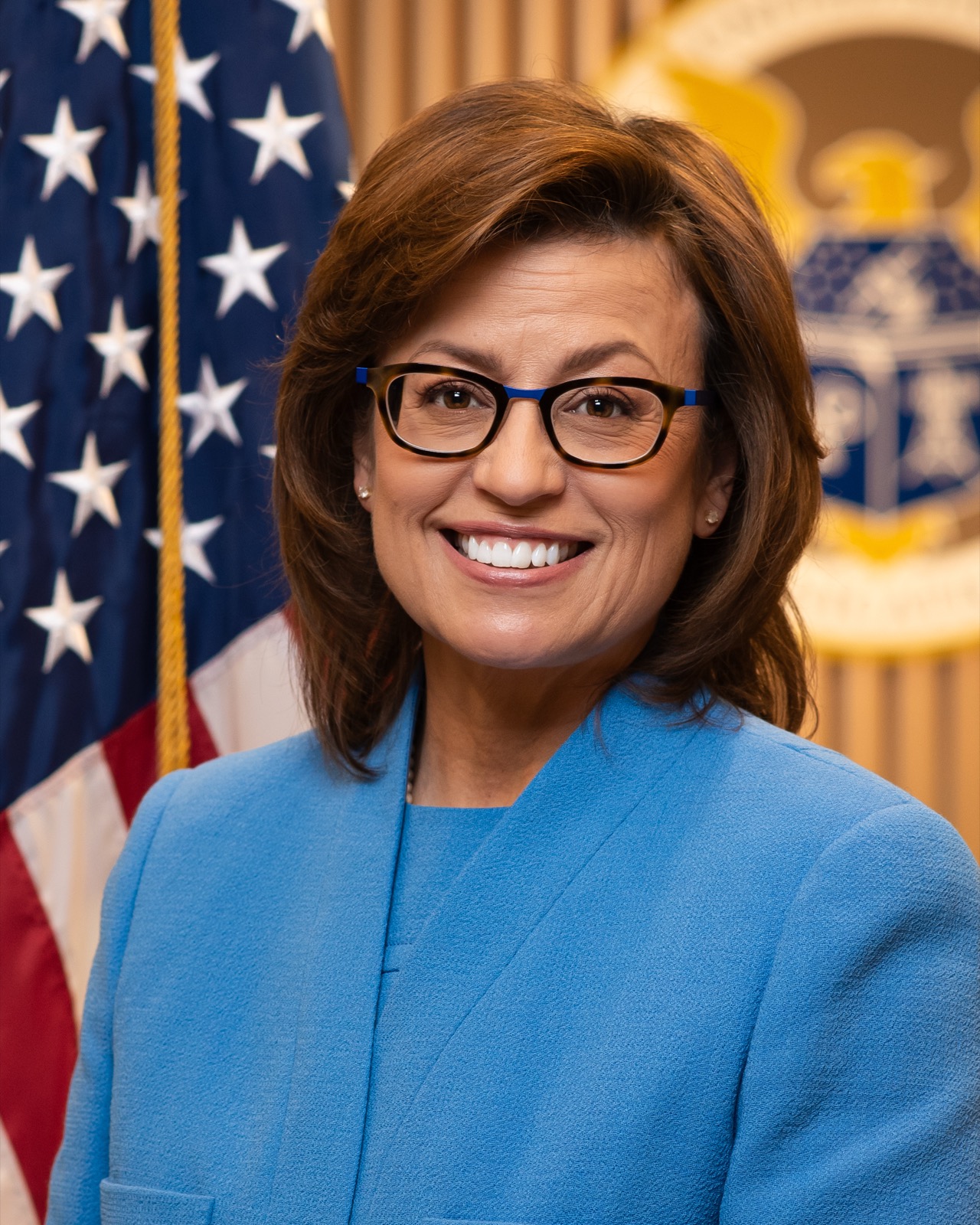 Anna GomezCommissioner of the Federal Communications Commission, in a statement to NBC News
"I recognize the concern shared by others that taxpayer dollars are being used to promote a political message, particularly given the timing of these ads coming so close to an election. While it is not surprising to see the FCC exercise a double standard when it comes to its investigative decisions, I am certain we will hear more about this from folks in Congress, who are ultimately responsible."
CondemnedCase context: Should taxpayers fund Trump's "public service" television ads?
Full statement and sources
In a statement NBC News published on September 30, 2026, FCC Commissioner Anna Gomez said she recognizes the concern shared by others that taxpayer dollars are being used to promote a political message, particularly given the timing of the ads so close to an election. She said it is not surprising to see the FCC exercise a double standard in its investigative decisions and that she is certain we will hear more about this from members of Congress, who she said are ultimately responsible.
Before the statement
Chairman Brendan Carr had told reporters on September 30 that nothing in the ads merits FCC review, and Public Citizen had filed a complaint with the FCC the day before.
After the statement
Reuters separately reported that Gomez criticized the ads and quoted her as saying that the administration has launched an aggressive effort to influence the outcome of the midterm elections. Deadline reported that she told reporters, speaking as a regular citizen and not as an FCC commissioner, that she could see why people think the ads are political ads.
NBC News, September 30, 2026: FCC head says government-funded Trump ads are 'normal' and 'don't raise any red flags' · NBC NewsParagraphs quoting Carr and the statement from Commissioner Anna GomezReuters via KFGO, September 30, 2026: US FCC chair says government ads featuring Trump do not raise concerns · ReutersParagraphs on Carr's remarks and on Commissioner GomezDeadline, September 30, 2026: FCC Chairman Doesn't See Need To Review Trump AdsParagraph quoting Commissioner Anna GomezWhy this label?
The conduct under scrutiny is federal payment for Trump-promoting ads. Gomez says she recognizes the concern that taxpayer dollars are being used to promote a political message, particularly given the timing before an election, and says the FCC applies a double standard in its investigative decisions. Reuters separately reported that she criticized the ads. She does not state a separate evaluation of public payment. The closest competing label is Mixed or conditional; it does not fit because she states no condition and nothing in her statement supports the spending.
This label describes the statement's response within the context above.
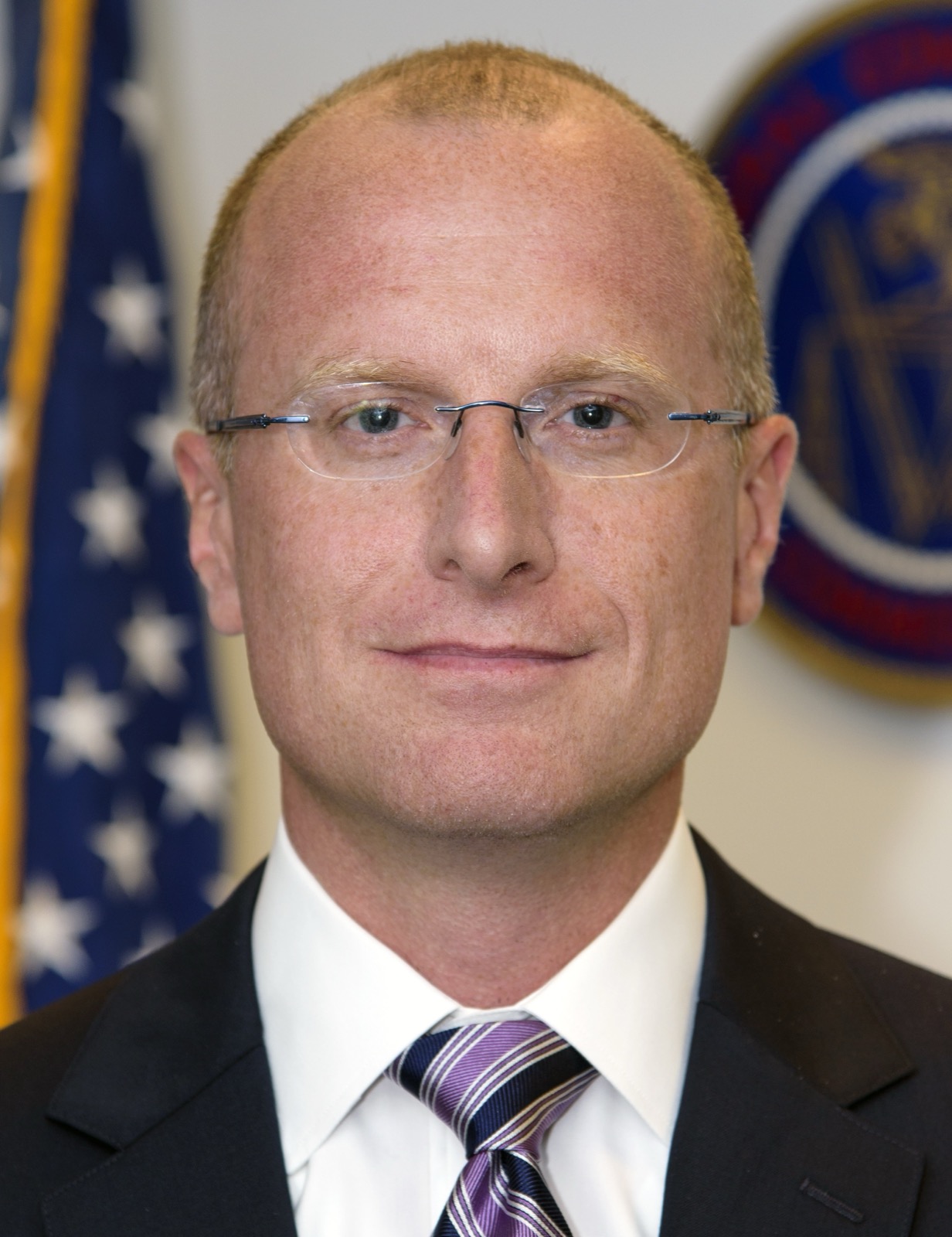 Brendan CarrChairman of the Federal Communications Commission, speaking to reporters
"I don't think there's anything unique or different about it, other than being a normal PSA: the types of PSAs that the government naturally and normally runs."
Defended or excusedCase context: Should taxpayers fund Trump's "public service" television ads?
Full statement and sources
On September 30, 2026, FCC Chairman Brendan Carr was asked by reporters about the taxpayer-funded ads featuring Trump and about the complaint Public Citizen filed with the FCC. As TheWrap reported, he said he sees nothing unique or different about the ads other than that they are normal public service announcements, the types the government naturally and normally runs. NBC News and Reuters reported that he also said nothing in them merits FCC review.
Before the statement
Public Citizen had filed a complaint with the FCC on September 29 urging broadcasters to stop airing the ads, and TheWrap reported that most of the reporters' questions concerned the use of taxpayer money to produce them.
After the statement
NBC News reported that he added that nothing in the ads strikes him as meriting any sort of FCC review.
NBC News, September 30, 2026: FCC head says government-funded Trump ads are 'normal' and 'don't raise any red flags' · NBC NewsParagraphs quoting Carr and the statement from Commissioner Anna GomezTheWrap, September 30, 2026: FCC Chairman Dismisses Concerns About Trump Ads Funded By Taxpayers: 'A Normal PSA'Paragraphs quoting Carr's remarks to reportersReuters via KFGO, September 30, 2026: US FCC chair says government ads featuring Trump do not raise concerns · ReutersParagraphs on Carr's remarks and on Commissioner GomezWhy this label?
The conduct under scrutiny is federal payment for Trump-promoting ads. Carr treats the ads as ordinary government public service announcements and sees nothing unusual in the government running them, which defends the practice. The closest competing label is Challenged the characterization, because he laughed when asked about allegations that the ads are propaganda and said nothing in them merits FCC review; it does not fit because his remarks accept the government's role in producing and running them.
This label describes the statement's response within the context above.
 George WhitesidesU.S. representative from California
"These ads constitute an illegal use of taxpayer funds"
CondemnedCase context: Should taxpayers fund Trump's "public service" television ads?
Full statement and sources
George Whitesides joins a letter alleging that the Trump ads misuse public funds and requesting GAO and OSC investigations.
Before the statement
The letter rejects the White House's public-service description and compares the ads with Trump's campaign material.
After the statement
The lawmakers ask for spending details, a legal decision and an investigation of participating officials.
Raskin and Whitesides request investigations of taxpayer-funded Trump adsPages 1-3: legal allegations; page 4: investigation requests and signaturesWhy this label?
The co-signed letter condemns public payment for the ads and seeks accountability.
This label describes the statement's response within the context above.
 Jamie RaskinU.S. representative and ranking member of the House Judiciary Committee
"These ads constitute an illegal use of taxpayer funds"
CondemnedCase context: Should taxpayers fund Trump's "public service" television ads?
Full statement and sources
Jamie Raskin joins a letter alleging that the Trump ads misuse public funds and requesting GAO and OSC investigations.
Before the statement
The letter rejects the White House's public-service description and compares the ads with Trump's campaign material.
After the statement
The lawmakers ask for spending details, a legal decision and an investigation of participating officials.
Raskin and Whitesides request investigations of taxpayer-funded Trump adsPages 1-3: legal allegations; page 4: investigation requests and signaturesWhy this label?
The co-signed letter condemns public payment for the ads and seeks accountability.
This label describes the statement's response within the context above.
 Shri ThanedarU.S. representative
"This disturbing pattern of redirecting congressionally appropriated funding to advantage one political party must cease immediately."
CondemnedCase context: Should taxpayers fund Trump's "public service" television ads?
Full statement and sources
Shri Thanedar signs a joint letter demanding that DHS stop funding political ads supporting Trump and disclose how the spending was approved.
Before the statement
The letter describes televised Trump ads carrying a U.S. government payment disclaimer and disputes the White House's public-service justification.
After the statement
The signatories demand funding and contract records, communications about approval, and a legal justification by October 7.
House Homeland Security Democrats' September 30 letter on Trump advertising fundsPages 1-2: opposition and records demands; pages 3-4: signaturesWhy this label?
Signing the letter adopts its explicit opposition to public funding for the Trump-promoting ads.
This label describes the statement's response within the context above.
 Timothy M. KennedyU.S. representative
"This disturbing pattern of redirecting congressionally appropriated funding to advantage one political party must cease immediately."
CondemnedCase context: Should taxpayers fund Trump's "public service" television ads?
Full statement and sources
Timothy M. Kennedy signs a joint letter demanding that DHS stop funding political ads supporting Trump and disclose how the spending was approved.
Before the statement
The letter describes televised Trump ads carrying a U.S. government payment disclaimer and disputes the White House's public-service justification.
After the statement
The signatories demand funding and contract records, communications about approval, and a legal justification by October 7.
House Homeland Security Democrats' September 30 letter on Trump advertising fundsPages 1-2: opposition and records demands; pages 3-4: signaturesWhy this label?
Signing the letter adopts its explicit opposition to public funding for the Trump-promoting ads.
This label describes the statement's response within the context above.
 Seth MagazinerU.S. representative
"This disturbing pattern of redirecting congressionally appropriated funding to advantage one political party must cease immediately."
CondemnedCase context: Should taxpayers fund Trump's "public service" television ads?
Full statement and sources
Seth Magaziner signs a joint letter demanding that DHS stop funding political ads supporting Trump and disclose how the spending was approved.
Before the statement
The letter describes televised Trump ads carrying a U.S. government payment disclaimer and disputes the White House's public-service justification.
After the statement
The signatories demand funding and contract records, communications about approval, and a legal justification by October 7.
House Homeland Security Democrats' September 30 letter on Trump advertising fundsPages 1-2: opposition and records demands; pages 3-4: signaturesWhy this label?
Signing the letter adopts its explicit opposition to public funding for the Trump-promoting ads.
This label describes the statement's response within the context above.
 Analilia MejiaU.S. representative
"This disturbing pattern of redirecting congressionally appropriated funding to advantage one political party must cease immediately."
CondemnedCase context: Should taxpayers fund Trump's "public service" television ads?
Full statement and sources
Analilia Mejia signs a joint letter demanding that DHS stop funding political ads supporting Trump and disclose how the spending was approved.
Before the statement
The letter describes televised Trump ads carrying a U.S. government payment disclaimer and disputes the White House's public-service justification.
After the statement
The signatories demand funding and contract records, communications about approval, and a legal justification by October 7.
House Homeland Security Democrats' September 30 letter on Trump advertising fundsPages 1-2: opposition and records demands; pages 3-4: signaturesWhy this label?
Signing the letter adopts its explicit opposition to public funding for the Trump-promoting ads.
This label describes the statement's response within the context above.
 Julie JohnsonU.S. representative
"This disturbing pattern of redirecting congressionally appropriated funding to advantage one political party must cease immediately."
CondemnedCase context: Should taxpayers fund Trump's "public service" television ads?
Full statement and sources
Julie Johnson signs a joint letter demanding that DHS stop funding political ads supporting Trump and disclose how the spending was approved.
Before the statement
The letter describes televised Trump ads carrying a U.S. government payment disclaimer and disputes the White House's public-service justification.
After the statement
The signatories demand funding and contract records, communications about approval, and a legal justification by October 7.
House Homeland Security Democrats' September 30 letter on Trump advertising fundsPages 1-2: opposition and records demands; pages 3-4: signaturesWhy this label?
Signing the letter adopts its explicit opposition to public funding for the Trump-promoting ads.
This label describes the statement's response within the context above.
 Bennie ThompsonU.S. representative and ranking member of the House Homeland Security Committee
"This disturbing pattern of redirecting congressionally appropriated funding to advantage one political party must cease immediately."
CondemnedCase context: Should taxpayers fund Trump's "public service" television ads?
Full statement and sources
Bennie Thompson signs a joint letter demanding that DHS stop funding political ads supporting Trump and disclose how the spending was approved.
Before the statement
The letter describes televised Trump ads carrying a U.S. government payment disclaimer and disputes the White House's public-service justification.
After the statement
The signatories demand funding and contract records, communications about approval, and a legal justification by October 7.
House Homeland Security Democrats' September 30 letter on Trump advertising fundsPages 1-2: opposition and records demands; pages 3-4: signaturesWhy this label?
Signing the letter adopts its explicit opposition to public funding for the Trump-promoting ads.
This label describes the statement's response within the context above.
 Lou CorreaU.S. representative
"This disturbing pattern of redirecting congressionally appropriated funding to advantage one political party must cease immediately."
CondemnedCase context: Should taxpayers fund Trump's "public service" television ads?
Full statement and sources
Lou Correa signs a joint letter demanding that DHS stop funding political ads supporting Trump and disclose how the spending was approved.
Before the statement
The letter describes televised Trump ads carrying a U.S. government payment disclaimer and disputes the White House's public-service justification.
After the statement
The signatories demand funding and contract records, communications about approval, and a legal justification by October 7.
House Homeland Security Democrats' September 30 letter on Trump advertising fundsPages 1-2: opposition and records demands; pages 3-4: signaturesWhy this label?
Signing the letter adopts its explicit opposition to public funding for the Trump-promoting ads.
This label describes the statement's response within the context above.
 Nellie PouU.S. representative
"This disturbing pattern of redirecting congressionally appropriated funding to advantage one political party must cease immediately."
CondemnedCase context: Should taxpayers fund Trump's "public service" television ads?
Full statement and sources
Nellie Pou signs a joint letter demanding that DHS stop funding political ads supporting Trump and disclose how the spending was approved.
Before the statement
The letter describes televised Trump ads carrying a U.S. government payment disclaimer and disputes the White House's public-service justification.
After the statement
The signatories demand funding and contract records, communications about approval, and a legal justification by October 7.
House Homeland Security Democrats' September 30 letter on Trump advertising fundsPages 1-2: opposition and records demands; pages 3-4: signaturesWhy this label?
Signing the letter adopts its explicit opposition to public funding for the Trump-promoting ads.
This label describes the statement's response within the context above.
 Daniel GoldmanU.S. representative
"This disturbing pattern of redirecting congressionally appropriated funding to advantage one political party must cease immediately."
CondemnedCase context: Should taxpayers fund Trump's "public service" television ads?
Full statement and sources
Daniel Goldman signs a joint letter demanding that DHS stop funding political ads supporting Trump and disclose how the spending was approved.
Before the statement
The letter describes televised Trump ads carrying a U.S. government payment disclaimer and disputes the White House's public-service justification.
After the statement
The signatories demand funding and contract records, communications about approval, and a legal justification by October 7.
House Homeland Security Democrats' September 30 letter on Trump advertising fundsPages 1-2: opposition and records demands; pages 3-4: signaturesWhy this label?
Signing the letter adopts its explicit opposition to public funding for the Trump-promoting ads.
This label describes the statement's response within the context above.
 LaMonica McIverU.S. representative
"This disturbing pattern of redirecting congressionally appropriated funding to advantage one political party must cease immediately."
CondemnedCase context: Should taxpayers fund Trump's "public service" television ads?
Full statement and sources
LaMonica McIver signs a joint letter demanding that DHS stop funding political ads supporting Trump and disclose how the spending was approved.
Before the statement
The letter describes televised Trump ads carrying a U.S. government payment disclaimer and disputes the White House's public-service justification.
After the statement
The signatories demand funding and contract records, communications about approval, and a legal justification by October 7.
House Homeland Security Democrats' September 30 letter on Trump advertising fundsPages 1-2: opposition and records demands; pages 3-4: signaturesWhy this label?
Signing the letter adopts its explicit opposition to public funding for the Trump-promoting ads.
This label describes the statement's response within the context above.
 Troy CarterU.S. representative
"This disturbing pattern of redirecting congressionally appropriated funding to advantage one political party must cease immediately."
CondemnedCase context: Should taxpayers fund Trump's "public service" television ads?
Full statement and sources
Troy Carter signs a joint letter demanding that DHS stop funding political ads supporting Trump and disclose how the spending was approved.
Before the statement
The letter describes televised Trump ads carrying a U.S. government payment disclaimer and disputes the White House's public-service justification.
After the statement
The signatories demand funding and contract records, communications about approval, and a legal justification by October 7.
House Homeland Security Democrats' September 30 letter on Trump advertising fundsPages 1-2: opposition and records demands; pages 3-4: signaturesWhy this label?
Signing the letter adopts its explicit opposition to public funding for the Trump-promoting ads.
This label describes the statement's response within the context above.
 Delia RamirezU.S. representative
"This disturbing pattern of redirecting congressionally appropriated funding to advantage one political party must cease immediately."
CondemnedCase context: Should taxpayers fund Trump's "public service" television ads?
Full statement and sources
Delia Ramirez signs a joint letter demanding that DHS stop funding political ads supporting Trump and disclose how the spending was approved.
Before the statement
The letter describes televised Trump ads carrying a U.S. government payment disclaimer and disputes the White House's public-service justification.
After the statement
The signatories demand funding and contract records, communications about approval, and a legal justification by October 7.
House Homeland Security Democrats' September 30 letter on Trump advertising fundsPages 1-2: opposition and records demands; pages 3-4: signaturesWhy this label?
Signing the letter adopts its explicit opposition to public funding for the Trump-promoting ads.
This label describes the statement's response within the context above.
 Al GreenU.S. representative
"This disturbing pattern of redirecting congressionally appropriated funding to advantage one political party must cease immediately."
CondemnedCase context: Should taxpayers fund Trump's "public service" television ads?
Full statement and sources
Al Green signs a joint letter demanding that DHS stop funding political ads supporting Trump and disclose how the spending was approved.
Before the statement
The letter describes televised Trump ads carrying a U.S. government payment disclaimer and disputes the White House's public-service justification.
After the statement
The signatories demand funding and contract records, communications about approval, and a legal justification by October 7.
House Homeland Security Democrats' September 30 letter on Trump advertising fundsPages 1-2: opposition and records demands; pages 3-4: signaturesWhy this label?
Signing the letter adopts its explicit opposition to public funding for the Trump-promoting ads.
This label describes the statement's response within the context above.
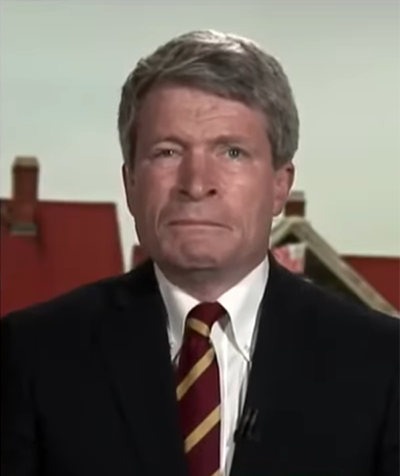 Richard PainterUniversity of Minnesota law professor and former chief White House ethics lawyer
"I just think you’re not going to find any comparison at all"
CondemnedCase context: Should taxpayers fund Trump's "public service" television ads?
Full statement and sources
Painter says the Trump advertisements are clearly propaganda and rejects the comparison with previous presidential administrations' public-service advertising.
Before the statement
FactCheck.org interviewed Painter for its review of the White House's defense.
After the statement
Painter then calls the Trump White House ads "so clearly propaganda" in the interview. Later in the article, FactCheck.org reports his view that Congress could ask to be reimbursed for an improper use of taxpayer funds.
Experts Question the White House's Defense of Taxpayer-Funded AdsOriginal interviews with Richard Painter and John G. GeerWhy this label?
The conduct at issue is using public money for the Trump advertisements. This passage criticizes that use of public funds.
This label describes the statement's response within the context above.
John G. GeerVanderbilt University political scientist "I just think that the ads are different enough so that I personally don’t buy the argument"
Challenged the characterizationCase context: Should taxpayers fund Trump's "public service" television ads?
Full statement and sources
Geer says he does not accept the argument that Trump's advertisements are the same as those of recent presidents. He views the Trump ads as more political and leaves the legal question to the courts.
Before the statement
FactCheck.org asks Geer to compare the administrations' advertisements.
After the statement
Geer leaves the legal issue to the courts.
Experts Question the White House's Defense of Taxpayer-Funded AdsOriginal interviews with Richard Painter and John G. GeerWhy this label?
The conduct at issue is using public money for the Trump advertisements. Geer disputes the comparison with earlier public-service announcements without making a final legal judgment.
This label describes the statement's response within the context above.
 Mark KellyU.S. senator from Arizona
"Trump took taxpayer money meant for border security and used it to fund political TV ads of himself just before an election. Let's call it what it is: corruption."
CondemnedCase context: Should taxpayers fund Trump's "public service" television ads?
Full statement and sources
Mark Kelly calls the use of border-security funds for Trump-promoting television ads corruption.
Before the statement
Kelly posts about the ad spending after reports identified DHS funding.
After the statement
He condemns the use of public money to promote Trump ahead of the election.
Mark Kelly calls taxpayer-funded Trump ads corruption · Mark KellyOriginal post at 5:21 PM EasternWhy this label?
The conduct under scrutiny is federal funding for Trump-promoting ads. Kelly explicitly condemns that spending.
This label describes the statement's response within the context above.
Lisa GilbertCo-president of Public Citizen "These illegal ads should immediately be pulled from the air, and the White House's many apparent violations of the law should be investigated."
CondemnedCase context: Should taxpayers fund Trump's "public service" television ads?
Full statement and sources
Lisa Gilbert condemns the expansion of the advertising, urges broadcasters to remove the spots and calls for an investigation into alleged violations.
Before the statement
Public Citizen announces complaints to federal oversight agencies and broadcasters following another government-funded ad.
After the statement
Gilbert calls the administration's decision to expand the campaign appalling and alarming.
Public Citizen requests action against taxpayer-funded Trump adsOpening account of FCC, FTC, GAO and OSC complaints; Lisa Gilbert quotationWhy this label?
The conduct under scrutiny is federal funding for Trump-promoting ads. Gilbert explicitly condemns the campaign and demands its removal.
This label describes the statement's response within the context above.
 James WalkinshawU.S. representative from Virginia
"We need a full investigation, with everyone who signed off on this answering under oath."
CondemnedCase context: Should taxpayers fund Trump's "public service" television ads?
Full statement and sources
James Walkinshaw rejects the description of the spots as public-service announcements, alleges unlawful political advertising and calls for a full investigation.
Before the statement
Walkinshaw says DHS money is being used for ads promoting Trump and cites similarities with a 2024 campaign ad.
After the statement
He calls for sworn testimony from those who approved the spending.
James Walkinshaw calls for investigation of DHS-funded Trump ads · James WalkinshawComplete statement beginning with criticism of using DHS tax dollars for political TV adsWhy this label?
The conduct under scrutiny is federal funding for Trump-promoting ads. Walkinshaw condemns the spending and demands investigation.
This label describes the statement's response within the context above.
 Henry CuellarU.S. representative from Texas; ranking member of the House Homeland Security Appropriations Subcommittee
"When Democrats reclaim control of Congress next year, the House Appropriations Committee will work to uncover and reverse misuses of taxpayer money like this and hold those who abused their power accountable."
CondemnedCase context: Should taxpayers fund Trump's "public service" television ads?
Full statement and sources
Henry Cuellar and Rosa DeLauro condemn the use of CBP resources for political ads and pledge to investigate and reverse what they call misuse of taxpayer funds.
Before the statement
Cuellar co-signs the joint statement about the administration's use of border-agency funding.
After the statement
The statement connects the ad spending to resources provided through the One Big Beautiful Bill Act.
DeLauro and Cuellar oppose using CBP resources for Trump adsJoint statement and final paragraph describing the September 19 funding moveWhy this label?
The conduct under scrutiny is federal funding for Trump-promoting ads. Cuellar rejects the spending and seeks accountability.
This label describes the statement's response within the context above.
 Rosa L. DeLauroU.S. representative from Connecticut; House Appropriations Committee ranking member
"When Democrats reclaim control of Congress next year, the House Appropriations Committee will work to uncover and reverse misuses of taxpayer money like this and hold those who abused their power accountable."
CondemnedCase context: Should taxpayers fund Trump's "public service" television ads?
Full statement and sources
Rosa DeLauro and Henry Cuellar criticize using CBP resources for Trump's political ads and promise oversight and efforts to reverse the spending.
Before the statement
DeLauro joins Cuellar in a statement identifying CBP funding as the source of the ad campaign.
After the statement
The release says OMB moved $20 million for the purpose on September 19.
DeLauro and Cuellar oppose using CBP resources for Trump adsJoint statement and final paragraph describing the September 19 funding moveWhy this label?
The conduct under scrutiny is federal funding for Trump-promoting ads. DeLauro calls it misuse and promises to reverse it.
This label describes the statement's response within the context above.
 Chuck SchumerSenate Democratic leader; U.S. senator from New York
"I am calling on the White House to explain this great, blatantly corrupt, and egregious abuse of taxpayer dollars immediately."
CondemnedCase context: Should taxpayers fund Trump's "public service" television ads?
Full statement and sources
Chuck Schumer calls the ads propaganda and demands that the White House explain the funding and who approved them.
Before the statement
Schumer discusses the expanding television campaign in his Senate floor remarks.
After the statement
He asks which agency funded the ads and whether Trump was personally involved.
Senate debate over federal funding for Trump television adsPrinted pages S5134 and S5150-S5151; Schumer remarks and Hassan-Lummis exchange over S. Res. 921Why this label?
The conduct under scrutiny is federal funding for Trump-promoting ads. Schumer condemns that use of tax dollars and seeks an explanation.
This label describes the statement's response within the context above.
 Margaret Wood HassanU.S. senator from New Hampshire
"It just tells the President that he is wrong, that these ads need to be pulled down, and that they should not be paid for with taxpayer dollars."
CondemnedCase context: Should taxpayers fund Trump's "public service" television ads?
Full statement and sources
Maggie Hassan seeks a Senate resolution against public funding for the ads. She says Trump can fund his own political messages but should not charge taxpayers.
Before the statement
Hassan introduces S. Res. 921 and requests immediate consideration and adoption by unanimous consent.
After the statement
After Lummis objects, Hassan renews her criticism and disputes the White House's public-service explanation.
Senate debate over federal funding for Trump television adsPrinted pages S5134 and S5150-S5151; Schumer remarks and Hassan-Lummis exchange over S. Res. 921Why this label?
The conduct under scrutiny is federal funding for Trump-promoting ads. Hassan explicitly opposes taxpayer payment and calls for the spots to stop.
This label describes the statement's response within the context above.
 Jack ReedU.S. senator from Rhode Island
"It is an offensive abuse of power and a waste of taxpayer funds by a President who incorrectly believes he is above the law."
CondemnedCase context: Should taxpayers fund Trump's "public service" television ads?
Full statement and sources
Jack Reed calls the advertising an abuse of power and waste of public funds. He requests an independent GAO investigation.
Before the statement
Reed criticizes the expansion of the government's Trump-promoting television campaign.
After the statement
He argues that the president's political operation can pay for political advertising and that government funds should not serve that purpose.
Jack Reed criticizes taxpayer-funded Trump ads and requests a GAO investigation · Jack ReedReed's first quotation and later request for an independent GAO investigationWhy this label?
The conduct under scrutiny is federal funding for Trump-promoting ads. Reed explicitly condemns the spending and requests investigation.
This label describes the statement's response within the context above.
 Chris MurphyU.S. senator from Connecticut; ranking member of the Senate Homeland Security Appropriations Subcommittee
"These ads need to immediately come off the air, taxpayers need to be paid back for this theft, and everyone responsible needs to be held accountable for this corrupt and illegal propaganda."
CondemnedCase context: Should taxpayers fund Trump's "public service" television ads?
Full statement and sources
Chris Murphy and Patty Murray demand an end to the advertising and repayment to taxpayers. Their letter asks who approved the spending and whether counsel or ethics officials reviewed it.
Before the statement
Murphy co-signs the oversight letter to DHS Secretary Markwayne Mullin.
After the statement
The requested records include contracts, spending details, presidential direction and legal opinions.
Murray and Murphy demand answers about DHS-funded Trump adsPages 1-3; opening criticism, spending figures, six questions and signaturesWhy this label?
The conduct under scrutiny is federal funding for Trump-promoting ads. Murphy condemns that use of public money and seeks accountability.
This label describes the statement's response within the context above.
 Patty MurrayU.S. senator from Washington; Senate Appropriations Committee vice chair
"These ads need to immediately come off the air, taxpayers need to be paid back for this theft, and everyone responsible needs to be held accountable for this corrupt and illegal propaganda."
CondemnedCase context: Should taxpayers fund Trump's "public service" television ads?
Full statement and sources
Patty Murray and Chris Murphy demand that the ads stop, taxpayers be reimbursed and DHS disclose funding, contracts and legal advice. They allege unlawful use of public money.
Before the statement
Murray co-signs a letter to Homeland Security Secretary Markwayne Mullin questioning the department's role in the advertising.
After the statement
The letter requests answers within 48 hours and separates the reported funding commitment from estimated airtime costs.
Murray and Murphy demand answers about DHS-funded Trump adsPages 1-3; opening criticism, spending figures, six questions and signaturesWhy this label?
The conduct under scrutiny is federal funding for Trump-promoting ads. Murray explicitly rejects that spending and demands reimbursement.
This label describes the statement's response within the context above.
 Cynthia LummisU.S. senator from Wyoming
"Presidents of both parties have used public service announcements to speak directly to the American people for decades."
Defended or excusedCase context: Should taxpayers fund Trump's "public service" television ads?
Full statement and sources
Cynthia Lummis defends the ads as patriotic messaging, compares them with earlier presidents' public-information campaigns and objects to Hassan's resolution against federal payment.
Before the statement
Hassan asks for unanimous consent to adopt S. Res. 921, which says the ads should not be paid for by the government.
After the statement
Lummis calls for committee consideration and a common standard for all administrations. Her objection prevents immediate adoption.
Senate debate over federal funding for Trump television adsPrinted pages S5134 and S5150-S5151; Schumer remarks and Hassan-Lummis exchange over S. Res. 921Why this label?
The conduct under scrutiny is federal funding for Trump-promoting ads. Lummis supplies a substantive justification and blocks the effort to reject public payment.
This label describes the statement's response within the context above.
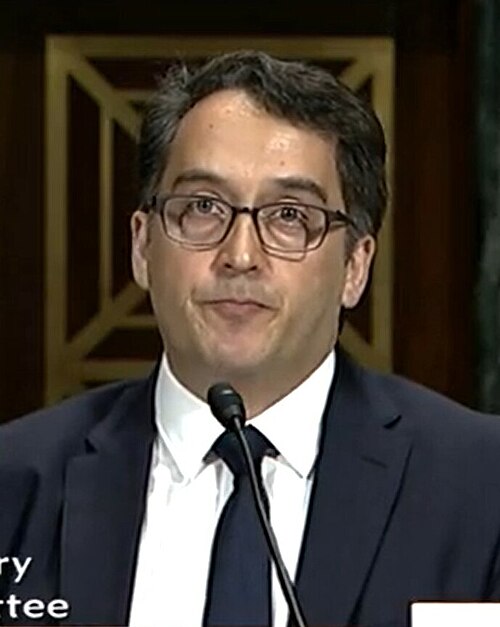 Ryan GoodmanFormer Defense Department special counsel
"if executive officials use public funds that have not been appropriated, it's a crime."
CondemnedCase context: Should taxpayers fund Trump's "public service" television ads?
Full statement and sources
Goodman tells Erin Burnett that under the Antideficiency Act, it is a crime if executive officials use public funds that have not been appropriated. He offers it as his last point in arguing that the ads are clearly unlawful.
Before the statement
Burnett asks whether there is any question about the legality of White House staff making the ads. Goodman says there is not, rates the clarity at 9.5 or 10 out of 10 and cites the Hatch Act and an appropriations rider that bars spending on publicity or propaganda.
After the statement
Asked whether he is at 10 out of 10 on the question, Goodman answers, "Ten out of 10."
Legal expert slams Trump's taxpayer-funded ads as illegal - CNNRyan Goodman interview description and 2:15 videoErin Burnett OutFront transcript, Sept. 28, 2026: Ryan Goodman on Trump's taxpayer-funded ads · CNNBurnett's panel with Ryan Goodman, about 7:05 to 7:10 p.m. ETWhy this label?
The reference point is federal payment for the ads. On its own, the sentence is a conditional statement of what the Antideficiency Act says. In the full CNN segment, Goodman offers it as his last point after saying it is clear the ads break the law, and he then confirms he is at 10 out of 10. He leaves no condition open, so we labeled it Condemned rather than Mixed or conditional.
This label describes the statement's response within the context above.
Virginia CanterDemocracy Defenders Fund ethics attorney "The principle is clear: no president should be able to raid the Treasury for his own political goals or glorification."
CondemnedCase context: Should taxpayers fund Trump's "public service" television ads?
Full statement and sources
Canter coauthors a legal critique arguing that the ads are partisan promotion and that public money should not fund a president's political goals.
Before the statement
The piece, signed by Richard Painter, Virginia Canter, Christopher Swartz and Norm Eisen, argues that the ads appear to violate appropriations limits on publicity and propaganda and that officials who spend taxpayer money on them risk violating the Purpose Statute and the Antideficiency Act.
After the statement
The authors go on to say that ads serving no purpose beyond partisan messaging and propaganda have no role in governing, and that government power should never be used to entrench political propaganda.
Trump Goes Full-OrwellJoint byline and paragraphs beginning "These videos" and "The principle is clear"Why this label?
The conduct at issue is using public money for the Trump advertisements. This passage criticizes that use of public funds.
This label describes the statement's response within the context above.
Christopher J. SwartzDemocracy Defenders Fund ethics attorney "The principle is clear: no president should be able to raid the Treasury for his own political goals or glorification."
CondemnedCase context: Should taxpayers fund Trump's "public service" television ads?
Full statement and sources
Swartz coauthors a legal critique arguing that the ads are partisan promotion and that public money should not fund a president's political goals.
Before the statement
The piece, signed by Richard Painter, Virginia Canter, Christopher Swartz and Norm Eisen, argues that the ads appear to violate appropriations limits on publicity and propaganda and that officials who spend taxpayer money on them risk violating the Purpose Statute and the Antideficiency Act.
After the statement
The authors go on to say that ads serving no purpose beyond partisan messaging and propaganda have no role in governing, and that government power should never be used to entrench political propaganda.
Trump Goes Full-OrwellJoint byline and paragraphs beginning "These videos" and "The principle is clear"Why this label?
The conduct at issue is using public money for the Trump advertisements. This passage criticizes that use of public funds.
This label describes the statement's response within the context above.
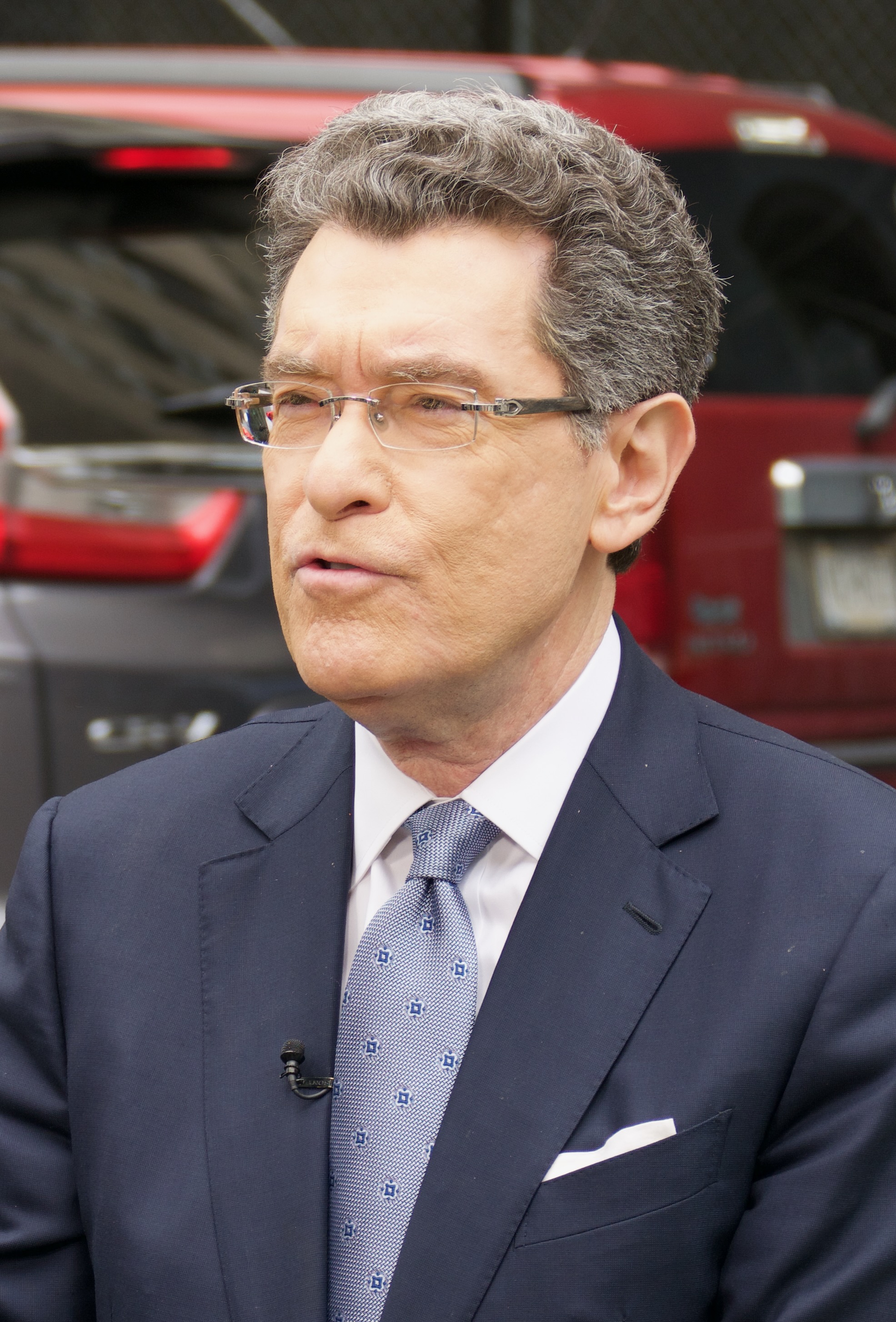 Norm EisenFormer White House ethics counsel and Democracy Defenders Fund co-founder
"So these two advertisements are so obviously political, coming in campaign season. One of them is actually a recycle of a political ad. There's no question here. The law is violated."
CondemnedCase context: Should taxpayers fund Trump's "public service" television ads?
Full statement and sources
Eisen tells NPR that the timing and political content of the ads violate restrictions on public spending. He points to the reuse of a campaign advertisement.
Before the statement
Leila Fadel asks Eisen to walk through the legal concerns. He begins by saying Congress has passed multiple laws against using taxpayer money for political or propaganda ads.
After the statement
Asked about the White House's defense that Trump is not on the ballot and the ads do not explicitly ask viewers to do anything, Eisen calls it "so ridiculous" and says the timing, content and reuse of an old political ad put them against the law.
Taxpayer-funded Trump administration ads raise ... - NPRTranscript: Eisen answers the first question about legal concernsWhy this label?
The conduct at issue is using public money for the Trump advertisements. This passage criticizes that use of public funds.
This label describes the statement's response within the context above.
 Campaign Legal CenterNonpartisan legal advocacy organization, statement issued by its senior legal counsel for ethics
"At a minimum, this is an appalling abuse of taxpayer dollars, particularly when hundreds of millions of private dollars are already flowing into U.S. elections"
CondemnedCase context: Should taxpayers fund Trump's "public service" television ads?
Full statement and sources
In a statement dated September 28, 2026, Margaret Dylus-Yukins, senior legal counsel for ethics at Campaign Legal Center, said federal law prohibits taxpayer resources from being used for the benefit of a candidate, political party or public official. She said the ads almost entirely revolve around Trump, that it is difficult to see what legitimate government purpose they serve, and that the spending is an appalling abuse of taxpayer dollars.
Before the statement
The statement responds to a series of ads featuring Trump and labeled Paid for by the U.S. Government that began airing in late September 2026.
After the statement
The statement says the organization does not know which agency paid to produce and place the ads. Reports the next day said Customs and Border Protection money paid for them.
Campaign Legal Center, September 28, 2026: CLC's Margaret Dylus-Yukins on Recent Political Ads Featuring the President · Campaign Legal CenterPress release, the statement's closing paragraphWhy this label?
The conduct under scrutiny is federal payment for Trump-promoting ads. Campaign Legal Center calls the spending an appalling abuse of taxpayer dollars and says it is difficult to see a legitimate government purpose, which rejects public payment for the ads.
This label describes the statement's response within the context above.
 Ro KhannaU.S. representative from California
"The more they want to put President Trump on television, the happier I am. Obviously, it's an ethics violation. But here's my advice, go spend as much money as you want putting Donald Trump on T.V."
CondemnedCase context: Should taxpayers fund Trump's "public service" television ads?
Full statement and sources
Khanna said the more the White House wants to put Trump on television, the happier he is, called it an ethics violation, and advised the White House to spend as much as it wants putting Trump on television.
Before the statement
CNN's Anderson Cooper introduced the clip by saying Khanna had no problem with the ads, and CNN reported that Trump had a direct role in them. CNN aired the clip on September 28 and does not give the date it was recorded.
After the statement
Khanna asked the White House to put Trump on television all over America.
Ro Khanna on publicly funded Trump ads, CNN, September 28, 2026 · CNNOpening ads segment: Ro Khanna's recorded remarks before David Urban's interviewWhy this label?
The conduct under scrutiny is federal payment for Trump-promoting ads. Khanna calls the taxpayer-funded ads an ethics violation, which rejects the use of public money, and says he welcomes their political effect. The closest competing label is Mixed or conditional; it does not fit because welcoming the ads' political effect does not defend the payment.
This label describes the statement's response within the context above.
- Norm EisenLawyer at Democracy Defenders Action for Christian Berishaj, who performs as JMSN
"The Advertisement appears to violate appropriations laws prohibiting the use of funds for "publicity or propaganda purposes within the United States""
CondemnedCase context: Should taxpayers fund Trump's "public service" television ads?
Full statement and sources
A letter signed by Norman Eisen of Democracy Defenders Action and Ballard Spahr lawyers for the artist JMSN says the ad appears to violate appropriations and other federal laws on the use of taxpayer money. The letter also demands that the government stop using the artist's song and withdraw the ad.
Before the statement
The letter objects to the ad's use of Love Me without the artist's permission.
After the statement
It cites appropriations restrictions and other federal laws, demands an accounting, and reserves legal remedies.
JMSN cease-and-desist letter to the White House, September 28, 2026Page 2: taxpayer-funding objections; page 3: Norm Eisen's signatureWhy this label?
The conduct under scrutiny is federal payment for Trump-promoting ads. The letter says the ad appears to violate appropriations law and describes it as an overtly partisan, political advertisement, which rejects public payment for it.
This label describes the statement's response within the context above.
 Mike RoundsU.S. senator from South Dakota
"It would not have been something that I would have done. And I know that the White House is not covered by the same guidance that we are, but it's not something that I would have done"
CondemnedCase context: Should taxpayers fund Trump's "public service" television ads?
Full statement and sources
Rounds said the taxpayer-funded ads were not something he would have done, noting that the White House is not covered by the same guidance as Congress.
Before the statement
AP reported Republican criticism of the ads on Monday, after Senate Majority Leader John Thune said they should not be paid for with taxpayer dollars.
After the statement
Rounds said the White House is not covered by the same guidance as Congress. In AP's account he did not say the spending was unlawful.
Mike Rounds responds to taxpayer-funded Trump advertisements · Associated PressOpening paragraphs: Mike Rounds's response to the adsWhy this label?
The conduct under scrutiny is federal payment for Trump-promoting ads. Rounds says the ads are not something he would have done, which rejects the choice, while adding that the White House is not covered by the same guidance as Congress. The closest competing label is Mixed or conditional; it does not fit because he states no condition under which he would accept the spending.
This label describes the statement's response within the context above.
 Thom TillisU.S. senator from North Carolina
"And what most didn't make sense to me, it was paid for by taxpayer dollars."
CondemnedCase context: Should taxpayers fund Trump's "public service" television ads?
Full statement and sources
Tillis said he disliked the ad he saw during an NFL game, that it was not a clear public service announcement, and that it made no sense to him that it was paid for with taxpayer dollars.
Before the statement
Roll Call quoted Tillis on the ads among Republican responses.
After the statement
Tillis distinguished the spots from advertisements carrying a clear public-service message.
Lawmakers cry foul over publicly funded Trump TV ads · Roll CallParagraphs quoting John Thune and Thom TillisWhy this label?
The conduct under scrutiny is federal payment for Trump-promoting ads. Tillis says that what made the least sense to him was that taxpayers paid for the spot, which rejects public payment. The closest competing label is Mixed or conditional, because he says a clear public service announcement would be fine; it does not fit because he says this ad was not one.
This label describes the statement's response within the context above.
 John ThuneSenate majority leader; U.S. senator from South Dakota
"It's a great message. I like the message. But it shouldn't be paid for with taxpayer dollars."
CondemnedCase context: Should taxpayers fund Trump's "public service" television ads?
Full statement and sources
John Thune approves the ads' message but opposes paying for them with taxpayer dollars.
Before the statement
Thune comments to reporters about the government-funded ads, as quoted by Roll Call.
After the statement
His objection concerns public payment rather than the message itself.
Lawmakers cry foul over publicly funded Trump TV ads · Roll CallParagraphs quoting John Thune and Thom TillisWhy this label?
The conduct under scrutiny is federal funding for Trump-promoting ads. Thune rejects that funding; liking the message does not defend the spending.
This label describes the statement's response within the context above.
 Thomas MassieU.S. representative from Kentucky
"Don’t worry, using taxpayer dollars to run ominous campaign ads of the President has been done before and is completely legal… in banana republics."
CondemnedCase context: Should taxpayers fund Trump's "public service" television ads?
Full statement and sources
Thomas Massie criticizes government payment for Trump-promoting television ads by comparing it to conduct in banana republics.
Before the statement
Massie quotes Medium Buying's post identifying a government-funded ad airing nationally on Fox.
After the statement
The post quotes Medium Buying's post noting that the government-funded spot aired nationally on Fox during a college football game and Fox News Sunday.
Thomas Massie criticizes taxpayer-funded Trump ads on XOriginal post, September 27, 7:57 PM Eastern; quoted Medium Buying postWhy this label?
The comparison and sarcasm condemn the spending rather than endorse its legality.
This label describes the statement's response within the context above.
 John KennedyU.S. senator from Louisiana
"I don't think any public official, including President Trump or Kristi Noem or John Kennedy, should spend public money on – on private ads for themselves."
CondemnedCase context: Should taxpayers fund Trump's "public service" television ads?
Full statement and sources
Kennedy said public officials, including Trump, should not use public money for personal ads.
Before the statement
Brennan asked about government-paid ads featuring Trump after Kennedy's earlier criticism of DHS ads featuring Kristi Noem.
After the statement
Kennedy said there should be a rule against public funding for self-promotion and thought one probably already existed.
John Kennedy on Face the Nation, September 27, 2026 · CBS NewsJohn Kennedy interview: Margaret Brennan's question about taxpayer-funded advertisementsWhy this label?
Kennedy expressly rejects taxpayer payment for personal promotion, the spending questioned in this case.
This label describes the statement's response within the context above.
 Steven CheungWhite House communications director
"Don't let the Fake News get away with their lies about our epic Public Service Announcements that have been running on tv."
Defended or excusedCase context: Should taxpayers fund Trump's "public service" television ads?
Full statement and sources
Steven Cheung defends the television spots as public-service announcements and directs readers to the White House's justification.
Before the statement
Cheung responds to news coverage and criticism of the taxpayer-funded spots.
After the statement
His post links the September 25 statement defending government advertising as patriotic public education.
Steven Cheung defends the administration's public-service announcements · Steven CheungOriginal post at 1:05 PM Eastern and attached White House releasePresidential Public Service Announcements Are Nothing New · The White HouseOpening paragraph, historical comparisons and closing paragraphWhy this label?
The conduct under scrutiny is federal funding for Trump-promoting ads. Cheung endorses the administration's justification for the campaign.
This label describes the statement's response within the context above.
 Steny HoyerU.S. representative and ranking member of the House Financial Services and General Government Appropriations Subcommittee
"You cannot use taxpayer dollars for political advertisements."
CondemnedCase context: Should taxpayers fund Trump's "public service" television ads?
Full statement and sources
Steny Hoyer joins three fellow appropriators in demanding that the White House withdraw the Trump-promoting ad and account for its cost.
Before the statement
The lawmakers' letter calls the ad an illegal misuse of tax dollars and disputes its public-service purpose.
After the statement
They request an end to airing, a spending breakdown and discipline for federal employees who knowingly violated the law.
Hoyer and fellow appropriators demand removal of the taxpayer-funded Trump adSeptember 24 release and reproduced letter to Susie WilesWhy this label?
Hoyer joins an explicit demand to stop taxpayer-funded political advertising.
This label describes the statement's response within the context above.
 Jacky RosenU.S. senator from Nevada
"Donald Trump cut funding for health care, food assistance, and countless other programs Nevada families rely on, while at the same time burning through taxpayer dollars on campaign ads featuring himself,"
CondemnedCase context: Should taxpayers fund Trump's "public service" television ads?
Full statement and sources
Jacky Rosen calls the taxpayer-funded Trump ads wasteful and proposes banning presidential and vice-presidential self-promoting ads paid for with public money.
Before the statement
Rosen contrasts spending on the ads with cuts to programs that Nevada families use.
After the statement
She continued, "Nevadans are sick and tired of this crap," and said she introduced an amendment to expand her No Self-Promotion with Public Dollars Act to cover the president and vice president.
Rosen introduces amendment against taxpayer-funded presidential self-promotionSeptember 24 release: Rosen quotation and proposed amendmentWhy this label?
Rosen opposes spending public money on the ads and proposes a legislative ban.
This label describes the statement's response within the context above.
Sources
(61)
Official statement
Presidential Public Service Announcements Are Nothing New
Relevant passage: Opening paragraph, historical comparisons and closing paragraph
About this source
The White House defends the television spots as patriotic public-service announcements, citing the absence of a ballot candidacy or call to action.
- Published
- Accessed
Interview
Erin Burnett OutFront transcript, Sept. 28, 2026: Ryan Goodman on Trump's taxpayer-funded ads
Relevant passage: Burnett's panel with Ryan Goodman, about 7:05 to 7:10 p.m. ET
About this source
CNN rush transcript of Erin Burnett OutFront, which aired September 28, 2026. Burnett asks Ryan Goodman whether there is any question about the legality of the White House making the ads. CNN says the transcript may be updated.
- Author
- Erin Burnett OutFront
- Published
- Accessed
Analysis
Congress is freeing Trump of the limited legal requirements left on him by the Supreme Court
Relevant passage: Section: When Congress stops defending its laws
About this source
Stephanie Martin uses the advertisement litigation to discuss congressional oversight and the practical obstacles faced by outside plaintiffs.
- Author
- Stephanie A. Martin
- Published
- Accessed
Analysis
Trump Goes Full-Orwell
Relevant passage: Joint byline and paragraphs beginning "These videos" and "The principle is clear"
About this source
Joint legal commentary by Richard Painter, Virginia Canter, Christopher Swartz and Norm Eisen.
- Author
- Richard W. Painter, Virginia R. Canter, Christopher J. Swartz and Norman L. Eisen
- Published
- Accessed
Interview
Taxpayer-funded Trump administration ads raise ... - NPR
Relevant passage: Transcript: Eisen answers the first question about legal concerns
About this source
NPR Morning Edition interview with Norm Eisen, including his response to the White House's comparison with earlier public-service advertisements.
- Author
- Leila Fadel
- Published
- Accessed
Interview
Legal expert slams Trump's taxpayer-funded ads as illegal - CNN
Law professor Ryan Goodman on the administration's taxpayer-funded ads, on CNN, Sept. 28, 2026.
Excerpt from 0:59 to 1:44 of the CNN video. DI added its logo in the corner.
Video: CNN. Excerpt used for news reporting and commentary
Watch the full original video (opens in a new tab) (relevant passage: Ryan Goodman interview description and 2:15 video)
About this source
CNN identifies Ryan Goodman as a former Defense Department special counsel and quotes his legal objection.
- Author
- Austin Mabeus
- Published
- Accessed
Reporting
Experts Question the White House's Defense of Taxpayer-Funded Ads
Relevant passage: Original interviews with Richard Painter and John G. Geer
About this source
FactCheck.org compares the White House advertisements with the earlier administrations cited in their defense.
- Author
- D'Angelo Gore, Robert Farley and Lori Robertson
- Published
- Accessed
Original text
Holly Mehringer declaration concerning the October advertising airings
Relevant passage: Common Cause v. Department of Homeland Security, No. 1:26-cv-08882
About this source
Filed document in the challenge to federal spending on television advertisements featuring President Trump.
- Author
- Counsel in Common Cause v. Department of Homeland Security
- Published
- Accessed
Original text
Plaintiffs move to compel discovery about advertising production and funding
Relevant passage: Common Cause v. Department of Homeland Security, No. 1:26-cv-08882
About this source
Filed document in the challenge to federal spending on television advertisements featuring President Trump.
- Author
- Counsel in Common Cause v. Department of Homeland Security
- Published
- Accessed
Original text
Government submits a supplemental declaration concerning advertising airings
Relevant passage: Common Cause v. Department of Homeland Security, No. 1:26-cv-08882
About this source
Filed document in the challenge to federal spending on television advertisements featuring President Trump.
- Author
- Counsel in Common Cause v. Department of Homeland Security
- Published
- Accessed
Original text
Government status report asserting compliance with the advertising restraint
Relevant passage: Common Cause v. Department of Homeland Security, No. 1:26-cv-08882
About this source
Filed document in the challenge to federal spending on television advertisements featuring President Trump.
- Author
- Counsel in Common Cause v. Department of Homeland Security
- Published
- Accessed
Original text
Plaintiffs notify the court of advertisements they say aired after its order
Relevant passage: Common Cause v. Department of Homeland Security, No. 1:26-cv-08882
About this source
Filed document in the challenge to federal spending on television advertisements featuring President Trump.
- Author
- Counsel in Common Cause v. Department of Homeland Security
- Published
- Accessed
Original text
Order extending the restraint to November 20 and moving the hearing to November 13
Relevant passage: Common Cause v. Department of Homeland Security, No. 1:26-cv-08882
About this source
Filed document in the challenge to federal spending on television advertisements featuring President Trump.
- Author
- United States District Court for the Southern District of New York
- Published
- Accessed
Original text
Order extending the restraint and authorizing expedited discovery
Relevant passage: Common Cause v. Department of Homeland Security, No. 1:26-cv-08882
About this source
Filed document in the challenge to federal spending on television advertisements featuring President Trump.
- Author
- United States District Court for the Southern District of New York
- Published
- Accessed
Original text
Opinion explaining the temporary restraining order and spending stay
Relevant passage: Common Cause v. Department of Homeland Security, No. 1:26-cv-08882
About this source
Filed document in the challenge to federal spending on television advertisements featuring President Trump.
- Author
- United States District Court for the Southern District of New York
- Published
- Accessed
Original text
Order granting a temporary restraining order and spending stay
Relevant passage: Common Cause v. Department of Homeland Security, No. 1:26-cv-08882
About this source
Filed document in the challenge to federal spending on television advertisements featuring President Trump.
- Author
- United States District Court for the Southern District of New York
- Published
- Accessed
Official statement
Common Cause coalition announces suit challenging taxpayer-funded Trump ads
Relevant passage: Opening description of Common Cause et al. v. DHS et al.; Virginia Kase Solomon quotation
About this source
Counsel announces a suit seeking to stop public financing of the ads. Common Cause's president states the organization's objection. The release presents plaintiffs' allegations rather than court findings.
- Author
- Democracy Forward
- Published
- Accessed
Original text
DNC complaint challenging public financing of Trump ads
Relevant passage: Case 1:26-cv-03506, document 1, filed October 7; pages 1-3 and prayer for relief
About this source
The DNC seeks declaratory and injunctive relief against the ads. Claims of unlawful spending and continued broadcasts are allegations in the complaint.
- Author
- Democratic National Committee
- Published
- Accessed
Analysis
Corke and Robinson call for reimbursement and congressional oversight of Trump ads
Relevant passage: Column opening and paragraph beginning But selective, carefully worded critiques
About this source
The authors argue that a change in future funding does not resolve past spending and call for reimbursement, hearings and document review. These are their legal and political assessments.
- Author
- Susan Corke and Jenice R. Robinson; The Progressive
- Published
- Accessed
Emailed statement
Emailed reply from the Department of Homeland Security to Dispute Index on the Trump ads
Emailed reply from the Department of Homeland Security to Dispute Index on the Trump ads
We refer you to the White House. DHS SPOX: DHS responds to official correspondence through official channels.
Full email
We refer you to the White House. DHS SPOX: DHS responds to official correspondence through official channels.
Relevant passage: Emailed reply from the DHS media inquiry office, October 6, 2026 (UTC).
Excerpt
"We refer you to the White House."
About this source
Reply from the DHS media inquiry office to a Dispute Index request for comment, sent October 6, 2026. It refers questions to the White House and includes a one-line statement attributed to a DHS spokesperson.
- Author
- U.S. Department of Homeland Security
- Published
- Accessed
Reporting
Deadline, September 30, 2026: FCC Chairman Doesn't See Need To Review Trump Ads
Relevant passage: Paragraph quoting Commissioner Anna Gomez
Excerpt
"Anna Gomez, the sole Democrat on the FCC, told reporters that "as a regular citizen, not as an FCC commissioner, I can see why people are thinking that these ads are political ads""
About this source
Deadline's report of the FCC news conference on September 30. It quotes Chairman Brendan Carr and Commissioner Anna Gomez, who it says spoke as a regular citizen and not as an FCC commissioner.
- Author
- Ted Johnson
- Published
- Accessed
Official statement
Campaign Legal Center, September 28, 2026: CLC's Margaret Dylus-Yukins on Recent Political Ads Featuring the President
Relevant passage: Press release, the statement's closing paragraph
Excerpt
"At a minimum, this is an appalling abuse of taxpayer dollars, particularly when hundreds of millions of private dollars are already flowing into U.S. elections"
About this source
The organization's press release, dated September 28, 2026, giving a statement from Margaret Dylus-Yukins, its senior legal counsel for ethics. The statement says the organization does not know which agency paid to produce and place the ads.
- Author
- Campaign Legal Center
- Published
- Accessed
Reporting
The Washington Post via The Spokesman-Review, October 1, 2026: Campaign-style Trump ads use money meant for border security, memorials
Relevant passage: Paragraph on the White House spokesperson and the DHS spokesperson
Excerpt
"A DHS spokesperson said the agency makes contracting decisions in accordance with applicable laws."
About this source
The Washington Post's report as carried by The Spokesman-Review. It says a White House spokesperson who did not identify themself described the ads as educational and patriotic and referred questions to the Office of Management and Budget and DHS, and that a DHS spokesperson said the agency makes contracting decisions in accordance with applicable laws.
- Author
- Isaac Arnsdorf
- Published
- Accessed
Reporting
NBC News, September 29, 2026: Pro-Trump TV ads paid for with Customs and Border Protection money, official says
Relevant passage: Paragraphs on the White House spokesperson and the Department's statement
Excerpt
"The department said in a statement that it "follows all applicable rules for contracting decisions and keeps all decision makers informed. All contracting decisions are made in accordance with applicable law.""
About this source
NBC News report, first published September 29 and updated September 30. It says a White House spokesperson referred specific questions about the funding to the Department of Homeland Security, which oversees Customs and Border Protection, and then prints the Department's statement.
- Author
- Julia Ainsley, Dareh Gregorian and Sahil Kapur
- Published
- Accessed
Reporting
Reuters via KFGO, September 30, 2026: US FCC chair says government ads featuring Trump do not raise concerns
Relevant passage: Paragraphs on Carr's remarks and on Commissioner Gomez
Excerpt
"FCC Commissioner Anna Gomez, a Democrat, criticized the ads. "This administration has launched an aggressive effort to influence the outcome of the midterm elections," Gomez said."
About this source
The Reuters report as carried by the Fargo radio station KFGO, timed 11:58 a.m. Central. It quotes Carr as saying there is nothing in the ads to merit FCC review or any liability for a broadcaster, and it quotes Gomez separately. Reuters' wording of the Carr quotation differs slightly from NBC News and TheWrap.
- Author
- David Shepardson
- Published
- Accessed
Reporting
TheWrap, September 30, 2026: FCC Chairman Dismisses Concerns About Trump Ads Funded By Taxpayers: 'A Normal PSA'
Relevant passage: Paragraphs quoting Carr's remarks to reporters
Excerpt
""I don't think there's anything unique or different about it, other than being a normal PSA: the types of PSAs that the government naturally and normally runs," Carr said."
About this source
TheWrap's report of Carr's remarks on Wednesday, September 30. It says most of the questions were about the White House using taxpayer money to produce the ads. Its transcription of a second passage reads 'normal force PSAs', which NBC News and Reuters render differently, so the statement uses only the first passage.
- Author
- Jacob Bryant
- Published
- Accessed
Reporting
NBC News, September 30, 2026: FCC head says government-funded Trump ads are 'normal' and 'don't raise any red flags'
Relevant passage: Paragraphs quoting Carr and the statement from Commissioner Anna Gomez
Excerpt
""It doesn't strike me as anything at all out of the ordinary," Carr said of the ads, which have aired across the country in recent weeks."
About this source
NBC News report, timed 5:30 p.m. EDT and updated at 5:53 p.m. It says Carr spoke to reporters and was asked about allegations that the ads are propaganda and about the Public Citizen complaint. It also prints a statement Commissioner Anna Gomez gave NBC News.
- Author
- Dareh Gregorian
- Published
- Accessed
Official statement
California Attorney General's Office, October 5, 2026: Attorney General Bonta Demands Federal Watchdogs Investigate Trump's Taxpayer-Funded Political Ads
Relevant passage: Press release, the paragraph quoting Bonta after the opening
Excerpt
"I call on federal watchdogs to investigate and prosecute this staggering misuse of public funding and breach of public trust."
About this source
The attorney general's press release, dated Monday, October 5, 2026. It says he submitted a complaint to the Government Accountability Office and the Office of Special Counsel after more of the ads aired during Sunday football, and that the ads have reportedly cost taxpayers at least $5.5 million.
- Author
- Office of the California Attorney General
- Published
- Accessed
Reporting
The Hill via Yahoo News, October 1, 2026: House Democrats call for GAO to investigate government-funded Trump ads
Relevant passage: Paragraph quoting a GAO spokesperson
Excerpt
"A GAO spokesperson told The Hill it had received the congressional request, saying, "GAO has a process it goes through to determine whether we do work and when, which we are working through right now.""
About this source
The Hill's report, republished by Yahoo News, on the Raskin and Whitesides letter to GAO. It quotes a GAO spokesperson on the request. It does not report a response from the Office of Special Counsel.
- Author
- Mira Bhakta
- Published
- Accessed
Reporting
CNBC, September 29, 2026: Trump government ads were funded by Homeland Security, WSJ reports
Relevant passage: Paragraphs on the LMD Agency award and the Commemorative Events funding line
Excerpt
"Federal contracting records show CBP awarded $20 million to Maryland-based advertising firm LMD Agency on Sept. 20 for a "National Media Campaign.""
About this source
CNBC's report, citing The Wall Street Journal, that Customs and Border Protection money paid for the ads. It adds that the award came one day after the Office of Management and Budget approved the release of $20 million to CBP under a Commemorative Events funding line, and that the public contract record does not say what the campaign entails or show that LMD worked on the Trump ads.
- Author
- Luke Fountain
- Published
- Accessed
Reporting
CNN, October 5, 2026: Trump says he will pay for campaign-style ads himself after backlash over taxpayer-funded effort
Relevant passage: Paragraphs on AdImpact's estimate, the ad clips and the legal standing of watchdog groups
Excerpt
"As of Monday, at least an estimated $10.1 million in taxpayer dollars have been spent on the ads, according to a leading political ad-tracking firm, AdImpact."
About this source
CNN report on Trump's announcement. It says CNN obtained clips of 12 of the ads from a shared account run by LMD, the agency awarded the government contract for the ad buys, and that each ad ends with the words 'Paid for by the U.S. Government'. It also says watchdog groups call the ads a clear violation of appropriations law, that it is not clear whether outside groups have standing to sue, and that Congress did not act to block the ads ahead of the midterms.
- Author
- Alejandra Jaramillo
- Published
- Accessed
Reporting
NBC News, October 5, 2026: After bipartisan criticism, Trump says taxpayers' dollars will no longer be used for TV ads promoting him
Relevant passage: Paragraphs on the White House official's statement and on reimbursement
Excerpt
""MAGA Inc. will pay for the PSA ads moving forward," a White House official said."
About this source
NBC News report, timed 8:42 p.m. EDT. It says MAGA Inc. did not immediately respond and the White House did not answer when asked whether Trump and the committee would reimburse the government for ads that had already aired, and it cites AdImpact's estimate that the government had spent at least $10 million to air the ads.
- Author
- Raquel Coronell Uribe
- Published
- Accessed
Reporting
CBS News, October 5, 2026: Trump says his super PAC will start paying for controversial taxpayer-funded ads
Relevant passage: Opening paragraphs and the paragraphs on the LMD Agency award
Excerpt
"The Department of Homeland Security awarded LMD Agency $20 million for a "National Media Campaign" starting on Sept. 20, contracting records show."
About this source
CBS News report on Trump's announcement, updated at 7:29 p.m. EDT. It quotes the Truth Social post in full, reports the LMD Agency award and the Office of Management and Budget grant to Customs and Border Protection a day earlier, and quotes Sen. John Kennedy's remarks on Face the Nation.
- Author
- Joe Walsh
- Published
- Accessed
Reporting
HuffPost, October 5, 2026: JD Vance Says There's Nothing Partisan About Taxpayer-Funded Pro-Trump Ads
Relevant passage: Paragraphs quoting Vance, with an embedded video of the remarks
Excerpt
""They're not partisan," Vance contended. "It's not like we're advocating for a particular candidate.""
About this source
HuffPost's report of the same remarks. It says Vance was asked, as he spoke to reporters on Monday, whether the ads were a good use of taxpayer dollars, and it embeds the Rupar clip.
- Author
- Kelby Vera
- Published
- Accessed
Reporting
Newsweek, October 5, 2026: Donald Trump Vows to Fund TV Ads Facing Bipartisan Backlash
Relevant passage: Paragraphs on Vance's remarks to reporters before departing for Alaska
Excerpt
"Go back to the Obama administration with the Affordable Care Act, you have the people's government using tax dollars to advertise about what the government is doing"
About this source
Newsweek's report of Vance's remarks to reporters before he left to campaign for Sen. Dan Sullivan in Alaska. The page was updated after Trump's evening announcement that he would pay for the ads, and its headline now refers to that announcement. Its quotations of Vance are substantially the same as in the clip.
- Author
- Steve Mollman and Gabe Whisnant
- Published
- Accessed
Original post
Bulwark Clips on X, October 5, 2026: video of Vice President JD Vance answering a reporter's question on the taxpayer-funded ads
Excerpt
"So I don't think there's anything unusual or unorthodox about it."
About this source
A 47-second clip of Vance answering a reporter who asks whether the public service announcements are a good use of taxpayer dollars, even in a midterm cycle where Republicans have a major cash advantage. Newsweek says he was speaking to reporters before leaving for Alaska. The account is a third-party clip account, and another account, Aaron Rupar's, posted a clip of the same remarks at 15:06 UTC, so the remarks were made before then. The quotation in the statement is the full answer as spoken in the clip; the post's own text abridges it with ellipses.
- Author
- Bulwark Clips
- Published
- Accessed
Official statement
Trump says he will pay for advertisements with personal and MAGA Inc. funds
Relevant passage: Truth Social post 117390649505706640
About this source
Trump's original post defends the prior public funding and announces a switch to personal and PAC funds. It gives no accounting of reimbursement for earlier spending.
- Published
- Accessed
Reporting
Trump defends public payment for ads in Oval Office remarks
Relevant passage: Opening section: Trump's Wednesday Oval Office response
About this source
ABC directly quotes Trump's September 30 remarks defending the ads as promoting the country and offering to pay if their funding is deemed wrong.
- Author
- Mariam Khan
- Published
- Accessed
Original text
Ro Khanna on publicly funded Trump ads, CNN, September 28, 2026
Relevant passage: Opening ads segment: Ro Khanna's recorded remarks before David Urban's interview
About this source
CNN's complete broadcast transcript records Khanna calling the ads an ethics violation while encouraging more airtime for political reasons.
- Published
- Accessed
Original text
JMSN cease-and-desist letter to the White House, September 28, 2026
Relevant passage: Page 2: taxpayer-funding objections; page 3: Norm Eisen's signature
About this source
The letter signed by Norm Eisen and Ballard Spahr lawyers on behalf of Christian Berishaj objects to unauthorized use of his music and alleges violations of federal spending laws.
- Published
- Accessed
Reporting
Mike Rounds responds to taxpayer-funded Trump advertisements
Relevant passage: Opening paragraphs: Mike Rounds's response to the ads
About this source
AP directly quotes Rounds saying he would not have funded the ads, while distinguishing White House guidance from the rules applying to Congress.
- Author
- Ali Swenson
- Published
- Accessed
Interview
John Kennedy on Face the Nation, September 27, 2026
Relevant passage: John Kennedy interview: Margaret Brennan's question about taxpayer-funded advertisements
About this source
CBS's full program transcript records Kennedy's response about federal payment for advertisements promoting public officials.
- Published
- Accessed
Original post
Adam Kinzinger calls the taxpayer-funded Trump ad a corrupt abuse
About this source
Kinzinger adds his own condemnation to Tapper's post about public payment for a Trump television ad.
- Author
- Adam Kinzinger
- Published
- Accessed
Original post
Jake Tapper criticizes taxpayer funding for a Trump ad during an NFL game
About this source
Tapper calls the ad political and warns that accepting public payment erodes a standard that may be difficult to restore.
- Author
- Jake Tapper
- Published
- Accessed
Original post
Thomas Massie criticizes taxpayer-funded Trump ads on X
About this source
Massie uses a banana-republic comparison to criticize government payment for the ads. He quotes an identified television airing.
- Author
- Thomas Massie
- Published
- Accessed
Original text
Raskin and Whitesides request investigations of taxpayer-funded Trump ads
Relevant passage: Pages 1-3: legal allegations; page 4: investigation requests and signatures
About this source
The September 30 letter asks GAO and OSC to investigate the spending and alleged legal violations. The lawmakers published it on October 1.
- Author
- Jamie Raskin and George Whitesides
- Published
- Accessed
Official statement
Hoyer and fellow appropriators demand removal of the taxpayer-funded Trump ad
Relevant passage: September 24 release and reproduced letter to Susie Wiles
About this source
Hoyer, DeLauro, Murray and Reed demand that the ad be withdrawn, spending disclosed and responsible employees disciplined.
- Author
- Office of Representative Steny Hoyer
- Published
- Accessed
Official statement
Rosen introduces amendment against taxpayer-funded presidential self-promotion
Relevant passage: September 24 release: Rosen quotation and proposed amendment
About this source
Rosen opposes the spending and proposes extending her advertising restrictions to the president and vice president.
- Author
- Office of Senator Jacky Rosen
- Published
- Accessed
Original text
House Homeland Security Democrats' September 30 letter on Trump advertising funds
Relevant passage: Pages 1-2: opposition and records demands; pages 3-4: signatures
About this source
The signatories ask Markwayne Mullin to stop financial support for political ads and provide spending, contract and approval records by October 7.
- Author
- Bennie Thompson and fourteen House colleagues
- Published
- Accessed
Original post
Medium Buying posts a government-funded Trump television spot
About this source
Medium Buying identifies an airing on Fox during the Northwestern-Indiana football game and supplies the television version.
- Published
- Accessed
Original video
America Will Never Be A Socialist/Communist Country
The White House's 30-second video "America Will Never Be A Socialist/Communist Country," published Sept. 11, 2026.
DI added its logo in the corner.
Video: The White House. Public domain (U.S. government work) (opens in a new tab)
Watch the full original video (opens in a new tab) (relevant passage: Embedded official YouTube video kB2tJV8bMnU; full 30-second creative)
About this source
The official video combines Trump's remarks against communism with a montage and a closing voice praising his resilience. The page date identifies the online creative, not its first paid television airing.
- Published
- Accessed
Original post
New York Times reports Trump's role in DHS-funded television ads
About this source
The New York Times reports that Trump directed staff to use taxpayer money for ads praising his presidency, resulting in a $20 million DHS-funded contract.
- Published
- Accessed
Original post
Mark Kelly calls taxpayer-funded Trump ads corruption
About this source
Kelly condemns using money intended for border security to promote Trump before an election.
- Published
- Accessed
Original post
Steven Cheung defends the administration's public-service announcements
About this source
Cheung rejects criticism of the television spots and links the White House's defense.
- Published
- Accessed
Reporting
Lawmakers cry foul over publicly funded Trump TV ads
Relevant passage: Paragraphs quoting John Thune and Thom Tillis
About this source
Roll Call quotes Thune approving the message while opposing taxpayer payment.
- Author
- Savannah Behrmann and Aidan Quigley
- Published
- Accessed
Official statement
James Walkinshaw calls for investigation of DHS-funded Trump ads
Relevant passage: Complete statement beginning with criticism of using DHS tax dollars for political TV ads
About this source
Walkinshaw rejects the public-service description and calls for sworn testimony from officials who approved the spending.
- Published
- Accessed
Official statement
DeLauro and Cuellar oppose using CBP resources for Trump ads
Relevant passage: Joint statement and final paragraph describing the September 19 funding move
About this source
DeLauro and Cuellar call for oversight and reversal of what they describe as misuse of taxpayer funds.
- Published
- Accessed
Original text
Senate debate over federal funding for Trump television ads
Relevant passage: Printed pages S5134 and S5150-S5151; Schumer remarks and Hassan-Lummis exchange over S. Res. 921
About this source
The Congressional Record contains Schumer's criticism and the full exchange in which Hassan seeks unanimous consent and Lummis objects.
- Published
- Accessed
Official statement
Public Citizen requests action against taxpayer-funded Trump ads
Relevant passage: Opening account of FCC, FTC, GAO and OSC complaints; Lisa Gilbert quotation
About this source
Public Citizen announces complaints and publishes Lisa Gilbert's demand to remove the ads and investigate the spending.
- Published
- Accessed
Official statement
Jack Reed criticizes taxpayer-funded Trump ads and requests a GAO investigation
Relevant passage: Reed's first quotation and later request for an independent GAO investigation
About this source
Reed calls the advertising an abuse of power and asks GAO to investigate.
- Published
- Accessed
Original text
Murray and Murphy demand answers about DHS-funded Trump ads
Relevant passage: Pages 1-3; opening criticism, spending figures, six questions and signatures
About this source
Patty Murray and Chris Murphy request spending records, contracts and legal advice from DHS and demand that the ads stop.
- Published
- Accessed
Share or embed this case
The embed keeps its attribution link to The Dispute Index. Credit the image to The Dispute Index and link to the case page.
Cite this record
- Publisher
- The Dispute Index
- Title
- Should taxpayers fund Trump's "public service" television ads?
- First published
- Last updated
- Permalink
- https://disputeindex.com/cases/trump-taxpayer-funded-public-service-television-ads
The Dispute Index. "Should taxpayers fund Trump's "public service" television ads?". First published: 2026-10-05. Last updated: 2026-11-17. https://disputeindex.com/cases/trump-taxpayer-funded-public-service-television-ads