
Canter argues public funds should not pay for presidential political promotion
Virginia CanterDemocracy Defenders Fund ethics attorney
Canter coauthors a legal critique arguing that the ads are partisan promotion and that public money should not fund a president's political goals.
“The principle is clear: no president should be able to raid the Treasury for his own political goals or glorification.”
Analysis
Where this statement fits
Should taxpayers fund Trump's "public service" television ads?
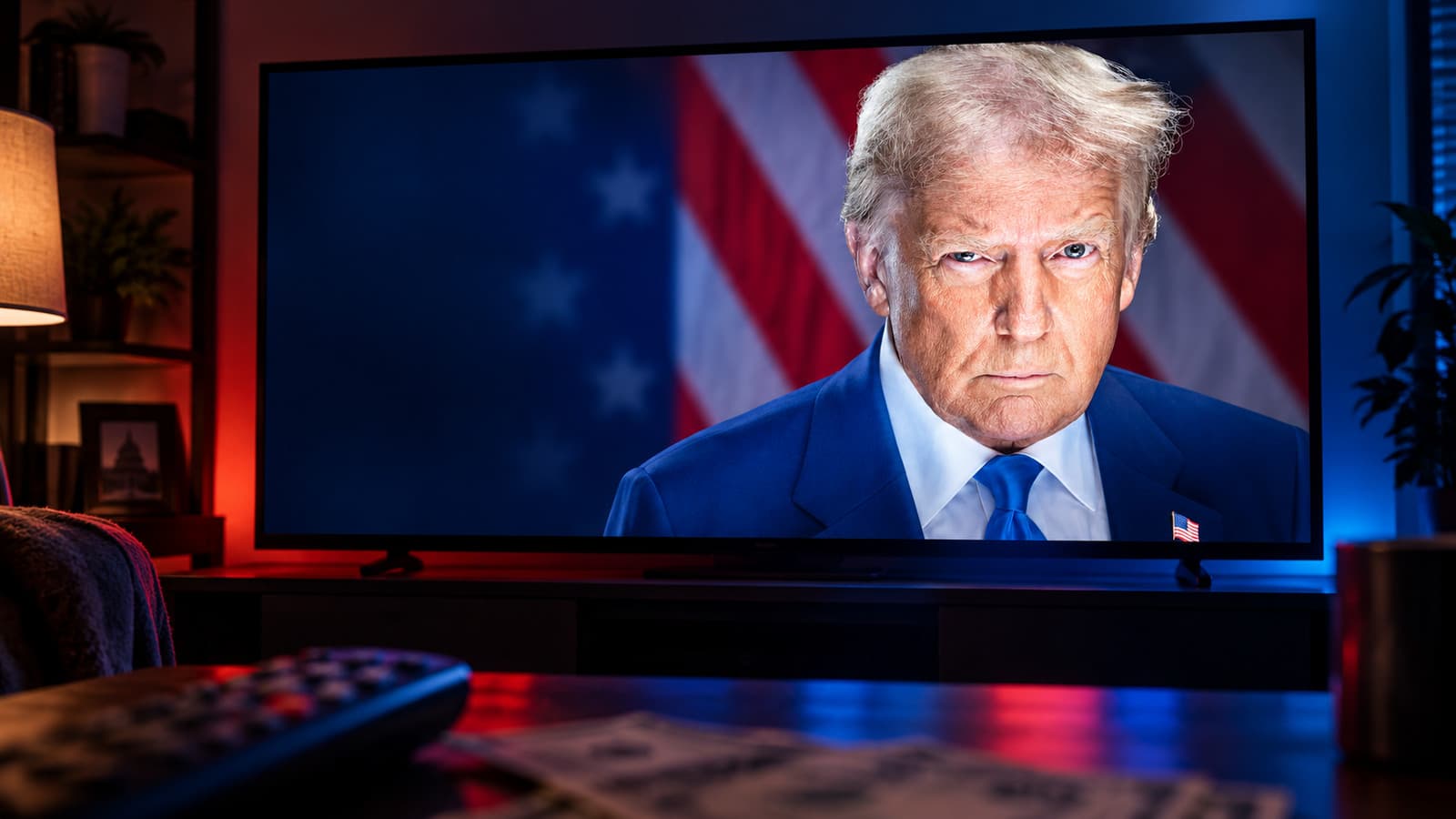
Since late September 2026, the White House has aired television ads that feature President Trump and end with the words "Paid for by the U.S. Government". The White House calls them public service announcements and says they are not campaign ads. Democrats, some Republicans including Senate Majority Leader John Thune, and watchdog groups oppose using taxpayer money for the spots, and some allege violations of federal law. Senator Cynthia Lummis and Vice President JD Vance defend the spending. Federal records show that Customs and Border Protection awarded the ad agency LMD a $20 million contract for a media campaign on September 20, and the tracking firm AdImpact estimated at least $10.1 million in airtime spending as of October 5. On October 5, Trump said he would pay for the ads himself and with money raised for MAGA, Inc.; NBC News reported that MAGA Inc. and the White House had not answered whether taxpayers would be reimbursed for ads that had aired. The dispute is whether federal money should pay for these ads.
Source and context
Analysis
About this source
Joint legal commentary by Richard Painter, Virginia Canter, Christopher Swartz and Norm Eisen.
Archived copy (opens in a new tab)Before the quotation
The piece, signed by Richard Painter, Virginia Canter, Christopher Swartz and Norm Eisen, argues that the ads appear to violate appropriations limits on publicity and propaganda and that officials who spend taxpayer money on them risk violating the Purpose Statute and the Antideficiency Act.
After the quotation
The authors go on to say that ads serving no purpose beyond partisan messaging and propaganda have no role in governing, and that government power should never be used to entrench political propaganda.
How this statement is classified
The label describes this statement's response within the context above.
Why this label?
The conduct at issue is using public money for the Trump advertisements. This passage criticizes that use of public funds.
- Recorded on
- Published here
More from this case
Read the full caseMartin criticizes ad spending and Congress's failure to enforce its limits
“In this case, the president went on spending public money in violation of the law.”Read statement
Common Cause rejects taxpayer funding for presidential promotion
Common Cause
“Taxpayer dollars belong to the American people, not to any president’s personal PR machine”Read statement
DHS refers questions about the contract and funding for the Trump ads to the White House
U.S. Department of Homeland Security
“We refer you to the White House.”Read statement
Share or embed this statement
The embed keeps its attribution link to The Dispute Index. Credit the image to The Dispute Index and link to the statement page.
Cite this record
- Publisher
- The Dispute Index
- Title
- Canter argues public funds should not pay for presidential political promotion
- First published
- Last updated
- Permalink
- https://disputeindex.com/events/6892-canter-coauthors-a-legal-critique-arguing-that-the
Last updated marks the most recent saved version of this published statement.
The Dispute Index. "Canter argues public funds should not pay for presidential political promotion". First published: 2026-10-27. Last updated: 2026-10-27. https://disputeindex.com/events/6892-canter-coauthors-a-legal-critique-arguing-that-the