
The effort to disqualify Sami Abu Shehadeh from Israel's 2026 election
Officials sought to bar the Balad leader over his October 2023 writing. His lawyers disputed the armed-struggle threshold, and Balad announced withdrawal after a Supreme Court warning.
Case period:
Published by The Dispute Index editorial teamPublished Updated
Overview
Section 7A of Basic Law: The Knesset permits disqualification for support of armed struggle by an enemy state or terrorist organization against Israel. An individual candidate's disqualification requires Supreme Court approval. The committee also voted to disqualify Abu Shehadeh on the separate ground concerning Israel's character as a Jewish and democratic state.
The armed-struggle argument focuses on Abu Shehadeh's October 8, 2023 article. It discusses the attack's military and strategic effects and ends by calling for a political process. Officials seeking exclusion and the defense disagree about how to read that language, what his wider statements establish and whether the evidence satisfies the court's demanding standard. Adalah also alleges unequal treatment of Arab and Jewish candidates. This case concerns his individual candidacy.
People in this case
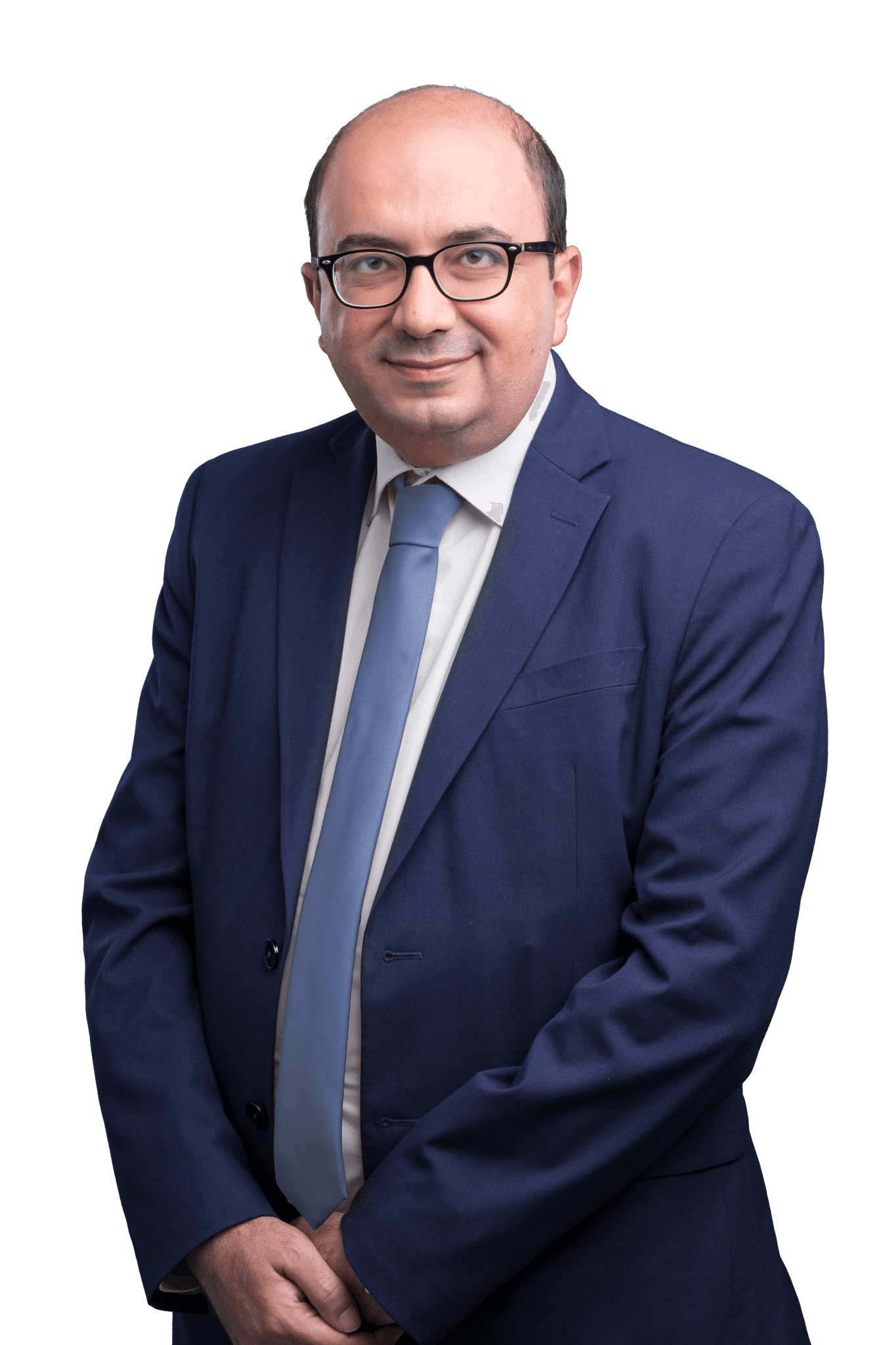
- Sami Abu ShehadehDirectly involved
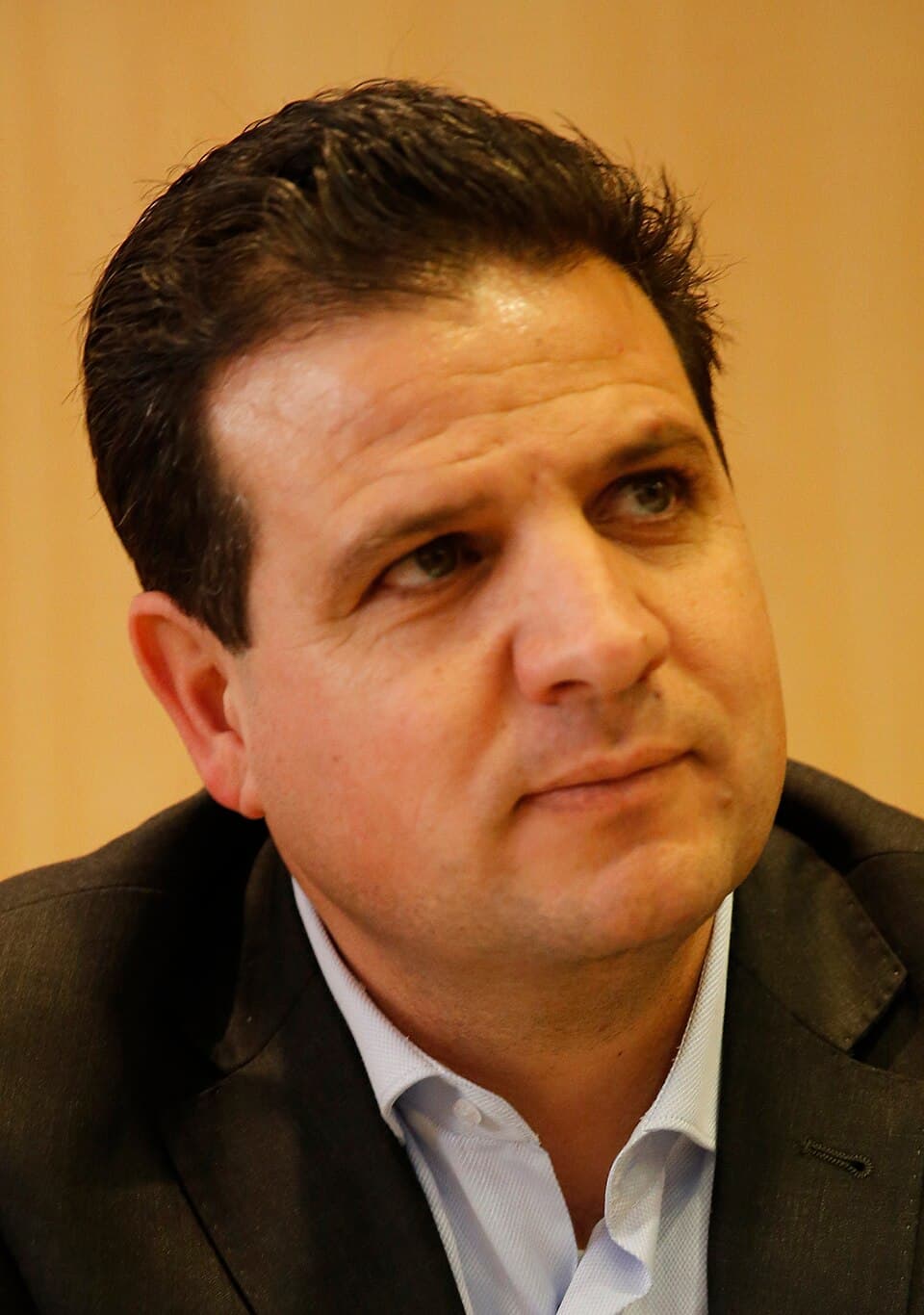 Ayman OdehCommented
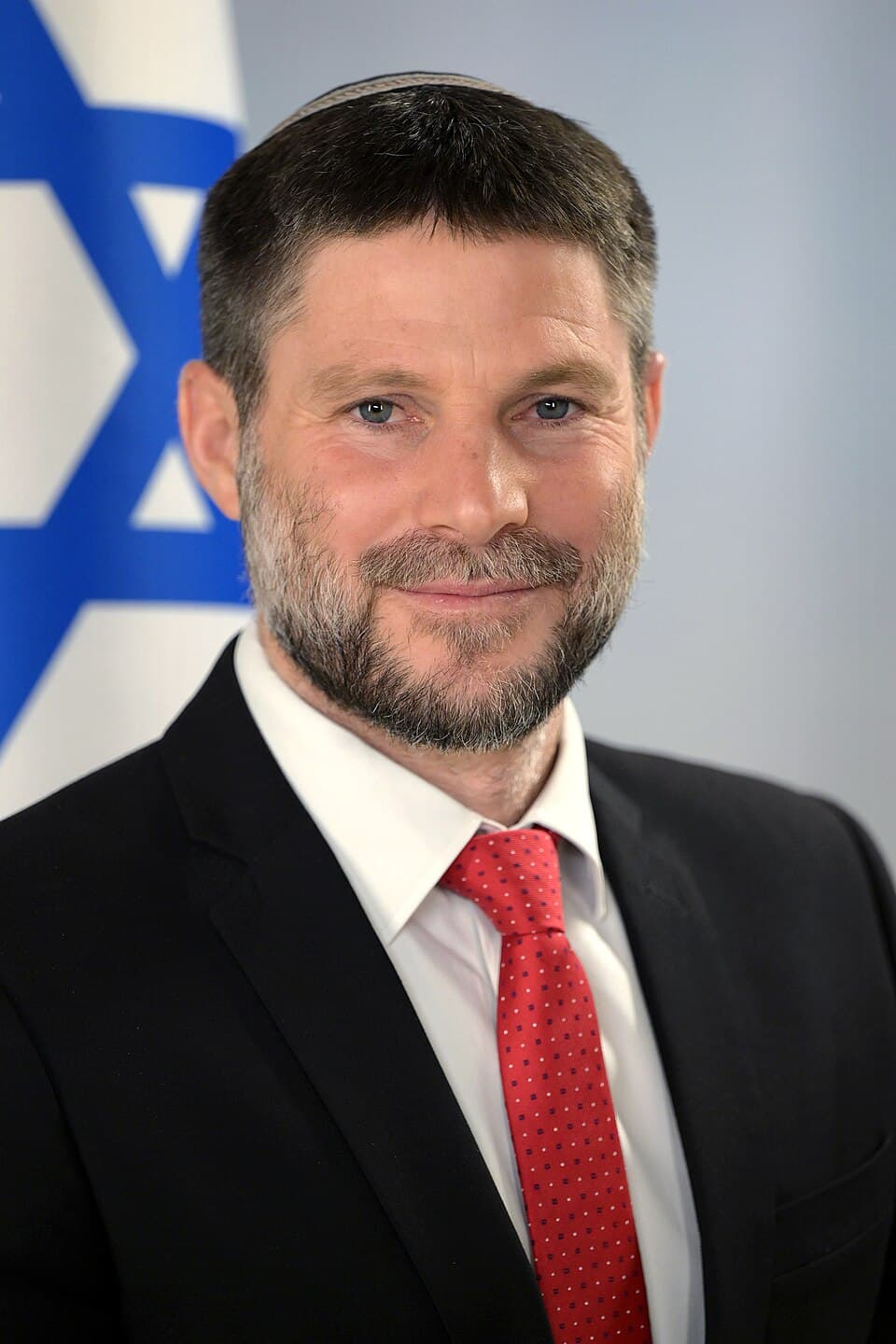 Bezalel SmotrichCommented
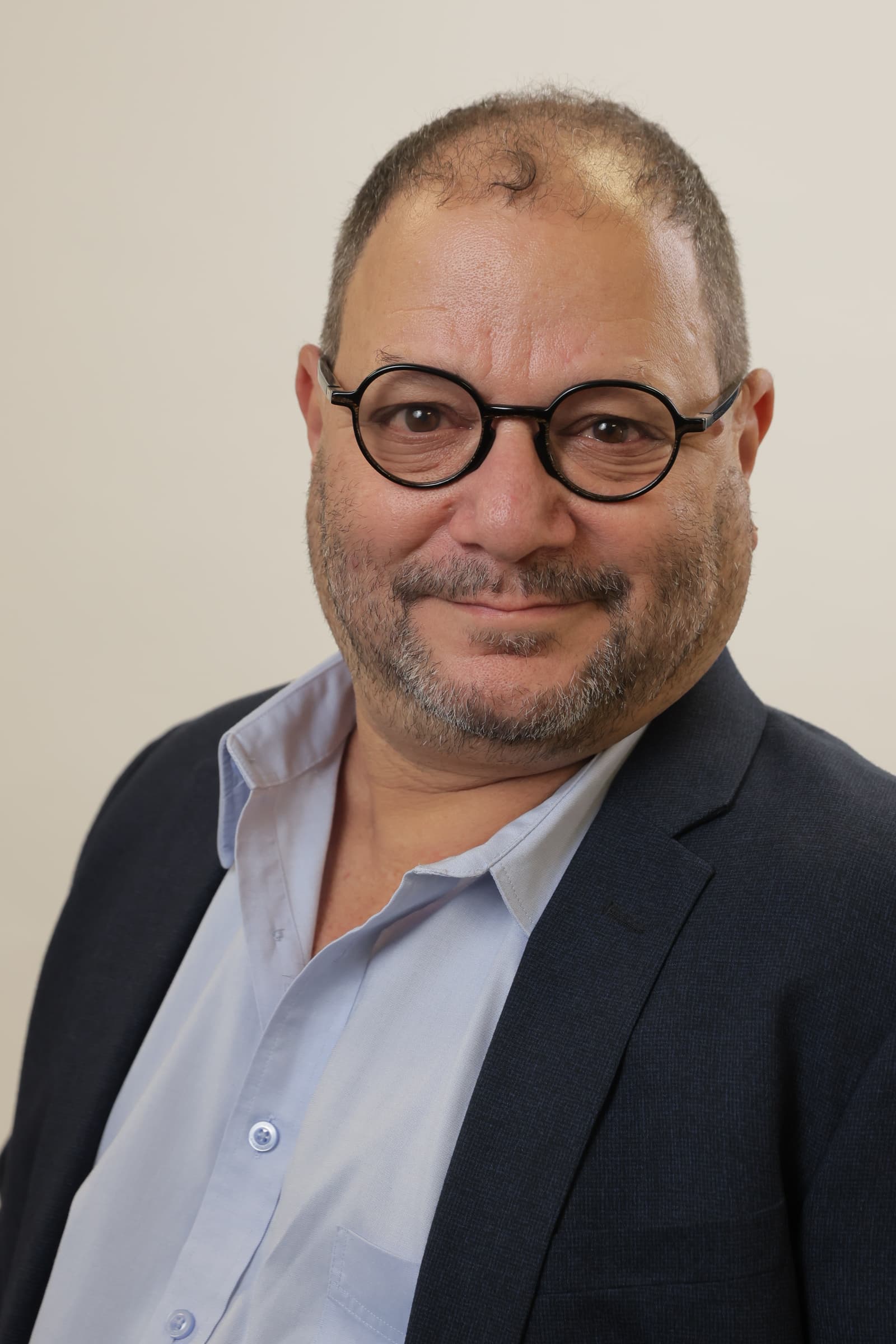 Ofer CassifCommented
Timeline
6 timeline entries on this page. Dates: October 8, 2023 to October 26, 2026
October 2023
Abu Shehadeh publishes the article later cited in the case
Source release
Abu Shehadeh published an Arabic article discussing the October 7 attack's military and strategic effects. Its closing paragraphs call for a political process. Officials later cited the article in seeking his disqualification.
September 2026
Election committee votes to disqualify Abu Shehadeh
Incident
The Central Elections Committee voted 30-4 on the Jewish-and-democratic-state ground and 31-4 on the armed-struggle ground. Its written decision, signed the next day, referred the candidate's disqualification to the Supreme Court for approval.
October 2026
Supreme Court signals support for disqualification and recommends withdrawal
Court reporting said a majority of the nine-justice panel favored disqualification and recommended that Abu Shehadeh withdraw his candidacy. The report did not identify a final judgment approving the committee's decision.
Balad announces withdrawal while retaining Abu Shehadeh as leader
Balad said its leadership had approved withdrawing Abu Shehadeh's candidacy after consulting him and his lawyers. The party said he would remain its leader and criticized restrictions on Arab political representation.
Adalah reports withdrawal response submitted to Supreme Court
Source release
Adalah said Abu Shehadeh had submitted a response announcing withdrawal of his candidacy to avoid a disqualification ruling that could set a precedent. The statement adds counsel's account of a response to the court after Balad's withdrawal announcement. It does not supply a judgment formally disqualifying him.
TVE publishes interview recorded before Abu Shehadeh withdrew
Source release
TVE reports an interview conducted in Jaffa hours before Abu Shehadeh withdrew. He criticized attempts to bar Arab parties and argued that Palestinian citizens needed representatives able to pursue their own political agenda. The article is published October 26; it does not describe a new decision to withdraw.
Response record
Responses
Choose one response filter, or select All responses to see the full record.
40 responses. First 6 shown initially. Newest first.
 Amnesty InternationalErika Guevara Rosas speaking for Amnesty International
"Candidates across the political spectrum also pushed for the disqualification of Sami Abu Shehadeh, Palestinian citizen of Israel and chairperson of the Tajammou’ (Balad) party, displaying utter disregard for the right to freedom of association, expression, and assembly."
CondemnedCase context: The effort to disqualify Sami Abu Shehadeh from Israel's 2026 election
Full statement and sources
Amnesty International says the effort to disqualify Abu Shehadeh disregards rights to association, expression and assembly.
Before the statement
The statement addresses the election scheduled for October 27.
After the statement
It criticizes candidates across the political spectrum for supporting exclusion.
Israel/OPT: Elections must not deflect attention from Israel's ...Erika Guevara Rosas statement, paragraph on Abu Shehadeh's disqualificationWhy this label?
The conduct at issue is the effort to exclude Abu Shehadeh from the election. This passage criticizes that exclusion or the process that produced it.
This label describes the statement's response within the context above.
Ameer FakhouryVan Leer Institute sociologist and lawyer "This is the most dangerous development: a populist court appealing to the instincts of the majority rather than applying legal principles."
CondemnedCase context: The effort to disqualify Sami Abu Shehadeh from Israel's 2026 election
Full statement and sources
Fakhoury says the proceedings against Abu Shehadeh involved no genuine legal debate. He calls a populist court that appeals to the majority instead of applying legal principles the most dangerous development.
Before the statement
Fakhoury says the Supreme Court once offered Palestinian citizens limited protection and no longer does. He then points to Abu Shehadeh's case, saying there was no genuine legal debate.
After the statement
He concludes that the protections he has described for Palestinian citizens have effectively collapsed.
What is behind the rise in Palestinian voting in Israel's 2026 election?Supreme Court discussion and direct evaluation of Abu Shehadeh's caseWhy this label?
The conduct at issue is the effort to exclude Abu Shehadeh from the election. This passage criticizes that exclusion or the process that produced it.
This label describes the statement's response within the context above.
Areej Sabbagh-KhouryUniversity of California, Berkeley sociologist "It illustrates an emerging structure of political apartheid inside Israel: Palestinian citizens retain formal electoral rights and parliamentary representation while the boundaries of their political leadership, national identification, and collective political claims are increasingly defined and restricted by state institutions dominated by the Jewish majority."
CondemnedCase context: The effort to disqualify Sami Abu Shehadeh from Israel's 2026 election
Full statement and sources
Sabbagh-Khoury argues that the case illustrates political apartheid by leaving Palestinian citizens formal voting rights while state institutions restrict who can represent them.
Before the statement
Her commentary distinguishes the committee's initial ban from the withdrawal that prevented a final detailed court ruling.
After the statement
She places the exclusion within a broader argument about unequal citizenship.
Israel's election won't change the renewed reality of ...Paragraph beginning "Although the long-term implications"Why this label?
The conduct at issue is the effort to exclude Abu Shehadeh from the election. This passage criticizes that exclusion or the process that produced it.
This label describes the statement's response within the context above.
Itamar MannUniversity of Haifa law professor "The Court exercised coercive authority through an informal, reasonless indication of its intended judgment, producing the effects of a judgment while avoiding the legal constraints attached to one."
CondemnedCase context: The effort to disqualify Sami Abu Shehadeh from Israel's 2026 election
Full statement and sources
Mann criticizes the court's informal indication that it would disqualify Abu Shehadeh, arguing that it produced the effects of a judgment without its legal constraints.
Before the statement
Mann reviews the hearing and the withdrawal that followed the court's recommendation.
After the statement
He calls parts of the underlying article disturbing while opposing the court's method of exclusion.
A Politician Withdrawn in Eliminationist TimesOpening argument and discussion of withdrawal instead of a reasoned judgmentWhy this label?
The conduct at issue is the effort to exclude Abu Shehadeh from the election. This passage criticizes that exclusion or the process that produced it.
This label describes the statement's response within the context above.
 Sami Abu ShehadehBalad leader and former Knesset memberDirectly involved
"So, I took the hardest decision in my political career. I resigned because of this racist behavior in the Supreme Court in Israel."
CondemnedCase context: The effort to disqualify Sami Abu Shehadeh from Israel's 2026 election
Full statement and sources
Abu Shehadeh calls the court's behavior racist and says he withdrew to avoid the wider danger he believed a written disqualification ruling would create.
Before the statement
Peter Beinart asks him to explain the court proceedings and why he withdrew.
After the statement
He acknowledges problems in the wording of his 2023 article and says he intended to warn against further violence and support a peaceful solution.
Barred from Knesset Elections: Sami Abu Shehadeh on the State of Israeli DemocracyInterview recorded October 6; answer explaining his decision to withdrawWhy this label?
The conduct at issue is the effort to exclude Abu Shehadeh from the election. This passage criticizes that exclusion or the process that produced it.
This label describes the statement's response within the context above.
Ahmed NajarPalestinian political analyst and playwright "A democracy that selectively excludes Palestinian representatives cannot credibly call itself democratic."
CondemnedCase context: The effort to disqualify Sami Abu Shehadeh from Israel's 2026 election
Full statement and sources
Najar criticizes the differing treatment of Abu Shehadeh and far-right politicians, arguing that Palestinian political speech faces a separate threshold.
Before the statement
Najar tells Al Jazeera that the case sets one threshold for Jewish Israeli politicians and another for Palestinian citizens. He contrasts the treatment of Abu Shehadeh's October 2023 article with the continued eligibility of Ben-Gvir and Smotrich.
After the statement
Al Jazeera then turns to Arab Perspectives Institute director Alkinani, who describes wider pressures on Palestinian political participation.
Israel election double standard: Arab leader forced out, far right clearedAhmed Najjar's response in the double-standard sectionWhy this label?
The conduct at issue is the effort to exclude Abu Shehadeh from the election. This passage criticizes that exclusion or the process that produced it.
This label describes the statement's response within the context above.
Show fewer responses
 Adalah - The Legal Center for Arab Minority Rights in IsraelLegal organization representing Abu Shehadeh, issuing a statement after the Supreme Court hearing
"There is no legal basis for this."
CondemnedCase context: The effort to disqualify Sami Abu Shehadeh from Israel's 2026 election
Full statement and sources
Adalah condemned the court's indicated support for disqualification, saying there was no legal basis and that the move undermined Palestinian citizens' political participation.
Before the statement
Adalah reported that the court had signaled majority support for disqualification and proposed withdrawal without a formal ruling.
After the statement
The organization argued that the evidence contained no call for violence and criticized unequal treatment of Palestinian and Jewish candidates.
Adalah responds to the Supreme Court hearing on Abu Shehadeh's candidacyOctober 2 statement; final three paragraphs following 'In response to the court's move'Why this label?
Adalah rejects exclusion as legally unsupported and discriminatory. That is substantive condemnation, rather than a dispute over how to describe the hearing.
This label describes the statement's response within the context above.
 BaladPolitical party chaired by Sami Abu ShehadehDirectly involved
"Using disqualification to restrict Arab political activity and target nationalist positions outside the Israeli consensus. (Translated from Arabic. Original: استخدام الشطب أداةً لتضييق مساحة العمل السياسي العربي وملاحقة المواقف الوطنية الخارجة عن الإجماع الإسرائيلي.)"
CondemnedCase context: The effort to disqualify Sami Abu Shehadeh from Israel's 2026 election
Full statement and sources
Balad announces withdrawal while criticizing exclusion.
Before the statement
Balad says its leadership approved withdrawal after the court indicated that a majority favored disqualification.
After the statement
The party says Abu Shehadeh will remain its leader and urges continued electoral participation.
Balad posts its withdrawal statement and criticism of exclusionCaption, second main paragraph, passage about restricting Arab political activity.Balad announces withdrawal and objects to political exclusionStatement paragraph beginning وقال التجمّع; passage about political representation.Balad's withdrawal announcement after the Supreme Court hearingOpening paragraph in the update dated October 1, 2026, 23:56.Why this label?
Relative to excluding Abu Shehadeh, Balad criticizes restrictions on Arab representation. Withdrawal does not retract that criticism.
This label describes the statement's response within the context above.
 Ayman OdehHadash Knesset member and former party leader
"The disqualification of my colleague Sami Abu Shehadeh is the final step in the regime coup. (Translated from Hebrew. Original: פסילתו של חברי סמי אבו שחאדה היא הצעד הסופי בהפיכה המשטרית)"
CondemnedCase context: The effort to disqualify Sami Abu Shehadeh from Israel's 2026 election
Full statement and sources
Odeh condemns the move to exclude Abu Shehadeh as part of an attack on democracy. He criticizes the court for pressing an Arab candidate to withdraw his candidacy.
Before the statement
Odeh responds after the Supreme Court hearing and criticizes supporters of the exclusions of Arab lists and candidates.
After the statement
He calls for Jewish-Arab political cooperation and opposition to racism.
Odeh condemns pressure on Abu Shehadeh to withdrawOriginal Hebrew post; opening paragraphs and later discussion of the court hearing.Why this label?
Odeh explicitly condemns Abu Shehadeh being excluded and the court request that he withdraw.
This label describes the statement's response within the context above.
 Bezalel SmotrichReligious Zionism leader and finance minister
"Most of the people in Israel denounce this conduct and want to see the supporters of terror outside the Knesset and outside the State of Israel. (Translated from Hebrew. Original: רוב העם בישראל מוקיע את ההתנהלות הזאת, ורוצה לראות את תומכי הטרור מחוץ לכנסת ומחוץ למדינת ישראל.)"
Defended or excusedCase context: The effort to disqualify Sami Abu Shehadeh from Israel's 2026 election
Full statement and sources
Smotrich supported excluding Abu Shehadeh and criticized the court's proposal to allow withdrawal instead of issuing a disqualification ruling.
Before the statement
Smotrich responded to the court's proposal that Abu Shehadeh withdraw rather than receive a disqualification ruling.
After the statement
He argued that the court should issue a ruling excluding Abu Shehadeh. He described Abu Shehadeh as a supporter of terrorism.
Bezalel Smotrich on Abu Shehadeh's proposed election exclusionOriginal Hebrew post, 11:39 a.m. EDTWhy this label?
Bezalel Smotrich supports Efforts to exclude Sami Abu Shehadeh from the 2026 Knesset election.
This label describes the statement's response within the context above.
 Ofer CassifHadash member of the Knesset
"I am very disappointed and angry about the decision regarding my colleague Sami Abu Shehadeh. (Translated from Hebrew. Original: אני מאוד מאוכזב, וכעוס על ההחלטה לגבי חברי סאמי אבו שחאדה.)"
CondemnedCase context: The effort to disqualify Sami Abu Shehadeh from Israel's 2026 election
Full statement and sources
Cassif condemns the move to exclude Abu Shehadeh, describing him as an opponent of violence. He contrasts the exclusion with the continued presence of politicians he accuses of calling for genocide.
Before the statement
Cassif says he has just left the Supreme Court after the disqualification hearing.
After the statement
He calls the move a dangerous precedent and urges political action before the October 27 election.
Cassif condemns the move to exclude Abu ShehadehOriginal Hebrew post; opening paragraphs and later discussion of the court hearing.Why this label?
Cassif directly opposes excluding Abu Shehadeh and calls it a dangerous precedent.
This label describes the statement's response within the context above.
Idan TendlerTechnology entrepreneur and investor "Shehadeh's place is outside, that's clear. (Translated from Hebrew. Original: שחאדה מקומו בחוץ זה ברור.)"
Defended or excusedCase context: The effort to disqualify Sami Abu Shehadeh from Israel's 2026 election
Full statement and sources
Tendler supported excluding Abu Shehadeh while criticizing Rothman's complaints about a court that he said the government had weakened.
Before the statement
Tendler replied to Rothman's criticism of the court's handling of Abu Shehadeh's candidacy.
After the statement
He supported exclusion while criticizing Rothman and the government's treatment of the court.
Idan Tendler on Abu Shehadeh's proposed election exclusionOriginal Hebrew reply to Rothman, 10:25 a.m. EDTWhy this label?
Idan Tendler supports Efforts to exclude Sami Abu Shehadeh from the 2026 Knesset election.
This label describes the statement's response within the context above.
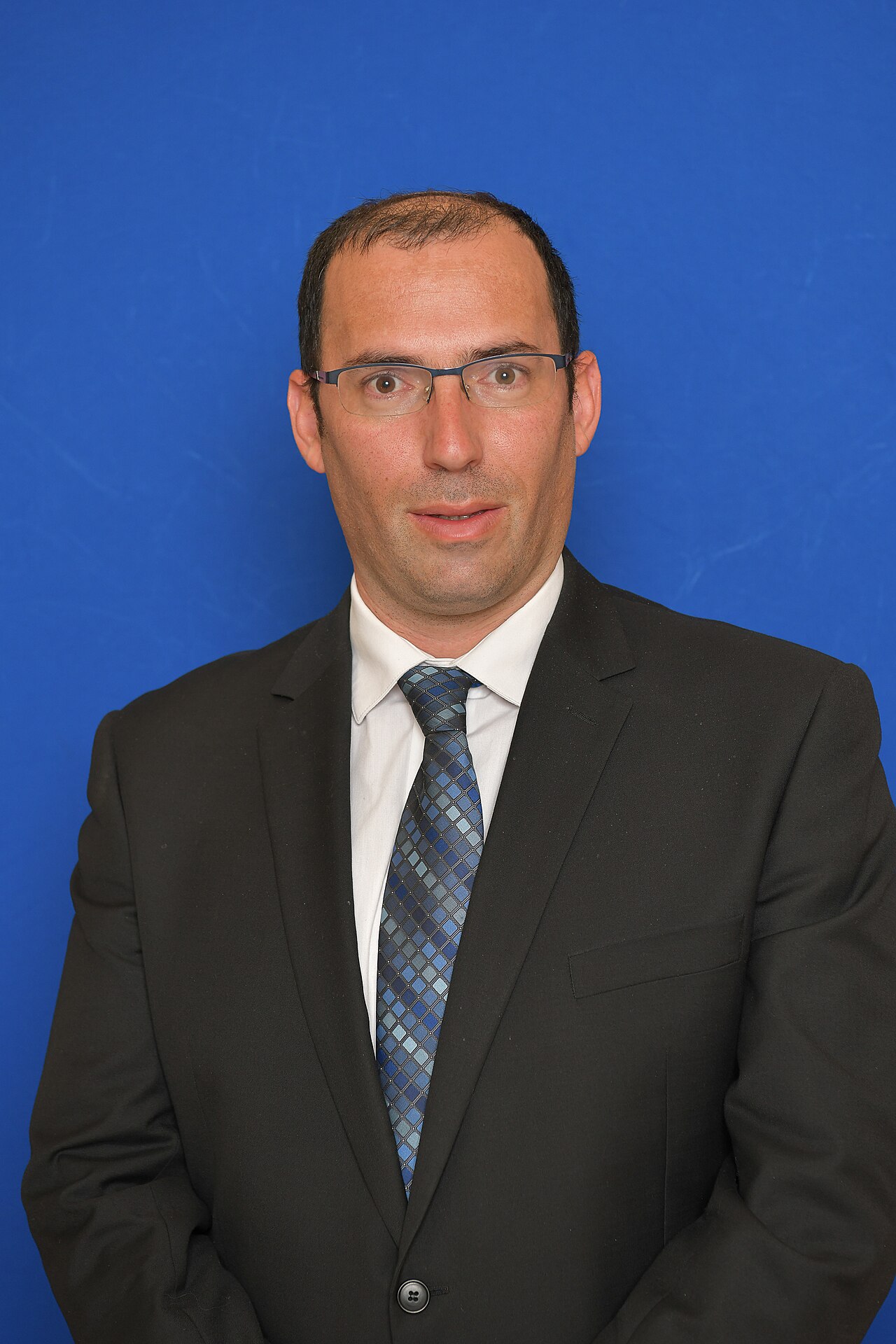 Simcha RothmanKnesset Constitution, Law and Justice Committee chair
"And above all, the citizens of Israel deserve to hear a clear and unequivocal statement from our court that support for terror is a glaring red line. (Translated from Hebrew. Original: ובעיקר מגיע לאזרחי ישראל לשמוע אמירה ברורה וחד משמעית מבית המשפט שלנו, שתמיכה בטרור היא קו אדום בוהק.)"
Defended or excusedCase context: The effort to disqualify Sami Abu Shehadeh from Israel's 2026 election
Full statement and sources
Rothman argued that the court should publish a reasoned disqualification ruling rather than let Abu Shehadeh withdraw without one.
Before the statement
Rothman addressed the proposal to allow Abu Shehadeh to withdraw from the election.
After the statement
He called for a reasoned ruling and argued that the court should declare support for terrorism a red line.
Simcha Rothman on Abu Shehadeh's proposed election exclusionOriginal Hebrew post, 8:24 a.m. EDTWhy this label?
Simcha Rothman supports Efforts to exclude Sami Abu Shehadeh from the 2026 Knesset election.
This label describes the statement's response within the context above.
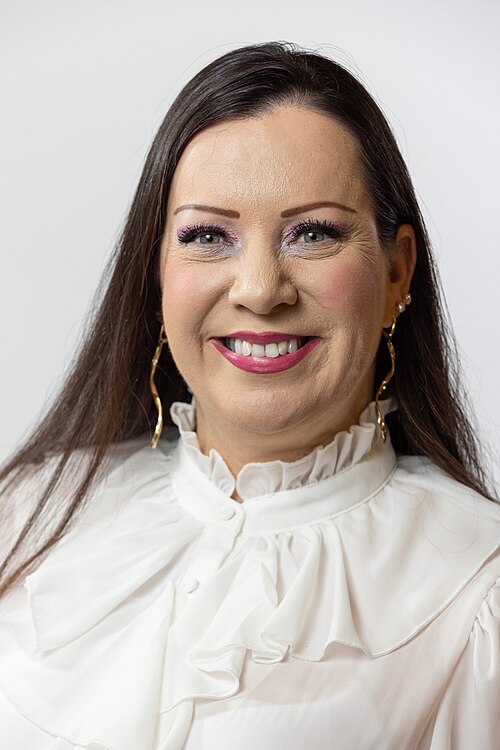 Tally GotlivLikud Knesset member
"Well, they must write a ruling. (Translated from Hebrew. Original: ובכן, הם חייבים לרשום פסק דין.)"
Defended or excusedCase context: The effort to disqualify Sami Abu Shehadeh from Israel's 2026 election
Full statement and sources
Gottlieb defended the evidence for exclusion and demanded a detailed court ruling, opposing withdrawal as an alternative.
Before the statement
Gotliv responded to the court's proposed withdrawal arrangement.
After the statement
She defended the evidence for exclusion and demanded a detailed ruling. The quoted sentence means 'Well, they must write a judgment.'
Tally Gotliv on Abu Shehadeh's proposed election exclusionOriginal Hebrew post, 8:20 a.m. EDTWhy this label?
Tally Gotliv supports Efforts to exclude Sami Abu Shehadeh from the 2026 Knesset election.
This label describes the statement's response within the context above.
- Adalah - The Legal Center for Arab Minority Rights in IsraelCounsel Hassan Jabareen addressing the Supreme Court
"critical mass"
CondemnedCase context: The effort to disqualify Sami Abu Shehadeh from Israel's 2026 election
Full statement and sources
Adalah lawyer Hassan Jabareen argued that one article did not meet the evidentiary threshold to bar Abu Shehadeh.
Before the statement
Prosecutors argued that a single article could justify disqualification.
After the statement
Jabareen contrasted the article with Abu Shehadeh's political record.
Abu Shehadeh and Adalah contest disqualification at the October 1 hearingOctober 1 Supreme Court hearing, Abu Shehadeh's response and Hassan Jabareen's evidentiary argument; report updated October 2Why this label?
Adalah opposes the ban because it says the evidence fails the legal threshold.
This label describes the statement's response within the context above.
- Sami Abu ShehadehParty leader addressing the Supreme CourtDirectly involved
"I have never called for violence"
CondemnedCase context: The effort to disqualify Sami Abu Shehadeh from Israel's 2026 election
Full statement and sources
Abu Shehadeh defended his eligibility by telling the court that he had never called for violence.
Before the statement
The court considered his appeal against disqualification.
After the statement
He regretted the wording of an October 2023 article cited against him.
Abu Shehadeh and Adalah contest disqualification at the October 1 hearingOctober 1 Supreme Court hearing, Abu Shehadeh's response and Hassan Jabareen's evidentiary argument; report updated October 2Why this label?
His legal defense opposes disqualification on the grounds that his political record is nonviolent.
This label describes the statement's response within the context above.
 Itamar Ben-GvirNational Security Minister of Israel and leader of Otzma Yehudit, representing its disqualification request
"To represent Otzma Yehudit's request to disqualify Balad chairman Sami Abu Shehadeh. (Translated from Hebrew. Original: לייצג את בקשת עוצמה יהודית לפסילת יו״ר בל״ד, סמי אבו שחאדה.)"
Defended or excusedCase context: The effort to disqualify Sami Abu Shehadeh from Israel's 2026 election
Full statement and sources
Ben Gvir says he is appearing as a lawyer to pursue Abu Shehadeh's exclusion.
Before the statement
He says he has put on his lawyer's robe again for this purpose.
After the statement
He criticizes the October 8 article and pledges lawful action against people he accuses of supporting terrorism.
Ben Gvir supports Abu Shehadeh's disqualificationOpening paragraph, clause after the colon.Why this label?
Relative to excluding Abu Shehadeh from the election, Ben Gvir supports the request and alleges that its target supports terrorism.
This label describes the statement's response within the context above.
 Joint ListIsraeli electoral alliance, party statement
"What happened is a political trial in every sense of the word. (Translated from Arabic. Original: ما جرى هو محاكمة سياسية بكل معنى الكلمة.)"
CondemnedCase context: The effort to disqualify Sami Abu Shehadeh from Israel's 2026 election
Full statement and sources
The Joint List condemned the court's proposed withdrawal as exclusion in practice, arguing that there was no legal justification for barring Abu Shehadeh.
Before the statement
The Joint List issued a statement responding to the proposed withdrawal of Abu Shehadeh's candidacy.
After the statement
It argued that withdrawal amounted to exclusion and called for wider electoral participation. It called the proceeding a political trial.
Joint List on Abu Shehadeh's proposed election exclusionFull party statement, published 16:52 local timeJoint List response to Abu Shehadeh's proposed withdrawalJoint List statement on the proposed withdrawalWhy this label?
Joint List criticizes Efforts to exclude Sami Abu Shehadeh from the 2026 Knesset election.
This label describes the statement's response within the context above.
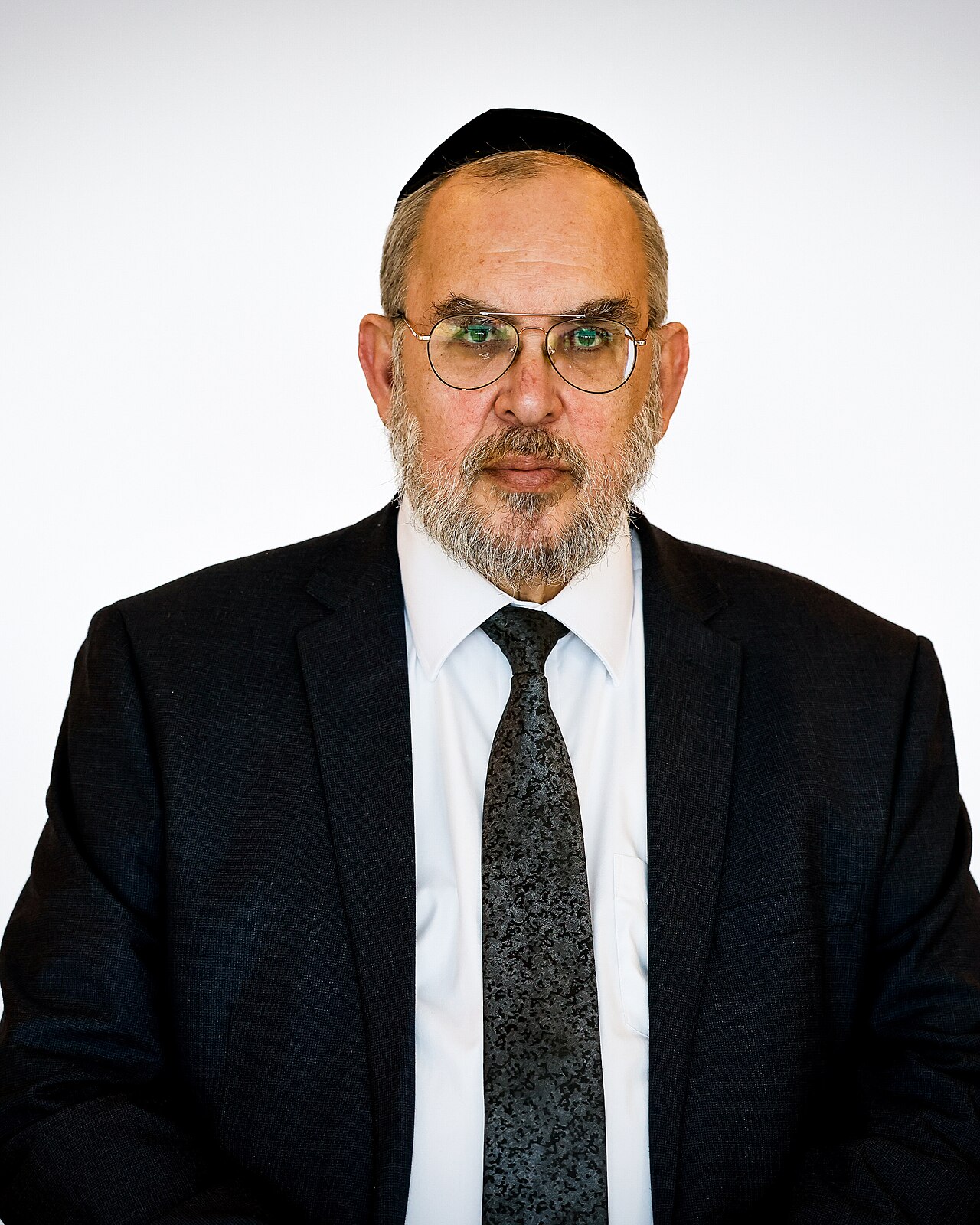 Yaakov AsherUnited Torah Judaism Knesset member
"It is hard to miss the concern and gentleness that Justice Amit showed toward Abu Shehadeh (Translated from Hebrew. Original: קשה לפספס את הדאגה והעדינות שהפגין השופט עמית כלפי אבו שחאדה)"
Defended or excusedCase context: The effort to disqualify Sami Abu Shehadeh from Israel's 2026 election
Full statement and sources
Asher criticized the court for offering Abu Shehadeh a way to avoid a disqualification precedent, contrasting that treatment with decisions affecting Haredi communities.
Before the statement
Yinon Magal reproduced Asher's response to the court's treatment of Abu Shehadeh.
After the statement
Asher criticized the withdrawal proposal as avoiding a disqualification precedent and contrasted it with the court's treatment of Haredi communities.
Yaakov Asher on Abu Shehadeh's proposed election exclusionFull attributed statement reproduced by Yinon Magal, 9:46 a.m. EDTYaakov Asher on the court's Abu Shehadeh withdrawal proposalAsher's attributed responseWhy this label?
Yaakov Asher supports Efforts to exclude Sami Abu Shehadeh from the 2026 Knesset election.
This label describes the statement's response within the context above.
- Itamar Ben-GvirOtzma Yehudit leader and national security minister
"He should not be given the opportunity to withdraw. There should be a ruling."
Defended or excusedCase context: The effort to disqualify Sami Abu Shehadeh from Israel's 2026 election
Full statement and sources
Ben Gvir demanded a disqualification ruling and opposed allowing Abu Shehadeh to withdraw voluntarily.
Before the statement
Ben-Gvir addressed the court's proposal that Abu Shehadeh end his candidacy voluntarily.
After the statement
He demanded a disqualification ruling instead of withdrawal.
Itamar Ben Gvir on Abu Shehadeh's proposed election exclusionFirsthand court-hearing report, 3:48 p.m. local timeWhy this label?
Itamar Ben Gvir supports Efforts to exclude Sami Abu Shehadeh from the 2026 Knesset election.
This label describes the statement's response within the context above.
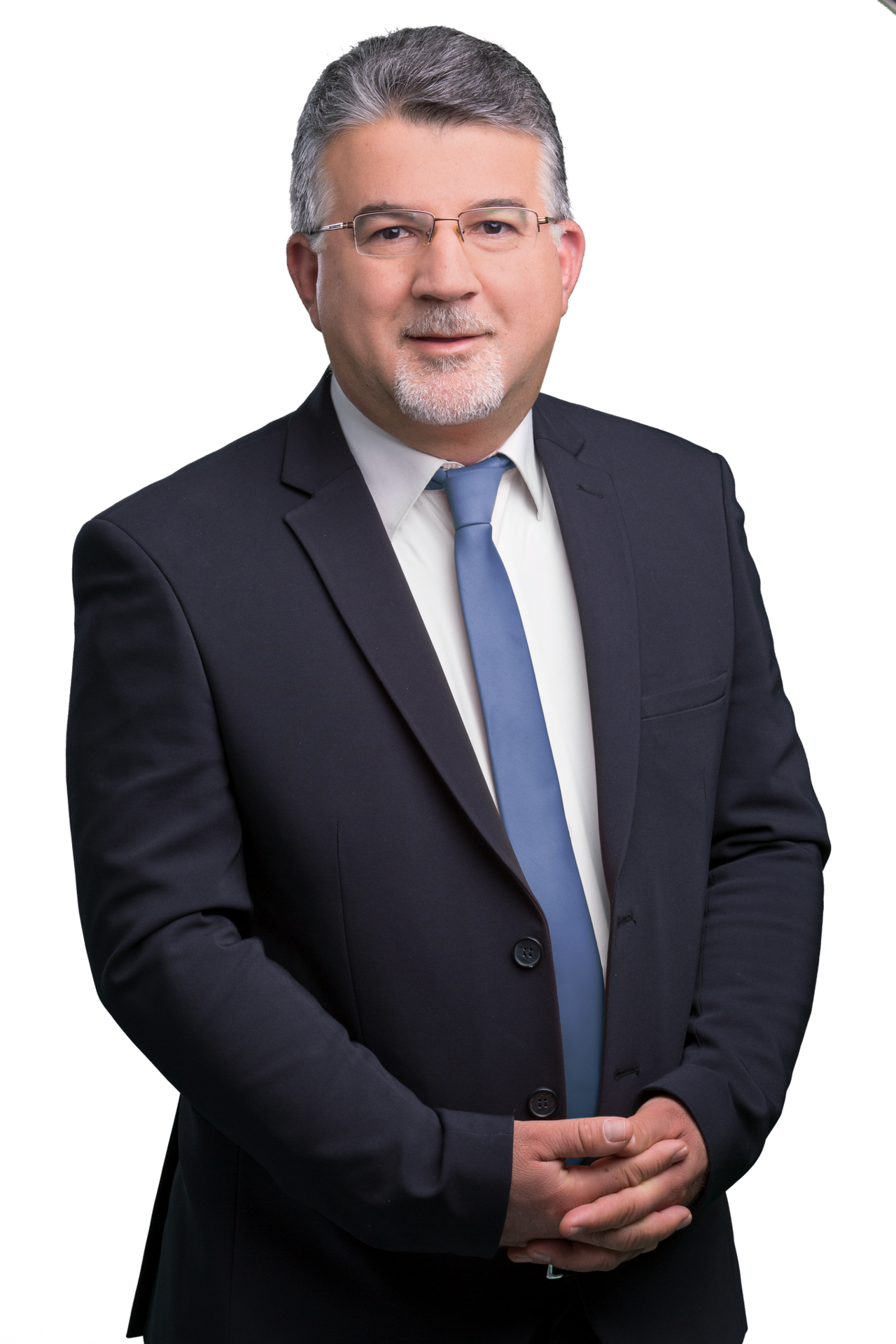 Yousef JabareenHadash politician and former Knesset member
"Those seeking the disqualification are a gang of racists, Kahanists and admirers of the murderer Baruch Goldstein. (Translated from Hebrew. Original: מי שמבקש את הפסילה זו חבורה של גזענים, כהניסטים ומעריצי הרוצח ברוך גולדשטיין.)"
CondemnedCase context: The effort to disqualify Sami Abu Shehadeh from Israel's 2026 election
Full statement and sources
Jabareen criticized those seeking the disqualifications as racist and defended the democratic legitimacy of the Arab political representatives.
Before the statement
Jabareen spoke outside the court before its hearing on the proposed disqualifications, including Abu Shehadeh's.
After the statement
He defended the democratic legitimacy of Arab political representatives and criticized those seeking their exclusion.
Yousef Jabareen on Abu Shehadeh's proposed election exclusionFirsthand remarks outside the court before the hearingWhy this label?
Yousef Jabareen criticizes Efforts to exclude Sami Abu Shehadeh from the 2026 Knesset election.
This label describes the statement's response within the context above.
 HaaretzHaaretz editorial board
"Abu Shehadeh's Failure to Condemn Hamas Is Not Grounds for Disqualification"
CondemnedCase context: The effort to disqualify Sami Abu Shehadeh from Israel's 2026 election
Full statement and sources
Haaretz's editorial opposed disqualifying Abu Shehadeh for failing to condemn Hamas. It also criticized attempts to exclude Arab parties from the Knesset.
Before the statement
The editorial appeared while the Supreme Court was considering the disqualification.
After the statement
Its opening criticized Abu Shehadeh's account of the October 7 attack.
Haaretz editorial on the grounds for excluding Abu Shehadeh · HaaretzHeadline; article deck and opening paragraphWhy this label?
Relative to excluding Abu Shehadeh, the editorial explicitly rejects the stated ground for the ban. Its criticism of his article does not support disqualification.
This label describes the statement's response within the context above.
Nissim KatzCommunications and politics scholar writing in Israel Hayom "The attempt to exclude him from the political arena is a strategic error. (Translated from Hebrew. Original: הניסיון להדירו מהזירה הפוליטית הוא שגיאה אסטרטגית)"
CondemnedCase context: The effort to disqualify Sami Abu Shehadeh from Israel's 2026 election
Full statement and sources
Nissim Katz opposed Abu Shehadeh's exclusion, arguing that keeping his views in open political debate was better than pushing his supporters out of parliamentary politics.
Before the statement
Katz described Abu Shehadeh's rhetoric as offensive and said public anger was understandable.
After the statement
He argued that a ban would intensify frustration without removing Abu Shehadeh's views or his constituency.
Nissim Katz argues against excluding Abu ShehadehArticle subtitle; second paragraph; final paragraphWhy this label?
Relative to excluding Abu Shehadeh from the election, Katz rejects the ban as a strategic error. His criticism of Abu Shehadeh's rhetoric does not weaken that conclusion.
This label describes the statement's response within the context above.
Ori WertmanPolitical scientist writing in Israel Hayom "by not intervening in the decision of the Central Elections Committee. (Translated from Hebrew. Original: בכך שלא יתערבו בהחלטתה של ועדת הבחירות המרכזית.)"
Defended or excusedCase context: The effort to disqualify Sami Abu Shehadeh from Israel's 2026 election
Full statement and sources
Ori Wertman urged Supreme Court judges to leave the committee's decision in place, expressly including the disqualification of Abu Shehadeh.
Before the statement
Wertman criticized earlier court decisions that allowed Arab candidates to run and argued that the October 7 attack made this election different.
After the statement
His closing paragraph named Abu Shehadeh and Ofer Cassif among candidates who should be excluded.
Ori Wertman argues for upholding candidate disqualificationsFinal paragraph, especially the call not to intervene in the committee decision and the following sentence naming Abu ShehadehWhy this label?
Relative to excluding Abu Shehadeh from the election, Wertman supports the ban and asks the court to uphold the committee's decision.
This label describes the statement's response within the context above.
Sawsan ZaherPalestinian human rights lawyer "This is not present in Sami’s case."
CondemnedCase context: The effort to disqualify Sami Abu Shehadeh from Israel's 2026 election
Full statement and sources
Sawsan Zaher argued that Abu Shehadeh's case lacked the sustained evidence required to disqualify a candidate for supporting armed struggle.
Before the statement
Zaher described a requirement for several statements showing that support for armed struggle was central to a candidate's political activity.
After the statement
She argued that Balad should contest the ban instead of withdrawing, because withdrawal would achieve exclusion without a court ruling.
Sawsan Zaher's interview on Abu Shehadeh's exclusionZaher's explanation of the evidentiary threshold in the opening section; her remarks in the withdrawal-dilemma sectionWhy this label?
Relative to excluding Abu Shehadeh, Zaher challenges the evidentiary basis for the ban and urges a legal challenge to it.
This label describes the statement's response within the context above.
Orna YasharMida writer and political interviewer "The justified disqualification of Sami Abu Shehadeh. (Translated from Hebrew. Original: הפסילה המוצדקת של סמי אבו שחאדה)"
Defended or excusedCase context: The effort to disqualify Sami Abu Shehadeh from Israel's 2026 election
Full statement and sources
Orna Yashar endorsed the committee's decision to disqualify Abu Shehadeh and rejected his explanation that he had not understood the scale of the October 7 killings.
Before the statement
Yashar reviewed arguments at the Central Elections Committee hearing, including the October 8 article and Abu Shehadeh's response.
After the statement
She described the vote and noted that the case would go to the Supreme Court.
Orna Yashar on the disqualification of Sami Abu ShehadehHeadline, opening commentary, and paragraph after Abu Shehadeh's explanation in the defense sectionWhy this label?
Relative to excluding Abu Shehadeh from the election, Yashar calls the disqualification justified in her signed article and endorses the committee's decision.
This label describes the statement's response within the context above.
- Sami Abu ShehadehBalad chairman and former Knesset member contesting his disqualificationDirectly involved
"Upholding this ban would extinguish what little democratic space remains."
CondemnedCase context: The effort to disqualify Sami Abu Shehadeh from Israel's 2026 election
Full statement and sources
Abu Shehadeh says approving his exclusion would damage democratic participation and argues that the court should assess his case without political pressure.
Before the statement
The interviewer asks whether support from the Zionist left gave the court political cover to uphold the ban.
After the statement
He argues that treating his article as sufficient while permitting Ben Gvir to run would apply an indefensible standard.
Abu Shehadeh criticizes the campaign to exclude himAnswer to the question about whether support from the Zionist left gave the court political cover.Why this label?
Relative to his exclusion, Abu Shehadeh expressly criticizes the ban and its consequences. His conditional wording describes a threatened outcome, not conditional support.
This label describes the statement's response within the context above.
- Adalah - The Legal Center for Arab Minority Rights in IsraelLegal organization representing Sami Abu Shehadeh before the Supreme Court
"the disqualification process is tainted by unlawful discrimination and selective enforcement."
CondemnedCase context: The effort to disqualify Sami Abu Shehadeh from Israel's 2026 election
Full statement and sources
Adalah argues that excluding Abu Shehadeh would rest on insufficient evidence and unequal treatment of Arab and Jewish candidates.
Before the statement
Adalah cites his broader opposition to violence and says the committee assessed the article in isolation.
After the statement
It compares the treatment of far-right Jewish parties and argues that electoral safeguards should not vary by national identity.
Adalah challenges the evidence for barring Abu ShehadehSection headed Former MK Dr. Sami Abu Shehadeh; paragraph on discrimination and selective enforcement.Why this label?
Relative to excluding Abu Shehadeh, Adalah expressly criticizes the process and its evidentiary basis. Its legal argument rejects the proposed action.
This label describes the statement's response within the context above.
 Gali Baharav-MiaraAttorney General of Israel, in a joint statement with State Attorney Amit Aisman
"Sami Abu Shehadeh's disqualification should be approved because he supports armed struggle against the State of Israel. (Translated from Arabic. Original: يجب المصادقة على شطب ترشيح سامي أبو شحادة بسبب دعمه للنضال المسلح ضد دولة إسرائيل)"
Defended or excusedCase context: The effort to disqualify Sami Abu Shehadeh from Israel's 2026 election
Full statement and sources
Baharav-Miara and State Attorney Amit Aisman seek court approval.
Before the statement
The statement concerns the committee decision awaiting Supreme Court approval.
After the statement
It cites the article's timing and content. Separate reporting says she opposed the Jewish-and-democratic-state ground.
Baharav-Miara and Aisman ask the court to approve exclusionFirst quoted paragraph of the joint statement, beginning وجاء في بيان مشترك.Report on the attorney general's September 29 submissionOpening paragraphs and section on disqualification under the Basic Law.Why this label?
Relative to excluding Abu Shehadeh, the joint statement expressly supports approval. Rejecting another legal ground leaves that conclusion intact.
This label describes the statement's response within the context above.
 Ben CaspitIsraeli political columnist writing in Walla
"The disqualification of Sami Abu Shehadeh is the most justified disqualification since disqualification was invented. (Translated from Hebrew. Original: פסילתו של סמי אבו שחאדה היא הפסילה המוצדקת ביותר מאז המצאת הפסלוּת.)"
Defended or excusedCase context: The effort to disqualify Sami Abu Shehadeh from Israel's 2026 election
Full statement and sources
Ben Caspit endorsed Abu Shehadeh's disqualification, arguing that his description of the October 7 attack crossed a limit for a legislator.
Before the statement
Caspit discussed the Central Elections Committee's decisions on individual candidates and Arab party lists.
After the statement
He opposed excluding Ra'am and the Joint List and called for greater Arab participation in Israeli public life.
Ben Caspit opinion on election politics and candidate disqualificationSection headed כולנו בסירה אחת, second paragraphWhy this label?
Relative to excluding Abu Shehadeh from the election, Caspit expressly supports the ban. His opposition to excluding other Arab parties does not qualify his support for this individual disqualification.
This label describes the statement's response within the context above.
Sheldon KirshnerJournalist and political commentator "Abu Shehadeh crossed a red line when he broke a basic law"
Defended or excusedCase context: The effort to disqualify Sami Abu Shehadeh from Israel's 2026 election
Full statement and sources
Sheldon Kirshner backed the decision to exclude Abu Shehadeh, arguing that his article breached the prohibition on supporting armed struggle against Israel.
Before the statement
Kirshner described the committee's decision to bar Abu Shehadeh from the election.
After the statement
He opposed the committee's bans on other Arab party lists and noted that the Supreme Court still had to approve the individual disqualification.
Sheldon Kirshner supports the decision to bar Abu ShehadehSecond paragraph; following paragraph distinguishes individual disqualification from bans on other listsWhy this label?
Relative to excluding Abu Shehadeh, Kirshner supports the ban. His opposition to excluding other party lists concerns separate decisions.
This label describes the statement's response within the context above.
 Dahlia ScheindlinPolitical analyst and Haaretz columnist
"It's hard to choose a single killer argument against banning Sami Abu Shehadeh from running for the Knesset."
CondemnedCase context: The effort to disqualify Sami Abu Shehadeh from Israel's 2026 election
Full statement and sources
Dahlia Scheindlin opposed excluding Abu Shehadeh. She criticized his description of the attack but pointed to his expression of regret.
Before the statement
The column followed the committee's decision to disqualify Abu Shehadeh.
After the statement
The opening states that there are several arguments against the ban.
Dahlia Scheindlin argues against Abu Shehadeh's exclusion · HaaretzOpening sentence; headline and article deckWhy this label?
Relative to excluding Abu Shehadeh, Scheindlin expressly rejects the ban. Her criticism of his wording does not qualify that conclusion.
This label describes the statement's response within the context above.
 Baruch KraLegal affairs commentator writing in Walla
"The attorney general certainly provided a reasoned moral basis for disqualifying Abu Shehadeh. (Translated from Hebrew. Original: היועמ"שית בהחלט סיפקה בסיס ערכי מנומק לפסילת אבו שחאדה)"
Defended or excusedCase context: The effort to disqualify Sami Abu Shehadeh from Israel's 2026 election
Full statement and sources
Baruch Kra argued that the attorney general should have recommended disqualification and supported Noam Sohlberg's vote to bar Abu Shehadeh.
Before the statement
Kra acknowledged the precedent requiring accumulated statements and described this case as exceptional.
After the statement
He argued that an apology could not erase the article's significance. He also criticized attempts to ban other Arab parties.
Baruch Kra on Sohlberg's vote to disqualify Abu ShehadehParagraph beginning היועמ"שית בהחלט סיפקהBaruch Kra confirms his support for disqualificationOriginal Hebrew clarification and linked preceding post.Why this label?
Relative to excluding Abu Shehadeh from the election, Kra supports the ban on moral grounds. His acknowledgment of a legal obstacle does not make his conclusion conditional.
This label describes the statement's response within the context above.
 Ahmad TibiTa'al leader and Knesset member
"A guillotine for the Arab parties. (Translated from Arabic. Original: مقصلة للأحزاب العربية)"
CondemnedCase context: The effort to disqualify Sami Abu Shehadeh from Israel's 2026 election
Full statement and sources
Tibi criticizes the exclusions of Abu Shehadeh, Ofer Cassif and the Arab lists as an attack on Arab political representation.
Before the statement
In a Radio al-Shams interview the day after the committee vote, Tibi discusses the exclusions of Ra'am, the Joint List, Cassif and Abu Shehadeh.
After the statement
He expresses concern about Sohlberg participating in the vote and hopes the Supreme Court will protect the rights to vote and stand for election.
Ahmad Tibi criticizes disqualifications including Abu ShehadehOpening paragraphs and section headed "مقصلة" تطال القوائم.Why this label?
Tibi condemns the disqualifications, expressly including Abu Shehadeh, as an attack on Arab political representation.
This label describes the statement's response within the context above.
 Yair GolanLeader of the Democrats party
"No leniency for Abu Shehadeh and no leniency for Ben-Gvir. Both should be disqualified. (Translated from Hebrew. Original: אין הנחות לאבו שחאדה ואין הנחות לבן גביר - את שניהם צריך לפסול.)"
Defended or excusedCase context: The effort to disqualify Sami Abu Shehadeh from Israel's 2026 election
Full statement and sources
Golan supports excluding Abu Shehadeh, citing his interpretation of the October 2023 article. He says the same rule should apply to Ben-Gvir.
Before the statement
Golan defends Arab citizens rights to vote and stand for election, while saying Abu Shehadeh crossed a line by legitimizing armed struggle and harm to civilians.
After the statement
He opposes blanket bans on Arab lists and calls for Jewish-Arab political partnership.
Yair Golan supports disqualifying Abu Shehadeh and Ben-GvirParagraph beginning אין הנחות; read with the opening defense of Arab citizens voting rights and preceding discussion of the article.Why this label?
Golan expressly supports individual exclusion. His opposition to blanket bans on other lists does not qualify that support.
This label describes the statement's response within the context above.
Mohammad DahlaLawyer and legal commentator "Where is the evidence showing that supporting armed struggle was a main goal of his political activity? (Translated from Arabic. Original: أين الأدلة التي تظهر أن دعم الكفاح المسلح كان هدفا رئيسيا في نشاطه السياسي؟)"
Challenged the characterizationCase context: The effort to disqualify Sami Abu Shehadeh from Israel's 2026 election
Full statement and sources
Dahla argued that Abu Shehadeh's article did not explicitly endorse armed struggle and questioned whether one article met the legal standard for disqualification.
Before the statement
Dahla discussed Abu Shehadeh's article and the legal test for disqualification in a Radio al-Shams interview.
After the statement
He questioned whether a single article established that support for armed struggle was a central goal of Abu Shehadeh's political activity.
Mohammad Dahla on Abu Shehadeh's proposed election exclusionRadio al-Shams Yawm Jadid interview; legal-standard sectionWhy this label?
Dahla argued that Abu Shehadeh's article did not explicitly endorse armed struggle and questioned whether one article met the legal standard for disqualification.
This label describes the statement's response within the context above.
 Noam SohlbergChair of the Central Elections Committee and deputy president of the Supreme Court
"I found no satisfactory answer in his remarks. (Translated from Hebrew. Original: בדבריו לא מצאתי מענה שיכול להניח את הדעת)"
Defended or excusedCase context: The effort to disqualify Sami Abu Shehadeh from Israel's 2026 election
Full statement and sources
Sohlberg says Abu Shehadeh failed to answer the allegations against him and joins the committee vote to disqualify him on the armed-struggle ground.
Before the statement
Sohlberg says he had intended to follow previous committee chairs by remaining neutral.
After the statement
He explains that the evidence justified his unusual decision to vote. The written decision records his participation in the armed-struggle vote and refers the exclusion for Supreme Court approval.
Election committee debate and officials reactions, September 23Lazimi: 11:11 entry by Amit Segal and Dvir Jabra. Sohlberg: 13:09 entry by Inbar Twyzer and Dvir Jabra.Sohlberg joins vote to disqualify Abu ShehadehSection describing Sohlberg participating in the vote.Central Elections Committee decision on Sami Abu Shehadeh's candidacy, application 8/26Page 2, paragraphs 6-9; signature dated September 24, 2026.Why this label?
Sohlberg endorses disqualification through both his stated reasoning and his committee vote.
This label describes the statement's response within the context above.
 Yisrael BeiteinuPolitical party announcing its voting position
"Therefore we will vote to disqualify the Joint List, Ra'am, Ofer Cassif and Sami Abu Shehadeh. (Translated from Hebrew. Original: לכן נצביע בעד פסילת הרשימה המשותפת, רע״מ, עופר כסיף וסמי אבו שחאדה)"
Defended or excusedCase context: The effort to disqualify Sami Abu Shehadeh from Israel's 2026 election
Full statement and sources
Yisrael Beiteinu announces that it will vote to disqualify Abu Shehadeh alongside Ofer Cassif and two Arab lists. The party argues that opposition to eliminating Hamas is incompatible with Knesset membership.
Before the statement
The party says eliminating Hamas should be a central security aim of the next government.
After the statement
Its announcement separately names Abu Shehadeh among the candidates and lists it will vote to exclude.
Yisrael Beiteinu announces support for disqualifying Arab lists and candidatesConcluding sentence of the party statement naming the Joint List, Raam, Ofer Cassif and Sami Abu Shehadeh.Yisrael Beiteinu says it will vote for disqualificationParty statement quoted in the body.Why this label?
The party explicitly commits to supporting disqualification.
This label describes the statement's response within the context above.
 Naama LazimiDemocrats member of the Knesset
"We support disqualifying Abu Shehadeh; his statements are disgraceful. (Translated from Hebrew. Original: אנחנו בעד פסילת אבו שחאדה, אמירותיו מחפירות)"
Defended or excusedCase context: The effort to disqualify Sami Abu Shehadeh from Israel's 2026 election
Full statement and sources
Lazimi says her party supports disqualifying Abu Shehadeh and criticizes his statements.
Before the statement
Lazimi speaks to Army Radio as the Central Elections Committee considers disqualification requests.
After the statement
Her position agrees with party leader Yair Golan supporting the individual exclusion.
Election committee debate and officials reactions, September 23Lazimi: 11:11 entry by Amit Segal and Dvir Jabra. Sohlberg: 13:09 entry by Inbar Twyzer and Dvir Jabra.Naama Lazimi supports disqualifying Abu ShehadehParagraph attributing Lazimi remarks to Army Radio.Why this label?
Lazimi explicitly endorses disqualification.
This label describes the statement's response within the context above.
Yuval YoazLawyer and legal commentator writing in Zman Israel "These statements do not justify disqualification from running. (Translated from Hebrew. Original: אין בדברים אלה כדי להצדיק פסילה מהתמודדות.)"
CondemnedCase context: The effort to disqualify Sami Abu Shehadeh from Israel's 2026 election
Full statement and sources
Yoaz argues that the existing legal standard does not justify barring Abu Shehadeh, despite his criticism of the article.
Before the statement
He says he views the article as supporting a terrorist organization's armed struggle, but argues that the evidence fails the repeated-conduct standard.
After the statement
He also argues that the separate Jewish-and-democratic-state ground does not justify exclusion.
Yuval Yoaz argues the evidence does not justify disqualificationParagraph beginning על היועצת הייתה מוטלת חובה; final clause. Read with the earlier paragraphs on the 2020 Yazbak ruling and the closing discussion of the Jewish-and-democratic-state ground.Why this label?
Relative to excluding Abu Shehadeh, Yoaz expressly rejects the legal justification. His criticism of the article does not qualify his opposition to the ban.
This label describes the statement's response within the context above.
Sources
(52)
Original text
Central Elections Committee decision on Sami Abu Shehadeh's candidacy, application 8/26
Relevant passage: Page 2, paragraphs 6-9; signature dated September 24, 2026.
About this source
The written decision records the September 23 votes: 30-4 on the Jewish-and-democratic-state ground and 31-4 on the armed-struggle ground. It refers the individual-candidate disqualification to the Supreme Court for approval.
- Author
- Central Elections Committee for the 26th Knesset
- Published
- Accessed
Interview
El voto arabe en Israel: la fuerza de una minoria incomoda
Relevant passage: Section: Presentarse y votar en un entorno hostil
About this source
TVE's Marc Campdelacreu reports an interview conducted hours before Abu Shehadeh withdrew. The publication date is later than the interview.
- Author
- Marc Campdelacreu
- Published
- Accessed
Original video
Barred from Knesset Elections: Sami Abu Shehadeh on the State of Israeli Democracy
About this source
Full FMEP interview hosted by Peter Beinart. The introduction dates the recording October 6; the video was uploaded October 8.
- Author
- Foundation for Middle East Peace
- Published
- Accessed
Interview
Israel election double standard: Arab leader forced out, far right cleared
Relevant passage: Ahmed Najjar's response in the double-standard section
About this source
Al Jazeera interviews political analysts about the differing treatment of Palestinian and far-right candidates.
- Author
- Usaid Siddiqui
- Published
- Accessed
Interview
What is behind the rise in Palestinian voting in Israel's 2026 election?
Relevant passage: Supreme Court discussion and direct evaluation of Abu Shehadeh's case
About this source
Middle East Eye interview with Ameer Fakhoury about political participation and institutional protections.
- Author
- Middle East Eye
- Published
- Accessed
Analysis
Israel's election won't change the renewed reality of ...
Relevant passage: Paragraph beginning "Although the long-term implications"
About this source
Areej Sabbagh-Khoury commentary on political representation and exclusion. The author biography appears at the end of the article.
- Author
- Areej Sabbagh-Khoury
- Published
- Accessed
Analysis
A Politician Withdrawn in Eliminationist Times
Relevant passage: Opening argument and discussion of withdrawal instead of a reasoned judgment
About this source
Itamar Mann legal commentary on the hearing, withdrawal and constitutional limits.
- Author
- Itamar Mann
- Published
- Accessed
Official statement
Israel/OPT: Elections must not deflect attention from Israel's ...
Relevant passage: Erika Guevara Rosas statement, paragraph on Abu Shehadeh's disqualification
About this source
Amnesty International's research and advocacy director criticizes the disqualification effort in a statement before the election.
- Author
- Amnesty International
- Published
- Accessed
Reporting
Abu Shehadeh and Adalah contest disqualification at the October 1 hearing
Relevant passage: October 1 Supreme Court hearing, Abu Shehadeh's response and Hassan Jabareen's evidentiary argument; report updated October 2
About this source
Abu Shehadeh and his counsel defended his eligibility at the hearing. He regretted the wording of the article cited against him, while counsel argued that it failed the required evidentiary threshold.
- Author
- Sarah Ben-Nun
- Published
- Accessed
Official statement
Adalah responds to the Supreme Court hearing on Abu Shehadeh's candidacy
Relevant passage: October 2 statement; final three paragraphs following 'In response to the court's move'
About this source
Adalah's response to the October 1 hearing and the ensuing withdrawal. It distinguishes the court's indicated position from a formal ruling.
- Author
- Adalah
- Published
- Accessed
Original post
Idan Tendler on Abu Shehadeh's proposed election exclusion
Excerpt
"שחאדה מקומו בחוץ זה ברור."
About this source
Tendler replied to Rothman's criticism of the court's handling of Abu Shehadeh's candidacy. He supported exclusion while criticizing Rothman and the government's treatment of the court.
- Accessed
Interview
Itamar Ben Gvir on Abu Shehadeh's proposed election exclusion
Relevant passage: Firsthand court-hearing report, 3:48 p.m. local time
Excerpt
"He should not be given the opportunity to withdraw. There should be a ruling."
About this source
Ben-Gvir addressed the court's proposal that Abu Shehadeh end his candidacy voluntarily. He demanded a disqualification ruling instead of withdrawal.
- Accessed
Interview
Mohammad Dahla on Abu Shehadeh's proposed election exclusion
Relevant passage: Radio al-Shams Yawm Jadid interview; legal-standard section
Excerpt
"أين الأدلة التي تظهر أن دعم الكفاح المسلح كان هدفا رئيسيا في نشاطه السياسي؟"
About this source
Dahla discussed Abu Shehadeh's article and the legal test for disqualification in a Radio al-Shams interview. He questioned whether a single article established that support for armed struggle was a central goal of Abu Shehadeh's political activity.
- Accessed
Reporting
Joint List response to Abu Shehadeh's proposed withdrawal
Relevant passage: Joint List statement on the proposed withdrawal
About this source
The Joint List criticized the proposal as exclusion in practice.
- Accessed
Reporting
Joint List on Abu Shehadeh's proposed election exclusion
Relevant passage: Full party statement, published 16:52 local time
Excerpt
"ما جرى هو محاكمة سياسية بكل معنى الكلمة."
About this source
The Joint List issued a statement responding to the proposed withdrawal of Abu Shehadeh's candidacy. It argued that withdrawal amounted to exclusion and called for wider electoral participation. It called the proceeding a political trial.
- Accessed
Interview
Yousef Jabareen on Abu Shehadeh's proposed election exclusion
Relevant passage: Firsthand remarks outside the court before the hearing
Excerpt
"מי שמבקש את הפסילה זו חבורה של גזענים, כהניסטים ומעריצי הרוצח ברוך גולדשטיין."
About this source
Jabareen spoke outside the court before its hearing on the proposed disqualifications, including Abu Shehadeh's. He defended the democratic legitimacy of Arab political representatives and criticized those seeking their exclusion.
- Accessed
Reporting
Yaakov Asher on the court's Abu Shehadeh withdrawal proposal
Relevant passage: Asher's attributed response
About this source
Asher criticized the withdrawal proposal and the absence of a disqualification precedent.
- Accessed
Original post
Yaakov Asher on Abu Shehadeh's proposed election exclusion
Excerpt
"קשה לפספס את הדאגה והעדינות שהפגין השופט עמית כלפי אבו שחאדה"
About this source
Yinon Magal reproduced Asher's response to the court's treatment of Abu Shehadeh. Asher criticized the withdrawal proposal as avoiding a disqualification precedent and contrasted it with the court's treatment of Haredi communities.
- Accessed
Original post
Tally Gotliv on Abu Shehadeh's proposed election exclusion
Excerpt
"ובכן, הם חייבים לרשום פסק דין."
About this source
Gotliv responded to the court's proposed withdrawal arrangement. She defended the evidence for exclusion and demanded a detailed ruling. The quoted sentence means 'Well, they must write a judgment.'
- Accessed
Original post
Simcha Rothman on Abu Shehadeh's proposed election exclusion
Excerpt
"ובעיקר מגיע לאזרחי ישראל לשמוע אמירה ברורה וחד משמעית מבית המשפט שלנו, שתמיכה בטרור היא קו אדום בוהק."
About this source
Rothman addressed the proposal to allow Abu Shehadeh to withdraw from the election. He called for a reasoned ruling and argued that the court should declare support for terrorism a red line.
- Accessed
Original post
Bezalel Smotrich on Abu Shehadeh's proposed election exclusion
Excerpt
"רוב העם בישראל מוקיע את ההתנהלות הזאת, ורוצה לראות את תומכי הטרור מחוץ לכנסת ומחוץ למדינת ישראל."
About this source
Smotrich responded to the court's proposal that Abu Shehadeh withdraw rather than receive a disqualification ruling. He argued that the court should issue a ruling excluding Abu Shehadeh. He described Abu Shehadeh as a supporter of terrorism.
- Accessed
Interview
Sawsan Zaher's interview on Abu Shehadeh's exclusion
Relevant passage: Zaher's explanation of the evidentiary threshold in the opening section; her remarks in the withdrawal-dilemma section
About this source
Reporting with directly attributed interview comments by Zaher on the legal threshold and Balad's response.
- Author
- Samah Watad
- Published
- Accessed
Original text
Haaretz editorial on the grounds for excluding Abu Shehadeh
Relevant passage: Headline; article deck and opening paragraph
About this source
Institutional editorial opposing the stated grounds for disqualification.
- Author
- Haaretz Editorial
- Published
- Accessed
Analysis
Dahlia Scheindlin argues against Abu Shehadeh's exclusion
Relevant passage: Opening sentence; headline and article deck
About this source
Signed column rejecting the ban and discussing Abu Shehadeh's expression of regret.
- Author
- Dahlia Scheindlin
- Published
- Accessed
Analysis
Sheldon Kirshner supports the decision to bar Abu Shehadeh
Relevant passage: Second paragraph; following paragraph distinguishes individual disqualification from bans on other lists
About this source
Signed opinion. The author's legal characterization is presented as his argument.
- Author
- Sheldon Kirshner
- Published
- Accessed
Analysis
Ori Wertman argues for upholding candidate disqualifications
Relevant passage: Final paragraph, especially the call not to intervene in the committee decision and the following sentence naming Abu Shehadeh
About this source
Signed opinion reviewing past candidate-disqualification cases and urging the court to leave the 2026 committee decisions in place.
- Author
- Ori Wertman
- Published
- Accessed
Analysis
Nissim Katz argues against excluding Abu Shehadeh
Relevant passage: Article subtitle; second paragraph; final paragraph
About this source
Signed opinion arguing for political contestation of Abu Shehadeh's views and against removing him from the election.
- Author
- Nissim Katz
- Published
- Accessed
Analysis
Orna Yashar on the disqualification of Sami Abu Shehadeh
Relevant passage: Headline, opening commentary, and paragraph after Abu Shehadeh's explanation in the defense section
About this source
Signed Mida commentary endorsing the committee decision and reviewing the arguments at its hearing.
- Author
- Orna Yashar
- Published
- Accessed
Original post
Baruch Kra confirms his support for disqualification
About this source
Kra confirms that he supports disqualification while criticizing the proposal for withdrawal without a written judgment.
- Author
- Baruch Kra
- Published
- Accessed
Analysis
Baruch Kra on Sohlberg's vote to disqualify Abu Shehadeh
Relevant passage: Paragraph beginning היועמ"שית בהחלט סיפקה
About this source
Signed opinion column contrasting the legal test for candidate exclusion with Kra's argument for disqualification in this case.
- Author
- Baruch Kra
- Published
- Accessed
Analysis
Ben Caspit opinion on election politics and candidate disqualification
Relevant passage: Section headed כולנו בסירה אחת, second paragraph
About this source
Signed opinion column. Caspit supports Abu Shehadeh's individual disqualification while opposing the bans on Ra'am and the Joint List.
- Author
- Ben Caspit
- Published
- Accessed
Original post
Odeh condemns pressure on Abu Shehadeh to withdraw
About this source
The speaker criticizes the move to exclude Abu Shehadeh after the October 1 hearing. His description of a decision is his own characterization.
- Author
- Ayman Odeh
- Published
- Accessed
Original post
Cassif condemns the move to exclude Abu Shehadeh
About this source
The speaker criticizes the move to exclude Abu Shehadeh after the October 1 hearing. His description of a decision is his own characterization.
- Author
- Ofer Cassif
- Published
- Accessed
Reporting
Sohlberg joins vote to disqualify Abu Shehadeh
Relevant passage: Section describing Sohlberg participating in the vote.
About this source
The report quotes Sohlberg explaining why he supported disqualification.
- Author
- Amir Ettinger and Shilo Freid
- Published
- Accessed
Reporting
Yisrael Beiteinu says it will vote for disqualification
Relevant passage: Party statement quoted in the body.
About this source
Walla independently reports the party announcement at 07:32 on September 23.
- Author
- Avi Solomon
- Published
- Accessed
Reporting
Yisrael Beiteinu announces support for disqualifying Arab lists and candidates
Relevant passage: Concluding sentence of the party statement naming the Joint List, Raam, Ofer Cassif and Sami Abu Shehadeh.
About this source
N12 quotes the party announcement that its representatives will support disqualification.
- Author
- Amit Segal
- Published
- Accessed
Reporting
Naama Lazimi supports disqualifying Abu Shehadeh
Relevant passage: Paragraph attributing Lazimi remarks to Army Radio.
About this source
The report independently quotes Lazimi supporting disqualification.
- Author
- Kobi Israel
- Published
- Accessed
Reporting
Election committee debate and officials reactions, September 23
Relevant passage: Lazimi: 11:11 entry by Amit Segal and Dvir Jabra. Sohlberg: 13:09 entry by Inbar Twyzer and Dvir Jabra.
About this source
The liveblog quotes Lazimi on Army Radio and Sohlberg explaining his committee vote.
- Author
- N12
- Published
- Accessed
Interview
Ahmad Tibi criticizes disqualifications including Abu Shehadeh
Relevant passage: Opening paragraphs and section headed "مقصلة" تطال القوائم.
About this source
Radio al-Shams reports its own telephone interview with Tibi on its First News program. The article explicitly includes Abu Shehadeh and Cassif among the exclusions he criticizes.
- Author
- Nabil Salameh
- Published
- Accessed
Original post
Yair Golan supports disqualifying Abu Shehadeh and Ben-Gvir
About this source
Golan supports excluding Abu Shehadeh individually while opposing blanket exclusion of Arab lists.
- Author
- Yair Golan
- Published
- Accessed
Analysis
Yuval Yoaz argues the evidence does not justify disqualification
Relevant passage: Paragraph beginning על היועצת הייתה מוטלת חובה; final clause. Read with the earlier paragraphs on the 2020 Yazbak ruling and the closing discussion of the Jewish-and-democratic-state ground.
About this source
Yoaz's legal commentary rejects disqualification under the existing precedents while sharply criticizing Abu Shehadeh's October 2023 article.
- Author
- Yuval Yoaz
- Published
- Accessed
Original post
Balad posts its withdrawal statement and criticism of exclusion
Relevant passage: Caption, second main paragraph, passage about restricting Arab political activity.
About this source
The party account posts the Arabic withdrawal statement previously reproduced by Knooznet.
- Author
- Balad
- Published
- Accessed
Reporting
Balad's withdrawal announcement after the Supreme Court hearing
Relevant passage: Opening paragraph in the update dated October 1, 2026, 23:56.
About this source
The updated report says Balad announced that Abu Shehadeh would withdraw after the court indicated that a majority favored disqualification.
- Author
- Sarah Ben-Nun
- Published
- Accessed
Reporting
Report on the attorney general's September 29 submission
Relevant passage: Opening paragraphs and section on disqualification under the Basic Law.
About this source
The Jerusalem Post reports support for exclusion on the armed-struggle ground and opposition to the separate Jewish-and-democratic-state ground.
- Author
- Sarah Ben-Nun
- Published
- Accessed
Reporting
Baharav-Miara and Aisman ask the court to approve exclusion
Relevant passage: First quoted paragraph of the joint statement, beginning وجاء في بيان مشترك.
About this source
Panet quotes a joint statement attributed to Baharav-Miara and Aisman, distributed by the justice spokesperson's office.
- Author
- Shehadeh Sami Azem
- Published
- Accessed
Official statement
Balad announces withdrawal and objects to political exclusion
Relevant passage: Statement paragraph beginning وقال التجمّع; passage about political representation.
About this source
Knooznet reproduces a statement credited to Balad. Its withdrawal announcement was also reported by the Jerusalem Post.
- Author
- Balad, reproduced by Knooznet
- Published
- Accessed
Interview
Abu Shehadeh criticizes the campaign to exclude him
Relevant passage: Answer to the question about whether support from the Zionist left gave the court political cover.
About this source
The New Arab's direct interview, edited for clarity and brevity.
- Author
- Abed Abou Shhadeh and Rabeea Eid
- Published
- Accessed
Official statement
Adalah challenges the evidence for barring Abu Shehadeh
Relevant passage: Section headed Former MK Dr. Sami Abu Shehadeh; paragraph on discrimination and selective enforcement.
About this source
Adalah describes its argument on behalf of Abu Shehadeh before the Supreme Court.
- Author
- Adalah
- Published
- Accessed
Original post
Ben Gvir supports Abu Shehadeh's disqualification
About this source
Ben Gvir's Hebrew post about representing Otzma Yehudit's request to bar Abu Shehadeh.
- Author
- Itamar Ben-Gvir
- Published
- Accessed
Reporting
High Court urges Balad chairman to drop out of elections or face disqualification
Relevant passage: Opening four paragraphs and final paragraph.
About this source
The report describes the justices' indication that a majority favored disqualification and their recommendation that Abu Shehadeh withdraw. It reports a hearing, rather than an operative judgment approving a ban.
- Author
- Ariela Karmel and Times of Israel staff
- Published
- Accessed
Original text
Basic Law: The Knesset, English translation
Relevant passage: Pages 4-5, sections 7a(a)(3) and 7a(b).
About this source
The Knesset's English text describes the armed-struggle ground and the requirement for Supreme Court approval of an individual candidate's disqualification. This translation is marked current through January 24, 2023.
- Author
- Knesset
- Accessed
Original text
Al-Aqsa Flood: preliminary observations
Relevant passage: Opening, third observation and final two paragraphs; Arabic original.
About this source
Abu Shehadeh's article discusses the October 7 attack's military and strategic effects and calls for a political process in its closing paragraphs. The title is translated from Arabic. The parties dispute whether its language supports disqualification.
- Author
- Sami Abu Shehadeh
- Published
- Accessed
Share or embed this case
The embed keeps its attribution link to The Dispute Index. Credit the image to The Dispute Index and link to the case page.
Cite this record
- Publisher
- The Dispute Index
- Title
- The effort to disqualify Sami Abu Shehadeh from Israel's 2026 election
- First published
- Last updated
- Permalink
- https://disputeindex.com/cases/sami-abu-shehadeh-knesset-disqualification-2026
The Dispute Index. "The effort to disqualify Sami Abu Shehadeh from Israel's 2026 election". First published: 2026-10-01. Last updated: 2026-10-01. https://disputeindex.com/cases/sami-abu-shehadeh-knesset-disqualification-2026