
Sabbagh-Khoury argues the case narrows Palestinian political representation
Areej Sabbagh-KhouryUniversity of California, Berkeley sociologist
Sabbagh-Khoury argues that the case illustrates political apartheid by leaving Palestinian citizens formal voting rights while state institutions restrict who can represent them.
“It illustrates an emerging structure of political apartheid inside Israel: Palestinian citizens retain formal electoral rights and parliamentary representation while the boundaries of their political leadership, national identification, and collective political claims are increasingly defined and restricted by state institutions dominated by the Jewish majority.”
Analysis
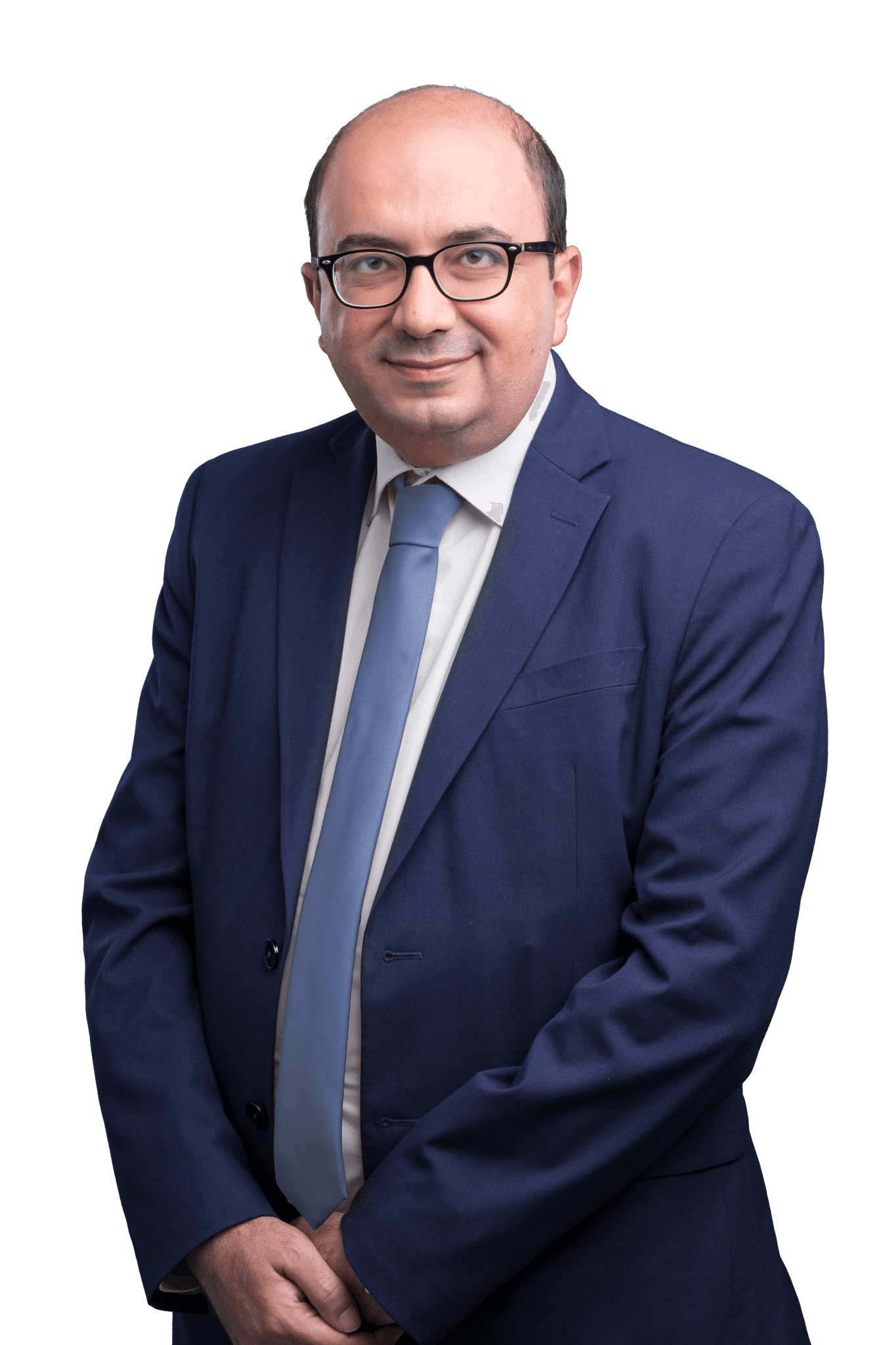
Where this statement fits
The effort to disqualify Sami Abu Shehadeh from Israel's 2026 election
Israel's Central Elections Committee voted on September 23, 2026 to disqualify Balad leader Sami Abu Shehadeh from the October 27 Knesset election. The dispute centers on whether his writing about the October 7, 2023 Hamas-led attack meets the legal threshold for supporting armed struggle against Israel. Attorney General Gali Baharav-Miara supported disqualification. Abu Shehadeh and his lawyers at Adalah challenged the evidence and described the effort as an attack on Arab political representation. At an October 1 hearing, the Supreme Court indicated that a majority favored disqualification and recommended withdrawal, according to court reporting. Balad subsequently announced that its leadership had agreed to withdraw his candidacy while retaining him as party leader. We have not located a final judgment approving the disqualification or an order accepting a formal withdrawal.
Source and context
Analysis
About this source
Areej Sabbagh-Khoury commentary on political representation and exclusion. The author biography appears at the end of the article.
Before the quotation
Her commentary distinguishes the committee's initial ban from the withdrawal that prevented a final detailed court ruling.
After the quotation
She places the exclusion within a broader argument about unequal citizenship.
How this statement is classified
The label describes this statement's response within the context above.
Why this label?
The conduct at issue is the effort to exclude Abu Shehadeh from the election. This passage criticizes that exclusion or the process that produced it.
- Recorded on
- Published here
More from this case
Read the full caseFakhoury criticizes the court's handling of Abu Shehadeh's case
“This is the most dangerous development: a populist court appealing to the instincts of the majority rather than applying legal principles.”Read statement
Amnesty condemns the disqualification effort as a rights violation
Amnesty International
“Candidates across the political spectrum also pushed for the disqualification of Sami Abu Shehadeh, Palestinian citizen of Israel and chairperson of the Tajammou’ (Balad) party, displaying utter disregard for the right to freedom of association, expression, and assembly.”Read statement
Abu Shehadeh says he withdrew to protect his party and community
“So, I took the hardest decision in my political career. I resigned because of this racist behavior in the Supreme Court in Israel.”Read statement
Share or embed this statement
The embed keeps its attribution link to The Dispute Index. Credit the image to The Dispute Index and link to the statement page.
Cite this record
- Publisher
- The Dispute Index
- Title
- Sabbagh-Khoury argues the case narrows Palestinian political representation
- First published
- Last updated
- Permalink
- https://disputeindex.com/events/6912-sabbagh-khoury-argues-that-the-case-illustrates-political
Last updated marks the most recent saved version of this published statement.
The Dispute Index. "Sabbagh-Khoury argues the case narrows Palestinian political representation". First published: 2026-10-27. Last updated: 2026-10-27. https://disputeindex.com/events/6912-sabbagh-khoury-argues-that-the-case-illustrates-political