
Did the Interior Department's offshore wind lease-cancellation payments comply with the Judgment Fund Act?
Interior paid TotalEnergies, Invenergy, and Bluepoint Wind more than $2.3 billion to cancel offshore wind leases in 2026. State attorneys general and members of Congress say the payments broke the Judgment Fund Act. Interior says the payments were lawful, voluntary refunds.
Case period:
Published by The Dispute Index editorial teamPublished Updated
Overview
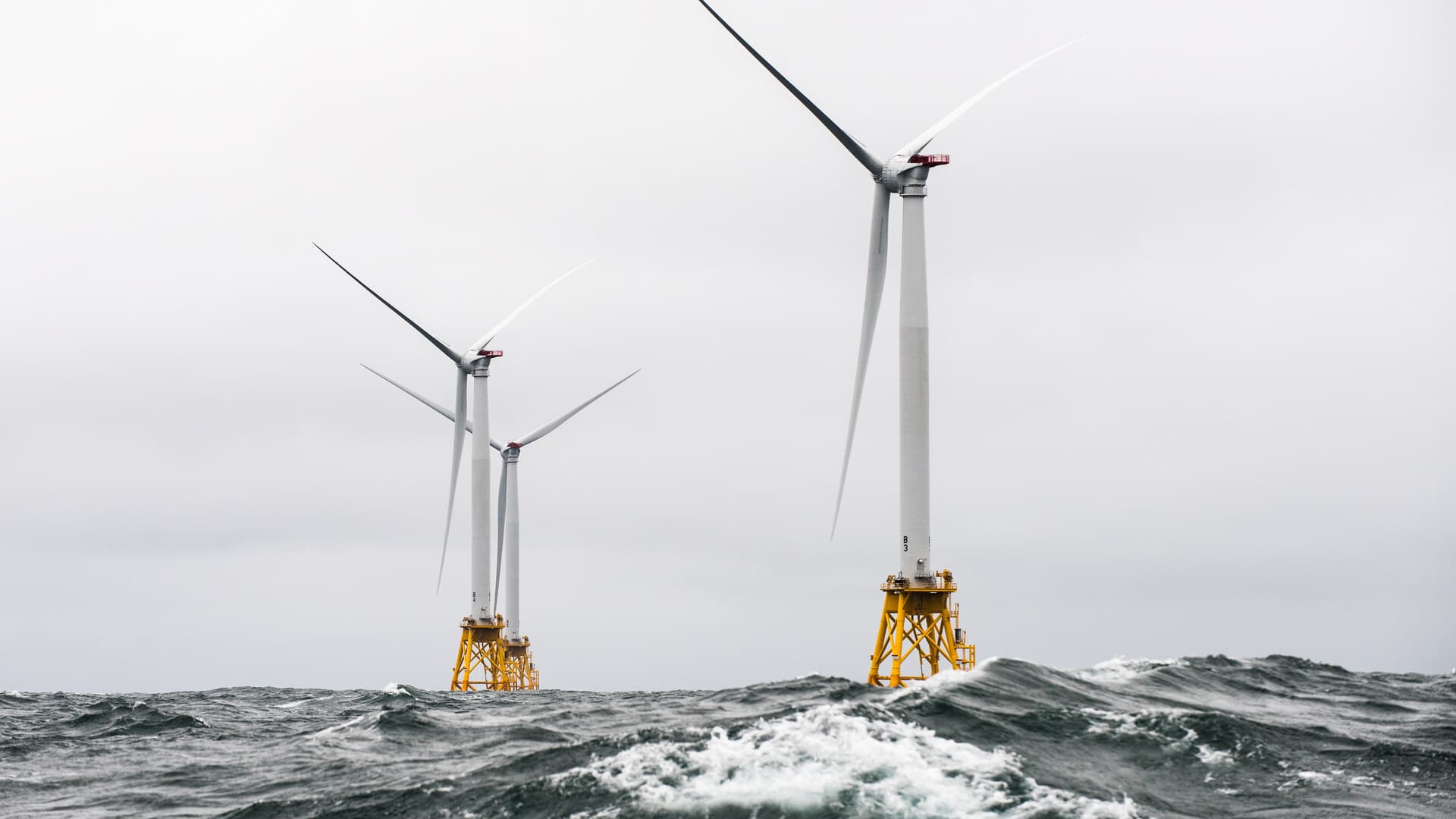
Beginning in March 2026, the U.S. Department of the Interior announced a series of agreements paying offshore wind developers TotalEnergies, Invenergy, and Bluepoint Wind a combined total of more than $2.3 billion to cancel seven offshore wind leases and redirect the money into oil, gas, and other conventional energy projects. Interior and the Department of Justice have said the payments were reviewed and approved settlements and dollar-for-dollar refunds that no company was forced to accept. Seven state attorneys general sued in June 2026; joined by an eighth, Delaware, and separately by California, they filed four federal lawsuits between June and September 2026 arguing the payments violate the Judgment Fund Act, 31 U.S.C. 1304, because no actual or imminent litigation existed to settle and because compensation for a canceled lease is otherwise available under the Outer Continental Shelf Lands Act. Members of Congress, including Sen. Sheldon Whitehouse and Rep. Deborah Ross, sent separate oversight letters demanding records on the legal basis for the payments. TotalEnergies CEO Patrick Pouyanne has said the payment returns money the company itself gave the Treasury in 2022, a characterization Interior Secretary Doug Burgum echoed by calling it an "interest-free loan" being repaid.
Read the full background
This case classifies responses to one specific question: whether the payments the Department of the Interior and the Department of Justice made to TotalEnergies, Invenergy, and Bluepoint Wind to cancel their offshore wind leases complied with the Judgment Fund Act, 31 U.S.C. 1304, a permanent appropriation that Congress limited to paying final court judgments and Justice Department compromise settlements of claims that were being litigated or could have been litigated against the United States. The case does not classify responses to the government's broader authority to cancel offshore wind leases, the separate stop-work orders and injunctions covered in other cases, or the general policy dispute over offshore wind. It also does not resolve the Outer Continental Shelf Lands Act, National Environmental Policy Act, or Administrative Procedure Act claims raised in the same lawsuits; those are distinct legal theories from the Judgment Fund question.
On March 23, 2026 (opens in a new tab), Interior announced it would cancel two TotalEnergies leases, in the New York Bight and Carolina Long Bay, and pay the company's U.S. subsidiary, Attentive Energy, $928 million combined, the amount the company had paid for the leases in 2022. On April 27, 2026 (opens in a new tab), Interior announced the same arrangement with Bluepoint Wind ($765 million, for its New York Bight lease) and Golden State Wind ($120 million, for its Morro Bay, California lease). On June 17, 2026, Interior announced a further agreement with Invenergy to cancel four leases, in the New York Bight, the Gulf of Maine, and off California, for a combined $765 million.
Seven states led by New York's attorney general, Letitia James, sued in the U.S. District Court for the District of Columbia on June 2, 2026 (opens in a new tab) over the TotalEnergies payment. Delaware later joined the coalition, bringing it to eight states, and they sued again on September 22, 2026 in the Eastern District of New York (opens in a new tab) over the Bluepoint Wind payment and in the District of Maine (opens in a new tab) over the Invenergy payment. California's attorney general, Rob Bonta, separately sued over Invenergy's California lease payment. All four complaints make the same core argument: that the payments were not compromise settlements of actual or imminent litigation, and that compensation for a canceled lease is a type of payment "otherwise provided for" under the Outer Continental Shelf Lands Act, so the Judgment Fund was not legally available.
Interior has said the deals were voluntary agreements, reviewed and approved by the Department of Justice, and that the companies were simply refunded money they had already paid the Treasury. TotalEnergies' chief executive, Patrick Pouyanne, made the same argument to CNBC. Associate Attorney General Stanley Woodward said the settlements resolved "protracted litigation."
People in this case
 Doug BurgumDirectly involved
 William TongCommented
 Andrea Joy CampbellCommented
 Charity ClarkCommented
Timeline
19 timeline entries on this page. Dates: March 23, 2026 to October 28, 2026
March 2026
Interior announces $928 million TotalEnergies settlement
Incident
The Department of the Interior announced an agreement with TotalEnergies to cancel its New York Bight and Carolina Long Bay offshore wind leases and pay the company's U.S. subsidiary, Attentive Energy, $928 million combined, the amount it had paid for the leases in 2022.
[01]U.S. Department of the Interior
Department of the Interior press release announcing the settlement agreement to cancel TotalEnergies' two offshore wind leases and reimburse the company $928 million combined.
Interior and TotalEnergies Agree to End Offshore Wind Projects, Lowering Costs for American Families · U.S. Department of the Interior
April 2026
House Democrats question TotalEnergies settlement's legal basis
Reaction
Reps. Jared Huffman and Jamie Raskin, ranking members of the Natural Resources and Judiciary committees, wrote to Interior Secretary Doug Burgum and the acting Attorney General calling the TotalEnergies settlement unlawful and demanding its statutory basis.
[02]Jared Huffman
Letter from the ranking members of the House Natural Resources and Judiciary committees questioning the legal basis for the TotalEnergies settlement.
Whitehouse opens Senate investigation into TotalEnergies payment
Reaction
Sen. Sheldon Whitehouse, ranking member of the Senate Environment and Public Works Committee, sent TotalEnergies CEO Patrick Pouyanne a letter opening an investigation into the settlement, citing GAO and Justice Department precedent on the limits of the Judgment Fund.
[03]Sheldon Whitehouse
Letter from the ranking member of the Senate Environment and Public Works Committee opening an investigation into the TotalEnergies settlement's compliance with the Judgment Fund Act.
Letter from Sen. Sheldon Whitehouse to TotalEnergies CEO Patrick Pouyanne · Sheldon WhitehouseDemocracy Forward requests final TotalEnergies lease-refund agreements
Democracy Forward submits a FOIA request to Interior for the final agreements terminating two TotalEnergies leases and reimbursing a combined $928 million. It asks for records from October 15, 2025 through March 23, 2026. The request seeks evidence about the transaction; it does not establish a response or a ruling.
[04]Democracy Forward requests TotalEnergies lease-refund agreements
The request seeks final agreements concerning two leases and specified reimbursement amounts. It is a public-records request, not a lawsuit or evidence that responsive records were produced.
Democracy Forward requests TotalEnergies lease-refund agreementsApril 23 letter to Interior, Records Requested and date scopeInterior announces Bluepoint Wind and Golden State Wind settlements
Incident
The Department of the Interior announced agreements to cancel Bluepoint Wind's New York Bight lease for $765 million and Golden State Wind's Morro Bay, California lease for $120 million, following the same model as the TotalEnergies settlement.
[05]U.S. Department of the Interior
Department of the Interior press release announcing settlement agreements to cancel Bluepoint Wind's and Golden State Wind's offshore wind leases, with quotes from Secretary Burgum and Associate Attorney General Woodward.
Interior Announces Two Historic Agreements to Promote Affordable, Reliable Energy Production in the United States · U.S. Department of the Interior
May 2026
California subpoenas Golden State Wind's buyout records
The California Energy Commission issues a subpoena seeking records of Golden State Wind's offshore-wind lease buyout and its agreement to invest an equal amount in fossil-fuel projects outside California.
[06]Energy Commission subpoena for Golden State Wind records
The dated document records the author's testimony or a formal procedural action.
Energy Commission subpoena for Golden State Wind recordsDated cover letter and subpoena scope, pages 1-4Treasury reports payments for the TotalEnergies wind settlements
Source release
Treasury's report for April 16-30 records about $928 million in principal payments to TotalEnergies Carolina Long Bay and Attentive Energy. It lists the payments under breach-of-contract claims, following the March agreements to give up offshore wind leases.
[07]Judgment Fund biweekly payment report, April 16-30,2026
The report groups payments within a two-week period and does not identify an individual payment date. Its principal-payment rows total $928,333,333 for the two leaseholders.
Judgment Fund biweekly payment report, April 16-30,2026Report creation date and ten BOEM payment rows for TotalEnergies Carolina Long Bay and Attentive EnergyAhn questions the use of settlement authority for wind buyouts
Source release
Brightline Defense's Edward Ahn submits congressional testimony questioning whether the wind agreements resolve genuine legal liabilities or use the Judgment Fund to redirect private investment. He calls for further inquiry into their legal basis and funding.
[08]Written Testimony of Edward Ahn on the Judgment Fund and offshore wind settlements
Ahn presents legal and policy criticism in written congressional testimony. His legal conclusions are advocacy, rather than court findings.
Written Testimony of Edward Ahn on the Judgment Fund and offshore wind settlementsPages 3-4 and 7-10, legal issues and recommendations15 House Democrats demand records from Trump administration
Reaction
Fifteen House Democrats led by Rep. Deborah Ross sent a letter to President Trump, the Attorney General, and the Interior Department Inspector General demanding records on the offshore wind settlements and asking that further payments be suspended pending review.
[09]Deborah Ross
Letter from 15 House Democrats demanding records on the legal basis for the offshore wind settlement payments and asking that further payments be suspended pending review.
June 2026
Seven states sue over the TotalEnergies settlement
Reaction
Seven states led by New York filed suit in the U.S. District Court for the District of Columbia, arguing the TotalEnergies settlement violated the Judgment Fund Act because it did not resolve actual or imminent litigation and paid for compensation otherwise available under the Outer Continental Shelf Lands Act.
[10]Letitia James
Federal court complaint filed by eight states challenging the TotalEnergies settlement as a violation of the Judgment Fund Act and other federal laws.
Interior announces $765 million Invenergy settlement
Incident
The Department of the Interior announced a settlement with Invenergy to cancel four offshore wind leases, in the New York Bight, the Gulf of Maine, and off California, for a combined $765 million, which Invenergy agreed to redirect into natural gas and geothermal projects.
[11]DOI settlement redirects $765 million from offshore wind to gas, geothermal projects
World Oil report on Interior's settlement with Invenergy to cancel four offshore wind leases for a combined $765 million.
California gives notice of its planned Golden State Wind lawsuit
California's attorney general and Energy Commission sent a formal notice of intent to sue over the Golden State Wind cancellation and compensation agreement. The letter alleged failures to follow federal lease-cancellation requirements.
[12]California's formal lease-cancellation notice
The dated document records the author's testimony or a formal procedural action.
California's formal lease-cancellation noticeDated letter, pages 1-3Interior announces a $129 million wind-lease agreement with Duke
Interior announces that Duke Energy will give up its Carolina Long Bay wind lease and redirect about $129 million to other generating capacity. Duke says the investments may include nuclear power, natural gas and grid improvements.
[13]Interior Announces an Energy Agreement to Strengthen American Energy Security and Lower Costs in North Carolina
The announcement describes a settlement and future reinvestment commitments. It does not document that the promised investments or payment had been completed.
Interior Announces an Energy Agreement to Strengthen American Energy Security and Lower Costs in North CarolinaAnnouncement and quoted explanations from Burgum and Duke Energy
August 2026
Canopy signs a conditional $121 million California lease buyout
Canopy Offshore Wind's agreement provides for about $121 million from the Judgment Fund after verification of qualifying investments. It covers cancellation of a California wind lease and permits investment in specified fossil-fuel infrastructure and civil nuclear fuel projects.
[14]Settlement Agreement Between the United States and Canopy Offshore Wind, LLC
The agreement makes payment conditional on audited qualifying expenditures and provides for cancellation and relinquishment of the lease. It does not itself prove the payment occurred.
Settlement Agreement Between the United States and Canopy Offshore Wind, LLCOpening agreement date and sections1-4 on eligible expenditures and payment conditionsSallee argues wind buyouts overpay for weakened development options
Source release
Berkeley economist James Sallee publishes an analysis criticizing the cost of the buyouts while doubting they substantially change near-term wind deployment. He argues the Judgment Fund can weaken the negotiating agency's incentive to bargain hard because it does not bear the budget cost. He acknowledges uncertainty over the fund's legal use.
[15]Sallee criticizes buyout costs while questioning effect on near-term wind deployment
Sallee's economic analysis criticizes the payments and incentives around the Judgment Fund. He acknowledges legal uncertainty and does not offer a court ruling on eligibility.
Sallee criticizes buyout costs while questioning effect on near-term wind deploymentThe bizarre part and So who killed offshore wind sectionsPadilla and King announce proposal to restore surrendered wind lease areas
Padilla and King announce legislation that would offer surrendered wind lease areas to adjacent leaseholders, return unclaimed areas for reoffering and pause new offshore oil and gas leasing or permits until those steps occur. The proposal responds to lease buyouts. The bill was introduced August 7; this is its August 11 public announcement, not enactment.
[16]Padilla and King announce bill to restore surrendered wind lease areas
The release announces proposed legislation. The bill was introduced August 7; the press release appeared August 11. Neither date establishes enactment.
Padilla and King announce bill to restore surrendered wind lease areasBill provisions and response to lease buyoutsCalifornia sues over the Golden State Wind settlement
Reaction
California filed suit in the U.S. District Court for the Northern District of California, challenging the Golden State Wind lease buyout as a violation of the Judgment Fund Act, the Antideficiency Act, and other federal laws.
[17]Rob Bonta
Federal court complaint filed by California challenging the Golden State Wind lease buyout and its funding from the Judgment Fund.
September 2026
States file three more Judgment Fund lawsuits over Bluepoint Wind and Invenergy
Reaction
Eight states filed suit in the Eastern District of New York over the Bluepoint Wind settlement and in the District of Maine over Invenergy's multistate leases, while California separately sued over Invenergy's California lease; the states said the administration had by then committed more than $4 billion in Judgment Fund payments to cancel offshore wind leases.
[18]Letitia James
Federal court complaint filed by eight states challenging the Bluepoint Wind settlement as a violation of the Judgment Fund Act; recites the broader pattern of offshore wind lease buyouts and the more than $4 billion total.
State of New York et al. v. U.S. Department of the Interior et al., Complaint for Declaratory and Injunctive Relief (E.D.N.Y. No. 1:26-cv-05851) · Letitia Jamesparagraphs 11-20, 450[19]Letitia James
Federal court complaint filed by eight states challenging the Invenergy settlement covering three offshore wind leases as a violation of the Judgment Fund Act.
State of New York et al. v. U.S. Department of the Interior et al., Complaint for Declaratory and Injunctive Relief (D. Maine No. 2:26-cv-00453) · Letitia Jamesparagraphs 1-4, 137-142[20]Rob Bonta
Federal court complaint filed by California challenging Invenergy's California lease buyout; also recites the August 28, 2026 California lawsuit over the Golden State Wind buyout and the total Judgment Fund spending across the settlements.
October 2026
Harvard analysis catalogs wind buyouts and challenges to their legal basis
Source release
Erika Kranz and Kendall McPherson catalog offshore wind lease buyouts and their investment conditions. Their analysis contrasts Interior's national-security and affordability explanations with states' claims that the agreements exceed settlement and spending authority.
[21]Kranz and McPherson examine conflicting coal and wind policy rationales
The authors argue that federal coal and wind policies rely on inconsistent energy and national-security explanations. Their analysis discusses Revolution Wind explicitly.
Kranz and McPherson examine conflicting coal and wind policy rationalesIntroduction and appendix sections D-E, including Revolution Wind stop-work orders and permit reconsideration[22]Harvard EELP publishes its analysis of coal and wind policy rationales
The publisher dates the Kranz and McPherson paper October 28, 2026.
Harvard EELP publishes its analysis of coal and wind policy rationalesDated release, authors and paper summary
Claims
Claims separate what was said from what is contested. Follow each source for the original wording and context.
What's disputed
Disputed claim
The settlement payments to offshore wind developers are not lawful compromise settlements of actual or imminent litigation and are a type of payment otherwise provided for by law under the Outer Continental Shelf Lands Act, making them unavailable from the Judgment Fund under 31 U.S.C. 1304.
Sources (2)
- State of New York et al. v. U.S. Department of the Interior et al., Complaint for Declaratory and Injunctive Relief (E.D.N.Y. No. 1:26-cv-05851) · Letitia Jamesparagraphs 11-20, 450
Disputed claim
The payment TotalEnergies is receiving is not taxpayer money but the return of funds the company itself paid to the Treasury for its leases in 2022.
Sources (1)
Disputed claim
The lease buyout payments are a dollar-for-dollar refund of money the companies already paid the Treasury, not new taxpayer spending, because the leases were no longer viable without government-favored terms.
Sources (2)
- Interior Announces Two Historic Agreements to Promote Affordable, Reliable Energy Production in the United States · U.S. Department of the Interior
Response record
Responses
Choose one response filter, or select All responses to see the full record.
18 responses. First 6 shown initially. Newest first.
 Taxpayers for Common SenseTaxpayer advocacy organization
Before this statement
The organization's report examined federal offshore-wind lease buyouts.
"not to provide a blank check for major executive branch policy decisions."
CondemnedCase context: Did the Interior Department's offshore wind lease-cancellation payments comply with the Judgment Fund Act?
Full statement and sources
Taxpayers for Common Sense criticized using the Judgment Fund to finance the offshore-wind policy reversal. It also questioned whether the promised replacement investments would produce new energy supply.
After the statement
It questioned both the funding authority and the promised replacement investments.
Taxpayers for Common Sense assesses offshore-wind buyoutsReport section: Uses the Judgment Fund to Finance a Policy ReversalWhy this label?
It rejects using the fund to finance this policy reversal.
This label describes the statement's response within the context above.
 William TongConnecticut attorney general
Before this statement
Tong announced lawsuits challenging payments to cancel two offshore-wind leases.
"He is taking our tax dollars for business bribes to block offshore wind"
CondemnedCase context: Did the Interior Department's offshore wind lease-cancellation payments comply with the Judgment Fund Act?
Full statement and sources
Tong accused the administration of using taxpayer money to pay companies to abandon offshore wind. His office said the deals lacked actual or imminent litigation to justify Judgment Fund payments.
After the statement
His office disputes whether the agreements qualified for the Judgment Fund.
Tong's announcement of offshore-wind buyout lawsuitsAttributed Tong statement and paragraphs on Judgment Fund authorityWhy this label?
He rejects the payments as an abuse of taxpayer money.
This label describes the statement's response within the context above.
 Andrea Joy CampbellMassachusetts attorney general
Before this statement
Campbell announced challenges to the Bluepoint and Invenergy buyouts.
"These are bad deals for New Englanders and represent yet another illegal move by the Trump Administration that harms our communities."
CondemnedCase context: Did the Interior Department's offshore wind lease-cancellation payments comply with the Judgment Fund Act?
Full statement and sources
Campbell criticized the two wind buyouts as illegal and harmful to New England. Her office argued that they did not settle actual or imminent litigation and could not lawfully draw on the Judgment Fund.
After the statement
Her office argues the agreements did not resolve actual or imminent litigation.
Campbell's announcement of wind-buyout litigationCampbell's individually attributed statementWhy this label?
She rejects the payments as unlawful and harmful.
This label describes the statement's response within the context above.
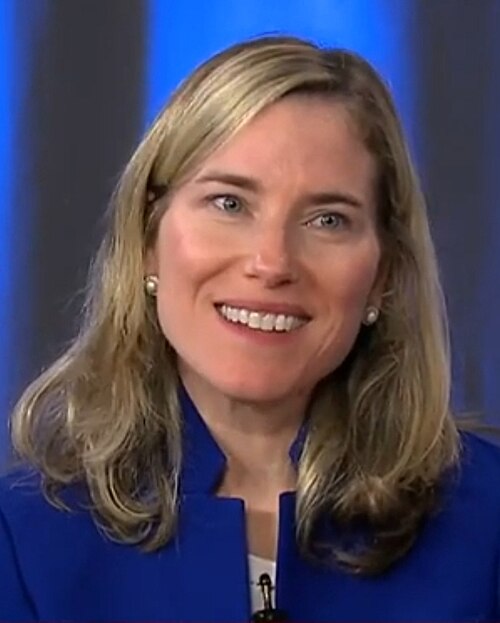 Charity ClarkVermont attorney general
Before this statement
Clark announced Vermont's participation in the offshore-wind lawsuits.
"It is plainly unlawful to use federal funds to pressure companies into foregoing critical renewable energy projects"
CondemnedCase context: Did the Interior Department's offshore wind lease-cancellation payments comply with the Judgment Fund Act?
Full statement and sources
Clark said the government should help build energy infrastructure rather than pay companies to abandon it. Her office said the Bluepoint and Invenergy payments lacked qualifying litigation.
After the statement
She said government should support new energy infrastructure rather than pay developers to abandon it.
Clark's announcement of offshore-wind litigationClark's attributed statementWhy this label?
She rejects the buyouts and their claimed funding authority.
This label describes the statement's response within the context above.
 Rob BontaAttorney General of California
Before this statement
Bonta and the California Energy Commission filed suit against the Invenergy California lease buyout, arguing it violated the Judgment Fund Act along with other federal laws.
"President Trump is trying to send $111 million to his fossil fuel industry friends and wants taxpayers and working families to cover the tab."
CondemnedCase context: Did the Interior Department's offshore wind lease-cancellation payments comply with the Judgment Fund Act?
Full statement and sources
California Attorney General Rob Bonta, announcing a lawsuit over Invenergy's canceled California lease, said the administration was directing taxpayer money to fossil fuel interests and asking working families to pay for it.
After the statement
Bonta said California was "not here to foot the bill" and asked the court to strike down the deal as unlawful.
Why this label?
Bonta directly criticizes the payment as an abuse of taxpayer dollars benefiting fossil fuel interests, condemning both the payment and its intended use.
This label describes the statement's response within the context above.
 Letitia JamesAttorney General of New York
Before this statement
James spoke as she and Governor Kathy Hochul announced New York was leading a coalition of eight states in two new lawsuits challenging the Bluepoint Wind and Invenergy settlement payments.
"These illegal backroom deals take money that should have gone toward lowering New Yorkers' bills and hand it to fossil fuel projects in other states, all while our energy demand continues to grow."
CondemnedResponding to: The settlement payments to offshore wind developers are not lawful compromise settlements of actual or imminent litigation and are a type of payment otherwise provided for by law under the Outer Continental Shelf Lands Act, making them unavailable from the Judgment Fund under 31 U.S.C. 1304.
Full statement and sources
New York Attorney General Letitia James said the Bluepoint Wind and Invenergy settlement payments divert money that should lower New Yorkers' energy bills to fossil fuel projects elsewhere, as she announced two lawsuits challenging the payments.
After the statement
James said her office would continue litigating to have the settlements struck down.
Why this label?
James directly rejects the payments as "illegal backroom deals", condemning both the legality and the effect of the Judgment Fund payments to Bluepoint Wind and Invenergy.
This label describes the statement's response within the context above.
Show fewer responses
Christie WentworthCREW senior policy counsel Before this statement
Wentworth discussed offshore-wind payouts in her analysis of the Judgment Fund.
"this potential “future” abuse is happening now."
CondemnedCase context: Did the Interior Department's offshore wind lease-cancellation payments comply with the Judgment Fund Act?
Full statement and sources
Writing for CREW, Wentworth cited wind-lease payouts as an example of abuse of the Judgment Fund. She urged disclosure before payments and independent court review of high-value settlements.
After the statement
She proposed payment disclosures and court review of high-value settlements.
Wentworth's proposal for tighter oversight of the Judgment FundParagraphs linking current abuse to offshore-wind payouts and proposed reformsWhy this label?
She criticizes the wind payments as current misuse of the fund.
This label describes the statement's response within the context above.
- Rob BontaCalifornia attorney general
Before this statement
Bonta announced California's challenge to the Golden State Wind buyout.
"the Trump administration's outrageous abuse of taxpayer dollars to abandon offshore wind investments"
CondemnedCase context: Did the Interior Department's offshore wind lease-cancellation payments comply with the Judgment Fund Act?
Full statement and sources
Bonta called the Golden State Wind buyout an abuse of taxpayer dollars. California's accompanying complaint challenges the payment as a fabricated settlement rather than the resolution of an existing lawsuit.
After the statement
The complaint contests the claimed authority for the $120 million payment.
California's challenge to the Golden State Wind agreementBonta statement, August 28 releaseWhy this label?
He rejects the payment and its asserted settlement justification.
This label describes the statement's response within the context above.
John RogersUnion of Concerned Scientists energy analyst writing original commentary Before this statement
His analysis describes the Judgment Fund's settlement purpose and arguments concerning the absence of adverse litigation and other available compensation authority.
"All of the filings and documents point to one thing: a strong suspicion, based in law, that this scheme is yet another example of the Trump administration using a wrecking ball without regard to process or to legality."
CondemnedCase context: Did the Interior Department's offshore wind lease-cancellation payments comply with the Judgment Fund Act?
Full statement and sources
In a Union of Concerned Scientists blog post, Rogers reviews claims by states and members of Congress that the buyouts may violate the Administrative Procedure Act, the National Environmental Policy Act, the Outer Continental Shelf Lands Act, the Judgment Fund Act and the Antideficiency Act. He calls the source of the funds one of the deals' biggest apparent legal deficiencies and concludes that the scheme disregards process and legality.
After the statement
He goes on to say that establishing which laws the administration is breaking is key to stopping what he calls a brazen attempt to undercut offshore wind.
Rogers argues wind buyouts may violate five federal lawsJudgment Fund Act section and concluding assessmentWhy this label?
Relative to whether the payments complied with the Judgment Fund Act, Rogers calls the source of the funds one of the buyouts' biggest apparent legal deficiencies and concludes that the scheme disregards process and legality. He criticizes the legal basis for the payments, so condemns fits.
This label describes the statement's response within the context above.
 Oceantic NetworkOffshore renewable-energy trade group, statement issued by its policy executive
Before this statement
The response follows Interior's June 17 announcement covering four Invenergy leases.
"The administration’s plan to pay Invenergy $765 million to walk away from legally executed offshore wind leases is an unlawful misuse of taxpayer dollars and the latest tactic to derail domestic energy development while energy prices soar."
CondemnedCase context: Did the Interior Department's offshore wind lease-cancellation payments comply with the Judgment Fund Act?
Full statement and sources
In a statement from Sam Salustro, its senior vice president of policy and market affairs, Oceantic Network calls the planned $765 million Invenergy buyout an unlawful misuse of taxpayer dollars and says the administration's actions threaten American jobs and energy affordability.
After the statement
Oceantic, a member network for the offshore renewable energy industry, goes on to estimate the economic output and construction jobs lost when a single offshore wind project is canceled.
Oceantic condemns Invenergy wind lease buyoutStatement issued by Sam Salustro, SVP of Policy and Market AffairsWhy this label?
Relative to whether the payments complied with the Judgment Fund Act, Oceantic calls the planned $765 million payment to Invenergy an unlawful misuse of taxpayer dollars. It names no statute, but it rejects the legality of the payment itself, so condemns fits.
This label describes the statement's response within the context above.
 Deborah RossU.S. Representative, North Carolina
Before this statement
Ross's letter followed the TotalEnergies and Bluepoint Wind and Golden State Wind settlement announcements and cited the Antideficiency Act alongside the Judgment Fund.
"The use of congressionally appropriated funds, potentially in violation of the Antideficiency Act, to pay private companies to cancel clean energy projects on the condition that they invest in fossil fuel ventures appears to be quid pro quo. ... You have furnished these reimbursements through the Department of Justice's (DOJ) Judgment Fund, which was created to pay valid judgement and settlements where the United States is the defendant. The details of these agreements make clear that your payment structure does not meet the statutory requirements governing use of the Judgment Fund: DOI has identified no final judgment, Attorney General-approved compromise of a referred claim, or money-damages liability that would make this payment eligible for the Judgment Fund under 31 U.S.C. § 1304 or 28 U.S.C. § 2414."
CondemnedCase context: Did the Interior Department's offshore wind lease-cancellation payments comply with the Judgment Fund Act?
Full statement and sources
Rep. Deborah Ross, leading a letter from 15 House Democrats to President Trump, the Attorney General, and the Interior Department Inspector General, wrote that the payment structure "does not meet the statutory requirements governing use of the Judgment Fund" because DOI identified no final judgment, approved compromise of a referred claim, or money-damages liability that would make the payments eligible under 31 U.S.C. Section 1304.
After the statement
Ross and her co-signers asked the recipients to answer 16 questions about the negotiations by June 1, 2026, including whether the administration obtained a written fiscal-law opinion before entering the agreements.
Why this label?
Relative to whether the payments complied with the Judgment Fund Act, Ross's letter argues directly that they do not meet the statute's requirements, identifying no final judgment or approved compromise that would make them eligible. That is a direct condemnation of the payment mechanism, not merely the broader cancellation policy.
This label describes the statement's response within the context above.
 Doug BurgumU.S. Secretary of the InteriorDirectly involved
Before this statement
Rep. Dave Min asked Burgum whether it was appropriate for Interior to send $1 billion to a foreign energy company to stop producing energy while Americans face high utility bills.
"They essentially gave the U.S. government an interest-free loan and their money was refunded to them"
Defended or excusedResponding to: The lease buyout payments are a dollar-for-dollar refund of money the companies already paid the Treasury, not new taxpayer spending, because the leases were no longer viable without government-favored terms.
Full statement and sources
Interior Secretary Doug Burgum told the House Natural Resources Committee that TotalEnergies was simply refunded money it had already paid the government for its offshore wind leases, comparing the arrangement to an interest-free loan.
After the statement
Min responded that the cancellation was a case study in what he called an economically illiterate and unlawful energy strategy.
Why this label?
Burgum argues the payment was a legitimate refund of the company's own money rather than new taxpayer spending, defending the payment's basis against Rep. Dave Min's questioning.
This label describes the statement's response within the context above.
 Stanley WoodwardAssociate Attorney General of the United States
Before this statement
Woodward spoke as Interior announced settlement agreements with Bluepoint Wind and Golden State Wind on the same terms as the earlier TotalEnergies deal.
"protracted litigation benefits neither, and I am proud to have helped facilitate today's historic deals that advance the President's Energy Dominance Agenda"
Defended or excusedCase context: Did the Interior Department's offshore wind lease-cancellation payments comply with the Judgment Fund Act?
Full statement and sources
Associate Attorney General Stanley Woodward said the Justice Department worked with Bluepoint Wind and Golden State Wind to reach settlements rather than continue what he described as protracted litigation.
After the statement
Woodward added that under the agreements, American taxpayers would be the beneficiary rather than a source of continued subsidies for the projects.
Interior Announces Two Historic Agreements to Promote Affordable, Reliable Energy Production in the United States · U.S. Department of the InteriorWhy this label?
Woodward frames the settlements as the product of a legitimate litigation dispute the Justice Department resolved, defending the settlement process against claims that no real dispute existed to settle.
This label describes the statement's response within the context above.
 Elizabeth KleinFormer director of the Bureau of Ocean Energy Management
Before this statement
The report discusses newly released agreements identifying the Judgment Fund as the planned payment source.
"The posting of these agreements affirms what many of us have been concerned about, namely that DOI intended to violate the law by canceling Total’s offshore wind leases and is now instead paying them off with an enormous, unprecedented amount of taxpayer money,"
CondemnedCase context: Did the Interior Department's offshore wind lease-cancellation payments comply with the Judgment Fund Act?
Full statement and sources
Klein says the agreements show Interior replacing an unlawful cancellation plan with unprecedented payments. She argues BOEM lacks authority simply to return the money.
After the statement
Her statement is a legal assessment; the report also describes Interior's explanation that national-security action would have prompted litigation.
Klein and Irish question legal basis for wind lease refundsDirect quotations from Klein and Irish; lease-cancellation and Judgment Fund analysisWhy this label?
She expressly argues the cancellation and payment strategy is unlawful.
This label describes the statement's response within the context above.
Tony IrishFormer Interior Department attorney responding by email Before this statement
He acknowledges the Judgment Fund can resolve an imminent threat of litigation, then examines whether that condition is supported here.
"In my view, particularly in combination with the lease amendments, it makes the lease cancellations more patently unlawful and enhances my concerns,"
CondemnedCase context: Did the Interior Department's offshore wind lease-cancellation payments comply with the Judgment Fund Act?
Full statement and sources
Irish questions whether the statutory conditions for cancellation were met and whether a real or imminent dispute existed to settle. He says the agreements and amendments deepen his concerns.
After the statement
In a later LinkedIn post, Irish noted that the settlements included Total investments made as early as November 18, 2025, which he suggested could undercut Interior's national-security rationale.
Klein and Irish question legal basis for wind lease refundsDirect quotations from Klein and Irish; lease-cancellation and Judgment Fund analysisWhy this label?
Relative to whether the payments complied with the Judgment Fund Act, Irish argues that under the amended leases there would be no controversy to settle and no imminent threat of a lawsuit, the condition he says allows use of the fund, and calls the cancellations more patently unlawful. He criticizes the legal basis for the payments, so condemns fits.
This label describes the statement's response within the context above.
 Sheldon WhitehouseU.S. Senator, Ranking Member, Committee on Environment and Public Works
Before this statement
Whitehouse wrote to TotalEnergies CEO Patrick Pouyanne seeking documents and answers about the negotiation of the settlement and the source of the funds used to pay the company.
"it is black letter law that the government may not use the Fund to pay Total"
CondemnedCase context: Did the Interior Department's offshore wind lease-cancellation payments comply with the Judgment Fund Act?
Full statement and sources
Sen. Sheldon Whitehouse, in a letter opening a Senate Environment and Public Works Committee investigation, cited Justice Department and GAO precedent to argue the Judgment Fund was not legally available to pay TotalEnergies because there was no imminent litigation to settle.
After the statement
Whitehouse asked TotalEnergies to confirm by April 23, 2026 whether the Treasury Secretary had certified the payment as required by statute.
Letter from Sen. Sheldon Whitehouse to TotalEnergies CEO Patrick Pouyanne · Sheldon WhitehouseWhy this label?
Whitehouse concludes the payment was legally unavailable under the Judgment Fund Act, applying GAO and DOJ Office of Legal Counsel precedent to the facts of the TotalEnergies deal and rejecting its legality.
This label describes the statement's response within the context above.
 Jared HuffmanU.S. Representative, Ranking Member, House Committee on Natural Resources
Before this statement
The letter followed Interior's March 23, 2026 announcement that it would pay TotalEnergies nearly $1 billion to cancel its offshore wind leases.
"The agreement with TotalEnergies is almost certainly unlawful. DOI and TotalEnergies refer to a "settlement," indicating the administration may fund this payout through the Judgment Fund."
CondemnedResponding to: The settlement payments to offshore wind developers are not lawful compromise settlements of actual or imminent litigation and are a type of payment otherwise provided for by law under the Outer Continental Shelf Lands Act, making them unavailable from the Judgment Fund under 31 U.S.C. 1304.
Full statement and sources
Rep. Jared Huffman and Rep. Jamie Raskin, the ranking members of the Natural Resources and Judiciary committees, wrote to Interior Secretary Doug Burgum and the acting Attorney General calling the TotalEnergies settlement unlawful and asking what statutory authority permitted the payment.
After the statement
Huffman and Raskin asked Interior and the Justice Department to answer eight questions, including which accounts the $928 million would be drawn from, by April 20, 2026.
Why this label?
Huffman directly labels the settlement unlawful and links its "settlement" framing to a likely Judgment Fund funding source he disputes as improper, a clear condemnation of the payment's legal basis.
This label describes the statement's response within the context above.
 Patrick PouyanneChairman and Chief Executive Officer, TotalEnergies
Before this statement
Pouyanne spoke to CNBC at the CERAWeek energy conference in Houston, days after Interior announced the settlement agreement.
"my money that I gave in '22 to the Treasury, which is coming back"
Defended or excusedResponding to: The payment TotalEnergies is receiving is not taxpayer money but the return of funds the company itself paid to the Treasury for its leases in 2022.
Full statement and sources
TotalEnergies CEO Patrick Pouyanne told CNBC the payment his company is receiving is not taxpayer money but the return of what TotalEnergies itself paid the Treasury for the leases in 2022.
After the statement
A former BOEM director, Elizabeth Klein, disputed the characterization, saying the lease payments became federal funds once TotalEnergies won the leases.
Why this label?
Pouyanne defends the payment's legitimacy by characterizing it as the return of the company's own funds rather than an improper use of public money, directly addressing the taxpayer-cost objection at the center of the Judgment Fund dispute.
This label describes the statement's response within the context above.
Sources
(35)
Original text
State of New York et al. v. U.S. Department of the Interior et al., Complaint for Declaratory and Injunctive Relief (E.D.N.Y. No. 1:26-cv-05851)
Relevant passage: paragraphs 11-20, 450
About this source
Federal court complaint filed by eight states challenging the Bluepoint Wind settlement as a violation of the Judgment Fund Act; recites the broader pattern of offshore wind lease buyouts and the more than $4 billion total.
- Published
- Accessed
Original text
Settlement Agreement Between the United States and Canopy Offshore Wind, LLC
Relevant passage: Opening agreement date and sections1-4 on eligible expenditures and payment conditions
About this source
The agreement makes payment conditional on audited qualifying expenditures and provides for cancellation and relinquishment of the lease. It does not itself prove the payment occurred.
- Author
- U.S. Department of the Interior, Department of Justice and Canopy Offshore Wind
- Published
- Accessed
Official statement
Interior Announces an Energy Agreement to Strengthen American Energy Security and Lower Costs in North Carolina
Relevant passage: Announcement and quoted explanations from Burgum and Duke Energy
About this source
The announcement describes a settlement and future reinvestment commitments. It does not document that the promised investments or payment had been completed.
- Author
- U.S. Department of the Interior
- Published
- Accessed
Original text
Written Testimony of Edward Ahn on the Judgment Fund and offshore wind settlements
Relevant passage: Pages 3-4 and 7-10, legal issues and recommendations
About this source
Ahn presents legal and policy criticism in written congressional testimony. His legal conclusions are advocacy, rather than court findings.
- Author
- Edward Ahn / Brightline Defense
- Published
- Accessed
Original text
Judgment Fund biweekly payment report, April 16-30,2026
Relevant passage: Report creation date and ten BOEM payment rows for TotalEnergies Carolina Long Bay and Attentive Energy
About this source
The report groups payments within a two-week period and does not identify an individual payment date. Its principal-payment rows total $928,333,333 for the two leaseholders.
- Author
- U.S. Treasury Bureau of the Fiscal Service
- Published
- Accessed
Analysis
Kranz and McPherson examine conflicting coal and wind policy rationales
Relevant passage: Introduction and appendix sections D-E, including Revolution Wind stop-work orders and permit reconsideration
About this source
The authors argue that federal coal and wind policies rely on inconsistent energy and national-security explanations. Their analysis discusses Revolution Wind explicitly.
- Author
- Erika Kranz and Kendall McPherson
- Accessed
Analysis
Harvard EELP publishes its analysis of coal and wind policy rationales
Relevant passage: Dated release, authors and paper summary
About this source
The publisher dates the Kranz and McPherson paper October 28, 2026.
- Author
- Harvard Environmental and Energy Law Program
- Published
- Accessed
Analysis
Sallee criticizes buyout costs while questioning effect on near-term wind deployment
Relevant passage: The bizarre part and So who killed offshore wind sections
About this source
Sallee's economic analysis criticizes the payments and incentives around the Judgment Fund. He acknowledges legal uncertainty and does not offer a court ruling on eligibility.
- Author
- James Sallee
- Published
- Accessed
Official statement
Padilla and King announce bill to restore surrendered wind lease areas
Relevant passage: Bill provisions and response to lease buyouts
About this source
The release announces proposed legislation. The bill was introduced August 7; the press release appeared August 11. Neither date establishes enactment.
- Author
- Office of Senator Alex Padilla
- Published
- Accessed
Original text
Democracy Forward requests TotalEnergies lease-refund agreements
Relevant passage: April 23 letter to Interior, Records Requested and date scope
About this source
The request seeks final agreements concerning two leases and specified reimbursement amounts. It is a public-records request, not a lawsuit or evidence that responsive records were produced.
- Author
- Democracy Forward Foundation
- Published
- Accessed
Official statement
Oceantic condemns Invenergy wind lease buyout
Relevant passage: Statement issued by Sam Salustro, SVP of Policy and Market Affairs
About this source
The trade group calls the payment unlawful and criticizes the cancellation's costs. Its legal and economic assessments are attributed claims.
- Author
- Oceantic Network; Sam Salustro
- Published
- Accessed
Analysis
Rogers argues wind buyouts may violate five federal laws
Relevant passage: Judgment Fund Act section and concluding assessment
About this source
Rogers distinguishes alleged violations and pending challenges from a judicial determination. He argues that statutory limits and the absence of adverse litigation undermine the arrangements.
- Author
- John Rogers
- Published
- Accessed
Reporting
Klein and Irish question legal basis for wind lease refunds
Relevant passage: Direct quotations from Klein and Irish; lease-cancellation and Judgment Fund analysis
About this source
This is a congressional republication of POLITICO E&E News reporting. The experts' legal conclusions are their views, not court rulings.
- Author
- Niina H. Farah, POLITICO E&E News
- Published
- Accessed
Original text
Energy Commission subpoena for Golden State Wind records
Relevant passage: Dated cover letter and subpoena scope, pages 1-4
About this source
The dated document records the author's testimony or a formal procedural action.
- Published
- Accessed
Original text
California's formal lease-cancellation notice
Relevant passage: Dated letter, pages 1-3
About this source
The dated document records the author's testimony or a formal procedural action.
- Published
- Accessed
Analysis
Taxpayers for Common Sense assesses offshore-wind buyouts
Relevant passage: Report section: Uses the Judgment Fund to Finance a Policy Reversal
About this source
The author or editorial board presents an assessment of the disputed conduct or proposal.
- Author
- Taxpayers for Common Sense
- Published
- Accessed
Analysis
Wentworth's proposal for tighter oversight of the Judgment Fund
Relevant passage: Paragraphs linking current abuse to offshore-wind payouts and proposed reforms
About this source
The author or editorial board presents an assessment of the disputed conduct or proposal.
- Author
- Christie Wentworth
- Published
- Accessed
Official statement
Clark's announcement of offshore-wind litigation
Relevant passage: Clark's attributed statement
About this source
The issuing person or organization explains its position and the actions it took.
- Author
- Charity Clark
- Published
- Accessed
Official statement
Campbell's announcement of wind-buyout litigation
Relevant passage: Campbell's individually attributed statement
About this source
The issuing person or organization explains its position and the actions it took.
- Author
- Andrea Campbell
- Published
- Accessed
Official statement
California's challenge to the Golden State Wind agreement
Relevant passage: Bonta statement, August 28 release
About this source
The issuing person or organization explains its position and the actions it took.
- Author
- Rob Bonta
- Published
- Accessed
Official statement
Tong's announcement of offshore-wind buyout lawsuits
Relevant passage: Attributed Tong statement and paragraphs on Judgment Fund authority
About this source
The issuing person or organization explains its position and the actions it took.
- Author
- William Tong
- Published
- Accessed
Original text
State of California v. United States Department of the Interior et al., Complaint for Declaratory and Injunctive Relief (N.D. Cal. No. 3:26-cv-09123)
Relevant passage: paragraphs 8-11
About this source
Federal court complaint filed by California challenging the Golden State Wind lease buyout and its funding from the Judgment Fund.
- Published
- Accessed
Reporting
DOI settlement redirects $765 million from offshore wind to gas, geothermal projects
About this source
World Oil report on Interior's settlement with Invenergy to cancel four offshore wind leases for a combined $765 million.
- Published
- Accessed
Reporting
Trump's $1B offshore wind payout to TotalEnergies sparks legal concerns
About this source
Canary Media report on legal questions surrounding the TotalEnergies settlement, including CEO Patrick Pouyanne's CNBC remarks and a former BOEM director's rebuttal.
- Published
- Accessed
Official statement
During Climate Week, Attorney General Bonta Announces Second Lawsuit Challenging Unlawful Trump Administration Offshore Wind Deal
About this source
California Attorney General's press release announcing the lawsuit over Invenergy's California lease buyout.
- Published
- Accessed
Reporting
New York, 6 other states sue over the Trump administration's deal to end an offshore wind project
About this source
PBS News report on the first lawsuit over the TotalEnergies settlement, including Interior's response and Secretary Burgum's May 13, 2026 House testimony about the payment.
- Published
- Accessed
Official statement
Attorney General James and Governor Hochul Announce Lawsuit Challenging Trump Administration's Illegal Offshore Wind Deals
About this source
New York Attorney General's press release announcing the lawsuits over the Bluepoint Wind and Invenergy settlement payments.
- Published
- Accessed
Official statement
Letter from Reps. Jared Huffman and Jamie Raskin to Secretary Doug Burgum and Acting Attorney General Todd Blanche
About this source
Letter from the ranking members of the House Natural Resources and Judiciary committees questioning the legal basis for the TotalEnergies settlement.
- Published
- Accessed
Official statement
Letter from Rep. Deborah Ross and 14 other House members to President Trump, Attorney General Blanche, and DOI Inspector General Brzymialkiewicz
About this source
Letter from 15 House Democrats demanding records on the legal basis for the offshore wind settlement payments and asking that further payments be suspended pending review.
- Published
- Accessed
Official statement
Letter from Sen. Sheldon Whitehouse to TotalEnergies CEO Patrick Pouyanne
About this source
Letter from the ranking member of the Senate Environment and Public Works Committee opening an investigation into the TotalEnergies settlement's compliance with the Judgment Fund Act.
- Published
- Accessed
Original text
State of California v. United States Department of the Interior et al., Complaint for Declaratory and Injunctive Relief (N.D. Cal. No. 4:26-cv-10778)
Relevant passage: paragraphs 107-121
About this source
Federal court complaint filed by California challenging Invenergy's California lease buyout; also recites the August 28, 2026 California lawsuit over the Golden State Wind buyout and the total Judgment Fund spending across the settlements.
- Published
- Accessed
Original text
State of New York et al. v. U.S. Department of the Interior et al., Complaint for Declaratory and Injunctive Relief (D. Maine No. 2:26-cv-00453)
Relevant passage: paragraphs 1-4, 137-142
About this source
Federal court complaint filed by eight states challenging the Invenergy settlement covering three offshore wind leases as a violation of the Judgment Fund Act.
- Published
- Accessed
Original text
State of New York et al. v. United States Department of the Interior et al., Complaint for Declaratory and Injunctive Relief (D.D.C. No. 1:26-cv-01910)
Relevant passage: paragraphs 1-20
About this source
Federal court complaint filed by eight states challenging the TotalEnergies settlement as a violation of the Judgment Fund Act and other federal laws.
- Published
- Accessed
Official statement
Interior Announces Two Historic Agreements to Promote Affordable, Reliable Energy Production in the United States
About this source
Department of the Interior press release announcing settlement agreements to cancel Bluepoint Wind's and Golden State Wind's offshore wind leases, with quotes from Secretary Burgum and Associate Attorney General Woodward.
- Published
- Accessed
Official statement
Interior and TotalEnergies Agree to End Offshore Wind Projects, Lowering Costs for American Families
About this source
Department of the Interior press release announcing the settlement agreement to cancel TotalEnergies' two offshore wind leases and reimburse the company $928 million combined.
- Published
- Accessed
Share or embed this case
The embed keeps its attribution link to The Dispute Index. Credit the image to The Dispute Index and link to the case page.
Cite this record
- Publisher
- The Dispute Index
- Title
- Did the Interior Department's offshore wind lease-cancellation payments comply with the Judgment Fund Act?
- First published
- Last updated
- Permalink
- https://disputeindex.com/cases/did-the-interior-department-s-offshore-wind-lease-cancellation-payments-comply-with-the-judgment-fund-act
The Dispute Index. "Did the Interior Department's offshore wind lease-cancellation payments comply with the Judgment Fund Act?". First published: 2026-09-28. Last updated: 2026-09-28. https://disputeindex.com/cases/did-the-interior-department-s-offshore-wind-lease-cancellation-payments-comply-with-the-judgment-fund-act