
Whitehouse says it is "black letter law" that the Judgment Fund could not pay TotalEnergies
U.S. Senator, Ranking Member, Committee on Environment and Public Works
“it is black letter law that the government may not use the Fund to pay Total”
Source and context
Official statement
About this source
Letter from the ranking member of the Senate Environment and Public Works Committee opening an investigation into the TotalEnergies settlement's compliance with the Judgment Fund Act.
Archived copy (opens in a new tab)Before the quotation
Whitehouse wrote to TotalEnergies CEO Patrick Pouyanne seeking documents and answers about the negotiation of the settlement and the source of the funds used to pay the company.
After the quotation
Whitehouse asked TotalEnergies to confirm by April 23, 2026 whether the Treasury Secretary had certified the payment as required by statute.
How this statement is classified
Case context: Did the Interior Department's offshore wind lease-cancellation payments comply with the Judgment Fund Act?
The label describes this statement’s response within the context above.
Why this label?
Whitehouse concludes the payment was legally unavailable under the Judgment Fund Act, applying GAO and DOJ Office of Legal Counsel precedent to the facts of the TotalEnergies deal and rejecting its legality.
- Recorded on
- Published here
- People and groups discussed
- TotalEnergies, U.S. Department of the Interior
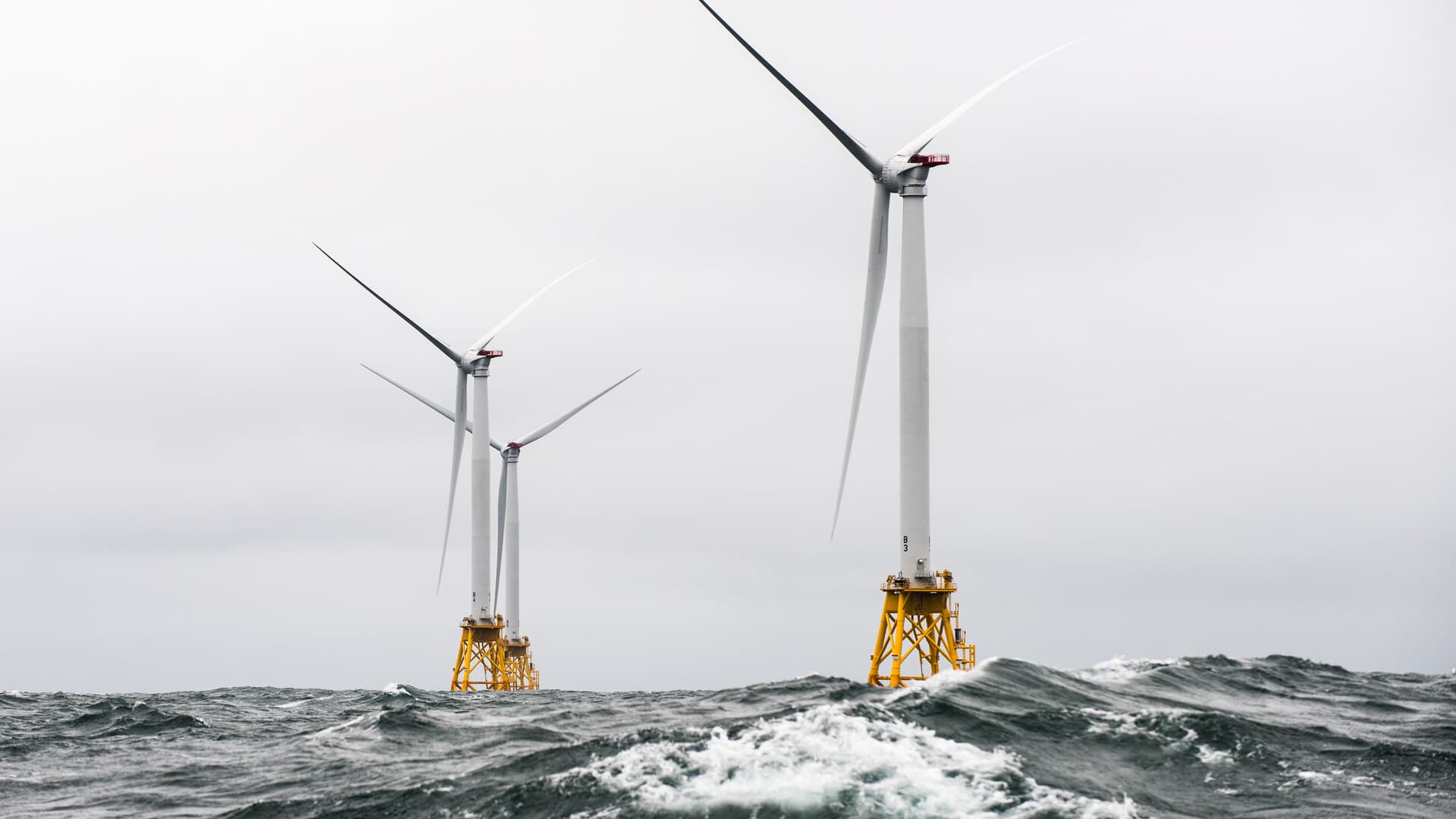
Did the Interior Department's offshore wind lease-cancellation payments comply with the Judgment Fund Act?
Explore the case context, sources and public responses.
More from this case
Read the full case“President Trump is trying to send $111 million to his fossil fuel industry friends and wants taxpayers and working families to cover the tab.”Read statement
“These illegal backroom deals take money that should have gone toward lowering New Yorkers' bills and hand it to fossil fuel projects in other states, all while our energy demand continues to grow.”Read statement
“The use of congressionally appropriated funds, potentially in violation of the Antideficiency Act, to pay private companies to cancel clean energy projects on the condition that they invest in fossil fuel ventures appears to be quid pro quo. ... You have furnished these reimbursements through the Department of Justice's (DOJ) Judgment Fund, which was created to pay valid judgement and settlements where the United States is the defendant. The details of these agreements make clear that your payment structure does not meet the statutory requirements governing use of the Judgment Fund: DOI has identified no final judgment, Attorney General-approved compromise of a referred claim, or money-damages liability that would make this payment eligible for the Judgment Fund under 31 U.S.C. § 1304 or 28 U.S.C. § 2414.”Read statement