
Supreme Court ends Falun Gong practitioners' suit against Cisco and bars new Alien Tort Statute claims; Sotomayor dissents
The Supreme Court ruled 6-3 that courts cannot create new Alien Tort Statute claims, ending Falun Gong practitioners' suit alleging Cisco helped China persecute them. Justice Sotomayor dissented, and EFF and David Scheffer criticized the ruling.
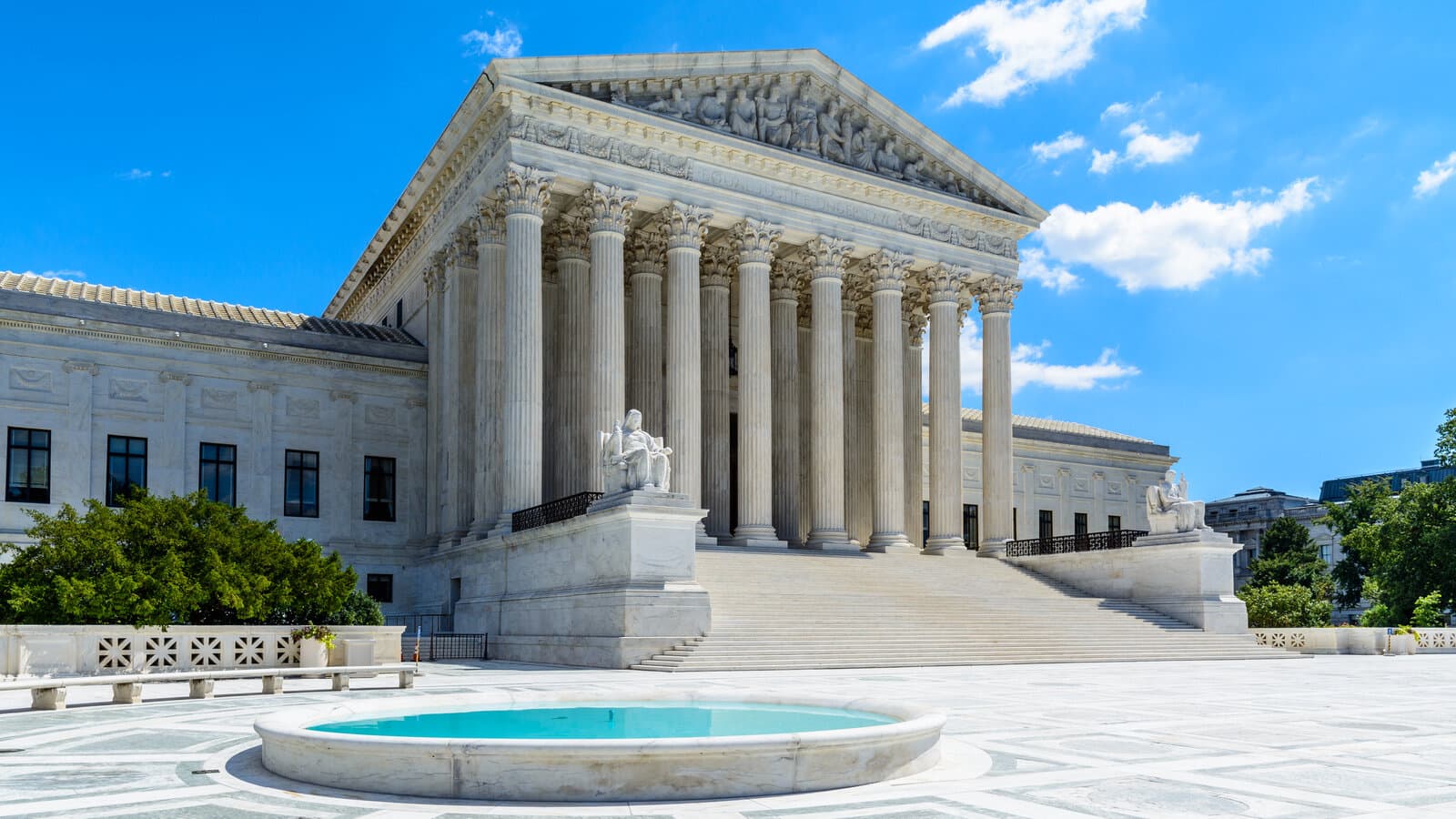
Case period:
Published by The Dispute Index editorial teamPublished Updated
Where it stands
ActiveAs of
Established
- The Supreme Court ruled 6-3 on June 23, 2026 that federal courts may not create new causes of action under the Alien Tort Statute, and reversed the Ninth Circuit.Cisco Systems, Inc. v. Doe I, No. 24-856 (U.S. June 23, 2026): opinion of the Court, opinion of Jackson, J., and dissent of Sotomayor, J. (opens in a new tab)
- The Court also held that the Torture Victim Protection Act does not provide for aiding-and-abetting liability. Justice Sotomayor dissented from both holdings.Cisco Systems, Inc. v. Doe I, No. 24-856 (U.S. June 23, 2026): opinion of the Court, opinion of Jackson, J., and dissent of Sotomayor, J. (opens in a new tab)
Disputed
- The majority says Congress, not the courts, should decide whether to create such claims. Sotomayor, EFF and Scheffer say the ruling leaves people harmed by abuses that U.S. companies allegedly aid without a remedy in U.S. courts.Cisco Systems, Inc. v. Doe I, No. 24-856 (U.S. June 23, 2026): opinion of the Court, opinion of Jackson, J., and dissent of Sotomayor, J. (opens in a new tab)Electronic Frontier Foundation: U.S. Supreme Court Deals Final Blow to Corporate Human Rights Accountability (opens in a new tab)Council on Foreign Relations: The Supreme Court's Cisco Ruling Clears the Way for U.S. Tech to Aid Repression Abroad (opens in a new tab)See the claim
Not yet known
- Whether Congress will take up a federal law allowing suits against companies that aid and abet human rights abuses abroad.
Overview
The plaintiffs sued Cisco in 2011. A district court dismissed the case, and in 2023 the Ninth Circuit let parts of it proceed, holding that aiding-and-abetting liability is available under the Alien Tort Statute and the Torture Victim Protection Act. The Supreme Court reversed that decision and remanded the case.
The Alien Tort Statute, enacted by the First Congress in 1789, gives federal district courts jurisdiction over civil actions by foreign nationals for torts committed in violation of the law of nations or a treaty of the United States. In Sosa v. Alvarez-Machain (2004), the Court said courts could recognize a narrow class of new claims under it. The majority said that class is a null set and that creating such claims belongs to Congress.
People in this case
 David SchefferCommented
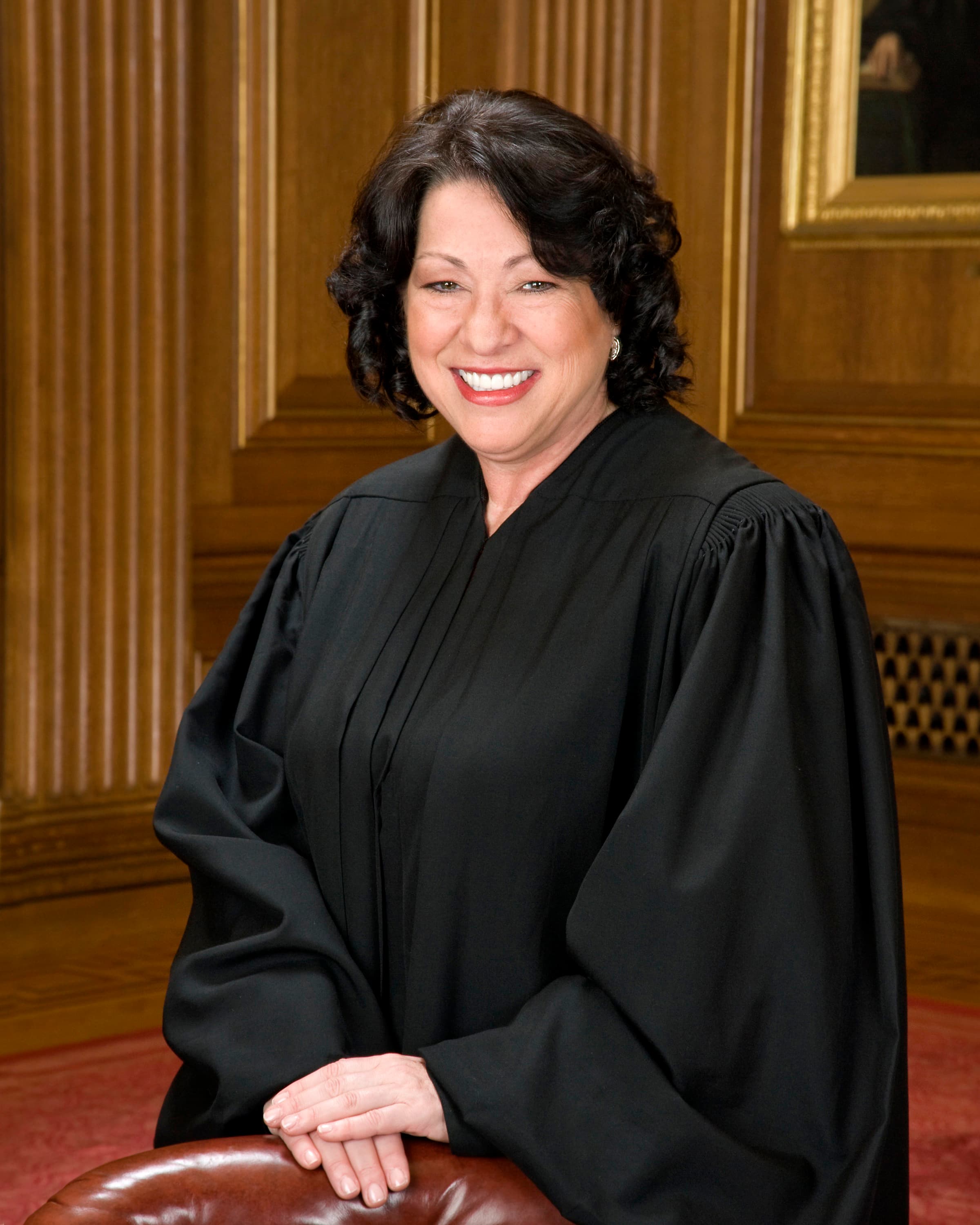 Sonia SotomayorCommented
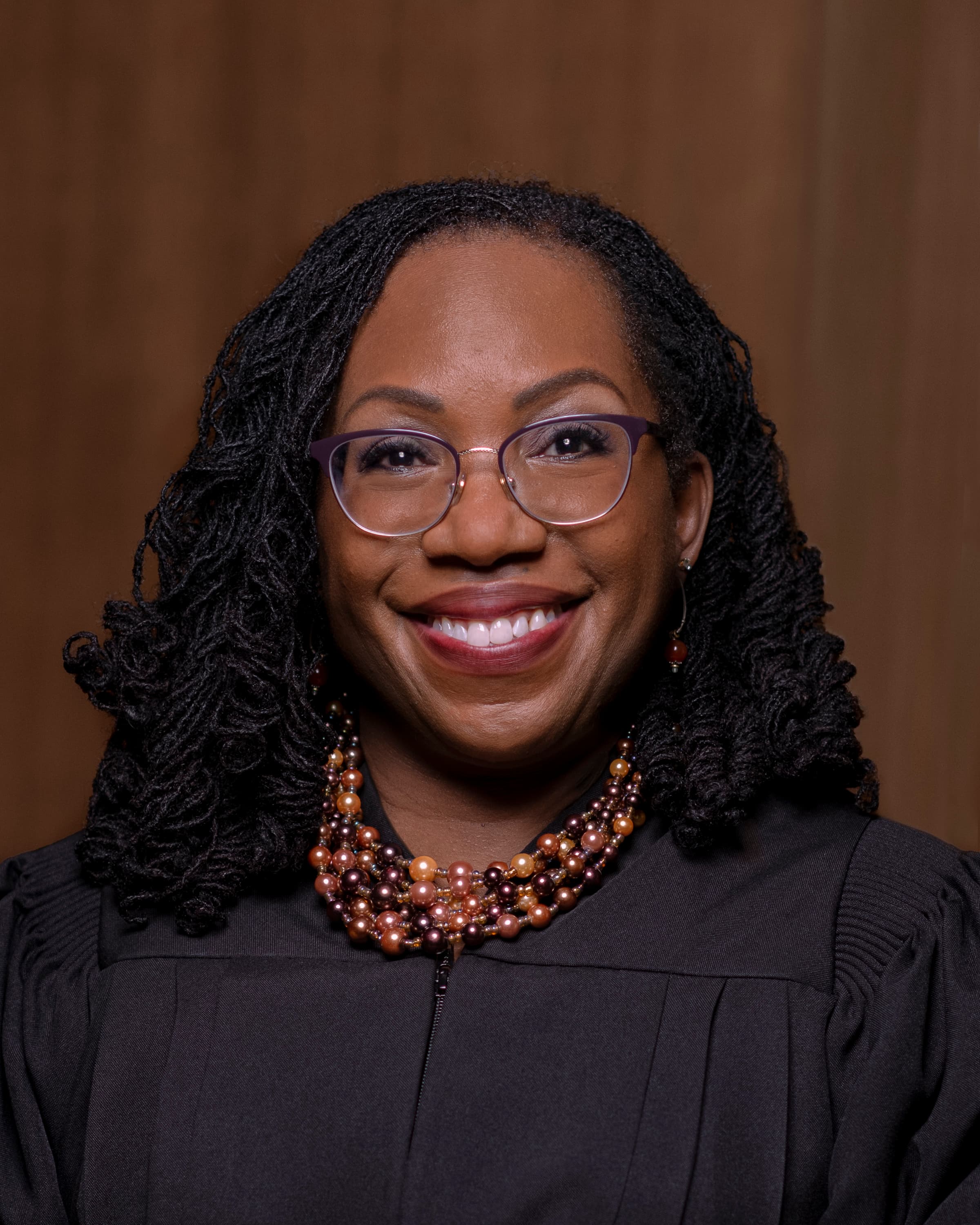 Ketanji Brown JacksonCommented
Timeline
3 timeline entries on this page. Dates: June 23, 2026 to November 9, 2026
June 2026
Supreme Court rules 6-3 for Cisco and bars new Alien Tort Statute claims
Source release
The Court reverses the Ninth Circuit, holding that courts may not create new causes of action under the Alien Tort Statute and that the Torture Victim Protection Act does not provide for aiding-and-abetting liability. Justice Sotomayor dissents, and Justice Jackson concurs in part and dissents in part.
David Scheffer criticizes the ruling in a Council on Foreign Relations article
Reaction
Scheffer, a former U.S. ambassador-at-large for war crimes issues, writes that the ruling effectively clears the way for U.S. companies to help repressive governments surveil people and violate their rights.
November 2026
Electronic Frontier Foundation calls on Congress to act after the ruling
Reaction
EFF says the Court effectively read the Alien Tort Statute into non-existence and calls for a federal law allowing suits against companies that aid and abet human rights abuses.
Claims
Claims separate what was said from what is contested. Follow each source for the original wording and context.
What's disputed
Supreme Court of the United States
Federal courts may not create new causes of action for violations of international law under the Alien Tort Statute, so there is no liability under it for aiding and abetting such violations.
What is disputed
The Supreme Court majority, in an opinion by Justice Barrett, said creating such claims belongs to Congress and carries foreign policy risks. Justice Sotomayor's dissent, joined by Justices Kagan and Jackson on this point, said the ruling overrules Sosa v. Alvarez-Machain without acknowledging it. The Electronic Frontier Foundation and David Scheffer said the ruling leaves technology companies that allegedly aid abuses abroad beyond the reach of the statute.
Sources (3)
- Cisco Systems, Inc. v. Doe I, No. 24-856 (U.S. June 23, 2026): opinion of the Court, opinion of Jackson, J., and dissent of Sotomayor, J. · Supreme Court of the United StatesSlip opinion: syllabus; opinion of the Court at 12-14; opinion of Jackson, J., at 1; Sotomayor, J., dissenting, at 1-2
- Electronic Frontier Foundation: U.S. Supreme Court Deals Final Blow to Corporate Human Rights Accountability · Electronic Frontier FoundationArticle text
In their own words
Their own account
Statements from the person or group whose act or claim this case is about. They are listed apart from the responses, and each label says what the speaker did with their own act or claim.
 Supreme Court of the United StatesMajority opinion of the Court, written by Justice Barrett and joined by Chief Justice Roberts and Justices Thomas, Alito, Gorsuch and Kavanaugh
"In sum, we close the door that Sosa cracked to judicially created ATS liability. ... In truth, this class is a null set."
ExplainedResponding to: Federal courts may not create new causes of action for violations of international law under the Alien Tort Statute, so there is no liability under it for aiding and abetting such violations.
Full statement and sources
Writing for the Court, Justice Barrett says courts may not create new causes of action under the Alien Tort Statute, that the narrow class of cases Sosa left open is empty, and that Cisco therefore cannot be held liable for aiding and abetting violations of international law. The opinion also holds that the Torture Victim Protection Act does not cover aiding and abetting.
Before the statement
The Ninth Circuit had reversed the district court's dismissal in relevant part, holding that aiding-and-abetting liability is available under the Alien Tort Statute.
After the statement
The opinion says the Court recognizes that such cases frequently involve heinous and inhumane acts, and that the political branches or other international actors may provide redress.
Cisco Systems, Inc. v. Doe I, No. 24-856 (U.S. June 23, 2026): opinion of the Court, opinion of Jackson, J., and dissent of Sotomayor, J. · Supreme Court of the United StatesSlip opinion: syllabus; opinion of the Court at 12-14; opinion of Jackson, J., at 1; Sotomayor, J., dissenting, at 1-2Why this label?
The Court's opinion announces the ruling and gives its reasons: that creating causes of action belongs to Congress and that such suits carry foreign policy risks, so we labeled it Explained.
This label describes the statement's response within the context above.
Response record
Responses
Choose one response filter, or select All responses to see the full record.
4 responses. Newest first.
 Electronic Frontier FoundationDigital civil liberties nonprofit, in a Deeplinks blog post by Sophia Cope
"The Supreme Court’s ending of the plaintiffs’ case against Cisco is hugely disappointing given that the case has been going on since 2011 ... Given that the U.S. Supreme Court has effectively read the ATS into non-existence, Congress must now step up."
CondemnedResponding to: Federal courts may not create new causes of action for violations of international law under the Alien Tort Statute, so there is no liability under it for aiding and abetting such violations.
Full statement and sources
The Electronic Frontier Foundation calls the end of the case hugely disappointing, says the ruling forecloses suits against technology companies for aiding and abetting human rights abuses, and calls on Congress to pass a federal law allowing such suits.
Before the statement
EFF filed amicus briefs in the case, including in the Supreme Court, arguing that a federal statute is needed because voluntary corporate human rights mechanisms are inadequate.
After the statement
The post also says Cisco has never provided redress to the plaintiffs despite its human rights policy, and calls the company's commitment to human rights a fiction.
Electronic Frontier Foundation: U.S. Supreme Court Deals Final Blow to Corporate Human Rights Accountability · Electronic Frontier FoundationArticle textWhy this label?
EFF calls the end of the plaintiffs' case hugely disappointing and says the Court effectively read the statute into non-existence, so we labeled it Condemned.
This label describes the statement's response within the context above.
 David SchefferSenior fellow at the Council on Foreign Relations and former U.S. ambassador-at-large for war crimes issues, in a CFR article
"In plain language, the Supreme Court effectively cleared the way for U.S. corporations to enable foreign governments, particularly repressive regimes, that would surveil individuals and violate their human rights."
CondemnedResponding to: Federal courts may not create new causes of action for violations of international law under the Alien Tort Statute, so there is no liability under it for aiding and abetting such violations.
Full statement and sources
Writing for the Council on Foreign Relations, Scheffer says the Court could have sent the case back to examine the evidence against Cisco but instead eliminated that inquiry, and that it effectively cleared the way for U.S. companies to help repressive governments surveil people and violate their rights.
Before the statement
Scheffer joined an amicus brief of former U.S. war crimes ambassadors and international prosecutors in support of the plaintiffs at the Supreme Court.
After the statement
He writes that the ruling joins earlier decisions that made it harder to hold U.S. corporations accountable under federal law for complicity in atrocity crimes or other human rights violations overseas.
Why this label?
Scheffer says the majority chose to eliminate any inquiry into Cisco's alleged role and cleared the way for U.S. companies to enable repression, so we labeled it Condemned.
This label describes the statement's response within the context above.
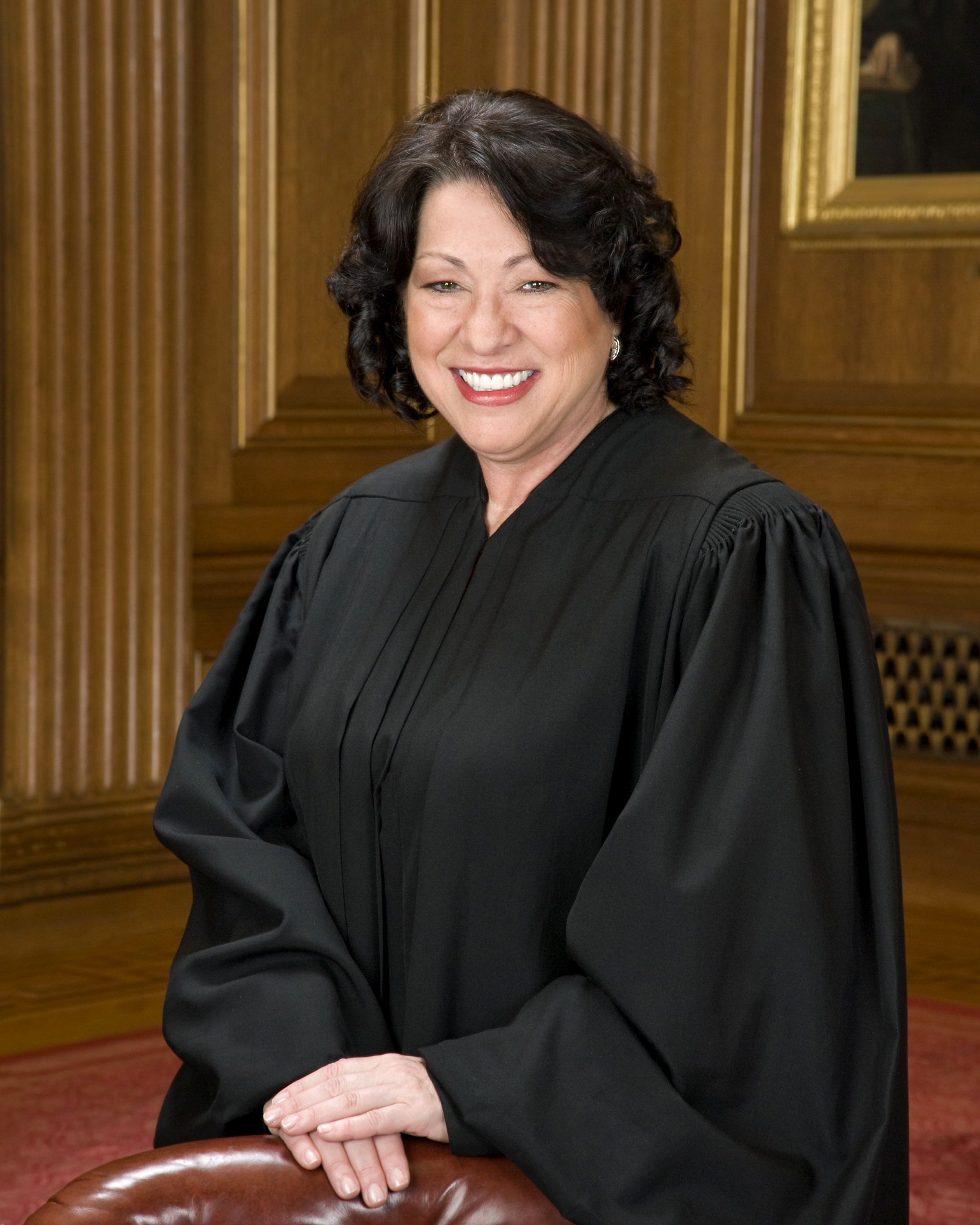 Sonia SotomayorAssociate justice of the Supreme Court, in a dissent joined in part by Justices Kagan and Jackson
"The Court nonetheless closes the courthouse doors not just to respondents, but to virtually every future litigant seeking redress for a violation of international law under the ATS. ... Today’s decision marks yet another low point in this Court’s esteem for its precedents."
CondemnedResponding to: Federal courts may not create new causes of action for violations of international law under the Alien Tort Statute, so there is no liability under it for aiding and abetting such violations.
Full statement and sources
In her dissent, Sotomayor says the majority overrules Sosa without acknowledging it and closes the courts to virtually every future litigant seeking redress under the Alien Tort Statute; Justices Kagan and Jackson join those parts. In a part they do not join, she says the majority also errs on the Torture Victim Protection Act.
Before the statement
Sotomayor opens by describing the plaintiffs' allegation that Cisco knowingly designed and built a mass-surveillance system for the Chinese Communist Party to identify, track, arrest and torture religious minorities.
After the statement
She adds that the Court errs by ignoring the plain meaning of the Torture Victim Protection Act and shutting the door to claims by U.S. citizens against those who aid and abet torture.
Cisco Systems, Inc. v. Doe I, No. 24-856 (U.S. June 23, 2026): opinion of the Court, opinion of Jackson, J., and dissent of Sotomayor, J. · Supreme Court of the United StatesSlip opinion: syllabus; opinion of the Court at 12-14; opinion of Jackson, J., at 1; Sotomayor, J., dissenting, at 1-2Why this label?
Sotomayor says the majority overrules precedent without saying so and shuts the courts to people seeking redress for violations of international law, and she dissents from both holdings, so we labeled it Condemned.
This label describes the statement's response within the context above.
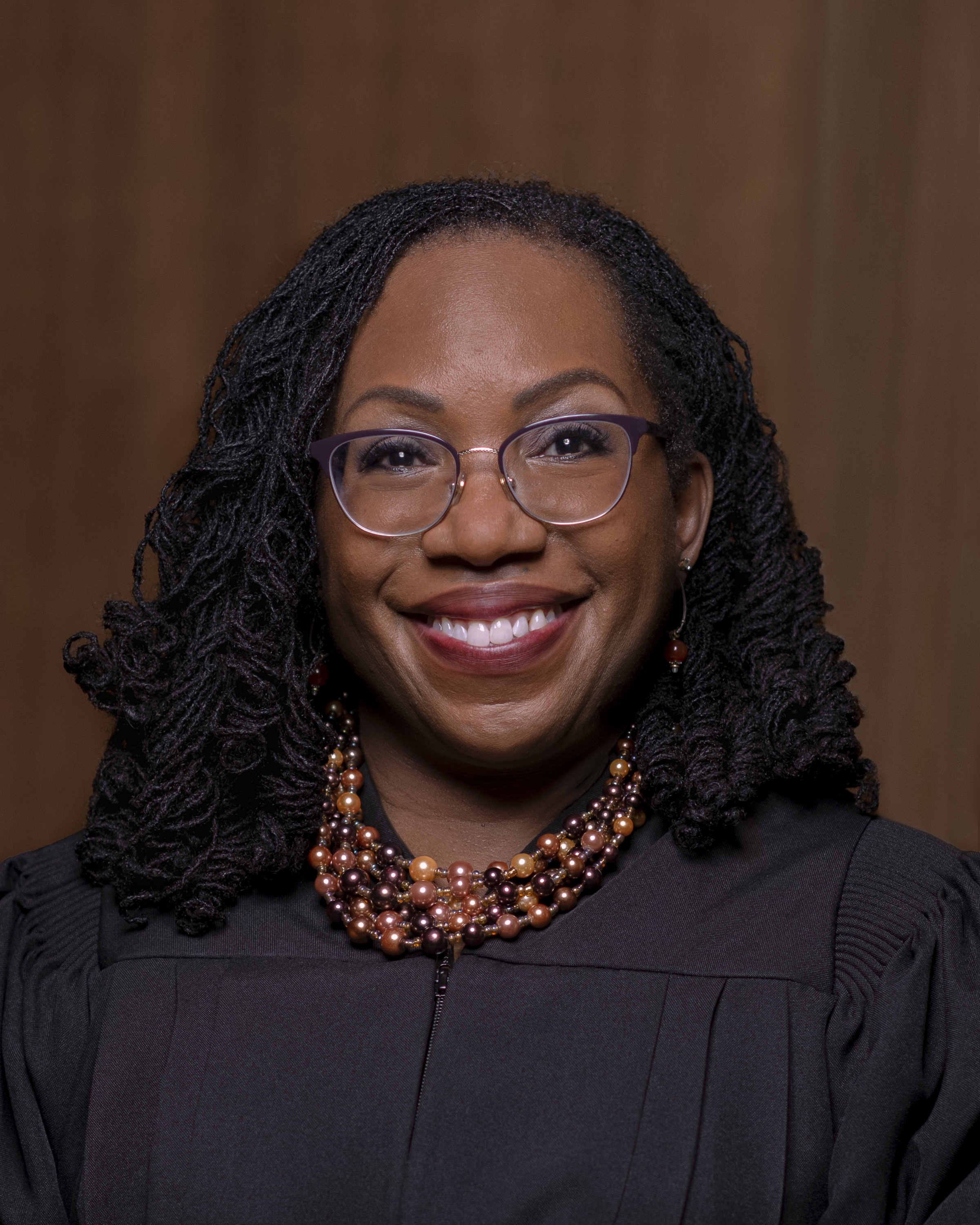 Ketanji Brown JacksonAssociate justice of the Supreme Court, in an opinion concurring in the judgment in part and dissenting in part, joined by Justice Kagan
"I agree with JUSTICE SOTOMAYOR’s discussion of the Alien Tort Statute. ... But I think the Court is correct to conclude that the Torture Victim Protection Act of 1991 (TVPA) does not encompass aiding-and-abetting liability."
Mixed or conditionalResponding to: Federal courts may not create new causes of action for violations of international law under the Alien Tort Statute, so there is no liability under it for aiding and abetting such violations.
Full statement and sources
Justice Jackson, joined by Justice Kagan, says she agrees with Sotomayor's discussion of the Alien Tort Statute but that the Court is right that the Torture Victim Protection Act does not cover aiding and abetting. She concurs only in the judgment on that point because she disagrees with how the majority uses Central Bank of Denver.
Before the statement
The majority holds that courts may not create new Alien Tort Statute claims and that the Torture Victim Protection Act does not provide for aiding-and-abetting liability.
After the statement
She writes that the majority is wrong to treat Central Bank as creating a test that turns on whether a statute uses the words aid and abet.
Cisco Systems, Inc. v. Doe I, No. 24-856 (U.S. June 23, 2026): opinion of the Court, opinion of Jackson, J., and dissent of Sotomayor, J. · Supreme Court of the United StatesSlip opinion: syllabus; opinion of the Court at 12-14; opinion of Jackson, J., at 1; Sotomayor, J., dissenting, at 1-2Why this label?
Jackson rejects the majority's Alien Tort Statute holding but accepts its result on the Torture Victim Protection Act, so we labeled it Mixed or conditional.
This label describes the statement's response within the context above.
Sources
(3)
Original text
Cisco Systems, Inc. v. Doe I, No. 24-856 (U.S. June 23, 2026): opinion of the Court, opinion of Jackson, J., and dissent of Sotomayor, J.
Relevant passage: Slip opinion: syllabus; opinion of the Court at 12-14; opinion of Jackson, J., at 1; Sotomayor, J., dissenting, at 1-2
About this source
Slip opinion in Cisco Systems, Inc. v. Doe I, argued April 28, 2026 and decided June 23, 2026. Justice Barrett wrote for the Court, joined by Chief Justice Roberts and Justices Thomas, Alito, Gorsuch and Kavanaugh. Justice Jackson, joined by Justice Kagan, concurred in the judgment in part and dissented in part. Justice Sotomayor dissented, joined by Justices Kagan and Jackson as to Parts I, II, III and V. The Court reversed the Ninth Circuit's 2023 decision and remanded the case.
- Author
- Supreme Court of the United States
- Published
- Accessed
Original text
Council on Foreign Relations: The Supreme Court's Cisco Ruling Clears the Way for U.S. Tech to Aid Repression Abroad
Relevant passage: Article text
About this source
Council on Foreign Relations article of June 30, 2026 by senior fellow David J. Scheffer, who joined an amicus brief of former U.S. war crimes ambassadors and international prosecutors supporting the plaintiffs. It summarizes the plaintiffs' allegations about Cisco's Golden Shield software and argues that the ruling makes it harder to hold U.S. companies accountable for complicity in human rights violations abroad.
- Author
- David J. Scheffer
- Published
- Accessed
Original text
Electronic Frontier Foundation: U.S. Supreme Court Deals Final Blow to Corporate Human Rights Accountability
Relevant passage: Article text
About this source
Deeplinks blog post of November 9, 2026 by Sophia Cope of the Electronic Frontier Foundation, which filed amicus briefs in the case. It quotes the majority opinion and the Ninth Circuit's 2023 ruling, describes the plaintiffs' allegations about Cisco's role in China's Golden Shield surveillance system and calls on Congress to pass a federal human rights law covering companies that aid and abet abuses.
- Author
- Sophia Cope
- Published
- Accessed
Share or embed this case
The embed keeps its attribution link to The Dispute Index. Credit the image to The Dispute Index and link to the case page.
Cite this record
- Publisher
- The Dispute Index
- Title
- Supreme Court ends Falun Gong practitioners' suit against Cisco and bars new Alien Tort Statute claims; Sotomayor dissents
- First published
- Last updated
- Permalink
- https://disputeindex.com/cases/cisco-v-doe-supreme-court-alien-tort-statute-falun-gong
The Dispute Index. "Supreme Court ends Falun Gong practitioners' suit against Cisco and bars new Alien Tort Statute claims; Sotomayor dissents". First published: 2026-11-18. Last updated: 2026-11-18. https://disputeindex.com/cases/cisco-v-doe-supreme-court-alien-tort-statute-falun-gong