
San Diego police searched license plate reader data on an officer and a domestic violence victim; City Council weighs turning off all 505 cameras
San Diego police searched license plate reader data on an officer and a domestic violence victim in an internal affairs inquiry. Two former council supporters now back a suspension, the mayor will not veto, and the council will vote on turning off 505 cameras.
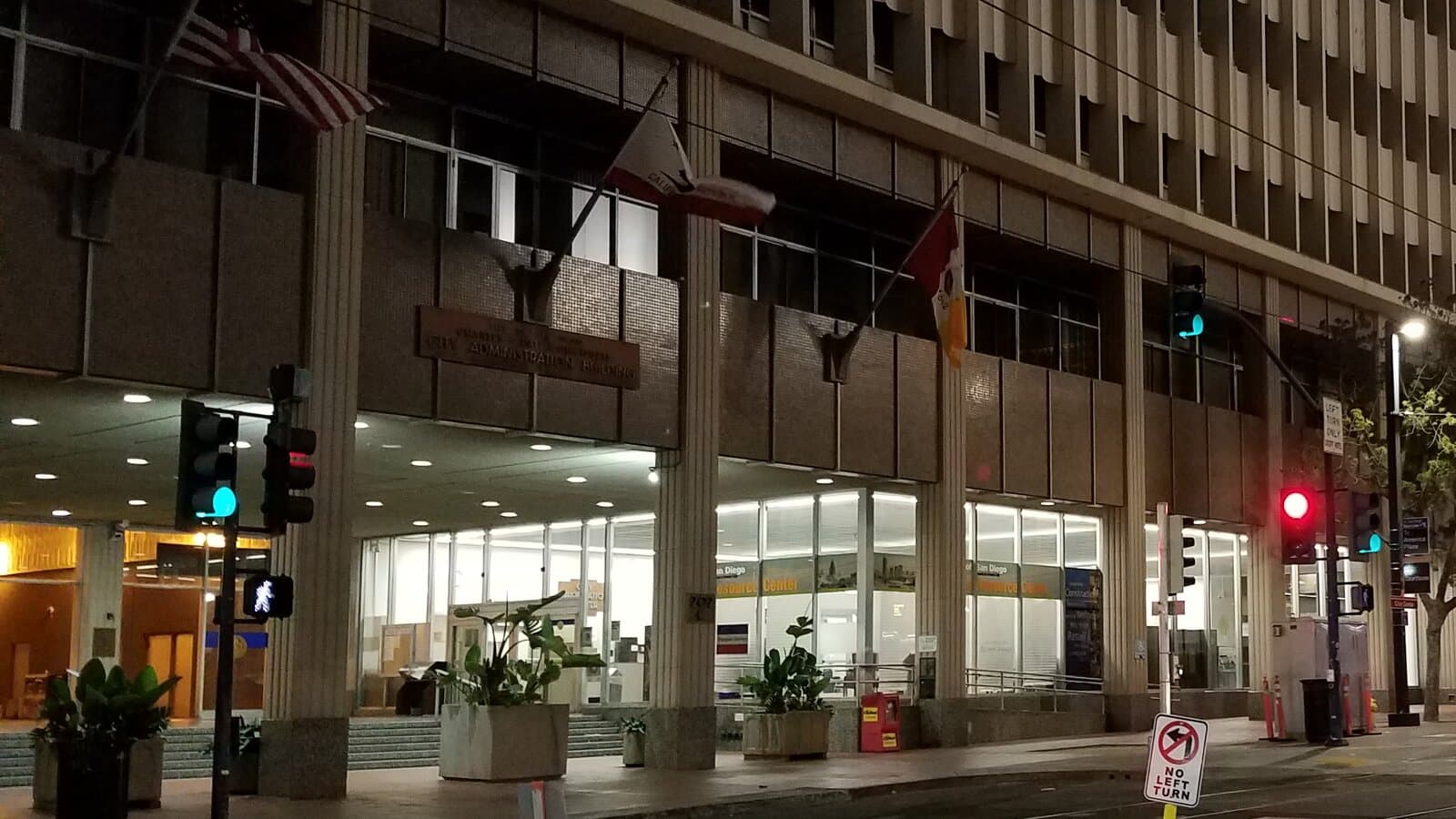
Case period:
Published by The Dispute Index editorial teamPublished Updated
Overview
Voice of San Diego reported on November 12, 2026, that San Diego Police Department internal affairs investigators had the city's license plate reader data searched in 2025 on an officer under investigation and on a domestic violence victim he was suspected of having a sexual relationship with. The department says its policy allows such searches and that internal affairs has used the readers in six misconduct investigations. Councilmember Raul Campillo withdrew his support for the program, Councilmember Marni von Wilpert called for a pause, and Mayor Todd Gloria said he would not veto a council decision to end it. The City Council is scheduled to vote on November 16 on whether to keep the cameras on.
Read the full background
San Diego began using automated license plate readers in 2024, mounted on smart streetlights under a contract that names Flock Safety as a subcontractor. The police department keeps the data for 30 days and says it does not share it with other agencies, although outside agencies, including Border Patrol and ICE, ran nearly 13,000 searches of the city's data before the department found and closed that access. The City Council voted 5-3 in December 2025 to keep using the readers. In October 2026, Councilmember Stephen Whitburn withdrew his support over fears that the data could aid federal immigration enforcement, and a council committee voted to advance ending the program.
According to internal affairs records reported by Voice of San Diego, an officer was accused in 2025 of beginning a sexual relationship with a woman he met on a domestic violence call. In August 2025, investigators had the reader data searched for his personal car and hers. The search did not show the two cars near each other; patrol car location data later placed his police car at her home. The department says internal affairs has used the readers in six misconduct investigations. The San Diego Police Officers Association demanded in a letter that the city stop using Flock in non-criminal administrative investigations, and later told its members the city had agreed.
The council is scheduled to decide at 2 p.m. on November 16, 2026, whether to authorize an updated use policy for the readers. If it does not, the city must turn off all 505 cameras. That vote would not by itself cancel the vendor contract, which runs to 2028.
People in this case
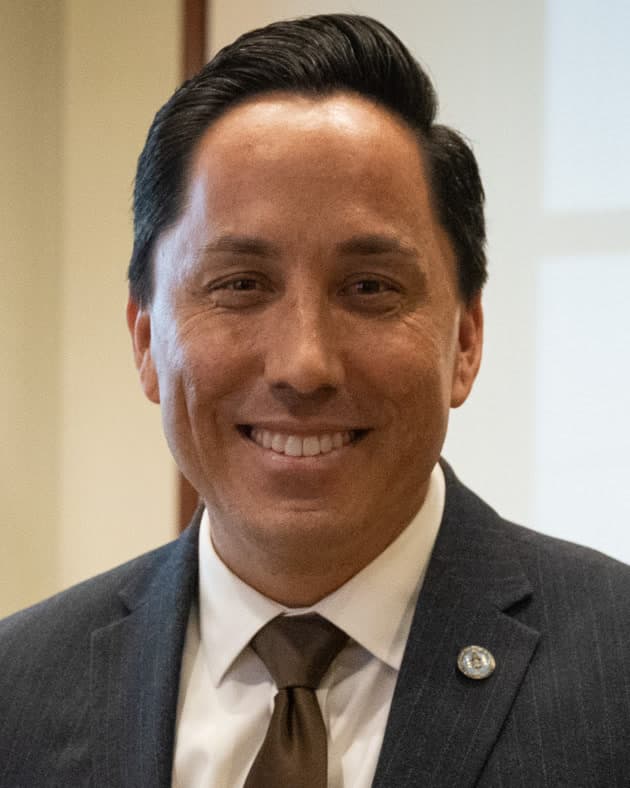 Todd GloriaCommented
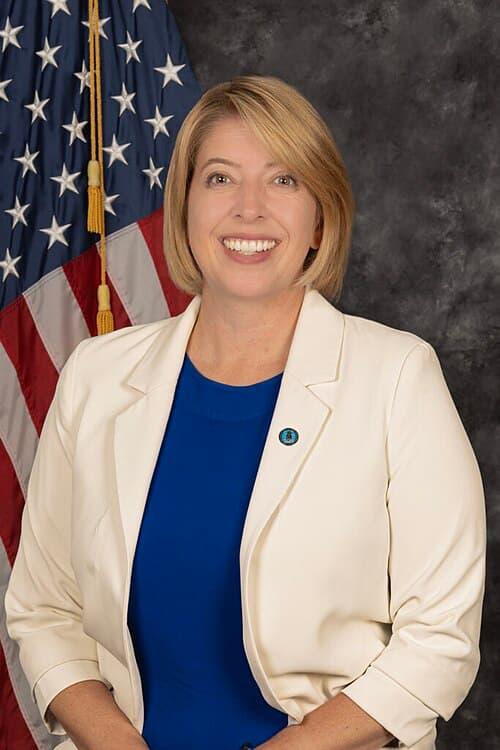 Marni von WilpertCommented
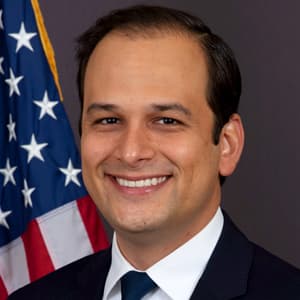 Raul CampilloCommented
 Sean Elo-RiveraCommented
Timeline
4 timeline entries on this page. Dates: October 21, 2026 to November 13, 2026
October 2026
Council committee votes to advance ending the license plate reader program
The City Council's Budget and Government Efficiency Committee votes to advance ending the city's Flock license plate reader program. The decision needs approval from the full council.
[01]San Diego City Council committee moves to end Flock contract
KPBS reports the committee's vote and discusses the next steps with its metro reporter.
San Diego City Council committee moves to end Flock contractOpening report and interview with Andrew Bowen[02]NBC 7 San Diego: SDPD allegedly used ALPR tech to track officer and domestic violence victim
Reports SDPD Communications Manager Ashley Nicholes's statements that internal affairs used the readers in six administrative misconduct investigations and that the use policy covers them, with reactions from Councilmembers Raul Campillo and Marni von Wilpert, Mayor Todd Gloria's statement and background on the October committee vote.
NBC 7 San Diego: SDPD allegedly used ALPR tech to track officer and domestic violence victimArticle text, SDPD statements and council reactions
November 2026
Voice of San Diego reports internal affairs searches of license plate reader data
Source release
Voice of San Diego reports, from internal affairs records, that investigators had the city's license plate reader data searched in August 2025 on an officer under investigation and on a domestic violence victim. The department confirms that internal affairs has used the readers in six misconduct investigations and says its policy allows it.
[03]Voice of San Diego: San Diego Police Used Flock to Surveil Officers, Domestic Violence Victim
Reports, from internal affairs records, that SDPD investigators searched the city's Flock license plate reader data in August 2025 on an officer under investigation and on a domestic violence victim he was suspected of having a sexual relationship with. Includes responses from the department, the police officers association, Privacy Advisory Board vice chair Ted Womack Jr., Councilmember Raul Campillo and Councilmember Sean Elo-Rivera.
Campillo withdraws his support and calls for a suspension
Reaction
Councilmember Raul Campillo, who had supported the program, withdraws his support and demands an immediate suspension and an audit of the department's use of the readers.
[04]Raul Campillo
News release from Councilmember Raul Campillo's office, dated November 12, 2026, withdrawing his support for the city's automated license plate reader program after learning the readers were used to track a domestic violence victim during an internal affairs investigation of an officer. It demands an immediate suspension and an audit.
Councilmember Raul Campillo: Statement calling for the suspension of the ALPR program · Raul CampilloStatement textGloria says he will not veto a council vote to end the program
Reaction
Mayor Todd Gloria says that if the City Council votes on November 16 to end the Flock program, he will respect the decision and not use his veto.
[05]Todd Gloria
Statement issued by Mayor Todd Gloria's office on November 13, 2026, ahead of the City Council's Monday consideration of the Flock license plate reader program. Gloria says he will not veto a council decision to end the program.
Statement from Mayor Todd Gloria on the City's Use of Flock Automated License Plate Readers · Todd GloriaStatement text[06]Times of San Diego: After Flock Safety backlash, San Diego could become largest city to shut off all ALPR cameras
Reports that the City Council could vote on Monday, November 16, 2026, at 2 p.m., not to authorize an updated license plate reader use policy, which would require the city to shut off all 505 cameras, and that the vote would not by itself end the Flock contract.
Claims
Claims separate what was said from what is contested. Follow each source for the original wording and context.
What's disputed
Disputed claim
San Diego Police Department
Searching license plate reader data in internal affairs investigations of officers, including the search on a domestic violence victim's car, falls within the San Diego Police Department's authorized uses of the system.
What is disputed
The department says its use policy allows the readers for legitimate law enforcement purposes and its procedure allows them for official investigations, which it reads to include misconduct investigations. Privacy Advisory Board chair Tim Blood agrees. Board vice chair Ted Womack Jr. says the search sounds like a violation of the policy, Councilmember Raul Campillo calls the use inappropriate, and the police officers association says the use was never disclosed to it or negotiated. The written policy and procedure do not list internal investigations among their examples.
Sources (2)
- NBC 7 San Diego: SDPD allegedly used ALPR tech to track officer and domestic violence victimArticle text, SDPD statements and council reactions
Response record
Responses
Choose one response filter, or select All responses to see the full record.
9 responses. First 6 shown initially. Newest first.
Timothy G. BloodChair of the City of San Diego's Privacy Advisory Board, speaking to CBS 8 Before this statement
CBS 8 reported that SDPD said it did not violate any rules and that its internal affairs division has used license plate reader data in six investigations of misconduct allegations.
"The use policy clearly permits this type of use of ALPR data because it is a legitimate law enforcement activity, internal affairs, the police watching the police is part of what police officers and police departments properly do, and they use the data for that purpose"
Defended or excusedResponding to: Searching license plate reader data in internal affairs investigations of officers, including the search on a domestic violence victim's car, falls within the San Diego Police Department's authorized uses of the system.
Full statement and sources
Blood, chair of the city's Privacy Advisory Board, says the use policy clearly permits internal affairs searches of license plate reader data because police investigating police is a legitimate law enforcement activity.
After the statement
Blood said San Diego has more safeguards than other cities, including limits on sharing the data with outside agencies, and that the decision on whether to use the technology, and under what circumstances, rests with the City Council.
CBS 8: Two councilmembers change stance ahead of vote that could end San Diego ALPR programArticle text, Yahoo News syndicated copyWhy this label?
The case concerns whether San Diego should keep running its police license plate reader program after the department used it in internal affairs investigations, including a search on a domestic violence victim's car. Blood says the city's policy clearly permits internal affairs searches of the data, which defends the searches. He leaves the decision on keeping the technology to the council, but that does not qualify his defense of the searches, so mixed does not fit.
This label describes the statement's response within the context above.
 Todd GloriaMayor of San Diego, in a statement from his office
Before this statement
Gloria said the City Council would decide on Monday whether San Diego should keep using Flock Safety's license plate reader technology, and that if it voted to end the program, he would respect that decision and not use his veto.
"San Diego established some of the strongest safeguards in the nation to protect privacy while giving law enforcement an important tool to fight crime. But safeguards alone are not enough. Flock Safety and the City's use of this technology have clearly lost public trust, and that cannot be ignored."
Mixed or conditionalCase context: San Diego police searched license plate reader data on an officer and a domestic violence victim; City Council weighs turning off all 505 cameras
Full statement and sources
Gloria says San Diego built some of the nation's strongest privacy safeguards for the readers, but that safeguards alone are not enough and that Flock and the city's use of the technology have clearly lost public trust. He says he will not veto a council decision to end the program.
After the statement
He said every city investment has to justify itself by delivering public safety value, operating with strong accountability and keeping the trust of the people who pay for it.
Statement from Mayor Todd Gloria on the City's Use of Flock Automated License Plate Readers · Todd GloriaStatement textNBC 7 San Diego: SDPD allegedly used ALPR tech to track officer and domestic violence victimArticle text, SDPD statements and council reactionsWhy this label?
The case concerns whether San Diego should keep running its police license plate reader program after the department used it in internal affairs investigations, including a search on a domestic violence victim's car. Gloria defends the city's safeguards and the tool's value against crime, but says safeguards are not enough, that the city's use has lost public trust, and that he will not block a council vote to end it. Those are materially different positions on keeping the program, so mixed fits better than defends, which would leave out his statement that the program has lost public trust and his decision not to veto. The statement does not address the internal affairs searches directly.
This label describes the statement's response within the context above.
 Marni von WilpertSan Diego City Council member for District 5 and U.S. House member-elect for California's 48th district, in a statement
Before this statement
Von Wilpert, who had previously supported the technology, called for an immediate pause of the cameras in a statement on Friday, after reports that SDPD used them during an internal affairs investigation involving a domestic violence victim and an officer.
"While I still believe in this technology as an effective community safety tool, I'm troubled by recent reports that the technology was used outside of the intended use allowed by our city's oversight policy"
Mixed or conditionalCase context: San Diego police searched license plate reader data on an officer and a domestic violence victim; City Council weighs turning off all 505 cameras
Full statement and sources
Von Wilpert says she still believes in the technology as an effective community safety tool but is troubled by recent reports that it was used outside of the intended use allowed by the city's oversight policy. She says ALPR can still be helpful but should be paused immediately.
After the statement
A department spokesperson said the policy does not limit the technology to criminal investigations and that the department is committed to investigating allegations of officer misconduct.
NBC 7 San Diego: SDPD allegedly used ALPR tech to track officer and domestic violence victimArticle text, SDPD statements and council reactionsFOX 5 San Diego: Mayor Todd Gloria says he will not veto plans to end Flock in San Diego · FOX 5 San DiegoArticle text, Yahoo News syndicated copyWhy this label?
The case concerns whether San Diego should keep running its police license plate reader program after the department used it in internal affairs investigations, including a search on a domestic violence victim's car. Von Wilpert says she still believes in the technology but is troubled that it was reportedly used outside the city's oversight policy, and she calls for an immediate pause. Stated support for the tool combined with a call to stop it over the reported use is a mixed position; condemns would leave out her stated support.
This label describes the statement's response within the context above.
 Raul CampilloSan Diego City Council member for District 7, in a statement from his office
Before this statement
Campillo said he has supported the readers as a proven tool for preventing and solving serious crimes, but that his support was never unconditional and depended on trust in those responsible for managing the technology and its data.
"Learning that the Police Department used ALPRs inappropriately to surveil one of their own and a member of the public calls the entire program into question. Public trust is not optional, and accountability is not negotiable. A tool intended to protect our community cannot be allowed to become a means of inappropriate surveillance."
CondemnedResponding to: Searching license plate reader data in internal affairs investigations of officers, including the search on a domestic violence victim's car, falls within the San Diego Police Department's authorized uses of the system.
Full statement and sources
Campillo says police use of the readers to surveil one of their own officers and a member of the public calls the whole program into question. He withdraws his support and demands an immediate suspension and an audit of the department's use.
After the statement
He said that until the concerns are fully addressed and safeguards against further misuse are demonstrated, he is withdrawing his support and demanding that the program be suspended immediately and its use within the department audited.
Councilmember Raul Campillo: Statement calling for the suspension of the ALPR program · Raul CampilloStatement textWhy this label?
The case concerns whether San Diego should keep running its police license plate reader program after the department used it in internal affairs investigations, including a search on a domestic violence victim's car. Campillo calls that use inappropriate surveillance, withdraws his support and demands an immediate suspension and an audit. That is a direct criticism of the conduct and of keeping the program running; his earlier support appears only as the background for withdrawing it, so mixed does not fit.
This label describes the statement's response within the context above.
 San Diego Police DepartmentStatement by SDPD Communications Manager Ashley NicholesDirectly involved
Before this statement
Nicholes said internal affairs detectives used the readers in six administrative investigations of specific misconduct allegations, and that the department's use policy allows the system for legitimate law enforcement purposes while its procedure authorizes it for official investigations.
"ALPR and all investigative tools aren't just used to look for evidence of wrongdoing. They also look for information that helps establish what happened. That can include using ALPR to corroborate statements from victims and witnesses, verify timelines, or confirm locations. Those searches are part of conducting a thorough investigation, not an indication that the victim is suspected of a crime"
Defended or excusedResponding to: Searching license plate reader data in internal affairs investigations of officers, including the search on a domestic violence victim's car, falls within the San Diego Police Department's authorized uses of the system.
Full statement and sources
The department says license plate readers and its other investigative tools are used to establish what happened as well as to look for evidence of wrongdoing, such as by corroborating statements from victims and witnesses, and that such searches do not mean a victim is suspected of a crime.
After the statement
She said the department does not use the readers to routinely monitor employees or the public, and that their use in administrative investigations has been tied to specific allegations of misconduct.
NBC 7 San Diego: SDPD allegedly used ALPR tech to track officer and domestic violence victimArticle text, SDPD statements and council reactionsFOX 5 San Diego: Mayor Todd Gloria says he will not veto plans to end Flock in San Diego · FOX 5 San DiegoArticle text, Yahoo News syndicated copyWhy this label?
The case concerns whether San Diego should keep running its police license plate reader program after the department used it in internal affairs investigations, including a search on a domestic violence victim's car. The department says searching the readers in misconduct investigations, including the search on the victim's plate, falls within its authorized uses and was part of a thorough investigation. That defends the searches themselves; it is more than a challenge to how the search was described, because it affirms that the use was proper.
This label describes the statement's response within the context above.
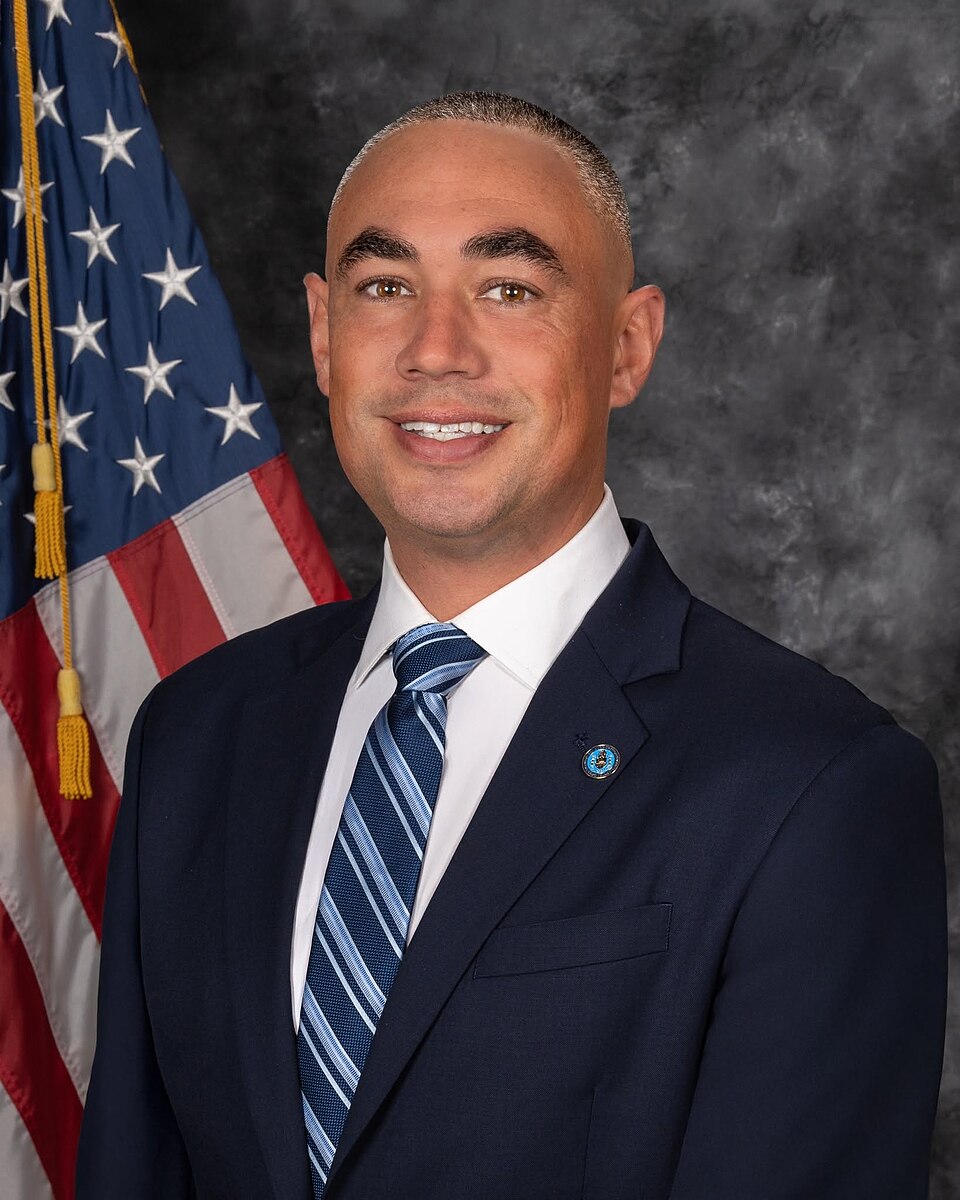 Sean Elo-RiveraSan Diego City Council member for District 9, speaking to Voice of San Diego
Before this statement
Elo-Rivera, a longtime opponent of the city's Flock program, said the latest potential misuse of data shows the concerns many people have had from the beginning.
"I think it is an excellent way of illustrating some of the risks that come with this technology being one of the tools that's in the toolbox and the way in which the laws and rules that are meant to alleviate some of the concerns that people have are insufficient to prevent misuse"
CondemnedCase context: San Diego police searched license plate reader data on an officer and a domestic violence victim; City Council weighs turning off all 505 cameras
Full statement and sources
Elo-Rivera says the latest potential misuse of data is an excellent way of illustrating the risks of the technology, and that the laws and rules meant to alleviate people's concerns are insufficient to prevent misuse.
After the statement
He said he also worries that, as with artificial intelligence, access to such a powerful tool may lead the department to rely on it too heavily and to use it where it is not needed.
Why this label?
The case concerns whether San Diego should keep running its police license plate reader program after the department used it in internal affairs investigations, including a search on a domestic violence victim's car. Elo-Rivera treats the searches as potential misuse and says the rules governing the readers cannot prevent it. That criticizes the program and the searches, so condemns fits.
This label describes the statement's response within the context above.
Show fewer responses
San Diego Police Officers AssociationBoard of directors, in an email to members Before this statement
In a letter to city officials, the union's board said members had told it that internal affairs used Flock to track their personal vehicles, and it demanded that the city stop using the system in non-criminal administrative investigations. After Campillo's announcement, the board told members that the city had agreed to its demands and that members would be understandably upset about the use.
"The SDPOA supported Flock because of its value as a crime-fighting and public safety tool. We continue to support that purpose. However, using the system to monitor officers' personal vehicles in non-criminal administrative investigations is an entirely different application, one that was never disclosed to us or negotiated with the association as required by law."
Mixed or conditionalCase context: San Diego police searched license plate reader data on an officer and a domestic violence victim; City Council weighs turning off all 505 cameras
Full statement and sources
The union's board tells members it still supports Flock as a crime-fighting and public safety tool, but that using it to monitor officers' personal vehicles in non-criminal administrative investigations is a different use that was never disclosed to the union or negotiated with it.
After the statement
In an earlier email to members, sent after the October committee vote, the board wrote that Flock had done a poor job of defending its product and that continued use of Flock may no longer be politically sustainable in San Diego.
Voice of San Diego: San Diego Police Used Flock to Surveil Officers, Domestic Violence VictimArticle textSan Diego Police Officers Association: Letter to the City of San Diego on Flock use in administrative investigations · San Diego Police Officers AssociationFull letter, two pagesWhy this label?
The case concerns whether San Diego should keep running its police license plate reader program after the department used it in internal affairs investigations, including a search on a domestic violence victim's car. The union says it still supports Flock as a crime-fighting tool but objects that using it on officers' personal vehicles in administrative investigations was never disclosed to it or negotiated. It backs keeping the program while opposing the internal affairs use, two materially different positions, so mixed fits better than condemns or defends.
This label describes the statement's response within the context above.
Ted Womack Jr.Vice chair of the City of San Diego's Privacy Advisory Board, speaking to Voice of San Diego Before this statement
Womack said that domestic violence victim was in no way in a circumstance or situation where they were some sort of suspect or subject of any kind of investigation where they would need to be surveilled.
"This definitely sounds like a violation of the use policy. This isn't the first time and I'm sure it won't be the last that it's not being used properly."
CondemnedResponding to: Searching license plate reader data in internal affairs investigations of officers, including the search on a domestic violence victim's car, falls within the San Diego Police Department's authorized uses of the system.
Full statement and sources
Womack, vice chair of the city's Privacy Advisory Board, says the department's surveillance of the domestic violence victim definitely sounds like a violation of the use policy. He says it is not the first time, and he is sure it will not be the last, that the technology is not being used properly.
After the statement
Voice of San Diego reported that on Thursday afternoon Councilmember Raul Campillo, a longtime supporter of SDPD's use of Flock cameras, also spoke out about the use and withdrew his support for the program.
Why this label?
The case concerns whether San Diego should keep running its police license plate reader program after the department used it in internal affairs investigations, including a search on a domestic violence victim's car. Womack says the search on the victim sounds like a violation of the use policy and that improper use will recur. That criticizes the search itself, so condemns fits.
This label describes the statement's response within the context above.
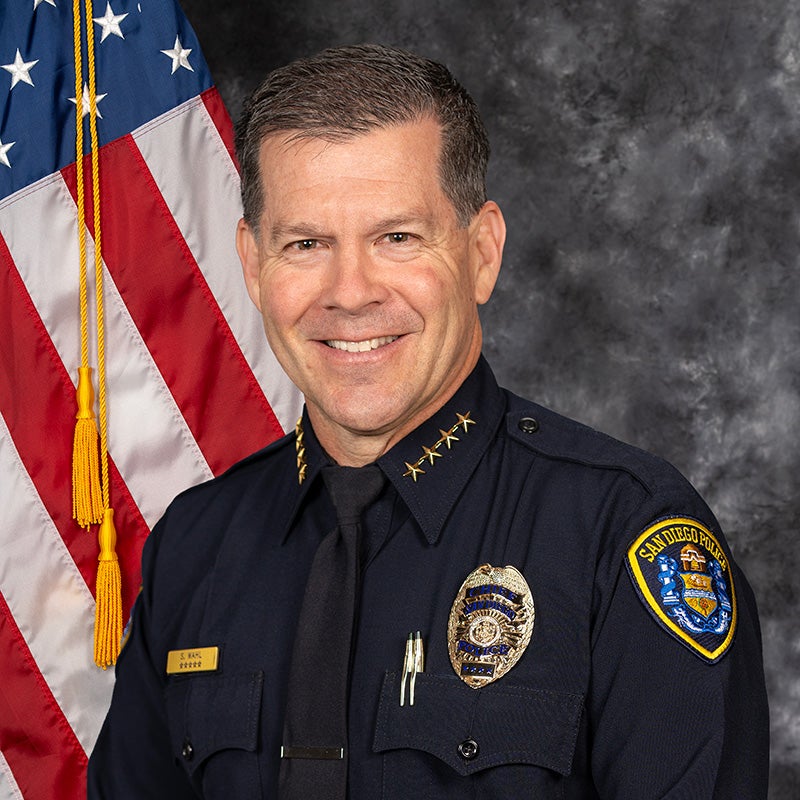 Scott WahlChief of the San Diego Police Department, in an interview with ABC 10News
Before this statement
Wahl made the case for the department's license plate reader technology ahead of the City Council vote, pointing to the council-approved Trust Ordinance and a privacy advisory board that oversees the city's surveillance technology.
"We have something special that we have built here in San Diego with our council, with our community ... What we're really trying to do is educate people on how we're using it, how we're auditing, and how we're being transparent about that auditing."
Defended or excusedCase context: San Diego police searched license plate reader data on an officer and a domestic violence victim; City Council weighs turning off all 505 cameras
Full statement and sources
Wahl says San Diego has built something special with its council and community, and that the department is trying to educate people on how it uses the license plate reader technology, how it audits that use and how it is transparent about the audits.
After the statement
He said officers must cite a case number to search the data, that the department keeps the data for 30 days and does not share it, and that audits run weekly. He said auditing caught within two weeks that the vendor had not switched off sharing with other agencies when the system was installed.
ABC 10News: San Diego Police Chief Wahl defends license plate camera readers, talks death penalty, budgetArticle text and interview videoWhy this label?
The case concerns whether San Diego should keep running its police license plate reader program after the department used it in internal affairs investigations, including a search on a domestic violence victim's car. Wahl argues for keeping the program by describing its oversight, audits and transparency ahead of the vote. He spoke on November 9, before the internal affairs searches were reported, so the remarks do not address them, and we could not locate a later public response from him. The statement defends keeping the program; minimizes does not fit because he does not downplay a reported problem.
This label describes the statement's response within the context above.
Sources
(10)
Reporting
Voice of San Diego: San Diego Police Used Flock to Surveil Officers, Domestic Violence Victim
Relevant passage: Article text
About this source
Reports, from internal affairs records, that SDPD investigators searched the city's Flock license plate reader data in August 2025 on an officer under investigation and on a domestic violence victim he was suspected of having a sexual relationship with. Includes responses from the department, the police officers association, Privacy Advisory Board vice chair Ted Womack Jr., Councilmember Raul Campillo and Councilmember Sean Elo-Rivera.
- Author
- Jakob McWhinney
- Published
- Accessed
Original text
San Diego Police Officers Association: Letter to the City of San Diego on Flock use in administrative investigations
Relevant passage: Full letter, two pages
About this source
Undated letter from the SDPOA Board of Directors to the City of San Diego, published by Voice of San Diego, that asks for a response by November 6, 2026. It says the union was never told Flock would be used to monitor employees' personal vehicles in non-criminal administrative investigations and demands that the city stop that use, meet and confer, and audit non-criminal searches.
- Accessed
Reporting
CBS 8: Two councilmembers change stance ahead of vote that could end San Diego ALPR program
Privacy Advisory Board chair Tim Blood says San Diego police used license plate reader data within city policy, in a CBS 8 report on the council vote over the program published Nov. 16, 2026.
Taken from CBS 8's video, which plays on the Yahoo News page cited for this source. DI added its logo in the corner.
Video: CBS 8 (KFMB), via Yahoo News. Excerpt used for news reporting and commentary
Watch the full original video (opens in a new tab) (relevant passage: Article text, Yahoo News syndicated copy)
About this source
CBS 8 (KFMB) report, carried in full on Yahoo News, ahead of the Monday council vote. Includes Privacy Advisory Board chair Tim Blood's view that the use policy permits internal affairs searches and his remark that the decision on the technology rests with the City Council.
- Author
- Alex Lai
- Published
- Accessed
Reporting
FOX 5 San Diego: Mayor Todd Gloria says he will not veto plans to end Flock in San Diego
Relevant passage: Article text, Yahoo News syndicated copy
About this source
FOX 5 and KUSI report, carried in full on Yahoo News, on Mayor Todd Gloria's statement that he will not veto a council vote to end the program, Councilmember Marni von Wilpert's statement calling for an immediate pause, and SDPD's statement on internal affairs searches.
- Author
- Chris Ponce
- Published
- Accessed
Reporting
Times of San Diego: After Flock Safety backlash, San Diego could become largest city to shut off all ALPR cameras
Relevant passage: Article text
About this source
Reports that the City Council could vote on Monday, November 16, 2026, at 2 p.m., not to authorize an updated license plate reader use policy, which would require the city to shut off all 505 cameras, and that the vote would not by itself end the Flock contract.
- Author
- Tessa Balc
- Published
- Accessed
Interview
ABC 10News: San Diego Police Chief Wahl defends license plate camera readers, talks death penalty, budget
Relevant passage: Article text and interview video
About this source
Interview of San Diego Police Chief Scott Wahl by ABC 10News anchor Jared Aarons, published November 9, 2026, ahead of the council vote on the license plate reader program. Wahl describes the department's audits, 30-day data retention and no-sharing rule. The interview predates the November 12 reports on internal affairs searches.
- Author
- Jared Aarons
- Published
- Accessed
Reporting
NBC 7 San Diego: SDPD allegedly used ALPR tech to track officer and domestic violence victim
Relevant passage: Article text, SDPD statements and council reactions
About this source
Reports SDPD Communications Manager Ashley Nicholes's statements that internal affairs used the readers in six administrative misconduct investigations and that the use policy covers them, with reactions from Councilmembers Raul Campillo and Marni von Wilpert, Mayor Todd Gloria's statement and background on the October committee vote.
- Author
- City News Service
- Published
- Accessed
Official statement
Statement from Mayor Todd Gloria on the City's Use of Flock Automated License Plate Readers
Relevant passage: Statement text
About this source
Statement issued by Mayor Todd Gloria's office on November 13, 2026, ahead of the City Council's Monday consideration of the Flock license plate reader program. Gloria says he will not veto a council decision to end the program.
- Published
- Accessed
Official statement
Councilmember Raul Campillo: Statement calling for the suspension of the ALPR program
Relevant passage: Statement text
About this source
News release from Councilmember Raul Campillo's office, dated November 12, 2026, withdrawing his support for the city's automated license plate reader program after learning the readers were used to track a domestic violence victim during an internal affairs investigation of an officer. It demands an immediate suspension and an audit.
- Published
- Accessed
Interview
San Diego City Council committee moves to end Flock contract
Relevant passage: Opening report and interview with Andrew Bowen
About this source
KPBS reports the committee's vote and discusses the next steps with its metro reporter.
- Author
- KPBS Midday Edition
- Published
- Accessed
Share or embed this case
The embed keeps its attribution link to The Dispute Index. Credit the image to The Dispute Index and link to the case page.
Cite this record
- Publisher
- The Dispute Index
- Title
- San Diego police searched license plate reader data on an officer and a domestic violence victim; City Council weighs turning off all 505 cameras
- First published
- Last updated
- Permalink
- https://disputeindex.com/cases/san-diego-license-plate-readers-internal-affairs-searches-council-vote
The Dispute Index. "San Diego police searched license plate reader data on an officer and a domestic violence victim; City Council weighs turning off all 505 cameras". First published: 2026-11-16. Last updated: 2026-11-16. https://disputeindex.com/cases/san-diego-license-plate-readers-internal-affairs-searches-council-vote