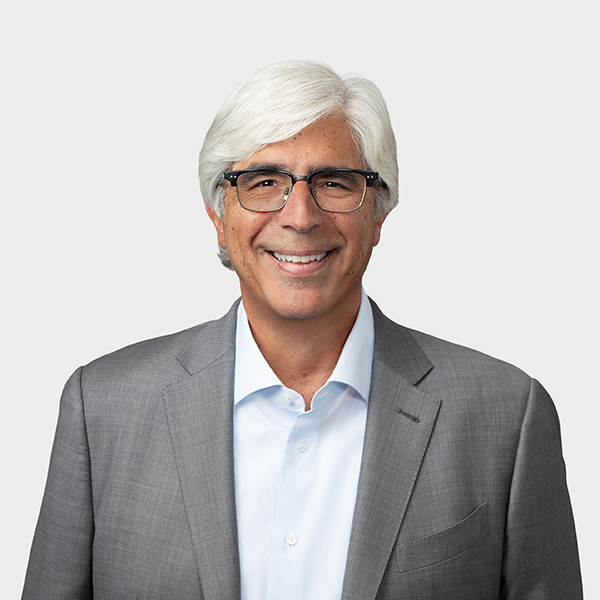
Theodore J. Boutrous Jr. is a partner and global co-chair of litigation at Gibson, Dunn & Crutcher, known for high-profile First Amendment and media law cases.
We have documented 8 statements by Theodore J. Boutrous Jr., in 3 cases. Each statement below gives the quotation, its original source and a link to the full case.
Case updates
Following the CNN, MS NOW and Politico White House access fight?
We'll email you if the court rules on the outlets' injunction request, if the White House changes how it enforces the ban, or if the outlets report new denials.
Important updates only. Free. Confirm your email to start. Unsubscribe anytime. How we handle your email.
Role at the time: Attorney representing CNN, MS NOW and Politico in their press-access lawsuit
Condemned
Statement summary
Boutrous argues that the White House may limit the size of a press pool but may not exclude reporters because it dislikes their coverage. He says the Oval Office and Air Force One have become forums for reporting and that the exclusions violate the First Amendment.
“It’s retaliation for speech. That violates the First Amendment.”
The case concerns excluding news outlets from White House press access. Boutrous condemns exclusions based on the content of their reporting as unconstitutional retaliation.
Boutrous calls the efforts to exclude CNN from the Oval Office and Air Force One unlawful retaliation, asks the administration to confirm in writing that it will abandon that policy, and says CNN will return to court if the actions persist.
“These efforts to retaliate and discriminate against CNN based on the content of its news coverage are mistaken, counterproductive, and unlawful”
Open source (opens in a new tab)CNN reports its October 19 demand for restored Air Force One access · CNNTed Boutrous letter quotations and October 22 response deadline
Why we used this label
Boutrous rejects the continuing exclusion of CNN from presidential press access as unlawful retaliation.
Role at the time: Lead attorney for CNN, MS NOW and Politico, in a statement on the court's preliminary injunction ruling
Condemned
Statement summary
Theodore J. Boutrous Jr., the lead attorney for CNN, MS NOW and Politico, said after the preliminary injunction ruling that the ban's harm to the outlets, the First Amendment and the public was profound, and that the court was right to block the White House from enforcing it for the foreseeable future.
“The harm this ban did to our clients, the First Amendment, and the public as a whole is profound ... The Court was right to enjoin the White House from enforcing this ‘unconstitutional ban on the free press’ for the foreseeable future.”
Open source (opens in a new tab)Judge extends order allowing CNN, Politico, MS NOW White House press access · The HillThe Hill, October 13, 2026, 11:50 p.m. ET (October 14, 2026 UTC).
Why we used this label
Boutrous calls the harm of the hard-pass ban profound and says the court was right to block it as an unconstitutional ban on the free press, rejecting the ban itself.
Role at the time: Lawyer representing the news organizations in the press-access litigation
Condemned
Statement summary
Boutrous says that after courts rule against a press restriction, the administration looks for another way to reach the same goal, which he describes as squelching independent, fact-based journalism.
“they then look for some other maneuver to try to achieve the same objective, which is squelching independent, fact-based journalism.”
Role at the time: Lead attorney for CNN, MS NOW and Politico, commenting on the court's ruling
Condemned
Statement summary
After Judge Timothy Kelly granted a 14-day temporary restraining order restoring the outlets' White House access, Theodore Boutrous, the outlets' lead attorney, said the ruling vindicated freedom of the press, due process and the rule of law and thanked the court for acting quickly.
“This is a strong ruling vindicating freedom of the press, due process and the rule of law. We greatly appreciate the court's swift action.”
Open source (opens in a new tab)NBC News: Judge orders White House to restore access for CNN, MS NOW and Politico · NBC NewsNBC News, Sept. 24, 2026, 1:31 AM EDT (updated 6:14 AM EDT)
Why we used this label
Boutrous, representing the outlets, again condemns the underlying ban by praising a ruling that found it likely unconstitutional and lacking due process, framing the court's action as a vindication of the outlets' position against the exclusion.
Role at the time: Lead attorney for CNN, MS NOW and Politico, in a statement on the lawsuit
Condemned
Statement summary
Theodore J. Boutrous Jr., the lead attorney for CNN, MS NOW and Politico in their lawsuit against the Trump administration, said the ban is intended to punish and intimidate the press and harms the public's right to fact-based coverage of the president.
“The President has been explicit that this ban is intended to punish reporting he doesn't like and to intimidate journalists and news organizations covering him and his administration. This ban on the free press harms the American people, who are entitled to rigorous, fact-based coverage of the President of the United States.”
Open source (opens in a new tab)NPR: CNN, MS NOW and Politico sue Trump after being barred from White HouseParagraphs quoting lead attorney Theodore J. Boutrous Jr. on the lawsuit.
Why we used this label
Boutrous, representing the outlets in litigation over that exclusion, directly condemns it as retaliatory and harmful to the public, not merely a dispute over characterization.
Role at the time: Lawyer for historians filing a NetChoice amicus brief
Condemned
Statement summary
Boutrous argued that the First Amendment protects editorial discretion over third-party content.
“Our amicus brief filed on behalf of professors of history in the NetChoice cases in the Supreme Court, demonstrating that the First Amendment was intended to protect editorial discretion, including when exercised by disseminators of third-party content.”
The dispute concerns laws restricting platforms' editorial choices. Boutrous advances constitutional protection for those choices against the challenged mandates.
Trump announced a White House ban on CNN, MS NOW and Politico over their coverage. Read his original post, the outlets' responses and their accounts of reporters being refused entry.
Thomas and Gorsuch question the constitutional basis and present-day effects of actual malice. Defenders stress protection for criticism and reporting. The Court's June 2026 refusal to hear Dershowitz's challenge left the rule in place.
States defend rules against platform viewpoint discrimination. NetChoice asserts editorial rights. The Supreme Court required further analysis; the cases' present enforceability has not been verified.