
NetChoice challenges Florida and Texas social-media moderation laws
States defend rules against platform viewpoint discrimination. NetChoice asserts editorial rights. The Supreme Court required further analysis; the cases' present enforceability has not been verified.

Case period:
Published by The Dispute Index editorial teamPublished Updated
Overview
Florida's SB7072 and Texas's HB20 restrict some decisions to remove, rank or decline user speech. The parties disagree about whether these rules regulate discriminatory conduct or compel editorial expression. DeSantis's and Abbott's statements below date to their 2021 signings.
On July 1, 2024, the Supreme Court vacated both appellate judgments. It explained First Amendment protection for expressive curation and required analysis of the laws' full range of applications before deciding the facial challenges. On November 7, 2024, the Fifth Circuit remanded the Texas case for factual development, while preserving its earlier treatment of one-time disclosures and biannual reports.
The Texas court set briefing on HB20's scope in July 2025, and the parties filed their briefs in August and September. Its July 9, 2026 text order called a status-conference motion moot in light of a forthcoming order. We have not verified that later order, a later Texas merits ruling or the laws' present enforceability.
In its June 19, 2026 statement, NetChoice said the Florida court had denied both summary-judgment motions and the case would proceed to trial. That is NetChoice's dated account. The separate litigation over minors' access involves different laws.
People in this case
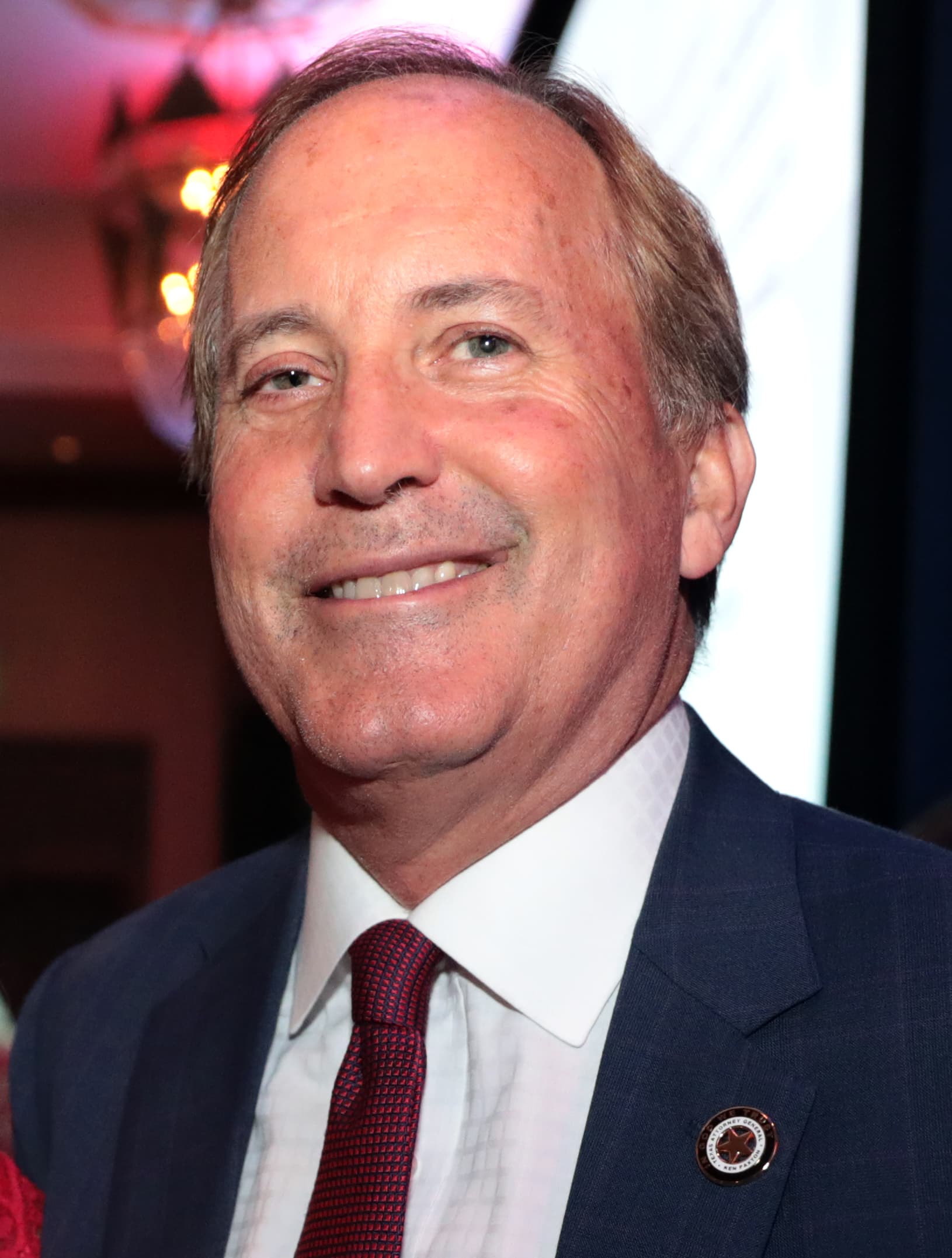 Ken PaxtonDirectly involved
 Ron DeSantisDirectly involved
 Greg AbbottDirectly involved
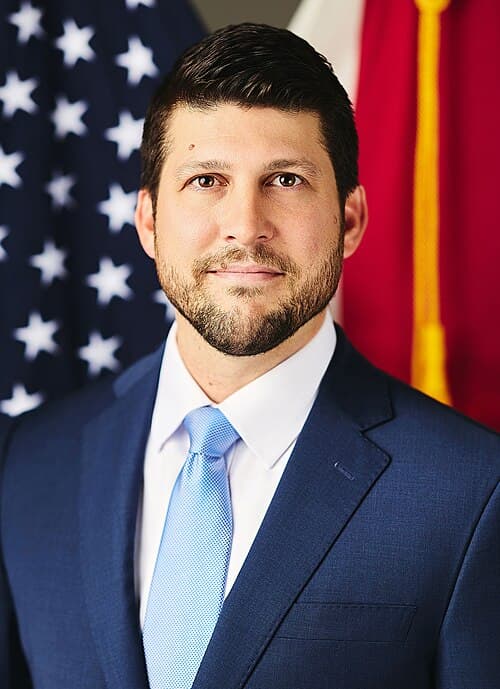 James UthmeierDirectly involved
Timeline
8 timeline entries on this page. Dates: May 24, 2021 to July 9, 2026
May 2021
DeSantis signs Florida SB7072
Florida's governor signs the moderation law and defends it as protection against inconsistent platform rules and ideological discrimination.
[01]DeSantis signs SB7072 and defends platform accountability
DeSantis defends the law as a response to inconsistent platform enforcement and ideological discrimination. This is the signing statement, not a statement about later court outcomes.
DeSantis signs SB7072 and defends platform accountabilityDeSantis statement and description of the signed law
September 2021
Abbott signs Texas HB20
Texas's governor signs the law and describes it as protection against viewpoint-based platform censorship.
[02]Abbott signs HB20 and defends viewpoint protections
Abbott defends the law as protection for Texans' expression and criticizes platform treatment of conservative viewpoints. This is the historical signing statement.
Abbott signs HB20 and defends viewpoint protectionsAbbott statement and description of HB20
November 2023
NetChoice and CCIA file their Supreme Court merits brief
The associations challenge HB20's moderation restrictions and individualized-explanation requirements as violations of editorial freedom.
[03]NetChoice and CCIA merits brief challenging Texas HB20
The trade associations contend that compelled distribution and individualized explanations interfere with private editorial discretion.
NetChoice and CCIA merits brief challenging Texas HB20No. 22-555, introduction, pages 1-3 and summary of argument
January 2024
Texas files its defense of HB20
The State argues that the law regulates discriminatory conduct and disclosures rather than platforms' own speech.
[04]Texas merits brief defending HB20 moderation restrictions
Texas defends HB20 as an antidiscrimination and disclosure law and disputes treating covered platform decisions as the platforms' own expression.
Texas merits brief defending HB20 moderation restrictionsNo. 22-555, introduction, pages 1-4
July 2024
Supreme Court vacates and remands both appellate judgments
The opinion explains editorial protections and requires further analysis of the laws' applications before resolving the facial challenges.
[05]Supreme Court opinion in Moody v. NetChoice and NetChoice v. Paxton
The Court vacates and remands both judgments, requires proper facial-challenge analysis, and explains constitutional protection for editorial selection of expressive feeds.
Supreme Court opinion in Moody v. NetChoice and NetChoice v. PaxtonNos. 22-277 and 22-555, syllabus and Kagan opinion
November 2024
Fifth Circuit remands the HB20 challenge
The panel directs factual development under Moody and preserves its earlier treatment of one-time disclosures and biannual reports.
[06]Fifth Circuit remands the HB20 facial challenge after Moody
The panel remands for factual development under Moody. It preserves its prior treatment of one-time disclosures and biannual reports. The opinion does not resolve every application of HB20.
Fifth Circuit remands the HB20 facial challenge after MoodyNo. 21-51178, remand opinion, pages 1-7
June 2026
NetChoice describes Florida case proceeding toward trial
Reaction
NetChoice says both summary-judgment motions were denied. Its statement maintains opposition to SB7072 and does not concern Florida's separate minors-access law.
[07]NetChoice responds to June 2026 Florida summary-judgment order
NetChoice says both summary-judgment motions were denied and the Florida SB7072 case should proceed to trial. This is its dated June account.
NetChoice responds to June 2026 Florida summary-judgment orderPaul Taske statement and description of next proceedings
July 2026
Texas court calls a conference request moot
The text order refers to a forthcoming order. The parties had filed briefs on HB20's scope in 2025. We have not verified the later order or a later merits ruling.
[08]Texas HB20 proceedings after the Supreme Court remand
The docket records amended pleadings and briefs on the law's scope. The July 9 text order calls a status-conference motion moot in light of a forthcoming order. We have not verified that later order or a later merits ruling. This source does not establish present enforceability.
Texas HB20 proceedings after the Supreme Court remandNo. 1:21-cv-00840-RP, entries 82-87 and July 9, 2026 text order
Claims
Claims separate what was said from what is contested. Follow each source for the original wording and context.
What's disputed
Disputed claim
Texas HB20 regulates discriminatory platform conduct and factual disclosure rather than the platforms' own expression.
Sources (1)
- Texas merits brief defending HB20 moderation restrictionsNo. 22-555, introduction, pages 1-4
Disputed claim
NetChoice
HB20 violates the First Amendment by compelling private websites to disseminate speech and explain editorial decisions.
Sources (1)
- NetChoice and CCIA merits brief challenging Texas HB20No. 22-555, introduction, pages 1-3 and summary of argument
Response record
Responses
Choose one response filter, or select All responses to see the full record.
4 responses. Newest first.
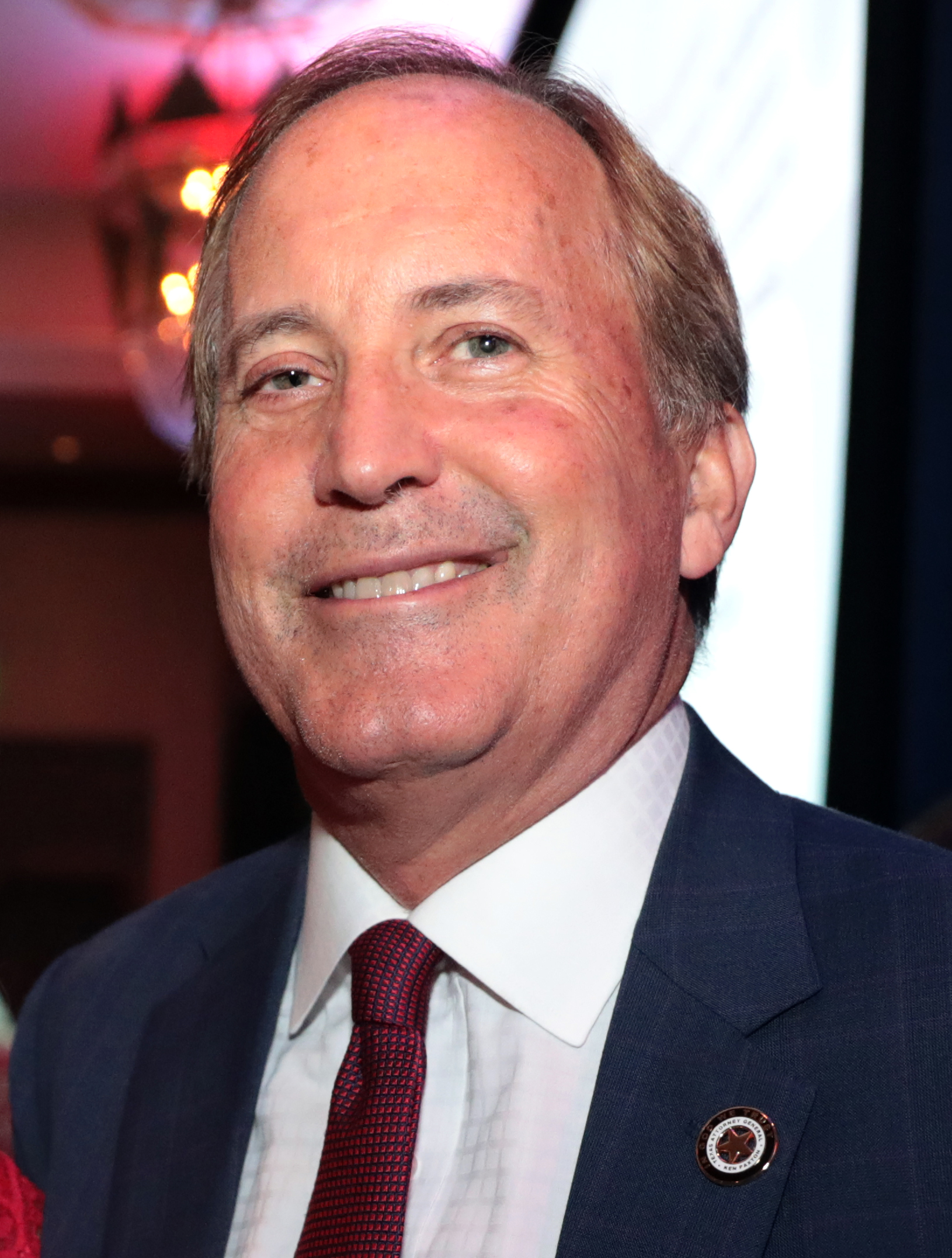 Ken PaxtonTexas Attorney General, through counsel in his official capacityDirectly involved
Before this statement
Texas's brief says HB20 bars discrimination based on geography, association or viewpoint.
"The Fifth Circuit correctly held, however, that HB20 regulates the platforms’ conduct, not their expression."
Defended or excusedCase context: NetChoice challenges Florida and Texas social-media moderation laws
Full statement and sources
Texas defends HB20 as an antidiscrimination and disclosure law and disputes treating covered platform decisions as the platforms' own expression.
After the statement
The brief presents the State's defense; the Supreme Court later vacated and remanded the appellate judgments.
Texas merits brief defending HB20 moderation restrictionsNo. 22-555, introduction, pages 1-4Supreme Court opinion in Moody v. NetChoice and NetChoice v. PaxtonNos. 22-277 and 22-555, syllabus and Kagan opinionWhy this label?
The issue is Florida SB7072 and Texas HB20 restrictions on platform content moderation. Texas expressly defends the restrictions on platform moderation under scrutiny.
This label describes the statement's response within the context above.
 NetChoiceTrade association challenging HB20, jointly with CCIA through counselDirectly involved
Before this statement
The brief challenges Texas's regulation of private websites and user content.
"Texas House Bill 20 (“HB20”) is an extraordinary assertion of governmental power over expression that violates the First Amendment in multiple ways."
CondemnedCase context: NetChoice challenges Florida and Texas social-media moderation laws
Full statement and sources
NetChoice and CCIA argue that HB20 violates the First Amendment by compelling websites to distribute third-party speech and explain editorial decisions.
After the statement
It argues that private refusal to publish is protected expression rather than government censorship.
NetChoice and CCIA merits brief challenging Texas HB20No. 22-555, introduction, pages 1-3 and summary of argumentWhy this label?
The issue is HB20's restrictions on platform content moderation. NetChoice and CCIA argue that the Texas law violates their members' First Amendment rights, so this criticizes the restrictions.
This label describes the statement's response within the context above.
 Greg AbbottGovernor of TexasDirectly involved
Before this statement
Abbott issued the statement at HB20's signing in September 2021.
"proud to sign House Bill 20 into law to protect first amendment rights in the Lone Star State"
Defended or excusedCase context: NetChoice challenges Florida and Texas social-media moderation laws
Full statement and sources
Abbott supports HB20 as protection for expression and criticizes platform restrictions on conservative viewpoints.
After the statement
He describes HB20 as protection for Texans' expression against platform censorship.
Abbott signs HB20 and defends viewpoint protectionsAbbott statement and description of HB20Why this label?
The issue is Florida SB7072 and Texas HB20 restrictions on platform content moderation. He expressly supports the law limiting moderation decisions.
This label describes the statement's response within the context above.
 Ron DeSantisGovernor of FloridaDirectly involved
Before this statement
DeSantis issued the statement when signing Florida's platform law in May 2021.
"If Big Tech censors enforce rules inconsistently, to discriminate in favor of the dominant Silicon Valley ideology, they will now be held accountable."
Defended or excusedCase context: NetChoice challenges Florida and Texas social-media moderation laws
Full statement and sources
DeSantis argues that the law will hold platforms accountable for inconsistent rules and ideological discrimination.
After the statement
His statement describes intended protections and remedies, not the law's status after later litigation.
DeSantis signs SB7072 and defends platform accountabilityDeSantis statement and description of the signed lawWhy this label?
The issue is Florida SB7072 and Texas HB20 restrictions on platform content moderation. He expressly supports and signs the moderation restrictions under scrutiny.
This label describes the statement's response within the context above.
Sources
(8)
Original text
Supreme Court opinion in Moody v. NetChoice and NetChoice v. Paxton
Relevant passage: Nos. 22-277 and 22-555, syllabus and Kagan opinion
About this source
The Court vacates and remands both judgments, requires proper facial-challenge analysis, and explains constitutional protection for editorial selection of expressive feeds.
- Author
- Supreme Court of the United States
- Published
- Accessed
Original text
Texas HB20 proceedings after the Supreme Court remand
Relevant passage: No. 1:21-cv-00840-RP, entries 82-87 and July 9, 2026 text order
About this source
The docket records amended pleadings and briefs on the law's scope. The July 9 text order calls a status-conference motion moot in light of a forthcoming order. We have not verified that later order or a later merits ruling. This source does not establish present enforceability.
- Author
- United States District Court for the Western District of Texas
- Published
- Accessed
Original text
Fifth Circuit remands the HB20 facial challenge after Moody
Relevant passage: No. 21-51178, remand opinion, pages 1-7
About this source
The panel remands for factual development under Moody. It preserves its prior treatment of one-time disclosures and biannual reports. The opinion does not resolve every application of HB20.
- Author
- United States Court of Appeals for the Fifth Circuit
- Published
- Accessed
Official statement
Abbott signs HB20 and defends viewpoint protections
Relevant passage: Abbott statement and description of HB20
About this source
Abbott defends the law as protection for Texans' expression and criticizes platform treatment of conservative viewpoints. This is the historical signing statement.
- Author
- Office of the Governor of Texas
- Published
- Accessed
Official statement
DeSantis signs SB7072 and defends platform accountability
Relevant passage: DeSantis statement and description of the signed law
About this source
DeSantis defends the law as a response to inconsistent platform enforcement and ideological discrimination. This is the signing statement, not a statement about later court outcomes.
- Author
- Executive Office of the Governor of Florida
- Published
- Accessed
Official statement
NetChoice responds to June 2026 Florida summary-judgment order
Relevant passage: Paul Taske statement and description of next proceedings
About this source
NetChoice says both summary-judgment motions were denied and the Florida SB7072 case should proceed to trial. This is its dated June account.
- Author
- NetChoice
- Published
- Accessed
Original text
Texas merits brief defending HB20 moderation restrictions
Relevant passage: No. 22-555, introduction, pages 1-4
About this source
Texas defends HB20 as an antidiscrimination and disclosure law and disputes treating covered platform decisions as the platforms' own expression.
- Author
- Counsel for Ken Paxton in his official capacity
- Published
- Accessed
Original text
NetChoice and CCIA merits brief challenging Texas HB20
Relevant passage: No. 22-555, introduction, pages 1-3 and summary of argument
About this source
The trade associations contend that compelled distribution and individualized explanations interfere with private editorial discretion.
- Author
- Counsel for NetChoice and CCIA
- Published
- Accessed
Share or embed this case
The embed keeps its attribution link to The Dispute Index. Credit the image to The Dispute Index and link to the case page.
Cite this record
- Publisher
- The Dispute Index
- Title
- NetChoice challenges Florida and Texas social-media moderation laws
- First published
- Last updated
- Permalink
- https://disputeindex.com/cases/florida-texas-social-media-moderation-laws-netchoice-first-amendment
The Dispute Index. "NetChoice challenges Florida and Texas social-media moderation laws". First published: 2026-10-16. Last updated: 2026-10-16. https://disputeindex.com/cases/florida-texas-social-media-moderation-laws-netchoice-first-amendment