
Should the Supreme Court keep New York Times v. Sullivan's rule and its public-figure extensions?
Thomas and Gorsuch question the constitutional basis and present-day effects of actual malice. Defenders stress protection for criticism and reporting. The Court's June 2026 refusal to hear Dershowitz's challenge left the rule in place.
BackgroundWhat does a public figure have to prove to win a defamation suit?
Case period:
Published by The Dispute Index editorial teamPublished Updated
Overview
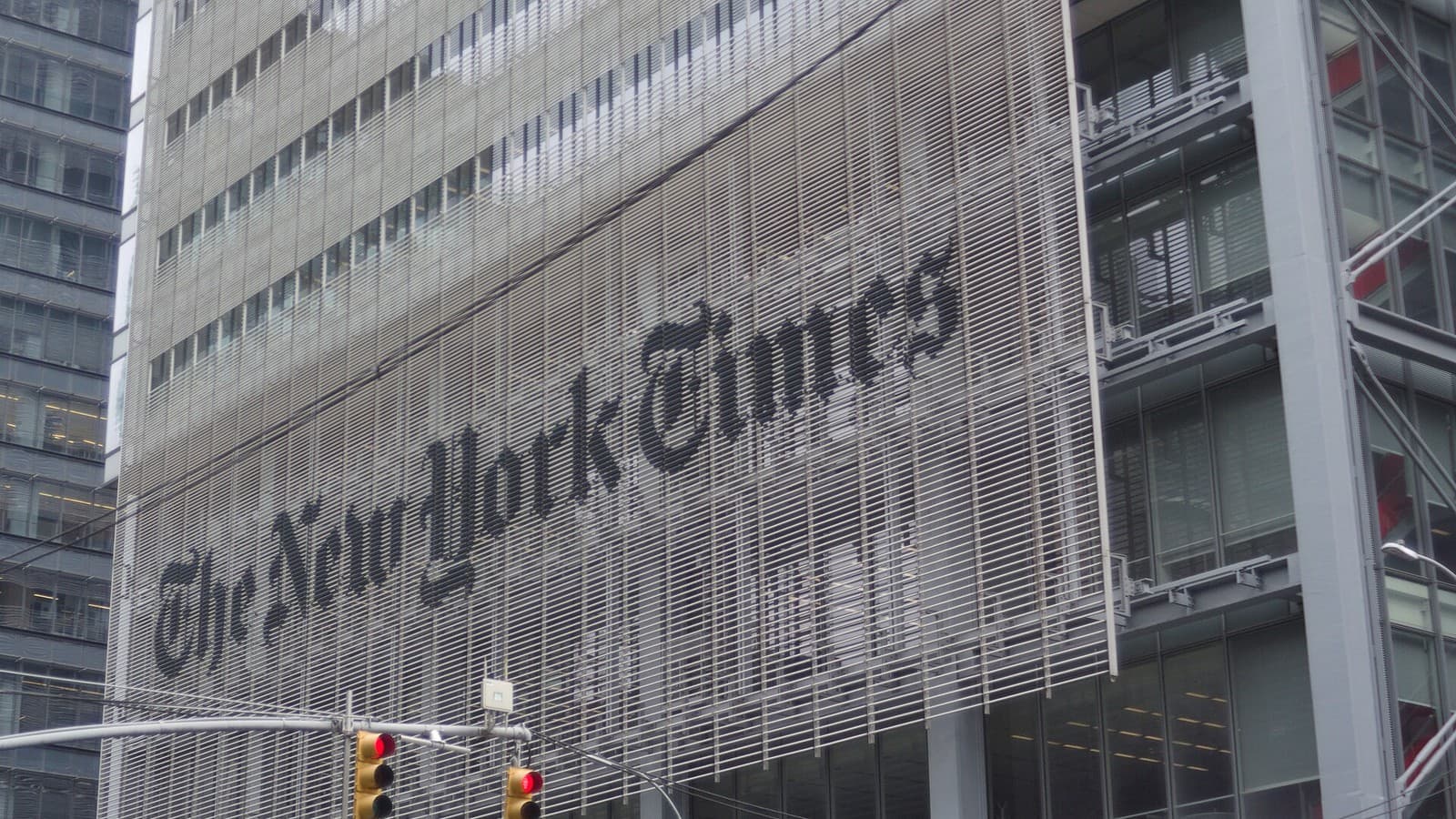
Sullivan's 1964 opinion requires more than proof that a statement about official conduct was false. The plaintiff must establish knowledge of falsity or reckless disregard for truth. Explaineractual maliceDefamation is a false statement of fact that harms someone's reputation, governed mainly by state law. Under New York Times Co. v. Sullivan (1964) and later cases, public officials and public figures must also prove actual malice: that the speaker knew the statement was false or recklessly disregarded whether it was.What does a public figure have to prove to win a defamation suit? does not mean personal hostility. Later decisions extended the requirement to public figures.
Thomas disputes the doctrine's constitutional foundation. Gorsuch questions whether its incentives and public-figure categories still fit modern publishing. In June 2026, Thomas, joined by Gorsuch, dissented from the denial of review in Dershowitz v. CNN. The denial did not overrule Sullivan.
The original opinion argues that liability rules can deter truthful criticism through fear of litigation. Nabiha Syed's later essay challenges the claim that changing actual malice would solve online misinformation, much of which does not concern an identifiable person's reputation.
Background: What does a public figure have to prove to win a defamation suit?
Read the full background
This case examines retaining Sullivan's actual-malice protection and its later public-figure extensions. The original Court opinion supplies the reasons for the protection; the separate opinions argue for reconsidering it. Sullivan concerned public officials suing over official conduct, while later cases applied the requirement to public figures.
People in this case
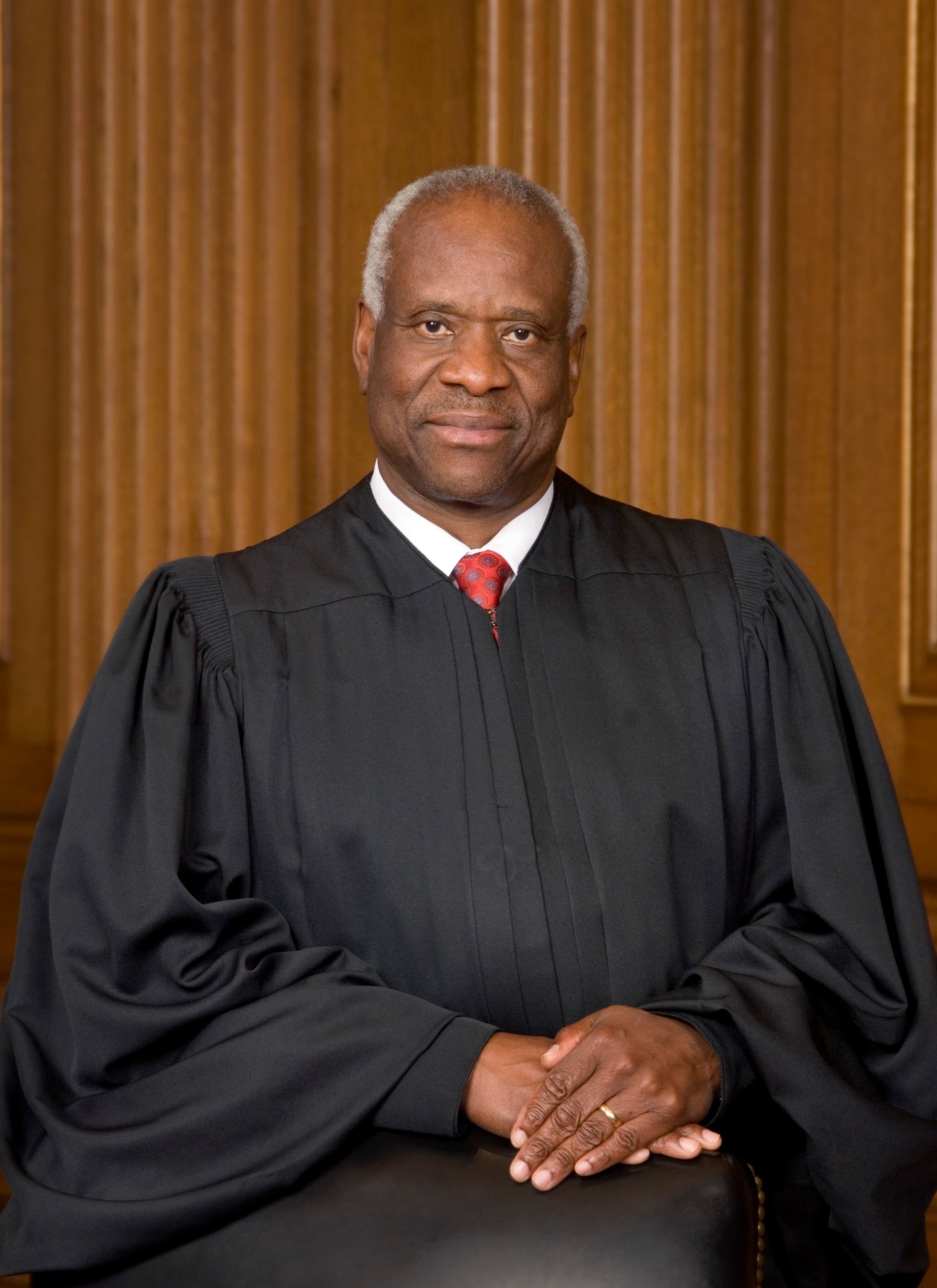 Clarence ThomasDirectly involved
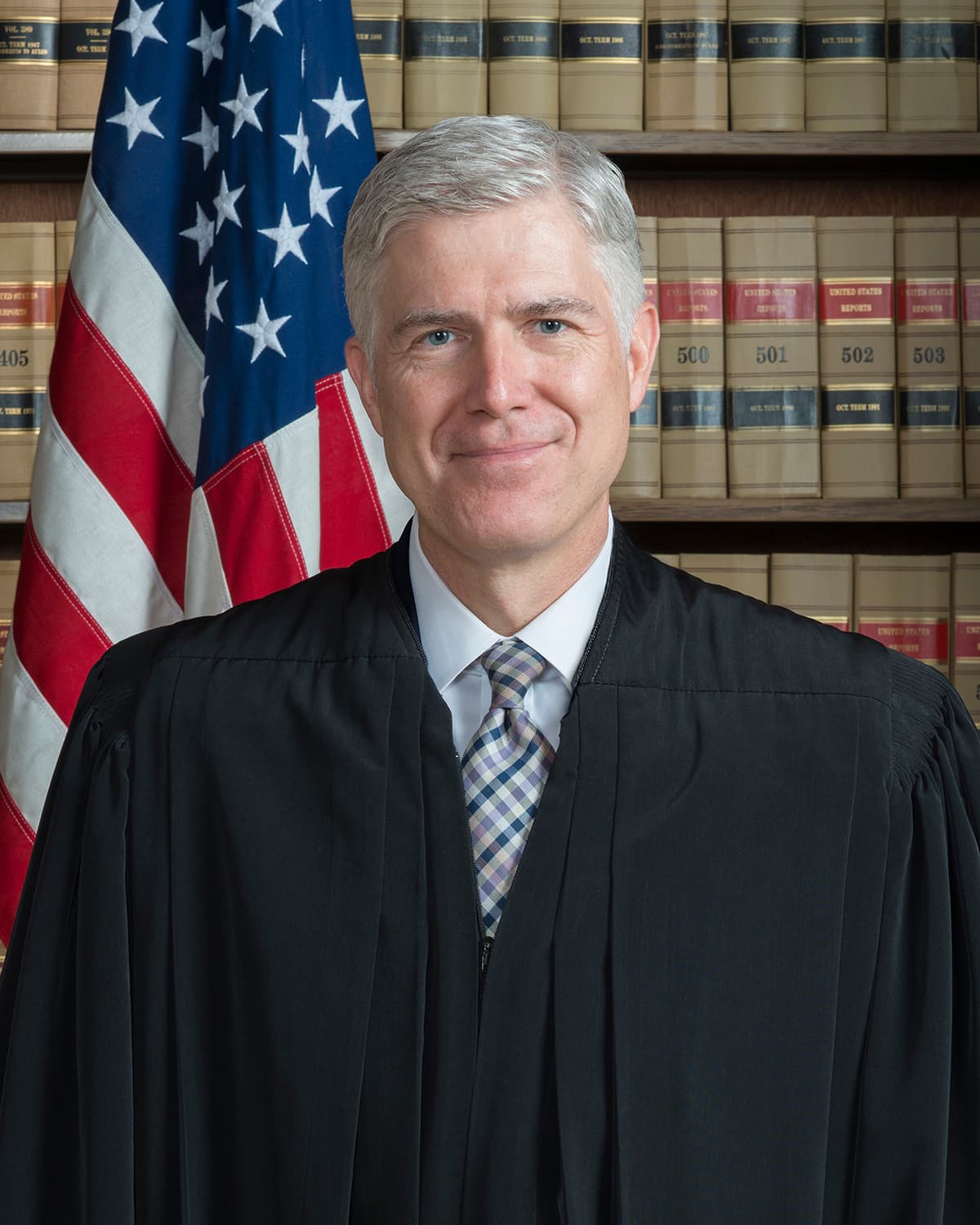 Neil GorsuchDirectly involved
Timeline
2 timeline entries on this page. Dates: March 9, 1964 to June 29, 2026
March 1964
The Court establishes actual malice for official-conduct suits
Sullivan requires a public official suing over official conduct to establish knowledge of falsity or reckless disregard for truth. Later decisions extend the doctrine to public figures.
[01]Supreme Court of the United States
Full reproduction of the Court's opinion and separate concurrences. The holding addresses public officials and official conduct; later cases extend the rule to public figures.
New York Times Co. v. Sullivan, 376 U.S. 254 (1964) · Supreme Court of the United States
June 2026
The Court declines Dershowitz's challenge to actual malice
The Court denies review in Dershowitz v. CNN. Thomas, joined by Gorsuch, dissents and calls for reconsidering actual malice for public figures. The denial leaves the governing rule unchanged.
[02]Supreme Court of the United States
The Court denies review. Thomas, joined by Gorsuch, calls for reconsidering the actual-malice rule for public figures.
Dershowitz v. CNN: Thomas dissent joined by Gorsuch · Supreme Court of the United States
Claims
Claims separate what was said from what is contested. Follow each source for the original wording and context.
What's disputed
Disputed claim
The actual-malice rule and its public-figure extensions should be reconsidered.
What is disputed
The dispute is over the rule and its extensions, not whether every false statement is protected. The 1964 ruling concerned public officials. The later public-figure doctrine reaches different plaintiffs, and the separate opinions often direct their objections at those extensions.
Sources (1)
- Dershowitz v. CNN: Thomas dissent joined by Gorsuch · Supreme Court of the United States
Arguments
Documented position
The Sullivan opinion and Nabiha Syed's later analysis
Protection against self-censorship
The Court reasoned that easy liability could deter even truthful criticism of officials. Syed argues that weakening actual malice would also fail to address much online misinformation, because harmful falsehoods often do not injure an identifiable person's reputation.
Limit of this argument
This does not resolve every question about who should count as a public figure or the costs borne by people harmed by false claims.
Read sources
Sources
- New York Times Co. v. Sullivan, 376 U.S. 254 (1964) · Supreme Court of the United States
- Sullivan Is Not the Problem · Knight First Amendment Institute
Documented position
Thomas and Gorsuch's separate opinions
Constitutional history and changed publishing incentives
Thomas argues that the public-figure rule lacks a constitutional basis. Gorsuch separately questions whether modern publishing incentives and expanded public-figure categories defeat the doctrine's intended purpose.
Limit of this argument
Gorsuch says he has no sure answers and is not certain of every question the Court should ask. Neither separate opinion changes the law by itself.
Read sources
Sources
- Berisha v. Lawson: Thomas and Gorsuch dissents from denial of review · Supreme Court of the United States
- Dershowitz v. CNN: Thomas dissent joined by Gorsuch · Supreme Court of the United States
Response record
Responses
Choose one response filter, or select All responses to see the full record.
3 responses. Newest first.
 Clarence ThomasSupreme Court justice dissenting from denial of reviewDirectly involved
Before this statement
Thomas describes how the actual-malice requirement defeated Dershowitz's defamation suit and records his request to overrule Sullivan and related precedents.
"I and others have thus called for reconsideration of the actual-malice ... standard for public figures."
CondemnedCase context: Should the Supreme Court keep New York Times v. Sullivan's rule and its public-figure extensions?
Full statement and sources
Thomas calls for reconsidering the actual-malice standard for public figures and says he would have granted review in Dershowitz v. CNN.
After the statement
The Court denies the petition. Thomas says he would have granted review to reconsider the public-figure standard.
Dershowitz v. CNN: Thomas dissent joined by Gorsuch · Supreme Court of the United StatesWhy this label?
Thomas calls for reconsidering the protection examined in this case, arguing that its public-figure standard lacks a constitutional basis. His dissent criticizes retaining that rule.
This label describes the statement's response within the context above.
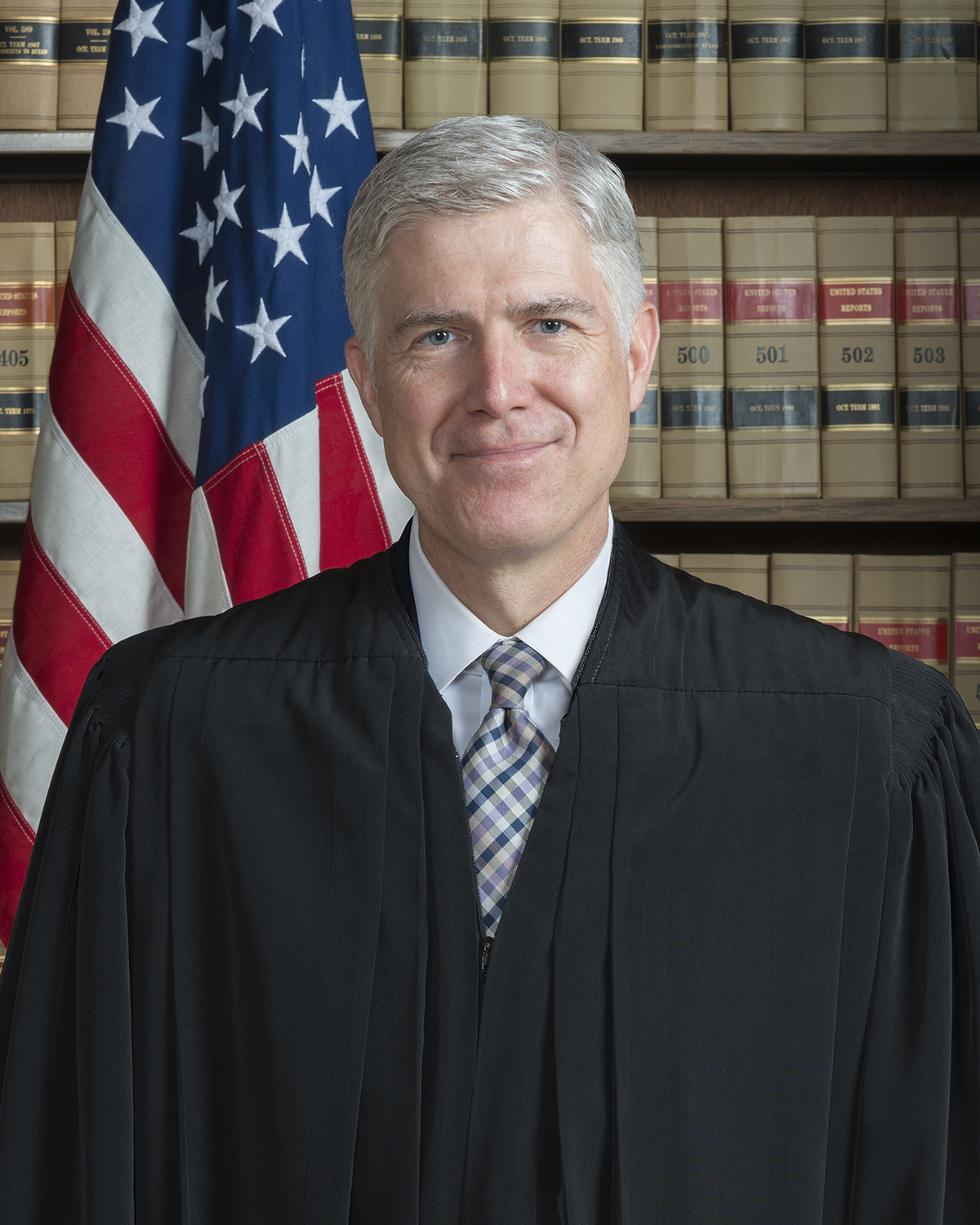 Neil GorsuchSupreme Court justice dissenting from denial of reviewDirectly involved
Before this statement
His dissent describes changes in the economics of journalism and the ease of publishing online.
"What started in 1964 with a decision to tolerate the occasional falsehood to ensure robust reporting by a comparative handful of print and broadcast outlets has evolved into an ironclad subsidy for the publication of falsehoods by means and on a scale previously unimaginable."
CondemnedCase context: Should the Supreme Court keep New York Times v. Sullivan's rule and its public-figure extensions?
Full statement and sources
Gorsuch argues that the doctrine now subsidizes falsehoods under modern publishing incentives.
After the statement
He also questions expanded public-figure categories and ends by acknowledging that he has no settled answers to all the issues.
Berisha v. Lawson: Thomas and Gorsuch dissents from denial of review · Supreme Court of the United StatesWhy this label?
His sustained criticism targets the effects of retaining the doctrine. His uncertainty about a replacement does not turn that criticism into approval.
This label describes the statement's response within the context above.
 Supreme Court of the United StatesSupreme Court, in the opinion written by Justice William BrennanDirectly involved
Before this statement
The opinion compares the legal protection enjoyed by public officials with that available to their critics.
"It would give public servants an unjustified preference over the public they serve, if critics of official conduct did not have a fair equivalent of the immunity granted to the officials themselves. We conclude that such a privilege is required by the First and Fourteenth Amendments."
Defended or excusedCase context: Should the Supreme Court keep New York Times v. Sullivan's rule and its public-figure extensions?
Full statement and sources
The Court argues that critics of public officials need a constitutional privilege comparable to the immunity officials receive.
After the statement
The Court reverses Alabama's judgment and remands the case for further proceedings.
New York Times Co. v. Sullivan, 376 U.S. 254 (1964) · Supreme Court of the United StatesWhy this label?
The opinion argues that public officials' critics need a constitutional privilege equivalent to the immunity officials receive. That supplies a reason for the actual-malice protection examined here.
This label describes the statement's response within the context above.
Sources
(4)
Original text
Dershowitz v. CNN: Thomas dissent joined by Gorsuch
About this source
The Court denies review. Thomas, joined by Gorsuch, calls for reconsidering the actual-malice rule for public figures.
- Published
- Accessed
Original text
Berisha v. Lawson: Thomas and Gorsuch dissents from denial of review
About this source
Two separately authored dissents argue for reconsidering actual malice. Denial of review did not change the governing rule.
- Published
- Accessed
Analysis
Sullivan Is Not the Problem
About this source
In this 2021 essay, Nabiha Syed disputes the argument that weakening actual malice would solve online misinformation. She separates reputational injury from other harmful falsehoods. No exact publication day is assigned here.
- Author
- Nabiha Syed
- Accessed
Original text
New York Times Co. v. Sullivan, 376 U.S. 254 (1964)
About this source
Full reproduction of the Court's opinion and separate concurrences. The holding addresses public officials and official conduct; later cases extend the rule to public figures.
- Published
- Accessed
Share or embed this case
The embed keeps its attribution link to The Dispute Index. Credit the image to The Dispute Index and link to the case page.
Cite this record
- Publisher
- The Dispute Index
- Title
- Should the Supreme Court keep New York Times v. Sullivan's rule and its public-figure extensions?
- First published
- Last updated
- Permalink
- https://disputeindex.com/cases/new-york-times-v-sullivan-actual-malice-rule-debate
The Dispute Index. "Should the Supreme Court keep New York Times v. Sullivan's rule and its public-figure extensions?". First published: 2026-10-19. Last updated: 2026-10-19. https://disputeindex.com/cases/new-york-times-v-sullivan-actual-malice-rule-debate