
Was the Supreme Court right to exclude gratuities from Section 666, as Kavanaugh argues and Jackson disputes?
The Snyder majority excludes gratuities from Section 666, while Jackson reads the statute to cover corrupt rewards. Other gift and bribery laws remain relevant. The case concerns how one federal anticorruption statute should be interpreted.
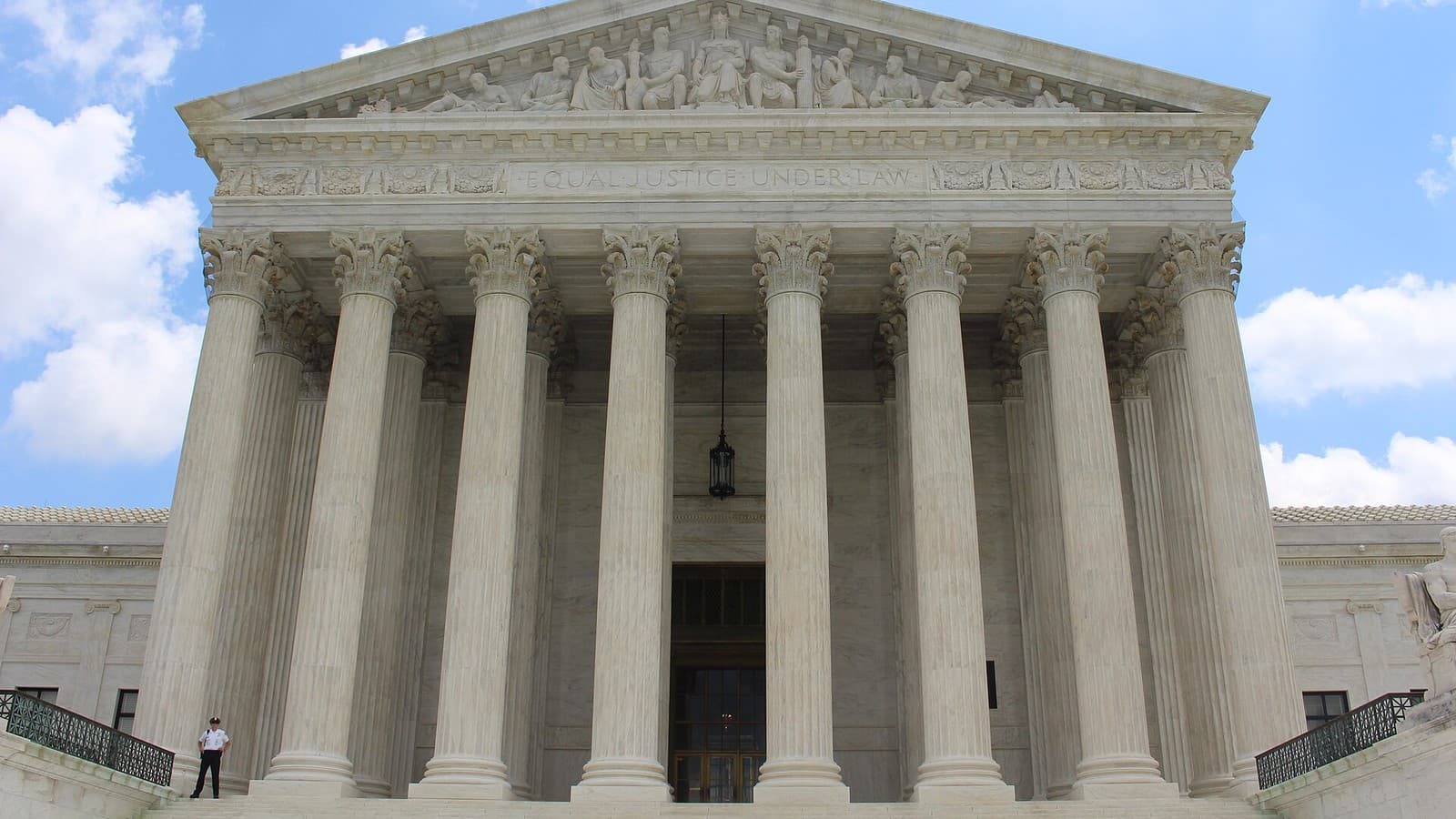
Case period:
Published by The Dispute Index editorial teamPublished Updated
Overview
Former Portage, Indiana mayor James Snyder received a $13,000 payment after city truck contracts. He said it was consulting pay; prosecutors treated it as an unlawful gratuity. The Supreme Court reversed the judgment. Kavanaugh distinguishes bribes made or agreed to before an act from later rewards and points to other gift restrictions. Jackson reads the words influenced or rewarded to cover both forms of corruption. Payment after an act can still be a bribe if it was agreed beforehand. The decision does not eliminate state gift laws or the separate rules governing federal officials.
People in this case
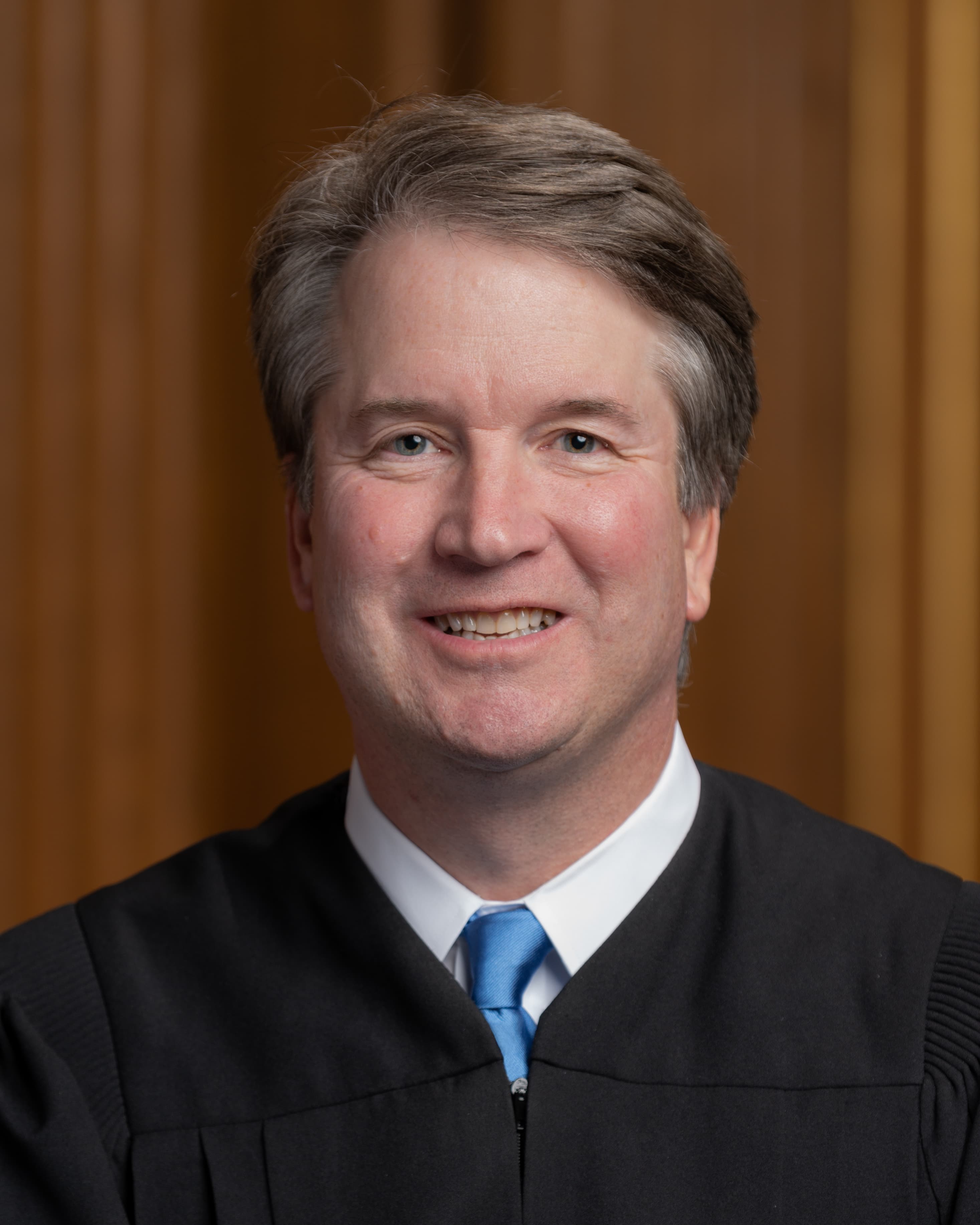 Brett KavanaughDirectly involved
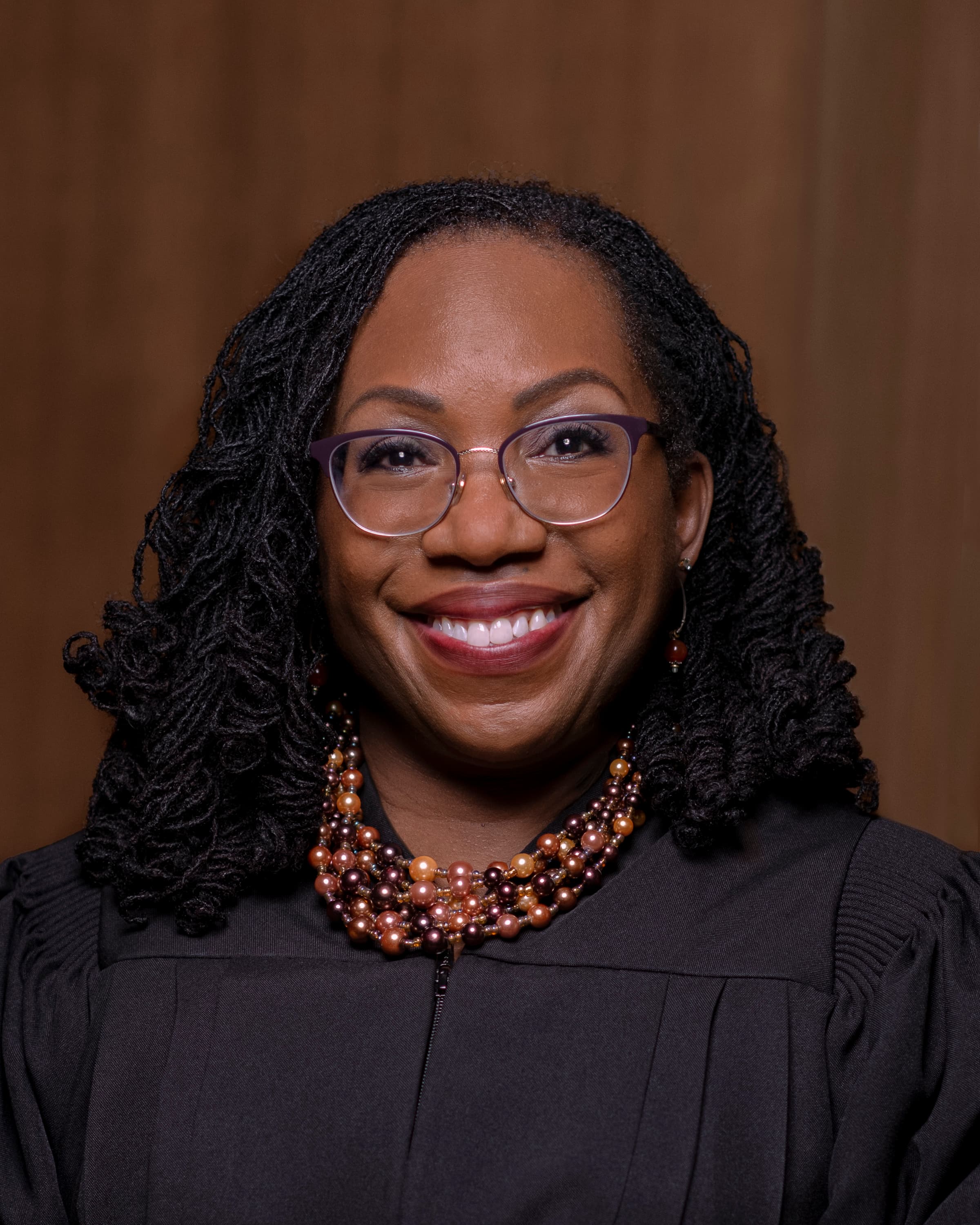 Ketanji Brown JacksonDirectly involved
Timeline
1 timeline entry on this page. Dates: June 26, 2024
June 2024
Court reverses in Snyder
The Supreme Court reverses the Seventh Circuit and remands, holding that Section 666 does not criminalize gratuities for past official acts.
[01]Supreme Court opinions in Snyder v. United States
The Court holds that Section 666 covers bribes but not gratuities for past acts. Jackson's dissent argues that corrupt rewards fall within the statute.
Supreme Court opinions in Snyder v. United StatesMajority printed page 1; Jackson dissent printed pages 1-2
Claims
Claims separate what was said from what is contested. Follow each source for the original wording and context.
What's disputed
Disputed claim
Section 666 prohibits bribes but does not criminalize gratuities for past official acts.
Sources (1)
- Supreme Court opinions in Snyder v. United StatesMajority printed page 1; Jackson dissent printed pages 1-2
Response record
Responses
Choose one response filter, or select All responses to see the full record.
2 matching responses. Newest first.
 Brett KavanaughSupreme Court justice writing the majority opinion, joined by Roberts, Thomas, Alito, Gorsuch and BarrettDirectly involved
Before this statement
Kavanaugh says Section 666 prohibits bribes promised or given before an official act.
"The question in this case is whether §666 also makes it a crime for state and local officials to accept gratuities—for example, gift cards, lunches, plaques, books, framed photos, or the like—that may be given as a token of appreciation after the official act. The answer is no."
Defended or excusedCase context: Was the Supreme Court right to exclude gratuities from Section 666, as Kavanaugh argues and Jackson disputes?
Full statement and sources
Kavanaugh says Section 666 does not criminalize gratuities given as tokens of appreciation after official acts.
After the statement
He says state and local governments often regulate gifts to their officials.
Supreme Court opinions in Snyder v. United StatesMajority printed page 1; Jackson dissent printed pages 1-2Why this label?
The case examines the Court's decision to exclude gratuities from Section 666. Kavanaugh expressly argues that Section 666 does not criminalize gratuities and defends that exclusion.
This label describes the statement's response within the context above.
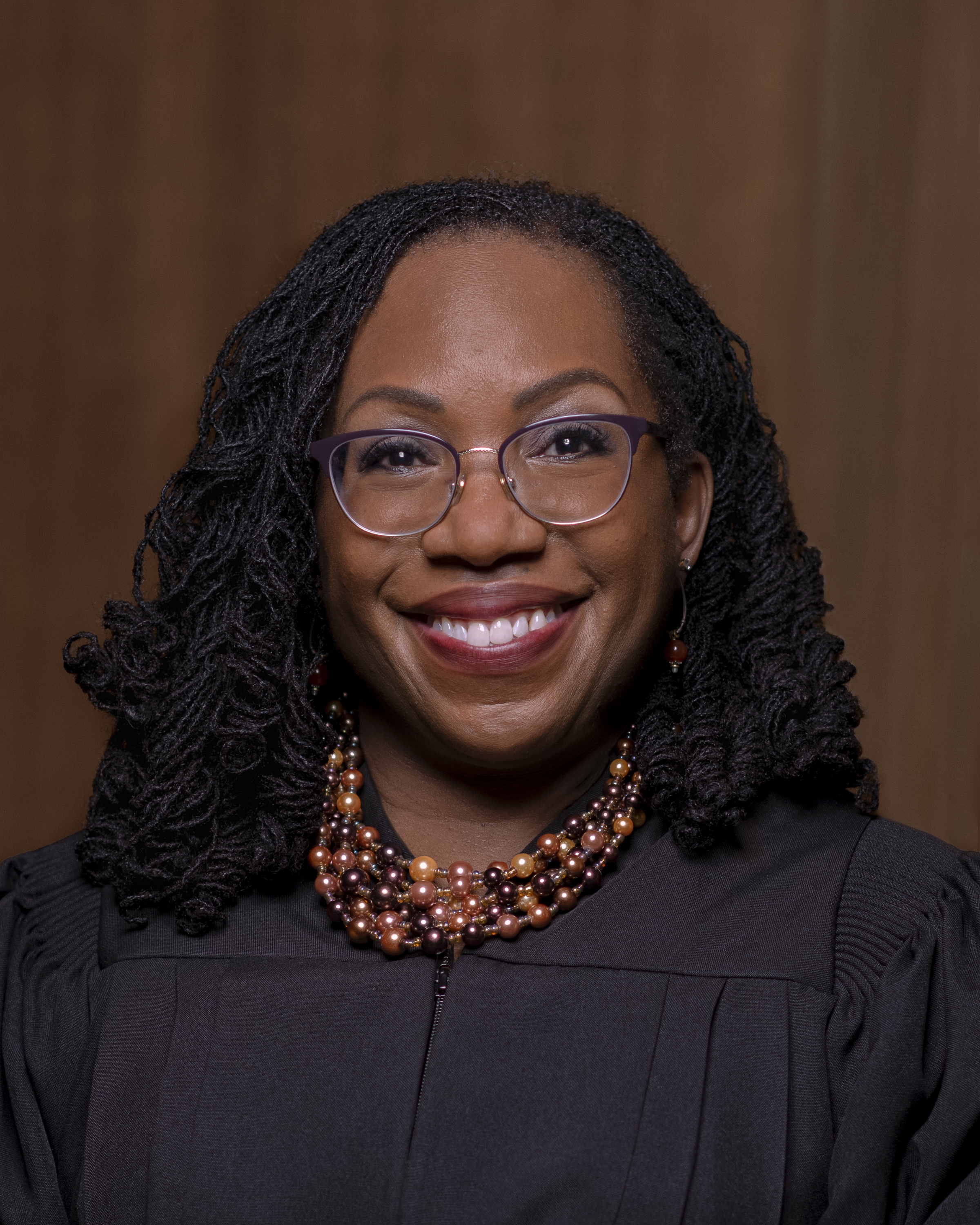 Ketanji Brown JacksonSupreme Court justice dissenting, joined by Sotomayor and KaganDirectly involved
Before this statement
Jackson argues that Section 666 prohibits corrupt gratuities as well as bribes.
"The Court’s reasoning elevates nonexistent federalism concerns over the plain text of this statute"
CondemnedCase context: Was the Supreme Court right to exclude gratuities from Section 666, as Kavanaugh argues and Jackson disputes?
Full statement and sources
Jackson says the Court elevates federalism concerns she calls nonexistent over the statute's text.
After the statement
She says Congress had reason and authority to reach federally funded state and local entities, citing Sabri.
Supreme Court opinions in Snyder v. United StatesMajority printed page 1; Jackson dissent printed pages 1-2Why this label?
The case concerns the Court's decision to exclude gratuities from Section 666. Jackson rejects that decision and argues that it overrides Congress's text and intent.
This label describes the statement's response within the context above.
Sources
(1)
Original text
Supreme Court opinions in Snyder v. United States
Relevant passage: Majority printed page 1; Jackson dissent printed pages 1-2
About this source
The Court holds that Section 666 covers bribes but not gratuities for past acts. Jackson's dissent argues that corrupt rewards fall within the statute.
- Author
- U.S. Supreme Court
- Published
- Accessed
Share or embed this case
The embed keeps its attribution link to The Dispute Index. Credit the image to The Dispute Index and link to the case page.
Cite this record
- Publisher
- The Dispute Index
- Title
- Was the Supreme Court right to exclude gratuities from Section 666, as Kavanaugh argues and Jackson disputes?
- First published
- Last updated
- Permalink
- https://disputeindex.com/cases/snyder-united-states-gratuities-kavanaugh-jackson
The Dispute Index. "Was the Supreme Court right to exclude gratuities from Section 666, as Kavanaugh argues and Jackson disputes?". First published: 2026-10-16. Last updated: 2026-10-16. https://disputeindex.com/cases/snyder-united-states-gratuities-kavanaugh-jackson