
Senate advances the bipartisan BAAJA permitting bill as environmental groups say it weakens bedrock environmental laws
The Senate voted 65-31 on November 18 to end debate on BAAJA, a bipartisan permitting bill. Its sponsors say it will speed power projects and cut electricity bills; environmental groups and some Democrats say it weakens environmental and Tribal protections.
Case period:
Published by The Dispute Index editorial teamPublished Updated
Where it stands
ActiveAs of
Established
- The Senate voted 73-25 on November 9 to end debate on taking up the bill and 70-27 on November 16 to end debate on the substitute that holds its text.U.S. Senate Roll Call Vote 257: Cloture on the Motion to Proceed to H.R. 2347 (agreed to, 73-25) (opens in a new tab)U.S. Senate Roll Call Vote 264: Cloture on Capito Amendment No. 6883 to H.R. 2347 (agreed to, 70-27) (opens in a new tab)
- On November 18 the Senate adopted the substitute 69-27 and voted 65-31 to end debate on H.R. 2347 as amended, which sets up a final passage vote.U.S. Senate Roll Call Vote 267: Capito Amendment No. 6883 to H.R. 2347 (agreed to, 69-27) (opens in a new tab)U.S. Senate Roll Call Vote 268: Cloture on H.R. 2347 (agreed to, 65-31) (opens in a new tab)
- Senators Capito, Lee, Whitehouse and Heinrich voted yes on all four roll calls, and Senator Markey voted no on all four.U.S. Senate Roll Call Vote 257: Cloture on the Motion to Proceed to H.R. 2347 (agreed to, 73-25) (opens in a new tab)U.S. Senate Roll Call Vote 264: Cloture on Capito Amendment No. 6883 to H.R. 2347 (agreed to, 70-27) (opens in a new tab)U.S. Senate Roll Call Vote 267: Capito Amendment No. 6883 to H.R. 2347 (agreed to, 69-27) (opens in a new tab)U.S. Senate Roll Call Vote 268: Cloture on H.R. 2347 (agreed to, 65-31) (opens in a new tab)
Disputed
- The Center for Biological Diversity says the bill weakens four bedrock environmental laws in exchange for modest transmission changes. The sponsors and clean energy groups say it speeds power projects and will lower electricity bills.Senate Democrats Greenlight Environmental Catastrophe By Advancing Permitting Reform (opens in a new tab)Heinrich: BAAJA Will "Make a Big Difference in People's Energy Costs" (opens in a new tab)ACP Urges Senators to Move Permitting Reform Forward (opens in a new tab)See the claim
- Tribal organizations and Markey say the bill undermines Tribal consultation. Heinrich says the final package requires agencies to consult Tribes at each step of historic preservation review.BAAJA: Who's in favor and who's opposed? (opens in a new tab)ICYMI: Sen. Markey on Senate Floor on Energy Permitting Deal: Americans Deserve Better (opens in a new tab)Heinrich: BAAJA Will "Make a Big Difference in People's Energy Costs" (opens in a new tab)
- Earthjustice says the bill's limits on environmental review would make it easier for the Interior Department to sell public lands.Permitting Bill Could Enable Trump Administration's New Public Lands Sell-Off Plan (opens in a new tab)
Not yet known
- Whether the bill will pass the Senate in its final vote, and whether the House will take up the Senate's version this session.
- How many existing fossil fuel projects the bill's project-certainty provisions would cover.
Overview
The Bipartisan American Affordability and Jobs Act, a permitting bill written by Senators Shelley Moore Capito, Mike Lee, Sheldon Whitehouse and Martin Heinrich, would change federal environmental review, transmission and project approval rules for energy and infrastructure projects. The Senate is moving it as a substitute amendment to H.R. 2347. On November 9, 2026, senators voted 73-25 to end debate on taking up the bill. On November 16 they voted 70-27 to end debate on the substitute, and on November 18 they adopted it 69-27 and voted 65-31 to end debate on the bill, which sets up a final passage vote. The sponsors and clean energy and business groups say the bill will speed construction of power plants and transmission lines and lower electricity bills. Environmental, Tribal and civil rights groups and some Democratic senators, including Edward J. Markey, say it weakens environmental and Tribal protections. The Center for Biological Diversity says its project-certainty provisions would shield fossil fuel projects from court challenges.
Read the full background
Capito and Lee, the Republican chairs of the Senate Environment and Public Works and Energy and Natural Resources committees, wrote the bill with the committees' top Democrats, Whitehouse and Heinrich. The American Clean Power Association's statement on its introduction is dated September 30, 2026 (American Clean Power Association (opens in a new tab)). The Senate is moving the text as Capito Amendment No. 6883, a substitute for H.R. 2347, a House bill about the tax treatment of certain damages awards (Senate roll call 267 (opens in a new tab); Senate roll call 268 (opens in a new tab)).
Yale Climate Connections lists supporters including the AFL-CIO and other unions, the Solar Energy Industries Association, the Edison Electric Institute and the American Petroleum Institute, and opponents including 11 Tribal organizations, among them the National Congress of American Indians and the Native American Rights Fund, as well as the Sierra Club, the NAACP, the Climate Justice Alliance and NRDC. NRDC says it supports the bill's transmission provisions but opposes the bill as written (Yale Climate Connections (opens in a new tab)). The U.S. Chamber of Commerce wrote to the four sponsors in October to support it (U.S. Chamber of Commerce (opens in a new tab)).
In a November 17 interview with The Hill, Heinrich was asked about a Rhodium Group estimate that the bill would cut household electricity bills by $50 to $70 a month by 2040 and said the estimate was "as good as any" he had seen (Heinrich's office (opens in a new tab)). The Center for Biological Diversity says the bill's transmission changes "might reduce emissions 1-4% by 2040" while its project-certainty provisions would lock in fossil fuel projects approved under President Trump (Center for Biological Diversity (opens in a new tab)).
People in this case
 Shelley Moore CapitoDirectly involved
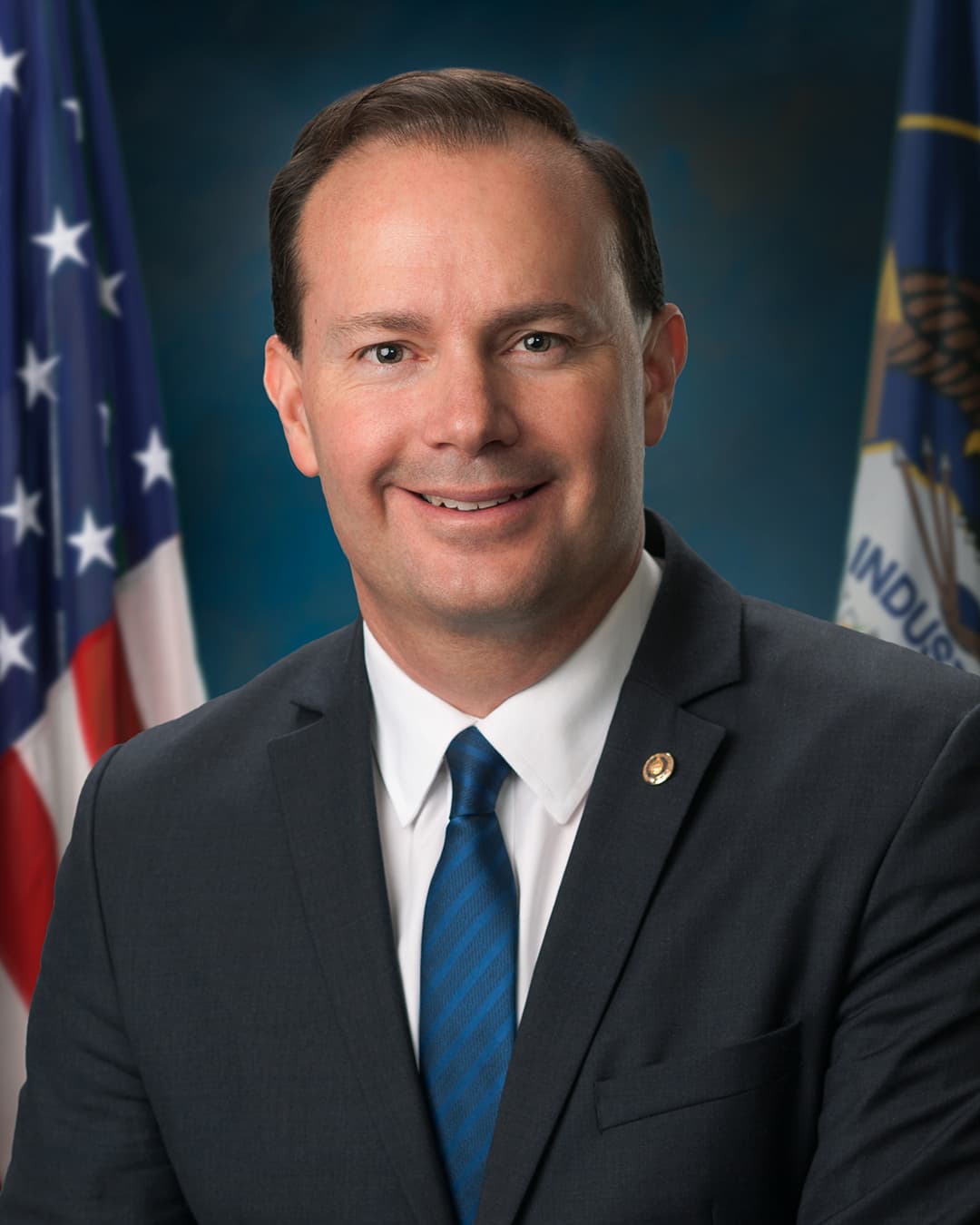 Mike LeeDirectly involved
 Sheldon WhitehouseDirectly involved
 Martin HeinrichDirectly involved
Timeline
3 timeline entries on this page. Dates: November 9, 2026 to November 18, 2026
November 2026
Senate votes 73-25 to end debate on taking up the permitting bill
The Senate invokes cloture on the motion to proceed to H.R. 2347, the House bill it is using to carry the Bipartisan American Affordability and Jobs Act, by a vote of 73-25. Capito, Lee, Whitehouse and Heinrich vote yes; Markey votes no.
Senate votes 70-27 to end debate on the substitute amendment that holds the bill's text
The Senate invokes cloture on Capito Amendment No. 6883, the substitute that puts the permitting bill's text into H.R. 2347, by a vote of 70-27.
Senate adopts the substitute 69-27 and votes 65-31 to end debate on the bill
The Senate adopts Capito Amendment No. 6883 by 69-27, then invokes cloture on H.R. 2347 as amended by 65-31, setting up a final passage vote. The Center for Biological Diversity responds that Senate Democrats have approved the largest giveaway in history to big polluters.
Claims
Claims separate what was said from what is contested. Follow each source for the original wording and context.
What's disputed
Center for Biological Diversity
The Bipartisan American Affordability and Jobs Act weakens the Endangered Species Act, the National Historic Preservation Act, the Clean Water Act and the National Environmental Policy Act in exchange for modest changes to transmission policy.
What is disputed
The Center for Biological Diversity made this argument after the Senate's November 18 cloture vote. Earthjustice and Sen. Edward J. Markey have raised related objections about environmental review, clean water and Tribal consultation. The bill's sponsors, including Sen. Martin Heinrich, and supporters such as the American Clean Power Association say it will speed clean energy and transmission projects and lower electricity costs.
Sources (3)
- Senate Democrats Greenlight Environmental Catastrophe By Advancing Permitting Reform · Center for Biological DiversityFirst quotation from Brett Hartl
- Permitting Bill Could Enable Trump Administration's New Public Lands Sell-Off Plan · EarthjusticeStatement from Drew Caputo
- ICYMI: Sen. Markey on Senate Floor on Energy Permitting Deal: Americans Deserve Better · Edward J. MarkeyExcerpts of floor remarks
In their own words
Their own account
Statements from the person or group whose act or claim this case is about. They are listed apart from the responses, and each label says what the speaker did with their own act or claim.
 Martin HeinrichU.S. senator from New Mexico and ranking member of the Senate Energy and Natural Resources Committee, in an interview with The Hill released by his office
"We make permitting faster, and so we're going to be able to put more cheap, clean electrons onto the grid, and that is the only way we're going to reverse this trend of electricity just getting more and more and more expensive."
Checked word for word against a linked source on .
Stood by itResponding to: The Bipartisan American Affordability and Jobs Act weakens the Endangered Species Act, the National Historic Preservation Act, the Clean Water Act and the National Environmental Policy Act in exchange for modest changes to transmission policy.
Full statement and sources
Heinrich, a Democratic author of the bill, says it speeds grid connections and permitting so more low-cost clean power reaches the grid, which he calls the only way to reverse rising electricity prices.
Before the statement
Alex Bolton of The Hill asked Heinrich about a Rhodium Group estimate that the bill would cut household electricity bills by $50 to $70 a month by 2040. Heinrich said nearly 2,000 gigawatts of generation is waiting in interconnection queues.
After the statement
Later in the interview, Heinrich said the manager's package includes a statutory requirement for agencies to consult at each step of National Historic Preservation Act review, which he called a big step forward for Tribal governments.
Heinrich: BAAJA Will "Make a Big Difference in People's Energy Costs" · Martin HeinrichInterview excerpts, answer on the Rhodium Group estimate and interconnection queuesWhy this label?
Heinrich, one of the bill's authors, says it speeds grid connections and permitting so more cheap, clean power reaches the grid, which he calls the only way to reverse rising electricity prices, so we labeled it Stood by it.
This label describes the statement's response within the context above.
 Shelley Moore CapitoU.S. senator from West Virginia and chair of the Senate Environment and Public Works Committee, in floor remarks released by the committee
"This is an unprecedented opportunity, and a legislative breakthrough we can accomplish in this unique moment. The Bipartisan American Affordability and Jobs Act is a win for America, and we cannot let this moment pass us by."
Checked word for word against a linked source on .
Stood by itResponding to: The Bipartisan American Affordability and Jobs Act weakens the Endangered Species Act, the National Historic Preservation Act, the Clean Water Act and the National Environmental Policy Act in exchange for modest changes to transmission policy.
Full statement and sources
Capito, a Republican author of the bill and chair of the Environment and Public Works Committee, calls it an unprecedented opportunity and a win for America and asks her colleagues to vote for it.
Before the statement
Capito spoke on the Senate floor before the vote to end debate on taking up the bill, after quoting a letter of support from Sean McGarvey, president of North America's Building Trades Unions.
After the statement
She said the country will need more energy production and manufacturing capacity in the coming years. The Senate then voted 73-25 to end debate on taking up the bill.
Senate Advances Bipartisan American Affordability and Jobs Act · Shelley Moore CapitoFloor remarks as released by the committeeU.S. Senate Roll Call Vote 257: Cloture on the Motion to Proceed to H.R. 2347 (agreed to, 73-25)Vote summary and member votesWhy this label?
Capito, one of the bill's authors, calls it a win for America and asks senators to vote for it, so we labeled it Stood by it.
This label describes the statement's response within the context above.
Response record
Responses
Choose one response filter, or select All responses to see the full record.
4 responses. Newest first.
Center for Biological DiversityConservation group, in a statement by government affairs director Brett Hartl "Voters just overwhelmingly rejected corruption and corporate domination, but Senate Democrats have decided to approve the largest giveaway in history to big polluters, the data center industry and tech oligarchs"
Checked word for word against a linked source on .
CondemnedResponding to: The Bipartisan American Affordability and Jobs Act weakens the Endangered Species Act, the National Historic Preservation Act, the Clean Water Act and the National Environmental Policy Act in exchange for modest changes to transmission policy.
Full statement and sources
The Center for Biological Diversity says voters rejected corruption and corporate domination, yet Senate Democrats, by voting to move the permitting bill forward, decided to approve the largest giveaway in history to big polluters, the data center industry and tech oligarchs.
Before the statement
The group issued the statement after the Senate voted 65-31 on November 18 to end debate on the bill.
After the statement
In the same release, the group says the bill's project-certainty provisions would lock in thousands of fossil fuel projects approved by President Trump in the past two years, and that its transmission changes might cut emissions 1 to 4 percent by 2040.
Senate Democrats Greenlight Environmental Catastrophe By Advancing Permitting Reform · Center for Biological DiversityFirst quotation from Brett HartlU.S. Senate Roll Call Vote 268: Cloture on H.R. 2347 (agreed to, 65-31)Vote summary and member votesWhy this label?
The Center for Biological Diversity says the bill undermines four environmental laws and hands polluters and tech companies a giveaway, so we labeled it Condemned.
This label describes the statement's response within the context above.
 Edward J. MarkeyU.S. senator from Massachusetts and member of the Senate Environment and Public Works Committee, in floor remarks released by his office
"There are good provisions in this bill, but they're buried beneath unnecessary attacks on communities and dangerous new powers for President Trump and his agenda."
Checked word for word against a linked source on .
CondemnedResponding to: The Bipartisan American Affordability and Jobs Act weakens the Endangered Species Act, the National Historic Preservation Act, the Clean Water Act and the National Environmental Policy Act in exchange for modest changes to transmission policy.
Full statement and sources
Markey says the bill's good provisions are outweighed by attacks on communities, Tribal sovereignty and clean water and by new powers for President Trump, and urges senators not to pass it.
Before the statement
Markey voted no on November 9, when the Senate ended debate on taking up the bill, and on November 16, when it ended debate on the substitute that holds the bill's text. Earlier in the same remarks he said the bill lets Big Tech build cheaper and faster without consequence.
After the statement
He ended by telling colleagues not to let the bill pass, saying Americans demanded better when they voted two weeks earlier.
ICYMI: Sen. Markey on Senate Floor on Energy Permitting Deal: Americans Deserve Better · Edward J. MarkeyExcerpts of floor remarksU.S. Senate Roll Call Vote 257: Cloture on the Motion to Proceed to H.R. 2347 (agreed to, 73-25)Vote summary and member votesU.S. Senate Roll Call Vote 264: Cloture on Capito Amendment No. 6883 to H.R. 2347 (agreed to, 70-27)Vote summary and member votesWhy this label?
Markey says the bill's good provisions are buried beneath attacks on communities and new powers for President Trump, and urges senators not to pass it, so we labeled it Condemned.
This label describes the statement's response within the context above.
EarthjusticeEnvironmental law organization, in a statement by Drew Caputo, vice president of litigation for lands, wildlife and oceans "Unfortunately, the permitting bill now before the Senate would make it much easier for the Trump administration to proceed with its plans to sell off America's natural bounty. Senators should just say no to this terrible idea."
Checked word for word against a linked source on .
CondemnedResponding to: The Bipartisan American Affordability and Jobs Act weakens the Endangered Species Act, the National Historic Preservation Act, the Clean Water Act and the National Environmental Policy Act in exchange for modest changes to transmission policy.
Full statement and sources
Earthjustice says the bill's changes to environmental review would make it easier for the Interior Department to sell public lands, and urges senators to reject it.
Before the statement
Earthjustice issued the statement after the Interior Department released a strategic plan that, the group says, calls for decreasing the size of the federal estate by offering public lands for sale.
After the statement
The group says the bill would erode protections under the National Environmental Policy Act and make it harder for the public to challenge land sales. It says an effort by Senate Republicans led by Sen. Mike Lee, a cosponsor of the bill, to include public land sales in the One Big Beautiful Bill Act was defeated last year.
Permitting Bill Could Enable Trump Administration's New Public Lands Sell-Off Plan · EarthjusticeStatement from Drew CaputoWhy this label?
Earthjustice says the bill would ease the sale of public lands and tells senators to say no to it, so we labeled it Condemned.
This label describes the statement's response within the context above.
 American Clean Power AssociationTrade association for the wind, solar, storage and transmission industry, in a statement by chief advocacy officer Frank Macchiarola
"With energy demand climbing and families increasingly concerned about energy affordability, BAAJA is how we power more homes and bring costs down. We urge senators to vote yes on cloture and move this bill forward."
Checked word for word against a linked source on .
Defended or excusedResponding to: The Bipartisan American Affordability and Jobs Act weakens the Endangered Species Act, the National Historic Preservation Act, the Clean Water Act and the National Environmental Policy Act in exchange for modest changes to transmission policy.
Full statement and sources
The clean energy trade group says the bill will modernize permitting, get ready-to-build clean energy projects moving and lower costs, and urges senators to vote to advance it.
Before the statement
The group issued the statement on the day of the Senate's first procedural vote on the bill.
After the statement
The Senate voted 73-25 that evening to end debate on taking up the bill.
ACP Urges Senators to Move Permitting Reform Forward · American Clean Power AssociationStatement from Frank MacchiarolaU.S. Senate Roll Call Vote 257: Cloture on the Motion to Proceed to H.R. 2347 (agreed to, 73-25)Vote summary and member votesWhy this label?
The American Clean Power Association backs the bill as a way to build clean energy faster and lower costs, and asks senators to advance it, so we labeled it Defended or excused.
This label describes the statement's response within the context above.
Sources
(10)
Official statement
U.S. Senate Roll Call Vote 268: Cloture on H.R. 2347 (agreed to, 65-31)
Relevant passage: Vote summary and member votes
About this source
Senate roll call of November 18, 2026, ending debate on H.R. 2347 as amended with the permitting bill's text, which sets up a final passage vote.
- Author
- United States Senate
- Published
- Accessed
Official statement
U.S. Senate Roll Call Vote 267: Capito Amendment No. 6883 to H.R. 2347 (agreed to, 69-27)
Relevant passage: Vote summary and member votes
About this source
Senate roll call of November 18, 2026, adopting Capito Amendment No. 6883, the substitute that puts the permitting bill's text into H.R. 2347.
- Author
- United States Senate
- Published
- Accessed
Official statement
U.S. Senate Roll Call Vote 264: Cloture on Capito Amendment No. 6883 to H.R. 2347 (agreed to, 70-27)
Relevant passage: Vote summary and member votes
About this source
Senate roll call of November 16, 2026, on ending debate on Capito Amendment No. 6883, the substitute amendment that holds the text of the Bipartisan American Affordability and Jobs Act.
- Author
- United States Senate
- Published
- Accessed
Official statement
U.S. Senate Roll Call Vote 257: Cloture on the Motion to Proceed to H.R. 2347 (agreed to, 73-25)
Relevant passage: Vote summary and member votes
About this source
Senate roll call of November 9, 2026, on ending debate over taking up H.R. 2347, the House bill the Senate is using to carry the Bipartisan American Affordability and Jobs Act.
- Author
- United States Senate
- Published
- Accessed
Official statement
ACP Urges Senators to Move Permitting Reform Forward
Relevant passage: Statement from Frank Macchiarola
About this source
American Clean Power Association statement from Chief Advocacy Officer Frank Macchiarola on November 9, 2026, the day of the Senate's first procedural vote on the permitting bill.
- Author
- American Clean Power Association
- Published
- Accessed
Official statement
Permitting Bill Could Enable Trump Administration's New Public Lands Sell-Off Plan
Relevant passage: Statement from Drew Caputo
About this source
Earthjustice release of November 13, 2026, responding to the Interior Department's strategic plan, which it says calls for selling some public lands, and arguing that the permitting bill's environmental review changes would make such sales easier.
- Author
- Earthjustice
- Published
- Accessed
Official statement
Senate Democrats Greenlight Environmental Catastrophe By Advancing Permitting Reform
Relevant passage: First quotation from Brett Hartl
About this source
Center for Biological Diversity release issued after the Senate's 65-31 cloture vote on November 18, 2026, listing the provisions the group opposes, with statements from its government affairs director, Brett Hartl.
- Author
- Center for Biological Diversity
- Published
- Accessed
Official statement
ICYMI: Sen. Markey on Senate Floor on Energy Permitting Deal: Americans Deserve Better
Relevant passage: Excerpts of floor remarks
About this source
Release from Sen. Edward J. Markey's office with excerpts of his November 17, 2026, Senate floor remarks opposing the permitting bill, and a line from the statement he issued before the November 9 vote.
- Author
- Office of Sen. Edward J. Markey
- Published
- Accessed
Official statement
Senate Advances Bipartisan American Affordability and Jobs Act
Relevant passage: Floor remarks as released by the committee
About this source
Release from the Senate Environment and Public Works Committee majority with Chairman Shelley Moore Capito's floor remarks before the Senate's 73-25 vote on November 9, 2026, to take up the Bipartisan American Affordability and Jobs Act.
- Author
- Senate Environment and Public Works Committee, majority
- Published
- Accessed
Official statement
Heinrich: BAAJA Will "Make a Big Difference in People's Energy Costs"
Relevant passage: Interview excerpts, answer on the Rhodium Group estimate and interconnection queues
About this source
Release from Sen. Martin Heinrich's office with excerpts of his November 17, 2026, interview with Alex Bolton of The Hill about the Bipartisan American Affordability and Jobs Act, including his answers on electricity costs, amendments and Tribal consultation.
- Author
- Office of Sen. Martin Heinrich
- Published
- Accessed
Share or embed this case
The embed keeps its attribution link to The Dispute Index. Credit the image to The Dispute Index and link to the case page.
Cite this record
- Publisher
- The Dispute Index
- Title
- Senate advances the bipartisan BAAJA permitting bill as environmental groups say it weakens bedrock environmental laws
- First published
- Last updated
- Permalink
- https://disputeindex.com/cases/senate-baaja-permitting-bill
The Dispute Index. "Senate advances the bipartisan BAAJA permitting bill as environmental groups say it weakens bedrock environmental laws". First published: 2026-11-19. Last updated: 2026-11-19. https://disputeindex.com/cases/senate-baaja-permitting-bill