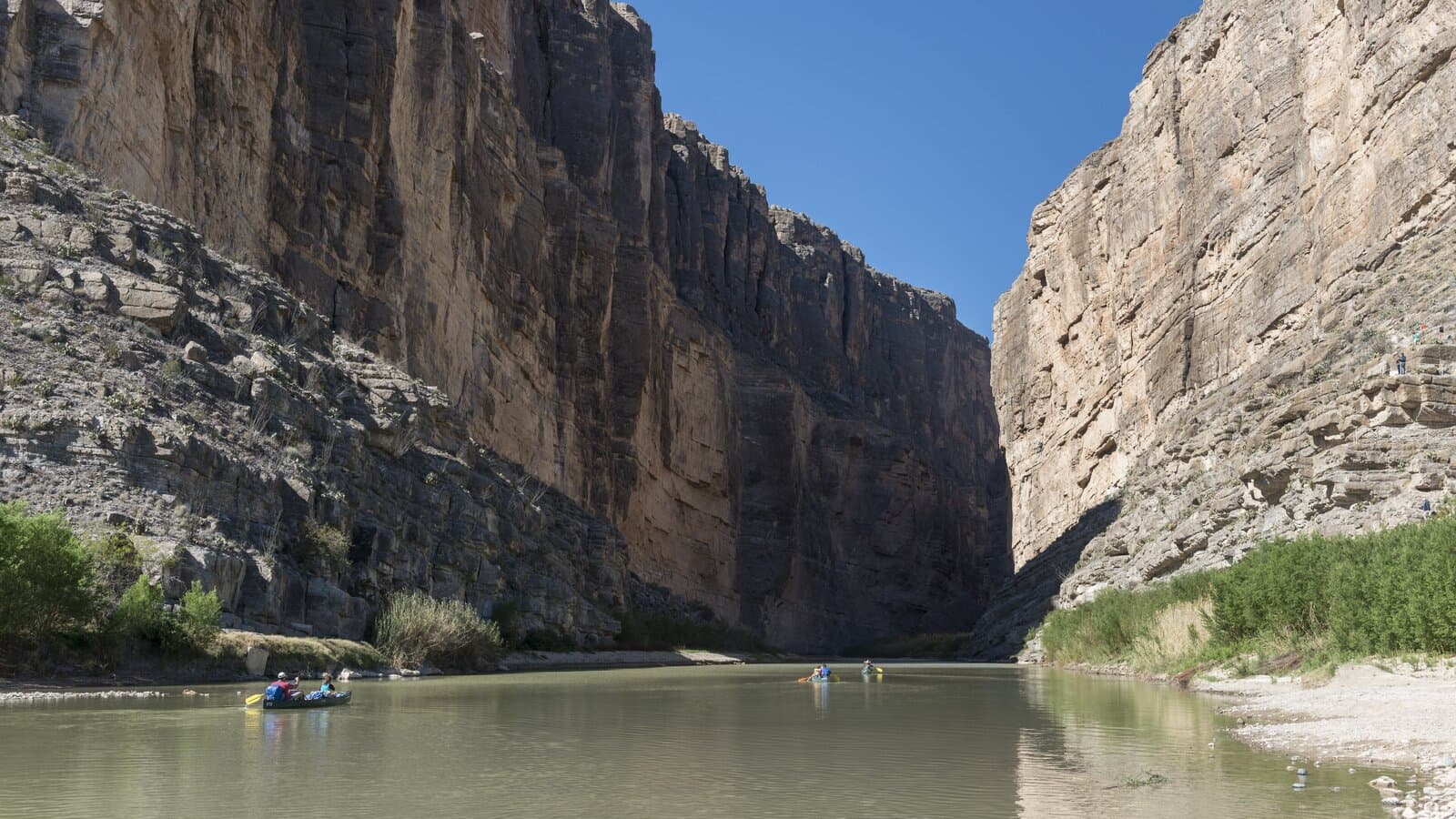
On November 9, 2026, the Supreme Court stayed an injunction that had halted border barrier and road construction in Texas's Big Bend region. The plaintiffs and Ro Khanna condemned the order; DHS general counsel James Percival welcomed the 8-1 ruling.
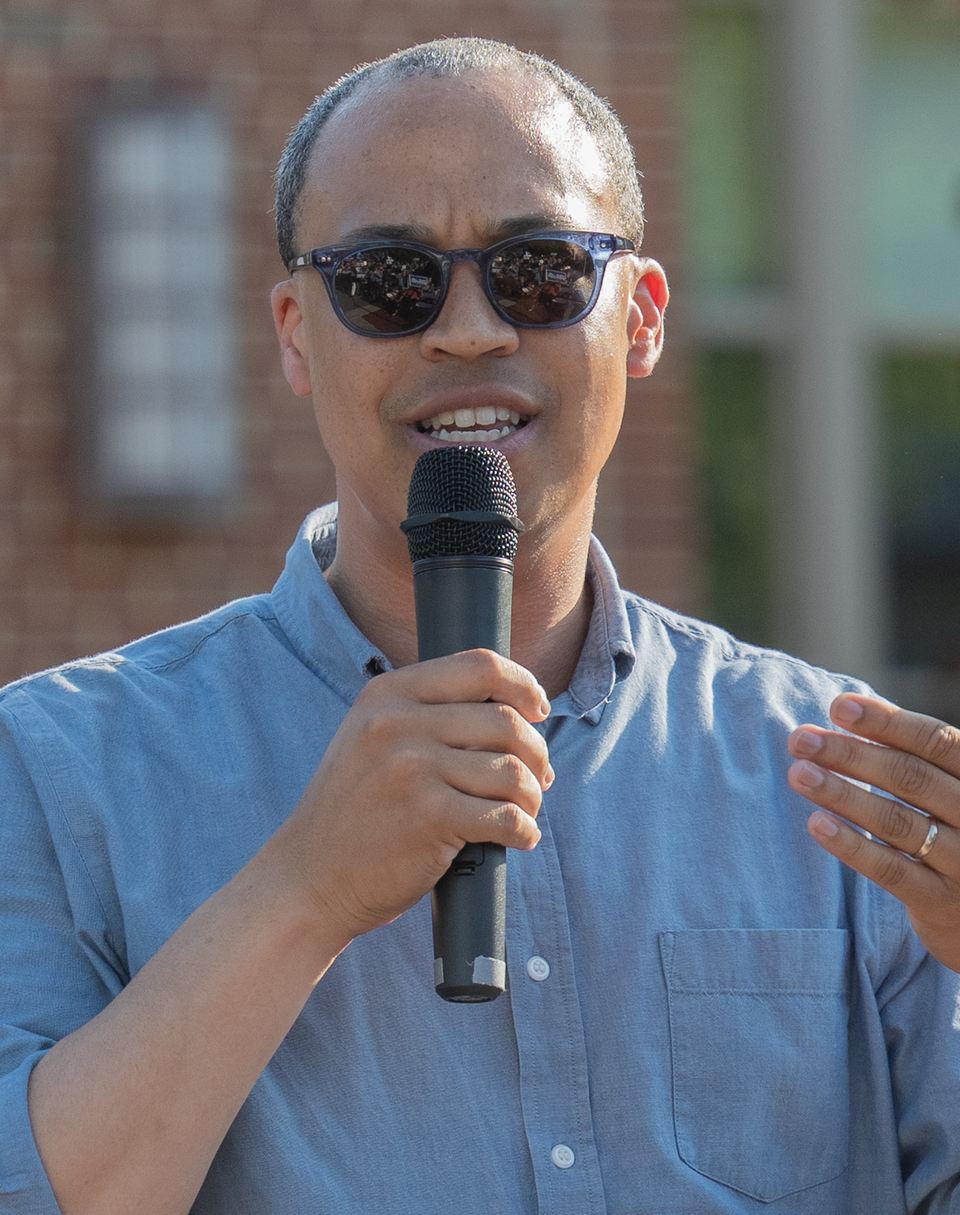
Role at the time: U.S. representative from California, posting on X
Condemned
Statement summary
Khanna says the Supreme Court let the bulldozers back into Big Bend National Park, that Texas ranchers oppose the wall and a Bush-appointed judge blocked it, and that he will vote to cut off its funding.
Quotation excerpt
“The Supreme Court let the bulldozers back into Big Bend National Park today. It's Stephen Miller's first day as chief of staff. Texas ranchers oppose this wall. A Bush-appointed judge blocked it. In January, Democrats run Congress. I will…”
Read full quotation
“The Supreme Court let the bulldozers back into Big Bend National Park today. It's Stephen Miller's first day as chief of staff. Texas ranchers oppose this wall. A Bush-appointed judge blocked it. In January, Democrats run Congress. I will vote to cut off every dollar for it.”
The reference point is the federal government's border barrier and road construction in Texas's Big Bend region under DHS waivers of environmental laws, which the Supreme Court allowed to resume on November 9, 2026. Khanna opposes the wall and pledges to vote against funding it, which condemns the construction.
Role at the time: General counsel of the Department of Homeland Security, posting on X
Defended or excused
Statement summary
Percival recalls calling the district court's order halting wall construction unprecedented and flawed when the government went to the Supreme Court, and says the government just won 8-1.
“When we filed in the Supreme Court, I called the district court’s order halting wall construction “as unprecedented as it is flawed.” We just won 8-1.”
Read the original post (opens in a new tab)James Percival's post on the Supreme Court order on border wall construction · James PercivalPost on X, November 9, 2026, 3:29 p.m. EST, quoting his post of October 21, 2026
What this label refers to
The reference point is the federal government's border barrier and road construction in Texas's Big Bend region under DHS waivers of environmental laws, which the Supreme Court allowed to resume on November 9, 2026. Percival celebrates the order that lets construction resume and repeats his criticism of the injunction, which defends the construction.
Role at the time: Republican U.S. senator from Texas, in an op-ed in the San Antonio Express-News
Condemned
Statement summary
In a San Antonio Express-News op-ed, Cornyn says Big Bend's terrain already deters illegal crossings and that a wall is not the best solution for parts of it. He calls for technology, staffing and cooperation with local officials and landowners instead.
Quotation excerpt
“Big Bend National Park and Big Bend Ranch State Park's remote desert terrain, deep canyons, 1,000-foot riverbank cliffs and steep mountains are a natural deterrent to illegal crossings. A border wall is not the best solution for portions of…”
Read full quotation
“Big Bend National Park and Big Bend Ranch State Park's remote desert terrain, deep canyons, 1,000-foot riverbank cliffs and steep mountains are a natural deterrent to illegal crossings. A border wall is not the best solution for portions of this environment. ... Big Bend deserves border security that reflects the realities of its geography, the input and experience of local law enforcement, and the rights of the people who live there.”
Cornyn supports border security but says a wall is not the best solution for much of Big Bend and argues against building what he calls unnecessary barriers there, so we labeled it Condemned.
Role at the time: Retired superintendent of Big Bend National Park and chair of Keep Big Bend Wild, in a joint release with the Coalition to Protect America's National Parks
Condemned
Statement summary
Krumenaker, a retired superintendent of Big Bend National Park, says the Supreme Court's order means construction in the park's borderlands is likely to resume at any moment and that DHS is unlikely to share its plans first.
Quotation excerpt
“While we respect the Court's decision, it means that the unaccountable destruction of Big Bend National Park's borderlands is likely to resume at any moment, with DHS unlikely to even tell us what their plan is before the bulldozers run…”
Read full quotation
“While we respect the Court's decision, it means that the unaccountable destruction of Big Bend National Park's borderlands is likely to resume at any moment, with DHS unlikely to even tell us what their plan is before the bulldozers run amok”
Read the official statement (opens in a new tab)Coalition To Protect America's National Parks and Keep Big Bend Wild Response To Supreme Court Allowing Border Wall Construction in Big Bend National ParkStatement attributed to Bob Krumenaker
What this label refers to
Krumenaker says he respects the Court but describes the construction its order allows as the unaccountable destruction of the park's borderlands, so we labeled it Condemned.
Role at the time: Environmental group and plaintiff, in a statement by national public lands advocate Laiken Jordahl
Condemned
Statement summary
Laiken Jordahl of the Center for Biological Diversity, a plaintiff, says the administration and its contractors are bent on destroying a national park and that the order lets them bulldoze desert and dynamite canyon walls before the courts decide whether the work is legal.
Quotation excerpt
“The Trump administration and its contractors are hellbent on destroying one of America’s greatest national parks, and the Supreme Court just gave them the green light ... This horrific decision clears the way for contractors to bulldoze…”
Read full quotation
“The Trump administration and its contractors are hellbent on destroying one of America’s greatest national parks, and the Supreme Court just gave them the green light ... This horrific decision clears the way for contractors to bulldoze pristine desert and dynamite canyon walls before the courts have even decided whether this destruction is legal.”
The reference point is the federal government's border barrier and road construction in Texas's Big Bend region under DHS waivers of environmental laws, which the Supreme Court allowed to resume on November 9, 2026. The Center calls the order horrific and the construction destruction of a national park, which condemns it.
Role at the time: U.S. Representative from California, posting on X
Condemned
Response to this claim
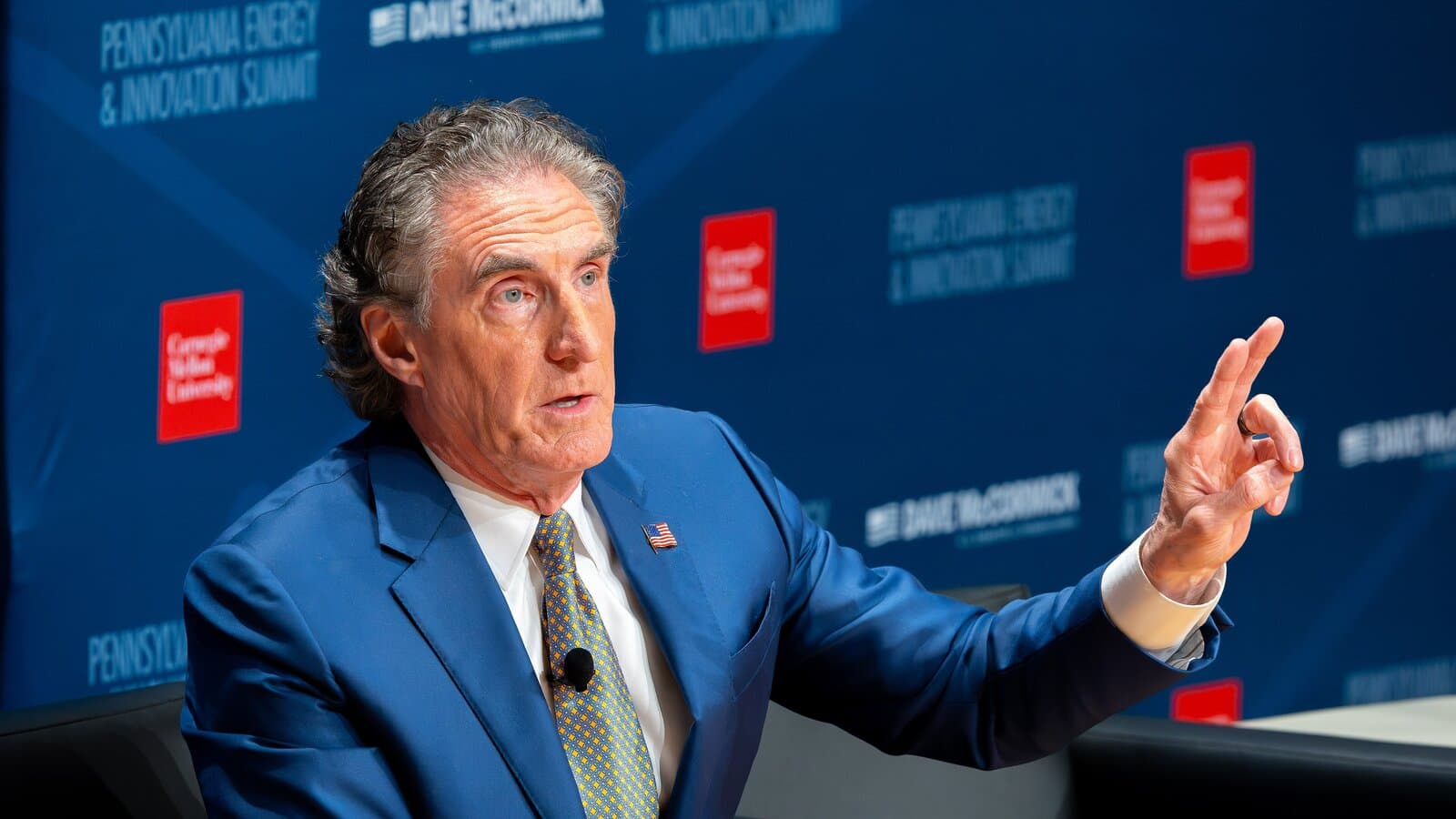
Doug Burgum stands to profit personally from the data center build-out he is promoting on public lands, through AI investments held in Arthur Ventures.
“Like every other goon in this administration, Data Center Doug is in it for himself. He wants to cover our public lands with AI data centers that will make him and Trump's tech buddies richer.”
The reference point is Interior Secretary Doug Burgum's promotion of AI data centers on federally managed public lands while he holds tens of millions of dollars in AI investments through Arthur Ventures. Huffman says Burgum is pushing data centers on public lands to enrich himself, which condemns it.
Role at the time: Spokesperson Jayson O'Neill, in a Save Our Parks release
Condemned
Response to this claim
Doug Burgum stands to profit personally from the data center build-out he is promoting on public lands, through AI investments held in Arthur Ventures.
“Americans deserve to know whether the man in charge of our parks and public lands is managing them for the public or for his own personal investment portfolio.”
The reference point is Interior Secretary Doug Burgum's promotion of AI data centers on federally managed public lands while he holds tens of millions of dollars in AI investments through Arthur Ventures. Save Our Parks says Burgum is cashing in on an industry he promotes on public lands and questions whether he manages them for his own portfolio, which condemns the arrangement.
Role at the time: University of Minnesota law professor and former chief ethics lawyer for President George W. Bush, in comments to ProPublica
Condemned
Response to this claim
Doug Burgum stands to profit personally from the data center build-out he is promoting on public lands, through AI investments held in Arthur Ventures.
“In the Bush administration, the answer would've been 'he has to recuse,' I can guarantee you that.”
Open source (opens in a new tab)ProPublica report on Doug Burgum's AI investments and the push for data centers on public lands · ProPublicaFull article
Why we used this label
The reference point is Interior Secretary Doug Burgum's promotion of AI data centers on federally managed public lands while he holds tens of millions of dollars in AI investments through Arthur Ventures. Painter says Burgum should stay away from decisions benefiting the AI industry and would have been required to recuse under the Bush administration, which condemns his involvement.
Role at the time: Interior Department spokesperson, in a statement to ProPublica
Denied
Response to this claim
Doug Burgum stands to profit personally from the data center build-out he is promoting on public lands, through AI investments held in Arthur Ventures.
“Any suggestion that his office decisions are driven by personal investments are false and completely unsupported.”
Open source (opens in a new tab)ProPublica report on Doug Burgum's AI investments and the push for data centers on public lands · ProPublicaFull article
Why we used this label
The reference point is Interior Secretary Doug Burgum's promotion of AI data centers on federally managed public lands while he holds tens of millions of dollars in AI investments through Arthur Ventures. The department rejects any suggestion that Burgum's decisions are driven by his investments, which denies the conflict alleged.
Role at the time: Vietnam Veterans of America, through national president Tom Burke
Mixed or conditional
Statement summary
VVA acknowledges that the amicus brief it joined expressly supported construction. It says its participation was meant to support honoring veterans and oppose claims to speak for all veterans. It does not endorse the design or campaign to build the arch. The organization distinguishes its national position from positions its chapters may adopt.
“some of the language in the brief went further than we intended.”
Role at the time: Lawyers Defending American Democracy volunteer, writing commentary
Condemned
Statement summary
Saranteas opposes the proposed arch and argues that the administration needs congressional authorization and compliance with other legal requirements. He also objects to its effects on the memorial site and views. His assertions that the project is unconstitutional or could involve criminal misuse of funds are his legal arguments, rather than court findings.
“The project is unconstitutional, illegal, and patently un-American.”
Open source (opens in a new tab)James Saranteas argues against the proposed archSigned commentary; congressional authorization and separation of powers
What this label refers to
He expressly opposes the project and argues that proceeding would violate legal requirements.
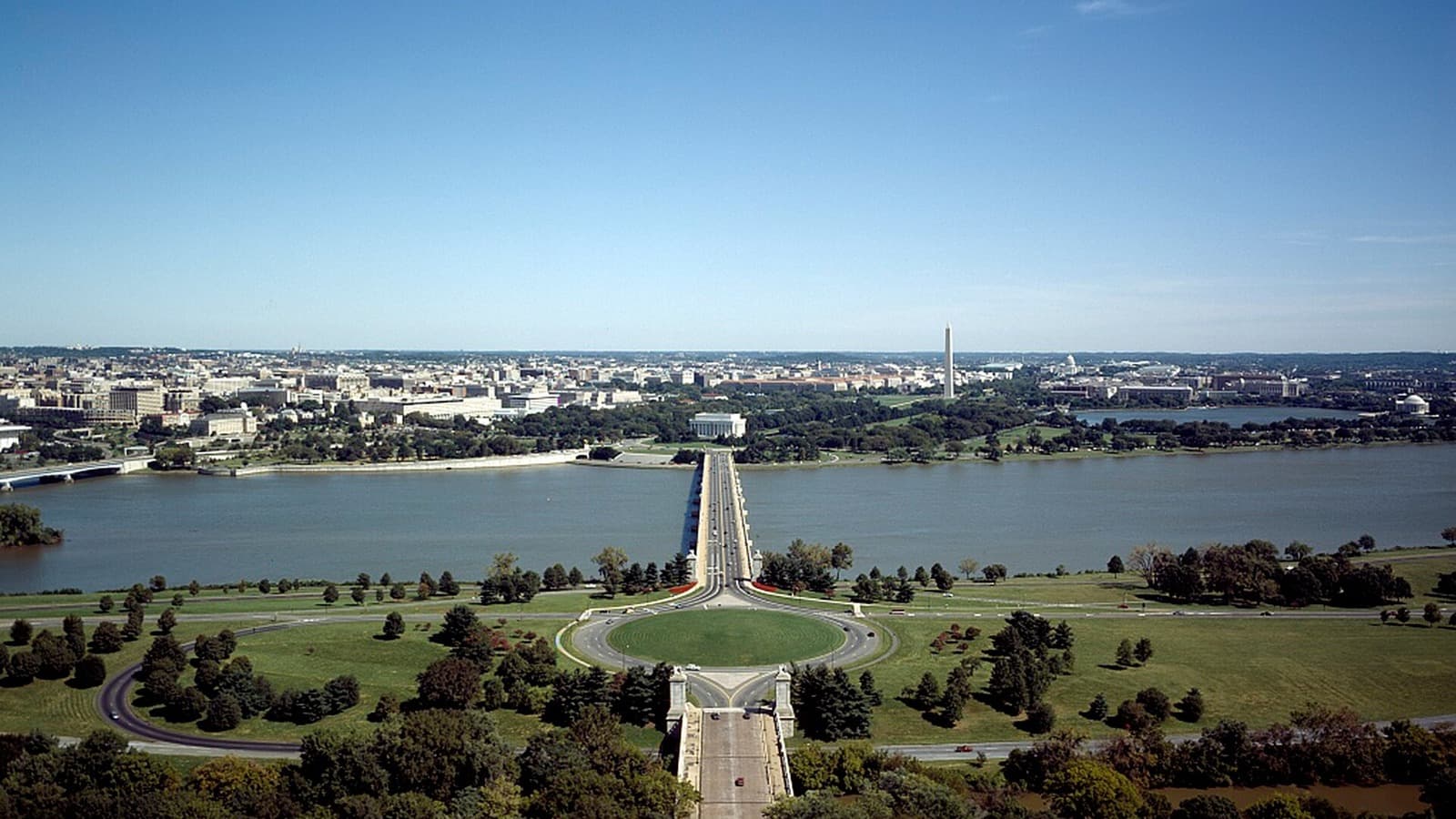
The case concerns constructing the proposed Memorial Circle arch without new congressional authorization. Public Citizen argues construction cannot proceed without Congress.
Role at the time: Solicitor General of the United States, in the government's application to the Supreme Court
Defended or excused
Response to this claim
Congress clearly authorized the Secretary of Homeland Security both to build border barriers and to waive legal requirements to speed their construction, so the Big Bend waivers raise no major-questions problem.
Quotation excerpt
“This is no major-questions case. Even assuming that the Secretary’s waiver authority implicates a question of “vast economic and political significance,” Congress did clearly authorize the Secretary both to build border barriers and to…”
Read full quotation
“This is no major-questions case. Even assuming that the Secretary’s waiver authority implicates a question of “vast economic and political significance,” Congress did clearly authorize the Secretary both to build border barriers and to waive legal requirements in order to facilitate their expeditious construction.”
Read the original text (opens in a new tab)Application to stay the injunction issued by the U.S. District Court for the Western District of Texas, Mullin v. Friends of the Ruidosa Church · United States Department of JusticeApplication, Part II, page 20
Why we used this label
The reference point is the federal government's border barrier and road construction in Texas's Big Bend region under DHS waivers of environmental laws, which the Supreme Court allowed to resume on November 9, 2026. Sauer argues that the waivers behind the construction are lawful and asks the Court to let the work proceed, which defends the construction.
Role at the time: Animal welfare advocacy group, in a press release issued jointly with the Center for a Humane Economy
Condemned
Statement summary
In a release issued with the Center for a Humane Economy, Animal Wellness Action calls the rule reckless, describes bear baiting as a widely discredited practice and says the two groups will sue the Park Service to overturn the rule.
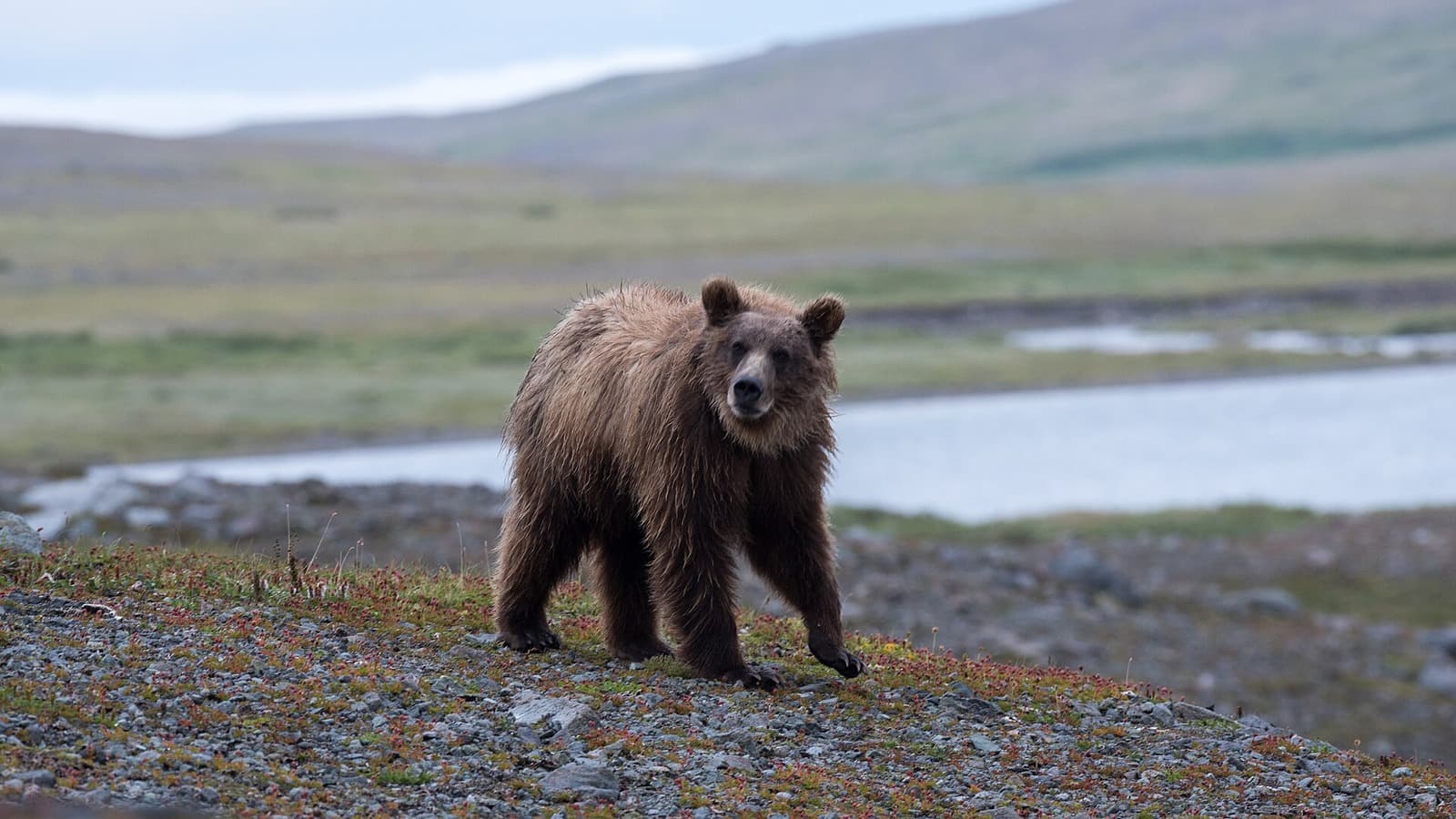
“The organizations announced that they will sue the agency to overturn this reckless rule, which restores the widely discredited practice of bear baiting on 20 million acres of lands managed by the NPS.”
Read the official statement (opens in a new tab)Animal Wellness Action and Center for a Humane Economy to Sue NPS Over Final Rule Restoring Bear Baiting on Alaska National PreservesPress release, paragraphs 1-6
What this label refers to
The reference point is the National Park Service's final rule allowing sport hunters to use bait to hunt bears in Alaska's national preserves, part of its restoration of state-authorized harvest methods there. The group calls the rule reckless and baiting a widely discredited practice, and says it will sue to overturn the rule.
Role at the time: Animal protection nonprofit, in a news release issued with Humane World Action Fund
Condemned
Response to this claim
Baiting bears with human food teaches them to associate people with food and increases the likelihood of dangerous encounters with visitors to Alaska's public lands.
“The Trump administration today finalized a U.S. National Park Service rule that reverses critical wildlife protections for bears and once again allows the cruel practice of bear baiting on Alaska's national preserves.”
Read the official statement (opens in a new tab)Trump administration reinstitutes bear baiting on Alaska national preserves · Humane World for AnimalsNews release, opening paragraphs and statements of Sara Amundson and Kitty Block
Why we used this label
The reference point is the National Park Service's final rule allowing sport hunters to use bait to hunt bears in Alaska's national preserves, part of its restoration of state-authorized harvest methods there. The group calls baiting cruel and the rule a reversal of critical protections, and its president says it is evaluating a court challenge.
Role at the time: Commissioner, Alaska Department of Fish and Game, in a statement quoted by the Alaska Beacon
Defended or excused
Statement summary
Vincent-Lang thanks the Interior Department and the Park Service for the changes and calls the rule a necessary return to the fish and wildlife management framework set by the Alaska Constitution and ANILCA.
Quotation excerpt
“We thank the Department of Interior and the National Park Service for making these and other changes in the rule. The change represents a necessary return to the fish and wildlife management framework established by the Alaska Constitution…”
Read full quotation
“We thank the Department of Interior and the National Park Service for making these and other changes in the rule. The change represents a necessary return to the fish and wildlife management framework established by the Alaska Constitution and reaffirmed in ANILCA, which had served Alaska for three decades”
Open source (opens in a new tab)Trump administration moves to reopen Alaska national preserves to bear baiting by sport hunters (Alaska Beacon, via Yahoo News)Article, paragraphs 1-14
What this label refers to
The reference point is the National Park Service's final rule allowing sport hunters to use bait to hunt bears in Alaska's national preserves, part of its restoration of state-authorized harvest methods there. Vincent-Lang, whose department regulates baiting under state law, welcomes the rule as a necessary return to state-led wildlife management.
Role at the time: U.S. Secretary of the Interior, in the department's announcement of the final rule
Defended or excused
Statement summary
In Interior's announcement of the final rule, Burgum says it restores a commonsense framework for Alaska's national parks and preserves, gives Alaskans a stronger voice in decisions about lands and wildlife, and keeps the Park Service's duty to protect park resources.
Quotation excerpt
“This final rule restores that commonsense framework and gives Alaskans a stronger voice in decisions affecting the lands, wildlife and traditions they know best, while ensuring the National Park Service continues to protect park resources…”
Read full quotation
“This final rule restores that commonsense framework and gives Alaskans a stronger voice in decisions affecting the lands, wildlife and traditions they know best, while ensuring the National Park Service continues to protect park resources for future generations.”
Read the official statement (opens in a new tab)Interior Finalizes Rule Restoring Alaska-Specific Management Framework for National Parks and Preserves · U.S. Department of the InteriorPress release, paragraphs 1-6
What this label refers to
The reference point is the National Park Service's final rule allowing sport hunters to use bait to hunt bears in Alaska's national preserves, part of its restoration of state-authorized harvest methods there. Burgum announces the rule and praises it as restoring a commonsense framework that respects the state's role in managing wildlife. His statement speaks to the rule as a whole rather than to baiting specifically.
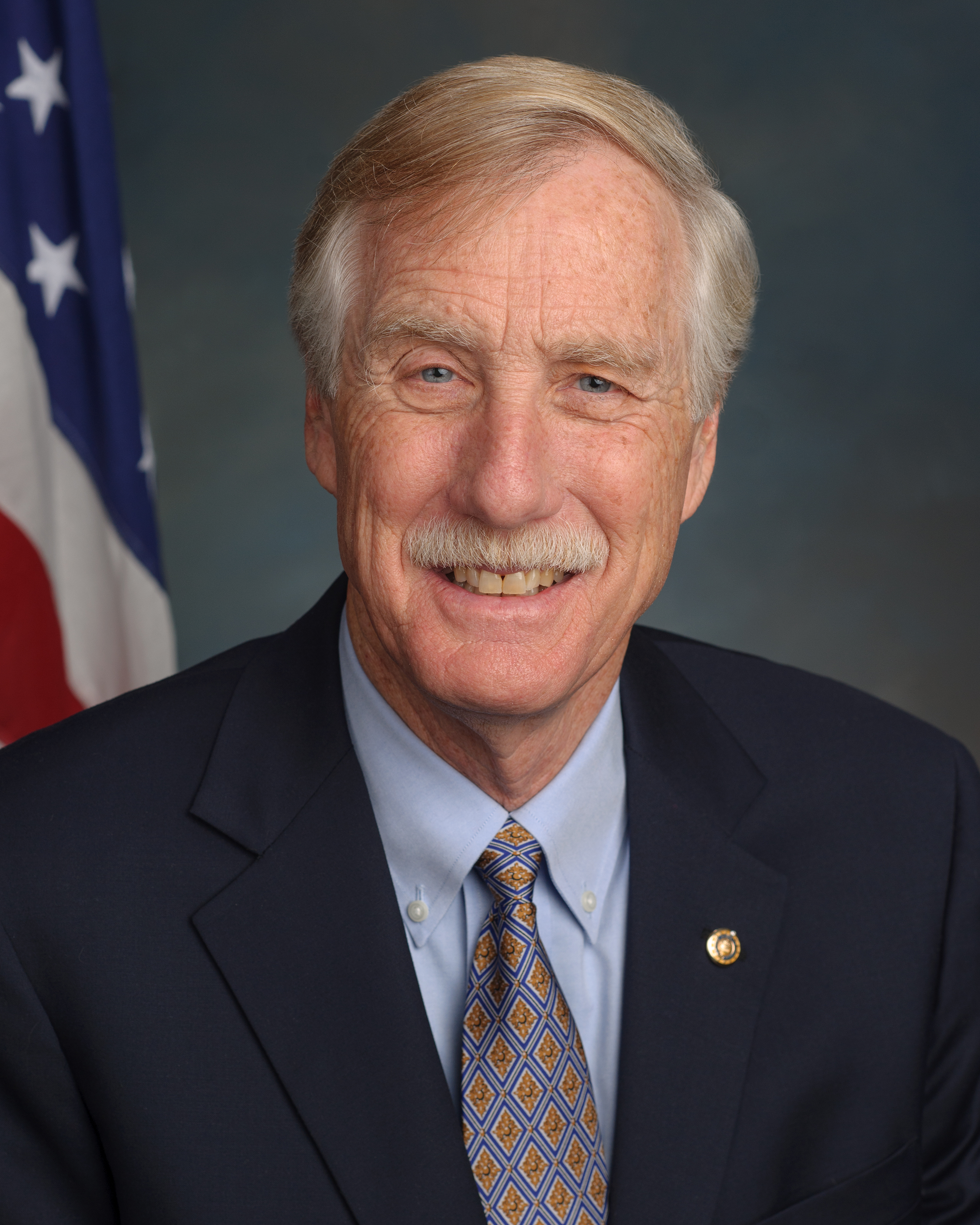
Role at the time: U.S. senator from Maine, co-author of the congressional letter
Condemned
Statement summary
King's office publishes a joint letter opposing the arch and demanding a halt to the approval process and ground disturbance until Congress authorizes the project.
“We oppose this project in the strongest terms and object to execution of the draft Programmatic Agreement.”
Role at the time: Federal defendants represented by the Department of Justice
Defended or excused
Statement summary
Federal defendants defend existing statutory authority for the arch.
“In sum, Plaintiffs have failed to establish that Defendants lack statutory authority to build
two large columns surmounted by statues on Memorial Circle.”
Read the original text (opens in a new tab)Federal defendants defend statutory authority for the Memorial Circle arch · United States Department of JusticeLemmon v. Trump, ECF 44-1, sections III.C-D, pages 28-35
What this label refers to
The case concerns constructing the proposed Memorial Circle arch without new congressional authorization. Federal defendants defend existing statutory authority for the arch.
Role at the time: Federal department, through spokesperson Katie Martin
Defended or excused
Statement summary
Interior spokesperson Katie Martin defends the project and its claimed congressional basis.
“Great nations build beautiful structures and works of art that cultivate national pride and love of country”
Open source (opens in a new tab)Lawmakers Warn Trump Officials Not to Pursue Arch Project Without CongressInterview comments by Huffman and Interior spokesperson Katie Martin.
What this label refers to
The authorized spokesperson endorses the disputed project for Interior.
Role at the time: U.S. representative from California
Condemned
Statement summary
Huffman warns officials and contractors about proceeding without congressional authorization.
“They could be held personally liable.”
Open source (opens in a new tab)Lawmakers Warn Trump Officials Not to Pursue Arch Project Without CongressInterview comments by Huffman and Interior spokesperson Katie Martin.
What this label refers to
He objects to the project and warns against carrying it out.
Ro Khanna is a Democrat who has represented California's 17th congressional district, in Silicon Valley, in the U.S. House since 2017. He is vice chair of the Congressional Progressive Caucus and has served on the House Armed Services and Oversight committees. Before Congress he taught economics at Stanford University and was a deputy assistant secretary of commerce in the Obama administration.
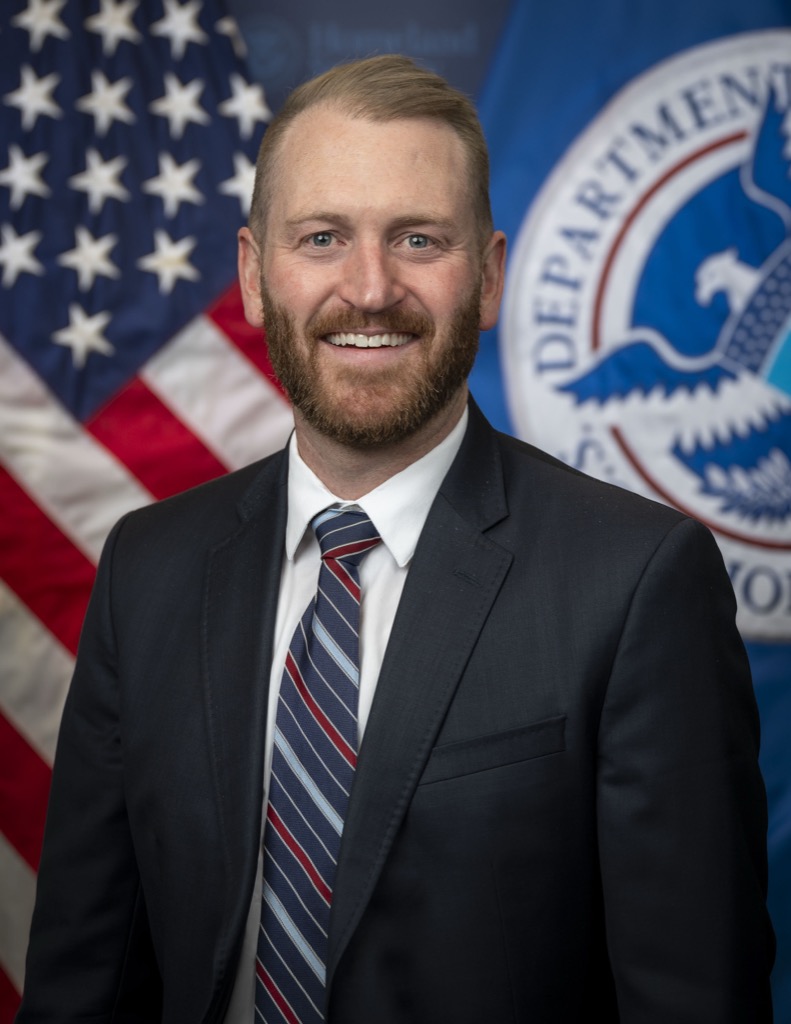
James H. Percival is the general counsel of the U.S. Department of Homeland Security. He was previously chief of staff to Florida Attorney General Ashley Moody, held other roles in her office and served as senior counsel at the U.S. Department of Justice. He clerked for Judge Emmett Ripley Cox of the U.S. Court of Appeals for the Eleventh Circuit and is a graduate of the University of California, Santa Barbara and the University of Virginia School of Law.
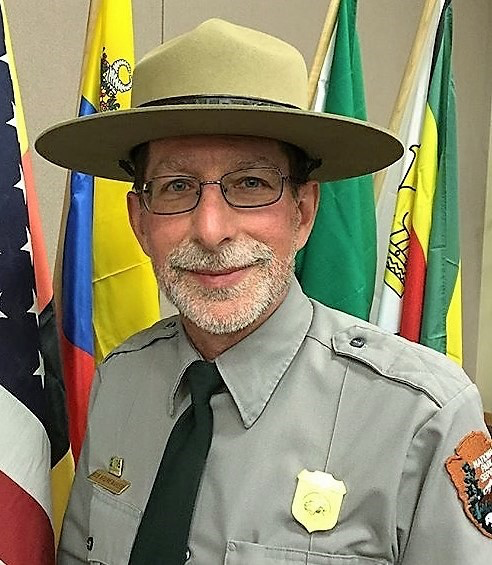
Bob Krumenaker is a retired National Park Service official. He was superintendent of Big Bend National Park in Texas from 2018 to 2023 and of Apostle Islands National Lakeshore in Wisconsin from 2002 to 2018, after an agency career that began in 1977. He chairs Keep Big Bend Wild, a group that advocates wilderness protection for the park.
Markwayne Mullin is an American Republican politician and businessman who serves as the 9th U.S. Secretary of Homeland Security, sworn in on March 24, 2026. He previously represented Oklahoma in the U.S. House of Representatives and then in the U.S. Senate, for a combined 13 years, and before entering Congress ran his family’s plumbing business, Mullin Plumbing.
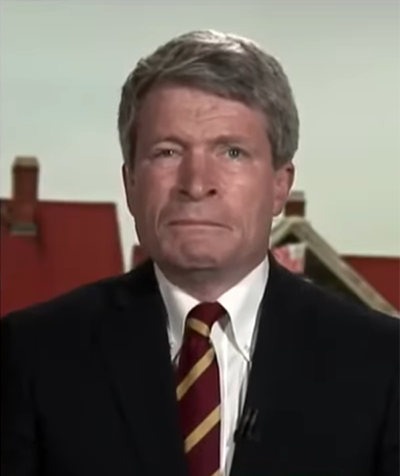
Richard Painter is an American lawyer and law professor at the University of Minnesota Law School. He was chief White House ethics lawyer under President George W. Bush from 2005 to 2007 and writes and comments on government ethics.
Jay Jones is an American attorney and Democratic politician serving as Virginia's attorney general since January 2026. He represented Norfolk in the Virginia House of Delegates from 2018 to 2022 and previously worked in the District of Columbia attorney general's consumer protection office. Jones earned a bachelor's degree at the College of William and Mary and a law degree at the University of Virginia.
James Saranteas is a civil litigation attorney and political and legal commentator for The Fulcrum. His legal career includes trial and appellate work, teaching appellate advocacy at Loyola University Chicago and volunteer coaching with Duke Law's Moot Court Board. He volunteers with Lawyers Defending American Democracy's Meeting the Moment program. He holds a law degree from Loyola University Chicago and a bachelor's degree in economics and business administration from Knox College.
Doug Vincent-Lang is the commissioner of the Alaska Department of Fish and Game, the state agency responsible for managing Alaska's fish and wildlife resources. He serves in the cabinet of Gov. Mike Dunleavy. He began working at the department as a fisheries biologist in 1981 and became commissioner in January 2019. He holds degrees in biology from the University of Wisconsin-Green Bay and biological oceanography from the University of Alaska Fairbanks.