
Ninth Circuit blocks California's climate-risk disclosure law and Scope 3 emissions reporting but lets direct-emissions reporting proceed; the U.S. Chamber calls it a First Amendment victory, and Bonta's office and EDF defend the laws
On November 9, 2026, the Ninth Circuit found California's climate-risk reporting law and its Scope 3 emissions rule likely unconstitutional but let direct-emissions reporting proceed. The U.S. Chamber called it a victory; Bonta's office and EDF defended the laws.
Case period:
Published by The Dispute Index editorial teamPublished Updated
Overview
Governor Gavin Newsom signed SB 253, the Climate Corporate Data Accountability Act, and SB 261, the Climate-Related Financial Risk Act, on October 7, 2023, making California the first state to require these disclosures. State Sen. Scott Wiener wrote SB 253 and Sen. Henry Stern wrote SB 261. The opinion estimates that SB 253 covers about 1,971 companies and SB 261 about 2,675.
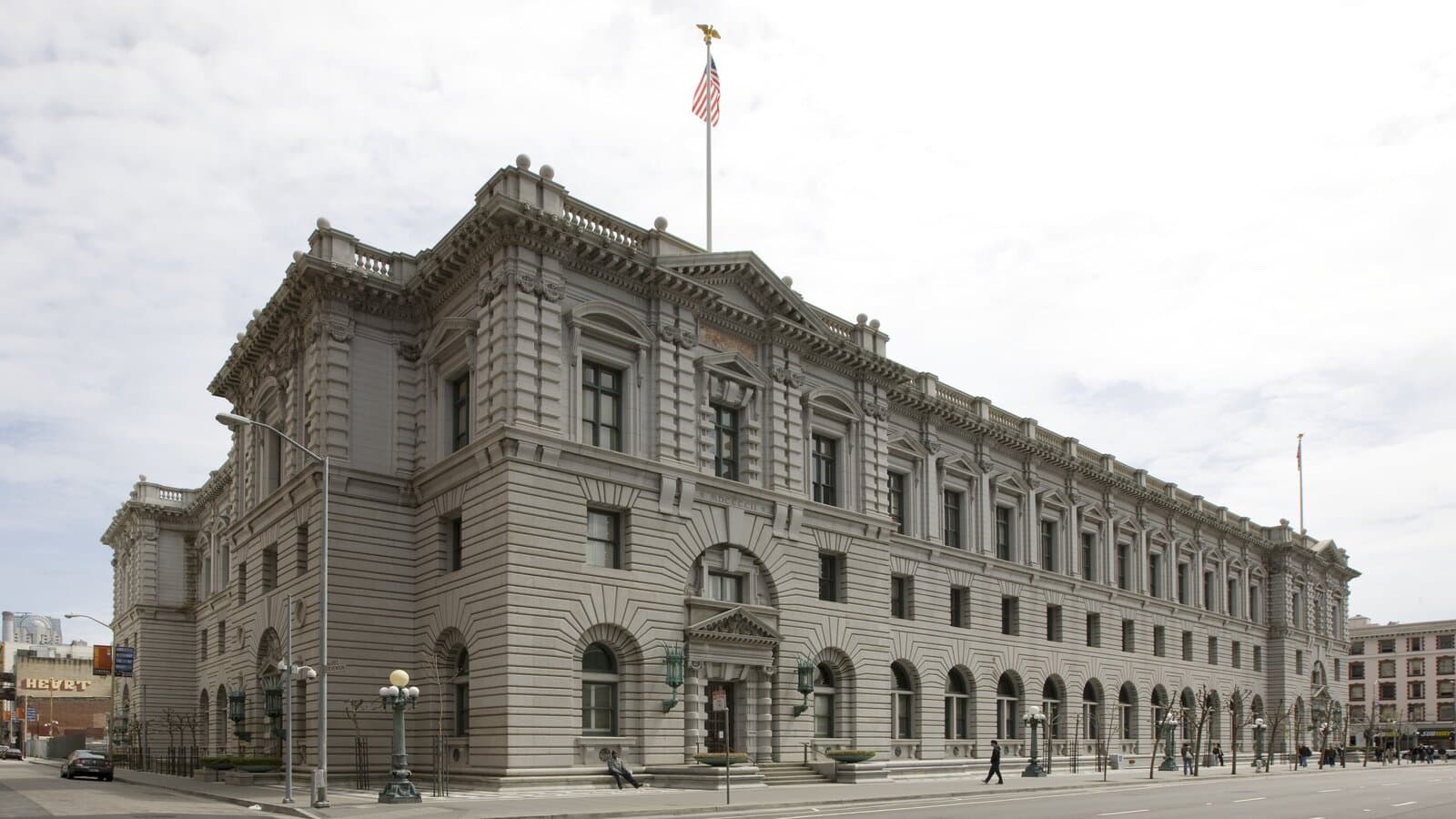
U.S. District Judge Otis Wright of Los Angeles refused to block either law, finding that they regulate commercial speech. On November 18, 2025, the Ninth Circuit put SB 261 on hold while the appeal went forward but let SB 253 proceed. The first Scope 1 and Scope 2 reports under SB 253 were due on November 10, 2026, the day after the ruling.
The ruling decides only whether the laws are blocked while the suit continues. The district court has yet to rule on the merits, and either side may ask the full Ninth Circuit to rehear the appeal.
People in this case
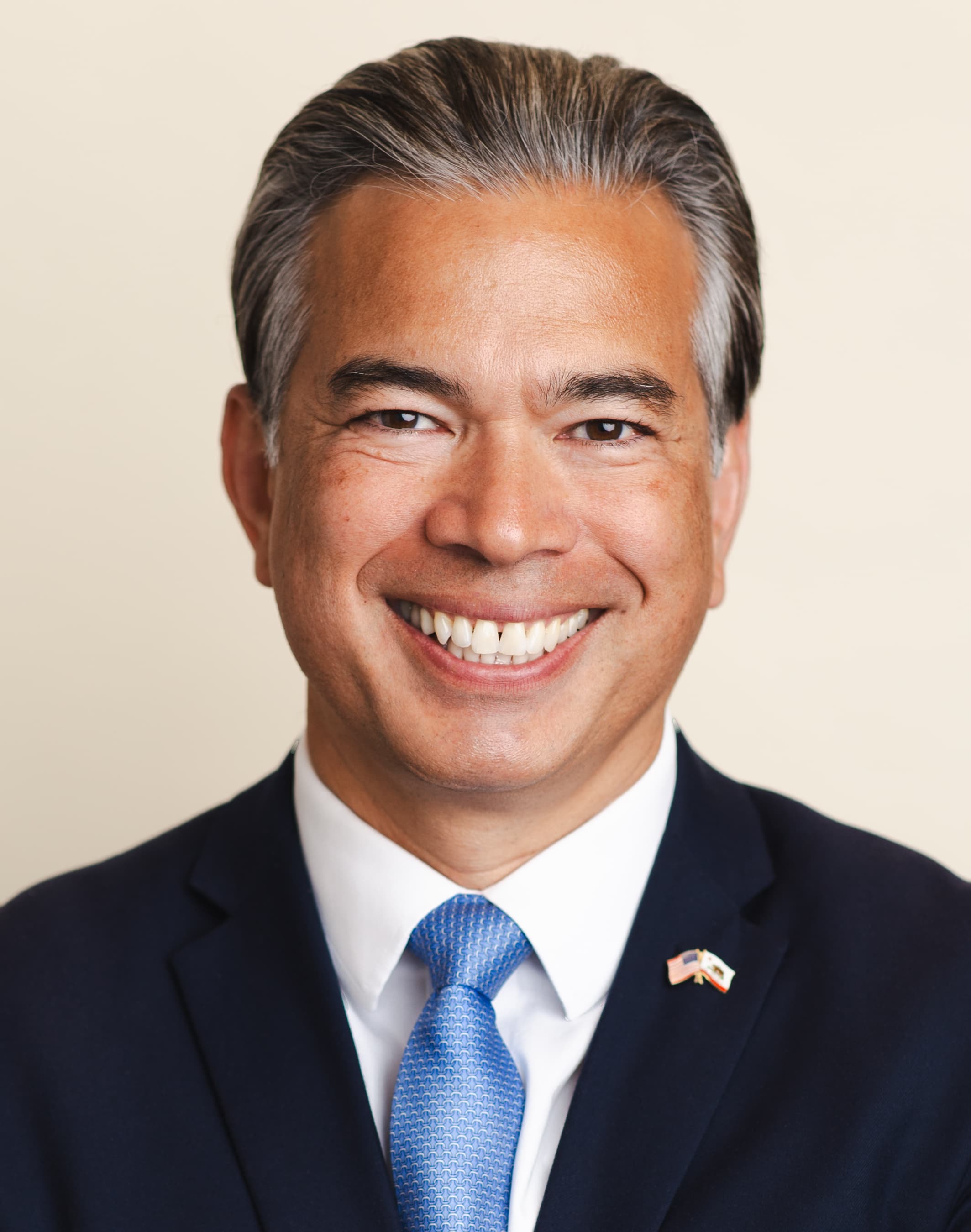 Rob BontaDirectly involved
Timeline
5 timeline entries on this page. Dates: October 7, 2023 to November 9, 2026
October 2023
Newsom signs SB 253 and SB 261
California becomes the first state to require large companies to report their greenhouse gas emissions and climate-related financial risks.
[01]Chamber of Commerce of the United States of America v. Sanchez, No. 25-5327, Ninth Circuit opinion of November 9, 2026
Published opinion affirming in part and reversing in part the district court's denial of a preliminary injunction against SB 253 and SB 261. The panel let SB 253's Scope 1 and Scope 2 reporting proceed, found its Scope 3 requirement and SB 261 likely unconstitutional, and remanded the question of whether Scope 3 can be severed.
Chamber of Commerce of the United States of America v. Sanchez, No. 25-5327, Ninth Circuit opinion of November 9, 2026Opinion by Judge Nguyen; partial concurrence and partial dissent by Judge Bennett
November 2025
Ninth Circuit puts SB 261 on hold during the appeal
The court blocks enforcement of the climate-risk law while the appeal goes forward but declines to block SB 253's emissions reporting.
[01]Chamber of Commerce of the United States of America v. Sanchez, No. 25-5327, Ninth Circuit opinion of November 9, 2026
Published opinion affirming in part and reversing in part the district court's denial of a preliminary injunction against SB 253 and SB 261. The panel let SB 253's Scope 1 and Scope 2 reporting proceed, found its Scope 3 requirement and SB 261 likely unconstitutional, and remanded the question of whether Scope 3 can be severed.
Chamber of Commerce of the United States of America v. Sanchez, No. 25-5327, Ninth Circuit opinion of November 9, 2026Opinion by Judge Nguyen; partial concurrence and partial dissent by Judge Bennett[02]San Francisco Chronicle: Court limits California rules on companies' greenhouse-gas disclosures
San Francisco Chronicle report of November 9, 2026 on the ruling, quoting the majority opinion, Judge Bennett's separate opinion, the U.S. Chamber's Daryl Joseffer and Stephanie Jones of Environmental Defense Fund.
January 2026
Panel hears argument in San Francisco
Judges Jacqueline Nguyen, Mark Bennett and Kiyo Matsumoto hear the business groups' appeal of the denial of a preliminary injunction.
[01]Chamber of Commerce of the United States of America v. Sanchez, No. 25-5327, Ninth Circuit opinion of November 9, 2026
Published opinion affirming in part and reversing in part the district court's denial of a preliminary injunction against SB 253 and SB 261. The panel let SB 253's Scope 1 and Scope 2 reporting proceed, found its Scope 3 requirement and SB 261 likely unconstitutional, and remanded the question of whether Scope 3 can be severed.
Chamber of Commerce of the United States of America v. Sanchez, No. 25-5327, Ninth Circuit opinion of November 9, 2026Opinion by Judge Nguyen; partial concurrence and partial dissent by Judge Bennett
November 2026
Ninth Circuit finds SB 261 and Scope 3 reporting likely unconstitutional
Incident
The panel reverses the denial of a preliminary injunction for SB 261 and SB 253's Scope 3 requirement, lets Scope 1 and Scope 2 reporting proceed, and sends the severability question back to the district court.
[01]Chamber of Commerce of the United States of America v. Sanchez, No. 25-5327, Ninth Circuit opinion of November 9, 2026
Published opinion affirming in part and reversing in part the district court's denial of a preliminary injunction against SB 253 and SB 261. The panel let SB 253's Scope 1 and Scope 2 reporting proceed, found its Scope 3 requirement and SB 261 likely unconstitutional, and remanded the question of whether Scope 3 can be severed.
Chamber of Commerce of the United States of America v. Sanchez, No. 25-5327, Ninth Circuit opinion of November 9, 2026Opinion by Judge Nguyen; partial concurrence and partial dissent by Judge Bennett[03]Reuters
Reuters report of November 9, 2026, published on U.S. News & World Report, on the Ninth Circuit ruling. It quotes Judge Nguyen's opinion, Attorney General Rob Bonta's office, Daryl Joseffer of the U.S. Chamber Litigation Center and Travis Cushman of the American Farm Bureau Federation.
Reuters: Court blocks California from enforcing climate disclosure laws · ReutersArticle text[02]San Francisco Chronicle: Court limits California rules on companies' greenhouse-gas disclosures
San Francisco Chronicle report of November 9, 2026 on the ruling, quoting the majority opinion, Judge Bennett's separate opinion, the U.S. Chamber's Daryl Joseffer and Stephanie Jones of Environmental Defense Fund.
U.S. Chamber welcomes the ruling; Bonta's office and EDF defend the laws
Reaction
The U.S. Chamber calls the ruling an important victory and plans to seek a permanent injunction. Bonta's office is evaluating its next steps, and EDF says the laws are consistent with the First Amendment.
[03]Reuters
Reuters report of November 9, 2026, published on U.S. News & World Report, on the Ninth Circuit ruling. It quotes Judge Nguyen's opinion, Attorney General Rob Bonta's office, Daryl Joseffer of the U.S. Chamber Litigation Center and Travis Cushman of the American Farm Bureau Federation.
Reuters: Court blocks California from enforcing climate disclosure laws · ReutersArticle text[02]San Francisco Chronicle: Court limits California rules on companies' greenhouse-gas disclosures
San Francisco Chronicle report of November 9, 2026 on the ruling, quoting the majority opinion, Judge Bennett's separate opinion, the U.S. Chamber's Daryl Joseffer and Stephanie Jones of Environmental Defense Fund.
[04]Environmental Defense Fund
Environmental Defense Fund release of November 9, 2026 with a statement by senior attorney Stephanie Jones. EDF filed a friend-of-the-court brief supporting the laws.
Environmental Defense Fund: Ninth Circuit Court of Appeals allows some California climate disclosure requirements to proceed · Environmental Defense FundPress release text
Claims
Claims separate what was said from what is contested. Follow each source for the original wording and context.
What's disputed
Disputed claim
U.S. Chamber of Commerce
California's SB 253 and SB 261 compel companies to speak on a contested subject and violate the First Amendment.
What is disputed
The U.S. Chamber of Commerce and the other business groups argue that both laws compel noncommercial speech and fail strict scrutiny. The Ninth Circuit agreed as to SB 261 and SB 253's Scope 3 requirement, but held that the Scope 1 and Scope 2 requirements regulate commercial speech and likely survive. California and Environmental Defense Fund say the laws are consistent with the First Amendment. The ruling is preliminary, and the district court has not decided the merits.
Sources (3)
- Chamber of Commerce of the United States of America v. Sanchez, No. 25-5327, Ninth Circuit opinion of November 9, 2026Opinion by Judge Nguyen; partial concurrence and partial dissent by Judge Bennett
Disputed claim
Environmental Defense Fund
California's climate disclosure laws are consistent with the First Amendment.
What is disputed
Environmental Defense Fund, which filed a brief supporting the laws, makes this argument, and California defended both laws in court. The Ninth Circuit majority agreed for SB 253's Scope 1 and Scope 2 reporting but found SB 261 and the Scope 3 requirement likely unconstitutional. Judge Bennett would have blocked all of SB 253 as well.
Sources (3)
- Environmental Defense Fund: Ninth Circuit Court of Appeals allows some California climate disclosure requirements to proceed · Environmental Defense FundPress release text
- Chamber of Commerce of the United States of America v. Sanchez, No. 25-5327, Ninth Circuit opinion of November 9, 2026Opinion by Judge Nguyen; partial concurrence and partial dissent by Judge Bennett
Response record
Responses
Choose one response filter, or select All responses to see the full record.
3 responses. Newest first.
 U.S. Chamber of CommerceBusiness group and plaintiff, in a statement by Daryl Joseffer, president of the U.S. Chamber Litigation CenterDirectly involved
Before this statement
Joseffer called the decision to halt the most onerous parts of California's climate disclosure laws an important victory for businesses and the protection of their First Amendment rights.
"The injunction prevents the state from imposing massive compliance costs on companies, especially small businesses, and confirms that states cannot unilaterally impose sweeping, extraterritorial mandates. ... We look forward to securing a permanent injunction against these laws."
CondemnedResponding to: California's SB 253 and SB 261 compel companies to speak on a contested subject and violate the First Amendment.
Full statement and sources
Daryl Joseffer of the U.S. Chamber Litigation Center says the injunction keeps California from imposing massive compliance costs on companies, especially small businesses, and confirms that states cannot impose sweeping, extraterritorial mandates. He says the Chamber will seek a permanent injunction.
After the statement
The Chamber brought the suit with the California Chamber of Commerce, the American Farm Bureau Federation and other business groups.
Why this label?
The reference point is California's SB 253 and SB 261, which require large companies to disclose their greenhouse gas emissions and climate-related financial risks, and which the Ninth Circuit partly blocked on November 9, 2026. The Chamber, which sued to block both laws, describes them as costly, sweeping mandates and says it will seek to block them permanently, which condemns the laws.
This label describes the statement's response within the context above.
 Rob BontaAttorney General of California and a defendant in the suit, in a statement from his office quoted by ReutersDirectly involved
Before this statement
Reuters reported that Bonta's office said it was evaluating its next steps and was pleased that part of the emissions disclosure law can be enforced.
"committed to protecting Californians' access to critical climate data in a changing world."
Defended or excusedCase context: Ninth Circuit blocks California's climate-risk disclosure law and Scope 3 emissions reporting but lets direct-emissions reporting proceed; the U.S. Chamber calls it a First Amendment victory, and Bonta's office and EDF defend the laws
Full statement and sources
Bonta's office says it is pleased that part of the emissions disclosure law can be enforced, is evaluating its next steps, and is committed to protecting Californians' access to critical climate data.
After the statement
The panel sent the case back to U.S. District Judge Otis Wright in Los Angeles.
Reuters: Court blocks California from enforcing climate disclosure laws · ReutersArticle textWhy this label?
The reference point is California's SB 253 and SB 261, which require large companies to disclose their greenhouse gas emissions and climate-related financial risks, and which the Ninth Circuit partly blocked on November 9, 2026. Bonta, who defends the laws in court, welcomes the part of the ruling that keeps emissions reporting in force and commits to protecting access to climate data, which defends the laws.
This label describes the statement's response within the context above.
Environmental Defense FundEnvironmental group that filed a brief supporting the laws, in a statement by senior attorney Stephanie JonesDirectly involved Before this statement
Jones said the ruling means the public will see the emissions that companies release directly and from their energy use, but will have to wait longer for the full benefits of the laws.
"California’s climate disclosure laws are firmly consistent with the First Amendment and will provide information that Californians need to make sound financial decisions as businesses advance clean, affordable energy solutions and climate-fueled disasters grow more costly and disruptive. As the case moves forward we will continue to vigorously defend these vitally important laws."
Defended or excusedResponding to: California's climate disclosure laws are consistent with the First Amendment.
Full statement and sources
Stephanie Jones of Environmental Defense Fund says the laws are firmly consistent with the First Amendment, will give Californians information they need for financial decisions, and that EDF will keep defending them.
After the statement
EDF's release says the ruling pauses the Scope 3 and climate-risk disclosures until the court decides the merits of the suit.
Environmental Defense Fund: Ninth Circuit Court of Appeals allows some California climate disclosure requirements to proceed · Environmental Defense FundPress release textWhy this label?
The reference point is California's SB 253 and SB 261, which require large companies to disclose their greenhouse gas emissions and climate-related financial risks, and which the Ninth Circuit partly blocked on November 9, 2026. EDF says the laws are constitutional and vitally important and that it will keep defending them, which defends the laws.
This label describes the statement's response within the context above.
Sources
(5)
Original text
Chamber of Commerce of the United States of America v. Sanchez, No. 25-5327, Ninth Circuit opinion of November 9, 2026
Relevant passage: Opinion by Judge Nguyen; partial concurrence and partial dissent by Judge Bennett
About this source
Published opinion affirming in part and reversing in part the district court's denial of a preliminary injunction against SB 253 and SB 261. The panel let SB 253's Scope 1 and Scope 2 reporting proceed, found its Scope 3 requirement and SB 261 likely unconstitutional, and remanded the question of whether Scope 3 can be severed.
- Author
- U.S. Court of Appeals for the Ninth Circuit
- Published
- Accessed
Official statement
Environmental Defense Fund: Ninth Circuit Court of Appeals allows some California climate disclosure requirements to proceed
Relevant passage: Press release text
About this source
Environmental Defense Fund release of November 9, 2026 with a statement by senior attorney Stephanie Jones. EDF filed a friend-of-the-court brief supporting the laws.
- Author
- Environmental Defense Fund
- Published
- Accessed
Reporting
ESG Today: U.S. appeals court blocks key parts of California corporate climate reporting laws
Relevant passage: Article text
About this source
Trade-press report on the ruling with the fuller text of the U.S. Chamber Litigation Center statement by Daryl Joseffer.
- Author
- ESG Today
- Published
- Accessed
Reporting
San Francisco Chronicle: Court limits California rules on companies' greenhouse-gas disclosures
Relevant passage: Article text
About this source
San Francisco Chronicle report of November 9, 2026 on the ruling, quoting the majority opinion, Judge Bennett's separate opinion, the U.S. Chamber's Daryl Joseffer and Stephanie Jones of Environmental Defense Fund.
- Author
- Bob Egelko
- Published
- Accessed
Reporting
Reuters: Court blocks California from enforcing climate disclosure laws
Relevant passage: Article text
About this source
Reuters report of November 9, 2026, published on U.S. News & World Report, on the Ninth Circuit ruling. It quotes Judge Nguyen's opinion, Attorney General Rob Bonta's office, Daryl Joseffer of the U.S. Chamber Litigation Center and Travis Cushman of the American Farm Bureau Federation.
- Author
- Jonathan Stempel
- Published
- Accessed
Share or embed this case
The embed keeps its attribution link to The Dispute Index. Credit the image to The Dispute Index and link to the case page.
Cite this record
- Publisher
- The Dispute Index
- Title
- Ninth Circuit blocks California's climate-risk disclosure law and Scope 3 emissions reporting but lets direct-emissions reporting proceed; the U.S. Chamber calls it a First Amendment victory, and Bonta's office and EDF defend the laws
- First published
- Last updated
- Permalink
- https://disputeindex.com/cases/ninth-circuit-california-climate-disclosure-sb-253-sb-261
The Dispute Index. "Ninth Circuit blocks California's climate-risk disclosure law and Scope 3 emissions reporting but lets direct-emissions reporting proceed; the U.S. Chamber calls it a First Amendment victory, and Bonta's office and EDF defend the laws". First published: 2026-11-12. Last updated: 2026-11-13. https://disputeindex.com/cases/ninth-circuit-california-climate-disclosure-sb-253-sb-261